






The Cost to Start a Print on Demand Clothing Brand


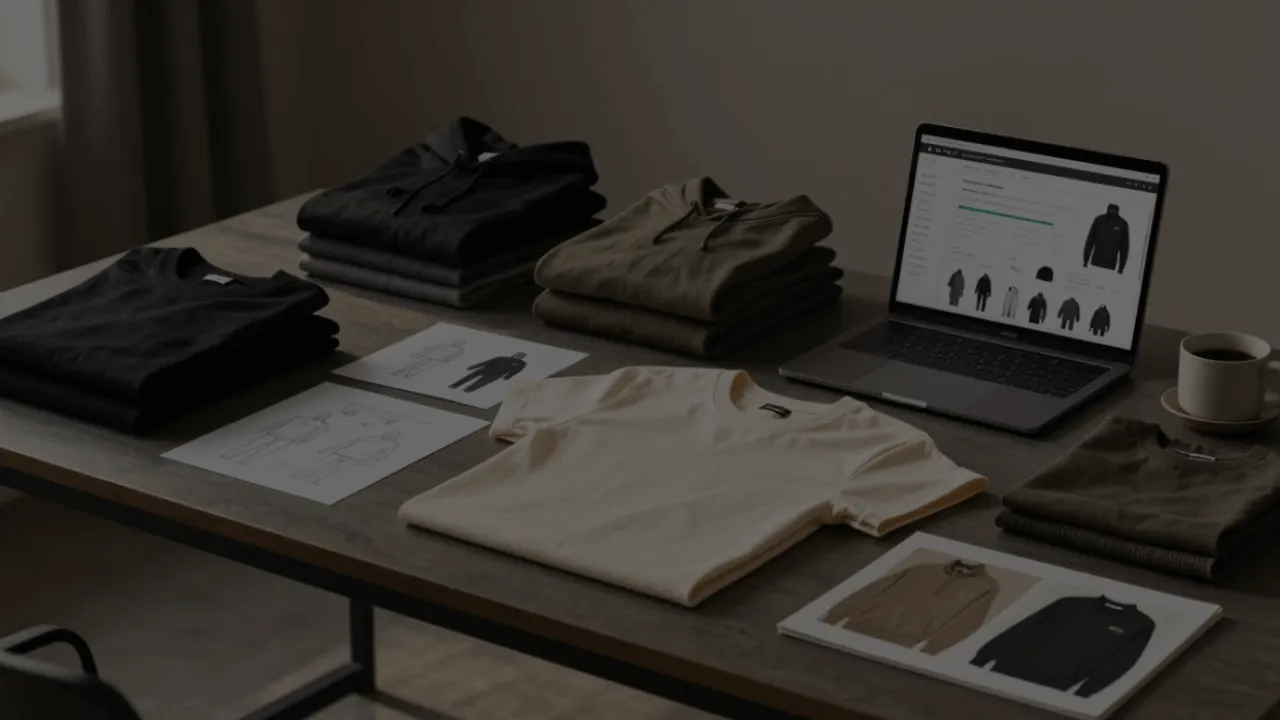
The cost to start a print-on-demand clothing brand depends on the product you need to approve, the store you will run, and the money required to fulfill the first orders. At Tapstitch, paid single-item garment ordering can reduce your initial inventory commitment. We can fit a low-budget launch when the configured products, services and delivery route fit your cash plan. That doesn't make the launch free or mean we are the cheapest choice for every brand.
Choose a POD Company by the Cash You Need before Your First Sale
Begin with a launch you can describe precisely. Identify the first garment, intended decoration, essential brand details and destination. Then decide which store will take the orders. Those choices determine the expenses you need to assess; a general “no inventory” label doesn't provide a budget.
Choose a company whose ordering conditions let you evaluate the necessary product without buying an unwanted bulk run. Tapstitch's available-garment route can support a paid single-item trial. It suits a design that works on an existing style and supported decoration area. Original pattern development calls for a service that explicitly offers that work and a budget appropriate to it.
Look at the spending required to reach the first sale, not just the amount required to create an account. A product purchase for physical review, a usable listing and a working order configuration all matter. A supplier can reduce one type of commitment, but other launch tasks may still require money or time.
Use the catalog to select the actual item before calculating the cost. Keep the chosen configuration attached to the estimate. Otherwise, you may budget for an undecorated basic and later launch a different garment with more decoration and added components.
Separate Launch Costs from per-Order Costs
Launch costs prepare the offer. Per-order costs deliver the product a customer buys. Some work belongs in both categories: you pay for a trial garment before launch, then pay again for the customer's configured order. Separating them prevents the sample purchase from being mistaken for inventory that fulfills every later sale.
Classify each planned expense as necessary now, optional now or dependent on actual orders. Make those categories reflect the launch rather than a generic business checklist. For example, physical product approval may be necessary before sales, while a larger collection or additional promotional materials can wait.
Samples, Design Preparation, and Store Setup
Budget for a paid configured item and its shipping when you need to assess the product. Include the artwork you plan to sell, rather than buying an undecorated blank and treating it as approval of the finished design. Add a revised order to the plan if the first trial may require changes.
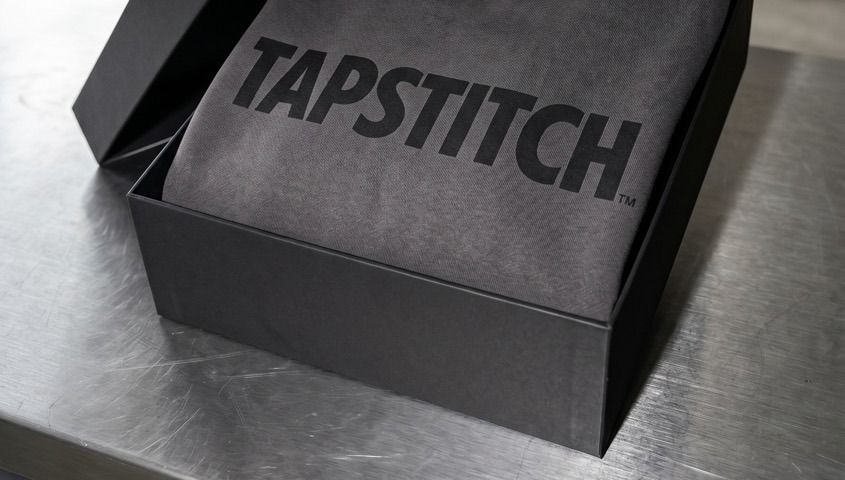
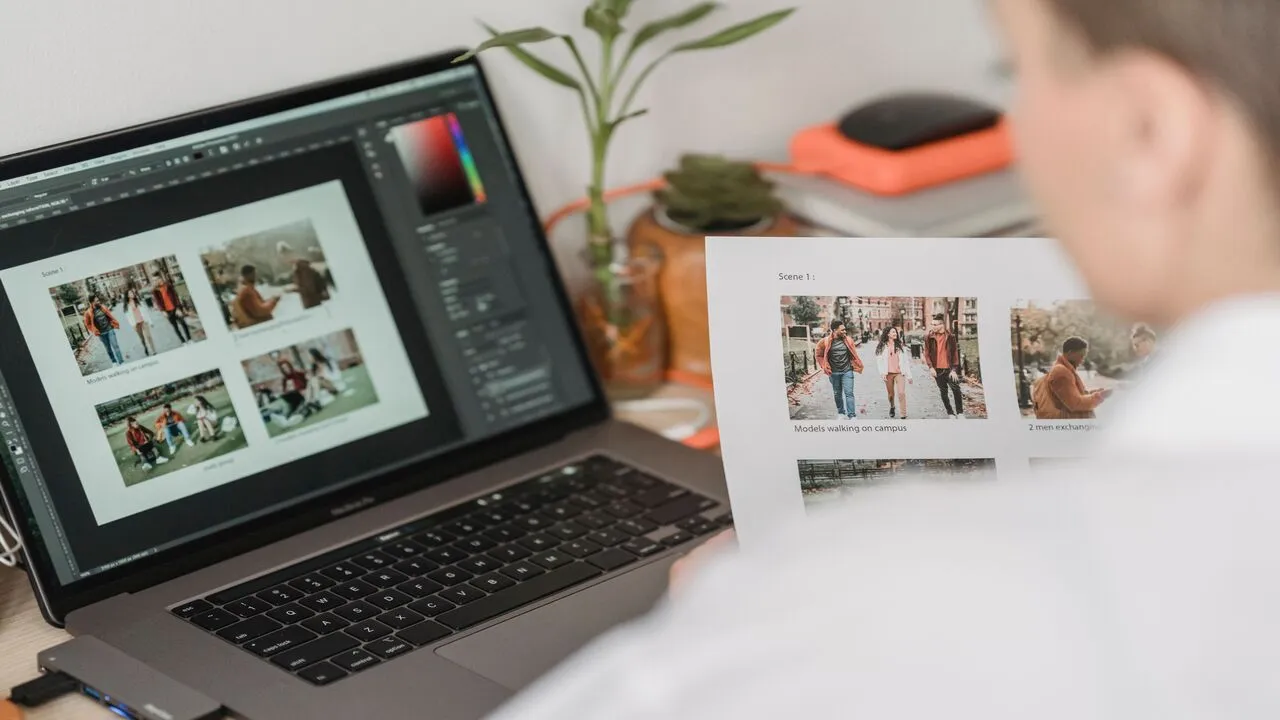
Identify how the artwork will be prepared. You may make it yourself using tools you already own or pay for assistance. Record the actual arrangement. Do not assign a universal design fee to every brand or assume existing equipment eliminates the time needed to produce a usable file.
Prepare accurate images and descriptions. A founder can photograph an approved item, but the plan still needs time and any materials used for the shoot. Choose a manageable presentation method for the first product rather than budgeting for a campaign before knowing whether the garment fits.
List the actual store expenses for the platform you choose. Distinguish recurring operating charges from costs triggered by transactions or optional services. Use the relevant account terms instead of copying a platform price into a permanent budget assumption.
Keep avoidable expansion costs separate. Extra garments, unused accessories and a large set of color variants can consume the launch budget without answering the first product question. Delay them until you understand the approved offer and its order costs.
Garment Customization, Branding, and Shipping
Calculate the configured garment rather than using a product-page starting figure as the delivered cost. Decoration, selected brand components, fulfillment route and destination can change the payable total. Save the configuration and checkout information with the date you evaluated it.
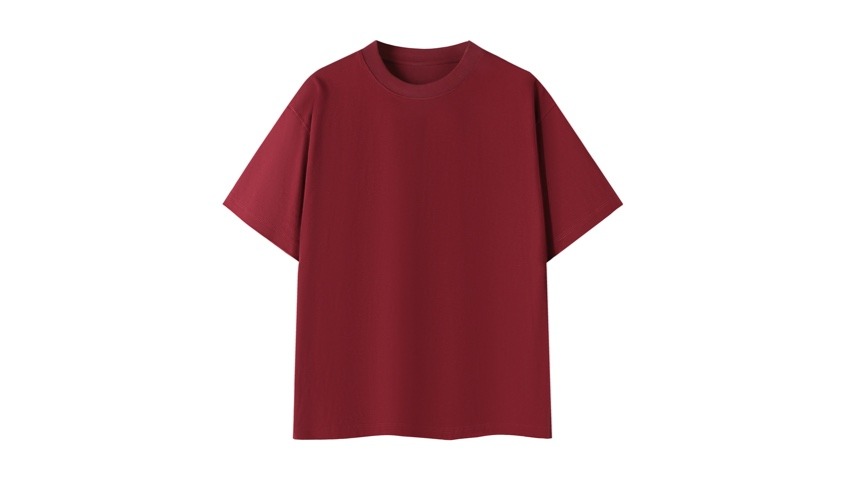
Our Essential Cotton T-Shirt RT0063 is a concrete garment to configure, not a universal budget for a clothing brand. Select the item, artwork and destination you intend to use. On October 12, 2026, its international-fulfillment page displayed a USD 5.99 product price with shipping calculated at checkout; that blank price does not establish the cost of the completed customer order.
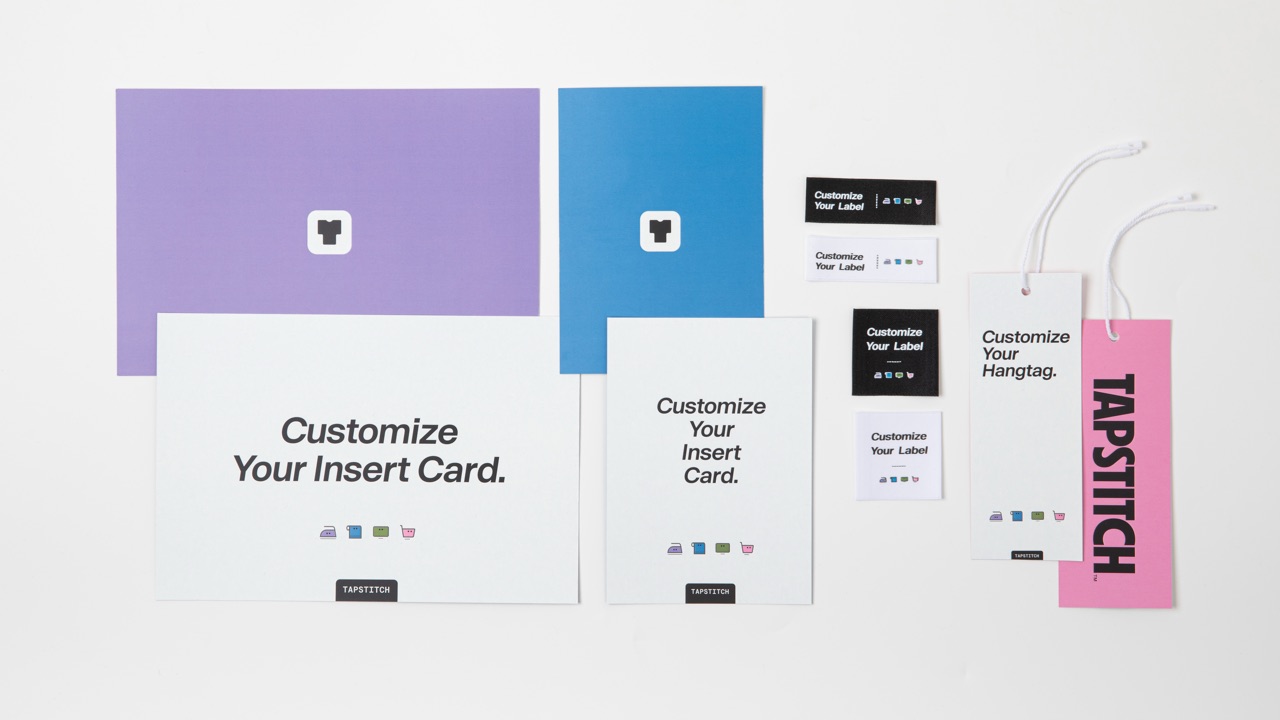
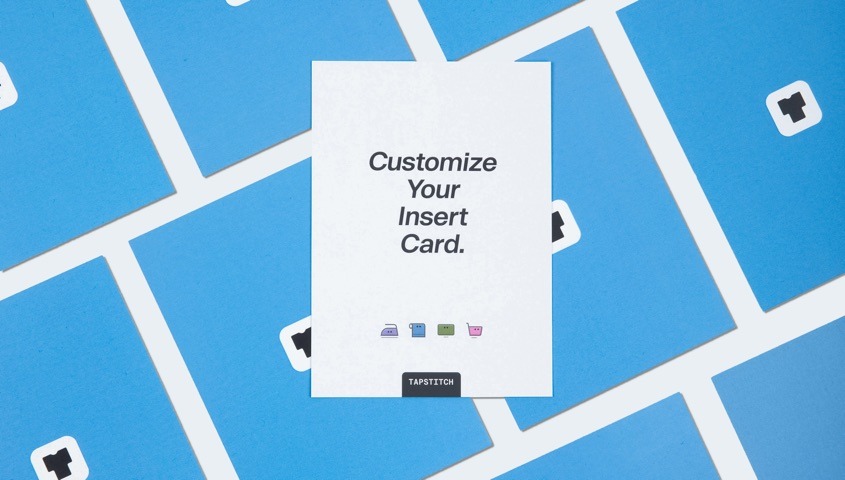
Assess labels, hangtags and insert cards individually. Decide which components are necessary for the first release, then include their applicable conditions and charges. Hangtags are charged per garment and insert cards per order; custom labels require international fulfillment, and hangtags and insert cards are not available for orders fulfilled through US fulfillment.
Calculate shipping for the intended destination and order composition. Keep that amount separate from the price you show the buyer. If you offer shipping within the retail price, the supplier's shipment cost still belongs in your calculation even though it is not a separate buyer-facing line.
Build a Budget for One Product and a Small Launch
Use a budget you can adjust as the configuration changes. Begin with one approved product, then add another style when its role and cost are clear. The aim is to understand the commitment before expanding the range, not to invent a fixed amount that every founder should spend.
The following worksheet uses inputs from your selected setup. Enter amounts in the same currency and avoid counting an expense twice if it is already included in a configured price.
Add the necessary launch lines and the cash required for the first orders. Treat the reserve as an amount you choose for planning, not a supplier charge or a prediction that problems will occur. Keep its purpose clear so you know when you've used it.
Write exclusions next to the total. If the plan excludes paid promotion, additional styles or a professional shoot, say so in your own budget record. This keeps a small product trial from being mistaken for the complete cost of operating a growing brand.
Recalculate after a meaningful change. A second garment, another delivery destination or an added tag creates a new configuration. Carry forward unchanged inputs, but do not assume the previous delivered total applies automatically.
Keep the inputs visible when comparing launch options. If one plan includes a paid physical item and another starts from mockups alone, their totals describe different levels of preparation. If one price includes a brand component and another leaves it out, the apparent saving may disappear after configuration. Label the included work and services before choosing between totals. This lets you reduce the budget intentionally, such as postponing an optional accessory, rather than unknowingly removing a check needed to approve the product.
Check the Cash Gap between Supplier Payment and Store Payout
Plan for when money moves, not just how much an order costs. A customer can pay your store while the supplier payment is due before those funds are available to you. The gap depends on your accounts' payment arrangements and cannot be inferred from the retail price.
Review the supplier payment settings alongside the store payout schedule. Tapstitch's Auto Payments explanation describes how payment works with automatic order submission. Decide which setup you will use and how you will notice a failed payment.
Reserve enough cash for the order scenario you intend to accept. Use your actual payable configuration and account timing. Do not treat a hypothetical purchase volume as a sales forecast, or assume every payout will arrive before the next supplier charge.
Include how you will handle a revised product or customer issue. A remake, refunded sale or other resolution can affect cash even when you have not purchased inventory. Define the owner of these decisions and avoid spending the entire launch allowance on optional presentation details.
Decide Whether the Launch Fits Your Budget
Compare the required launch spend and first-order cash with what you can allocate. If the plan fits, proceed with the approved product. If it does not, reduce optional components, narrow the range or postpone the launch while preserving essential product and order checks.
Choose Tapstitch when its available garment, paid trial route and fulfillment configuration fit that plan. Select another service when an essential manufacturing or operating requirement falls outside it. A lower commitment is useful when it supports a product you can responsibly offer.
Keep the budget tied to the first release and review it as actual orders arrive. The useful conclusion is a workable launch configuration, rather than a promise that a brand can begin without spending anything.
FAQ
Wrapping Up
A low-inventory launch still needs a budget for product approval, store preparation and the first customer orders. Separate initial spending from per-order costs, and account for the gap between supplier payment and store payout.
Build the plan around a specific configured product and a spending limit you can manage. Proceed with the necessary checks funded, reduce optional scope when needed and expand the range after its actual costs are understood.