








How to Choose a Streetwear POD Supplier



A POD supplier for a streetwear brand should support the silhouette, fabric, finish, and order configuration that define the collection. At Tapstitch, we offer ready-to-customize garments and direct fulfillment. Choose us when the specific products and services meet your requirements. A clear print can't fix the wrong proportions, and a blank customization route shouldn't be mistaken for original cut-and-sew development.
Choose a Supplier for Your Streetwear Product Brief
Describe the first product before evaluating platforms. Identify the wearer, intended silhouette, fabric direction, graphic placement and brand presentation. Then identify the quantity and delivery route you need. Choose a supplier based on those requirements rather than a broad streetwear label.
Mark essential features separately from preferences. A particular body proportion may be essential to the design. A choice between two compatible colors may be flexible. This prevents a supplier with attractive extras from distracting you from a missing requirement.
Our streetwear range gives you garments to assess for this route. Evaluate a precise style, size and decoration configuration. If the design depends on a new pattern or specialized construction, select a manufacturer that explicitly provides development.
Use the eight checks below as one product decision. Do not average away an essential gap. A suitable label and small order minimum do not resolve a garment that cannot express the collection's defining shape.
Check the Streetwear Garment
Inspect the blank as part of the design. Its proportions and material create the clothing experience before decoration. Category names can help you browse, but product specifications and a physically configured item should guide approval.
Keep the product code and selected variant in your assessment record. This makes it clear which garment you evaluated and prevents you from carrying one style's specifications into a different item with a similar name.
1. Silhouette and Measurements
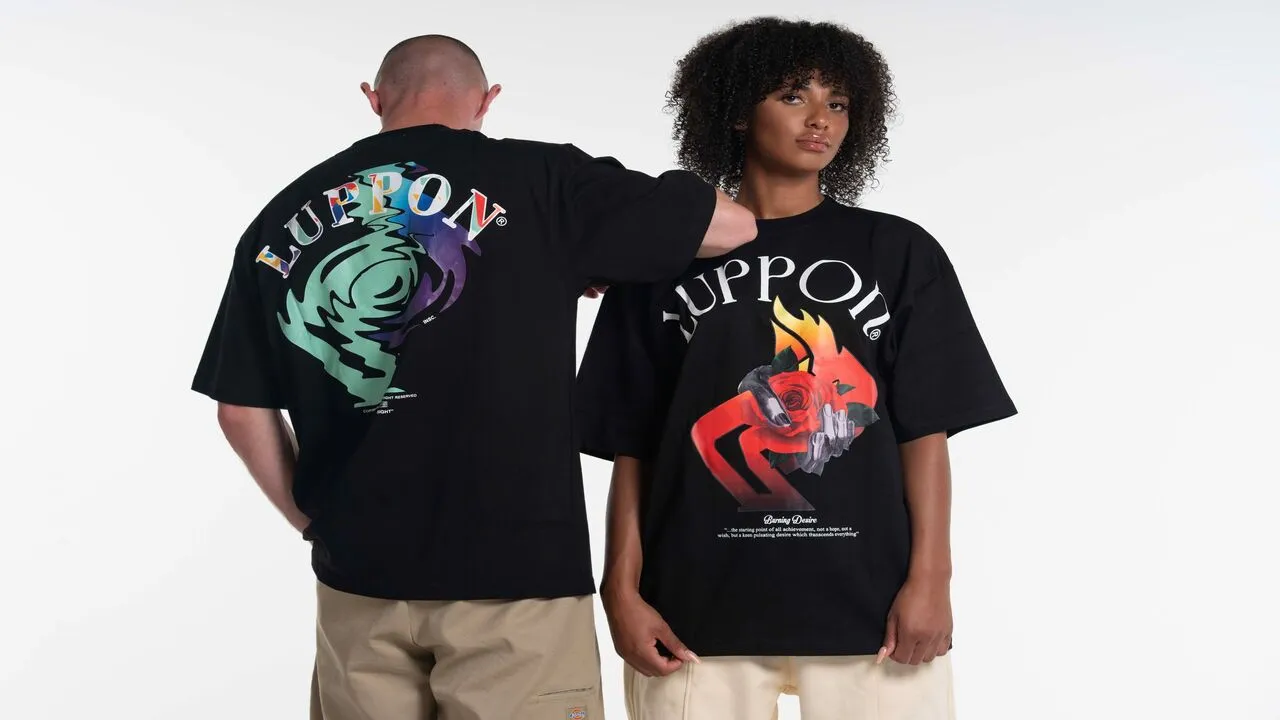
Compare shoulder width, chest width, body length, and sleeve length where the product's size guide provides them. Decide which relationships create the intended silhouette. A wider garment with a shorter body creates a different offer from a longer relaxed piece.

Use a reference garment and the intended wearing context. Layering, tucking and the way the customer styles the item can affect the proportions you want. An oversized name does not mean every size or wearer gets the same visual effect.
Do not treat sizing up as interchangeable with choosing a purposefully loose cut. Inspect the measurements and try the chosen size. The supplier fits this part of the brief when its available style can deliver the silhouette you intend to describe.
2. Fabric Weight
Read GSM for the exact garment, then relate it to the category and use. GSM measures fabric mass per unit area. It doesn't describe overall garment quality, and a higher figure doesn't automatically make a product more appropriate for streetwear.
Compare comparable products. A tee and a fleece hoodie have different construction and uses, so their weight figures shouldn't become a simple ranking. Use the number to select a candidate, then assess the item physically.
3. Fabric Composition
Read composition alongside weight and intended use. Cotton and a fleece blend are different product choices, and the finished feel also depends on construction and processing. Do not infer the actual wearing experience from a fiber name alone.
The Oversize Fleeced Hoodie R00286 provides a blend to assess for a layered product. Compare its composition with the brief and use a physical item to judge how it works in the collection.
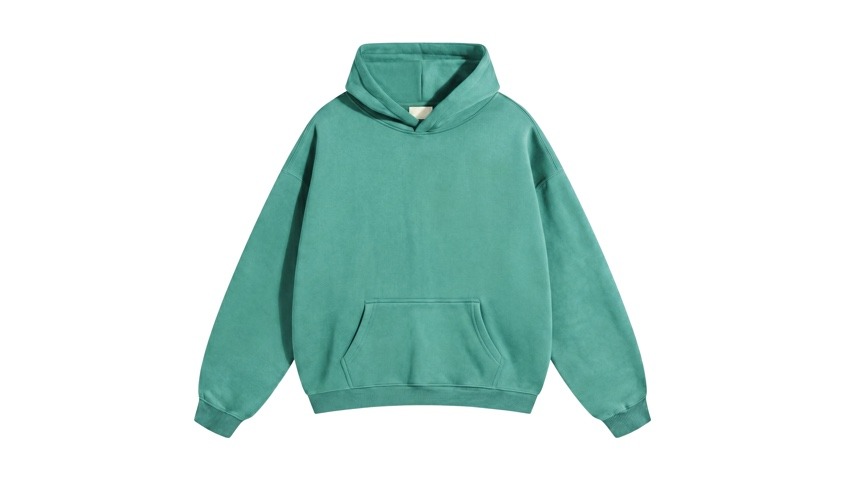
Keep the customer description factual. State the garment information relevant to the chosen item without converting it into an unsupported promise of superior feel or durability across the whole catalog.
4. Wash and Finish
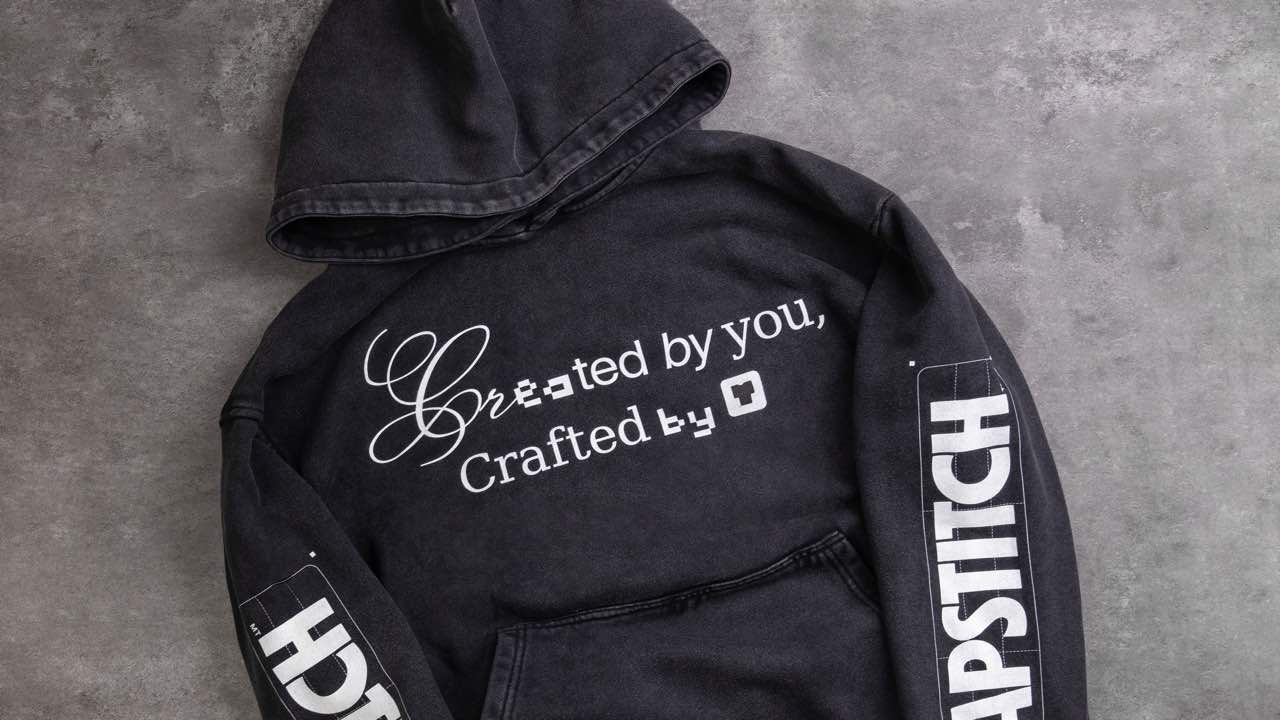
Choose the finish because it supports the design. Our Snow Wash Fleece Oversize Hoodie RW0046 is one specific washed option. Its surface can create a different visual relationship with artwork from a cleaner-looking blank.
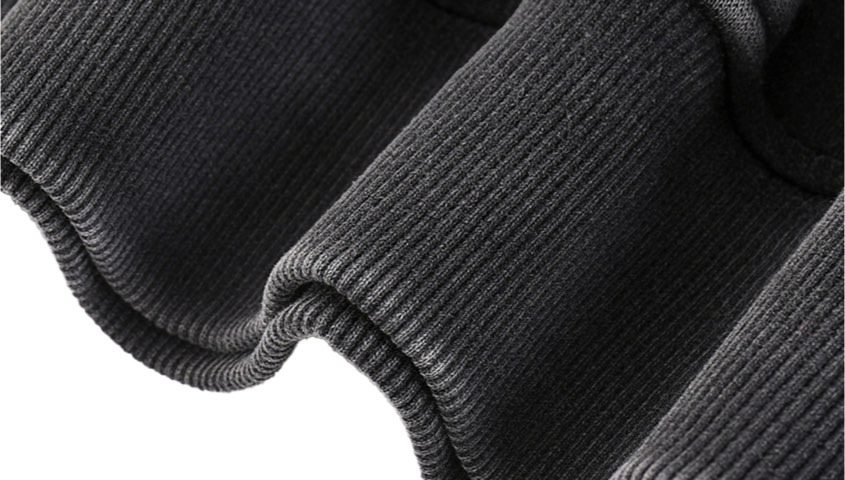
Distinguish a stated wash treatment from an aesthetic description such as vintage. Inspect the product's actual information and assess the physical appearance. A worn-looking image does not indicate a specific manufacturing process or a durability outcome.
Review the finish with the planned graphic and palette. A subtle illustration may need a different garment background from a bold composition. Keep those decisions together rather than choosing the wash as an unrelated upgrade.
Check Customization and Delivery
Once the garment fits, assess how the design and order will be configured. The available decoration, brand components and delivery arrangement need to support the same product you approved. A suitable blank is the first step in that decision.
Record the selected services and total payable configuration. This avoids comparing a simple, undecorated starting price with a product that includes extra decoration and accessories.
5. Print Areas and Decoration Options
Use the selected item's available decoration area to plan the graphic. Examine how it relates to the neckline, pockets, seams and garment finish. Do not apply a dimension from another style simply because both garments belong to streetwear.
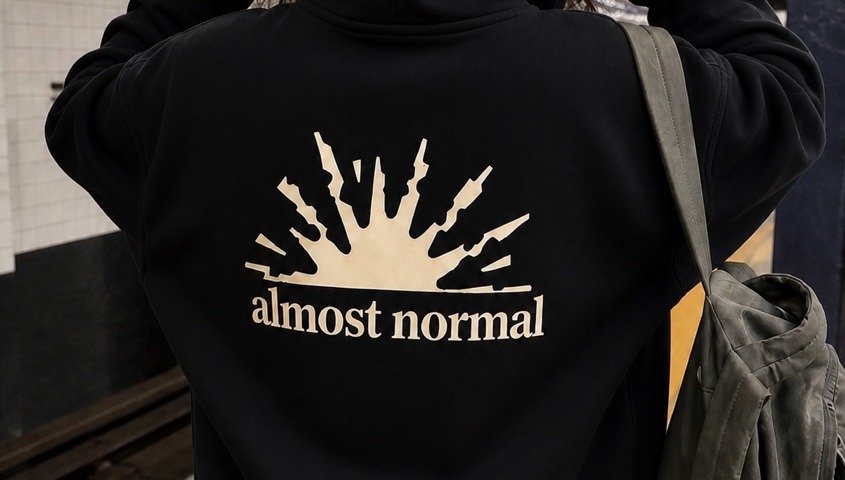
Prepare the file at its intended size and follow the product's uploader settings. Our design size guide gives preparation guidance; the chosen garment establishes the working layout. Assess the graphic on the actual configuration before publishing it.
A supplier fits when the supported decoration can express the design without losing an essential feature. If an important location or process is outside that setup, change the garment or choose a service offering the requirement.
6. Brand Details
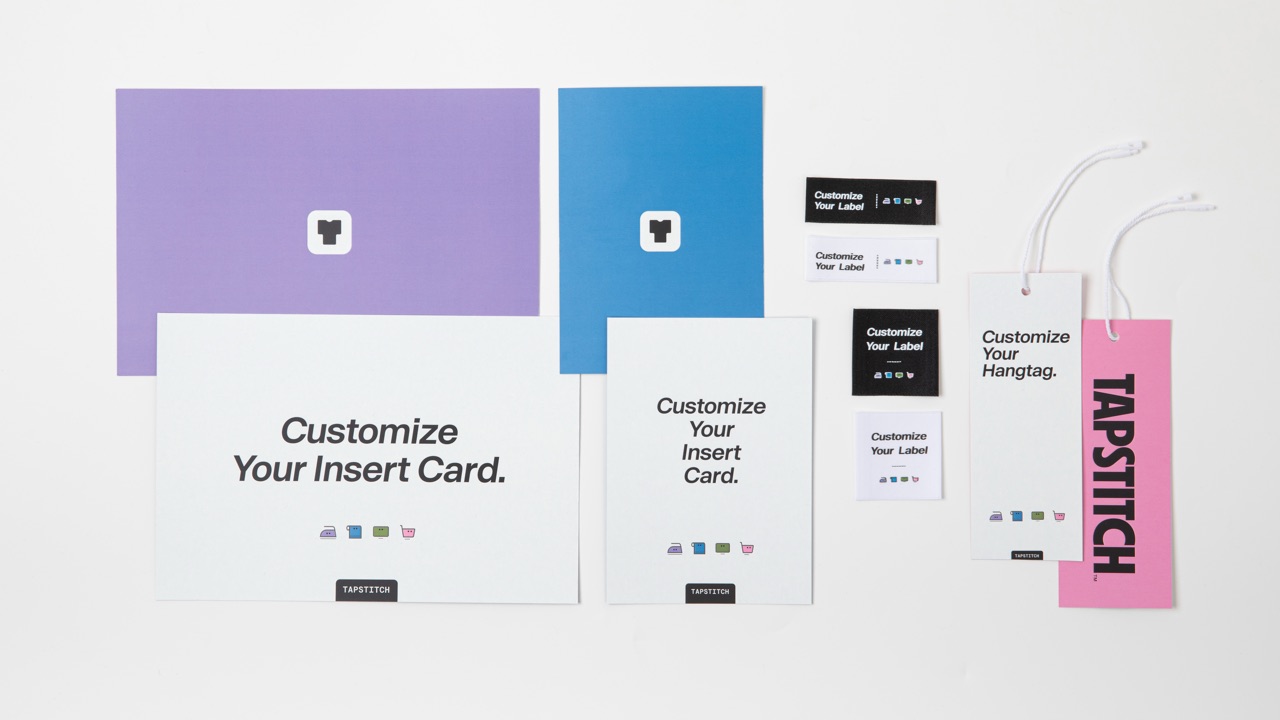
Select the components that support the clothing's identity. Our custom branding services include labels, hangtags and insert cards. Custom labels require international fulfillment, and hangtags and insert cards aren't available for orders fulfilled through US fulfillment, so match them to the fulfillment route and the chosen garments.
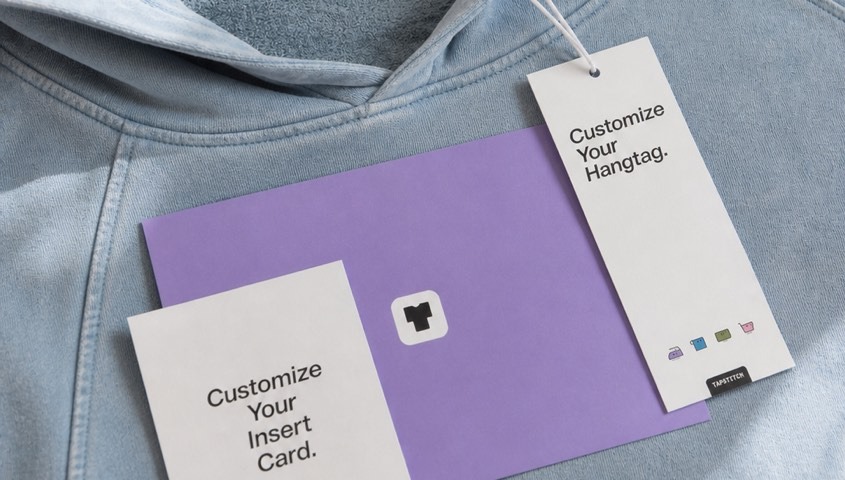
Keep the logo treatment and wording coherent across the storefront and product. Each component can serve a different job without duplicating every other surface. Show the presentation that the actual order includes.
If a required brand component does not fit the selected setup, resolve that requirement before launch. A polished packaging mockup cannot replace a workable fulfillment arrangement.
7. Minimums and Test-Order Costs
Evaluate the garment minimum separately from added service conditions. A paid single-item Tapstitch garment order can help you assess a style without a bulk run. It does not establish that every label or accessory uses the same minimum.
Calculate the item, decoration, selected components, shipping and applicable charges for the intended destination. Include a revision allowance in your own planning if another trial may be necessary. Low quantity purchasing reduces one commitment rather than removing product development costs.
Make the trial answer a defined question. A focused fit assessment needs a different configuration from a review of the complete branded delivery. Buy only the components needed to answer the question, rather than assuming more options always produce better evidence.
8. Fulfillment and Order Responsibility
Check the route for the exact product and customer destination. Do not extend one garment's domestic fulfillment option to every style. Keep the shipping configuration attached to the product you intend to sell.
Our shipping explanation separates production from transit estimates. Structure customer information around the full order process, and assign responsibility for payment or order-transfer exceptions.
Your store remains the buyer's contact. Define how it will handle product complaints, delivery questions and return requests, including the supplier process for relevant order issues. That operating plan belongs in the supplier choice alongside the garment.
Shortlist the Supplier and Validate the Garment
Review the essential requirements together, then choose a representative configured product for physical assessment. The supplier should be able to make the intended item at an order commitment and delivery route your brand can manage.
Use a short approval sheet to make the shortlist actionable. Record the required silhouette, selected size, material direction and planned graphic beside the evidence you reviewed. If a requirement is flexible, note the acceptable alternative. If it is essential, record a clear pass or a specific reason to change the product. This prevents a visually attractive garment from reaching the launch simply because nobody wrote down the missing condition.
Compare trial items under similar viewing conditions and with the intended styling. A hoodie worn over another layer presents a different fit question from the same item worn alone. Photograph the configuration your customer is likely to use, then explain that use accurately in the listing. The useful outcome is a repeatable product decision, rather than a collection of impressions disconnected from the brief.
Record whether an issue comes from the blank, graphic layout, accessory configuration or operating setup. Those causes need different changes. A focused revision is more useful than replacing the entire product without understanding which requirement failed.
Choose Tapstitch when the available style, customization and fulfillment match the brief. Use another production service when original construction or an essential capability lies outside that route. The shortlist should lead to a garment you can accurately offer.
FAQ
Wrapping Up
A streetwear supplier should support the garment and operating brief, beyond producing a clear print. Silhouette, fabric, finish, decoration, branding, order commitment and fulfillment all contribute to the final decision.
Use the eight checks to shortlist a precise configuration, then review a representative physical product. Change the blank, design or production route when an essential requirement fails, instead of allowing attractive extras to obscure the gap.