





How to Make Money on Etsy: The Ultimate Guide [2026]



You love making things from scratch. Or maybe you have handmade jewelry in boxes or a folder of designs you never used. Etsy is one of the most convenient sites that help you convert that into cash. How to make money on Etsy isn't some secret formula. It just takes a few smart moves done consistently.
This guide takes you through the entire process. Choose a product, create a shop, set a price, and get people to actually buy. Nothing fancy here, just what works.

Why Etsy Is Still Worth It in 2026
Etsy gives new sellers access to a large audience from day one. According to Etsy's own Q4 2025 earnings report, the marketplace closed out 2025 with 86.5 million active buyers, all searching for things they cannot find at a big box store. That is the part most people underestimate when they start.
The site keeps evolving too. There are new trends arising all the time and customers who are looking for something different always visit this platform. Whether you're looking for a side hustle or dreaming big, this is the right chance for you.
Testing an idea is simple. List a product. Watch what happens. Tweak it. Repeat. This loop is what makes many small shops grow into full time businesses.
Etsy customers are more likely to spend more on each purchase compared to customers on other platforms. They were looking for something unusual rather than the cheapest in the vicinity. That gives you room to charge what your work is actually worth.
How to Set Up an Etsy Shop
You cannot earn a dime without a shop, obviously. Setting up an Etsy shop the right way from the start saves you a headache later.
Follow the steps below and do not skip any of them.
Step 1: Choose Your Etsy Shop Name
Keep it short and simple. Avoid any random numbers and symbols that cause confusion when spelling. Repeat the name a few times. If it is easy to pronounce, the buyers will remember it.
Step 2: Fill Out Your Shop Details
Include a banner, logo and bio that introduces yourself. It's an opportunity to gain trust before people even see a product. Also, make the bio short. Any honest lines are better than a wall of text.
Step 3: Set Up Billing and Payments
Etsy needs your bank info and a payment method for fees before your shop can go live. It takes maybe ten minutes. Check the numbers twice before you hit submit. One typo and your first payout gets delayed.
Step 4: Create Your First Listing
Good photos and an honest description. A price that makes sense. Your first listing sets the tone for everything that follows, so slow down here. Write naturally, as if you’re talking to a friend rather than filling out a legal document.
Once the shop is live, the harder part starts. Now you need products that actually sell.
Best Things to Sell on Etsy Right Now
Product choice makes or breaks a shop. The best things to sell on Etsy usually feel personal or a little hard to find elsewhere.
A few categories that keep performing well:
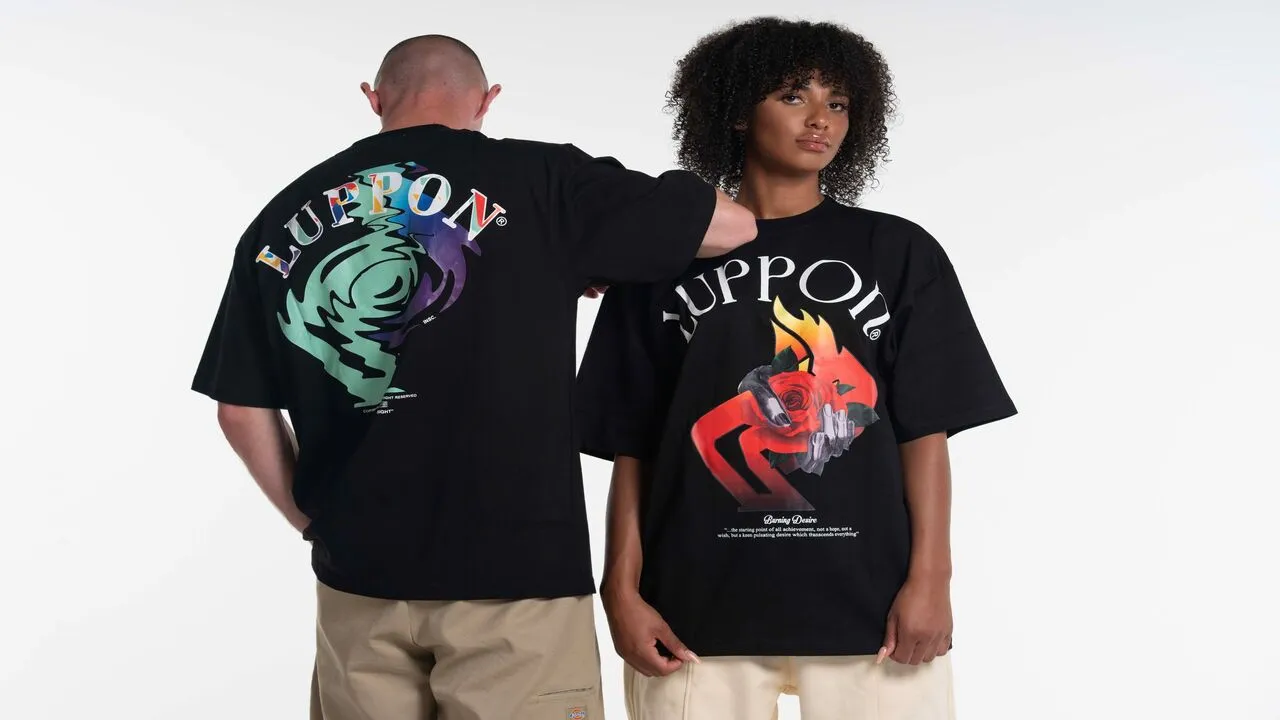
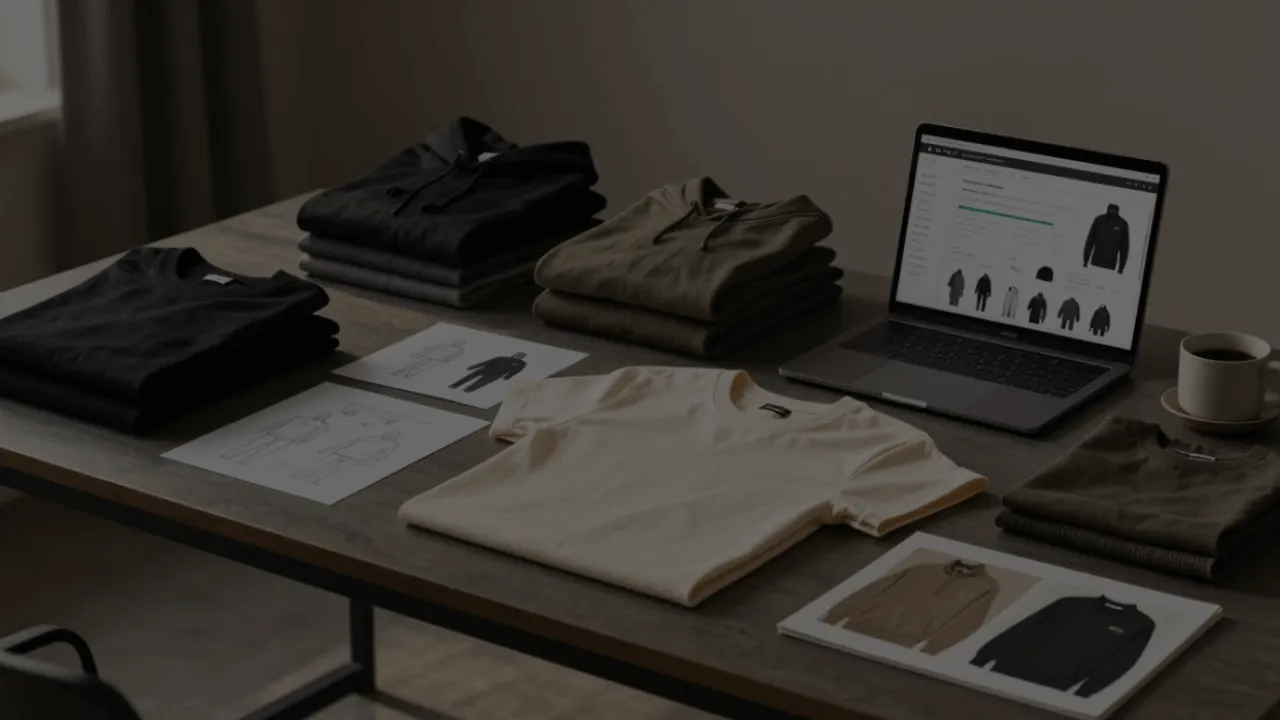
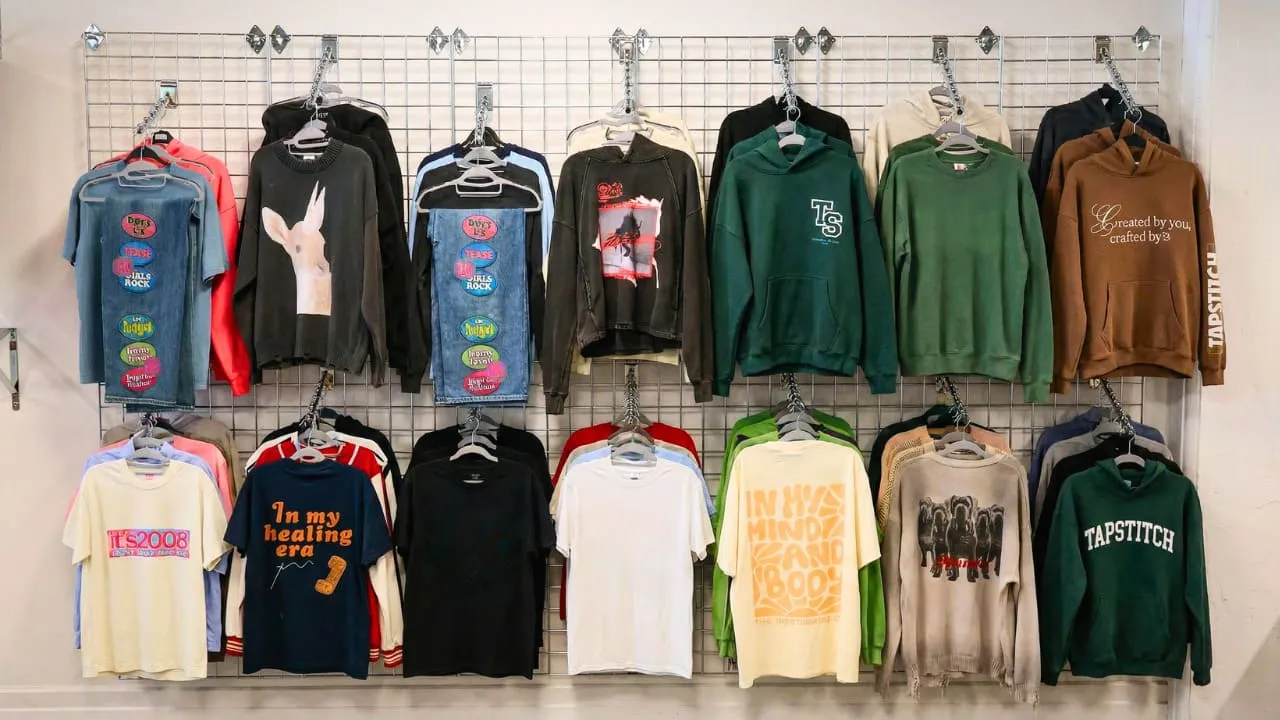
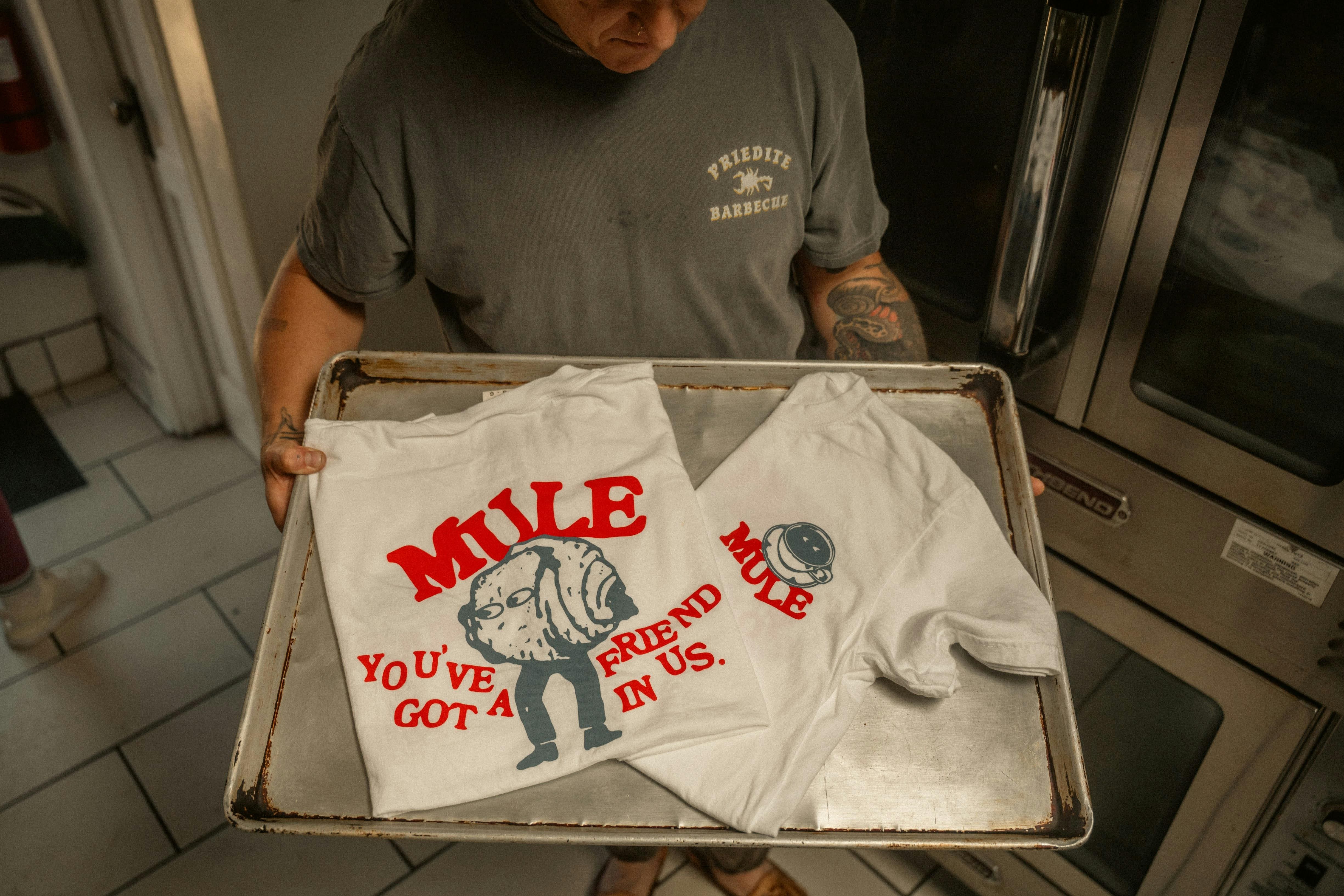
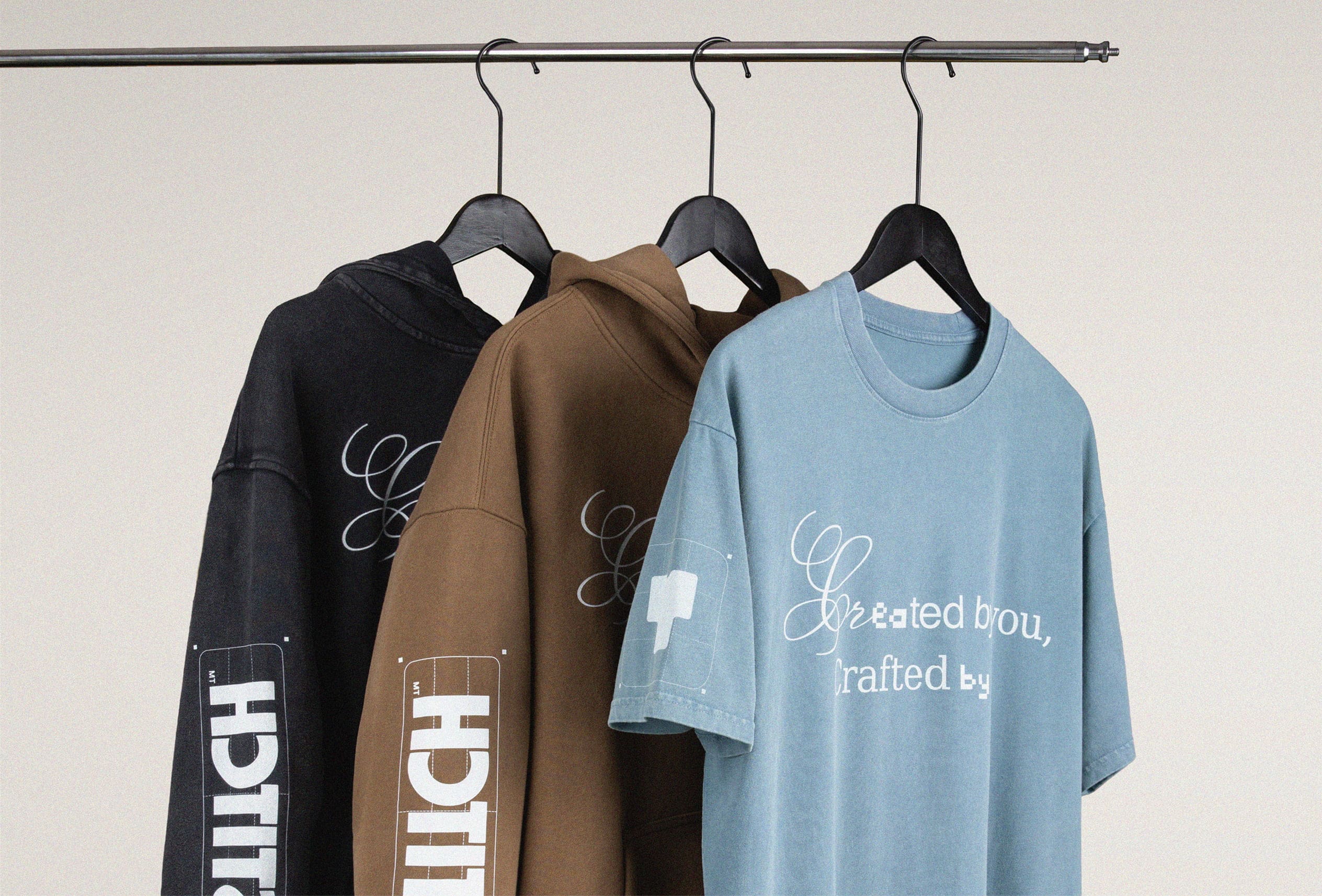
- Custom apparel like shirts and hoodies
- Custom jewelry and accessories
- Printable planners and templates
- Wall art and home decor
- Personalized gifts
- Wedding and party supplies
- Craft supplies and patterns
- Pet accessories
Before locking anything in, go search Etsy for similar items yourself. Look at review counts. Read the complaints buyers leave in reviews. That is where you will find your opening.
If a product sells well but people keep complaining about sizing or colors, that gap is yours to fill.
For more ideas, check out this list of easy things to sell on Etsy with real examples and pricing tips.
Still deciding between a few ideas? This broader guide on what to sell on Etsy covers more categories and explains why certain niches just perform better than others.
How to Sell on Etsy and Actually Make Sales
Listing something is the easy part. Getting people to actually buy it? That is where most sellers get stuck. Here is how to sell on Etsy in a way that moves the needle.
These tips work together, so try reading through all of them before you apply any single one.
Write Listings People Can Find
Shoppers search Etsy with keywords the same as Google. Match the exact terms that people would search for, like "boho earrings" instead of simply "earrings. Use your main keyword in the title, tags, and description.
Fill every single tag slot Etsy gives you. Each one is another shot at showing up in search.
Use Photos That Sell
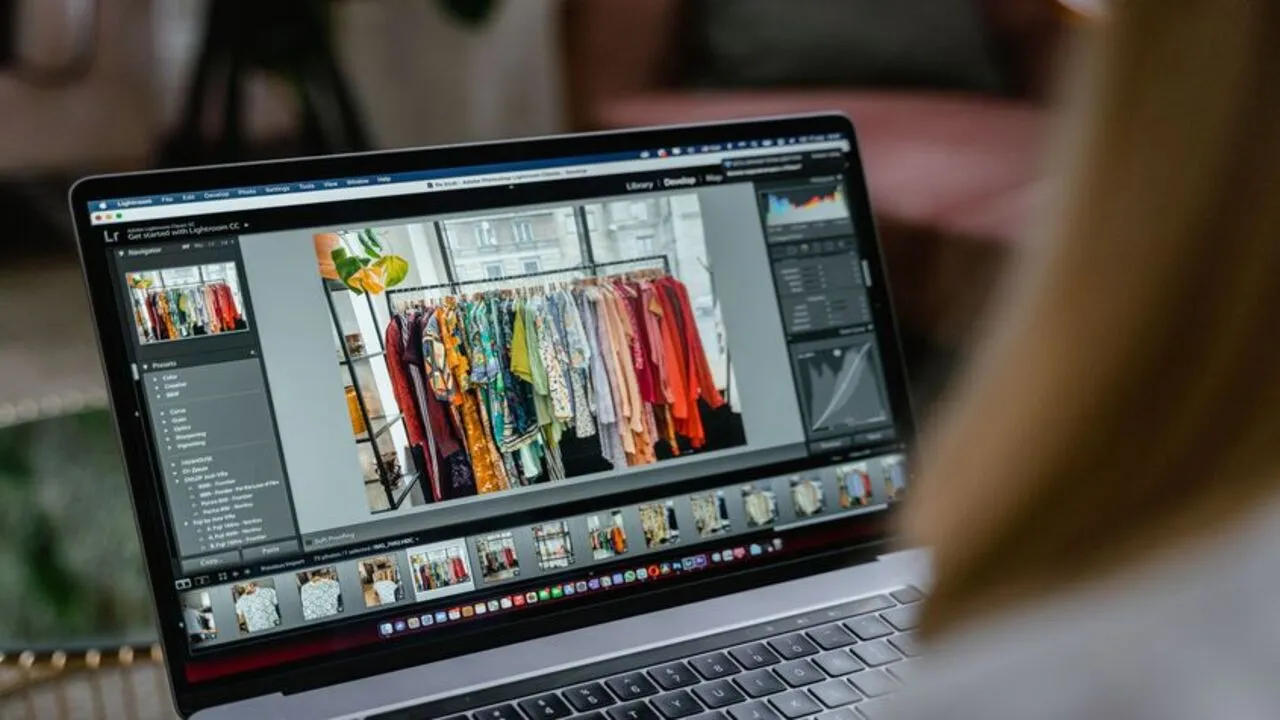
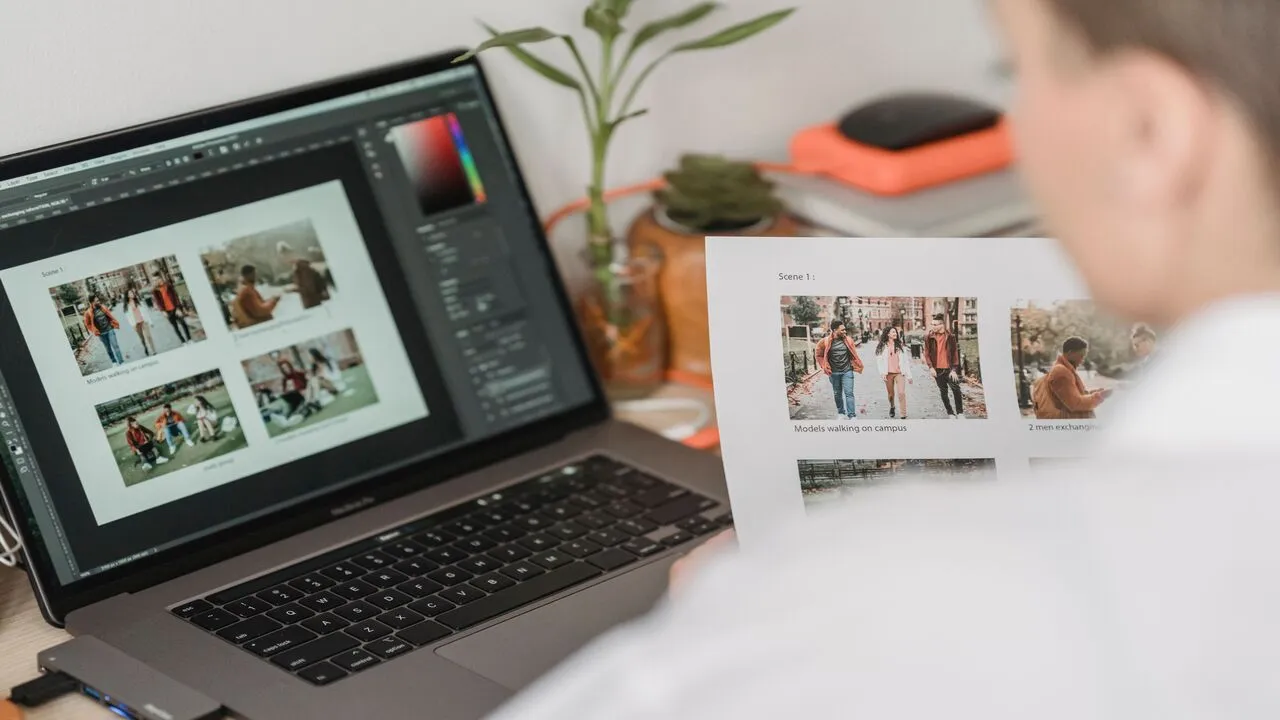
Nobody can touch your product through a screen, so the photos have to do that job for you. Natural light helps a lot. Show multiple angles. Include a lifestyle shot so buyers can imagine actually owning it.
Skip the cluttered backgrounds. A plain backdrop keeps eyes on the product, not the mess around it.
Price for Profit, Not Just Sales
Underpricing is probably the most common rookie mistake out there. Add up materials, your time, and Etsy's fees before you land on a number. A fair price beats a cheap one that quietly drains your bank account.
Be honest about your time too. If something takes two hours to make, that time deserves to be paid for.
Ask for Reviews
Reviews build trust fast, maybe faster than anything else on your shop page. After each sale, send a note asking happy customers to leave feedback.Even ten solid reviews make a shop look far more trustworthy than an empty one.
Etsy Print on Demand: A Low Risk Way to Start
Not everyone wants to deal with inventory or shipping boxes. That is where Etsy print on demand comes in. A partner company prints and ships your product only after someone actually buys it.
A few reasons sellers gravitate toward this model:
- No stock to buy upfront
- No storage space needed anywhere
- Orders ship straight to the buyer
- You pay only when a sale happens
- Testing new designs costs you nothing extra
This setup fits custom tshirts, mugs, and posters especially well. You handle the design, upload it, and the fulfillment partner takes it from there. It reduces the risk that usually comes with starting a shop from scratch.
It also makes scaling later much easier. Once one design starts selling, you can add colors or styles without ever ordering physical stock.
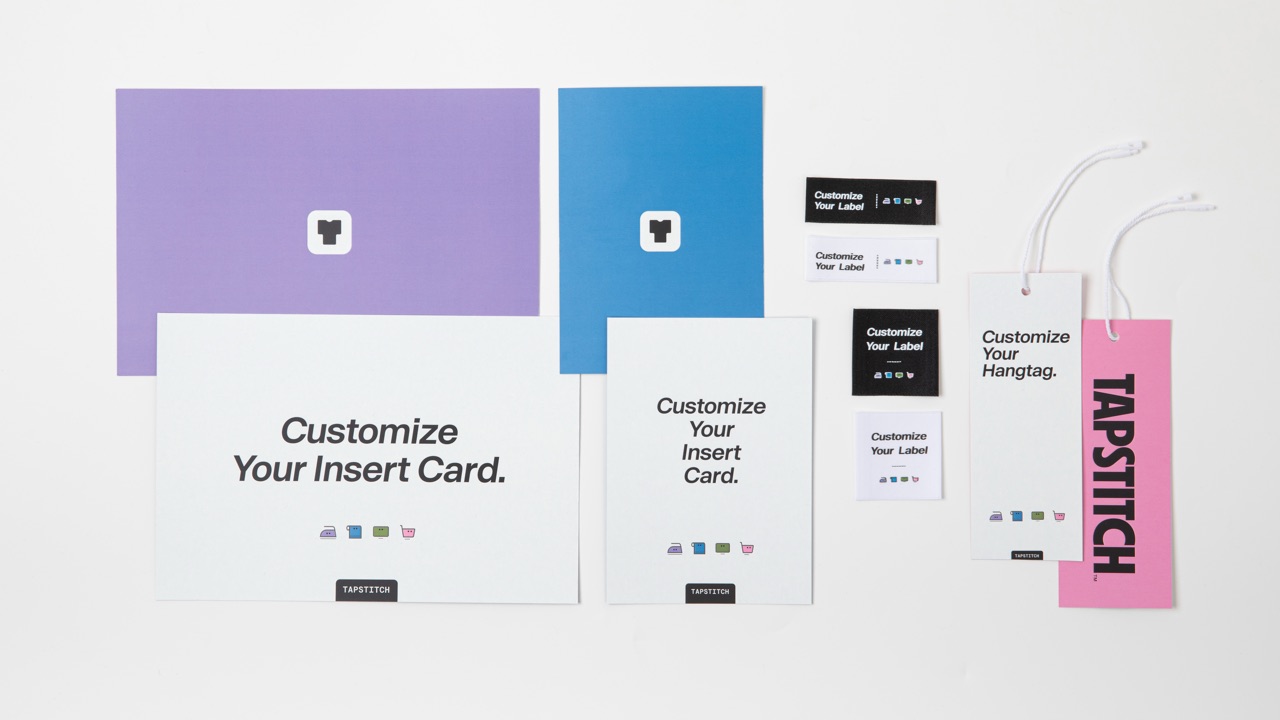
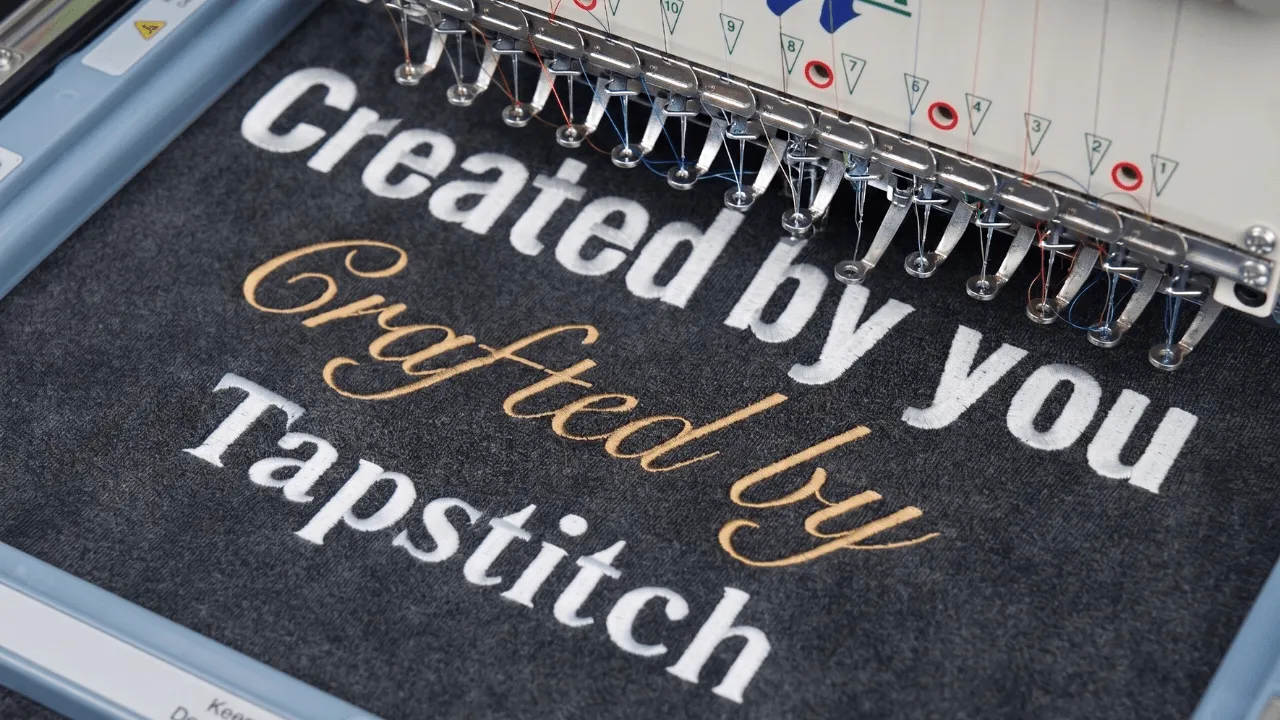
Want to see how this actually plays out? You can also check out Tapstitch to see how print-on-demand clothing brands get started.
How to Create an Etsy Shop That Stands Out

Boosting up the branding is important after handling all the basics. Knowing how to create Etsy shop pages that actually feel unique matters more than most beginners realize.
Branding is not about spending money you don't have. It is about staying consistent enough that buyers recognize your shop when they revisit the platform.
A few small touches that add up:
- A consistent color scheme across your shop
- The same font style in every listing photo
- A short story about why you make what you make
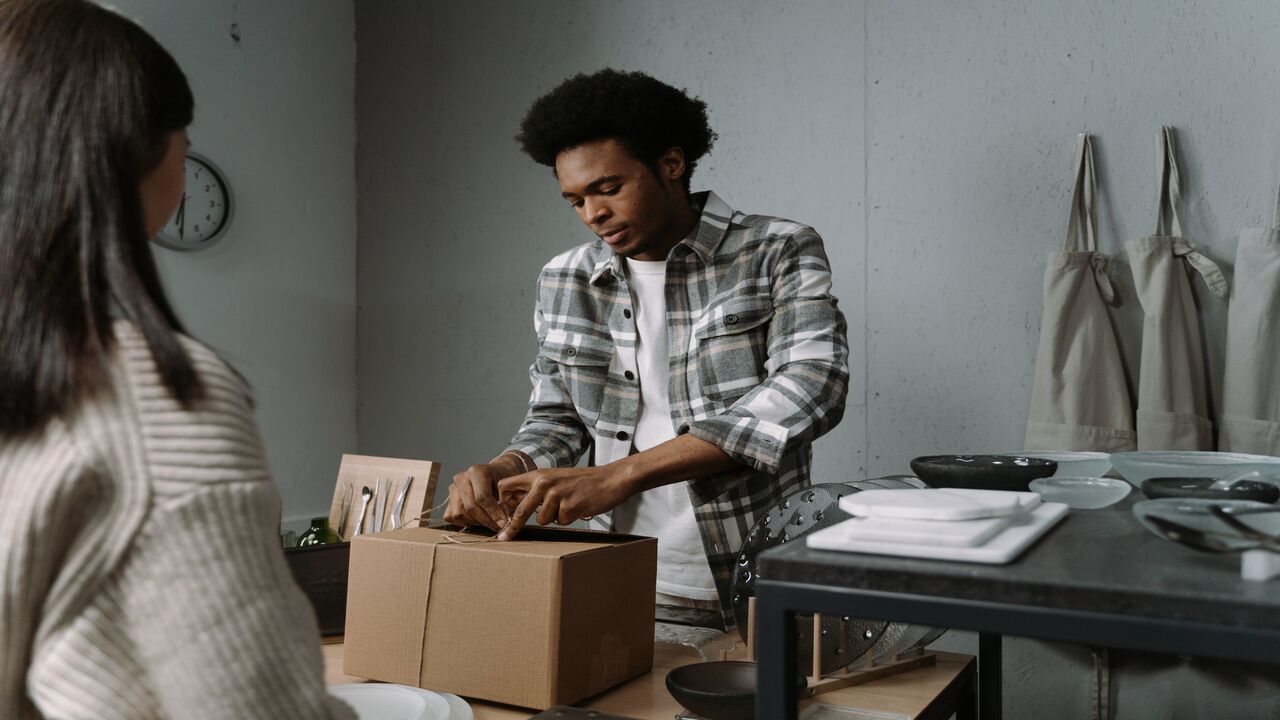
- Packaging that feels a little thoughtful, even simple ones
- A policy page that answers common questions before buyers even ask
Shops that feel pulled together stick in people's memory. And that kind of polish lets you charge fair prices instead of racing everyone else to the bottom on cost.
Branding also shapes what you build next. Once buyers associate your shop with a certain look, new listings sell faster because trust is already there. Still not sure of your direction?
Not sure where to start? Browse these Etsy shop ideas for inspiration and find a niche that feels right for your shop.
How Much Does Etsy Take From Sellers
Fees matter more than most new sellers expect. Etsy charges a listing fee, a transaction fee, and a payment processing fee, and yes, they all stack up.
Here is the rough breakdown:
- A small fee just to list each item
- A percentage cut of every sale
- A payment processing fee on top of that
- Optional ad fees if you choose to promote listings
None of this is unusual for an online marketplace. The trick is building these costs into your pricing from the start, not after you notice your profit has quietly vanished.
For exact numbers, this breakdown of how much Etsy takes from sellers walks through every fee in plain terms.
Tips to Grow Your Etsy Shop Faster
Once things are up and running, small habits compound over time.
- Post new listings on a steady schedule
- Share products across your social channels
- Offer a small discount to first time buyers
- Refresh older listing photos every so often
- Watch which products sell best and lean into them
- Reply to customer messages within a day
- Update tags every few months as search trends shift
Etsy growth tends to be slow and steady. Shops that stick around for months and not days usually see the biggest payoff.
Common Mistakes New Etsy Sellers Make
New sellers tend to trip over the same handful of issues. Some of them are:
- Pricing too low and burning out fast
- Blurry or poorly lit product photos
- Skipping keyword research on titles and tags
- Letting customer messages sit too long
- Listing too many unrelated products at once
- Copying another shop instead of finding your own style
- Giving up after just a couple of weeks
Fix even one or two of these and your sales can shift pretty quickly.
How Long Does It Take to Make Money on Etsy
Every shop needs time to grow and show results. It usually takes a few months of consistent listing before things really pick up.
Some shops get a sale in week one. Others take longer simply because the niche they're in is crowded. Patience is required to make your shop run better.
Use the first three months as training time. Observe the clicks, purchases and scrolls of buyers. Then make adjustments accordingly.
Never judge your shop based on week one. Etsy's search algorithm takes time to familiarize itself with your listings. New stores take some time to gain some traffic before they begin appearing.
Marketing Your Etsy Shop Outside of Etsy
Etsy search brings buyers in, but outside traffic can grow a shop even faster. Do not lean on the platform alone.
A handful of channels tend to work well:
- Pinterest, which functions a lot like a visual search engine
- Instagram, for behind the scenes shots and new drops
- A small email list for repeat buyers
- TikTok, especially for showing how things get made
There is no need to stay active on all the platforms. Choose one or two and post on them regularly with a link to your shop.
A loyal customer base, no matter the size, can lead to continuous sales. It's better to have a few visitors who purchase often than thousands of one time visitors.
Outside traffic sends a good signal to Etsy too. Etsy will tend to favor that listing when people click over from Pinterest or Instagram and purchase it or make an inquiry.
Frequently Overlooked Details That Actually Matter

A few small things trip up new sellers even after they nail the basics. Worth double checking before you get too deep into listings.
- Shop policies that clearly explain shipping times and returns
- A profile photo that looks real, not a stock image
- Product descriptions written in your own voice, not copied from competitors
- Regularly checking your Etsy stats to see what buyers actually search for
None of these feel exciting. But together, they build the kind of trust that turns a browser into a buyer.
FAQs
Final Thoughts
There are a few simple principles to know how to make money on Etsy and all of them require patience. Pick something people actually want. Choose a product that customers desire. Make a careful selection of how your shop is constructed. List it at a reasonable price and with quality photos.
Etsy supports those sellers who view it as a business instead of a hobby project. Keep your shop and make adjustments along the way. The sellers who stick around are usually the ones who see it pay off.
If you want to keep learning along the way, Tapstitch has more guides on picking products, pricing, and running a print on demand shop. Worth bookmarking as you grow.