





Fashion POD vs Traditional Print on Demand
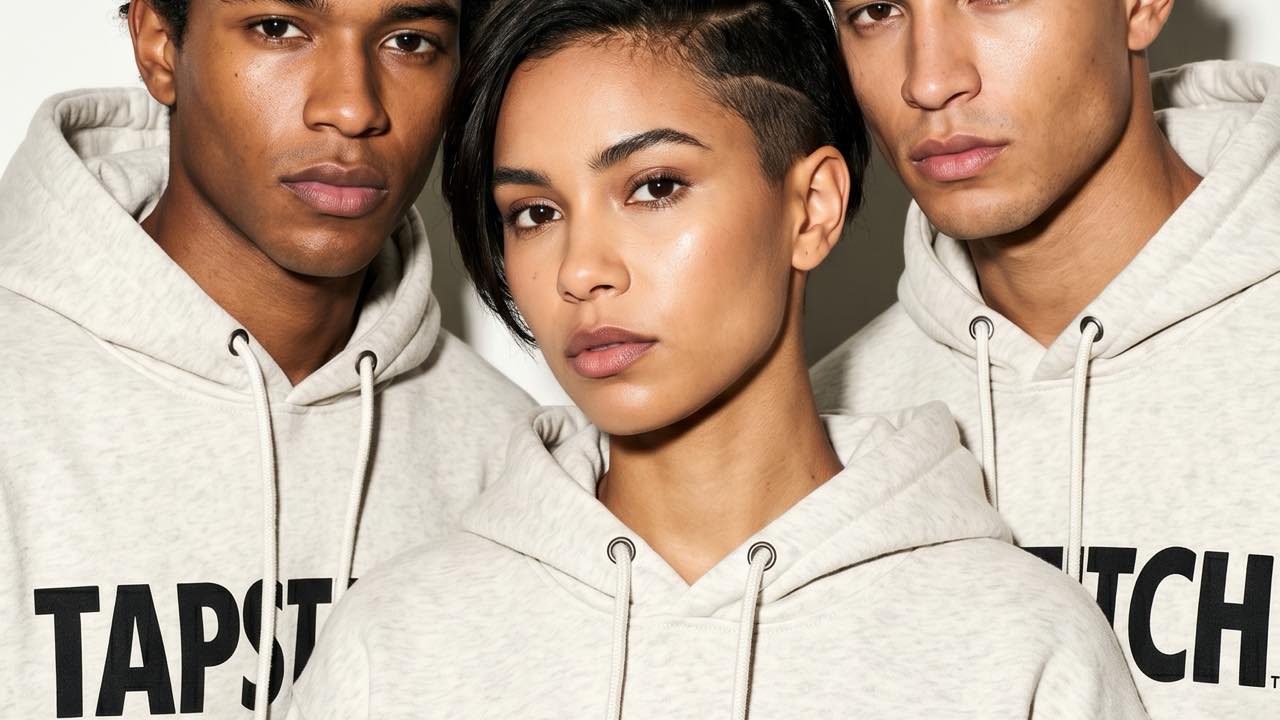


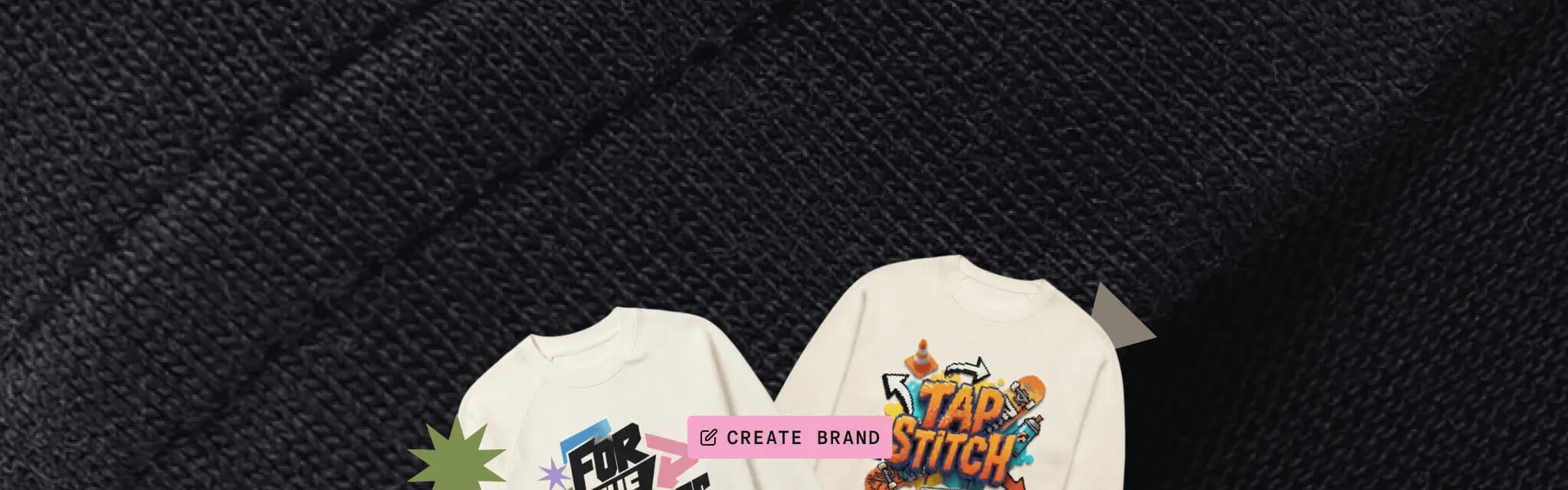
When comparing fashion POD vs. traditional print-on-demand, choose a service based on the clothing you want to sell, not just its label. At Tapstitch, you can customize available apparel with your brand details, and we handle direct fulfillment. We can fit a fashion collection when the selected silhouettes, fabrics and order configuration support its identity. A collection requiring original garment construction needs a partner that explicitly offers development.
Choose a POD Service for the Garment You Want to Sell
Begin with the product brief. Describe the customer, intended fit, garment category, decoration and brand presentation. These requirements are more useful than asking whether a platform calls itself fashion-focused. They let you decide whether a particular product can become part of your range.
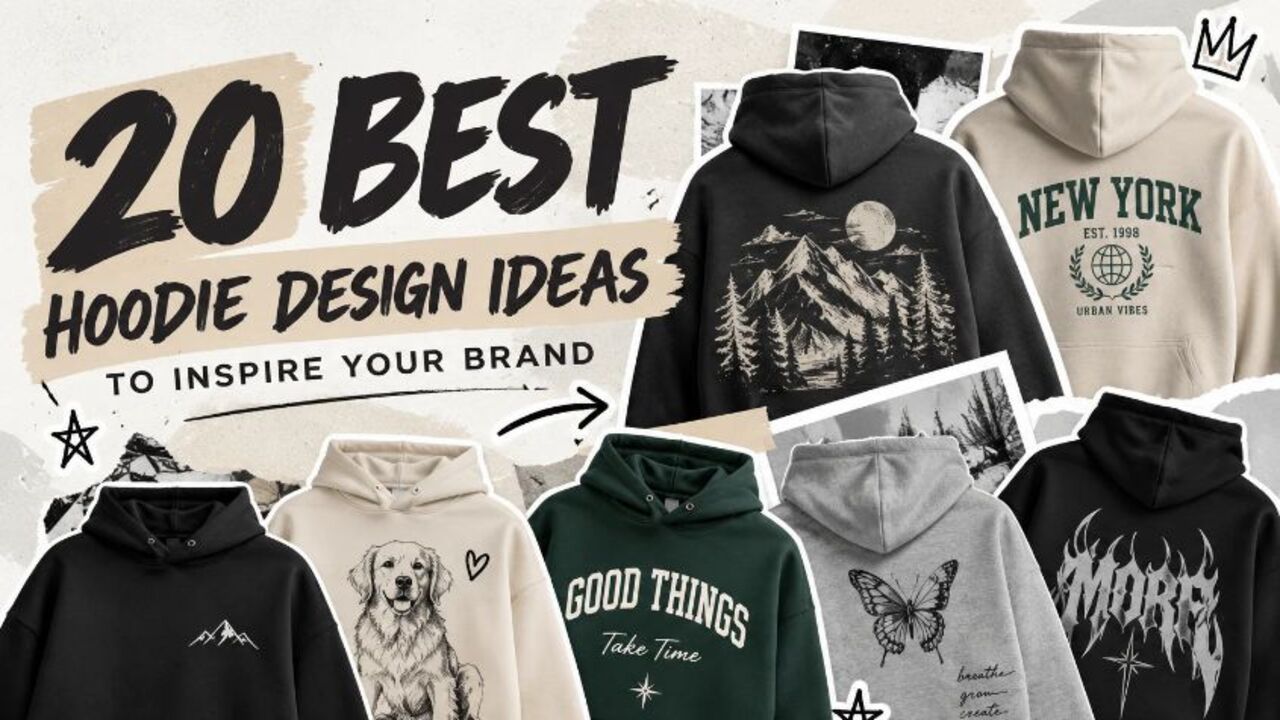
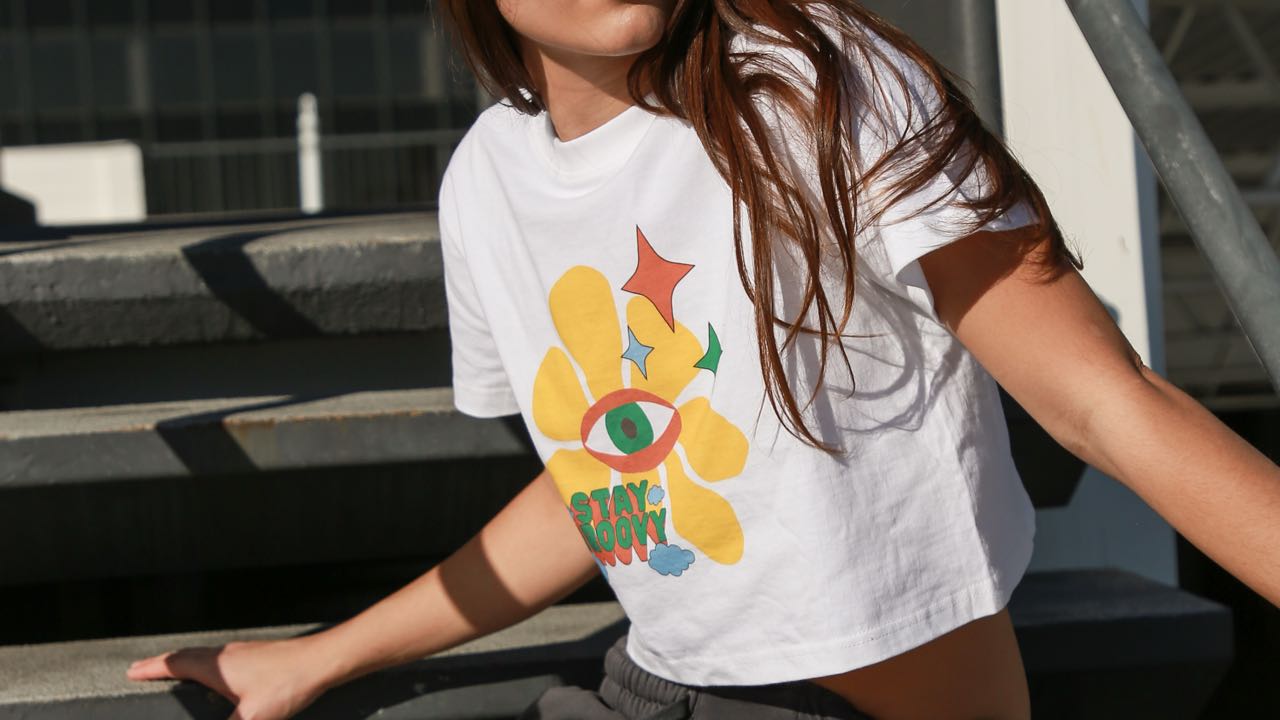
A graphic-led collection can start with existing garments. The design work may lie in the illustration, its placement, the chosen silhouette and the relationship between pieces. A construction-led collection creates another task: developing the garment's shape and assembly.
Tapstitch's catalog helps you evaluate available styles for customization. Choose us when a specific garment and the supported design configuration fit the brief. Select a development manufacturer when the defining feature depends on a pattern or construction that must be created from scratch.
The decision should identify a workable product, not declare one provider category superior to another. A service commonly used for merch may contain a garment that suits your brand. A service marketed for fashion may still lack an essential style or order condition.
Understand What Changes from Merch to a Clothing Collection
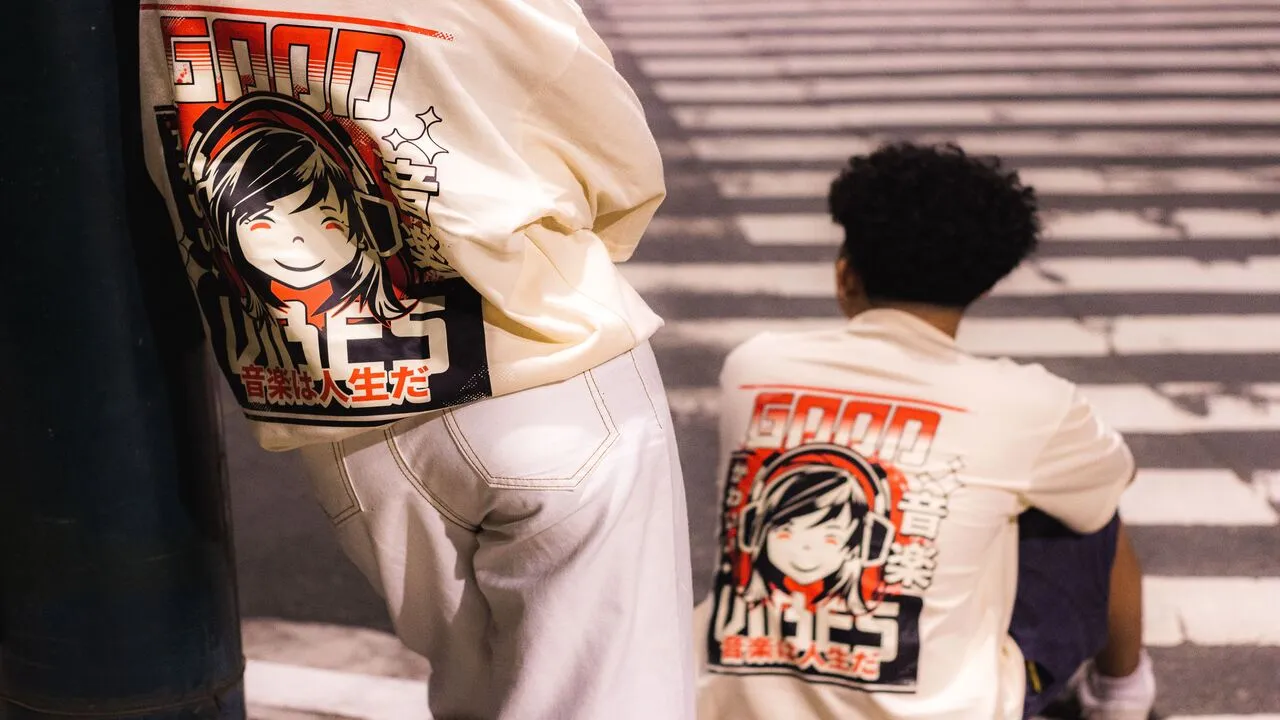
Merch often starts with a message, illustration or community identity that customers want to display. A clothing collection can place more emphasis on how the garment fits, coordinates and feels as part of a wardrobe. Those are differences in the product brief, not automatic judgments about the quality of either business.
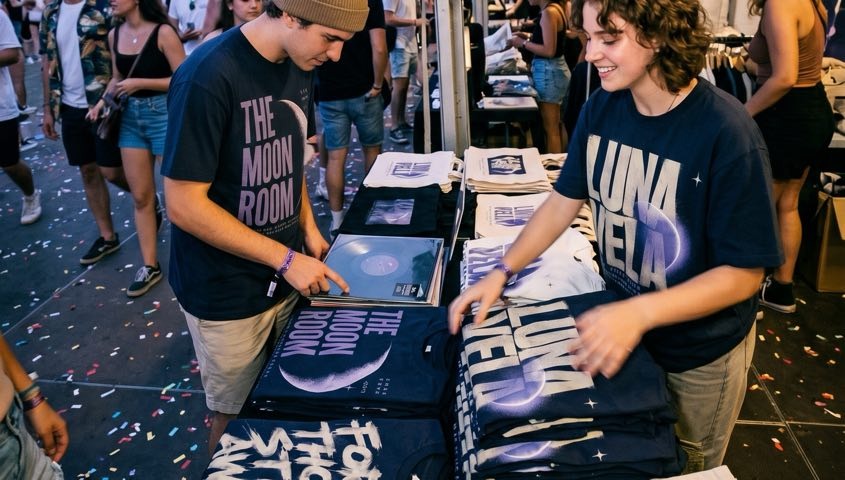
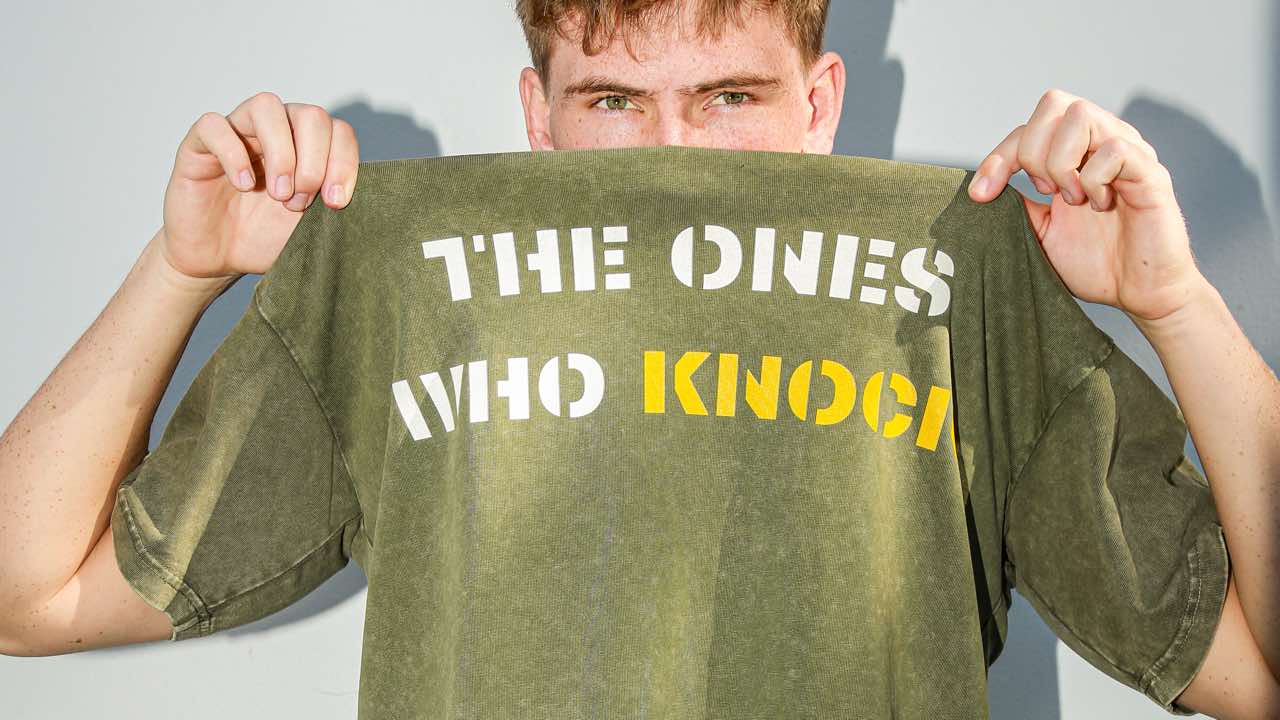
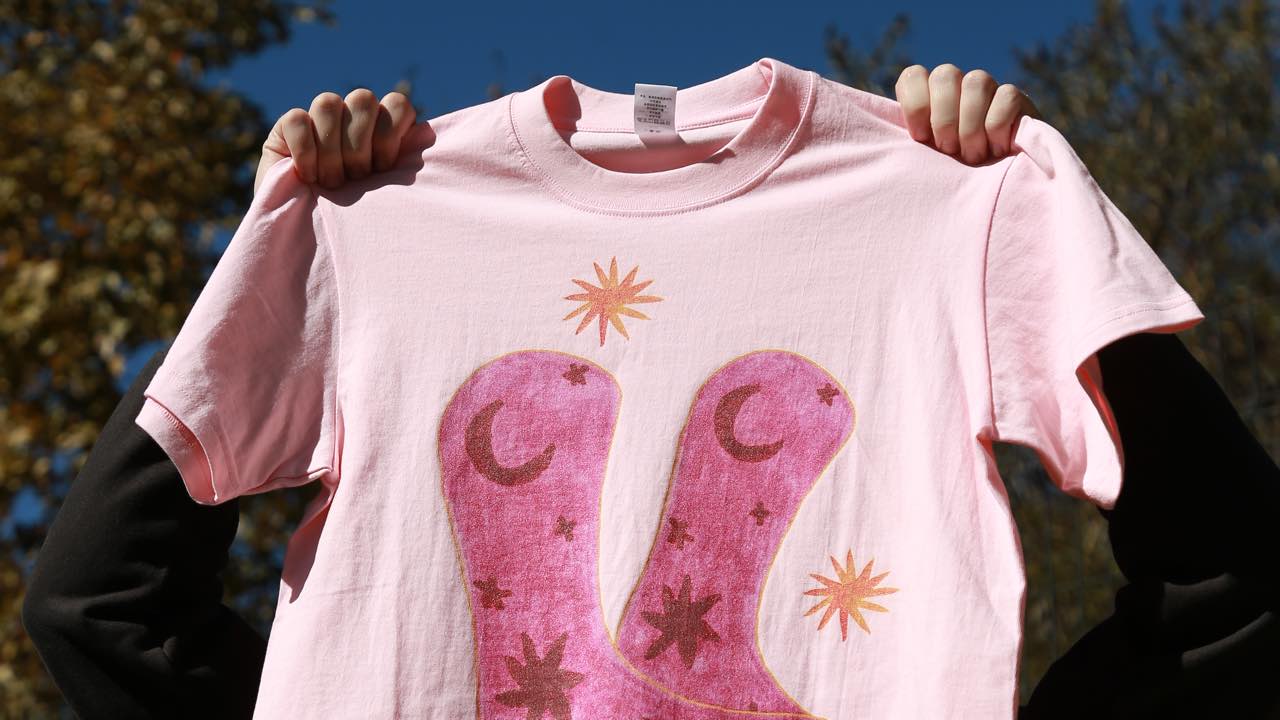
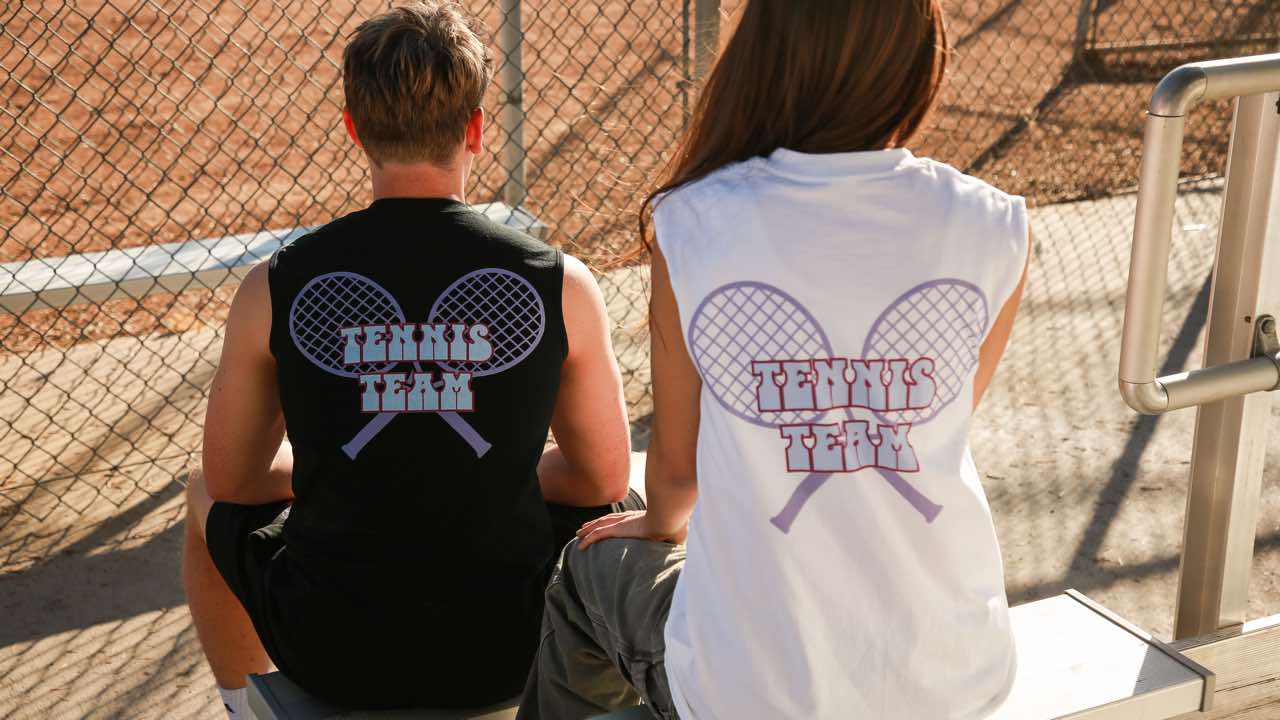
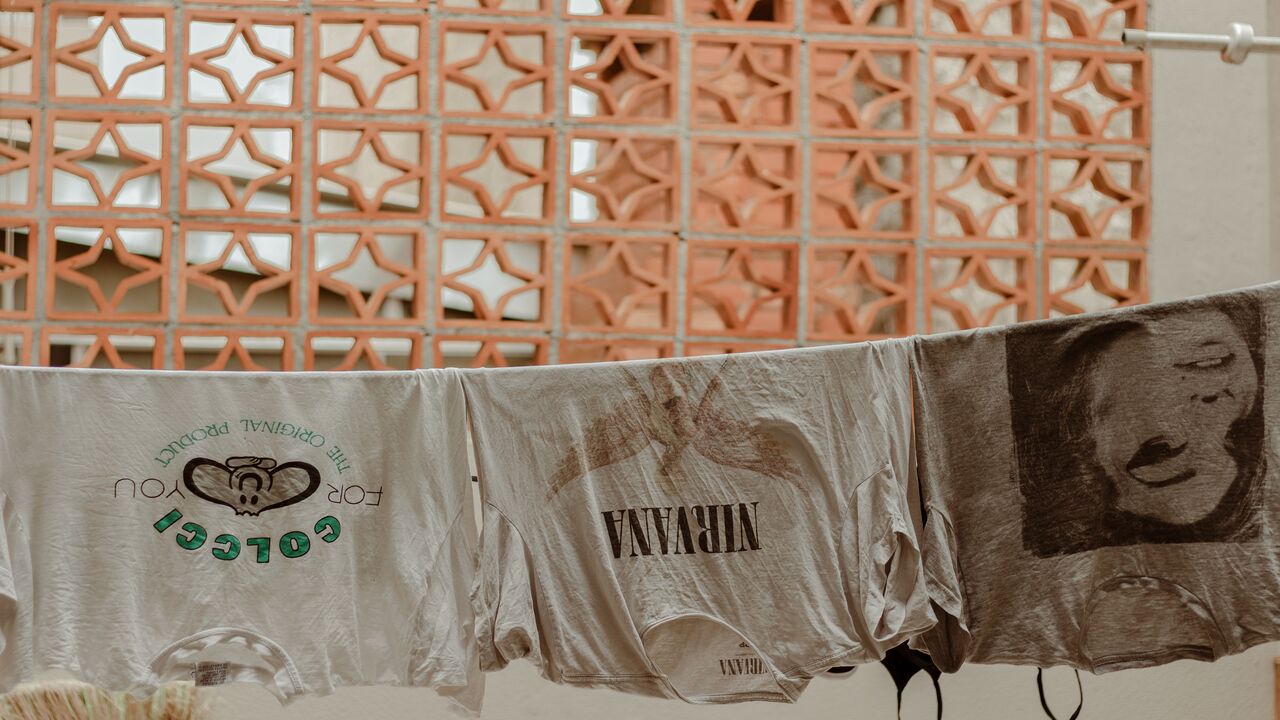
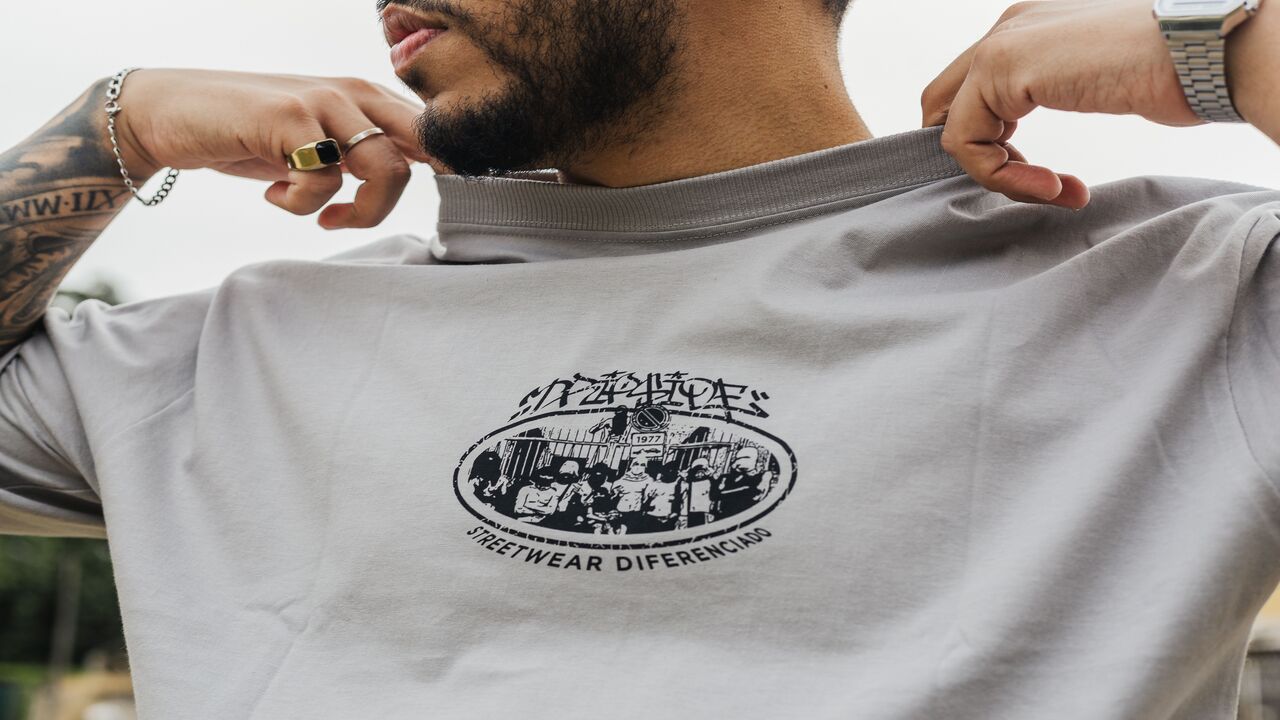
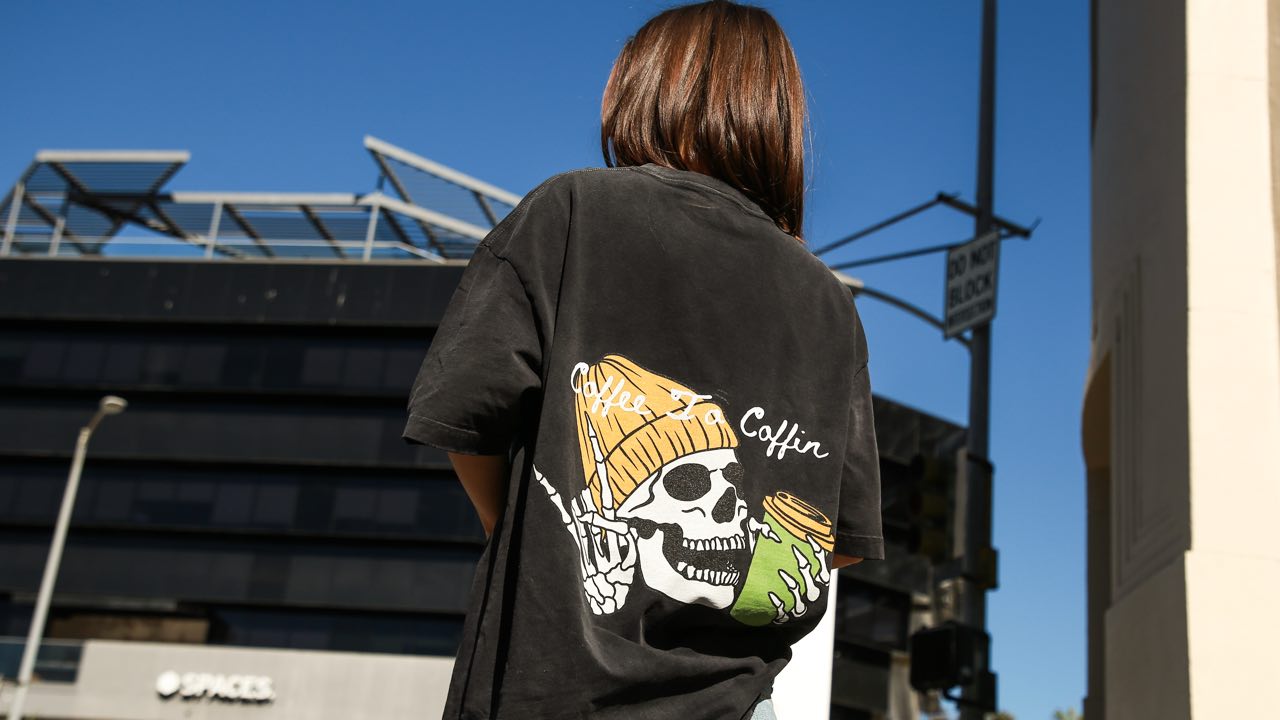
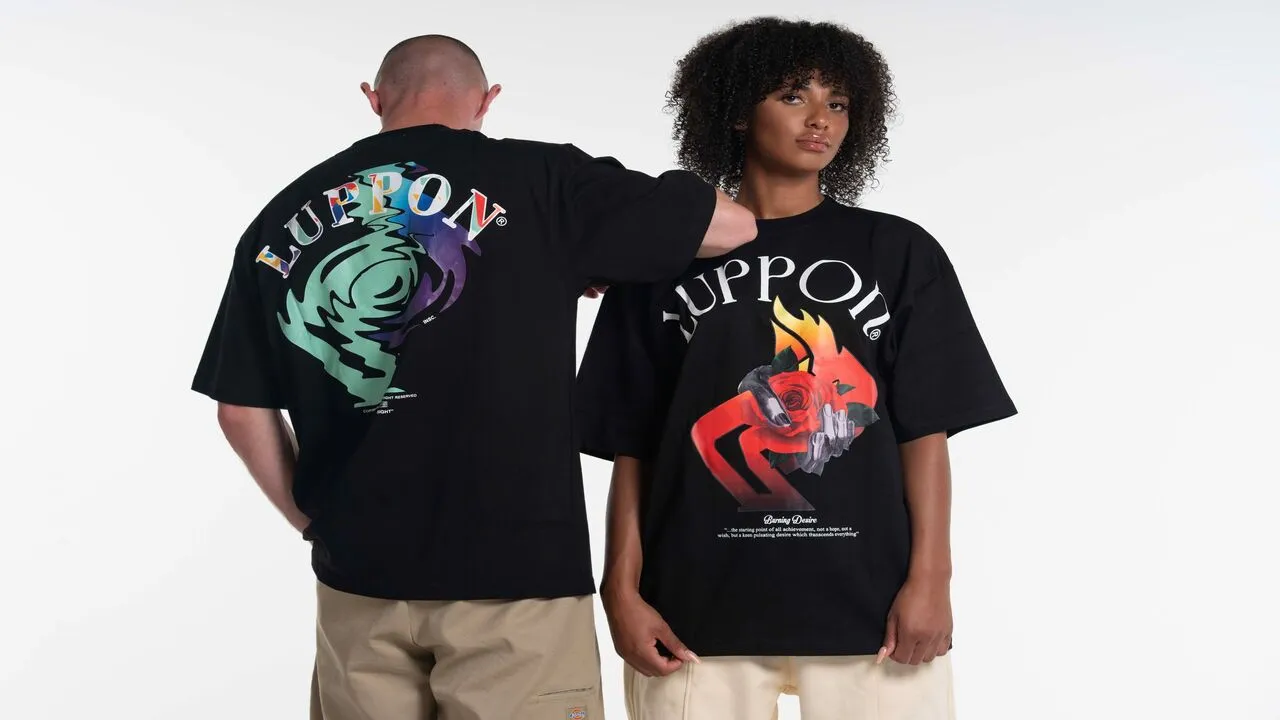
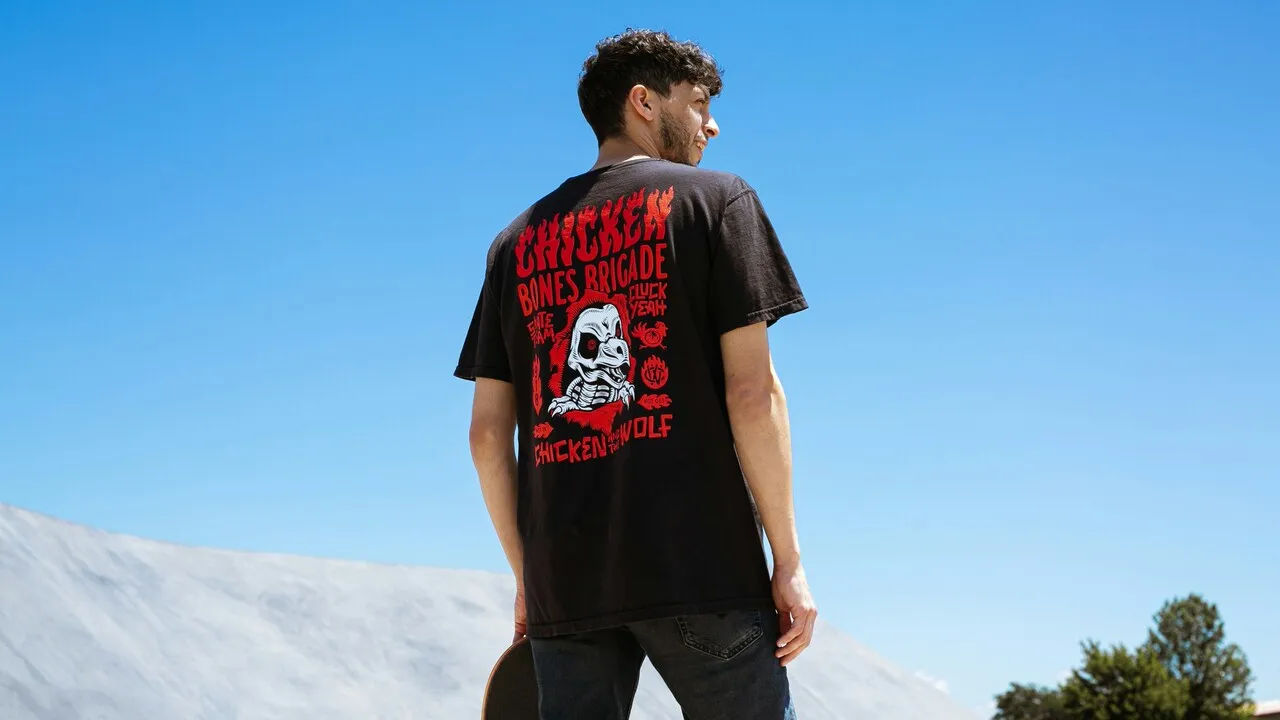
Imagine one illustration applied to a familiar regular tee and then to a loose washed garment. The artwork is the same, but the product can communicate a different idea because its proportions and surface change. The customer may choose it for the garment as well as for the image.
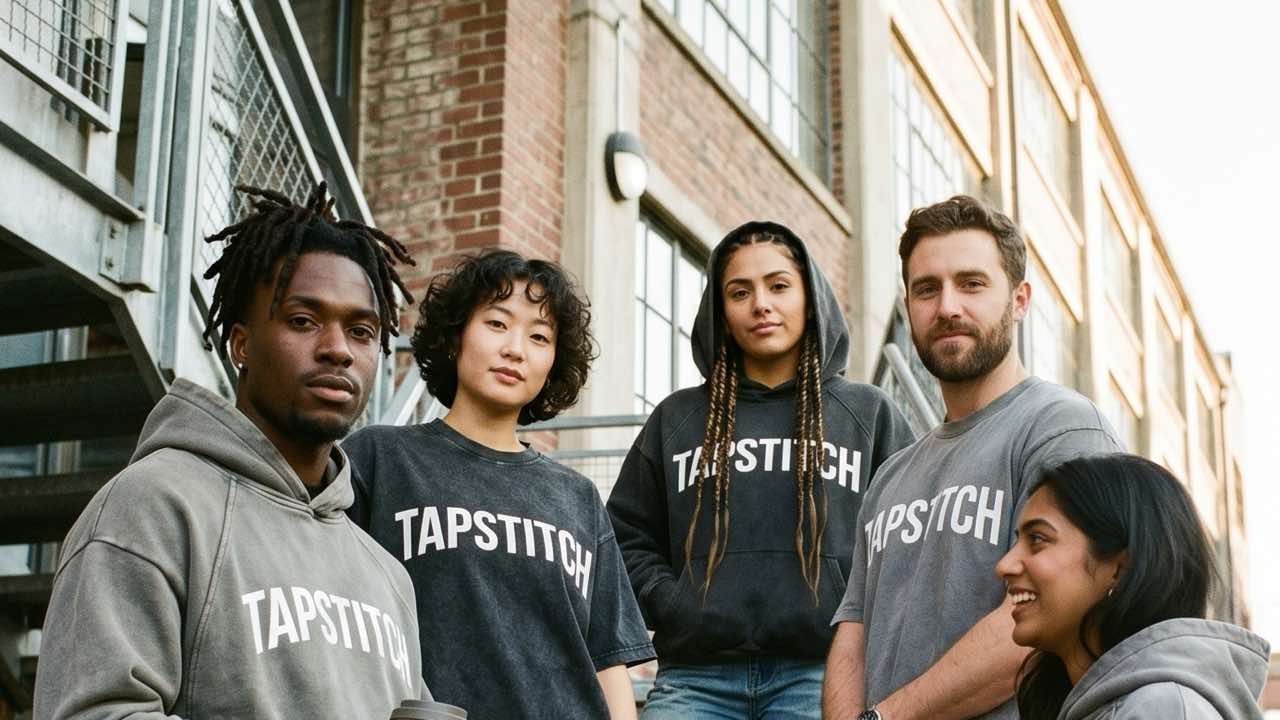
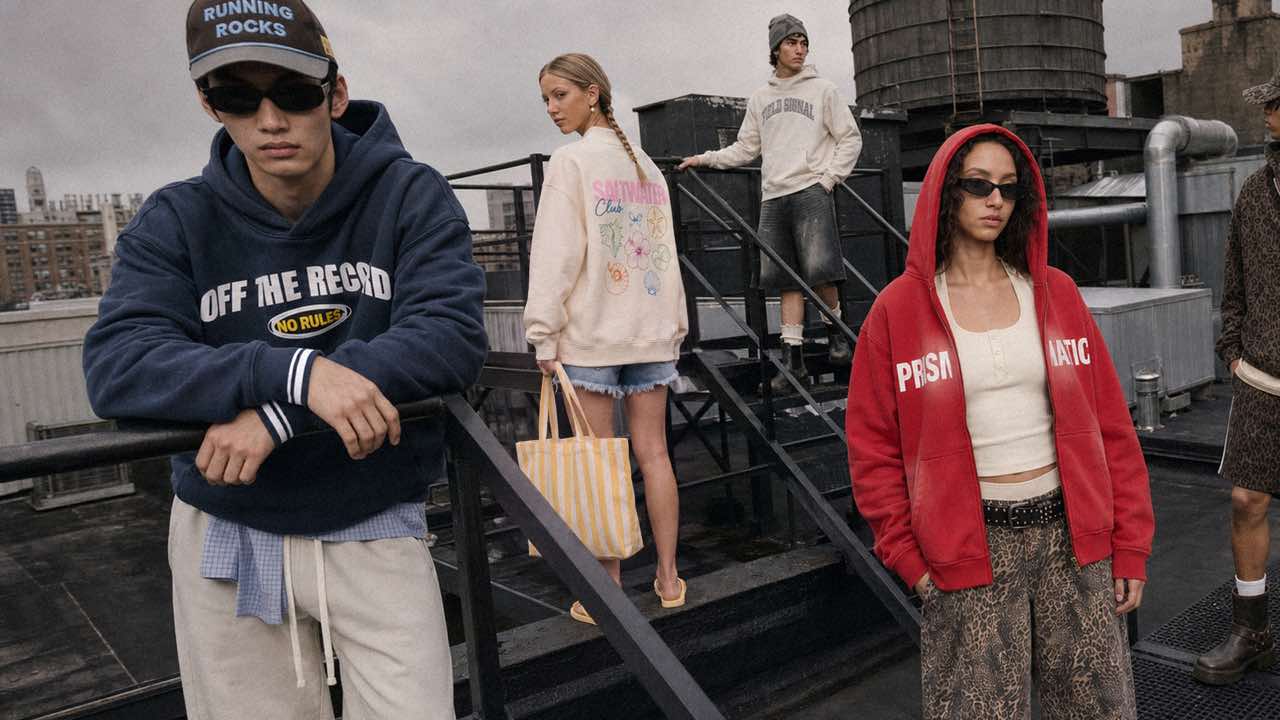
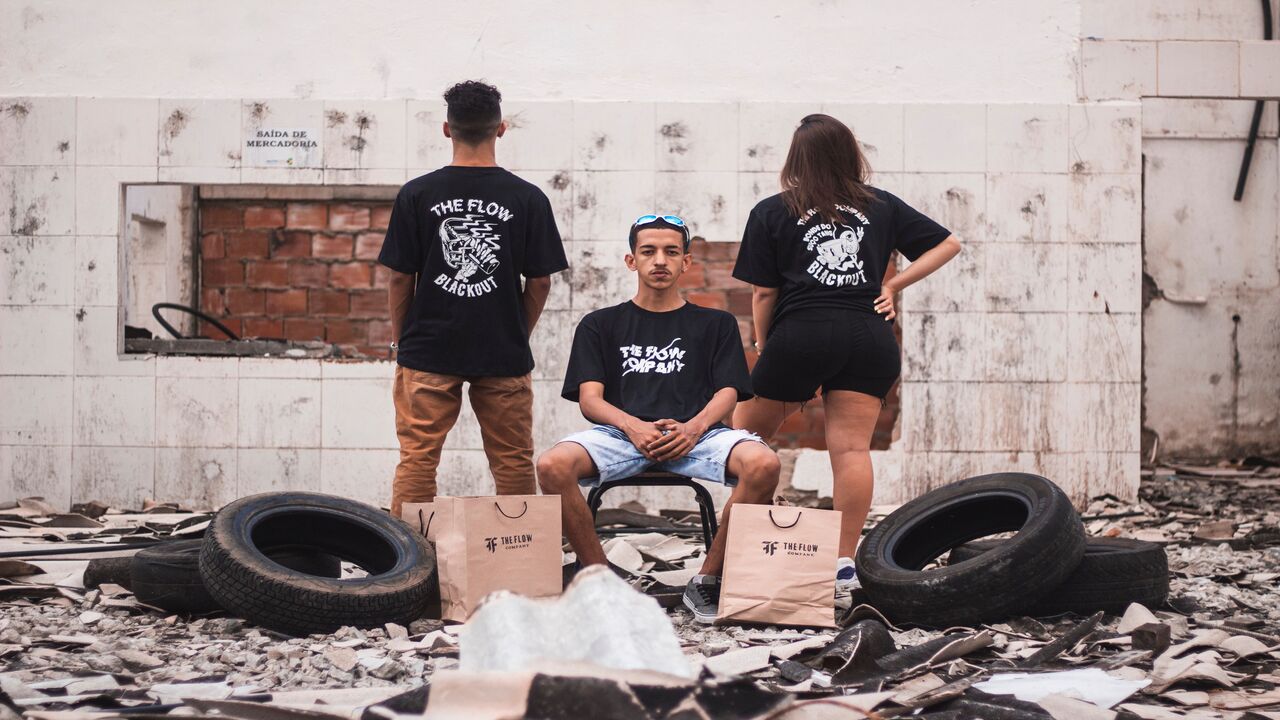
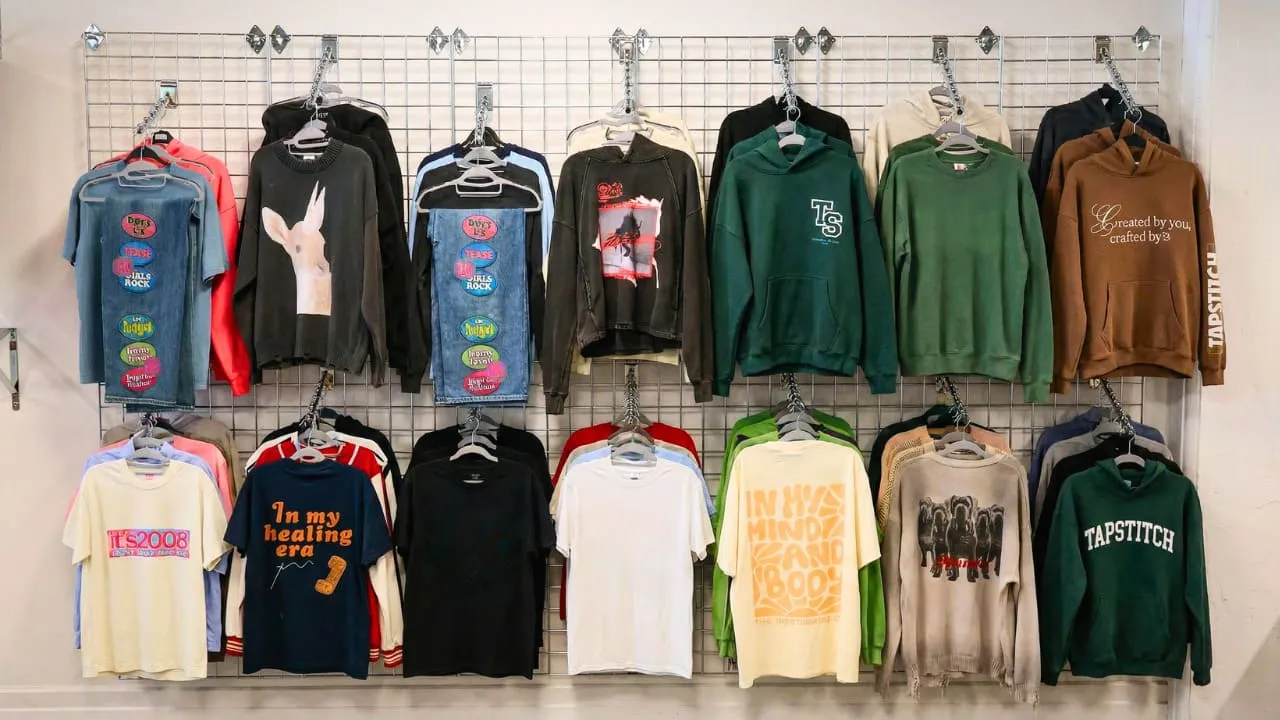
The same distinction appears across a range. A tee and hoodie may both carry a logo without feeling like a considered collection. Their proportions, palette and design scale need to work together if that relationship is part of your brand promise.
Fashion POD is useful here as a garment-led selection approach. It asks whether available apparel and customization support the intended clothing experience. It is not a separate machine, a certification or proof that a supplier produces better items than everyone using another label.
Treat Fashion on Demand as a description of the offering rather than a substitute for product specifications. A product page and a physical, configured item can help you confirm fit with your brief. A broad label cannot show the precise neckline, body length or decoration layout customers will receive.
Compare the Garments before Comparing the Print
Evaluate the garment as part of the design. Its shape and material affect the visual result before you add the artwork. This makes blank selection a creative decision as well as a sourcing decision.
Read each candidate's actual information, then assess it within the range. Keep the garment code, selected variant and saved design together. That gives you a precise reference when you review the physical item or prepare a store listing.
Fit and Fabric as Part of the Design
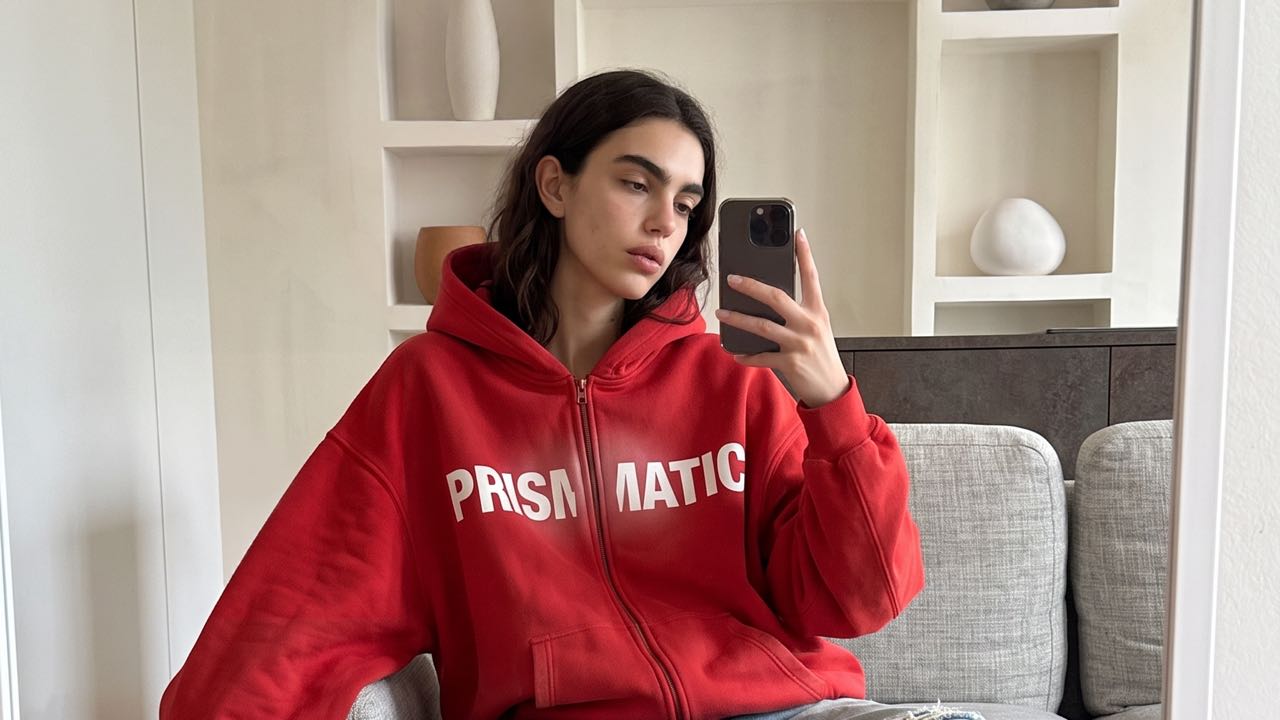
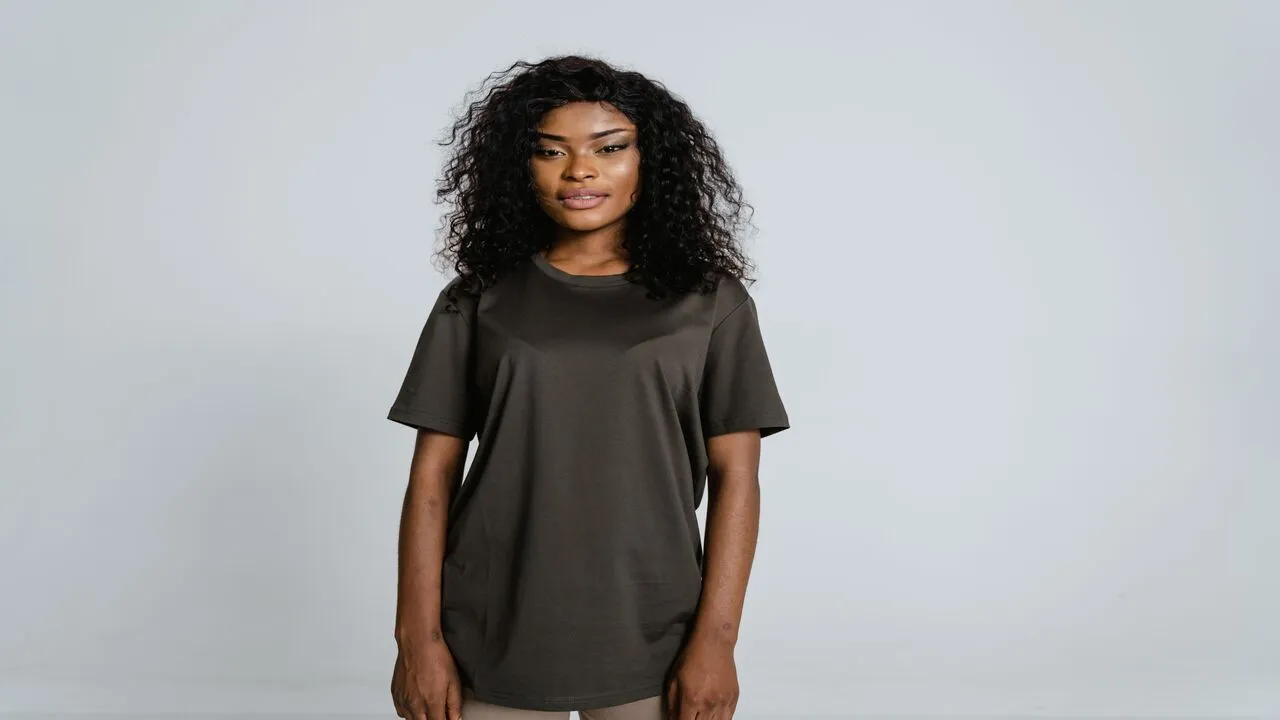
Look at body width, length, sleeve shape and the relationship between neckline and shoulders. Decide which proportions matter to your customer. A large graphic may work with one silhouette while a smaller mark supports another. Neither layout is universally preferable.
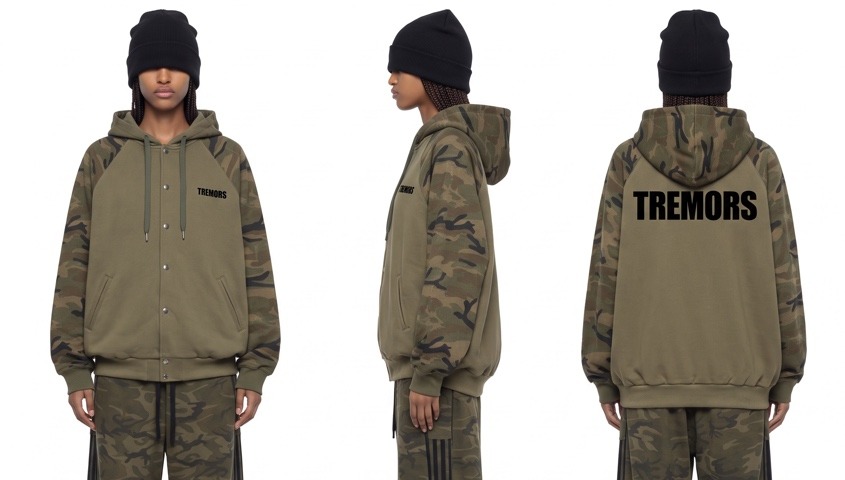
Use measurements rather than treating a fit label as a complete specification. “Loose,” “boxy” and “oversized” can describe different relationships within a garment. Compare the selected size with a suitable reference piece, then decide how you will describe it to shoppers.
Read composition and fabric weight together. A weight figure describes mass per unit area, not overall quality or the wearing experience. Use it to select candidates for an intended season and silhouette, then assess the actual item rather than inferring feel from the number.
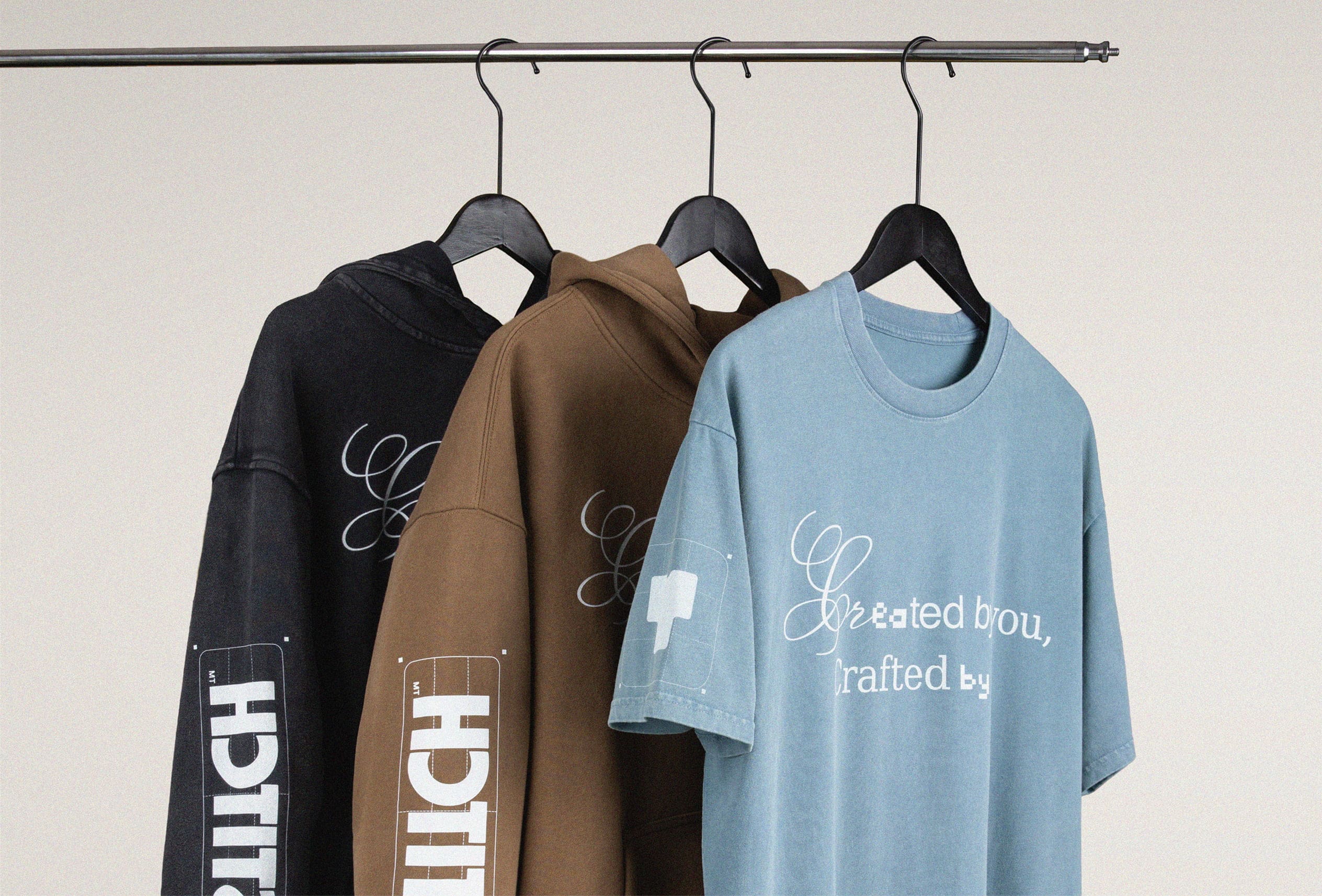
Our Essential Cotton T-Shirt RT0063 provides one concrete cotton tee to evaluate. The Snow Wash Fleece Oversize Hoodie RW0046 offers a different category and finish. Compare each with its role in the range instead of ranking unlike garments by weight alone.
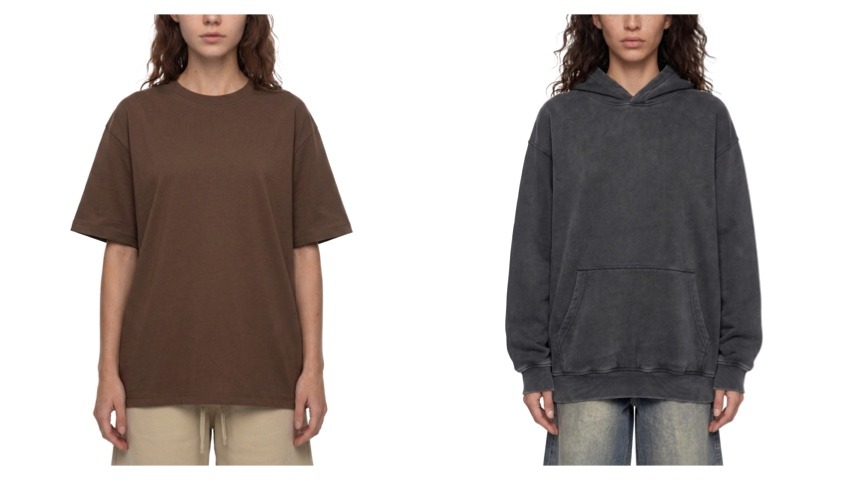
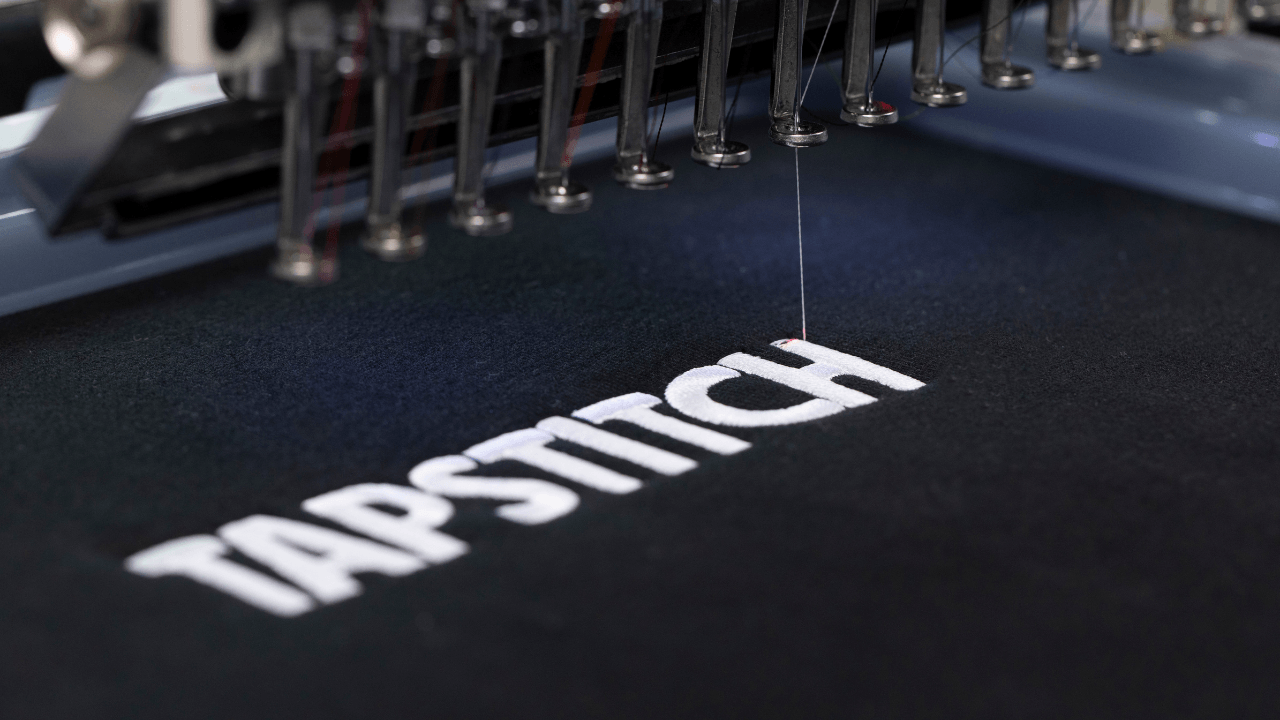
Select the decoration after choosing the garment. Review the supported design area and the way the artwork relates to seams, pockets or garment finish. Review a print approved on one style again when transferring it to another.
Consistency across Styles and Brand Details
Set a recognizable relationship between the pieces. You might repeat an illustration language, typography or restrained palette while adapting scale to each garment. Consistency does not require printing an identical image at an identical size across every item.
Review colors as part of the garment configuration. A design that reads clearly on one background may need adjustment on another. Keep any adapted artwork version linked to the appropriate variant, rather than using one file without checking every color.
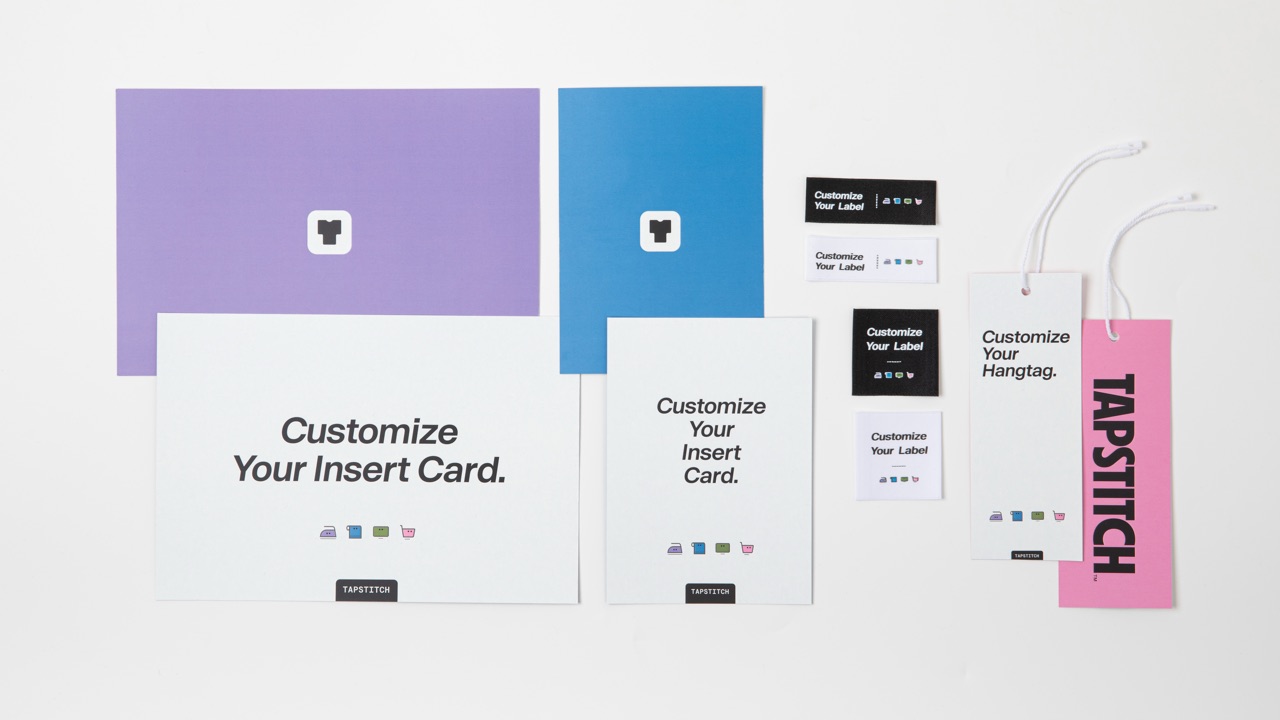
Our labels, hangtags and insert cards can reinforce a shared identity where their conditions fit the selected products. Assign each component a communication role. The label can identify the garment, the tag can introduce a collection idea, and the card can provide a brief post-purchase message.
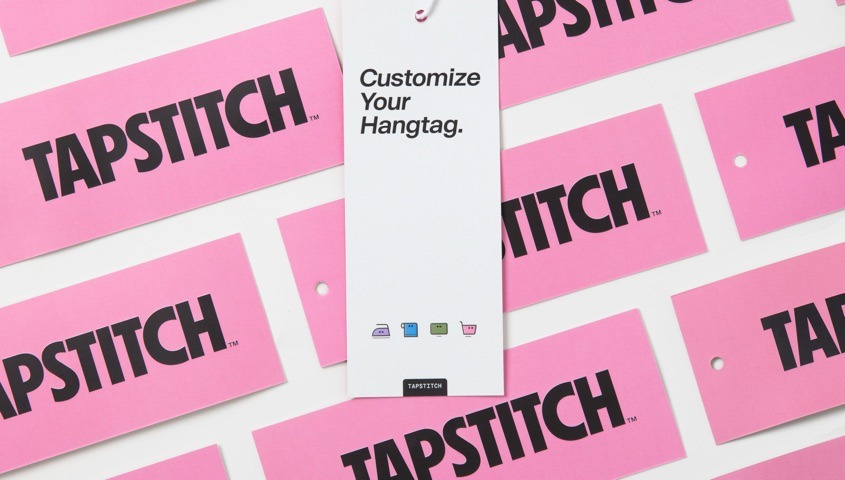
Configure components product by product. Do not assume an accessory condition on a tee automatically applies to a hoodie or another category. Decide which details are essential, include them in the approved setup, and then show them in sales images.
Place trial pieces side by side for a collection review. Inspect both their individual execution and their visual relationship. An acceptable tee can still feel unrelated to an acceptable hoodie; that may call for a design adjustment rather than a claim that either garment is defective.
Check What a Fashion-Focused POD Service Actually Supports
Use one product brief to evaluate the service. Check the required garment, fit, decoration, brand components and order route together. A long feature list helps when it matches your specific configuration; otherwise, it can distract from the essential gaps.
Tapstitch can support customization on available garments and paid single-item orders for physical review. Use that route to inspect a candidate before planning the wider range. Garment orders and brand accessories have different conditions: custom labels require international fulfillment, and hangtags and insert cards aren't available for orders fulfilled through US fulfillment.
Review the total configured cost and delivery destination. Include the item, selected decoration and components, shipping, and applicable checkout charges. An undecorated starting price shouldn't determine a branded collection's supplier choice.
Identify which service the creative brief actually needs. A supported print can fit a graphics-led piece, while an original sleeve construction requires a development route. Don't call visual customization complete manufacturing freedom, or expect a garment tool to create a new sewing pattern.
Keep operational fit in the assessment. The store connection and order handling need to work for the business you will run. The visual range can be coherent, but the order setup still needs attention before customers can buy.
A useful check ends with an action. Approve the configuration, change the garment or select another service for the missing requirement. That outcome is more valuable than assigning a vague fashion score to the provider.
Decide Whether the Catalog Fits Your Brand Direction
Choose a representative garment to assess before expanding the collection. It should capture the range's central silhouette and graphic relationship. If that candidate misses the brief, resolve the cause before ordering many supporting pieces.
Compare the physical result with the intended customer promise. Check fit, decoration and presentation, then decide whether the same garment route can support the related pieces. Keep each product's approval separate from the overall collection assessment.
Use the outcome to refine the shortlist. A product may meet the graphic requirement but miss the silhouette, or suit the range visually while creating an order cost you cannot accept. Record the reason for the decision so that the next candidate responds to the actual issue rather than repeating the same selection exercise.
Build the store around the products you approve. Show the actual configurations and describe their individual differences, including material or fit. A shared brand identity should connect the pieces without implying every item uses the same specification or provides an identical wearing experience.
Choose Tapstitch when the available garments, customization, and brand services fit that direction. Choose another manufacturing route when the collection depends on capabilities outside it. Let the clothing experience determine the service, rather than the service label defining the clothing.
FAQ
Wrapping Up
The useful distinction between fashion-focused POD and a merch-led approach lies in the product brief, rather than a universal quality ranking. Fit, fabric, artwork and brand details need to support the clothing experience you intend to sell.
Evaluate real garments and their order conditions, then review representative configured pieces together. Choose the service that expresses the collection through supported products, and use a development route when original construction is essential.