





How to Sell Print on Demand Clothing on Etsy


To sell print-on-demand clothing on Etsy, choose a platform that fits your original designs, garments, and order workflow. At Tapstitch, our Etsy connection and available apparel can support that route when the product configuration meets your requirements. The connection does not establish listing eligibility: you still need suitable designs, accurate presentation, and production-partner disclosure. Choose a different service when an essential garment or fulfillment requirement falls outside our setup.
Choose a POD Partner for Your Etsy Apparel Business
Start with the shop you want customers to recognize. Identify its audience, design language, and intended product range. The supplier needs to support those products; the shop needs to express the creative work that makes them yours. A catalog alone does not give the store that identity.
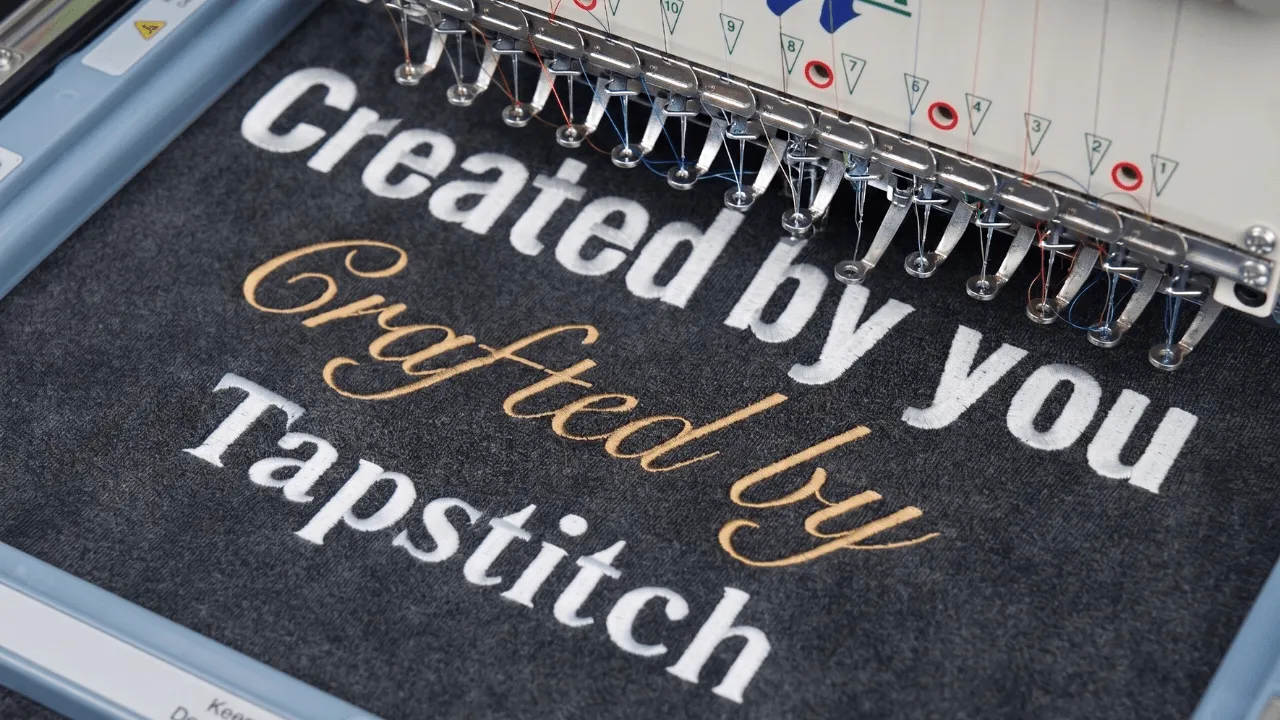
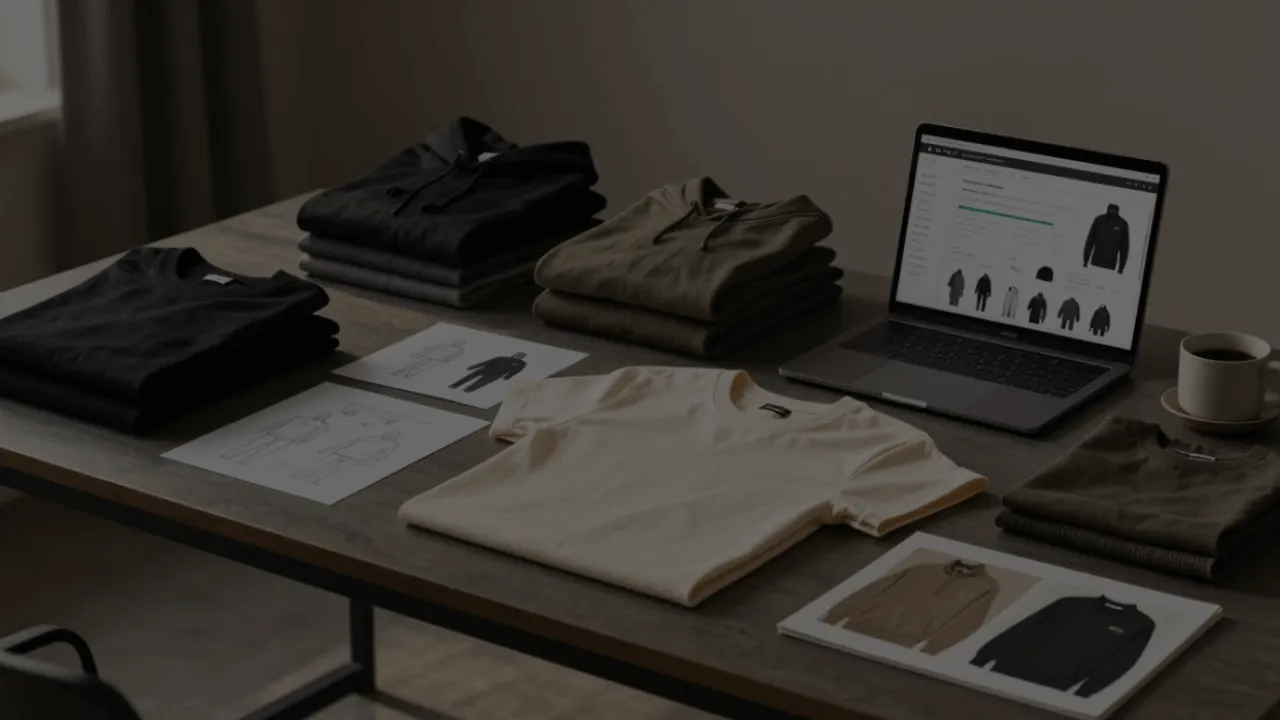
For a collection based on original graphics applied to available apparel, Tapstitch is a candidate to evaluate. Browse our catalog for the actual garments, then assess their specifications and customization options. Select the item because it serves your design rather than simply because it can be published to Etsy.
A different production route may be needed for an original cut, a specialized manufacturing process or a required product outside the available range. Establish those boundaries before investing in the shop presentation. Adapting the listing cannot resolve a missing production capability.
Assess the order workflow alongside the garment. Our Etsy connection guide describes authorization for an active shop and publishing products through the connection. Use the account you intend to operate and verify the resulting setup before relying on it for sales.
Choose a partner when the product, operations, and listing requirements align. Keep those three decisions distinct. A suitable garment can still need a different order arrangement, and a successful connection cannot make an unsuitable listing eligible for the marketplace.
Build a Distinctive Apparel Range
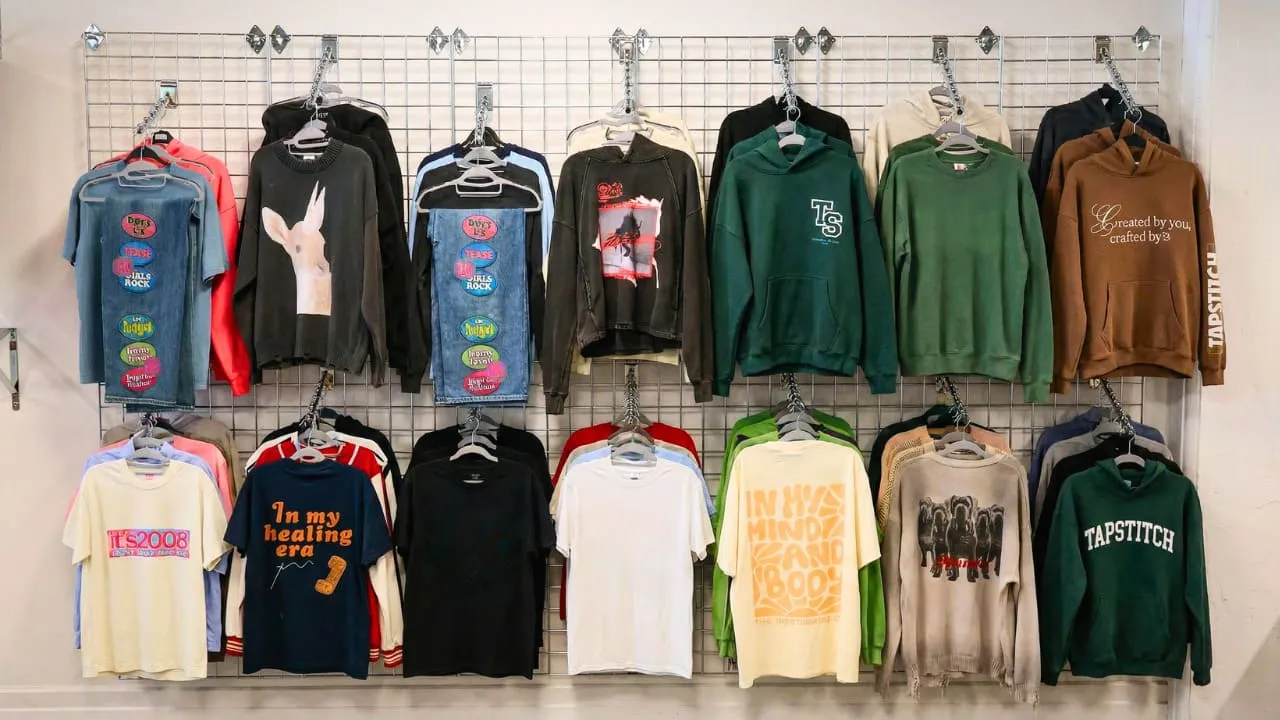
Give the shop a consistent product idea. It could center on a recognizable illustration style, a particular audience or a focused clothing aesthetic. Choose a direction you can apply across the range without adding unrelated designs simply to increase the listing count.
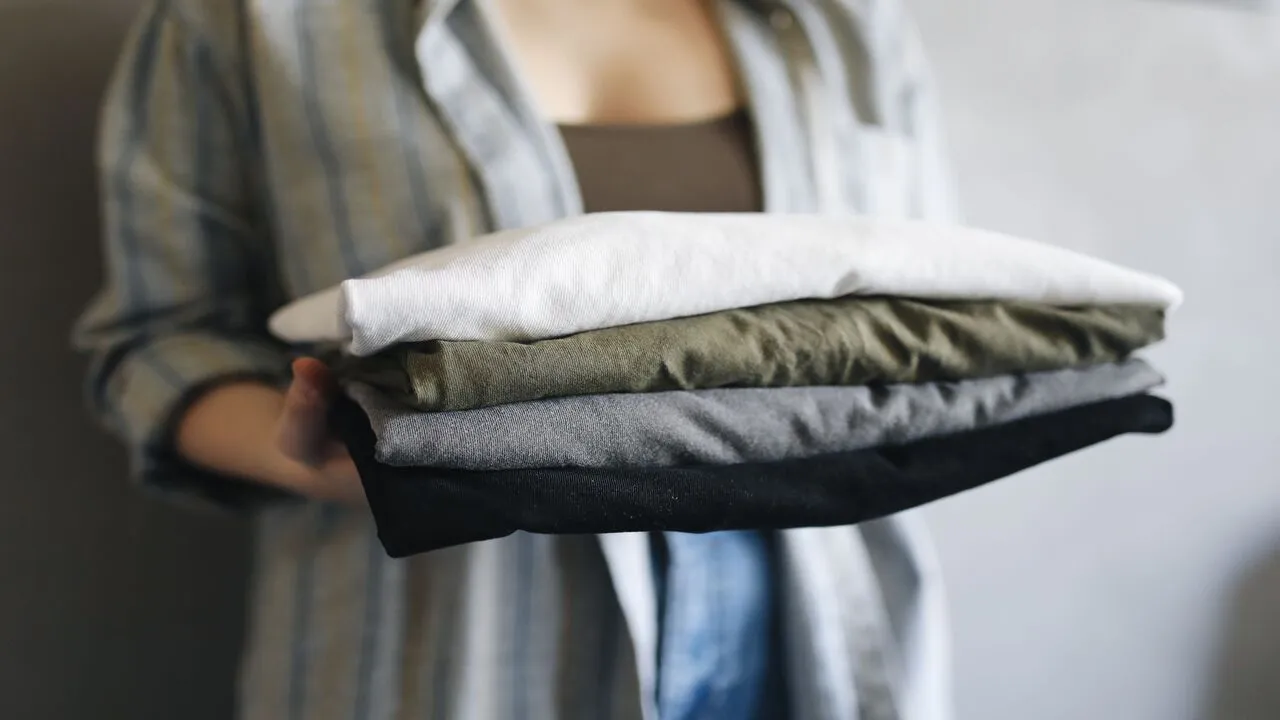
Assign each garment a role. A core tee might carry the main design, while a layer gives the same identity another way to wear it. A different silhouette can add variety when it serves the audience. Avoid creating a large range of nearly identical products with no meaningful distinction for the buyer.

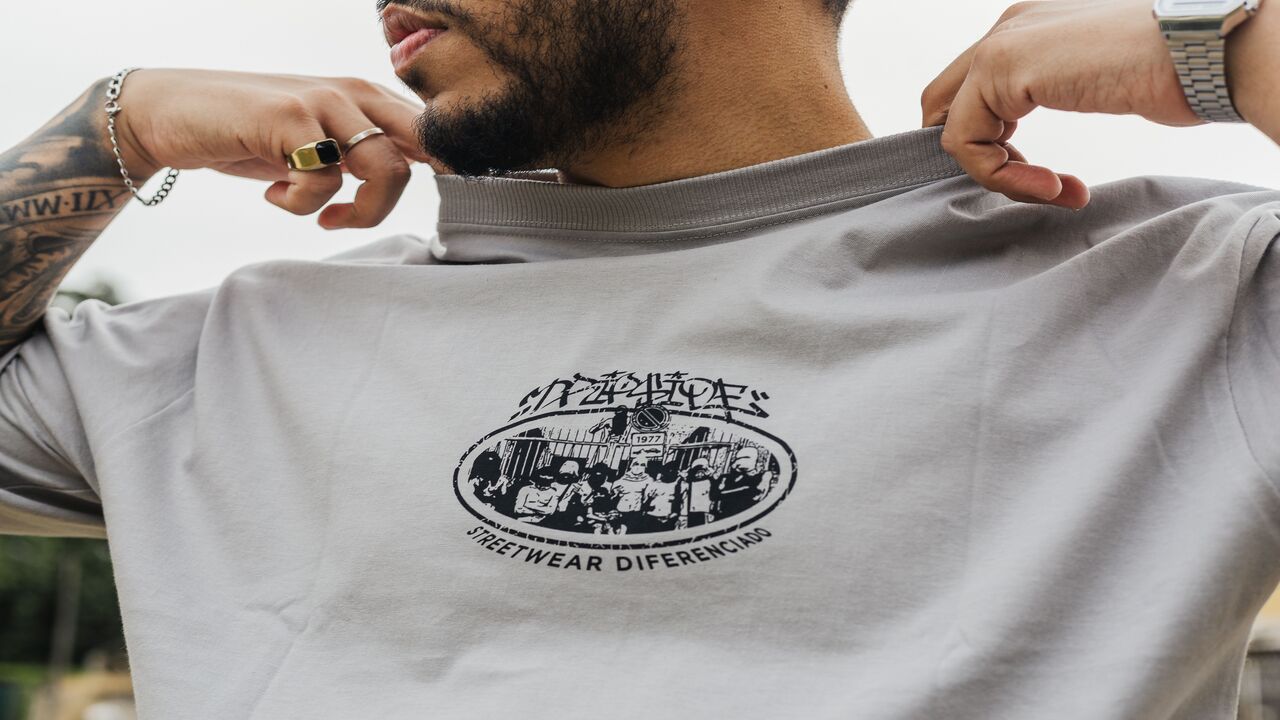
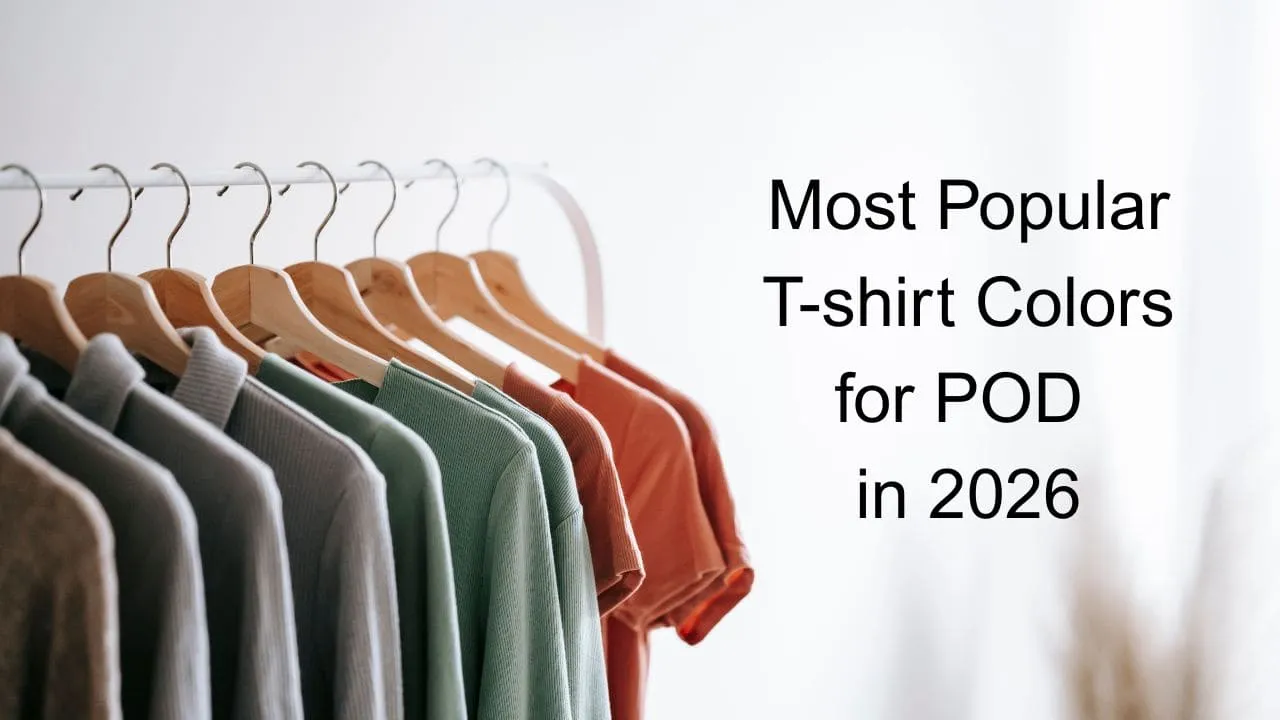
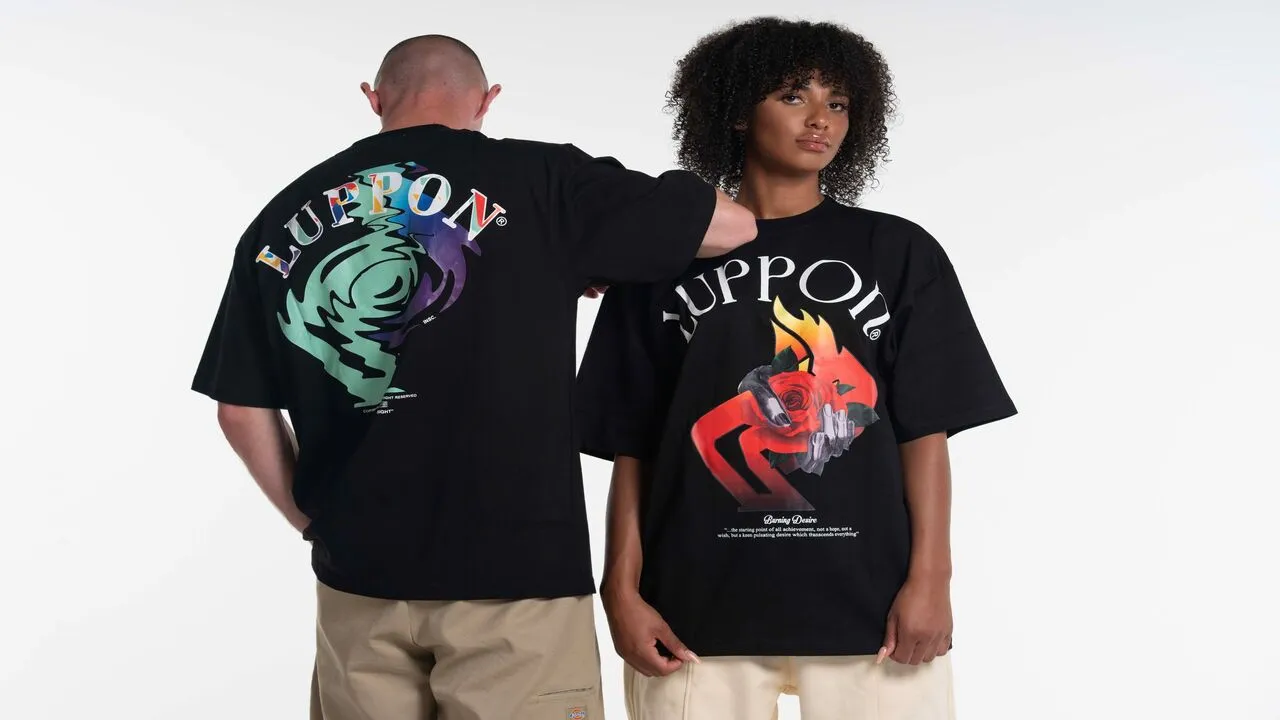
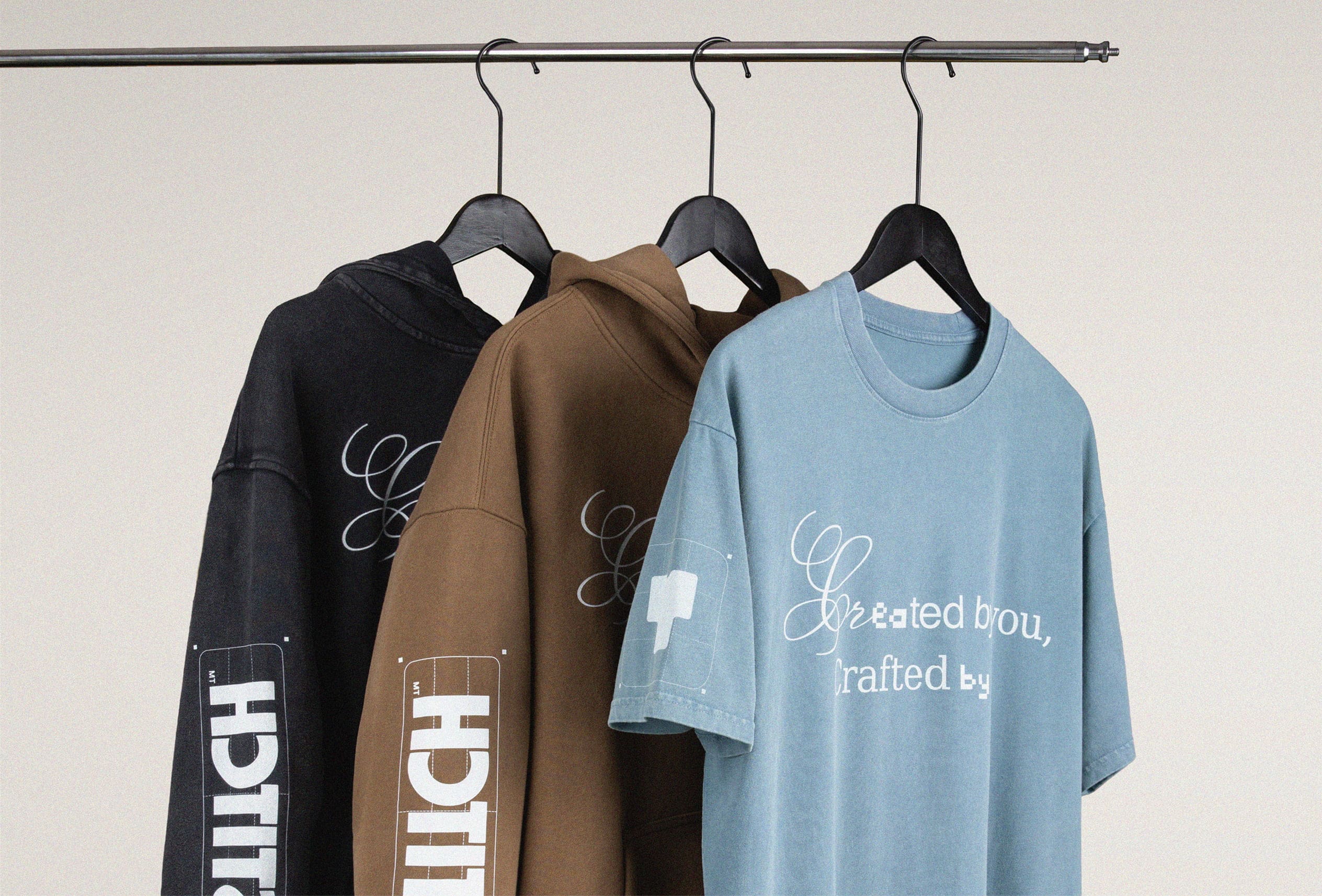
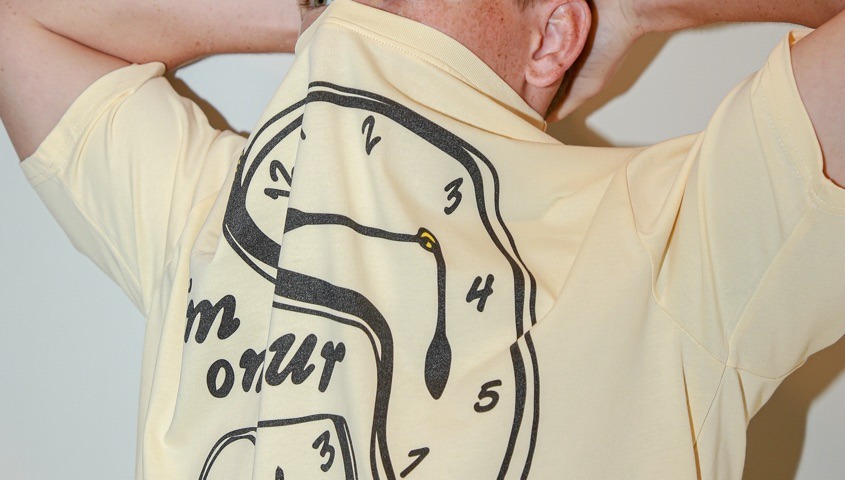
Choose the blank as part of the design. Fit, finish and garment color affect how the artwork reads. A quiet illustration on a clean basic and a bold graphic on a washed oversized piece create different offers. Use the actual product configuration to develop that relationship.
Keep the palette and typography coherent without forcing every item to look identical. A secondary motif or adapted graphic scale can connect garments more naturally than copying the same large print onto every product. Assess the range together so that the shop looks intentional when customers view several listings.
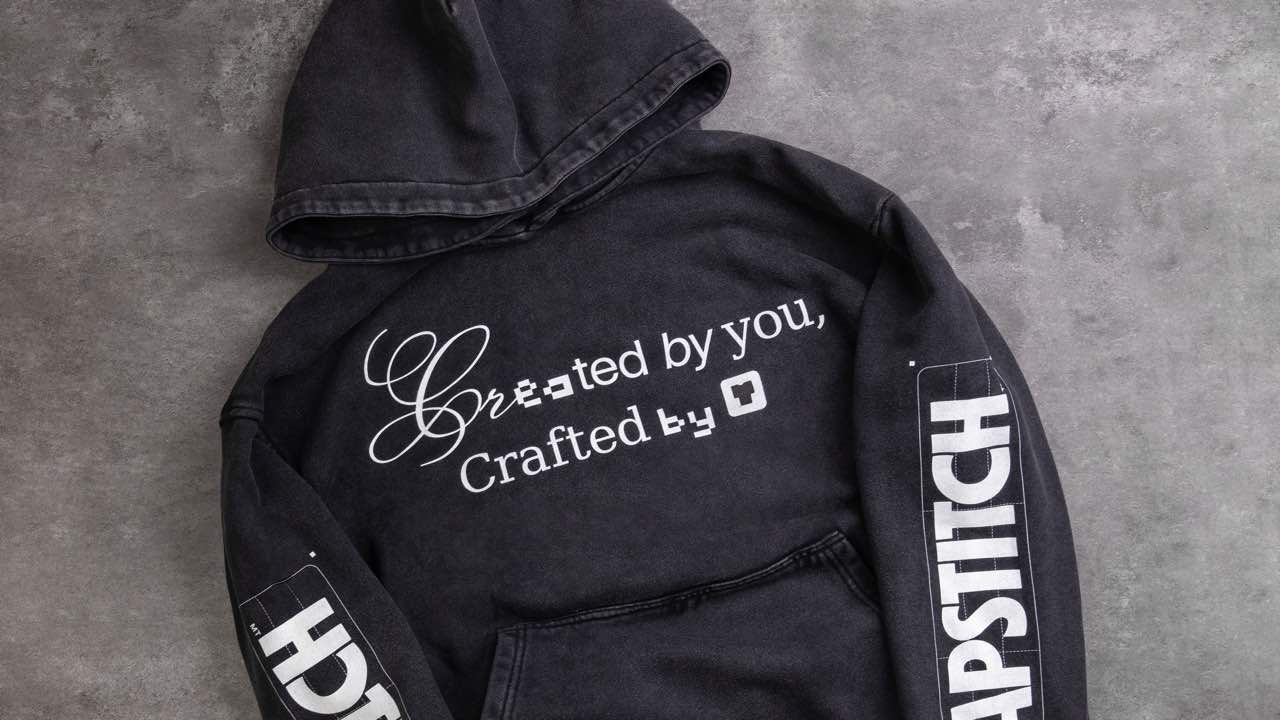
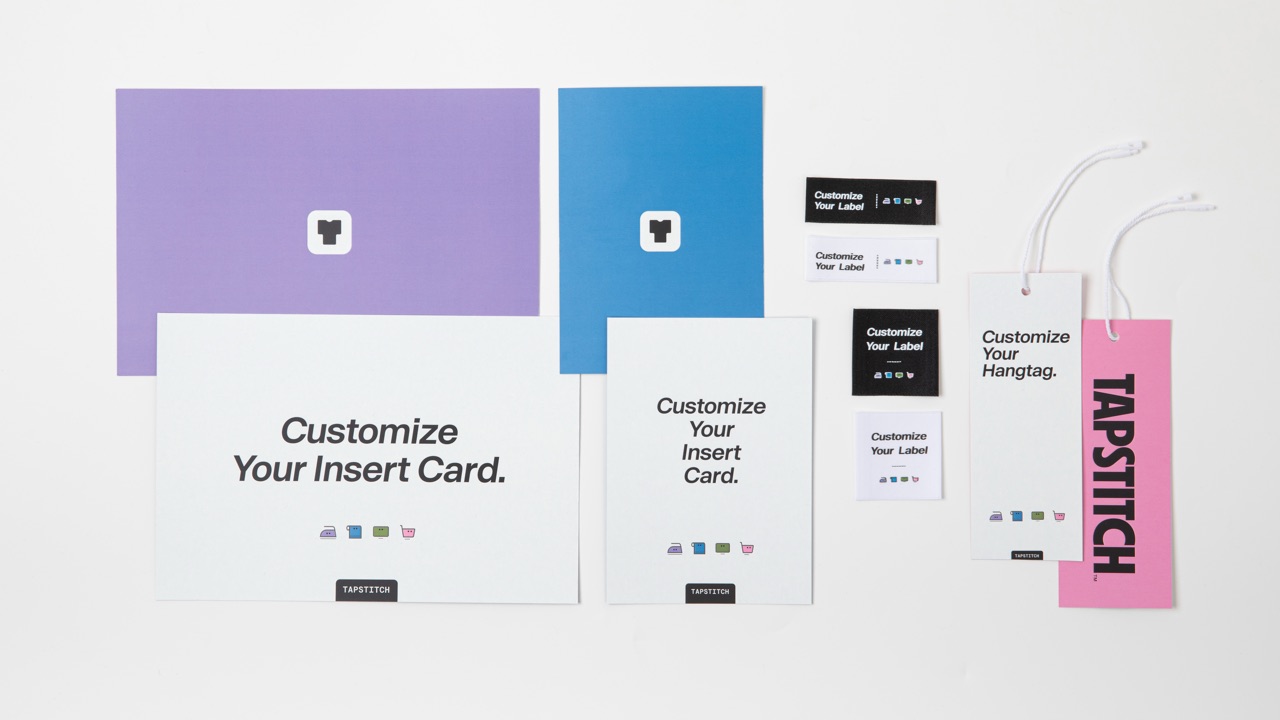
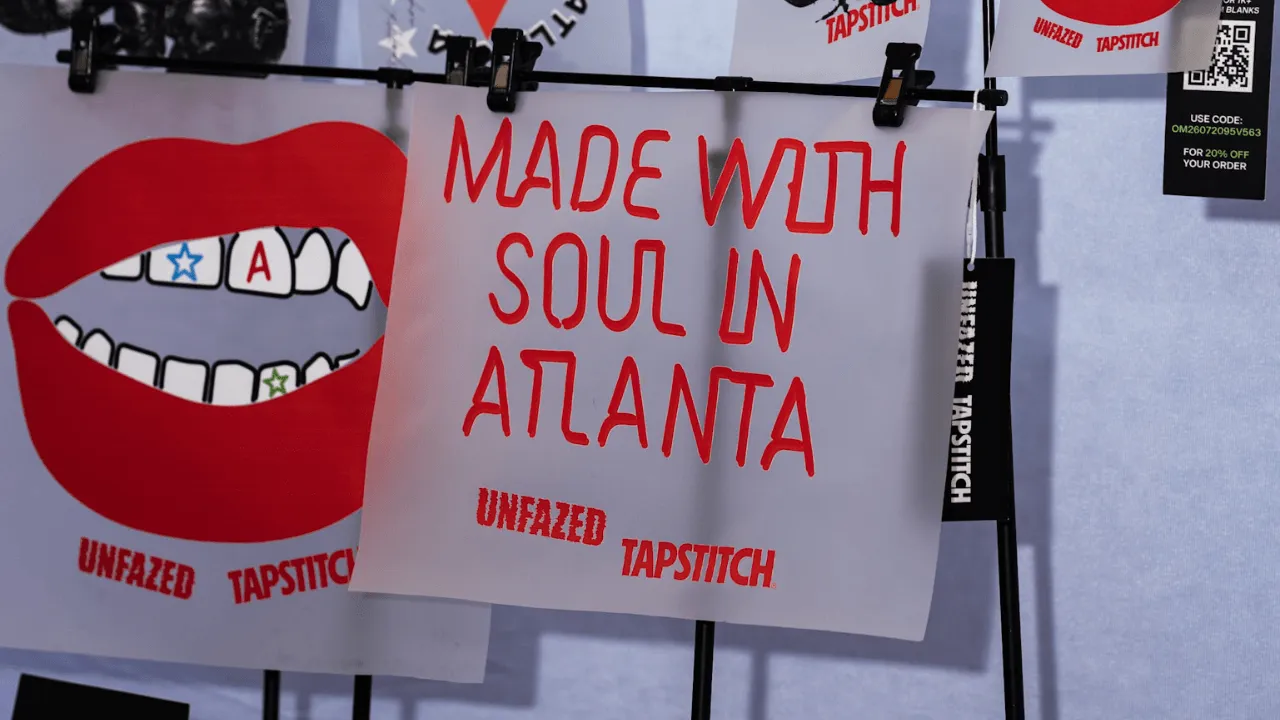
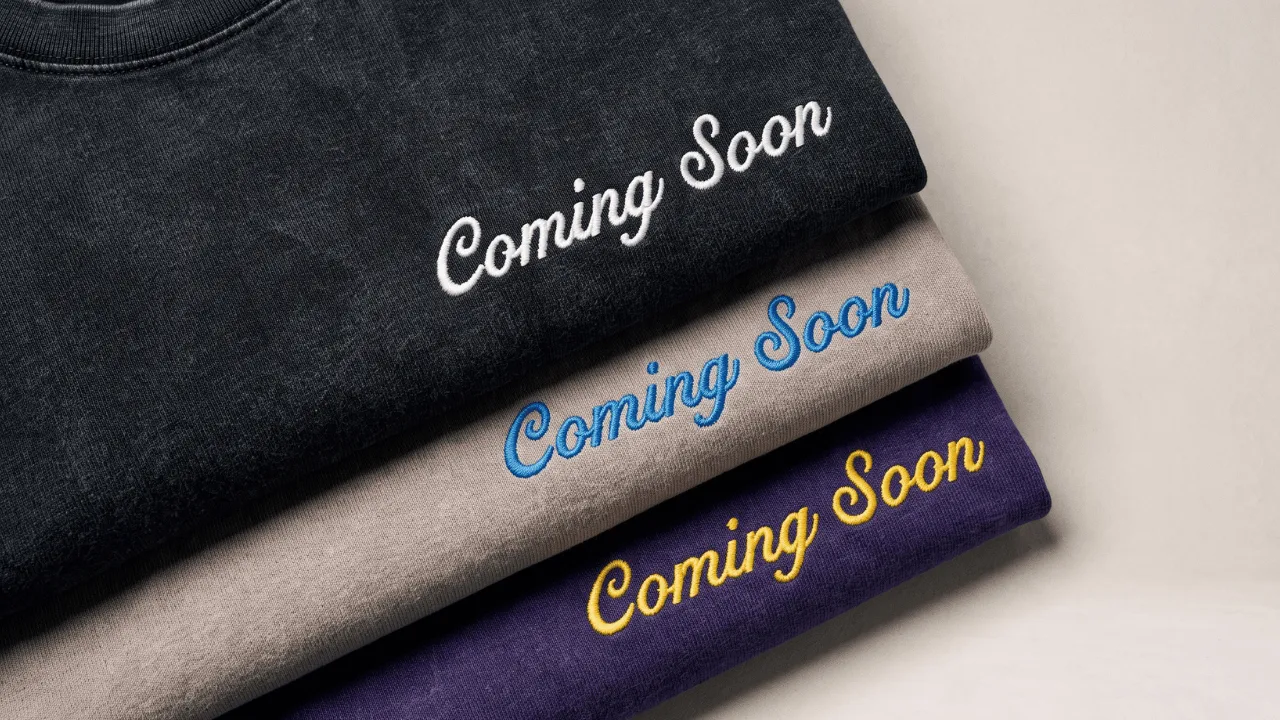
Select applicable brand components where they contribute to the offer. Our branding services include labels, hangtags and insert cards. Custom labels require international fulfillment, and hangtags and insert cards are not available for orders fulfilled through US fulfillment; do not use a planned accessory in listing images before it is part of the configuration.
Order a physical configured item before preparing final product photography. Use it to assess fit and artwork placement and to produce images that describe the actual garment. Keep the approved item and saved design linked to the listing so later edits do not create a mismatch.
Measure distinctiveness through the decisions you control. A consistent collection, considered artwork and accurate presentation can make the shop identifiable. They do not guarantee sales, and you should not support them with invented customer responses or popularity claims.
Prepare Listings under Etsy’s Current Requirements
Prepare the creative and factual parts of the listing together. The design should fit the marketplace's requirements, and the page should accurately show what the buyer will receive. Technical publishing is a delivery mechanism for the listing, not a substitute for those responsibilities.
Keep a record of the design and product configuration. Save the original work, approved artwork version, selected garment and listing details. This helps you maintain a consistent offer when you update images, add variants or introduce another item in the range.
Original Design and Production Partner Disclosure
Etsy permits production partners to make and ship items based on a seller's original design or the buyer's customization. Its production-partner guidance requires transparent disclosure on applicable listings. Add the partner information through Etsy's supported setup rather than assuming the supplier connection fills it in for you.
Etsy's dropshipping and reselling guidance distinguishes using a production partner for your own original designs from reselling ordinary products the seller did not design and the buyer did not personalize. Adding a brand card to an unchanged purchased item does not create an original apparel design.
Preserve the shop's creative foundation as you expand. Adding more products should not turn a focused design range into unrelated catalog reselling. Apply your own design work thoughtfully and keep its relationship to each garment clear.
Treat ownership and originality as separate considerations. You should have the right to use your artwork, and the product must meet the marketplace's relevant listing requirements. Do not imply that a ready-to-print file or a supplier's willingness to manufacture it guarantees marketplace approval.
Review new product ideas before investing in their presentation. If the proposed listing doesn't fit your creative role or the applicable requirements, change the product plan rather than trying to fix it with a more persuasive description.
Product Images, Descriptions, and Variation Details
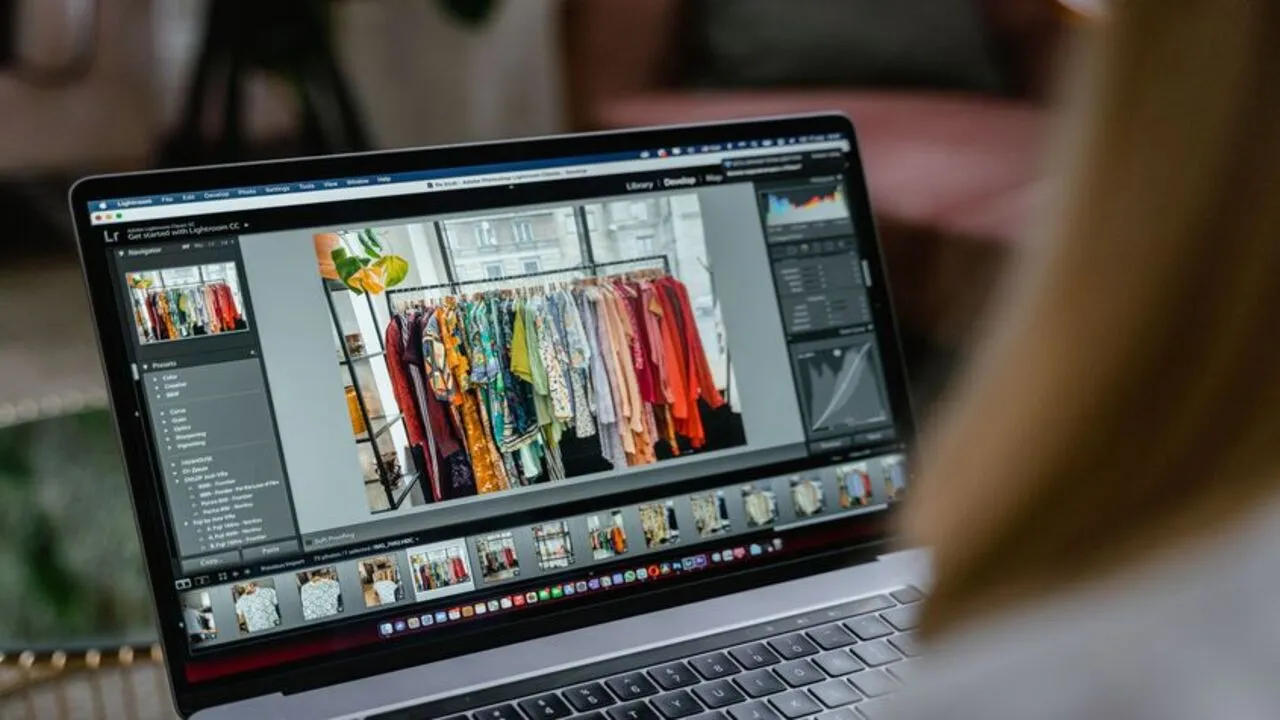
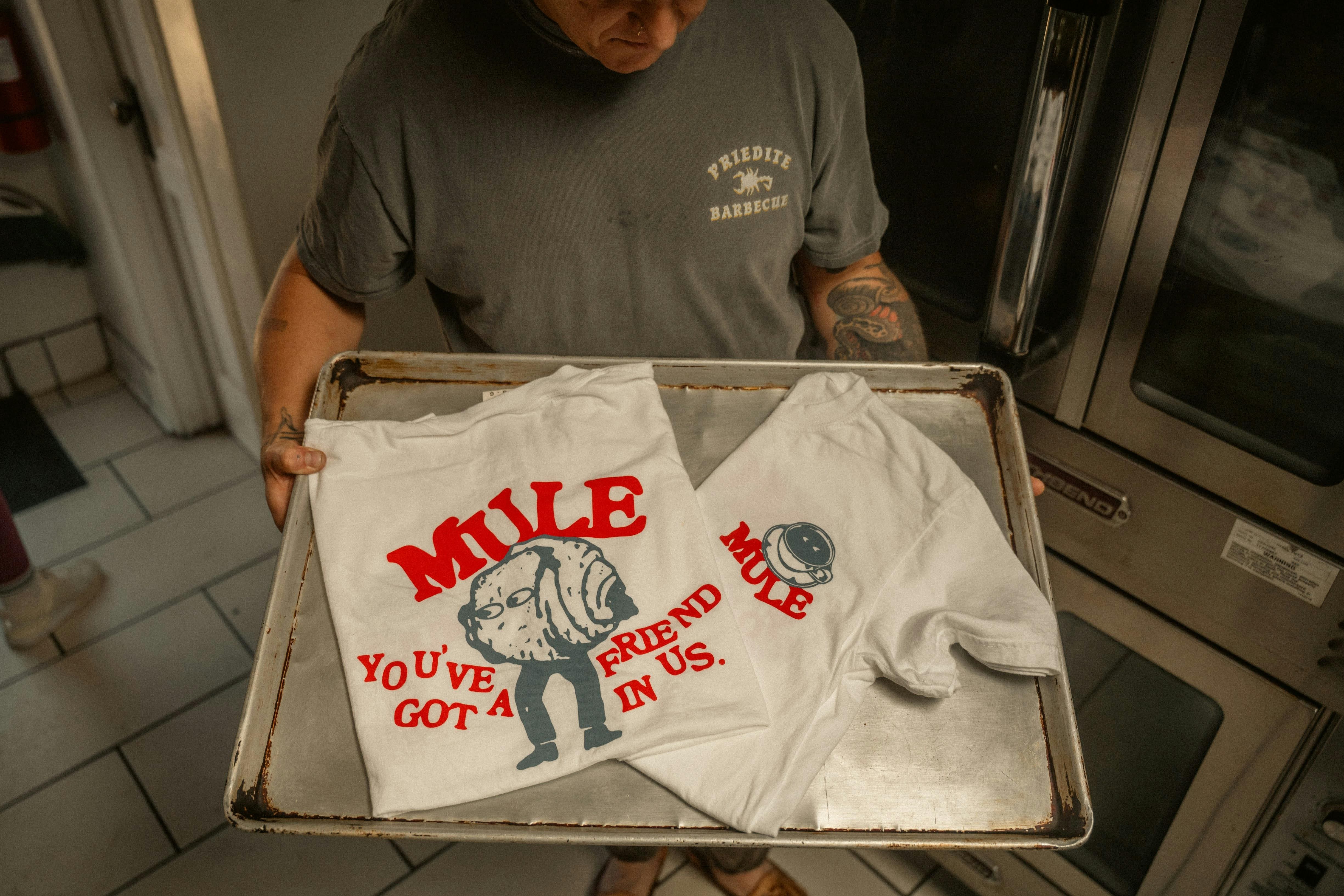
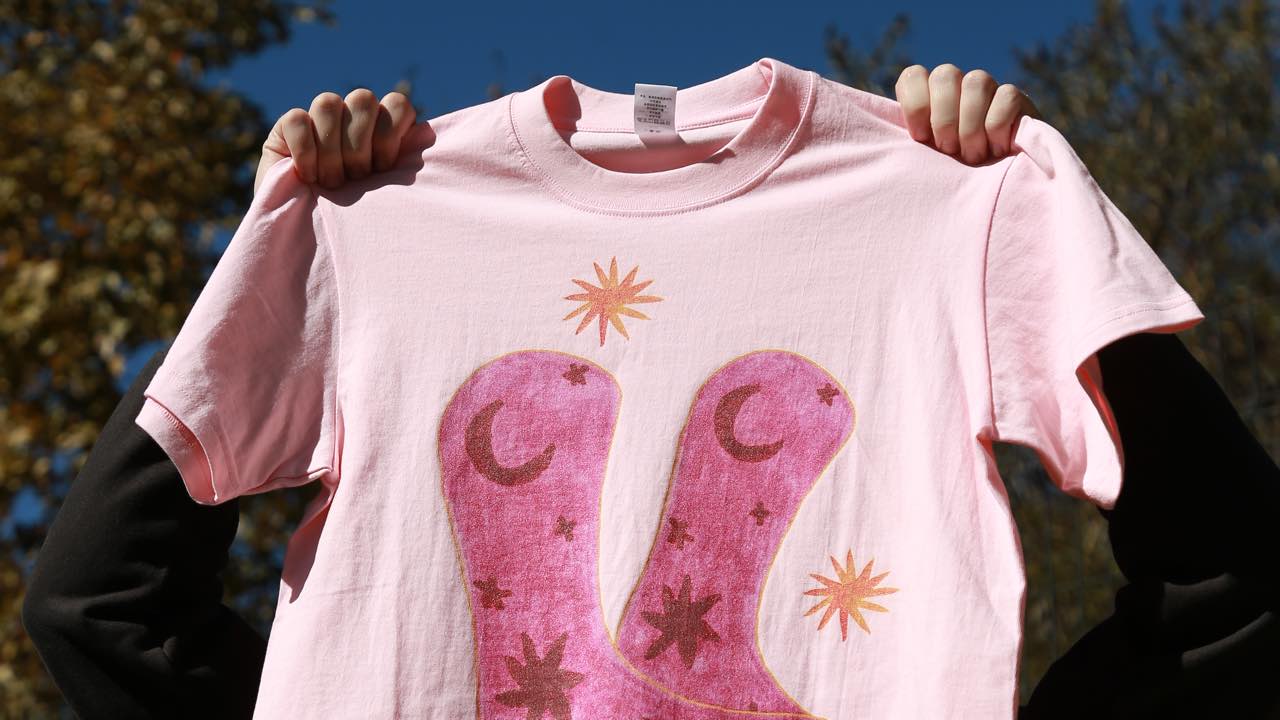
Show the garment customers can order. Use photographs of the configured item where practical, then add accurate supporting visuals. Keep artwork scale, placement and garment color consistent across the page. A visually polished image is unhelpful if it suggests a different product from the one fulfilled.
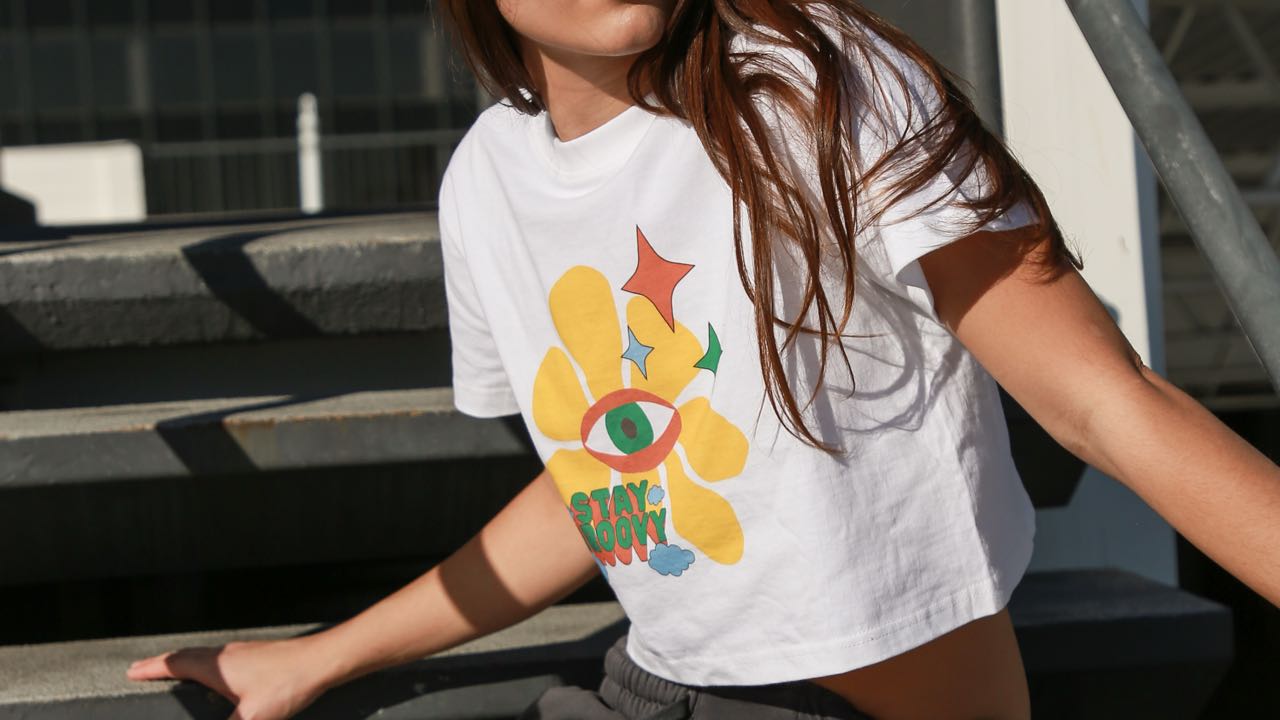
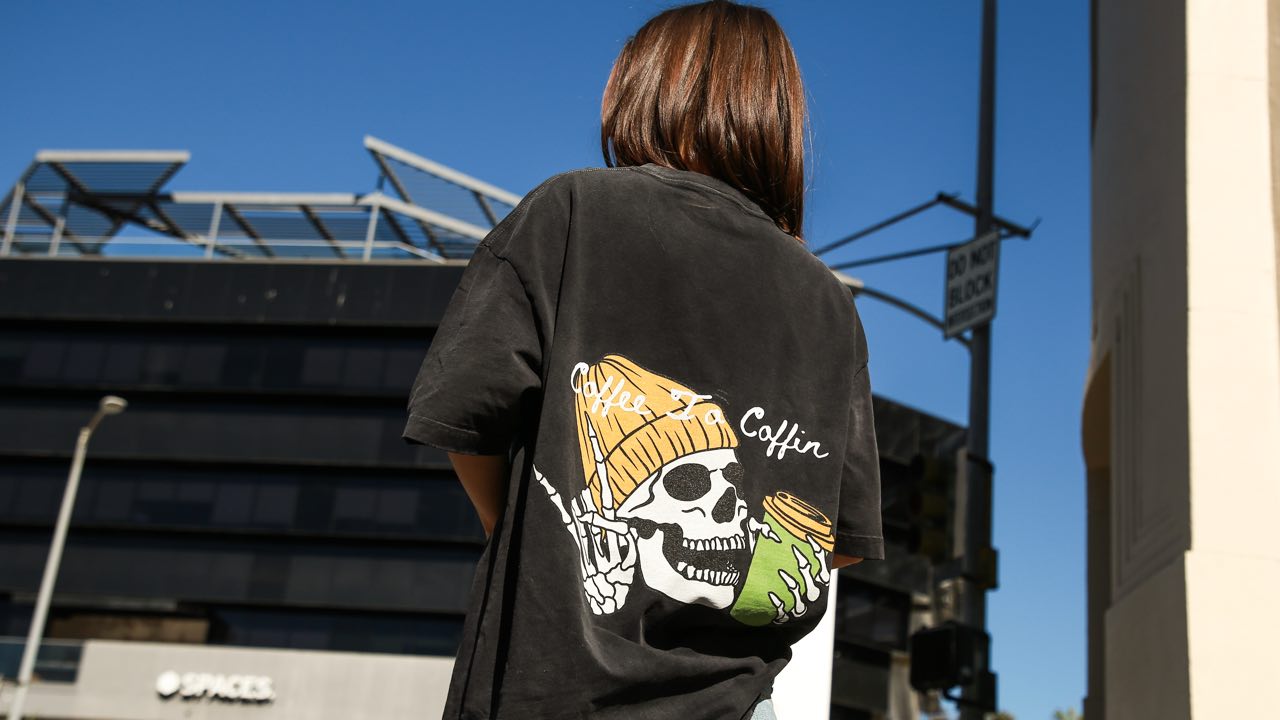
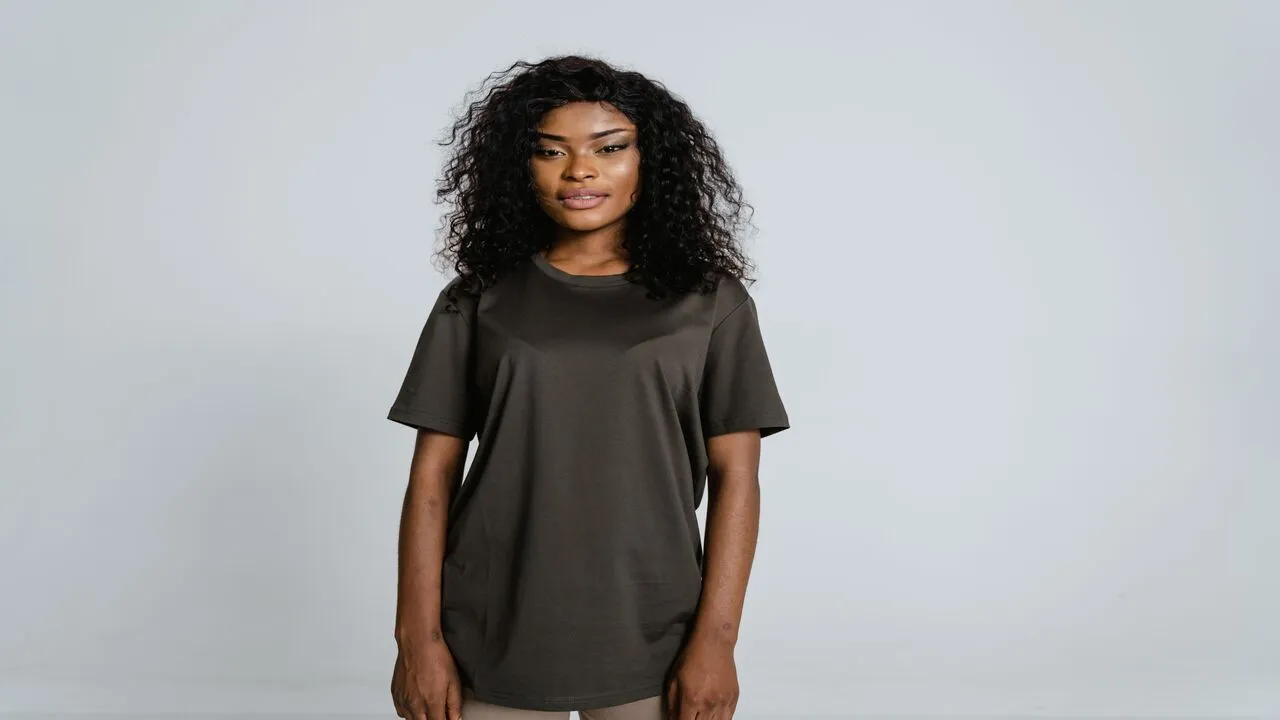
Choose images that answer buying questions. Show the front, any relevant back decoration and details of fit or finish. Use worn images when they help explain proportion. Keep the setting supportive of the garment, not distracting or hard to identify.
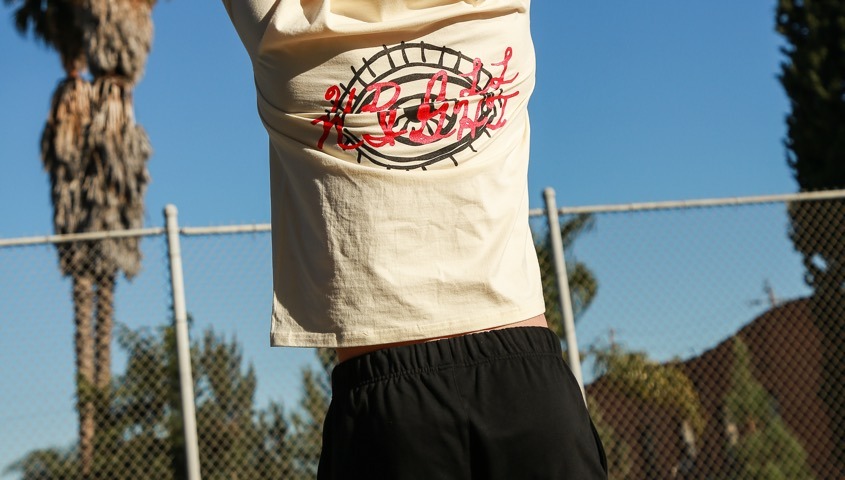
Describe the fit and garment information precisely. Provide relevant measurements and size guidance, and identify available colors with clear names. Do not assume a buyer understands the difference between two similarly named styles from a thumbnail.
Make the variants understandable as a purchase. If an image shows one color and the buyer selects another, make the choice clear. Review the variation names, associated visuals and supplier mapping together so the order points to the intended product.
Use search terms naturally in the title and description. Describe the design, garment and intended audience without filling the page with unrelated phrases. Keep the listing readable for someone deciding whether the item fits their taste and wardrobe.
Do not describe production or delivery in terms that conflict with the order route. Prepare the expected process from the selected configuration and destination. Keep the store's policies and listing information aligned so the customer does not receive contradictory promises.
Confirm the Connection and Fulfillment Responsibilities
- Authorize the intended Etsy shop. Inspect the connected store record, publish the approved products and review the live listings. Confirm that purchasable variations match the saved designs you intend to fulfill.
- Verify the order handoff. Keep Etsy and supplier order references together. Investigate missing or mismatched orders before manually creating a replacement, which could duplicate a connection-related problem.
- Monitor payment and submission. Treat these as separate processing steps. A customer’s payment to the shop does not establish completion on the supplier side. Check the relevant status and assign an owner for launch exceptions.
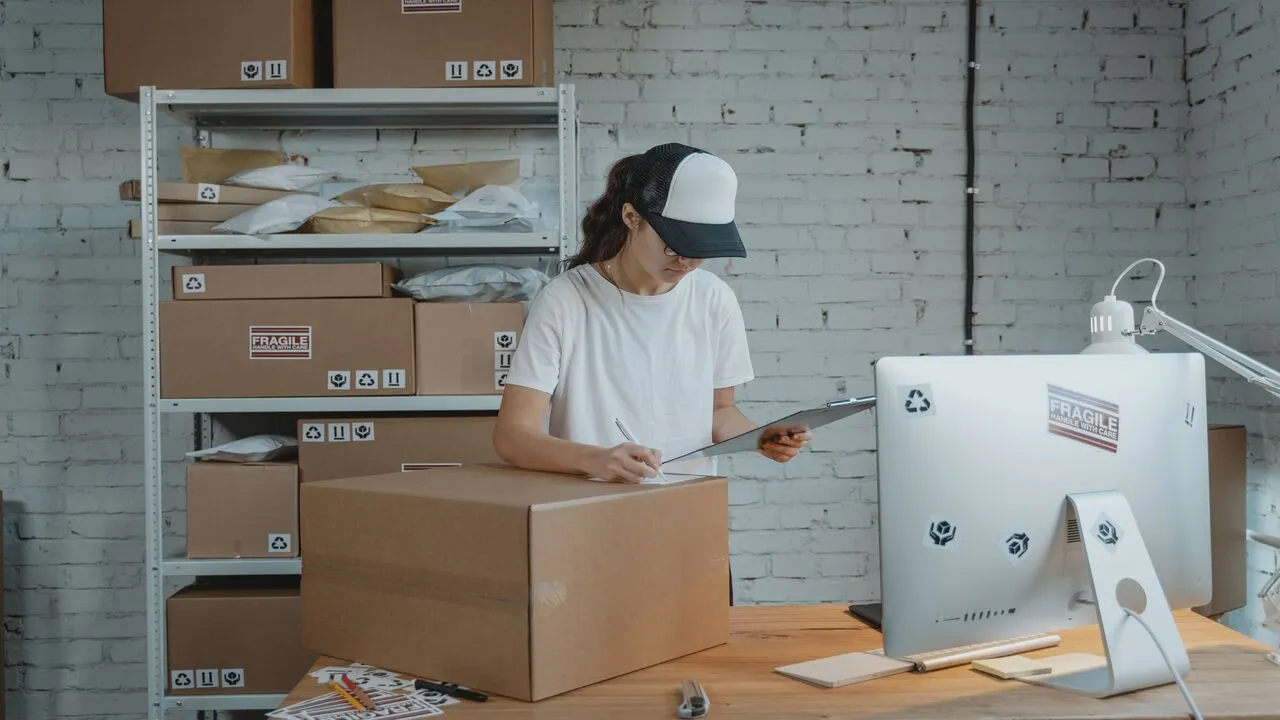
- Prepare accurate fulfillment information. Use the product and destination settings for the offer. Our shipping page distinguishes transit estimates from production time. Describe the complete route rather than applying one delivery period to the entire range.
- Keep customer communication with the shop. For wrong or defective items, collect order details and relevant photographs, then follow the applicable supplier process. Manage other return requests under the shop’s policies and transaction-specific requirements.
- Review the shop from the buyer’s perspective. Check whether shoppers can recognize the range, understand products, select variants and find order information. Resolve differences between listings, policies and fulfillment configuration before opening sales.
- Use questions to improve presentation. Show the collection relationship if buyers cannot tell whether a hoodie matches a tee. Clarify variant names or images when needed, instead of adding unrelated products.
Choose Tapstitch when its garments, customization and Etsy order route support your original apparel range. Keep marketplace requirements and the buyer experience in view, and launch the products you have approved.
FAQ
Wrapping Up
An Etsy apparel shop needs a clear design identity, accurate listings and a suitable production arrangement. A technical connection supports the order route but does not replace the seller's creative role or marketplace responsibilities.
Prepare the product and relevant partner disclosure together, then check its variants and fulfillment setup. Launch the garments that fit the shop's direction and that you can truthfully present to buyers.