







Fabric Weight for Streetwear: A Practical GSM Guide


Choose fabric weight for streetwear alongside silhouette, composition and intended use. At Tapstitch, our available tees and hoodies can support a heavyweight or relaxed collection when a garment's specifications and customization support the brief. No single GSM makes a supplier suitable for every streetwear brand. Select a specific product, compare the relevant information, and assess the physical item before selling it.
Choose a Supplier by Its Garment Specs, Not a GSM Claim Alone
Describe what you want the garment to do. A structured tee, a layering hoodie and a loose seasonal piece create different requirements. Start with the wearer and use, then choose specifications that help express that product idea.
For oversized clothing, the cut and measurements are essential. For a heavier fabric direction, weight and composition matter. Those requirements can overlap, but they are separate decisions. A heavy garment is not automatically oversized, and an oversized garment does not automatically use a heavy fabric.
Tapstitch is a candidate when the available products provide the needed combination of shape, fabric and decoration. An original cut or an unavailable construction requires a manufacturer that specifically offers that work. Quantity flexibility should not distract from this product fit.
Use a shortlist of precise garments rather than evaluating a platform's general weight range. Record the style and variant you intend to assess. The choice should end with a product suitable for a trial, not with a claim that one number identifies the supplier to use.
Understand What GSM Tells You—And What It Does Not
GSM means grams per square meter: fabric mass over a defined area. It describes the fabric rather than the weight of the complete garment. Garment size, panels, trims and construction also affect how much a finished item weighs.
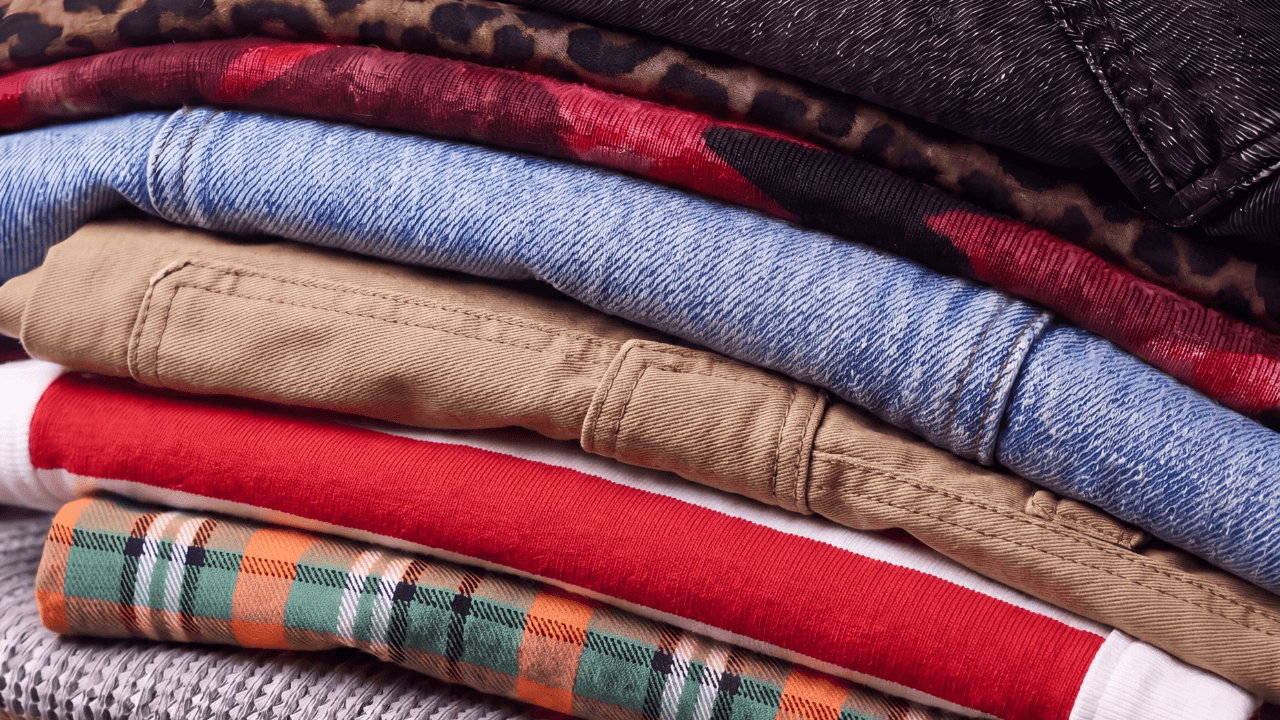
GSM does not provide a complete measure of thickness or hand feel. Different fabrics can use their mass differently. Composition, knit structure and finishing also contribute to the physical result. Use the number to compare candidates, then examine the actual material and garment.
It does not establish quality on its own. A higher GSM cannot tell you whether the neckline fits the brief, the seams look appropriate or the decoration works with the surface. Those questions need their own product information and assessment.
It also does not describe fit. A wide body, short length or dropped shoulder is a construction and proportion choice. Treating weight as a proxy for those dimensions can lead to a garment that feels substantial but looks unlike the sketch.
Keep the retail description specific. Give the relevant fabric and garment information rather than presenting the weight as a universal premium grade. The customer should understand the product, not be expected to infer every feature from a single measurement.
Match Fabric Weight to the Product
Compare weight within the garment's intended role. A tee and hoodie can belong to one collection without needing a shared weight target. Assess whether each creates the intended clothing experience and works with the range.
Start from an acceptable silhouette and composition, then examine the weight. This makes the comparison more useful than selecting the heaviest item first and attempting to adapt the entire design around it.
Streetwear T-Shirts: Structure, Season, and Fit
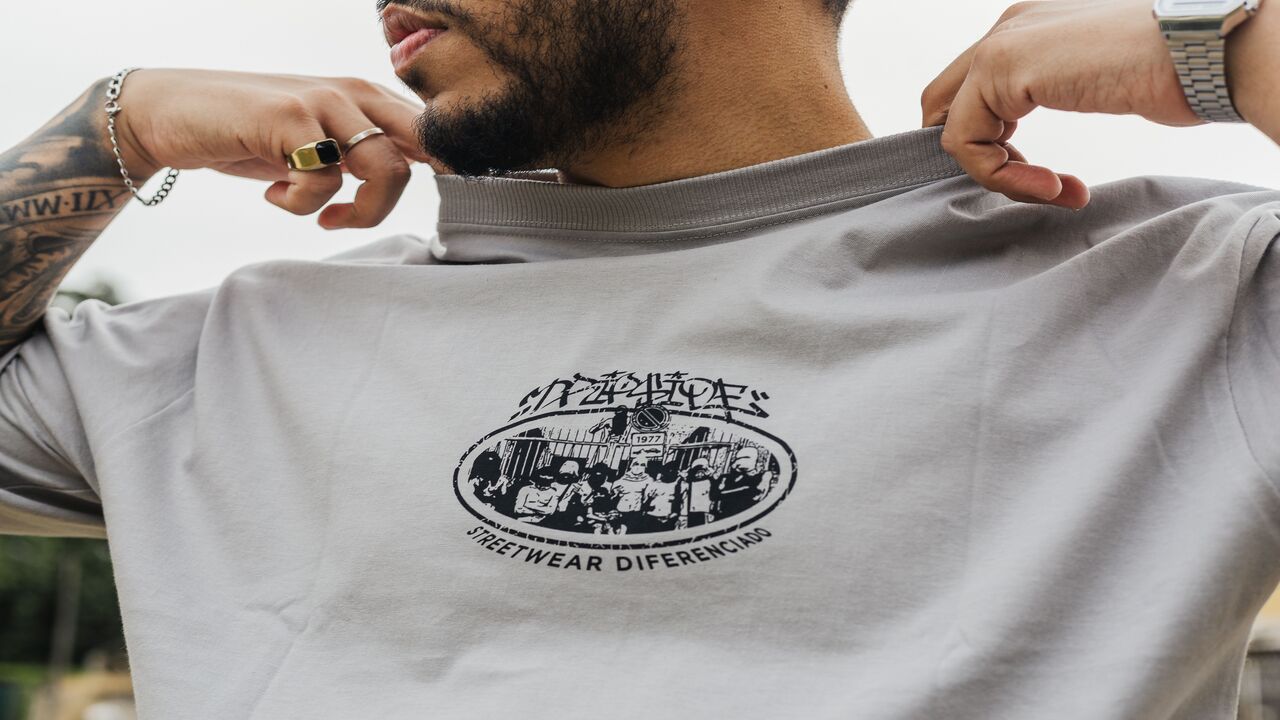
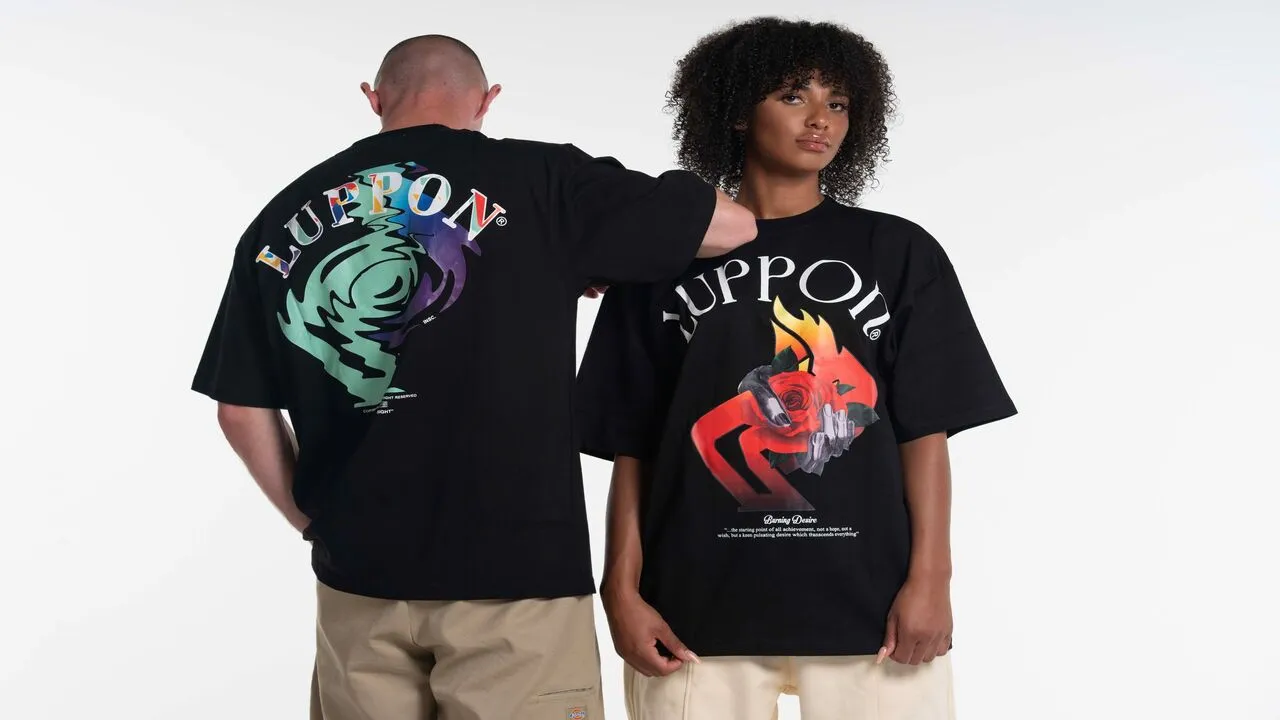
Decide how the tee should sit when worn. A graphic may need a broad front panel, a particular body length or a restrained neckline. Compare the relevant proportions before deciding which fabric weight supports that visual effect.
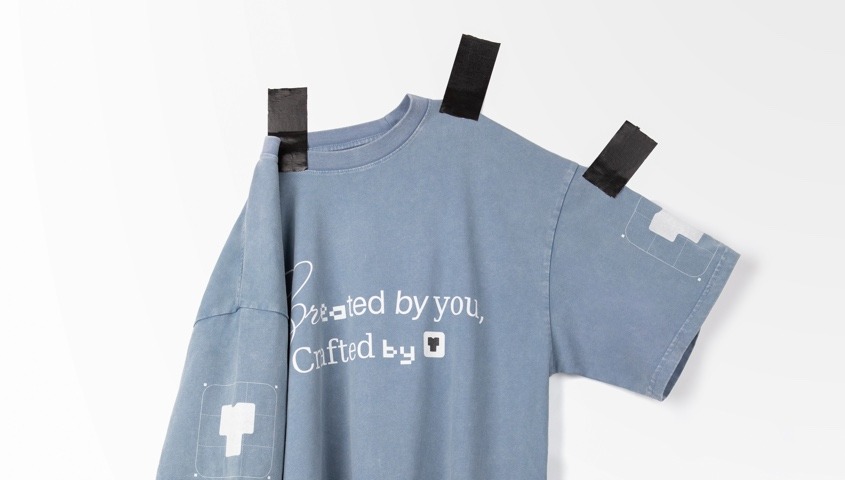
Consider the intended wearing context. A tee sold as a lighter seasonal piece has a different brief from one intended as a more substantial stand-alone garment. That distinction should guide the candidate selection without becoming an unsupported claim that a weight is suitable for every climate or wearer.
Read the composition alongside the weight. The Essential Cotton T-Shirt RT0063 lists 260 gsm and an all-cotton composition. Evaluate those specifications together with its loose fit and the selected size rather than interpreting 260 gsm as a rule for all streetwear tees.
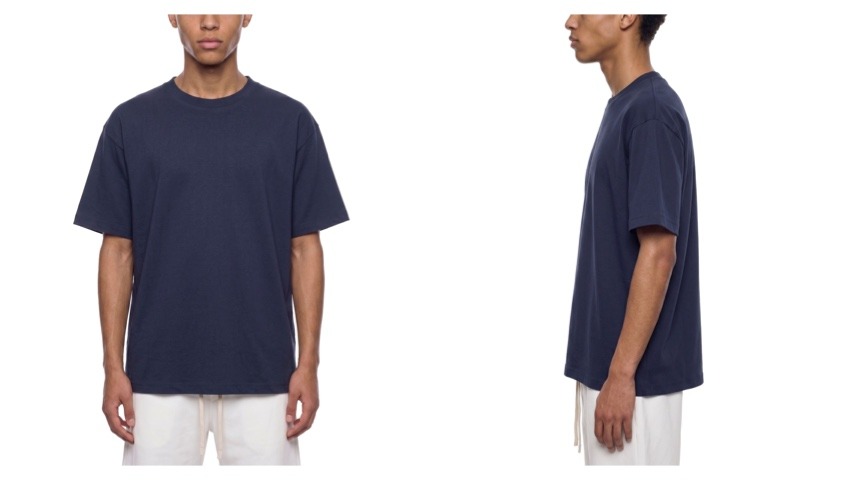
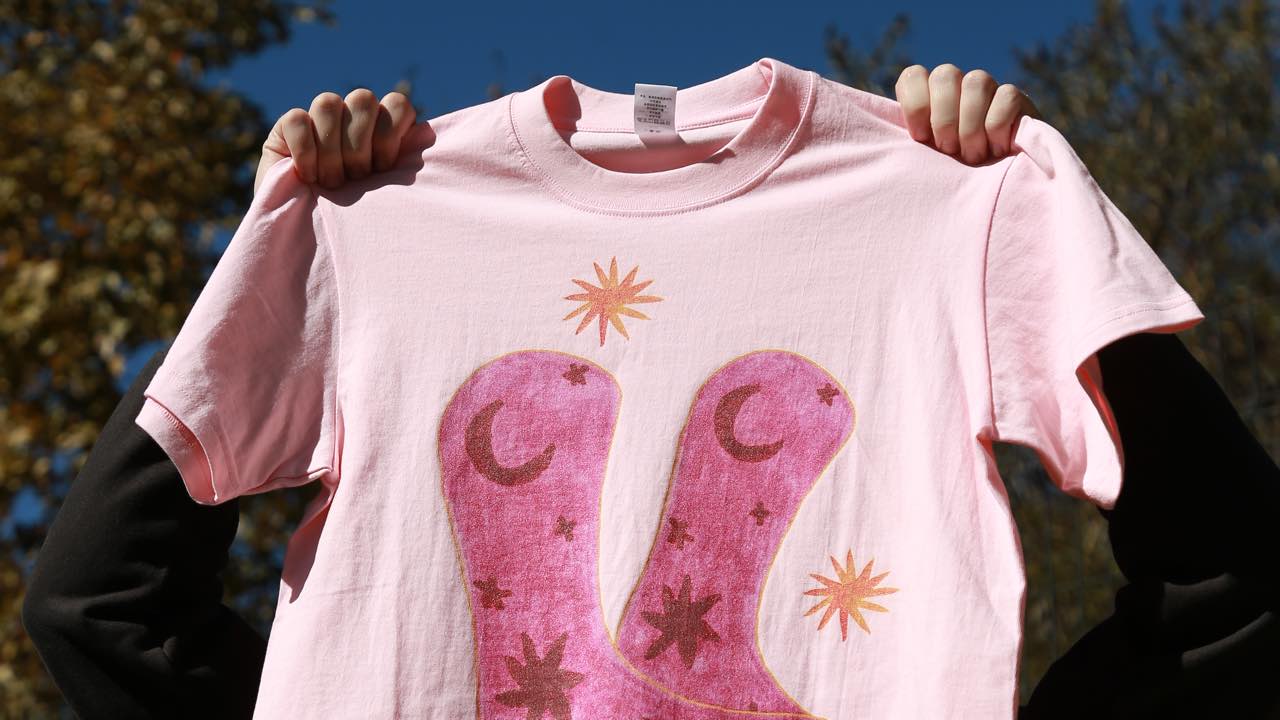
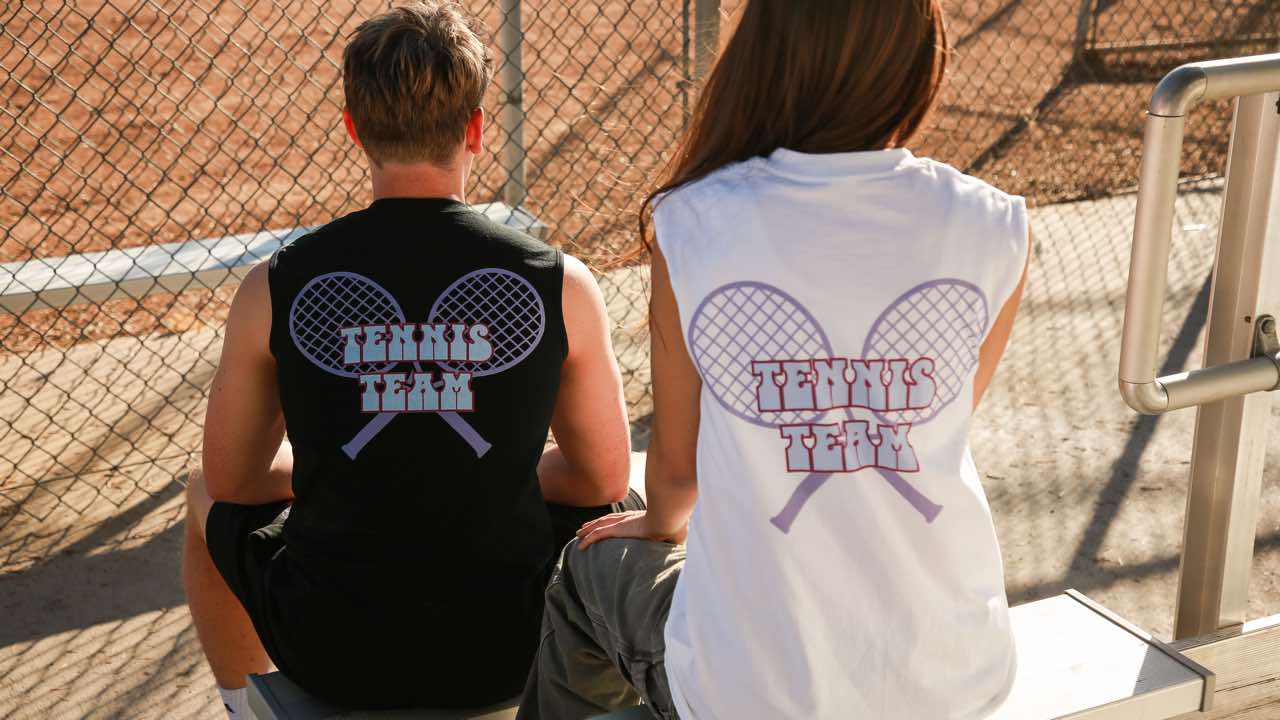
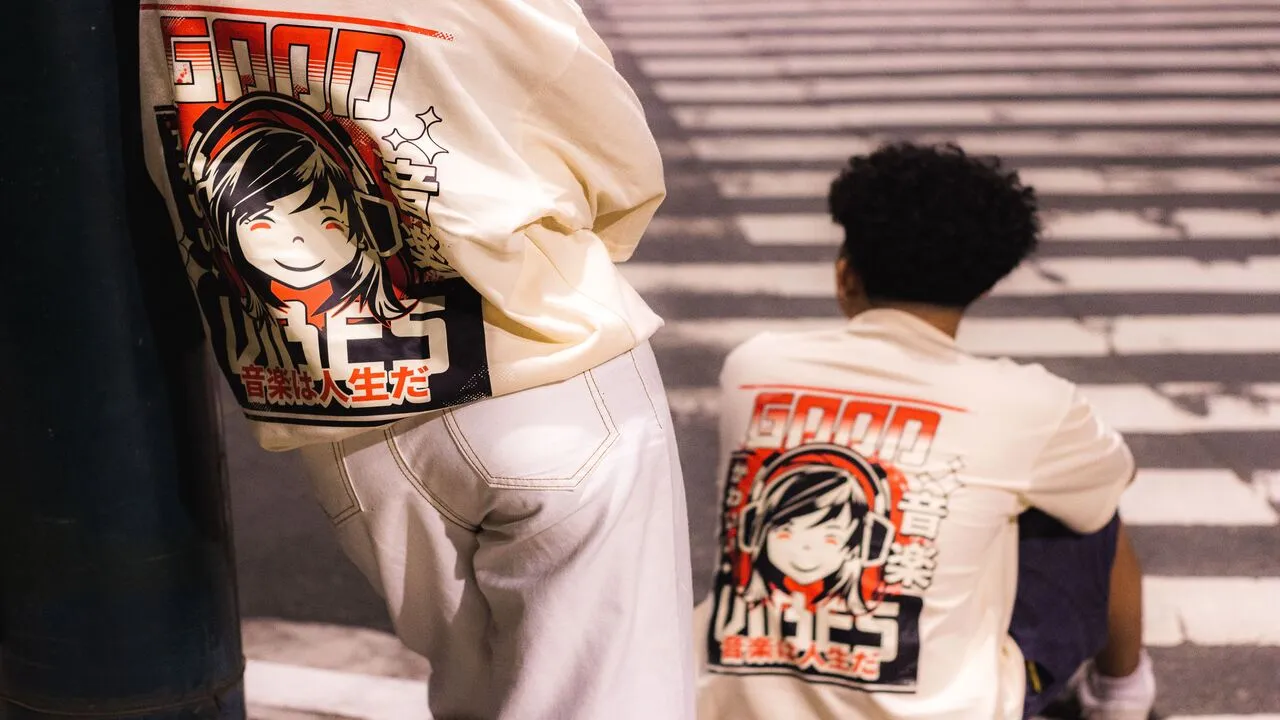
Inspect the physical item with the planned artwork. A blank may suit the silhouette but create a different graphic effect after decoration. Review the complete configuration, including how the image reads when the garment moves, before preparing the customer offer.
Hoodies: Fabric Construction and Layering Needs
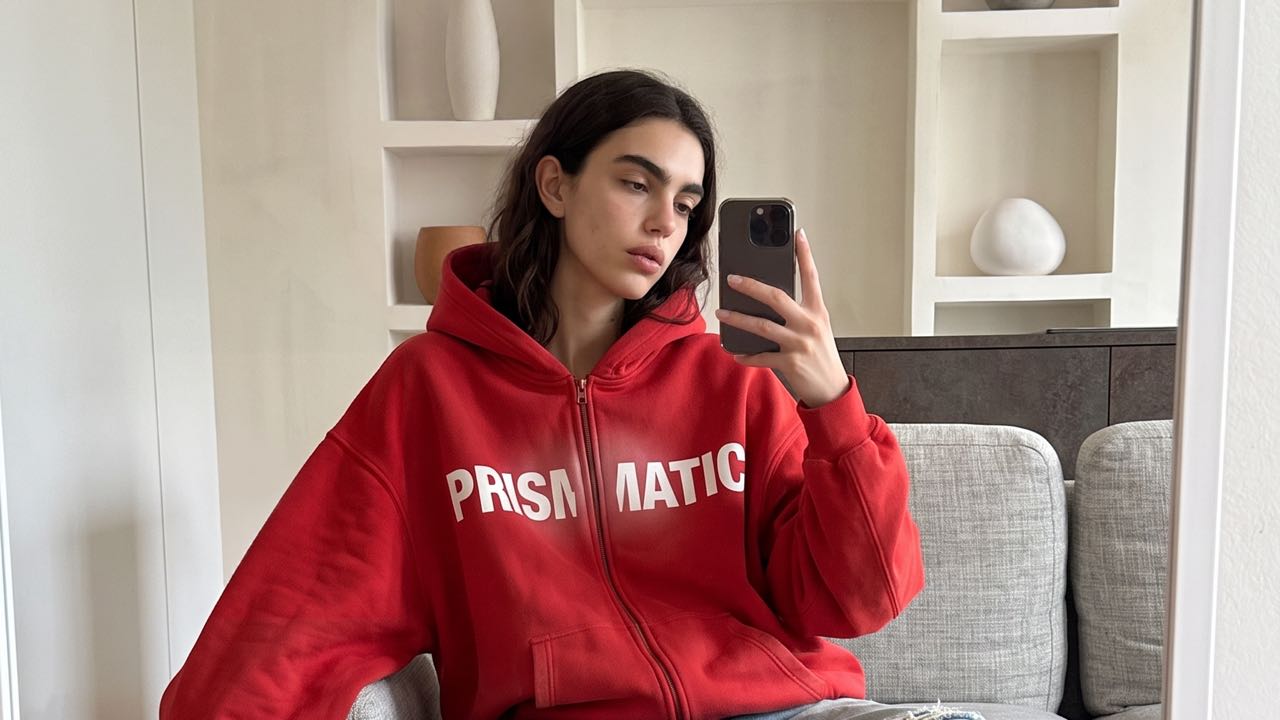
A hoodie introduces another garment structure and wearing use. Examine its hood, cuffs, sleeves and body proportions along with the fabric. These details can affect how it layers and how the graphic sits on the wearer.

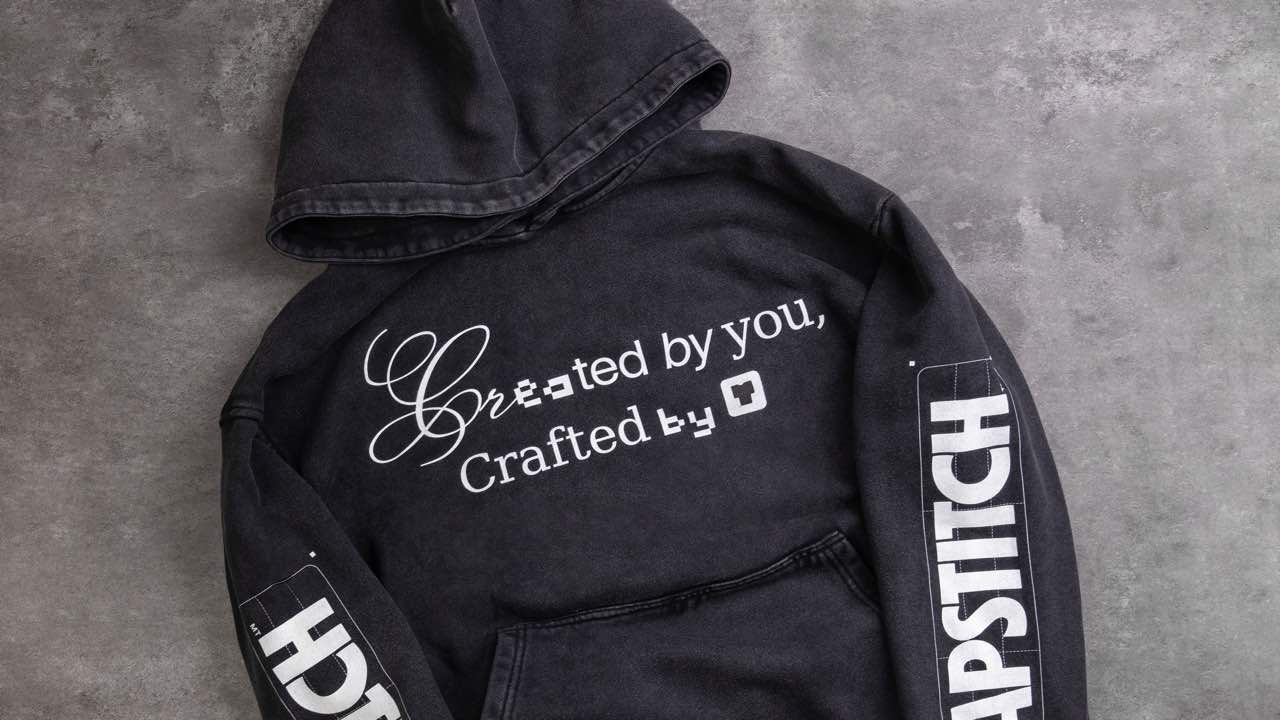
Read fleece composition and weight as information about the specific item. The Oversize Fleeced Hoodie R00286 lists 350 gsm. The Snow Wash Fleece Oversize Hoodie RW0046 lists 355 gsm. That numerical difference should not be treated as a quality ranking.
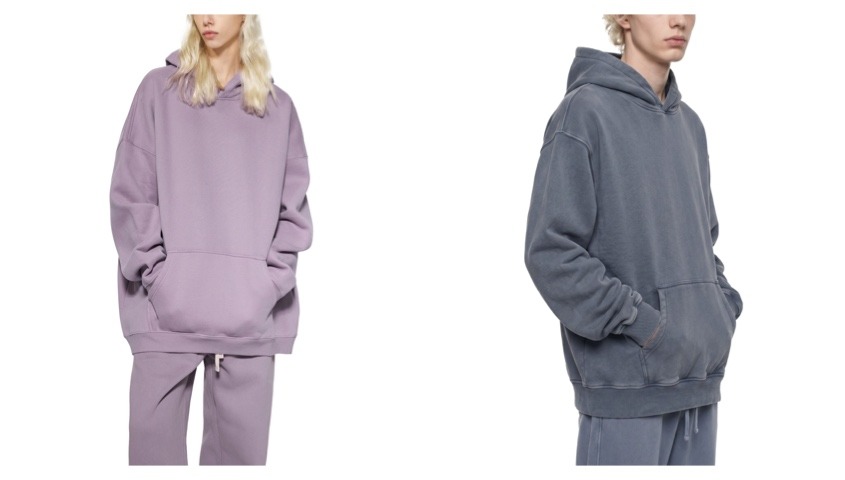
Consider whether the finish contributes to the design. A snow-washed surface can support a different visual direction from a cleaner-looking fleece piece. Choose it because it fits the collection, then assess the actual item rather than making a hand-feel judgment from product imagery.
Try the hoodie in the layering arrangement you intend to show customers. Check the relationship between shoulders, sleeves and the garment beneath it. A successful fit on its own does not answer every question about wearing it over another layer.
Compare Actual T-Shirt and Hoodie Specifications
The following product references were checked on October 12, 2026. They describe the listed garments, not the entire catalog. Select the desired color, size and fulfillment route on the product page; those choices can affect what is available to order.
Use the table to shortlist, then read the chosen size's measurements. A size range identifies available labels; it does not provide body width, length or the relationship between sizes. The product's Size Guide and a suitable reference garment are needed for that comparison.
Compare decoration using the selected product configuration. Do not infer a universal print dimension from the table or another style's layout. The supported area and options belong to the garment you will actually order.
Build a requirement record beside the specifications. Mark the composition, silhouette and decoration that are essential. If a candidate misses an essential requirement, remove it from the shortlist rather than allowing a higher weight to compensate for the wrong product.
For a range containing several garments, write a separate target for each product role. The tee may introduce the main illustration, while the hoodie provides a layering option. Compare each candidate with that role before looking at the range together. This avoids forcing two different categories into the same numeric target. It also gives you a clearer explanation for customers: the products belong to one collection because their design and proportions coordinate, rather than because every fabric uses an identical weight.
Keep the commercial decision attached to the same configuration. Review its complete order cost and delivery route. A garment that fits the weight brief still needs to work at the commitment and fulfillment conditions of the launch.
Choose a Candidate and Check It in Person
- Order the configuration you plan to sell. A paid single-item garment purchase can provide a physical reference without a bulk run. Include the intended decoration and any brand components needed to assess the complete offer.
- Assess fit and feel in use. Review the worn silhouette, relevant measurements and garment feel. Keep observations separate from the specification record: the record explains selection, while the physical item informs approval.
- Follow the care instructions. If washing is part of the assessment, photograph and measure relevant features consistently before and afterward. Record observations without presenting one home check as a standardized performance guarantee.
- Match the result to the collection. Choose another cut if the fabric direction fits but body length does not. Reconsider the finish or graphic treatment when the shape works but the surface conflicts with the artwork.
- Record why you approve or revise. Note which specifications helped and which requirements remain unresolved. An unsuitable item does not establish that the entire weight range or supplier category is unsuitable.
- Choose the supplier after the assessment. Choose Tapstitch when the available garment, customization and ordering route fit the intended product. Use another service when an essential fabric or construction requirement lies outside those options.
FAQ
Wrapping Up
Fabric weight helps describe a garment, but it does not determine its fit, quality or suitability on its own. Read GSM alongside category, composition, measurements and intended use when selecting streetwear products.
Shortlist a tee or hoodie that serves its role in the range, then assess the configured item physically. Let the complete result guide approval rather than assuming the highest weight is the right choice.