






10 Best Dropshipping Suppliers in the US for 2026


Dropshipping is a popular way for online sellers to start a business with minimal risk. You don’t have to worry about managing inventory, handling shipping, or making a big upfront investment. Instead, you can focus on niche marketing while a reliable dropshipping supplier takes care of fulfilling your orders.
However, not all suppliers are the same. Picking the right partner for your niche and store setup can make a big difference. The right supplier helps your business grow smoothly, while the wrong one can hurt your reputation. In this guide, we’ll explain what dropshipping suppliers do, the services they offer, and share 10 top dropshipping suppliers to consider—so you can build a stable and profitable online business.
What are Dropshipping Suppliers and How Do They Work?
Dropshipping suppliers are the backbone of your online store. They manufacture, store, and ship products directly to your customers on your behalf. Instead of managing inventory yourself, you rely on these suppliers to handle fulfillment while you focus on marketing and growing your brand.
Because of this, your dropshipping supplier directly affects product quality, shipping speed, packaging, and return handling. In other words, they shape your customer experience and your reputation more than you might expect. A reliable supplier helps you scale smoothly and build trust. An unreliable one can lead to delays, refund requests, and negative reviews that hurt your business.
The Step-by-Step Order Fulfillment Process
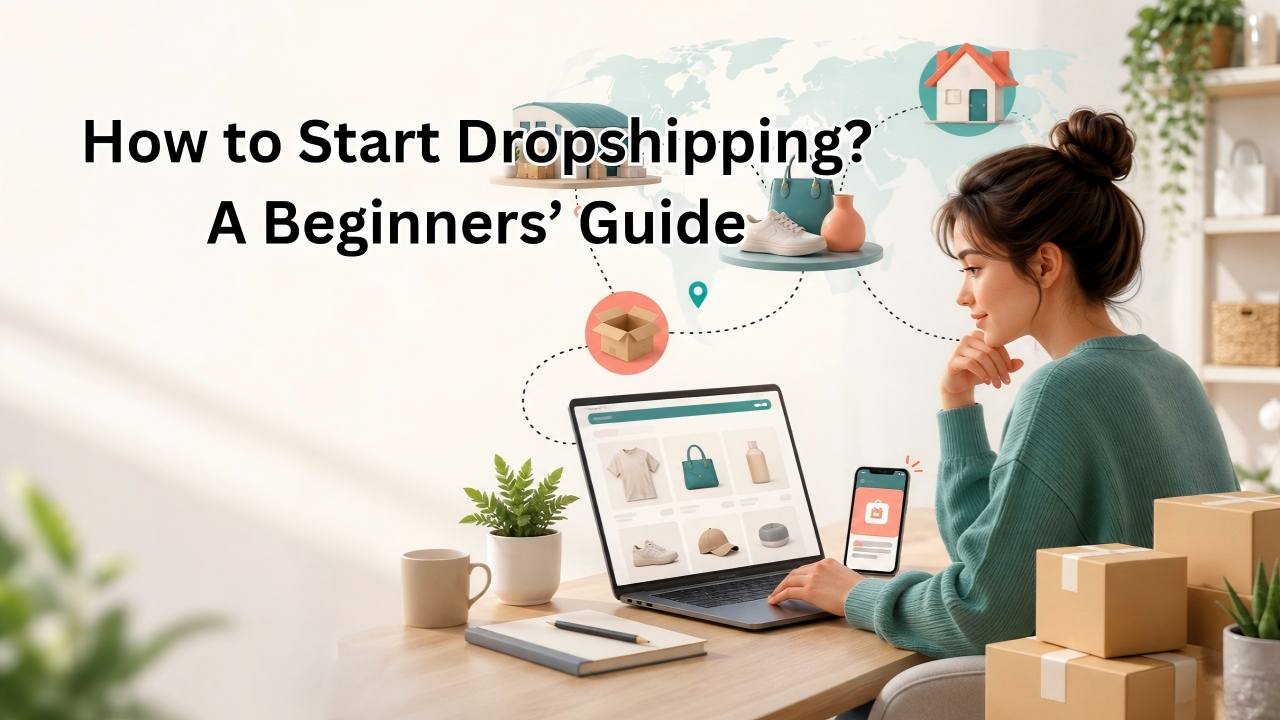
Dropshipping is pretty simple once you get the hang of it. There are three main players: you, your customer, and the dropshipping supplier.
Here’s how it works:
1. Create your ecommerce store and select products from your supplier’s catalog.
2. When a customer places an order in your store, you collect the payment and order details.
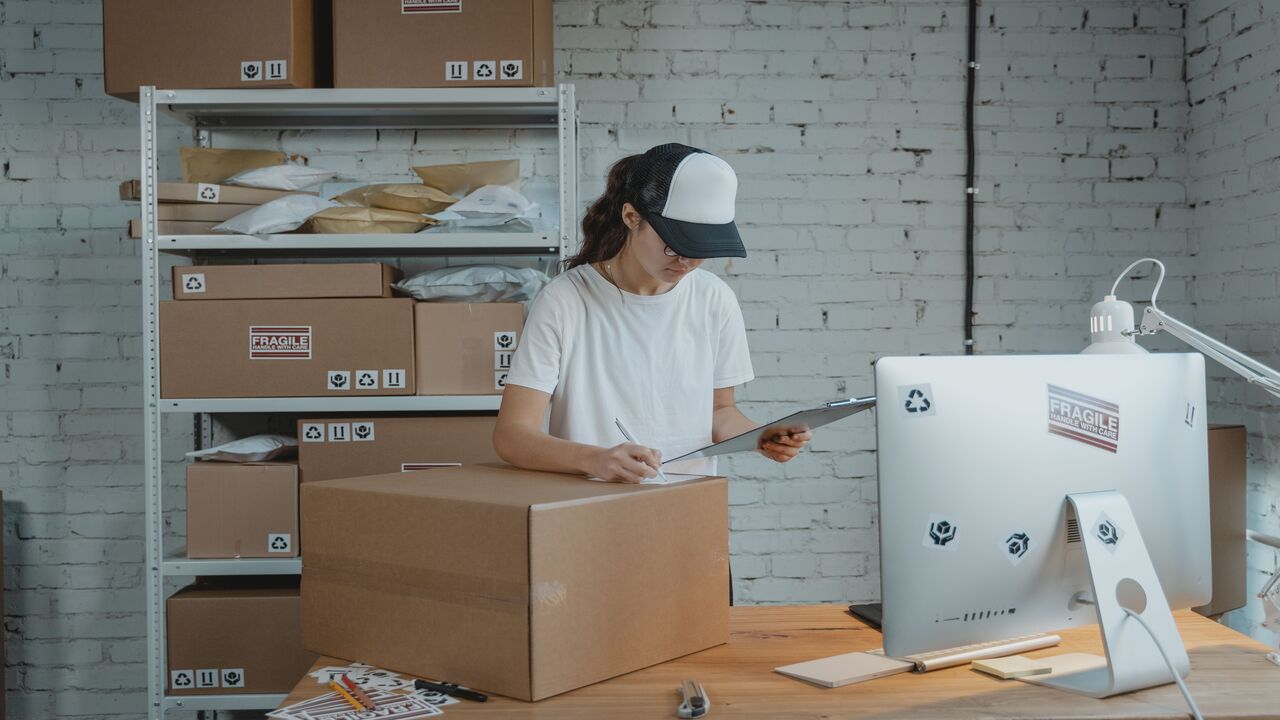
3. Instead of packing and shipping the product yourself, you pass the order information to your supplier. They prepare the package and ship it directly to your customer.
10 Best Dropshipping Suppliers for Your Online Business
With so many dropshipping suppliers out there, picking the right one can feel tricky. To make it easier, we’ve rounded up 10 top suppliers from print-on-demand dropshipping suppliers to wholesale dropshipping suppliers. Whether you’re starting out or scaling up, this list can help you find a partner that fits your store and goals.
1. Tapstitch
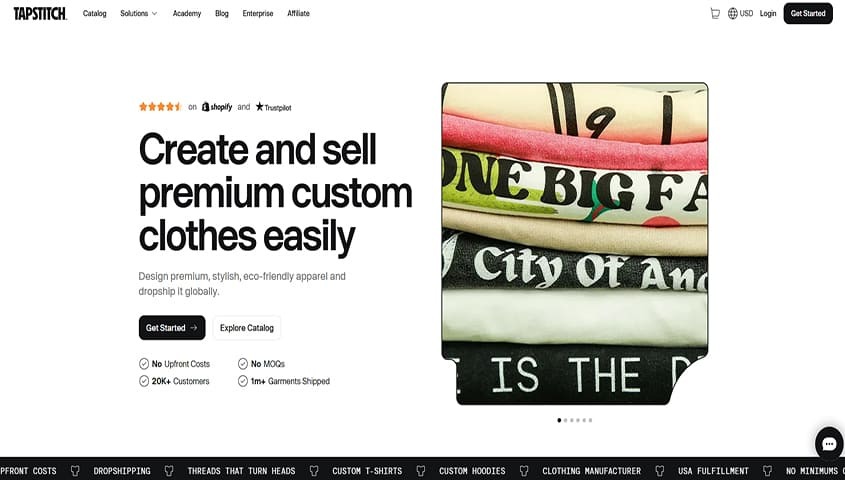
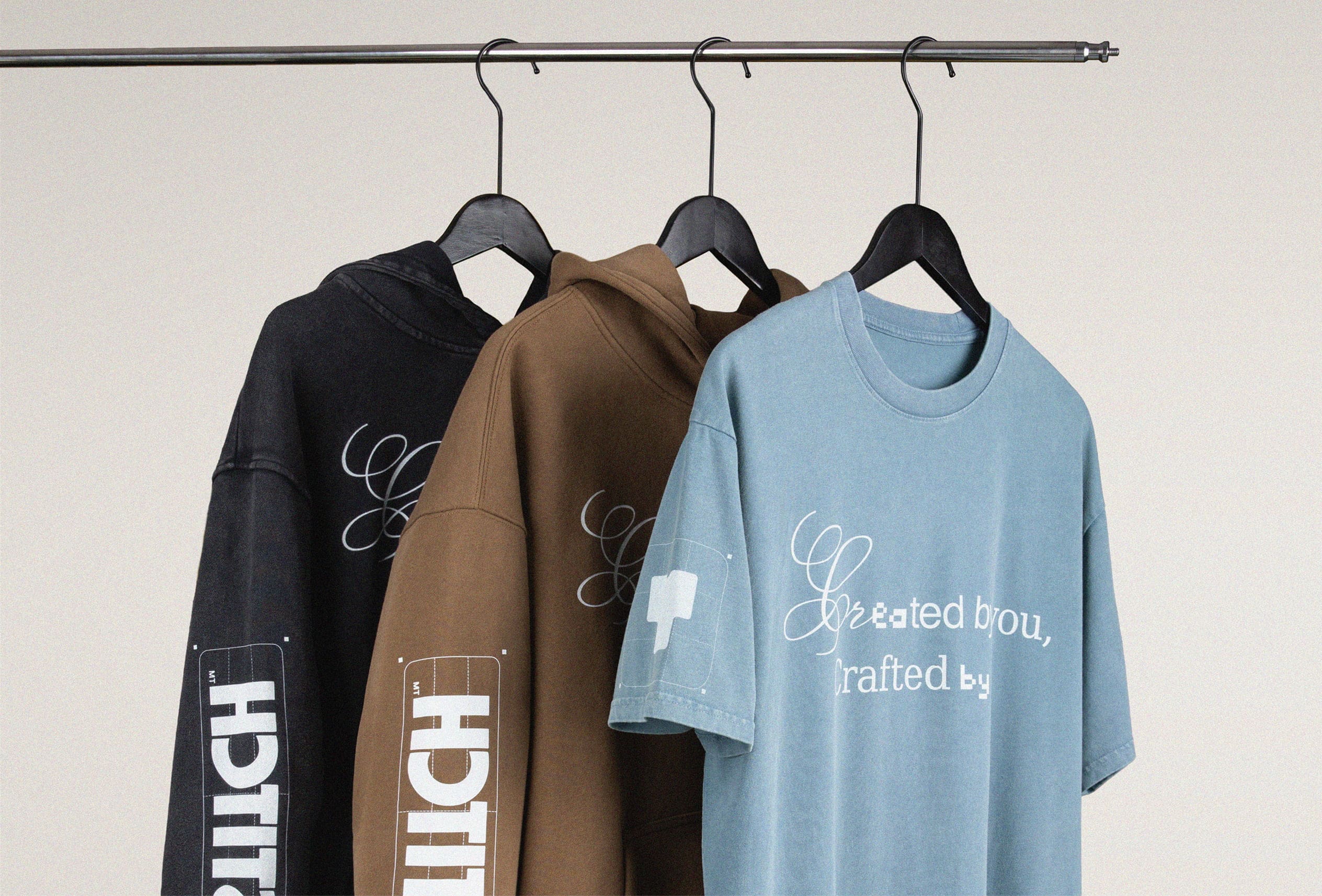
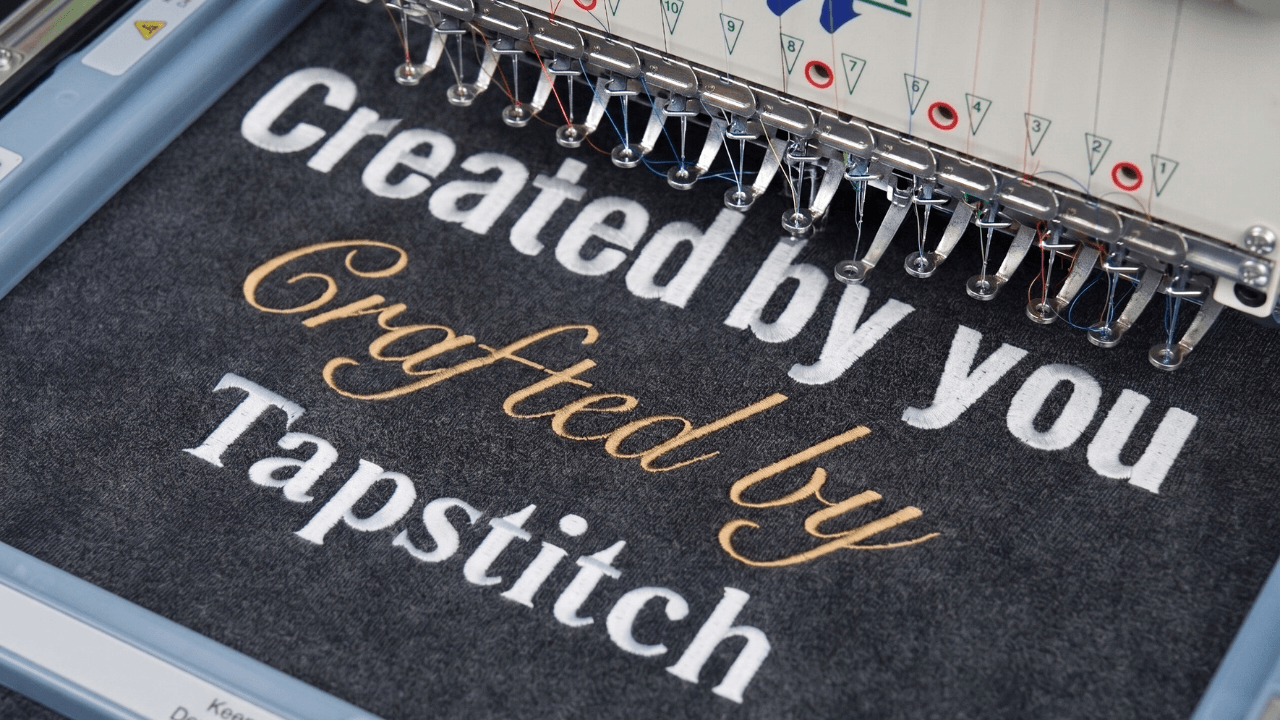
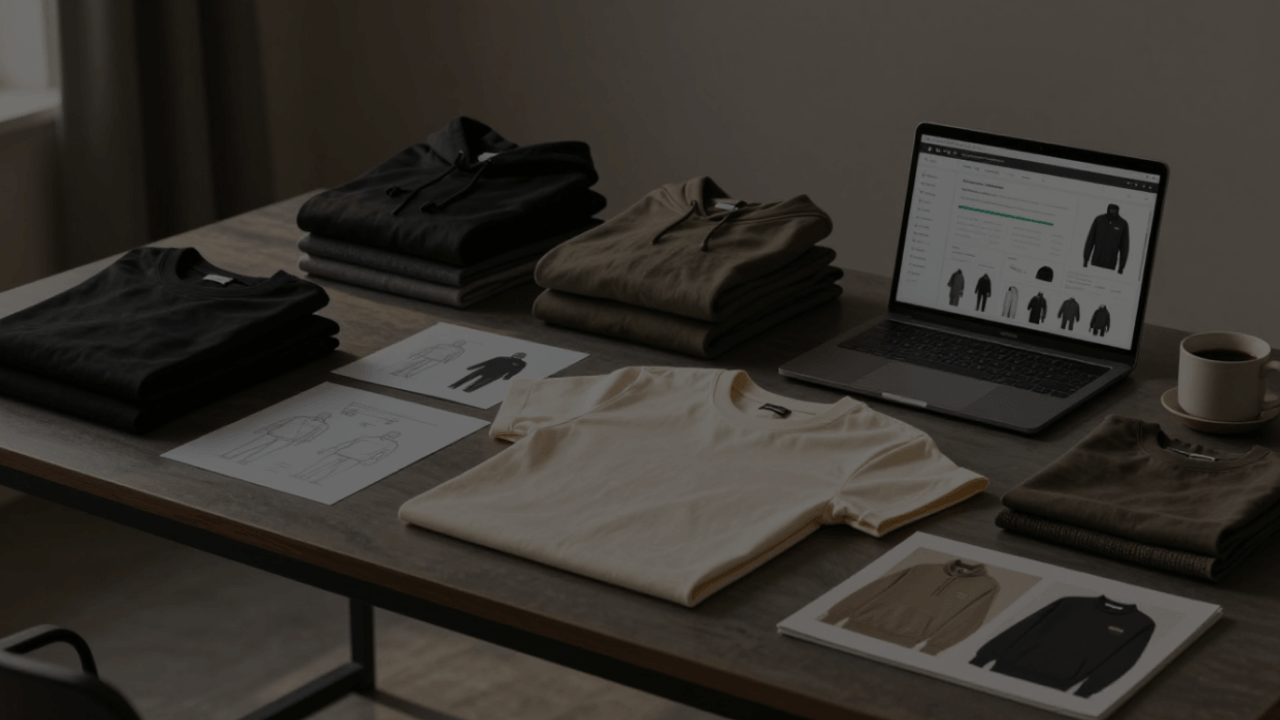
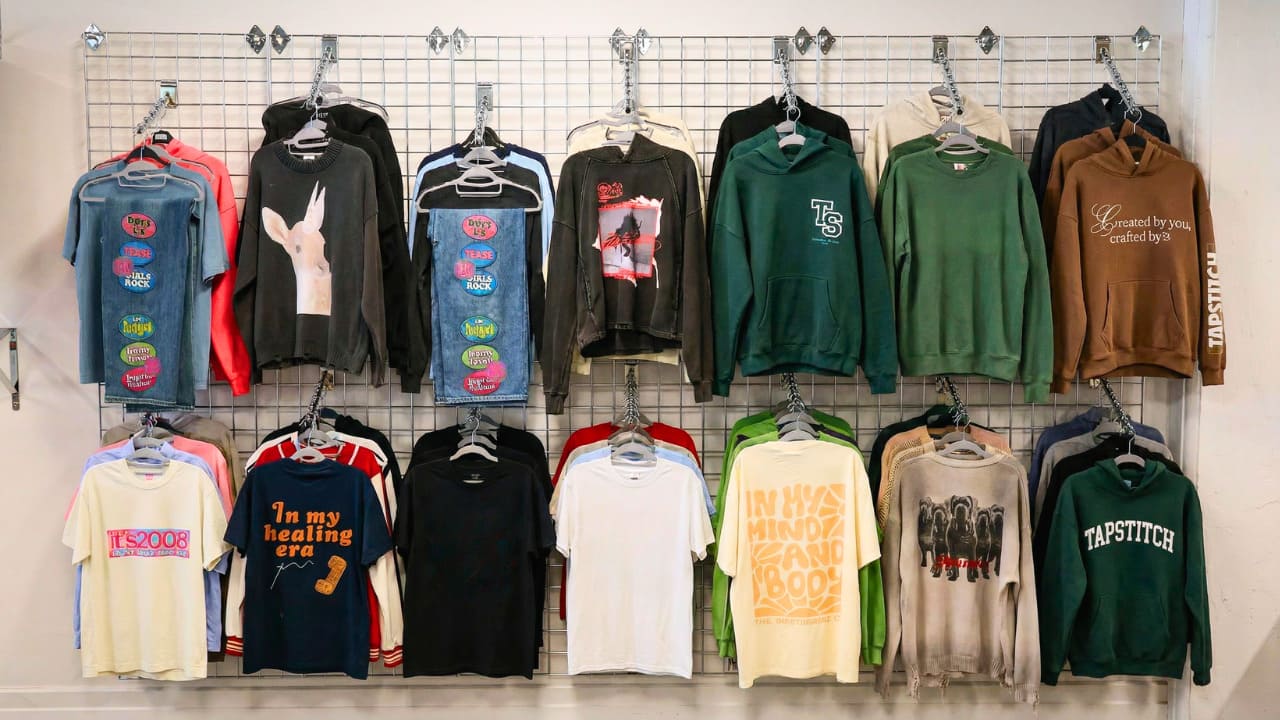
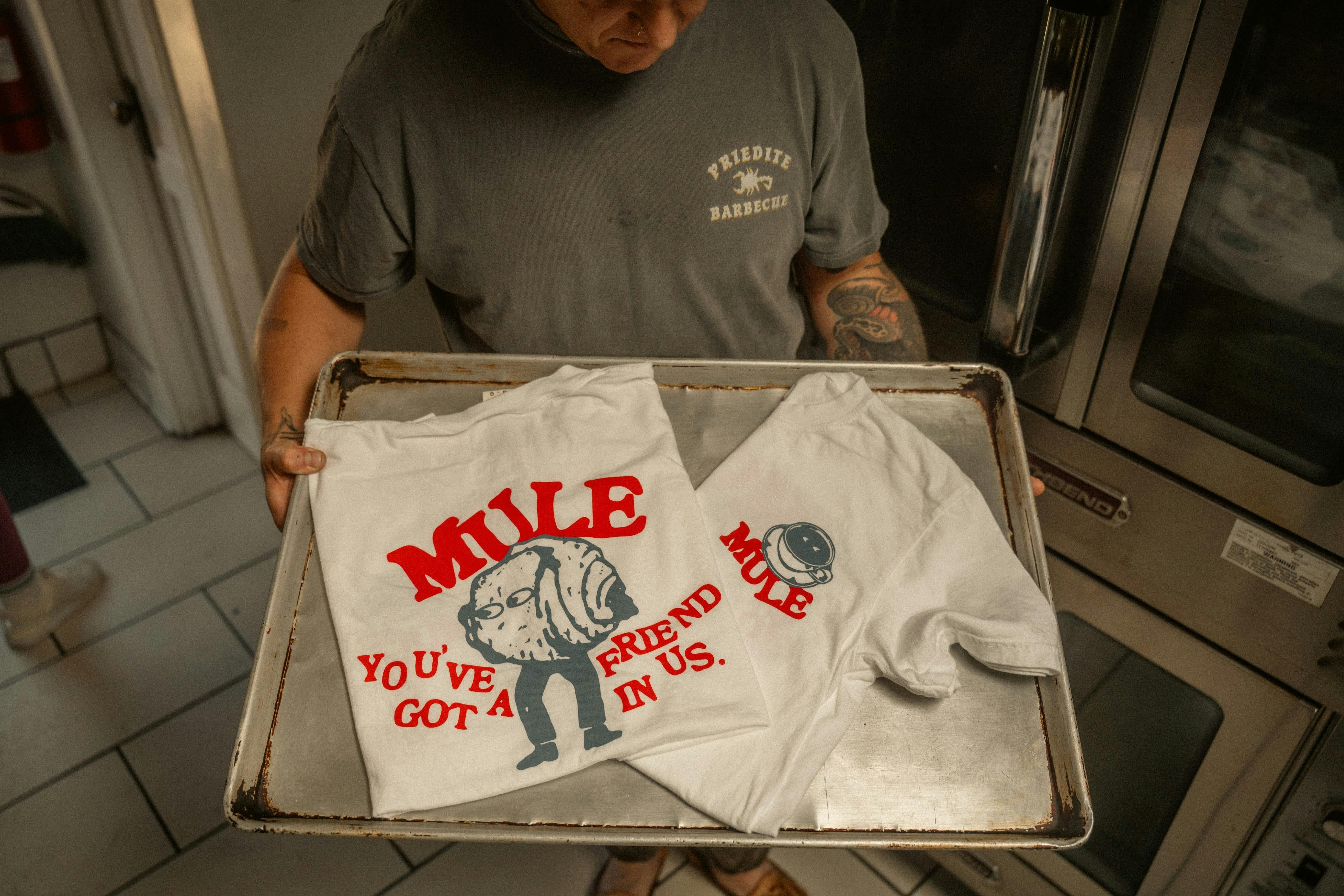
Tapstitch is a reliable print-on-demand dropshipping supplier, specializing in trendy blank apparel. It’s ideal for fashion brands, merch sellers, and influencers who want to create custom designs on blank products. Compared to regular dropshipping items, Tapstitch products offer custom branding opportunities, helping you add premium value and increase your profit margins.
With no minimum order requirements, Tapstitch fulfills and ships orders directly to your customer, so you can skip inventory management, fulfillment, and returns. Tapstitch also offers blank wholesale service, perfect for offline brands that want to design their own apparel.
Integration is simple — Tapstitch connects seamlessly with major e-commerce platforms like Shopify, Etsy, and BigCommerce. You can even create product mockups in their design tool and push them directly to your store, making it a true partner for your online business.
Price: Free to sign up.
Pros of Tapstitch:
- High-quality products that don’t look cheap
- No minimum order, with global shipping
- Seamless integration with Etsy, Wix, and other platforms
- Easy to use for beginners
Cons of Tapstitch:
- Focused solely on apparel, but this means they excel at what they do
2. AliExpress
For online sellers looking for a broad product catalog at minimal upfront cost, AliExpress is a go-to platform. It connects you with thousands of suppliers and products worldwide, making it one of the most popular sources for free dropshipping suppliers. You don’t need to hold inventory, and with the right items, there’s plenty of opportunity for healthy profit margins.
Product quality can differ between vendors, so selecting reliable suppliers is crucial. Shipping can take longer than domestic fulfillment options, but for businesses testing new products or entering multiple niches, AliExpress remains an affordable and flexible solution.
Price: Free to join.
Things to note:
- Wide variety of products across many categories
- Low upfront costs, no inventory needed
- Useful for testing new products
Potential drawbacks:
- Shipping can be slow, especially internationally.
- Quality varies, so careful selection is necessary.
3. Wholesale2B
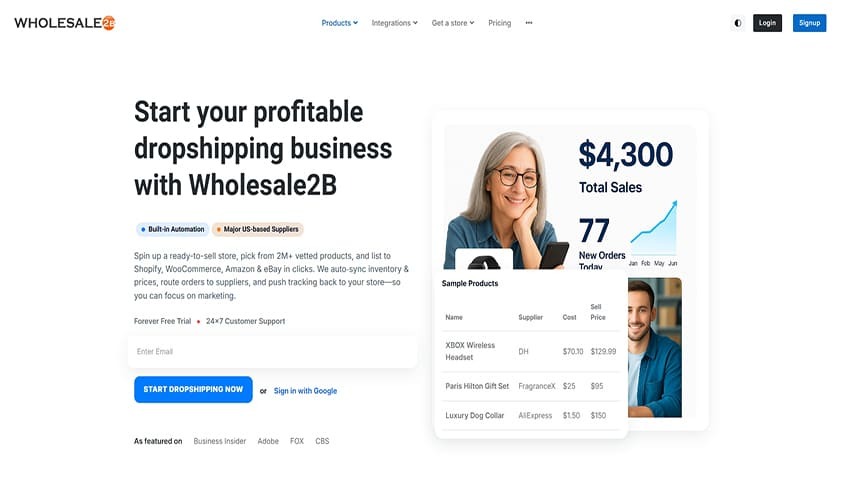
For Shopify dropshippers looking to simplify inventory and order management, Wholesale2b offers a complete solution. The platform automates inventory updates in real time, making it easy to import products, process orders, and track shipments all within your Shopify store. With a large selection of dropship-ready items, Wholesale2b also helps you quickly create unique product collections for your online store.
Price: Free to browse; subscription plans start at around $29.99/month for full access and order automation.
Pros of Wholesale2B:
- Real-time inventory updates with automated order processing
- Large variety of dropship-ready products
- Seamless integration with Shopify and other major platforms
Cons of Wholesale2B:
- A monthly subscription fee is required for full functionality.
- Some products may have longer shipping times.
4. Salehoo
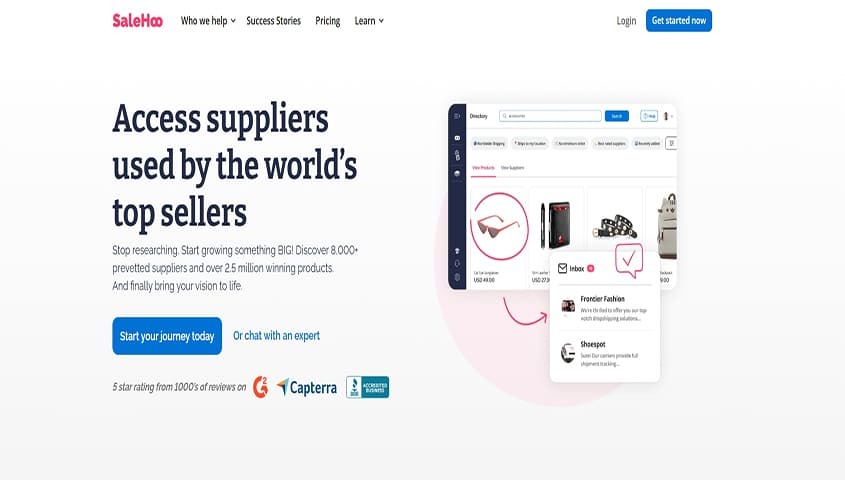
Salehoo is a comprehensive directory designed for online sellers looking for reliable wholesale dropshipping suppliers. Access thousands of trusted suppliers across categories like electronics and fashion. This makes it especially helpful for beginners who want a trusted resource without spending hours researching suppliers one by one.
Price: $67/year for full access to the directory and market research tools.
Pros of Salehoo:
- Access to thousands of pre-vetted suppliers and dropship-ready products
- Built-in market research tools to identify profitable niches
Cons of Salehoo:
- Careful research is needed when selecting products and suppliers.
- Product prices can be higher.
5. Worldwide Brands
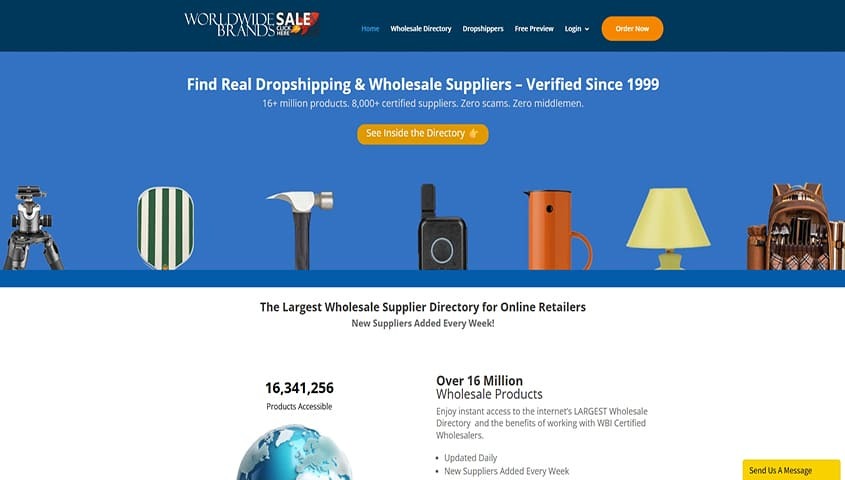
Worldwide Brands is a well-known wholesale sourcing network featuring a large database of certified suppliers, including many free dropshipping suppliers with no ongoing transaction fees. It gives you direct access to wholesalers, making it easier to build supplier relationships and keep more of your profit. The platform is particularly useful for sellers on marketplaces like Amazon and eBay who want access to true wholesale pricing.
Price: One-time lifetime membership fee of approximately $299. Unlike many platforms advertising free dropshipping suppliers, Worldwide Brands requires upfront payment for full access to its verified directory.
Pros of Worldwide Brands:
- Thoroughly vetted supplier directory with established wholesalers
- Lifetime access with no recurring subscription fees
Cons of Worldwide Brands:
- High upfront cost compared to platforms offering free access
- No built-in order syncing
- The interface and supplier database can feel outdated compared to modern dropshipping tools.
6. Printful
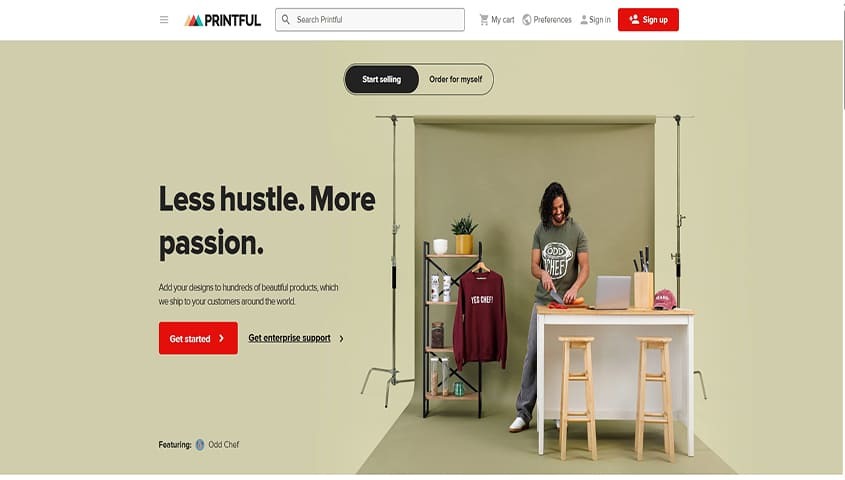
Printful is a well-known print-on-demand and dropshipping fulfillment provider that enables sellers to offer custom-designed products without managing inventory themselves. The platform offers a broad catalog of customizable products, including custom apparel, accessories, home décor, and lifestyle items.
With fulfillment centers across the United States and Europe, Printful provides relatively fast shipping for customers in these regions. However, pricing can be higher than competitors', which may affect profit margins—especially for sellers targeting price-sensitive markets.
Price: No setup fee.
Pros of Printful:
- Allows sellers to maintain branding control on packaging and products
- No inventory required, making it easy to scale
Cons of Printful:
- Additional features like multiple print placements, branding, or embroidery carry extra charges.
- Low‑priced products can yield very small profits if shipping and platform fees aren’t factored in.
7. Inventory Source
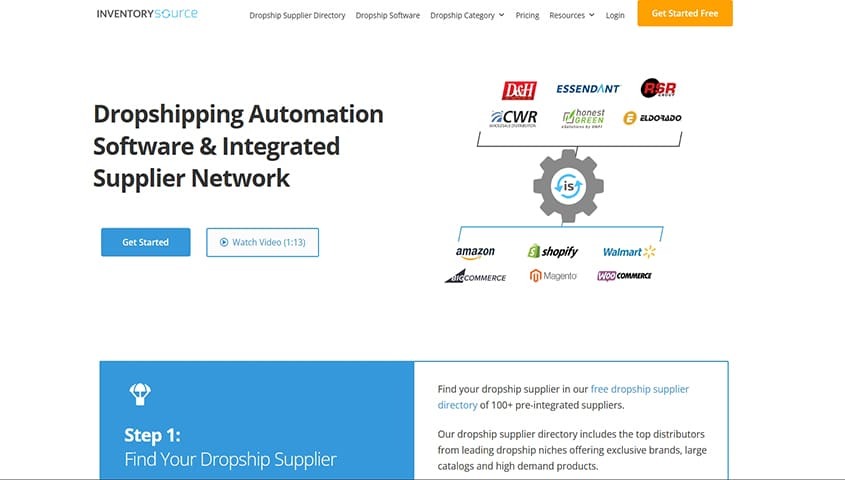
Inventory Source is a U.S.-based dropshipping automation platform that combines a supplier directory with advanced inventory management tools. For sellers specifically searching for dropshipping suppliers in the USA, the platform offers access to a large network of U.S.-focused suppliers alongside global options.
Price: Inventory Source lets you sign up for a free directory account to explore available suppliers. If you want automation features like inventory syncing, plans start at about $99 per month. More advanced plans — which include automatic order routing and tracking updates — can go up to $299 per month.
Pros of Inventory Source:
- Access to a large network of pre-integrated dropshipping suppliers
- Helps reduce manual workload for growing stores
Cons of Inventory Source:
- Monthly automation fees are relatively high for beginners.
- Limited control over supplier pricing and shipping policies
8. Sunrise Wholesale
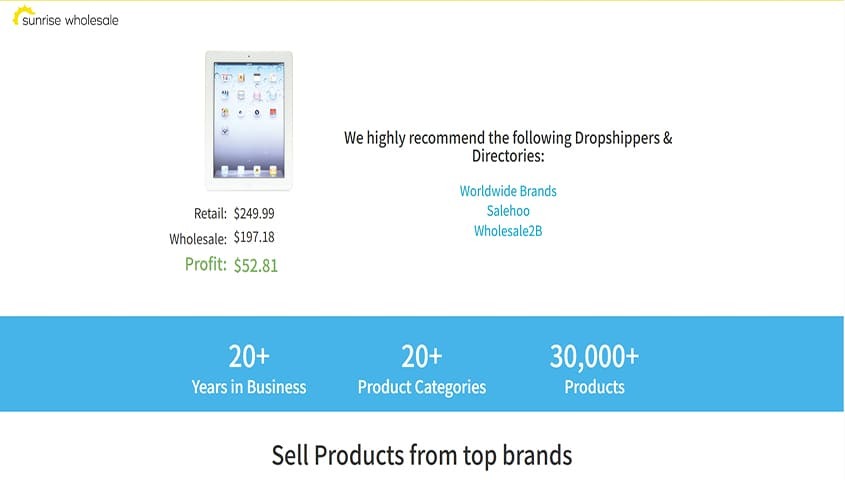
Sunrise Wholesale operates as both a wholesale distributor and a dropshipping provider. Its catalog includes thousands of products, giving store owners access to a broad range of items across multiple categories. The company supports integration with major e-commerce platforms such as Shopify, eBay, and Amazon, allowing sellers to sync products and manage orders more efficiently.
Price: Subscription-based pricing starting at approximately $49 per month. Sunrise Wholesale also offers a 7-day trial for a small fee, allowing sellers to explore the platform before committing.
Pros of Sunrise Wholesale:
- Large product catalog
- U.S.-based supplier with faster domestic shipping
Cons of Sunrise Wholesale:
- Monthly subscription required
- High competition for similar products
9. Spocket
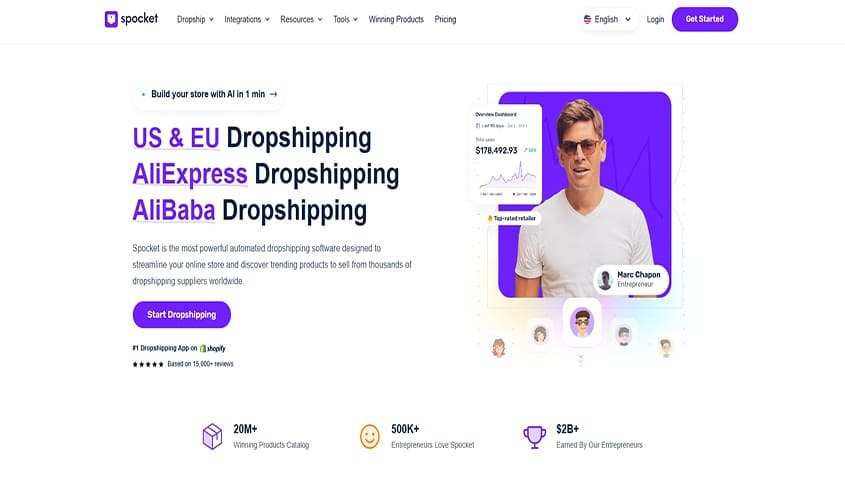
Spocket is a dropshipping marketplace designed to help e-commerce entrepreneurs source products from vetted suppliers around the world. One of Spocket’s standout features is the ability to order product samples directly from suppliers. This allows you to assess product quality, test delivery times, and create original photos for your store before selling to customers.
Price: Free basic plan available. Paid plans start at around $39.99/month, depending on features and product access.
Pros of Sunrise Wholesale:
- Easy integration with Shopify and WooCommerce
- Option to order product samples before selling
Cons of Sunrise Wholesale:
- Product costs can be higher than sourcing directly from overseas marketplaces.
- Limited catalog compared to massive platforms like AliExpress
10. Wholesale Central
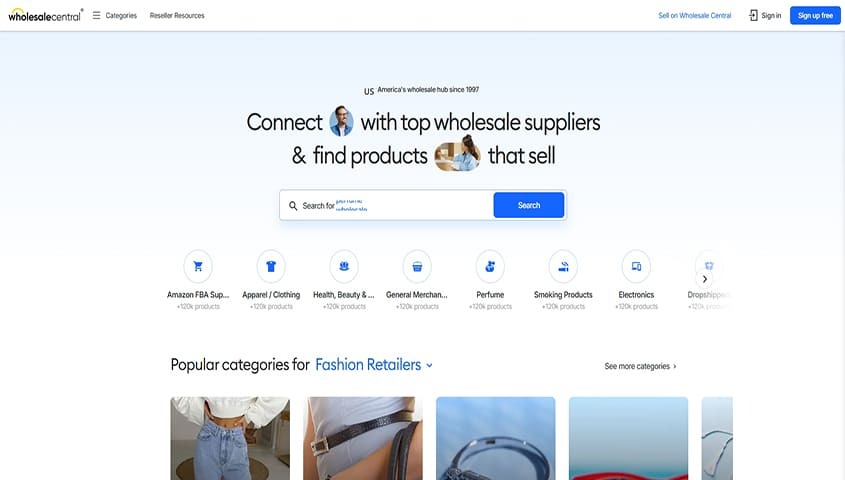
Wholesale Central is a U.S.-based B2B supplier directory that connects online retailers with wholesale and dropshipping vendors across a wide range of product categories. Unlike many wholesale directories that require paid access, Wholesale Central allows retailers to browse and look for dropshipping partners at no cost. Instead of charging sellers, the platform generates revenue by collecting listing fees from suppliers.
Price: Free for retailers. (Suppliers pay a listing fee to be featured.)
Pros of Wholesale Central:
- No membership fee required
- Large directory of U.S.-based wholesalers
Cons of Wholesale Central:
- Product data quality depends on individual suppliers.
- Sellers must contact suppliers and manage relationships manually.
How to Choose Reliable Dropshipping Suppliers

Now that you’ve explored some of the top dropshipping suppliers on the market, the next step is choosing the right one for your online store and niche. To help you make a smarter decision, we’ve outlined four key factors to consider when evaluating reliable dropshipping suppliers.
1. Product Quality
In dropshipping, you don’t handle the inventory yourself, which means you’re fully trusting your supplier to deliver items that match the photos and descriptions in your store. If the material feels cheap or the print fades after one wash, customers won’t blame the supplier — they’ll blame you. In short, always prioritize suppliers who are transparent about materials and quality control — your long-term reputation depends on it.
2. Shipping Speed and Fulfillment Locations
Fast delivery plays a huge role in customer satisfaction and repeat purchases. Working with a USA dropshipping supplier — or suppliers that have U.S.-based warehouses — can significantly reduce shipping times and return issues. For example, Tapstitch operates fulfillment centers in America, allowing sellers to offer quicker domestic shipping instead of relying solely on overseas delivery.
3. Profit Margins
Healthy profit margins are what keep your dropshipping business sustainable. When comparing dropshipping suppliers, look beyond the base product cost — factor in shipping fees, transaction fees, and potential return costs. A slightly higher unit price from a reliable supplier can still be more profitable in the long run if it leads to fewer refunds and stronger customer retention.
4. E-commerce Platform Integrations
Seamless integration with your e-commerce platform can save you hours of manual work. Reliable dropshipping suppliers that connect directly with Shopify, Etsy, or other major platforms make it easier to sync products, update inventory, and automatically process orders — reducing errors and allowing you to focus more on marketing and growth instead of backend operations.
Common Mistakes to Avoid When Choosing Dropshipping Suppliers
A wrong decision can lead to delayed shipping, poor product quality, and unhappy customers. To help you avoid costly setbacks, here are some of the most common mistakes online business owners should watch out for.
1. Choosing Based on Price Alone
Many beginners focus only on the lowest product cost. However, cheaper doesn’t always mean better — poor quality, slow shipping, or hidden fees can quickly eat into your margins and damage your brand reputation.
2. Ignoring Shipping Times
Long delivery windows often lead to refund requests and negative reviews. Always check fulfillment locations and estimated shipping times before listing products.
3. Overlooking Communication and Support
Slow or unclear communication from a supplier can become a serious problem when orders go wrong. Reliable customer support is essential for long-term cooperation.
4. Relying on One Supplier Only
Relying on a single supplier increases operational risk. Stock shortages, inventory delays, or sudden policy changes can quickly disrupt your entire business. Diversifying your sourcing strategy — for example, combining traditional dropshipping products with print-on-demand items — can help stabilize your revenue.
FAQs about Best Drop Shipping Companies
What is dropshipping?
Dropshipping is a fulfillment model where you sell products online without holding inventory. Instead of stocking items yourself, you partner with dropshipping suppliers who store, pack, and ship the products directly to your customers after an order is placed. As a seller, your main responsibilities focus on marketing, brand building, and customer service, while the supplier handles logistics and fulfillment.
Can I use multiple dropshipping suppliers for my store?
Yes. Working with multiple dropshipping suppliers can help you expand your product range and reduce the risk of stock shortages. Just make sure to manage shipping times and return policies carefully to avoid confusing your customers.
How can you find dropshipping suppliers USA?
You can find USA dropshipping suppliers by searching supplier directories, attending trade shows, or using specialized dropshipping platforms that filter vendors by warehouse location. Many platforms allow you to choose suppliers with U.S.-based fulfillment centers, which helps reduce shipping times and improve customer satisfaction. Always review supplier policies and order samples before committing.
What are the best products for your dropshipping store?
The best dropshipping products are items with steady demand, healthy profit margins, and low return risk. Look for products that solve a specific problem, fit a clear niche, or allow some level of branding differentiation — such as print-on-demand items or trending lifestyle accessories.
Dropshipping vs Print-on-Demand: Which is best?
It depends on your business goals. Traditional dropshipping lets you quickly sell trending, ready-made products with minimal setup, while print-on-demand focuses on custom-designed items that help you build a stronger brand identity. If you want speed and variety, standard dropshipping works well. If you’re focused on differentiation and long-term branding, POD is a smarter move. Many sellers combine both, and platforms like Tapstitch make it easy to merge POD with dropshipping without holding inventory.
Summary: Top Dropshippers
Choosing the right dropshipping suppliers is a critical step in building a profitable online business. The best dropshipping suppliers listed above offer reliable sourcing, competitive pricing, and scalable fulfillment solutions to help you launch and grow with confidence. When comparing dropshipping suppliers, focus on product quality, shipping times, integrations, profit margins, and niche compatibility. A strong supplier partnership can directly impact customer satisfaction and long-term brand growth.
If you plan to sell custom products, Tapstitch offers a flexible print-on-demand dropshipping solution with global shipping and no minimum order requirements — ideal for sellers who want to scale without holding inventory.

%20(1).jpg)
.jpg)
.jpg)
.webp)

.jpg)
.jpg)
.jpg)
.png)
.jpg)
.jpg)
%20(3).jpg)

.png)
.jpg)
.jpg)
.jpg)
.jpg)
.jpg)
.jpg)






.png)




.png)

.jpg)











.jpg)



.jpg)

.png)
.jpg)


.jpg)

.jpg)



.jpg)
.jpg)
.jpg)
.jpg)
.jpg)

%20(1).jpg)

.png)

.png)



%20(1)%20(1).jpg)