





Best Redbubble Alternatives for Print-on-Demand [2026]



Redbubble remains popular with independent artists because it makes selling designs online simple. You can upload a design, add it to different products, and let the platform handle printing and shipping.
However, Redbubble takes a large share of each sale. A $25 tee, for example, may leave the artist with $3 or less. Redbubble also keeps the customer relationship, so you don’t get their email or a direct way to sell to them again.
That’s why many sellers are looking for Redbubble alternatives in 2026. Some want higher margins, while others want more control over their brand and customer relationships. Below, we compare 12 sites like Redbubble, including what each platform offers and which type of seller it suits.
Why Sellers Look for Redbubble Alternatives

Redbubble is easy to start. You upload a design, and it goes live on many products. But easy comes with a cost. As your shop grows, a few problems keep showing up.
- Low margins. You earn a small markup on top of a high base price.
- Account fees. Since 2023, many artists pay a fee each month. If you sell little, the fee can eat most of your pay.
- No brand. The package says Redbubble, not your name.
- No customer list. You cannot email past buyers or run a sale for them.
- Mixed quality. Print quality varies by product and by printer.
- Crowded search. Millions of designs compete for the same page views.
None of this makes Redbubble bad. It is a fine place to test ideas but It is a hard place to grow. The alternatives to Redbubble below are built to close that gap.
Two Types of Sites Like Redbubble
Before the list, it helps to know the two models. They work in very different ways.
Marketplaces. These are the closest match to Redbubble. You upload art. The site sells it to its own visitors. You get a royalty or a fixed cut. Examples are TeePublic, Society6 and Zazzle.
Print on demand partners. These sites print and ship for your own store. You set the retail price and keep the profit above the base cost. You own the brand and the customer. Examples are Tapstitch, Printful and Printify.
Most sellers who leave Redbubble move to the second model. It takes a little more setup. It also pays far better once sales start.
Here is a quick example. A tee sells for $30. On a marketplace, you might keep $4 to $6. On your own store with a $14 base cost, you keep $16. Same design, same buyer, very different payout.
Quick Look: The Top Picks
Short on time? Here is the fast version of this list.
- Tapstitch: Best for fashion quality clothing brands
- Printful: Best for steady quality on many products
- Printify: Best for the widest catalog
- Gelato: Best for global shipping
- TeePublic: Best direct swap from Redbubble
- Society6 and Zazzle: Best for art prints and gifts
- Spreadshop and Fourthwall: Best free storefronts
- Threadless and Bonfire: Best for niche use cases
Redbubble Alternatives Comparison Table (2026)
Best Redbubble Alternatives for Print on Demand
Here are the 12 best Redbubble alternatives for 2026. Each pick covers what it does best and where it falls short.
1. Tapstitch
Best for: Clothing brands that want retail-quality garments
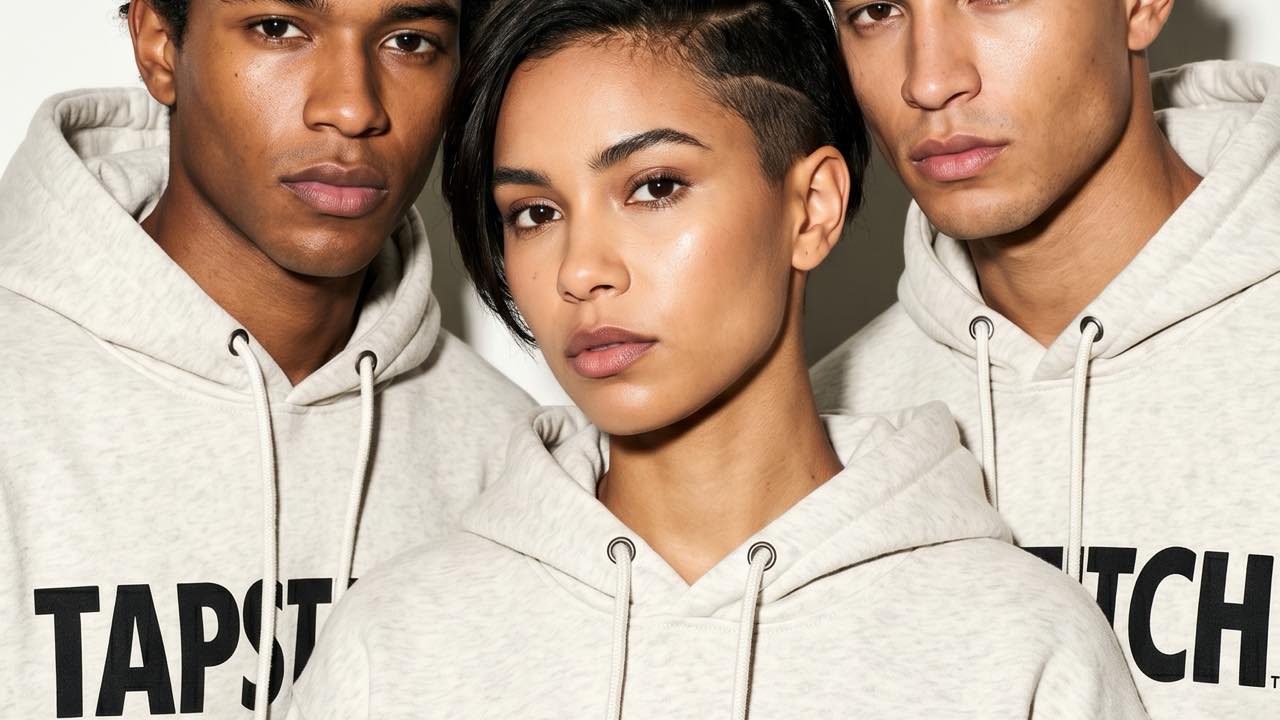
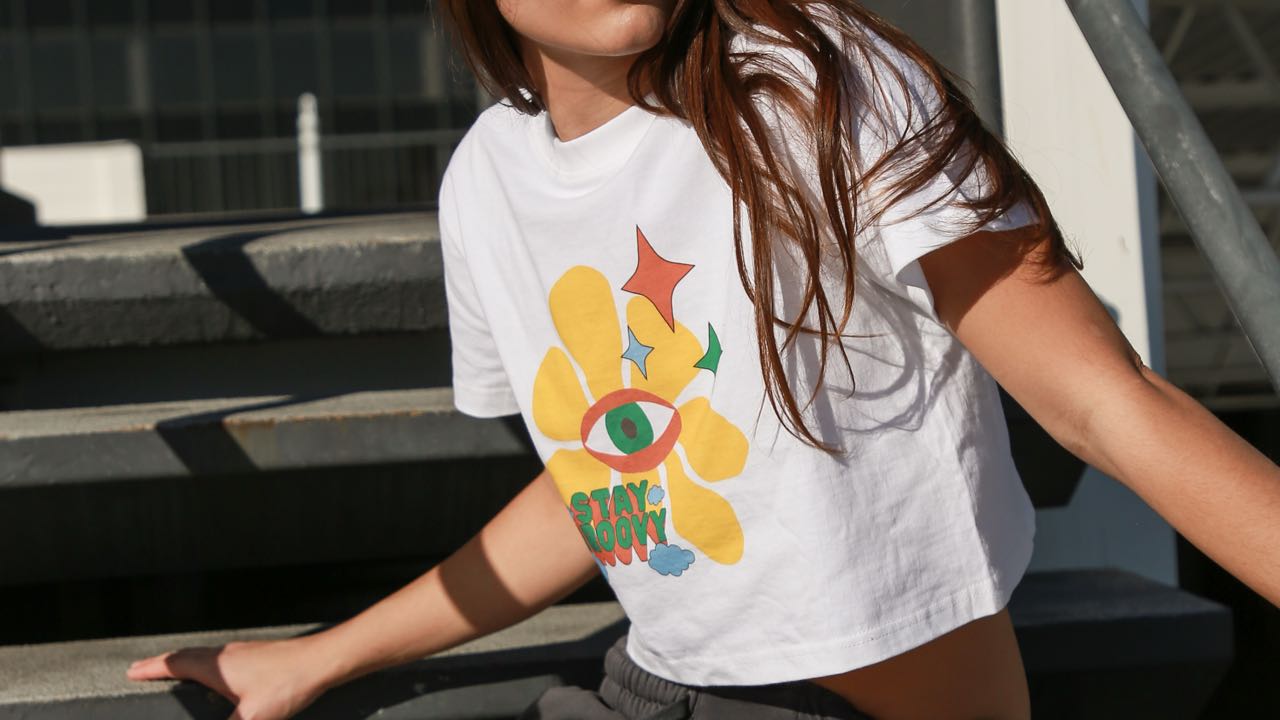
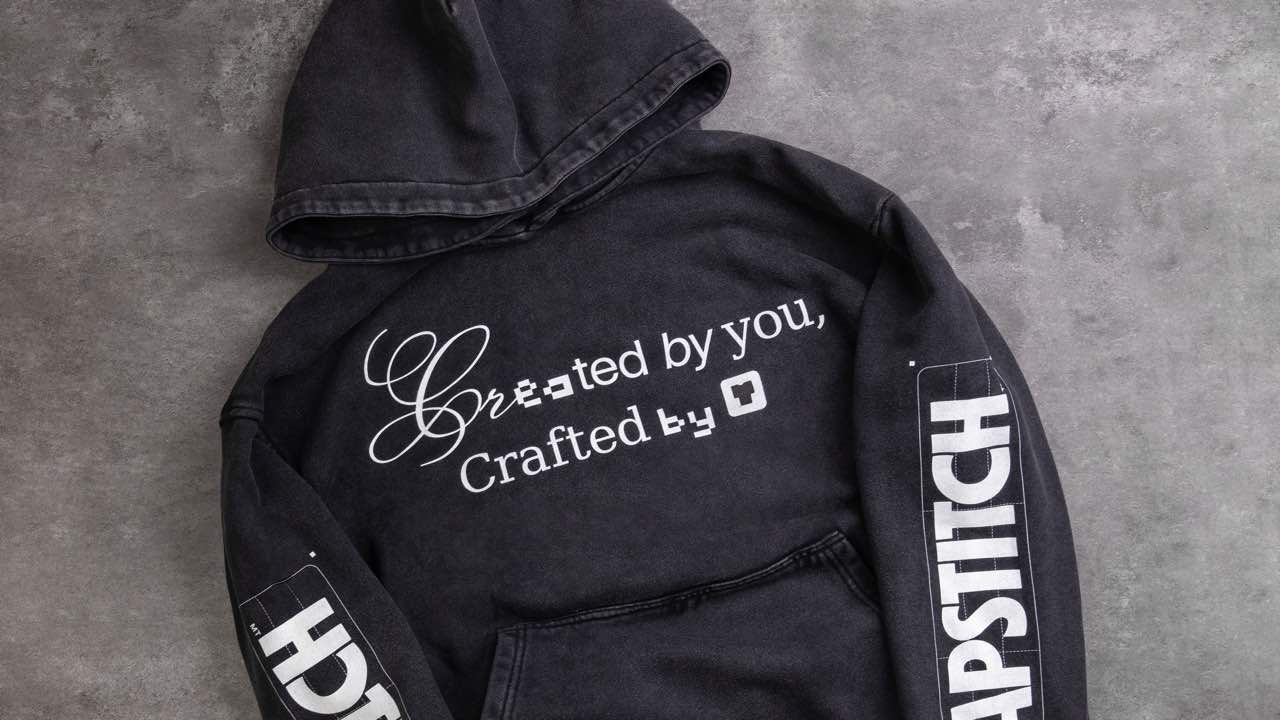
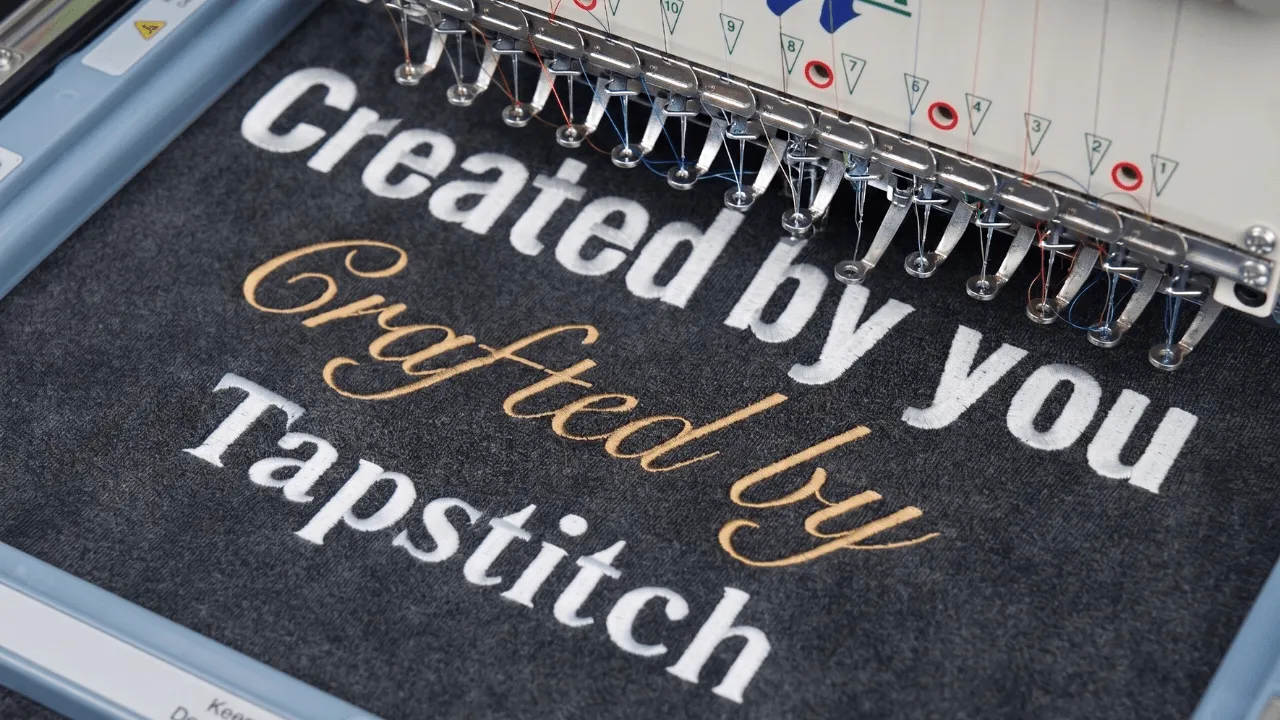
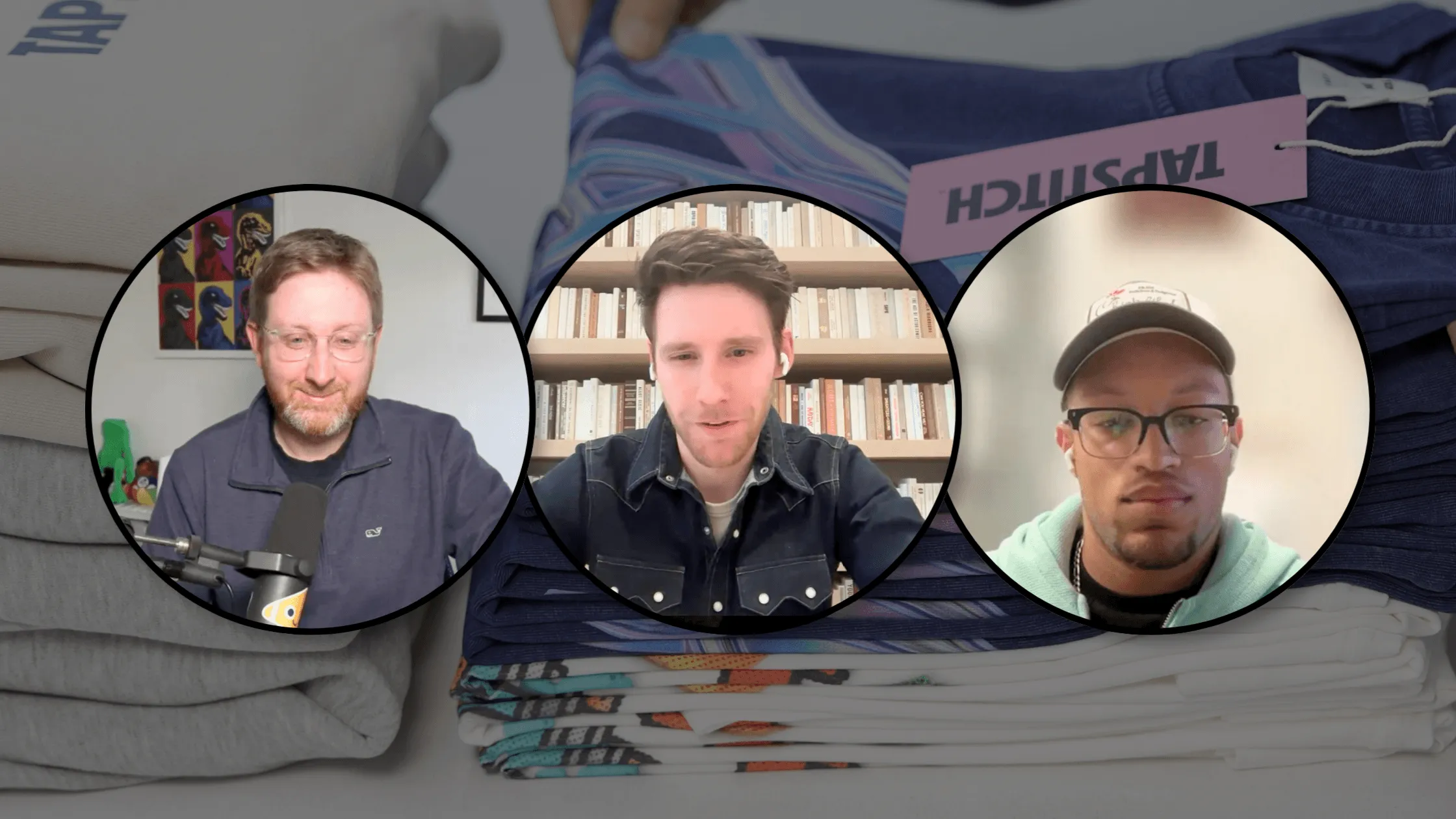
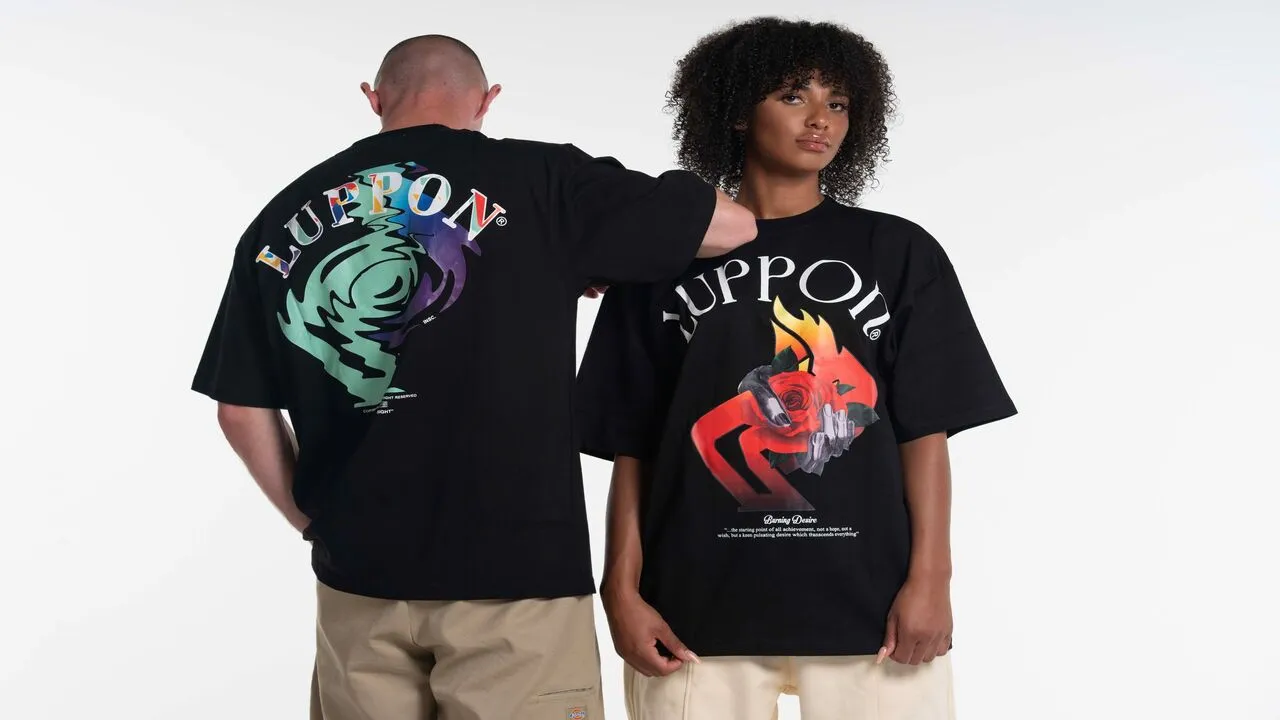
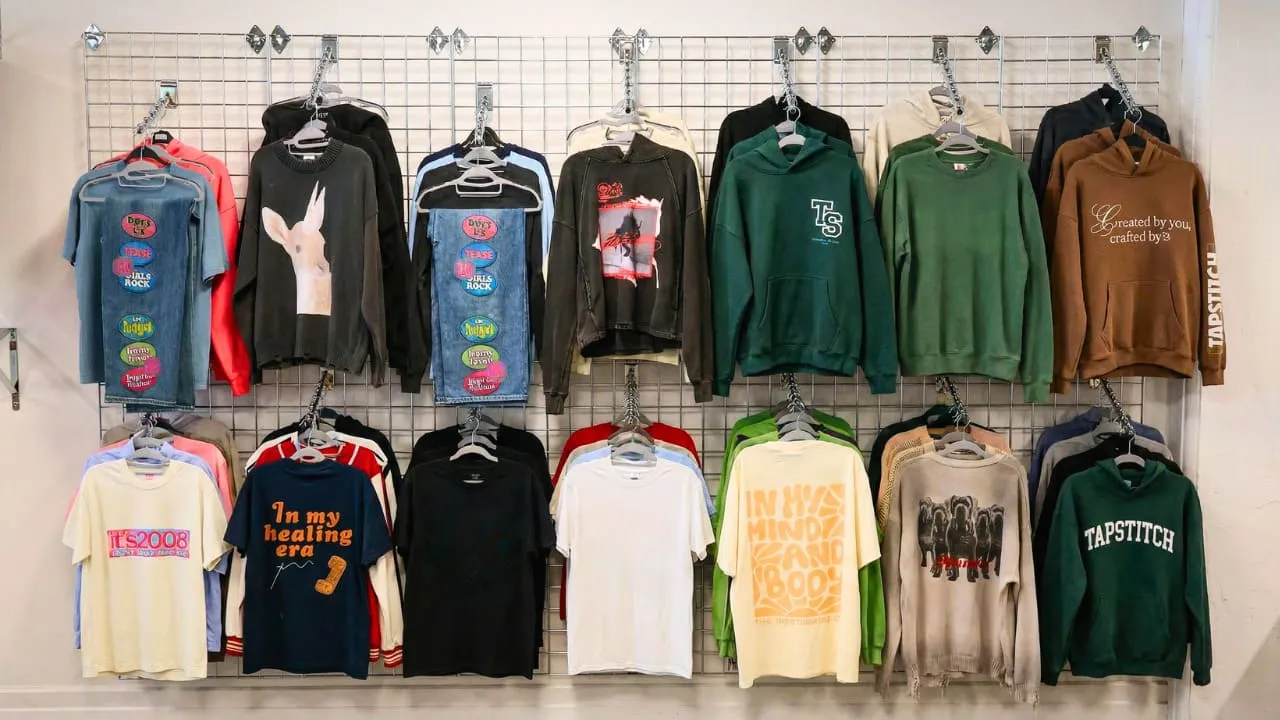
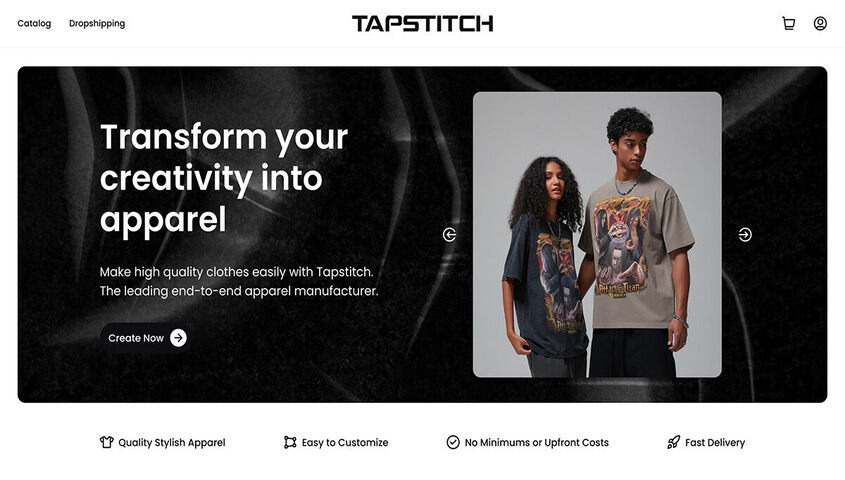
Tapstitch is built for fashion first. Most print-on-demand sites use the same basic blanks. Tapstitch offers 1000+ of its own styles. Think heavyweight tees, vintage washes, oversized hoodies, sweatpants and sportswear.
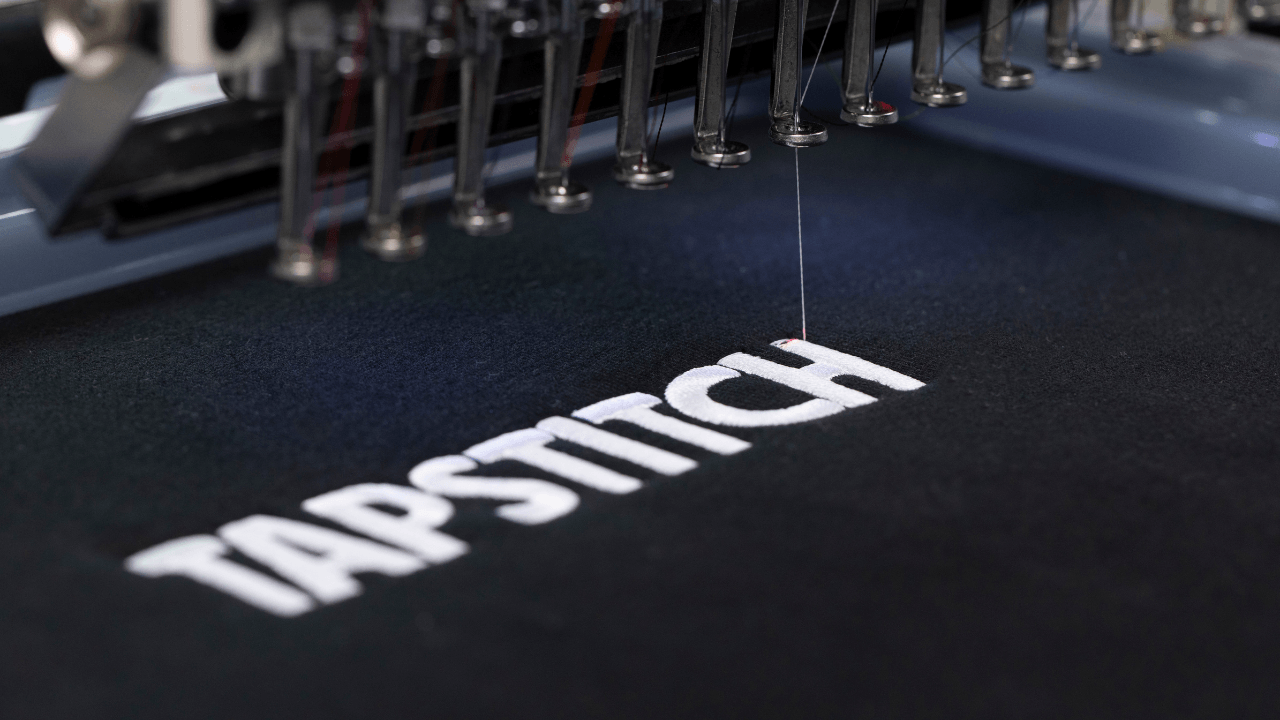
It owns its manufacturing. That means the same garment quality on every order. There are no upfront costs and no minimums. Orders sync from Shopify, Etsy, WooCommerce, Wix, Squarespace, BigCommerce and TikTok Shop.
Pros
- Fashion-grade catalog that supports $40+ retail prices
- In-house production for consistent quality
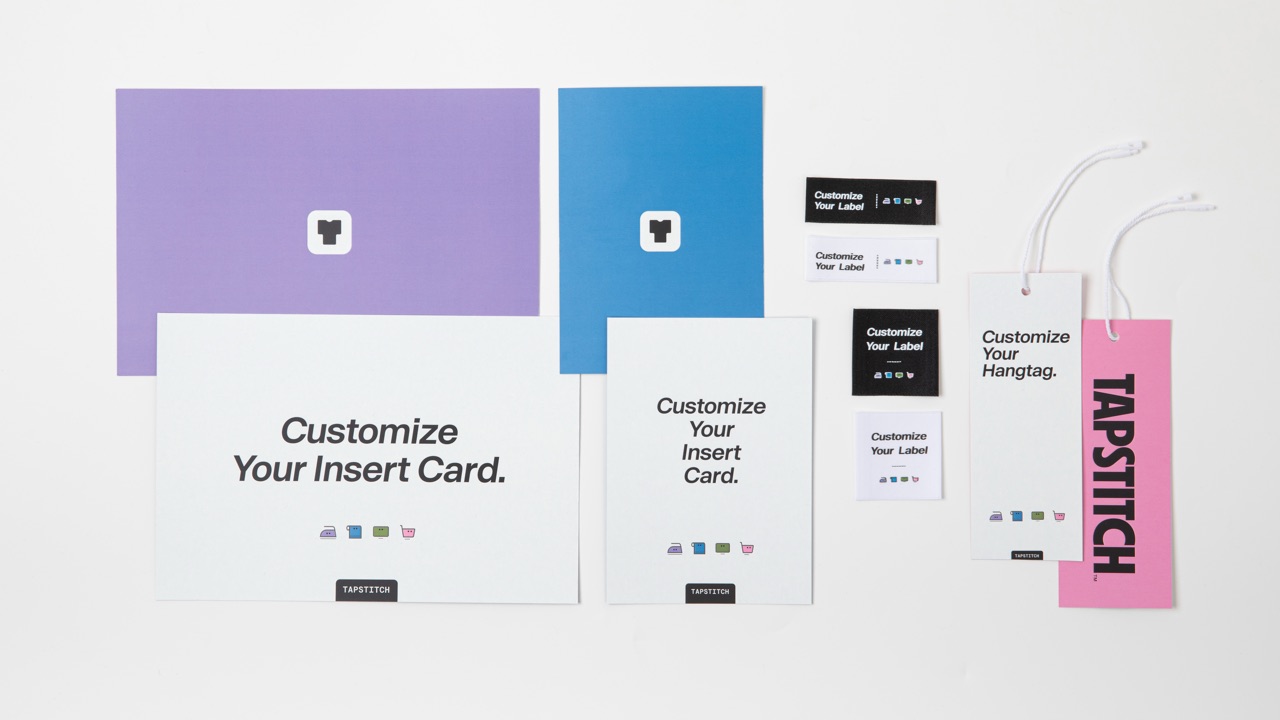
- Custom branding options like labels and packaging
- US fulfillment for faster domestic delivery
Cons
- Apparel only, so no mugs, stickers or wall art
Explore a realistic POD catalog before you make your first listing.
2. Printful
Best for: Reliable quality across many product types
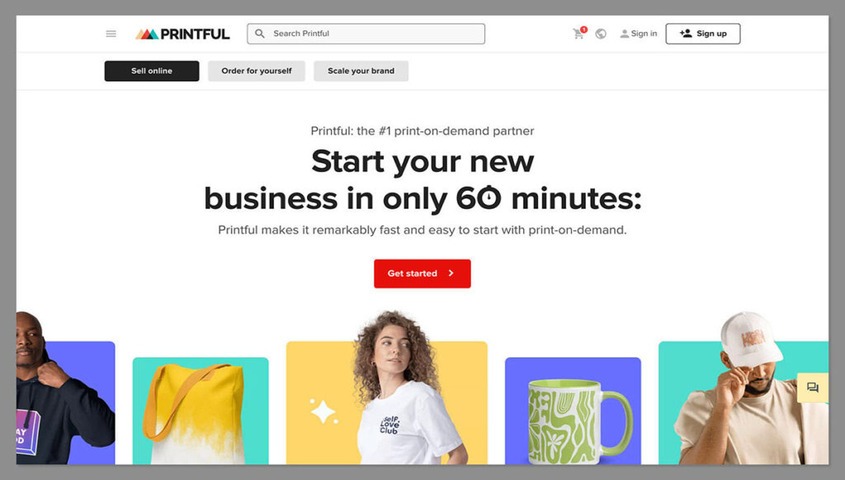
Printful is one of the best known websites like Redbubble for store owners. It runs its own print facilities in North America and Europe. It also uses partner sites in other regions.
The catalog has over 500 products. You get apparel, wall art, phone cases, bags and home goods. Store integrations cover almost every ecommerce platform.
Pros
- In-house printing with steady quality
- White-label packing slips and branded inserts
- Free to join with no monthly fee required
Cons
- Base prices run higher than many rivals
- Fewer fashion-forward blanks
3. Printify
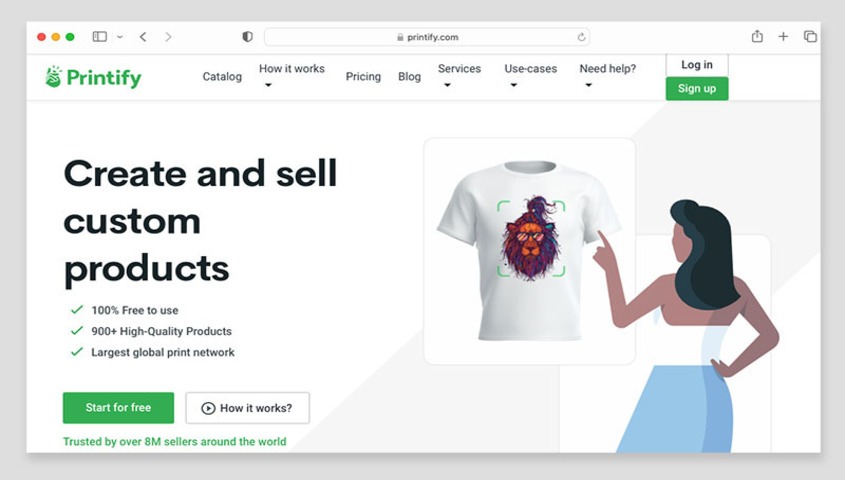
Best for: The biggest product range
Printify does not print anything itself. It connects you to a network of print providers. You pick the provider based on price, location and reviews.
The catalog is huge, with over 1,000 products. That range is the main draw. The tradeoff is that quality can change from one provider to the next.
Pros
- Massive catalog across apparel, home and accessories
- Competitive base prices from provider competition
- Free plan plus an optional paid plan with discounts
Cons
- Quality depends on the provider you choose
- Limited branded packaging options
4. Gelato
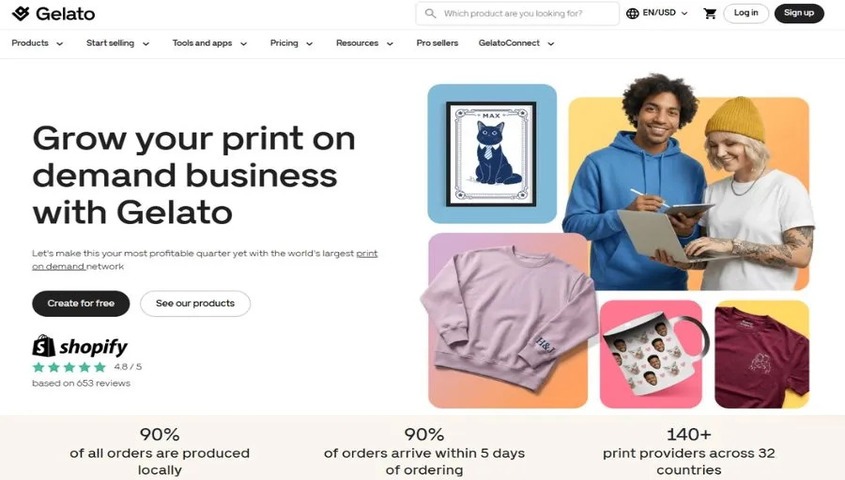
Best for: Selling to many countries
Gelato works with printers in over 30 countries. Orders route to the printer closest to the buyer. That cuts shipping time and often avoids customs delays.
It fits brands with a global audience. The catalog covers apparel, wall art, cards and photo books.
Pros
- Local printing for fast international shipping
- Strong integrations with major platforms
- Free tier available
Cons
- Branding features sit behind a paid plan
- Quality can vary by local partner
5. TeePublic
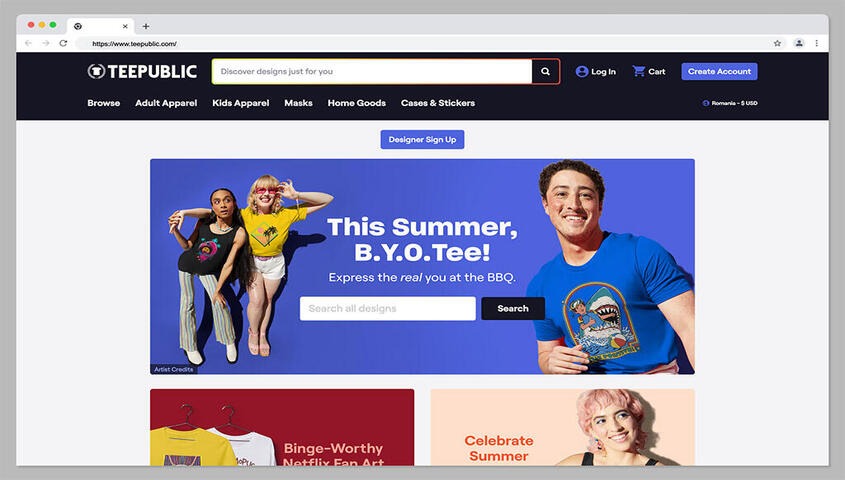
Best for: Artists who want a marketplace like Redbubble
TeePublic is owned by the same parent company as Redbubble. It runs the same way. You upload designs. The site sells them and pays a fixed amount per item.
It even has an import tool to move your Redbubble designs over in minutes. That makes it the easiest switch on this list.
Pros
- Quick import from Redbubble
- Built-in traffic from its own audience
- Popular for pop culture and fan designs
Cons
- Fixed payouts drop during site-wide sales
- No brand control at all
6. Society6
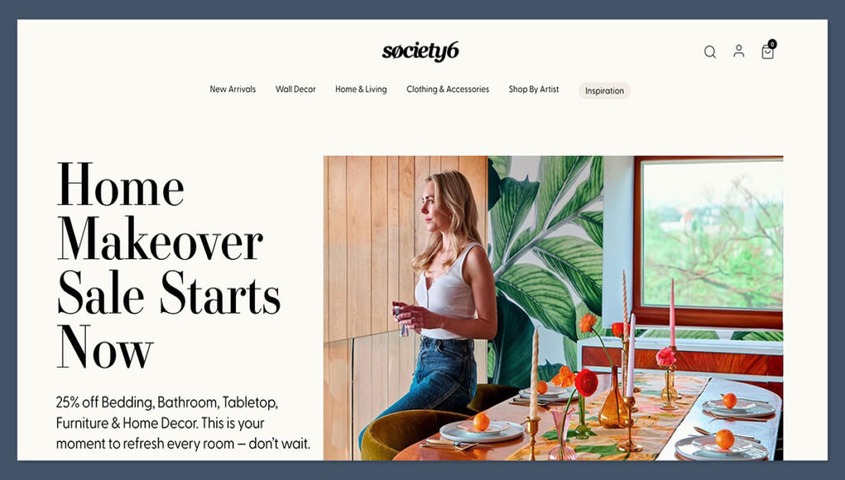
Best for: Illustrators and fine artists
Society6 focuses on art. Its buyers come for prints, home decor and design-led products. The site looks polished and shoppers expect a premium feel.
Royalties are still small. But the audience is more focused than Redbubble's. That helps artists with a strong style stand out.
Pros
- Curated art audience
- Strong wall art and home decor range
Cons
- Low royalty rates
- Marketplace only with no store integration
7. Zazzle
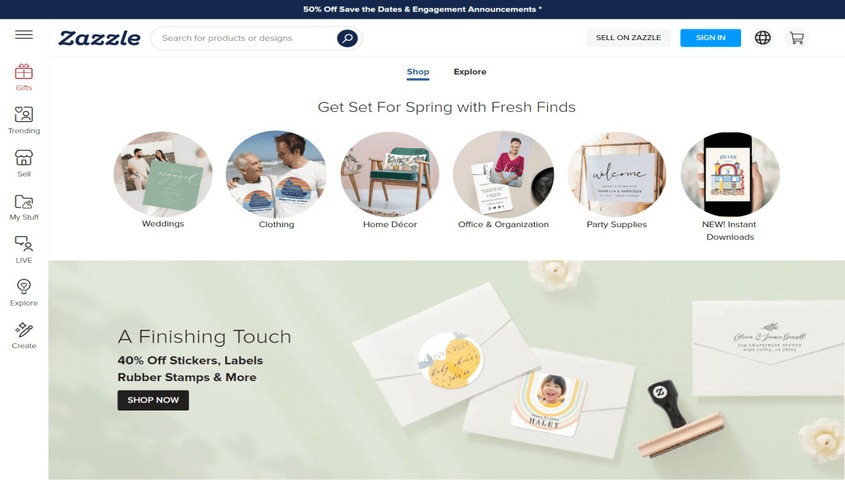
Best for: Stationery, gifts and event products
Zazzle has been around since 2005. It sells almost anything you can print on. Invitations, cards, mugs, stamps and apparel are all there.
You set your own royalty percentage. Buyers can also edit your designs before ordering. That works well for weddings, parties and business gifts.
Pros
- Flexible royalty rates you control
- Huge product variety
- Buyers can personalize items
Cons
- Dated interface
- Weak branding options
8. Spreadshop
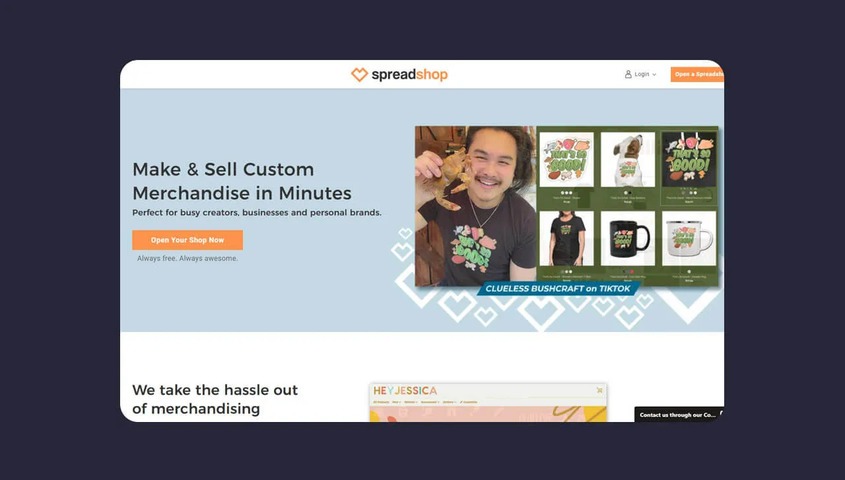
Best for: A free storefront in minutes
Spreadshop comes from Spreadshirt. It gives you a free branded shop with fulfillment built in. There is no monthly fee and no setup cost.
You can also list on the Spreadshirt marketplace for extra reach. The catalog leans toward apparel and accessories.
Pros
- Free storefront with no coding
- Marketplace and shop in one account
Cons
- Limited design and branding control
- Fewer premium garments
9. Threadless
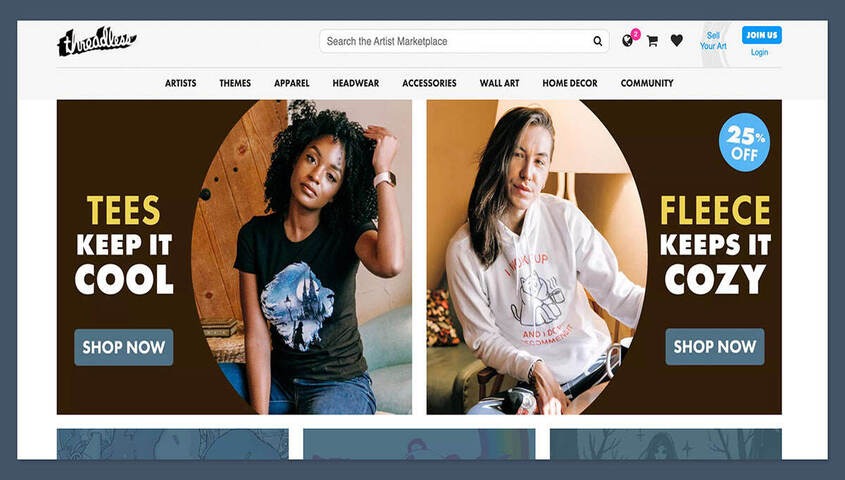
Best for: Community driven artists
Threadless started as a design contest site. That spirit is still there. You can open an Artist Shop or submit to the main marketplace.
Artist Shops let you set prices. The marketplace pays a flat royalty. Both have a loyal community of art buyers.
Pros
- Long history and trusted name
- Managed pricing and promotions if you want them
Cons
- Low marketplace royalties
- No outside store integrations
10. Fourthwall
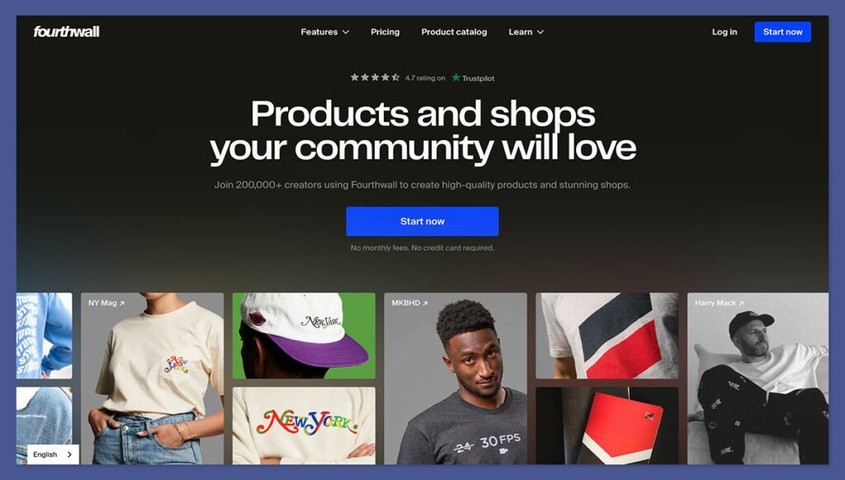
Best for: YouTubers, streamers and creators
Fourthwall bundles a storefront, products and memberships in one place. It connects to YouTube, TikTok Shop, Twitch and Instagram.
It shines for creators with an audience. Cold-start brands with no following may find it harder.
Pros
- Sell brand merch, digital products and memberships together
- Deep creator platform integrations
Cons
- Some products need minimum orders
- No Etsy or Amazon integration
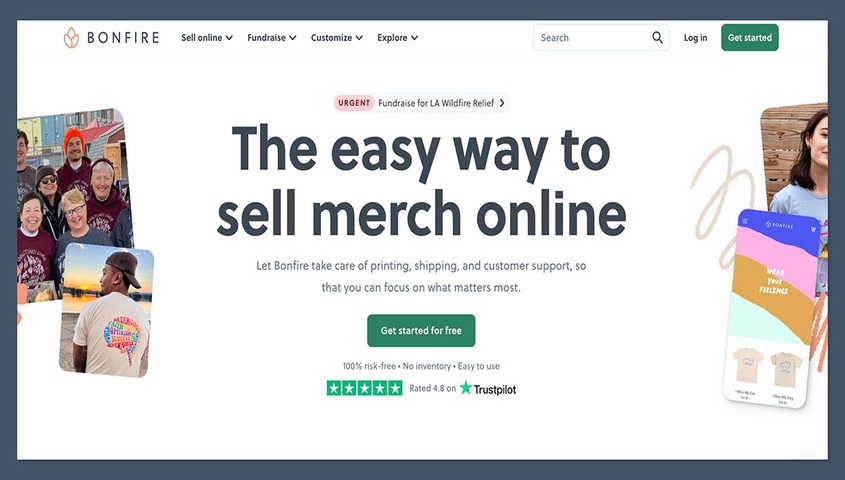
11. Bonfire
Best for: Fundraisers and one-time campaigns
Bonfire runs campaign-style stores. You set a goal and a price. Buyers order during the campaign. Bonfire prints and ships when it ends.
It is popular with nonprofits, schools and clubs. It is not built for ongoing brand sales.
Pros
- Simple campaign setup
- Great for causes and groups
Cons
- Small catalog
- Orders ship only after campaigns close
How to Choose Between Websites Like Redbubble
Use the points below to narrow the list fast.
Start With Your Goal
Do you want quick passive sales or a brand people remember? Marketplaces suit the first goal. Print-on-demand partners suit the second. Be honest about which one you want.
Check Garment Quality
The product is the first thing buyers touch. A thin tee gets returns and bad reviews. Order a sample before you launch. Compare weight, fit and print sharpness.
Compare the Pricing Model
Marketplaces pay a royalty of about 10 to 20 percent. Partner platforms let you set retail and keep the rest. The second model wins once you sell a few items a week.
Look at Branding Options
Custom labels, branded packaging and thank you cards build repeat sales. Marketplaces rarely offer these. Most partner platforms do.
Confirm Store Integrations
Your platform should sync with Shopify, Etsy or wherever you sell. Manual order entry breaks the moment you get busy.
Think About Shipping
Where do your buyers live? Pick a platform that prints close to them. US sellers benefit from US fulfillment. Global sellers may prefer local networks.
Test the Support
Ask one question before you commit. Slow replies now mean slow replies when an order goes wrong. Live chat and clear help docs are good signs.
Read the Fee Page
Look for hidden costs like monthly plans, storage fees or payout limits. A free plan should stay free until you decide to upgrade.
Tips for Switching From Redbubble
A few steps make the move smooth.
- Export your designs. Save high resolution files of every listing.
- Start small. Launch 5 to 10 best sellers instead of your full catalog.
- Order samples. Test the garments before your customers do.
- Set real prices. Price for profit, not for the lowest number.
- Keep Redbubble live. Let it run while your new store gains traction.
- Tell your audience. Post the new store link everywhere you share art.
Many sellers keep a marketplace account for passive reach. They build their main income on their own store. That mix works well.
One more tip. Keep your design files organized by product type from day one. Moving platforms again later will take hours instead of days.
Want more control over your clothing brand? Explore Tapstitch’s print-on-demand clothing and see how custom products, branding options, and store integrations can fit into your business.
FAQs
Conclusion
Redbubble taught a lot of people how to sell art online. It is just not built to make you the winner. The best Redbubble alternatives give you the margin, the brand and the customer.
For clothing brands, Tapstitch offers fashion-focused garments, in-house production, custom branding options, and store integrations that simplify order management. It gives you the tools to build a clothing brand around your designs, not just list them on a marketplace.