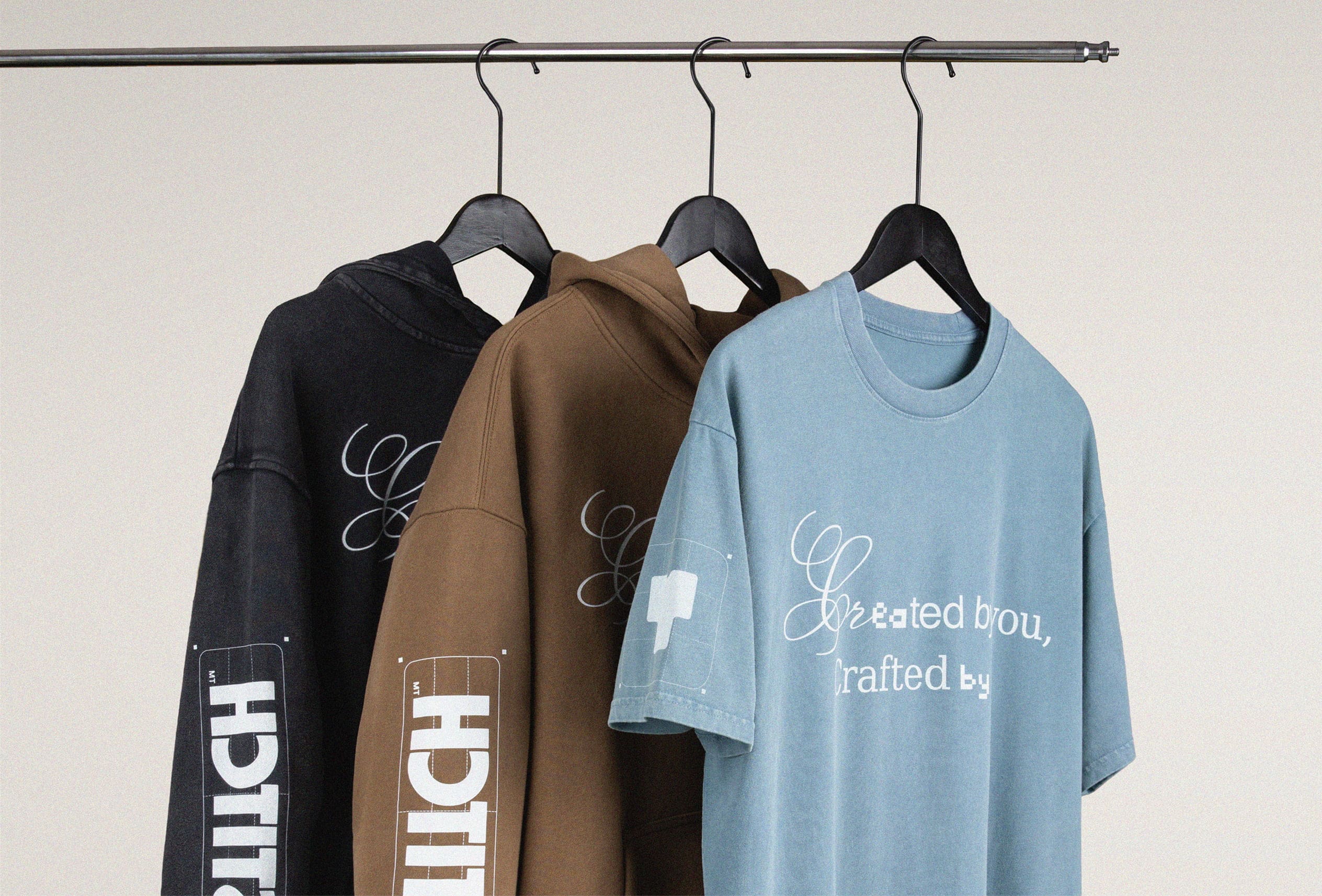







How to Sell Art Prints Online to Make Money
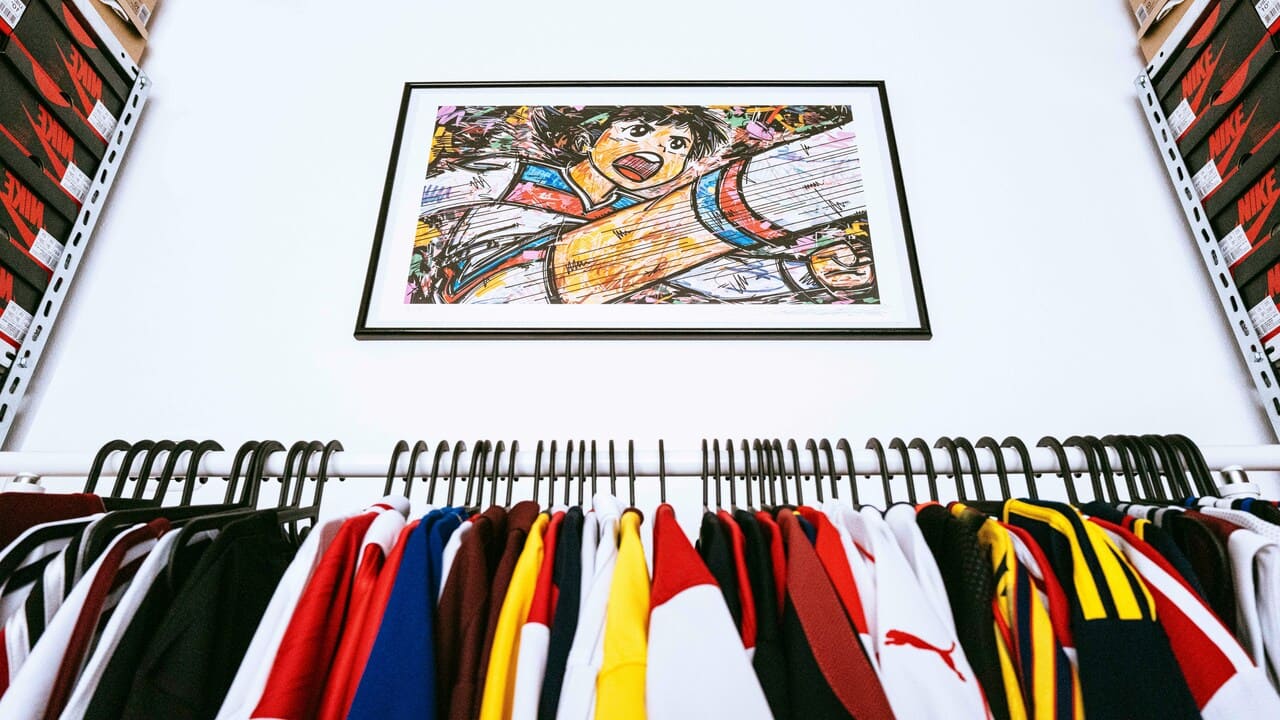


Selling art prints online used to mean shipping paper tubes from your bedroom floor. Now, the canvas has expanded to cotton, fleece, and the global storefronts of the internet.
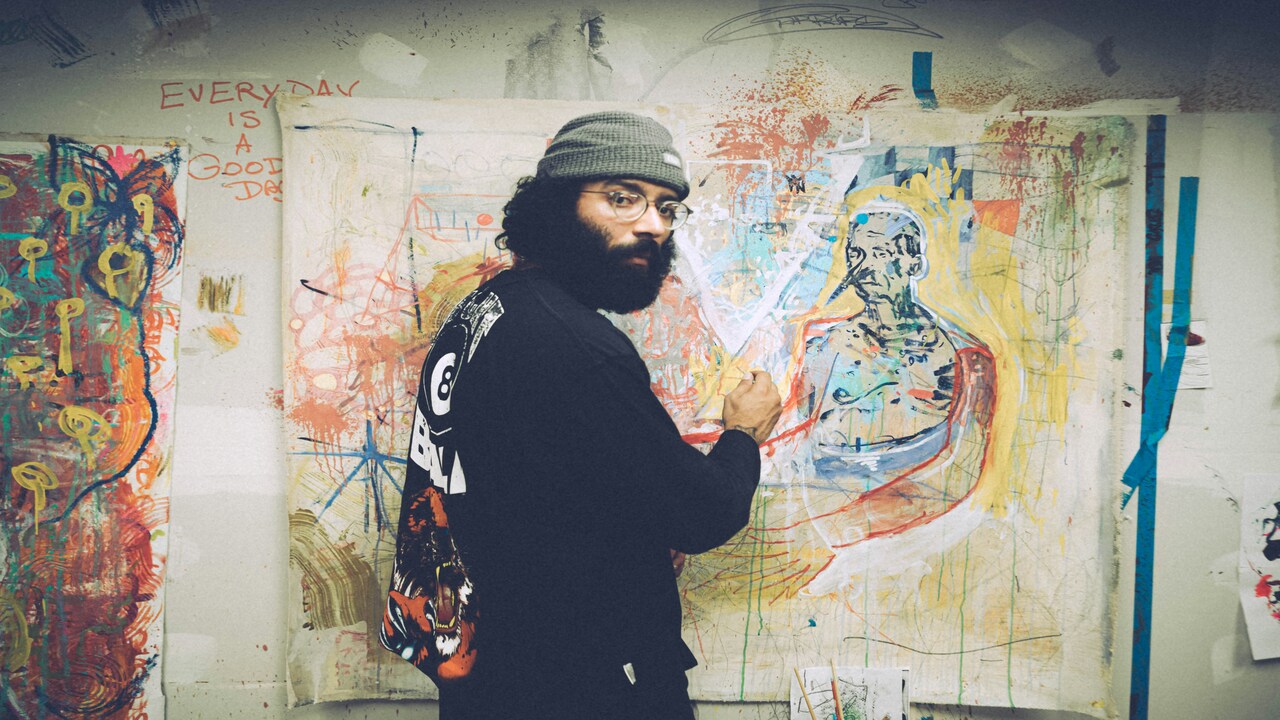
Artists aren’t limited to gallery walls anymore. Your illustration can live on a sweatshirt, your brushwork can wrap around a hoodie, and your name can travel the world stitched on a neck label. What used to require inventory, packaging, and a small army of logistics can now be accomplished with just one upload. To sell art prints online in 2026 means wearing your creativity and letting others do the same.
How to Sell Art Prints Online: Step by Step
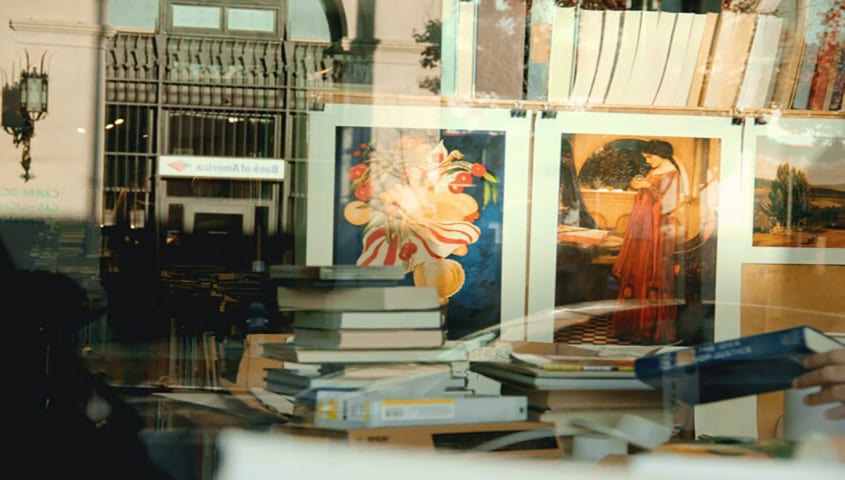
Taking the step into selling your art prints online is an exciting one, but it's one you should take carefully to avoid wasting resources. Before you open a store or choose a platform, it's important to decide on the format you want and how you want people to experience your art. Here we'll explain in a simple step-by-step process to save you time and headaches:
1. Choose What to Sell
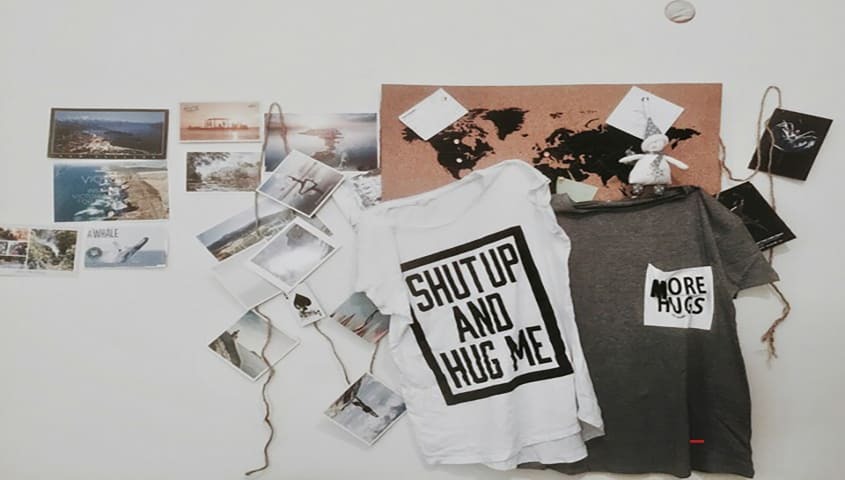
All artists begin with a canvas, yet sometimes it's what you decide to create on that makes all the difference. A brushstroke on paper whispers what the same design on heavyweight threads can be heard from across the street.
When you sell art online, your product is the medium. Your art becomes something people move in, live in, and carry with them everywhere they go. It becomes more than just what it makes people feel when they look at it, but also how they feel wearing it.
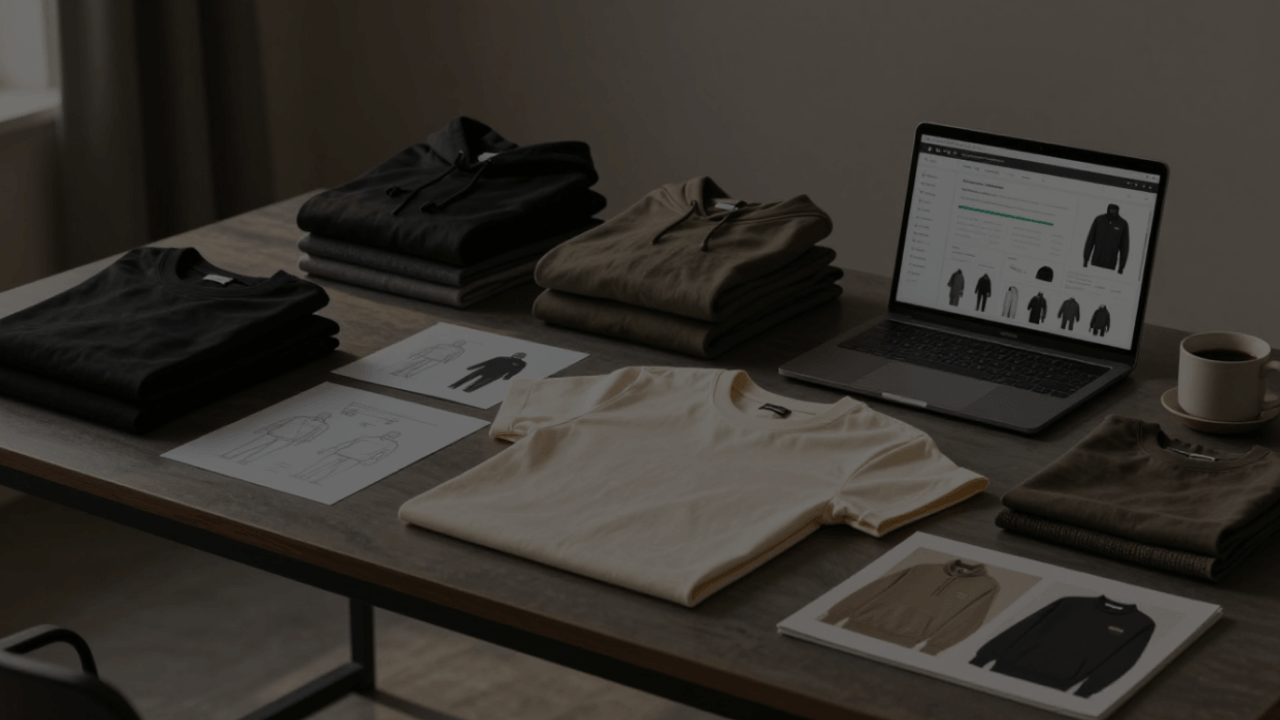
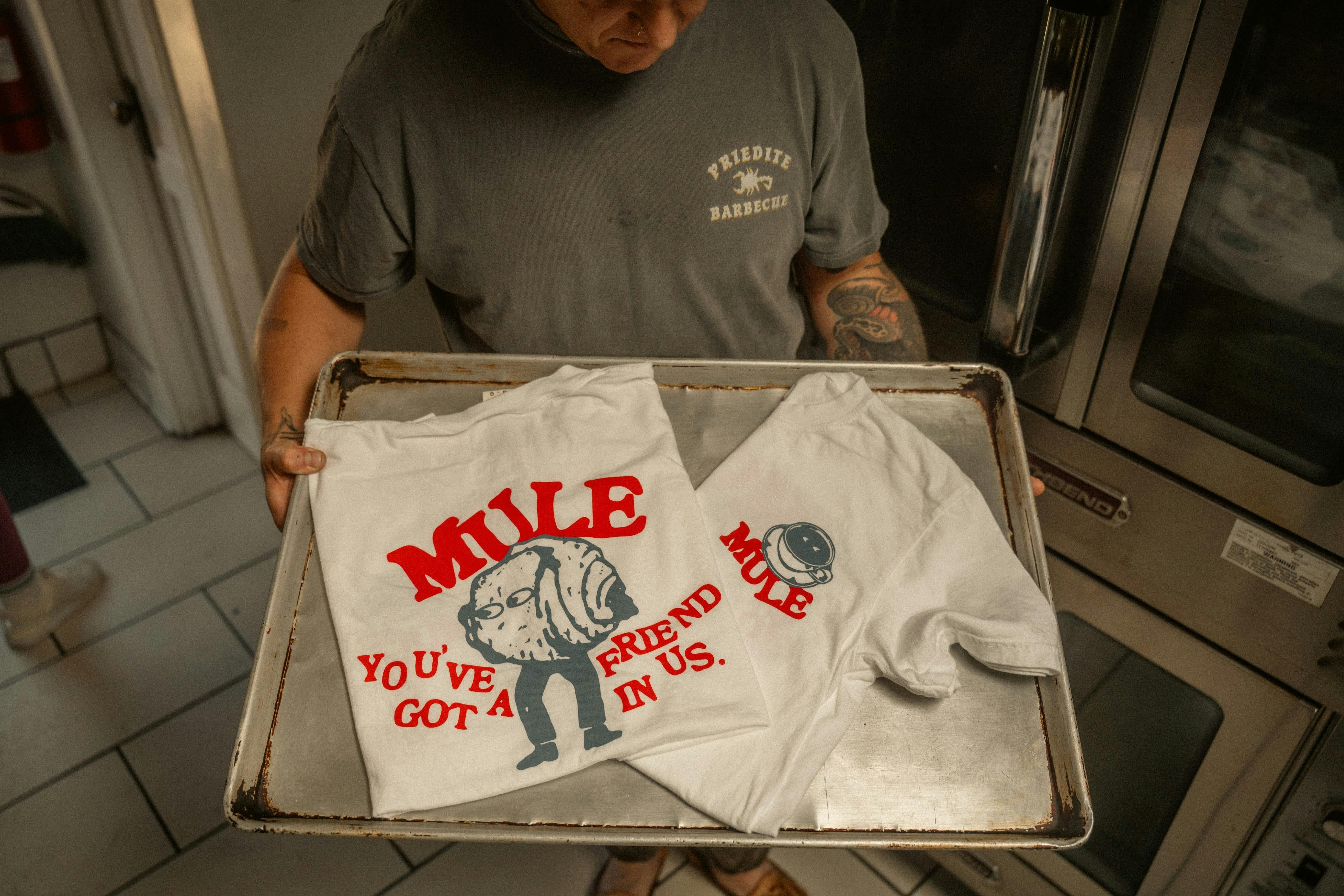
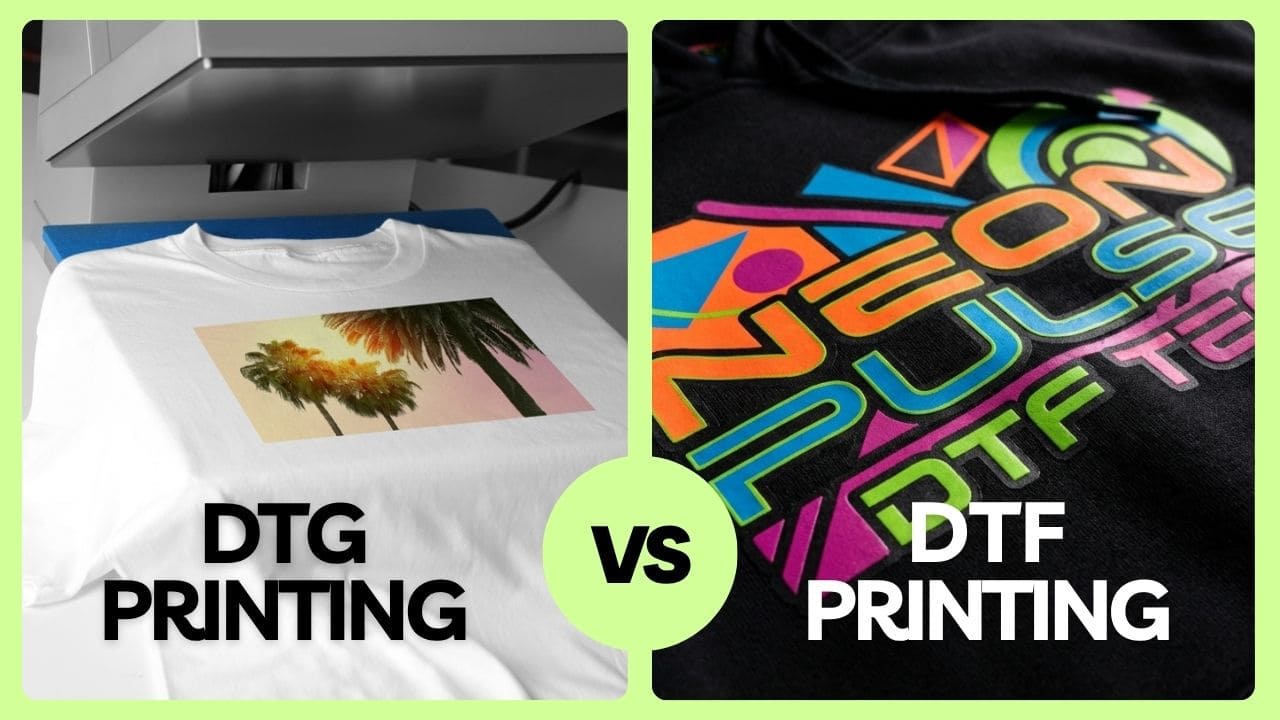
Print-on-demand platforms like Tapstitch transform your artwork into more than just a style; it becomes an entire style. Your digital files are uploaded directly onto premium fabrics, where you can scale, color-match, and prepare them for production. Every niche has its audience, and with the right attire, your audience will be sharing your art everywhere they go.
So start with what feels true to your style, then imagine how it lives on fabric. The question isn’t just “What should I sell?” It’s “How should my art feel?”
2. Decide Where to Sell
All artists need a venue. Most won't have to look further than Etsy, where millions of shoppers are actively looking each day for one-of-a-kind items. Others might want their own storefront, where the whole shopping experience is self-contained.
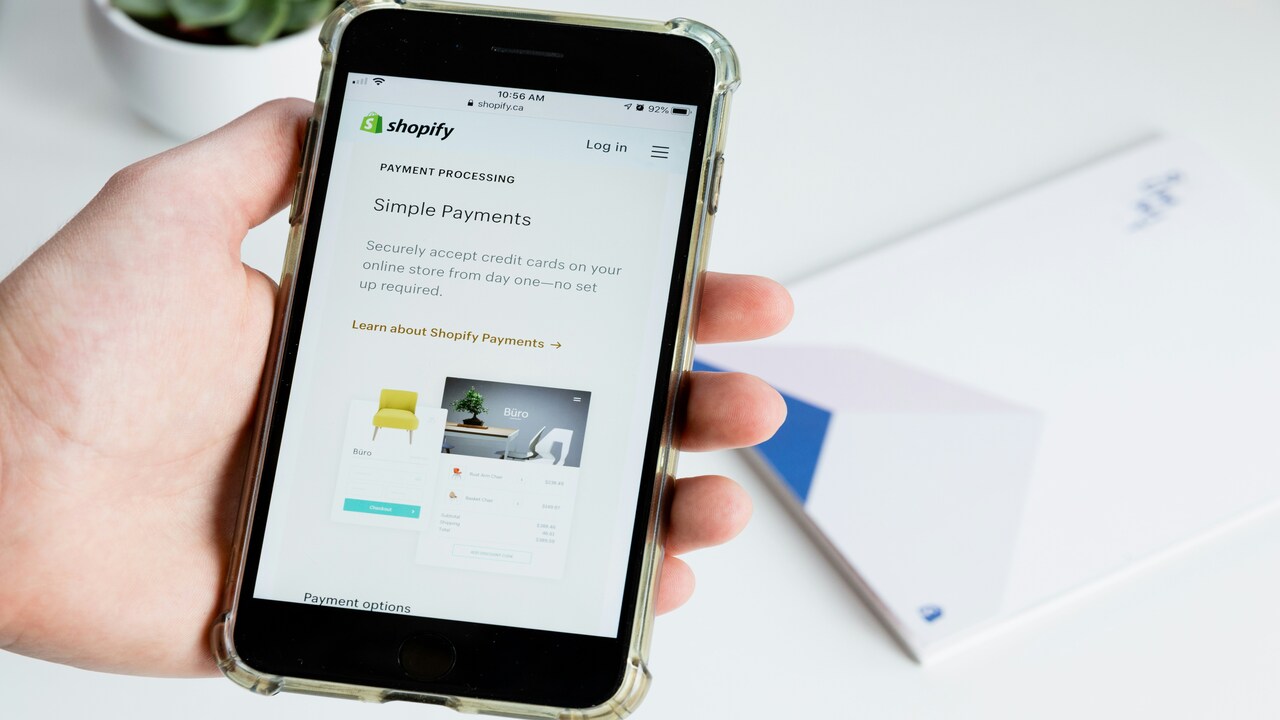
Selling prints online is to engage with your audience and people who resonate with your art. Etsy provides an easy way to be discovered, but it is crowded and difficult to stand out. Shopify gives you more control, allowing you to build a space that represents who you are and what your brand stands for.
If you're just starting out selling prints, we recommend beginning where your audience already is. With an established reputation and following, you'll find that directing them to purchase within your own shop becomes easier. Wherever you choose to sell, your work must be displayed with as much consideration as was put into creating it.
3. From Art to Brand

When selling art prints online, it's no longer just about sharing your artwork; it's about establishing your identity. Each article you sell is connected to your message and your brand. What people get and what makes them return are the shared styles they vibe with.
The creation of a brand identity happens when you make the canvas itself something that people want to have. It happens in the tone of your captions, the texture of your images, and the feel of your threads. Logos by themselves don't build a connection; people bond to a consistent style. When someone visits your page, you want them to feel like that style is as much theirs as it is yours.
Tapstitch enables you to bring that style into the physical. From your printed tags to your packaging, every stitch of your collection becomes the identity you express. Be deliberate, keep it consistent, and let your brand evolve as naturally as your art. People don’t just buy what you make; they buy into how it makes them feel.
4. Price Your Artwork
Every artist struggles with the same question: What is my art worth? When you learn how to sell your art online, the answer often comes down to perception. Price is storytelling. It tells people how to value your work before they even see it in person.
Start by knowing your costs, including printing, packaging, and platform fees, then build a margin that respects your effort as much as your materials. A shirt printed through Tapstitch, for example, carries not only fabric and ink but the hours behind the design.
Think in layers. Offer open editions for accessibility and limited editions for collectors who crave rarity. You can also price higher for hand-signed or specialty-finish items that feel exclusive. The goal is balance: make your art approachable without undercutting its value. When your pricing aligns with your story, every purchase feels more than just a transaction; it feels like participation.
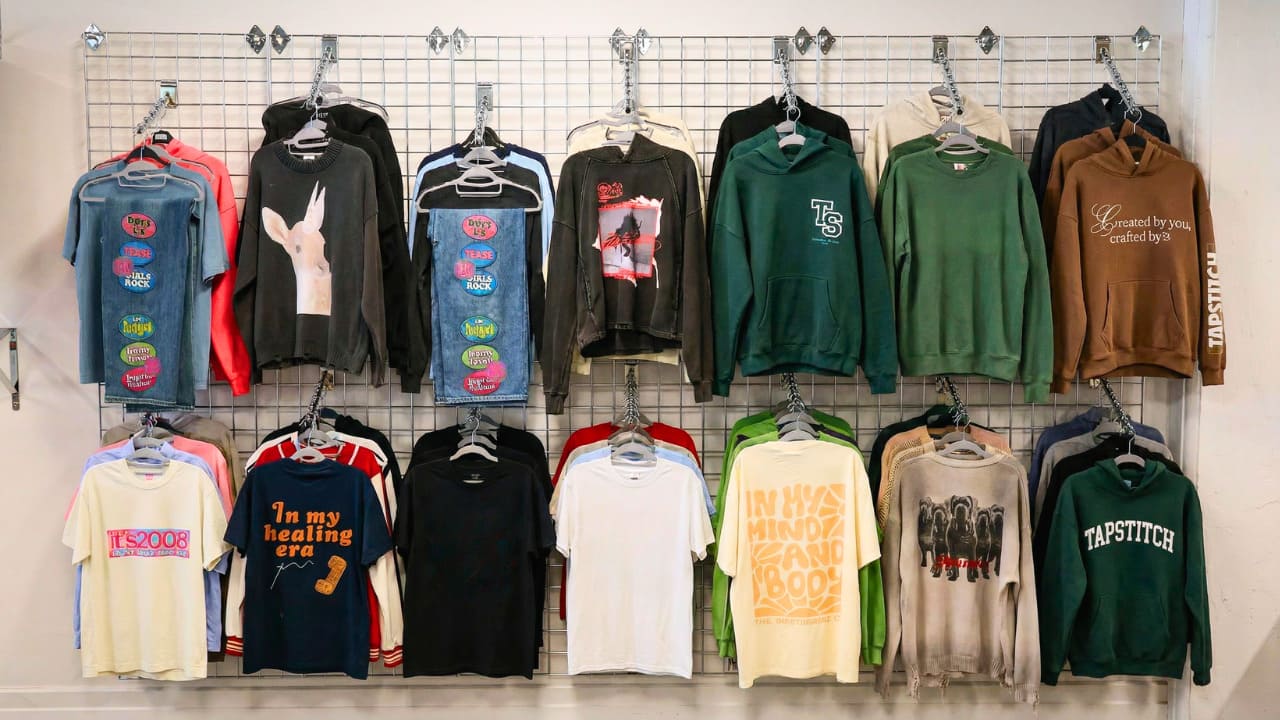
For reference, many independent artists using Tapstitch price their premium heavyweight crewnecks between $65 and $95 USD, depending on complexity and audience. Tapstitch blanks typically cost around $9.99–20 USD, which leaves healthy room for profit while keeping prices fair for collectors. The key is to price based on the experience your customer gets, not just the fabric, but the feeling of wearing something truly original.
5. Create Your Online Store
Your online store is your gallery, your window display, and handshake all in one place. The idea isn't to show your work but to build an experience. When someone walks into your store, they should immediately get a sense of what your art represents and what it feels like to wear it.
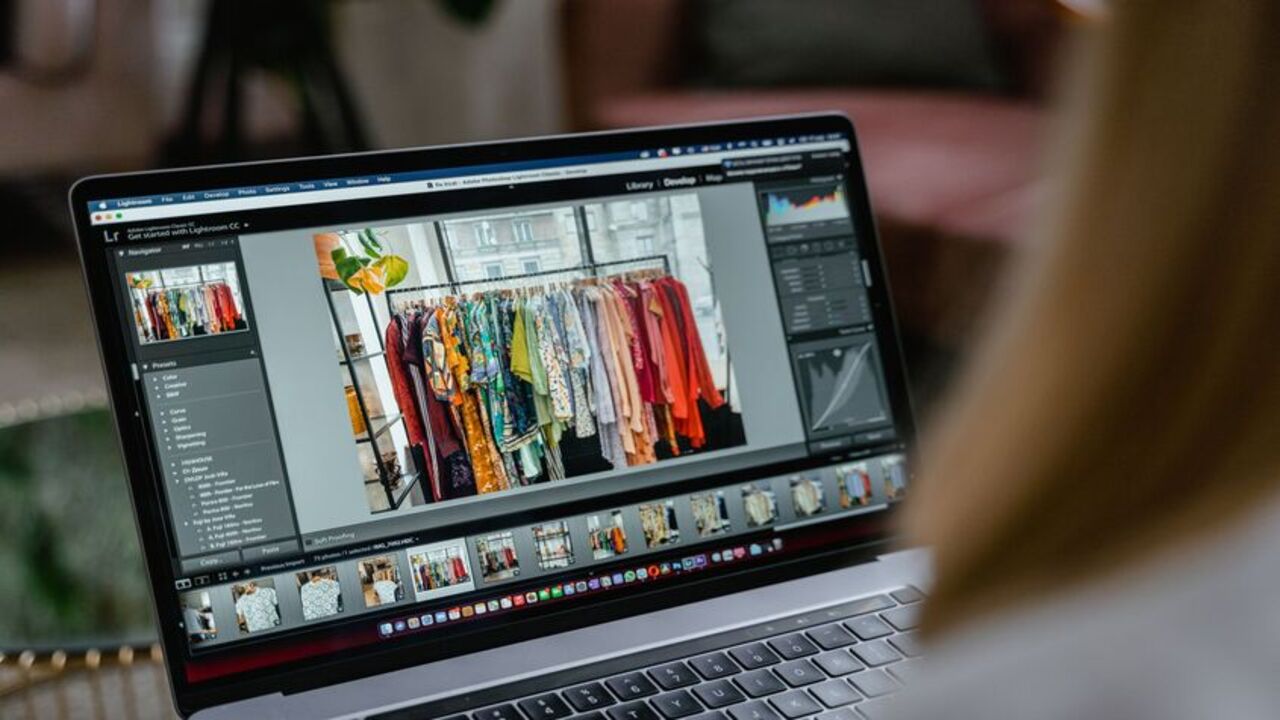
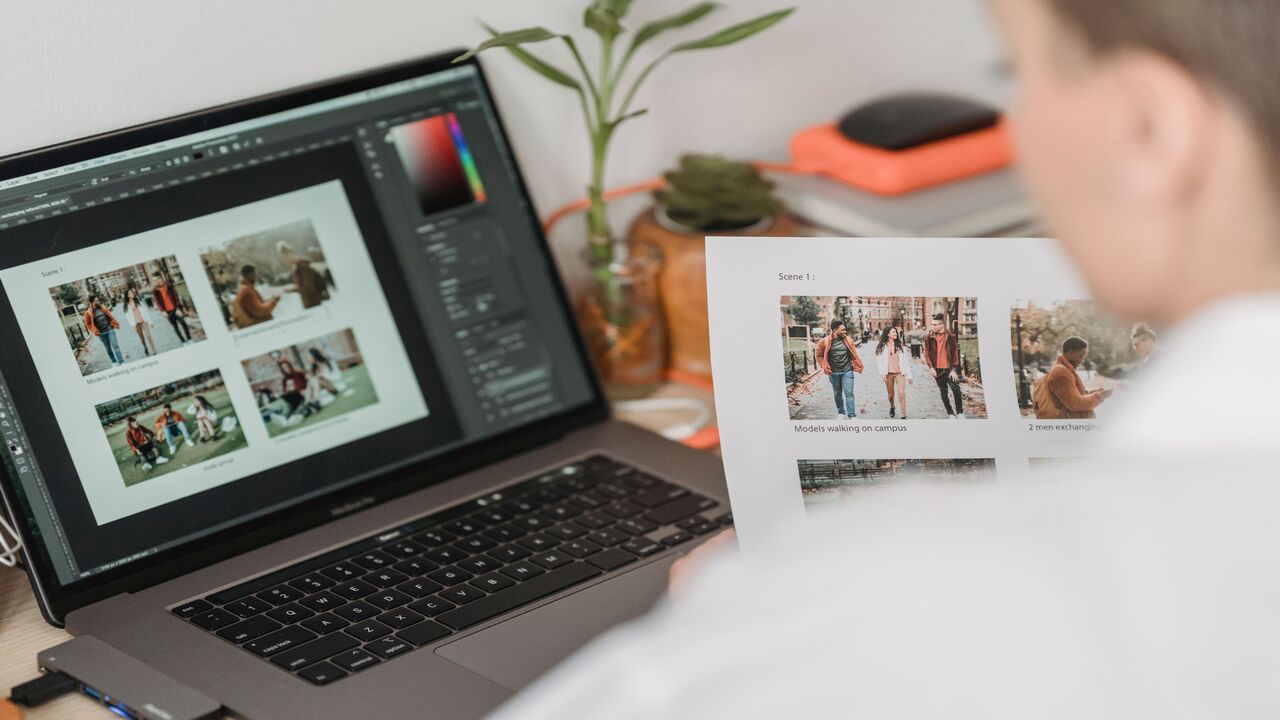
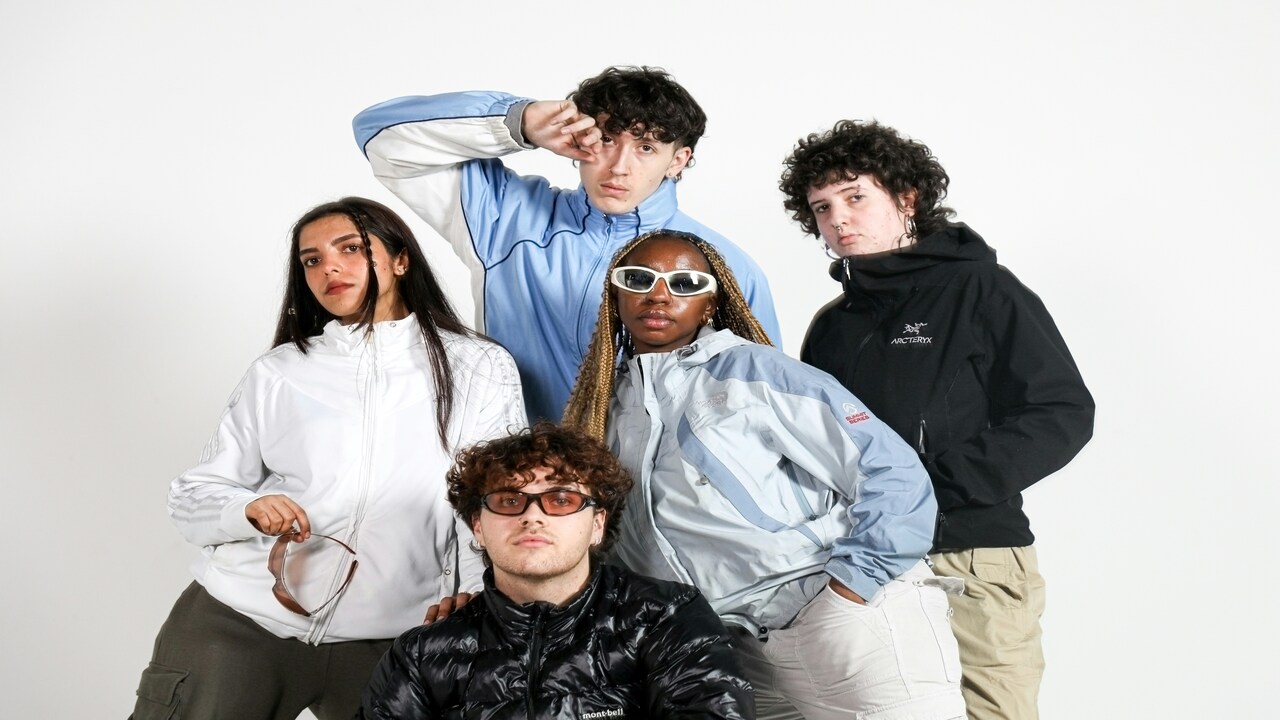
Begin with visual story imagery. Use sharp mockups, styled photos of people wearing your brand in real-life or fashion scenarios, and consistent tones that align with your brand's profile. Maintain deliberate product names, concise descriptions, and simple store navigation.
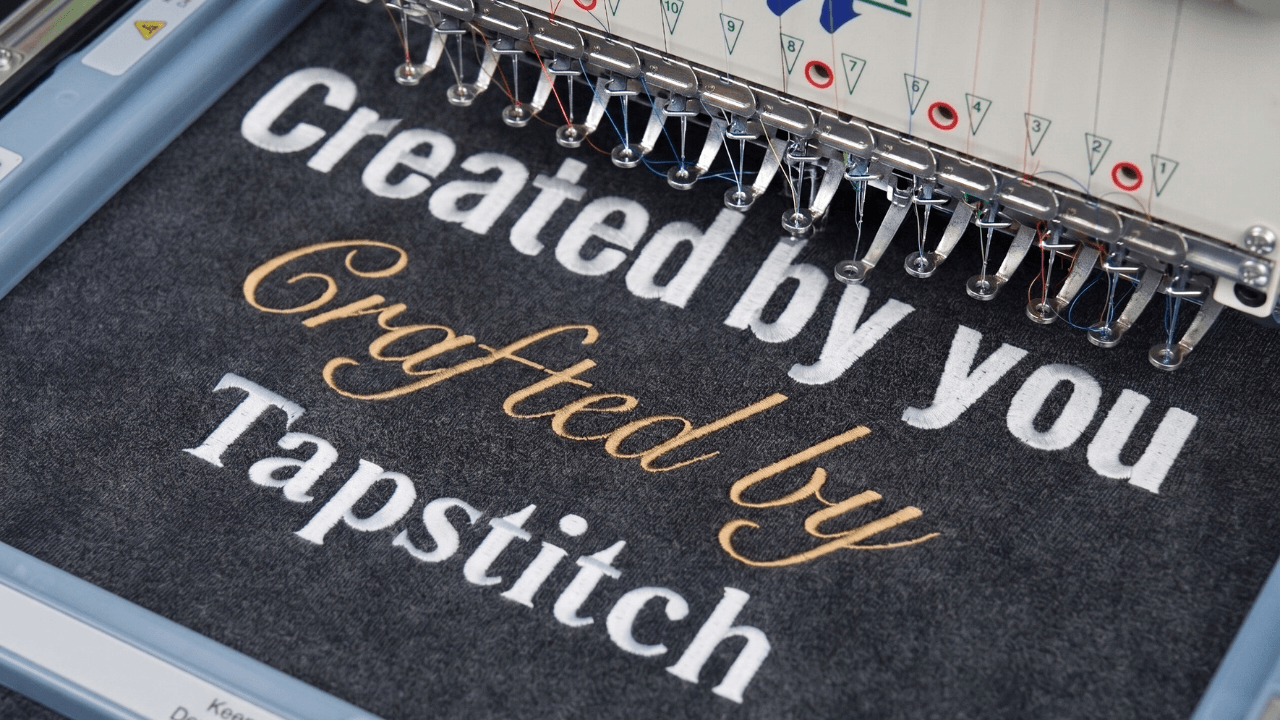
With Tapstitch, you can easily get started. You load your art once, select your apparel, and your designs are production-ready, with no minimum order required. Creativity is on your plate while Tapstitch takes care of the printing, packaging, and overseas shipping. Your store is not a sales page, but rather a place where your identity becomes wearable. Design it to make a lasting first impression.
6. Promote Your Products
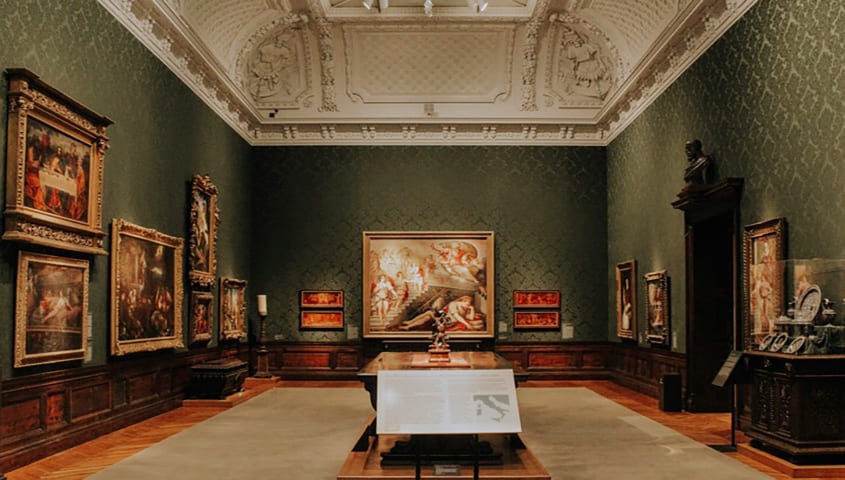
Once your store is live, your art needs a voice. If you already have a large audience, this can be the easy part. Promoting can be as simple as posting reels, photos, and having conversations. Share your process, not just your product. Your audience wants to see how your prints look in real life, how the fabric moves, and what inspired each design.
Use mockups and lifestyle shots that align with your brand’s energy, then amplify them with social media, newsletters, and collaborations. Partner with photographers or small influencers who share your aesthetic to create content that feels authentic.
For reach, lean on SEO keywords like 'sell art prints online' and 'art print clothing,' and include them naturally in your site and captions. Hashtags connect you with communities that already appreciate your style. Stay consistent, because art that stays visible stays alive.
7. Manage Orders and Fulfillment
When you sell art prints online, the magic isn’t just in creation but in how seamlessly your work reaches the customer. That’s where print-on-demand changes everything. Instead of managing stock, packing boxes, or running to the post office, you get to focus on creating while Tapstitch handles the rest.
Here’s how it works:
1. A customer places an order in your store.
2. The order seamlessly integrated with Tapstitch.
3. Your artwork is printed on the chosen garment using professional-grade equipment.
4. Each piece is carefully packed and shipped faster to the buyer, anywhere in the world.
5. You receive updates and profits automatically.
No minimum orders, no leftover inventory, no stress. Tapstitch bridges the gap between creativity and logistics, enabling you to run a full-fledged fashion brand from your laptop. You create the vision; we ensure it arrives exactly as imagined.
8. Protect Your Artwork
Your art is more than a product; it’s your signature. Protecting it means ensuring that what you create remains yours, even as it circulates online. Start by keeping the original high-resolution files stored safely and only uploading print-ready versions that are sized for production. This limits the risk of unauthorized reuse.
If you share your work publicly, add a subtle watermark or logo placement that doesn’t distract from the design but still identifies you as the creator. You can also register your most essential pieces for copyright to establish legal ownership.
Tools like Google Image Search or Pixsy help track where your visuals appear across the internet. If someone uses your artwork without permission, document the incident and contact the platform to request its removal.
Tapstitch respects and protects artists. Your designs are used solely for your store and production. Guard your creations, because your art is more than a file; it’s your vision.
Where to Sell Art Online for Artists

Choosing the right platform to sell art prints online is like selecting the right frame for your work. It defines how your art is seen, how to sell art, and how much control you have over the story behind it. Each platform offers a different balance of visibility, freedom, and creative ownership.
Etsy is the easiest starting point for independent artists. Competition is high, and margins are limited. You’ll need strong visuals and active promotion to make a lasting impression.
Shopify gives you full control. It’s ideal for artists who are ready to build their own online storefront and establish their brand identity. You can design every page, set pricing, and connect your own domain, but you’ll also handle marketing and traffic yourself.
Redbubble and Society6 are marketplaces made for artists, where you can upload artwork and sell prints instantly. They’re low-effort and easy to use, but they offer limited customization and lower profit per sale since pricing and production are largely fixed.
If you want your art to move beyond posters and screens, to become something people live in and feel every day, Tapstitch is where that transition happens. It is not just about selling prints; it's about building a brand that can be worn. Wherever you choose to sell, Tapstitch connects with popular ecommerce platforms, so you can sell your designs anywhere—no inventory, no minimums, no hassle. Just create, list, and sell.
Advantages of Selling Prints Online with Your Own Art

Selling art prints online is more than just a side hustle; it’s a way to level your creativity into sustainable income. Selling your artwork as custom apparel not only helps you stack cash but builds a system that keeps working for you even when you need to take a break.
Here’s how it works:
1. Passive income that compounds.
Once you've uploaded your designs, they are available day and night to anyone who wants to purchase. Every piece sold becomes part of a growing network that promotes your work, creating the kind of tangible exposure other mediums just can't.
2. Freedom from financial risk.
With no upfront costs or minimum orders, you can test new designs anytime without worrying about unsold stock. Tapstitch handles printing and fulfillment only after a customer makes a purchase, letting you focus on design, not logistics. It's unlimited freedom and no risk.
3. Infinite scalability.
Add a new collection, experiment with colorways, or expand into new markets; it's all taken care of digitally. Growth becomes effortless and is only limited by your imagination.
4. Real-world visibility.
Fashion is the new art gallery. Hoodies, tshirts, and totes become your walking exhibition. Your art no longer needs to hang on a wall; it can live in the world amongst its inspiration. Sparking conversations and spreading your vision.
How to Sell Art FAQs
How do I turn my art into digital prints?
You can turn your art into digital prints by capturing it in high resolution and preparing clean, print-ready files. If you work traditionally, scan or photograph your piece to preserve texture and detail, then edit using tools like Photoshop or Procreate. Save your work as PNGs or TIFFs for sharpness and transparency. Tapstitch lets you upload, preview, and print your designs directly onto apparel.
When is the best time to sell my art prints?
With no barrier to entry, the obvious answer is now. It doesn't have to sell right away. Try different designs; it costs you nothing to start. Change styles for seasonal events, holidays, and cultural trends until you find what works. Artists who build steady engagement year-round see the strongest results. Keep sharing your creative process and updating your shop. When buyers are ready, your art will be available and waiting.
Is it profitable to sell art prints online?
Yes, especially with a print-on-demand model. You don’t need to invest in inventory or equipment, which means every sale generates profit without upfront risk. Most Tapstitch creators earn 40–60% margins depending on fabric and design choice. As your audience grows, your sales increase — and every product worn becomes a walking promotion for your art.
How can I sell art as a beginner?
Start small and clear. Define your audience and your artistic style, then choose one or two platforms that match your goals. Etsy is good for visibility, while Shopify is better for full brand control. Launch a simple, high-quality collection, use mockups and lifestyle photos to tell your story, and keep refining your approach. Growth comes from consistency.
Parting Words: Sell Art Print Clothing Online
Art was never meant to stay still. It was meant to move, to be seen, to live in the spaces between people. Selling art prints online gives your work that movement, and turning it into wearable pieces takes it even further. Every print that leaves your store becomes a story someone chooses to carry.
Whether you are a painter, illustrator, or digital creator, print-on-demand turns your ideas into something tangible and lasting. With Tapstitch, you are not just selling clothes; you are building identity, expression, and connection.
.jpg)

%20(1).jpg)
.jpg)
.jpg)
.webp)

.jpg)
.jpg)
.jpg)
.png)
.jpg)
.jpg)

%20(3).jpg)


.png)
.jpg)
.jpg)
.jpg)
.jpg)
.jpg)
.jpg)







.png)




.png)
.jpg)










.jpg)



.jpg)

.png)
.jpg)


.jpg)
.jpg)



.jpg)
.jpg)
.jpg)
.jpg)
.jpg)

%20(1).jpg)

.png)

.png)



%20(1)%20(1).jpg)