






What are White Label Products and How to Sell Them?



You’ve probably purchased white label products with a different brand name stamped on them without even realizing it, and in today’s online retail landscape, it's more common than ever. With accessible manufacturing and easy-to-launch storefronts, hundreds of brands can sell similar items while telling completely different stories.
The same pattern is typical in fashion: founders seek clean silhouettes, professional quality, and the freedom to build a brand without navigating complicated production pipelines. That’s where white label products shine, instead of creating everything from scratch. Understanding what a white label product is and how to use them can give you a significant advantage in launching a fashion brand. This guide explains what white-labeling is, how to utilize it as an effective strategy, and how to begin when you're ready.
What is a White Label Product?
A white-label product is a manufactured product designed to be sold by another company under its own brand. White-label products span from kitchen utensils to toiletries, home decor, and just about anything these days, including clothing. A manufacturing company handles production, then sells the generic product to another company that adds identity, packaging, and sells it under its own brand name. Let's say a factory produces skin-care products. Once the product is manufactured, another company picks it up (for smaller sellers, usually from an online platform), then brands it, spices up the packaging and marketing, and turns it for a profit.
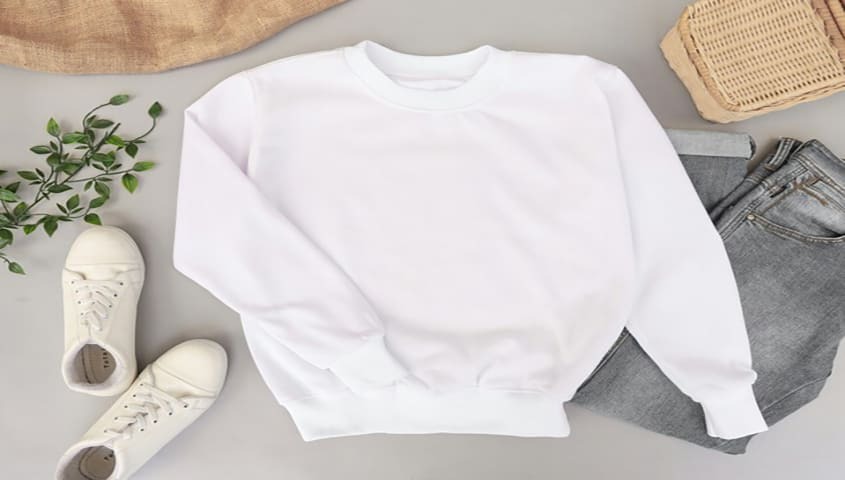
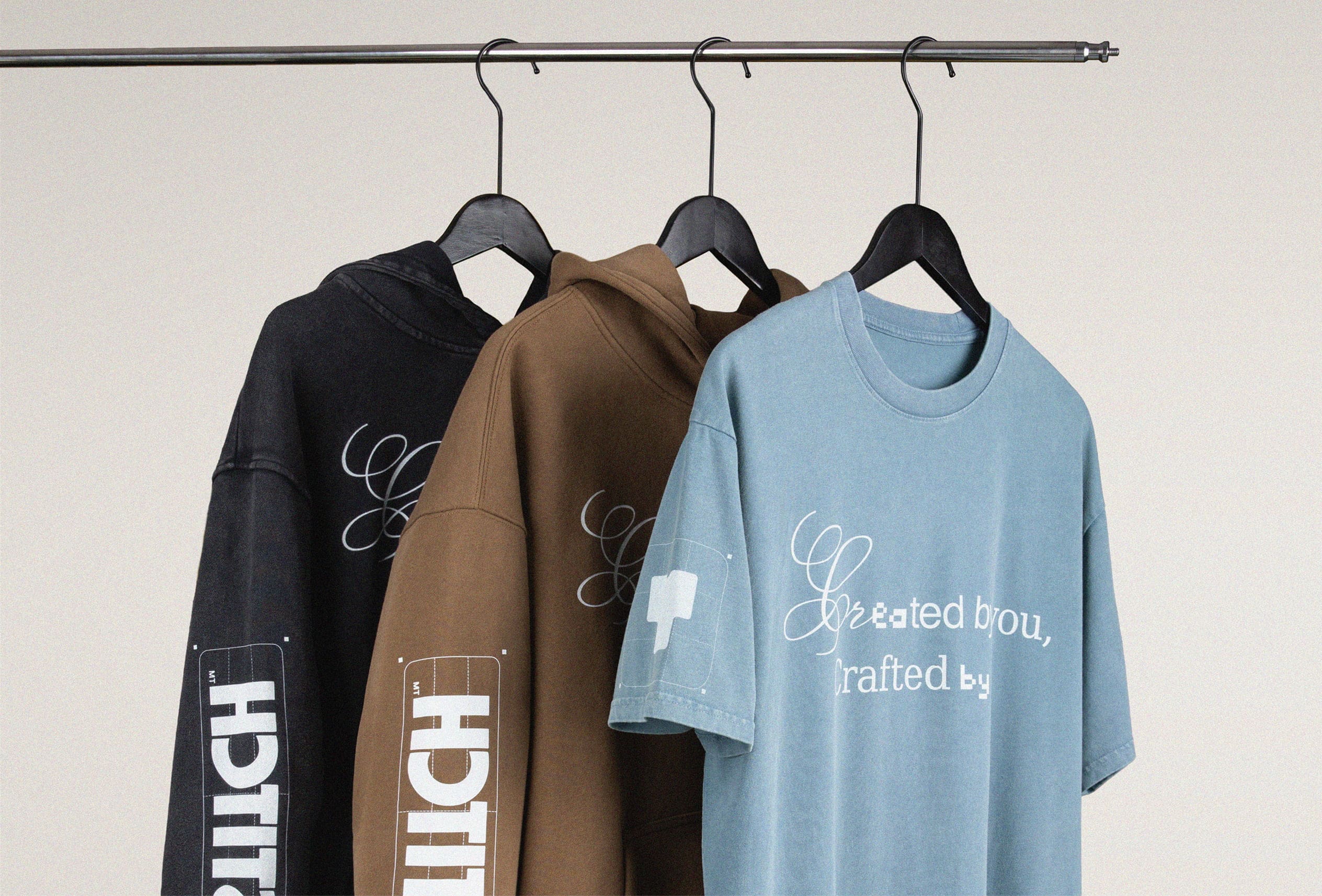
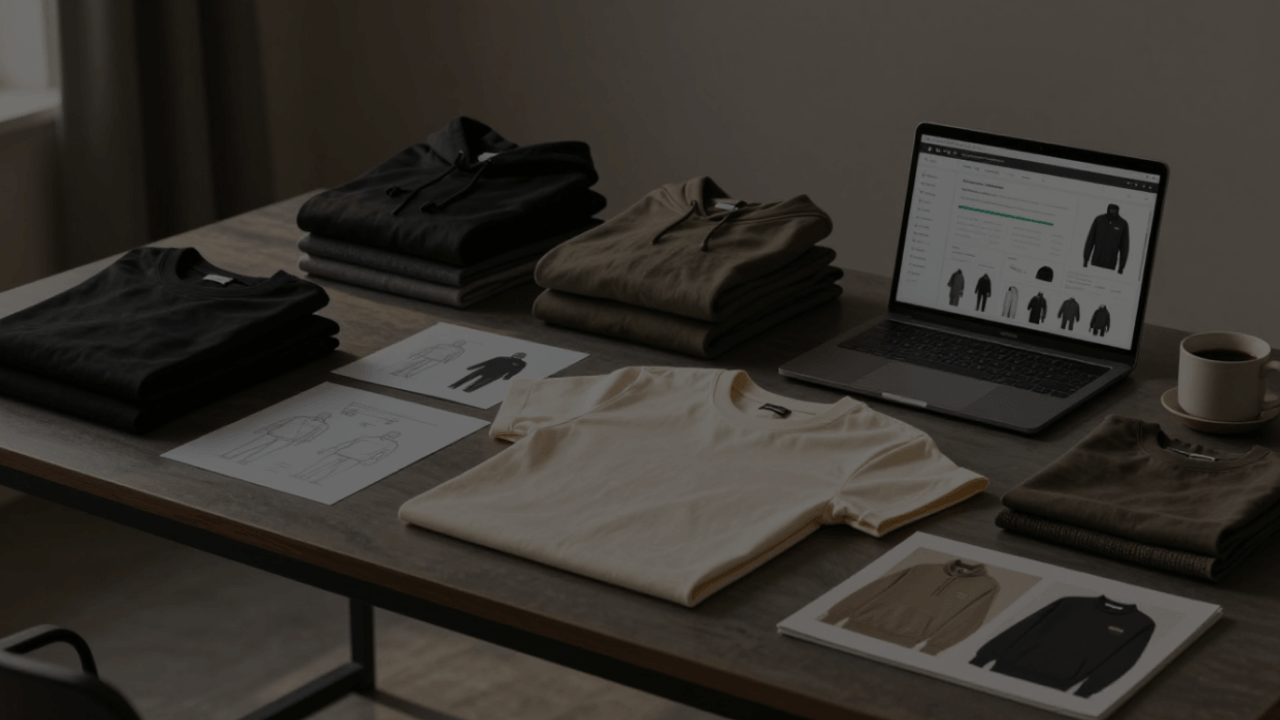
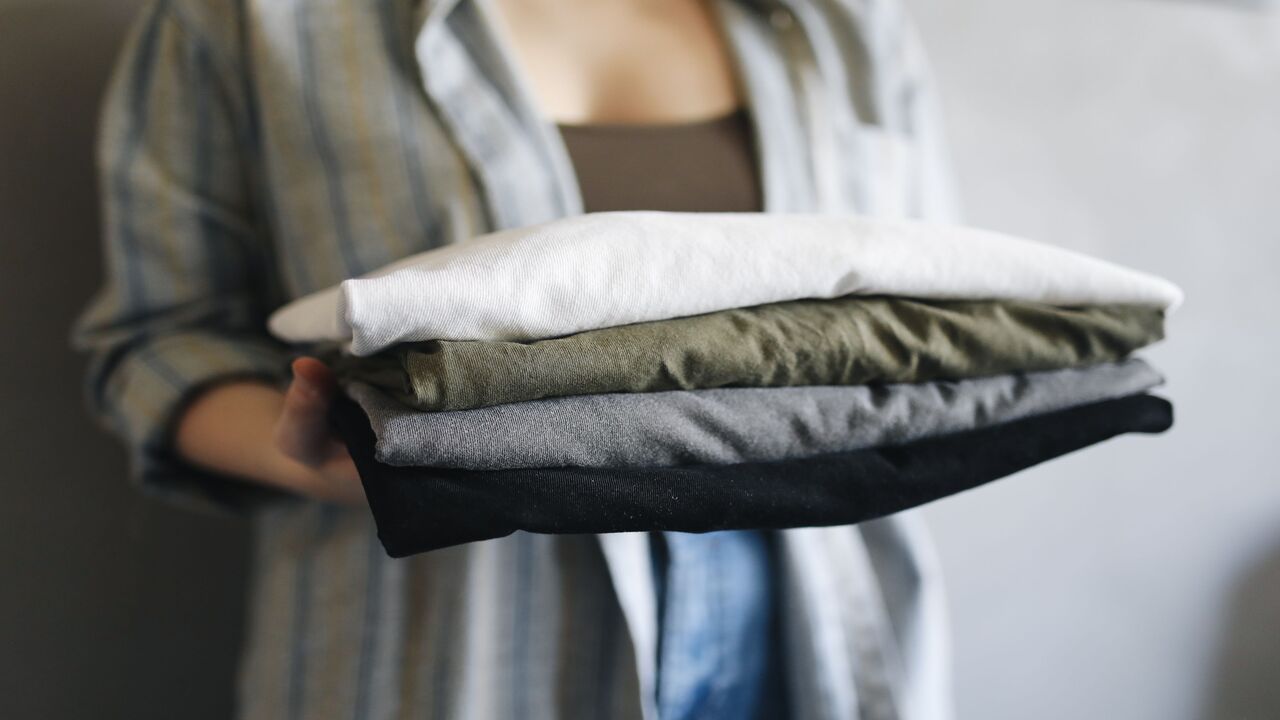
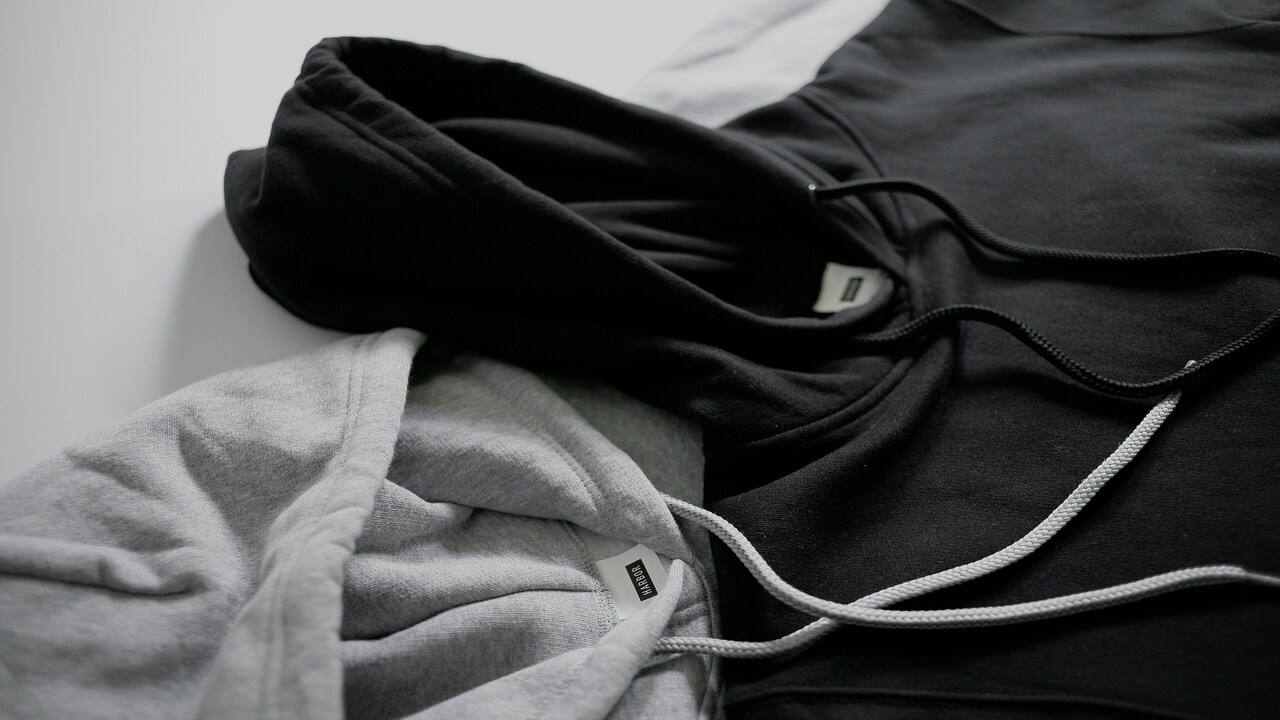
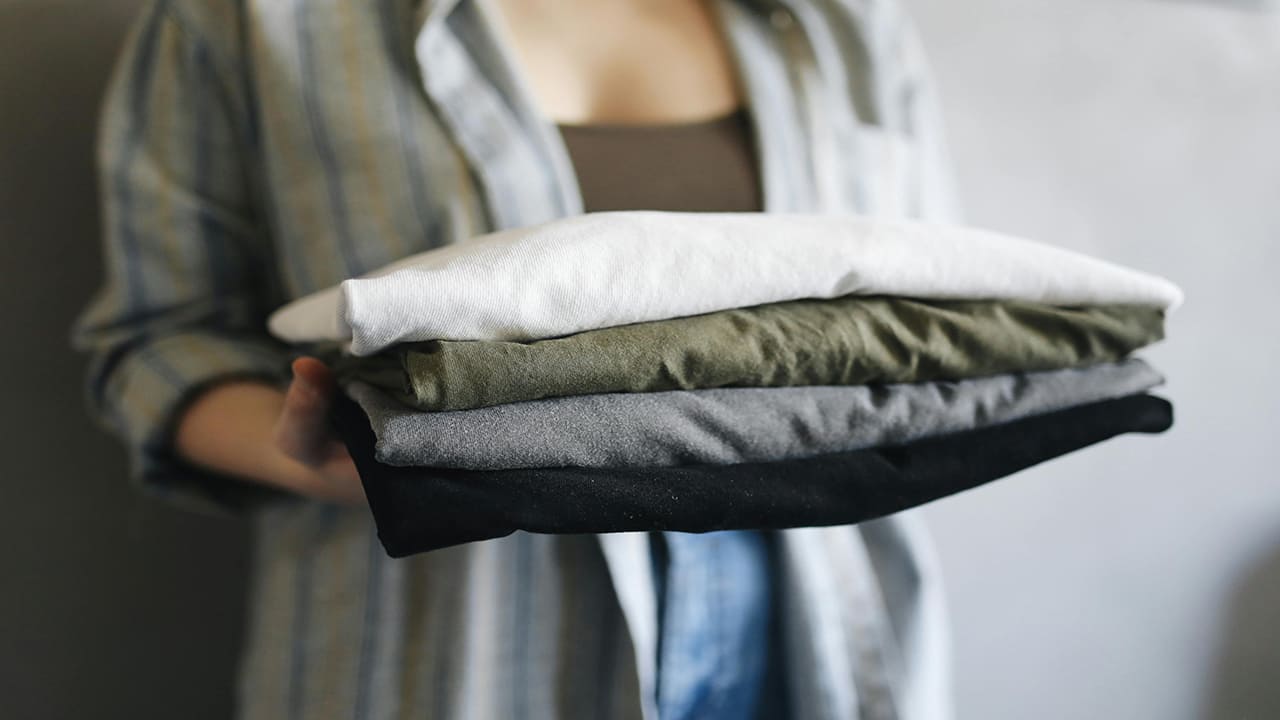
With clothing, white-label products are generic silhouettes, commonly including t-shirts, hoodies, crewnecks, tanks, and accessories, intentionally made for custom designs or for "basic" collections. This provides a unique opportunity for anyone who wants to try their hand at their own fashion brand. With production, the most complicated and expensive part of fashion, being completely handled by a manufacturing partner, you gain access to different cuts/fabrics/styles to brand your own without having to take on all the unnecessary overhead. With dropshipping business available, you don't even have to pay for an article until it has sold and you've made a profit.
That's what white labeling is: the process of rebranding existing products with your own creative ideas and marketing.
How Does White Labeling Work?
It varies across industries, but the main concept remains the same. We'll use clothing as an example here:
- A manufacturer creates high-quality blanks, intentionally designed for customization.
- A platform curates these blanks into a catalog; many exist.
- A user personalizes the clothing with their own artwork, brand logo, and imagery, as well as branded packaging.
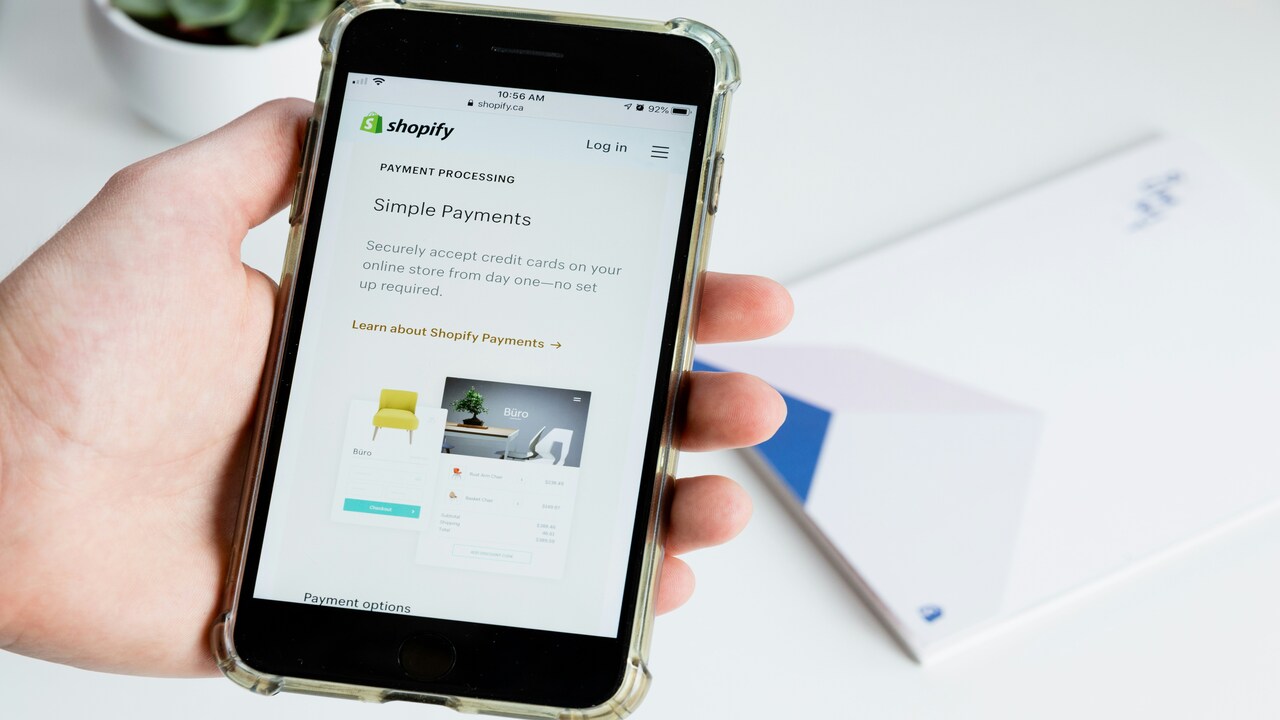
- They sell the clothing to customers through platforms like Etsy or Shopify, and the customer receives a fully branded product, often unaware that a third-party manufacturer produced it.
This process enables the user to focus on their artwork, brand identity, design language, and storytelling, while the manufacturing side is covered by professionals at a significantly lower cost.

Pros and Cons of White Labeling
White label has become a modern strategy. Online shopping has exploded, and people have made millions by branding and marketing simple, generic products. It's modern consumerism at its finest! The same product may appear in several different shops, but whichever one packages and markets it more effectively tends to outperform. White-labeling has its limits, though, so let's break down the advantages and disadvantages further:
Advantages
Choosing white label products instead of manufacturing your own can allow you to test new products, pivot styles, and grow without investing too much and risking loss. Here’s why many startups choose it:
Cost-effectiveness
No material sourcing, pattern development, sampling rounds, or production contracts. You pay only for the finished, quality-tested product that you intend to rebrand and resell. And in our case, you only pay when the product actually sells.
Lower Risks
Similar to above. With modern POD business, you don't even have to order in bulk or hold inventory. That means no unsold, leftover stock. No gambling on what might or might not sell. You can test trends and adjust sales performance immediately.
Faster Entry into Markets
No waiting for production or certificates, the manufacturers are already in the game. You can turn your design into a live product within hours of setting up an online store. With Tapstitch, syncing is immediate.
Higher Flexibility
You don't have to go all-in on one style or another. Change aesthetics, categories. Hell, change your whole brand identity every week if you want (but don't expect too many return customers). Your brand can evolve as naturally as your ideas, without costing you a fortune.
Brand Expansion
It's common to start with simple t-shirts or hoodies, but expansion is easy. With Tapstitch, you have access to entire catalogs of different cuts, fabrics, and the types of cuts that are fashionable, updated every week.
Drawbacks
There are drawbacks to every decision in business, and even the smartest strategy has trade-offs. White-labeling drawbacks are few, but they do exist. These are common difficulties faced when using white-label products for your brand:
Price Competition
Because white label products are so accessible, many categories can feel oversaturated. Take one look at Etsy, and you'll see pages and pages of cheap-looking, generic cuts with some random AI dog photos slapped on. We don't encourage this strategy.
We've seen brands do exceptionally well, and identity is the differentiator. Digital artists, influencers, and athletes alike have used Tapstitch to start and grow successful and profitable brands of their own. We provide silhouettes that give you that foundation your customers will come back for, clothing people like to wear, and your brand identity sells them.
Customization Limit
This is a caveat, but only one deeply involved fashion designer will face. You can’t change the fundamental pattern or construction. If you want an exclusive silhouette, you’ll eventually need private-label development.
Supplier Dependence
There are a lot of white-label clothing providers out there that aim for the cheapest possible price point they can provide, and you can feel it in the fabric. Your brand’s quality relies heavily on the supplier’s consistency. If you want a legit brand and not a one-off merch drop, choosing premium manufacturers matters.
Quality Concerns
Not all white label manufacturers prioritize fabric weight, stitching accuracy, or even print compatibility. Cheap blanks lead to a cheap-looking brand. Tapstitch provides competitive prices, but with the kind of quality you're going to want to order for yourself to rep your own brand.

Difference Between While Label Products and Private Label Products
White-label products are the generic, unbranded version of a product that can be purchased for rebranding and selling. Multiple brands can use the same base product, then customize it with their own designs, packaging, and identity. It's the fastest to launch, the lowest-cost option for testing, and the ideal choice for early-stage creators who want professional-quality but aren't ready to take on the entire process of manufacturing their own products.
Private label products, on the other hand, are exclusive. The product is made exclusively for one brand or company, including custom patterns, cuts, or signature features. It’s slower, more expensive, and usually requires high minimum orders so that the factory can cover its production costs. You have total control over the construction and final look, that's what you're paying for.
In the fashion world, a white-label product enables you to launch quickly with minimal risk, allowing you to experiment with various design ideas and styles. It gives you the freedom to launch your own fashion brand entirely on your own; you just find a producer of white-label products, the product you want to sell, and off you go. Private labeling enables you to establish a signature silhouette once your audience and demand are strong enough to justify it. Most brands start with white label and transition into private label eventually as they scale.
Who Uses White Label Products
White label isn’t just for beginners. Across industries, it serves as a foundation for brands that prioritize speed, agility, and product diversity. Many opt for obviously "generic" white-label products nowadays because they often have similar quality without all the unnecessary or exaggerated marketing.
Common users include:
- Fashion startups or boutique fashion brands
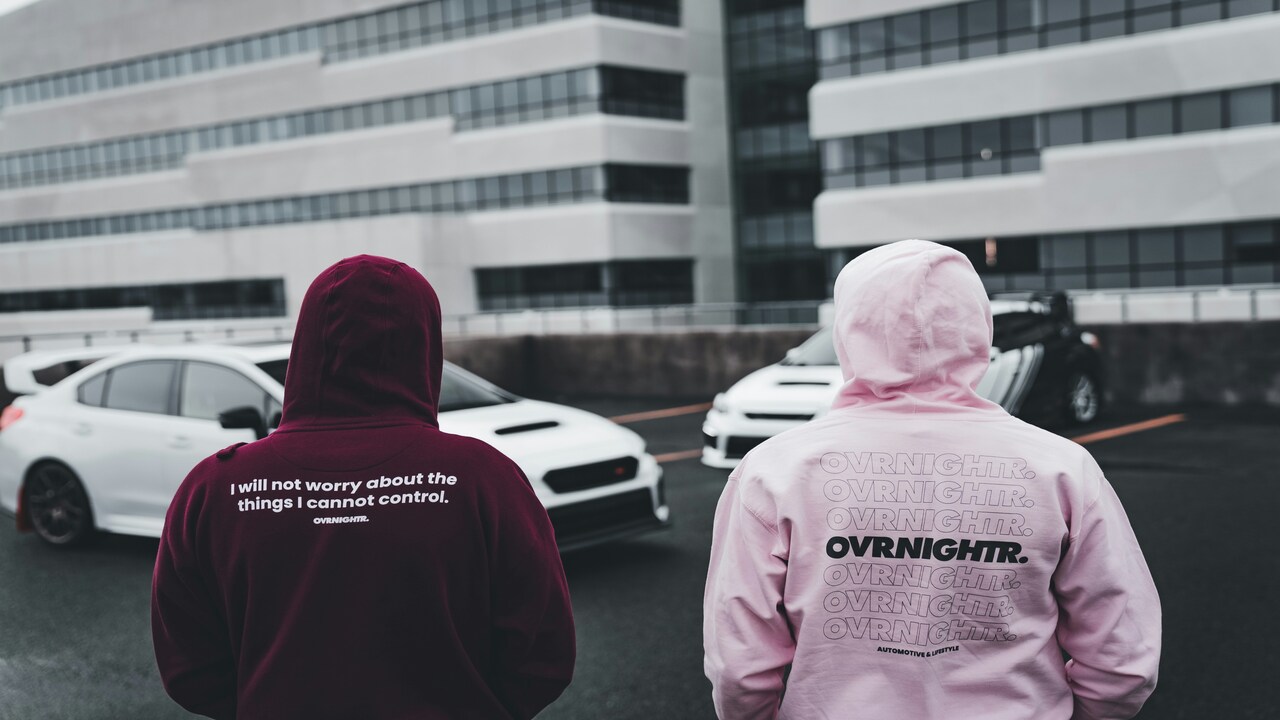
- Streetwear creators building identity-driven collections
- Influencers doing merch drops
- Fitness coaches selling active apparel
- Event organizers needing quick branded merch for an event
- Businesses seeking modern corporate apparel
- E-commerce sellers
Whether you’re a solo creative or running a full-scale online shop, white label products let you stay nimble and brand-focused.
Real-world Examples
Here are some more easily recognizable white-label success stories that you've probably seen or heard of:
Amazon Basics
Amazon Basics is a prime example of white labeling done at scale. They source generic but functional products—such as tech accessories, home goods, and essentials—and sell them at more affordable prices under Amazon’s brand. Quality sourced products, without unnecessary marketing.
Dollar Shave Club
Dollar Shave Club was a marketing stroke of genius. They didn’t start by manufacturing razors. They leveraged white-label products, bold branding, and used humor and clever campaigns to capitalize on the modern online consumerist environment. Dollar Shave Club was acquired by Unilever for $1 billion USD in 2016. Yes, that's a B.
Tapstitch Blank Apparel
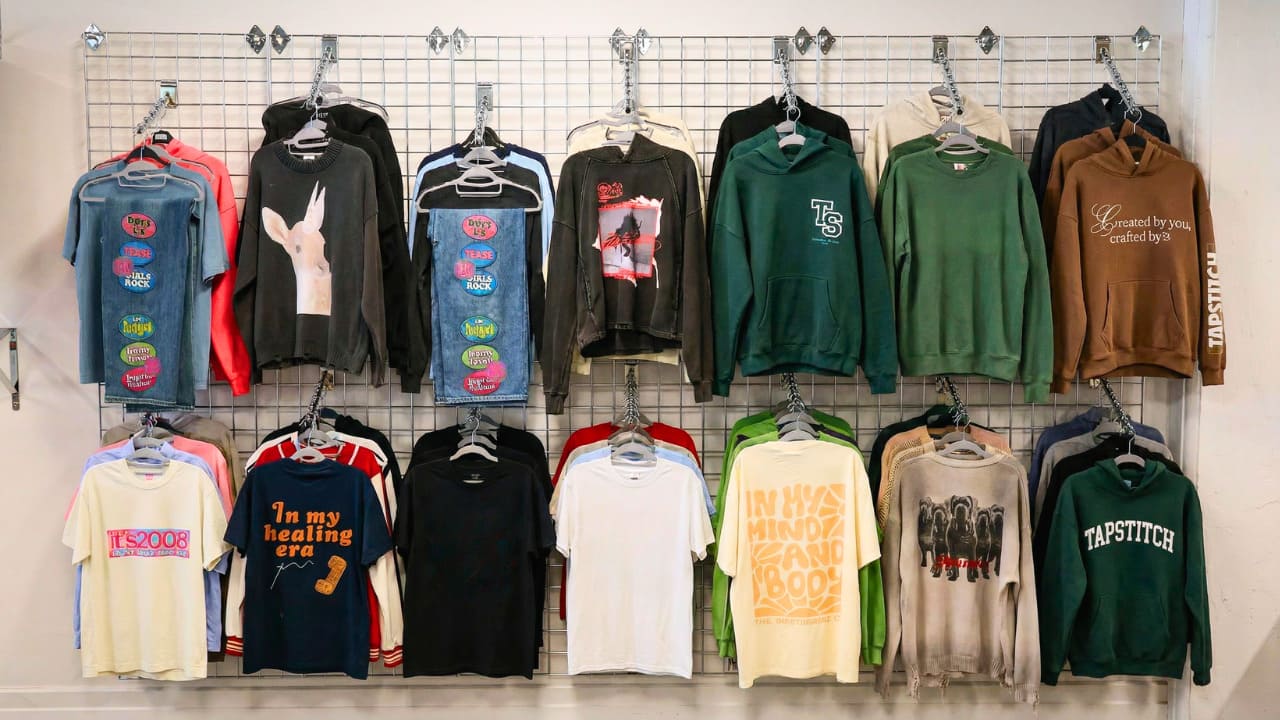
On Tapstitch, we have seen several successful entrepreneurs scale our white-label products into businesses that generate over $100k USD per year. Our edge is the quality, fashion-forward silhouettes and high-quality printing we provide at prices that allow you to maximize margins. Instead of basic corporate merch blanks, you get real, well-fitting cuts that your customers will want to pick up every time you add a new design:
- Boxy t-shirts
- Heavyweight crewswell-fit
- Washed vintage cuts
- Raw-edge tanks
- Performance silhouettes
These aren’t generic; they're foundational. And with enough customization options that you don't even have to worry about overlap with competitors. If your brand aligns with what people want in their clothes, we have the intentional, stylish, and comfortable threads that people fill their wardrobes with.

How to Sell White Label Products with Tapstitch
Selling white label products becomes significantly easier when the platform is built for designers, not just sellers. Tapstitch’s blanks are designed to feel premium, modern, and ready for branding, and we provide you with all the tools you need to do it right in your browser. It takes ten minutes to get started:
1. Pick the Right Category
Select silhouettes that align with your brand’s vibe. Boxy streetwear, performance tops, vintage-washed t-shirts, or everyday essentials. Whatever your niche is, match it.
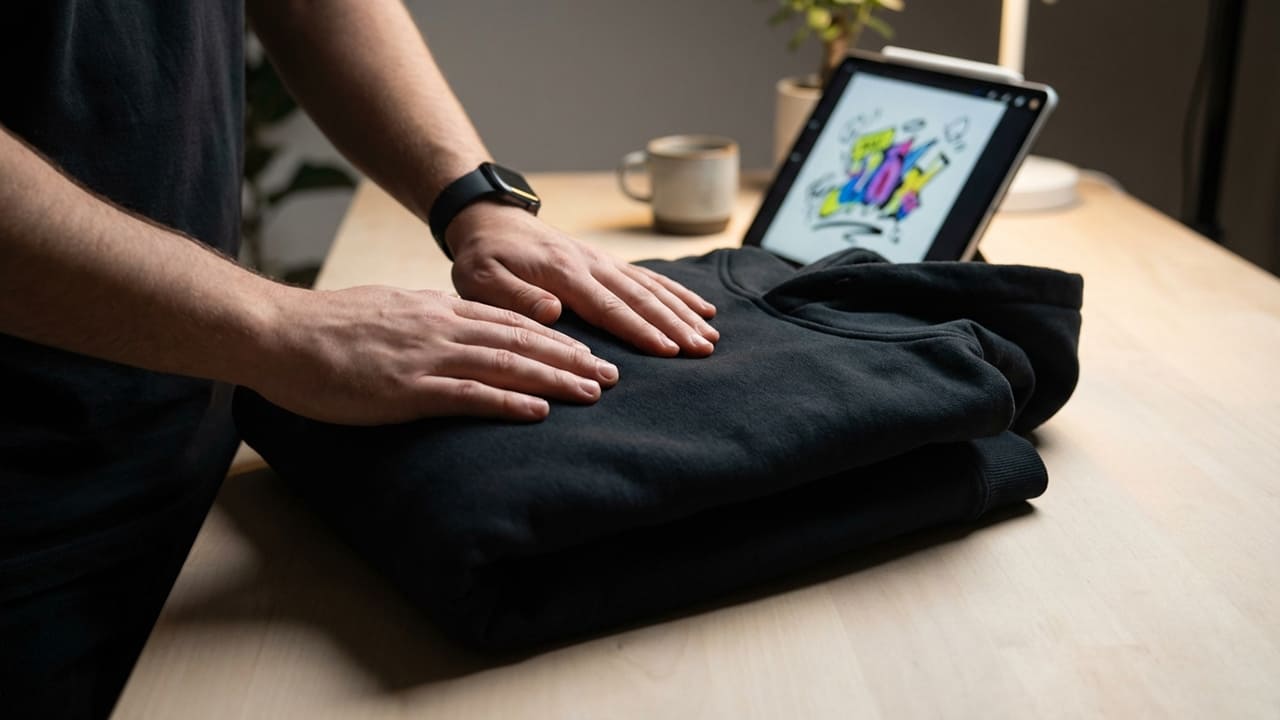
2. Customize with Your Branding
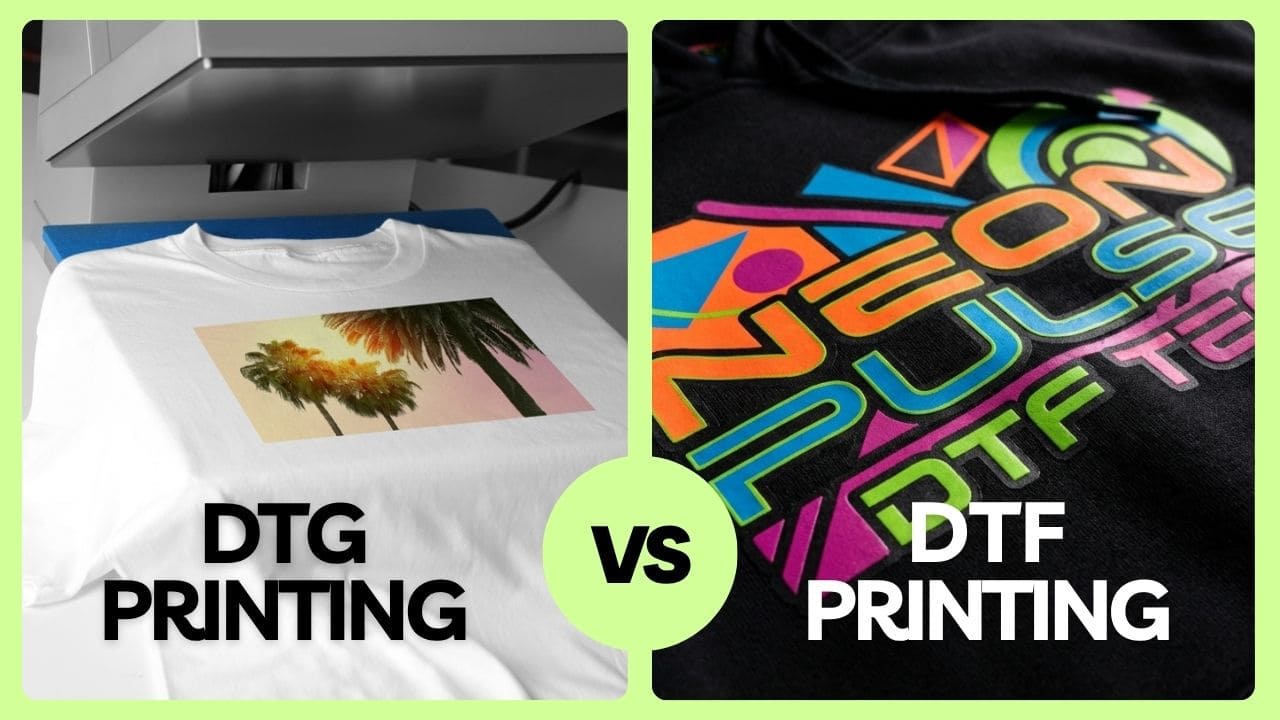
Add prints, patterns, graphics, embroidery, or minimal front-and-back designs. Small brands win by having a point of view. Customize your own labels to give your brand a complete feel.
3. Craft Your Brand Story
Your branding is the separation. Tapstitch handles the product; you handle the culture around it.
4. Choose Your Sales Platform
Sell through Shopify, Etsy, TikTok Shop, Instagram Shop, or your own site. Our platform syncs with several of the most popular platforms. You can design a piece and have it sync directly to your store.
5. Promote Through Community
Your first customers are the people who share your taste. Build around them, not the algorithm.
Tapstitch ensures your white label products feel like signature pieces.

Final Verdict on White Label Products
If you want to build a clothing brand today, leveraging white-label products is a great way to get started. They provide the speed and flexibility to adapt and learn, while reducing risk and offering a cleaner entry into the market.
White labeling is your runway. It lets you test ideas, shape your aesthetic, and grow an audience before committing to expensive custom development. With catalogs like Tapstitch’s, you don't have to sacrifice quality or feel. You get pieces that feel intentional, modern, and look like the brand you imagined. When production stops being a barrier, your creativity is free to expand.

.png)

.jpg)
.jpg)
.jpg)
.jpg)
.jpg)
.jpg)






.png)




.png)

.webp)

.jpg)











.jpg)


.jpg)

.png)
.jpg)


.jpg)
.jpg)




.jpg)
.jpg)
.jpg)
.jpg)
.jpg)

%20(1).jpg)

.png)

.png)


%20(1)%20(1).jpg)





.png)
.png)


.jpg)

.jpg)
.jpg)