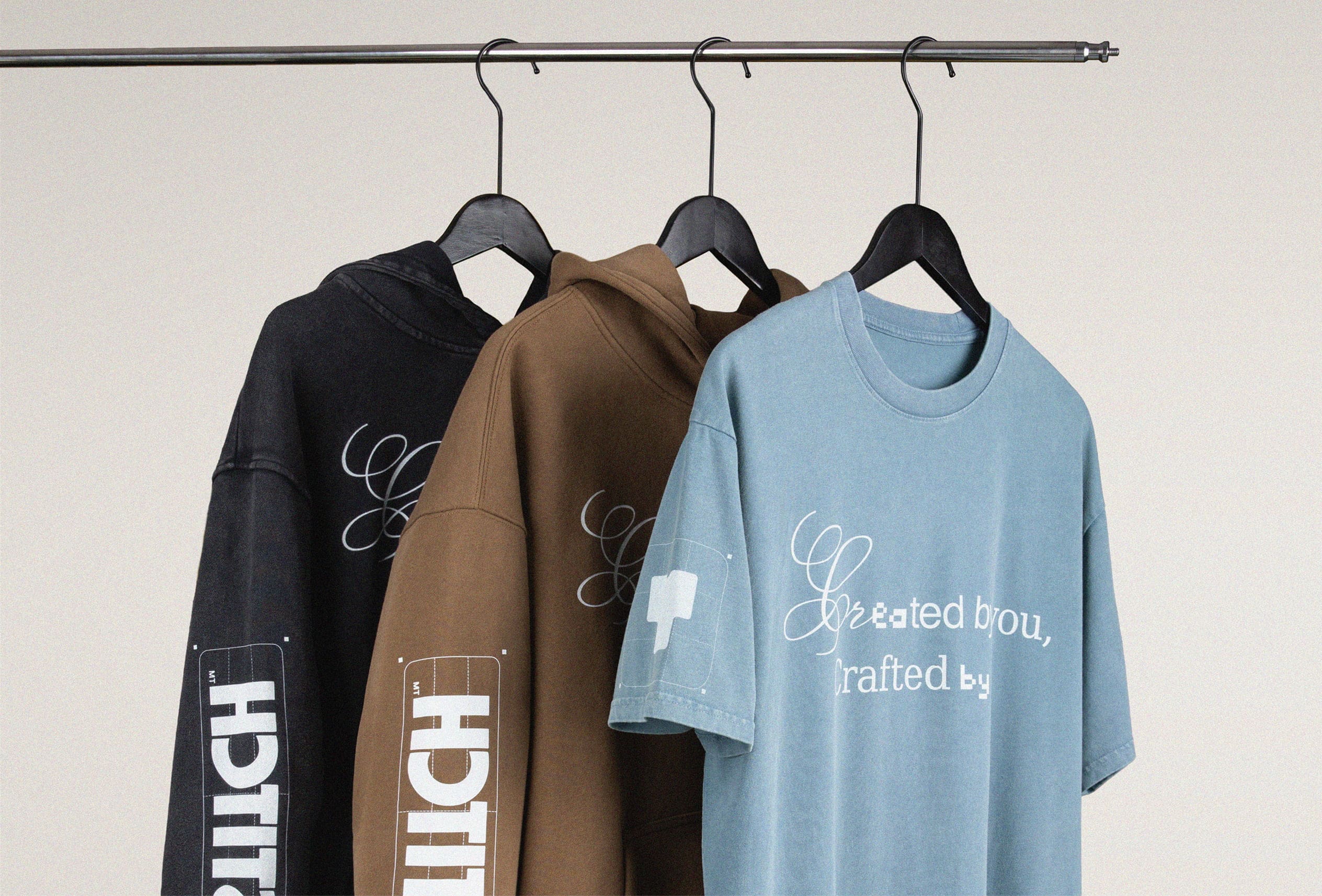







How to Start a Clothing Brand in 10 Simple Steps: 2026 Guide


Starting a successful clothing brand demands skills beyond creative design abilities. While technical expertise in pattern grading, sewing, and draping is crucial for developing future trends, effectively managing the business aspects requires distinct competencies.
Fortunately, Tapstitch has worked with many thriving apparel brands that specialize in custom t-shirts and has observed their growth strategies. Based on that experience, here are 10 simple steps to tell you how to start a clothing brand.
10 Simple Steps to Start a Clothing Brand Online
Fortunately, we've simplified the process into 10 easy steps. Follow this guide, and you'll be well on your way to launching your own clothing brand!

1 Conduct Market Research
Effective retail management starts with deeply understanding your industry and target market. Before diving in, take time to explore your potential customer base, identify growth opportunities, and assess the competition. You don't need to jump straight into complex frameworks like SWOT—begin by asking yourself a few practical questions:
Is there a gap in the market that your product can fill?
What are similar products currently selling for?
Who exactly are your customers?
What price point are they comfortable with?
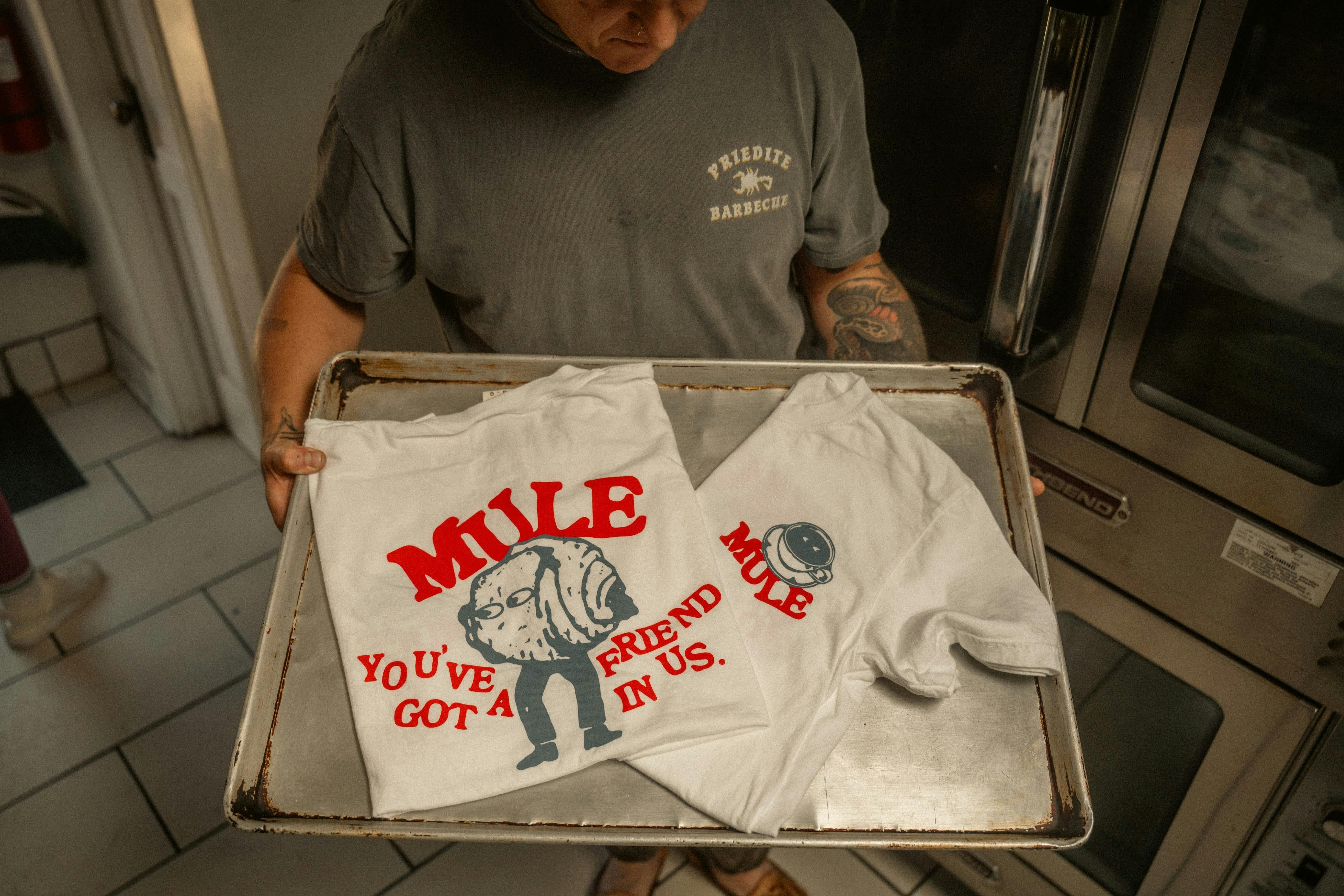
Beyond understanding the market, knowing your product inside and out is equally important. When it comes to t-shirt printing, there are countless options to choose from, and sticking with the first one you find might limit your potential.
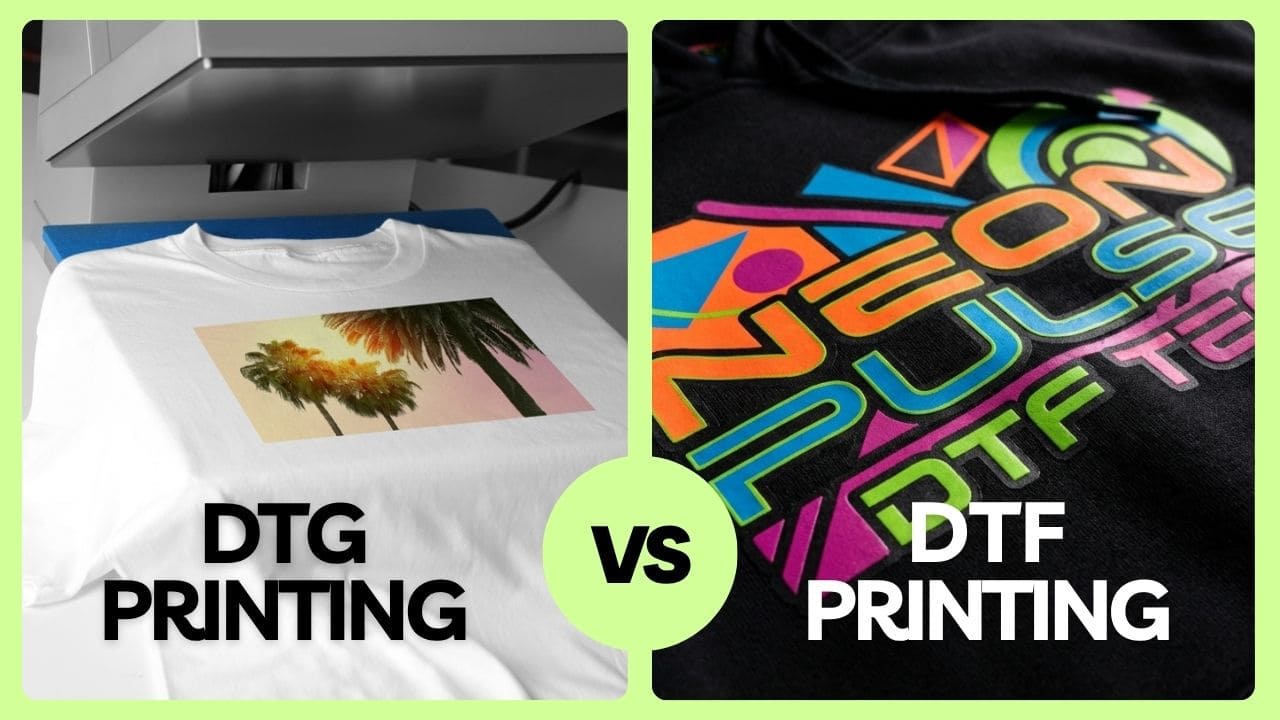
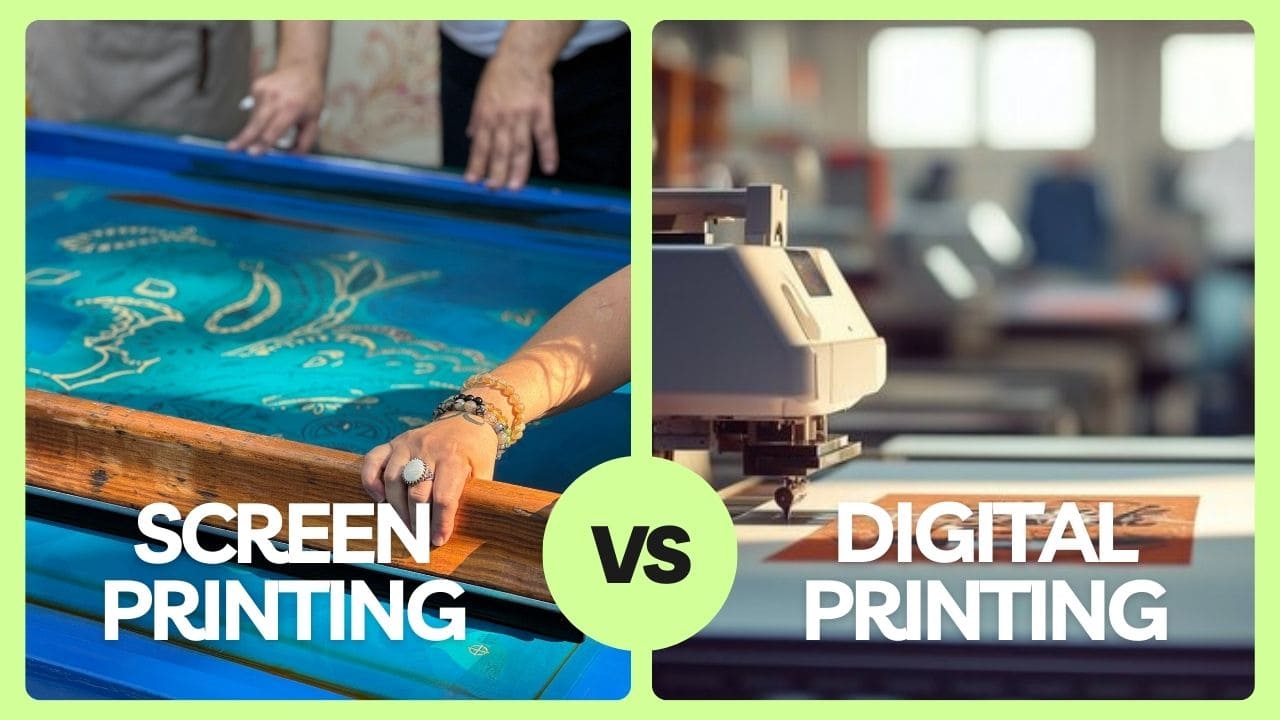
Get familiar with the variety of printing techniques, such as different screen sizes or the contrast between water-based and plastisol inks. Learn about fabric types, shirt styles, and value-added services like custom tags or hem labels. These details—from the shirt's texture to the way it's packaged—can make all the difference in how customers receive your product.
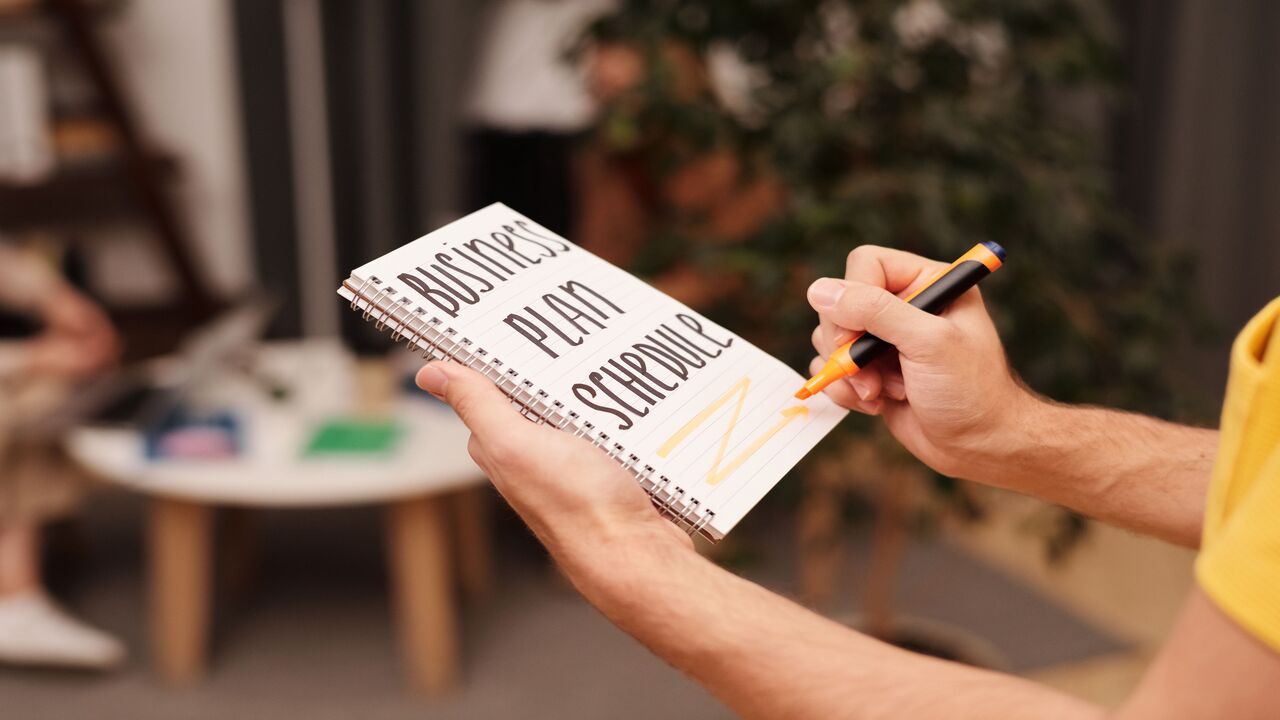
2 Select a Business Plan
Getting clear on your business strategy is key—it helps you figure out how much time, money, and energy you'll need to bring your clothing brand to life. A solid business plan will guide you through each step of building and running a lasting brand. You'll also have the flexibility to work with different manufacturers and explore various product types.
Here are a few business models worth considering:
1. Handmade production: You design and make the pieces yourself, then sell them directly through your own website, markets, or pop-up events.
2. Working with a manufacturer: You design your clothing line, have it produced by a manufacturer, and sell it in bulk to retailers or boutiques.
3. Print-on-demand: You create graphics or patterns printed on blank clothing items like T-shirts, then sell them through your online shop—no inventory is needed.
3 Define Target Audience
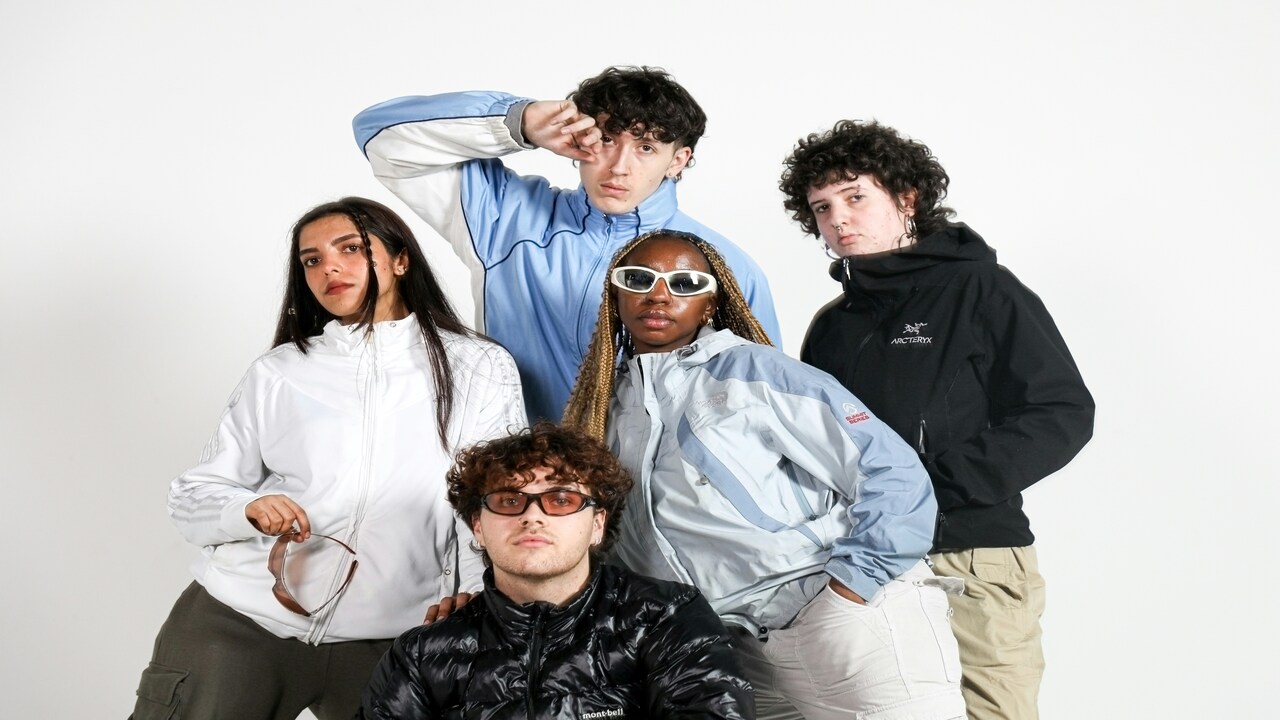
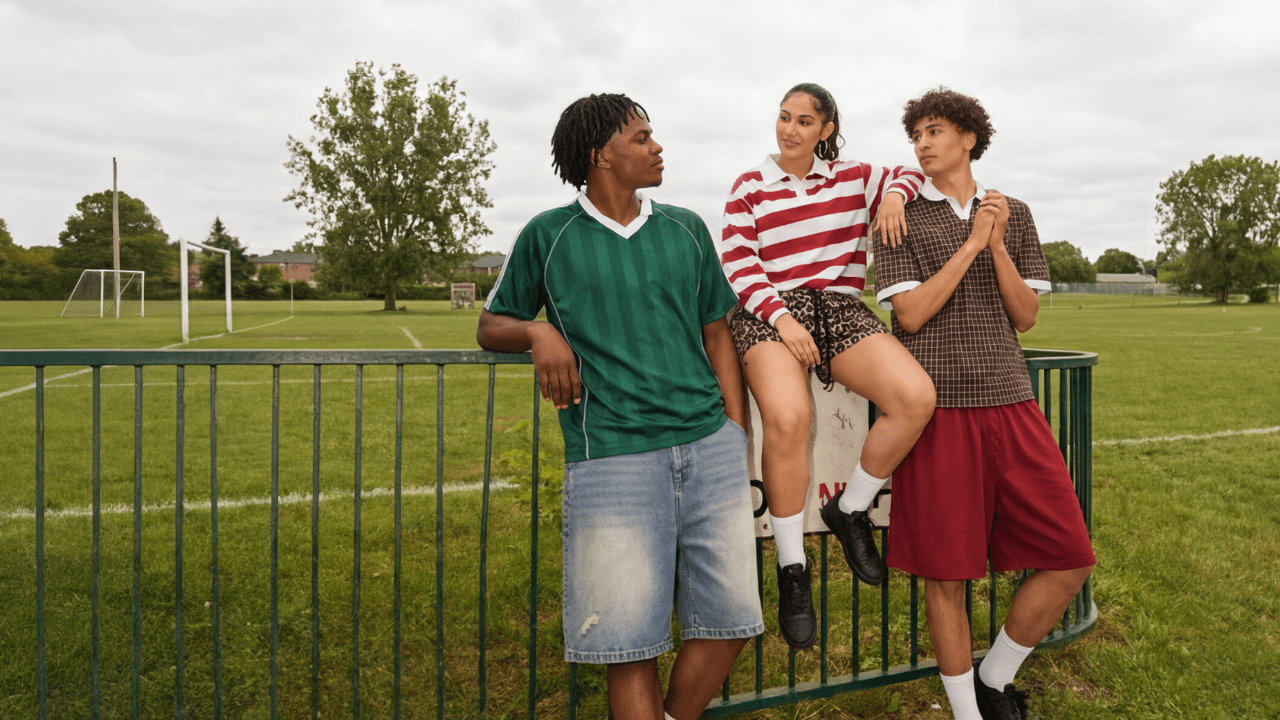
If you're feeling unsure about the direction to take with your designs, start by asking: "Who is my target audience?" For example, someone buying a fishing-themed t-shirt might want a totally different fit and fabric feel than someone shopping for a high-fashion piece.
There are many factors to consider: their age, gender, interests, lifestyle, how trend-savvy they are, whether they lean toward budget or premium products, and even where they usually shop. Many people buy custom apparel as a way to express who they are—your design becomes part of their identity.
These questions are essential as you build your brand. And remember, your audience can evolve over time. Just because you start with one group in mind doesn't mean you're locked in forever. As your brand grows, so might your customer base. The better you understand your audience, the more likely they are to connect with what you're offering—and keep coming back.
4 Create Your Brand Identity
Your brand identity is basically how your business connects with customers. It shapes how people see you and helps you stand out from others. It also shows the level of quality you promise. Getting your brand identity right really helps build customer loyalty and trust over time.
Your brand story tells people who you are and why you started. Putting this into words is super helpful for building trust, especially when you're new and don't have reviews or a big following yet. Keep it short and real – your mission statement is a good place to start. Share what sparked your idea, what makes your products special, and what you believe in.
Use this story everywhere, not just your About page. Sprinkle bits of it on your product pages, packaging, social media, and anywhere else customers interact with you.
Think about Patagonia. Sustainability is core to them, and it shows all over their site. They donate 1% of sales to environmental causes, offer repair services, share DIY guides, and even sell used gear. Their whole brand reflects that value.
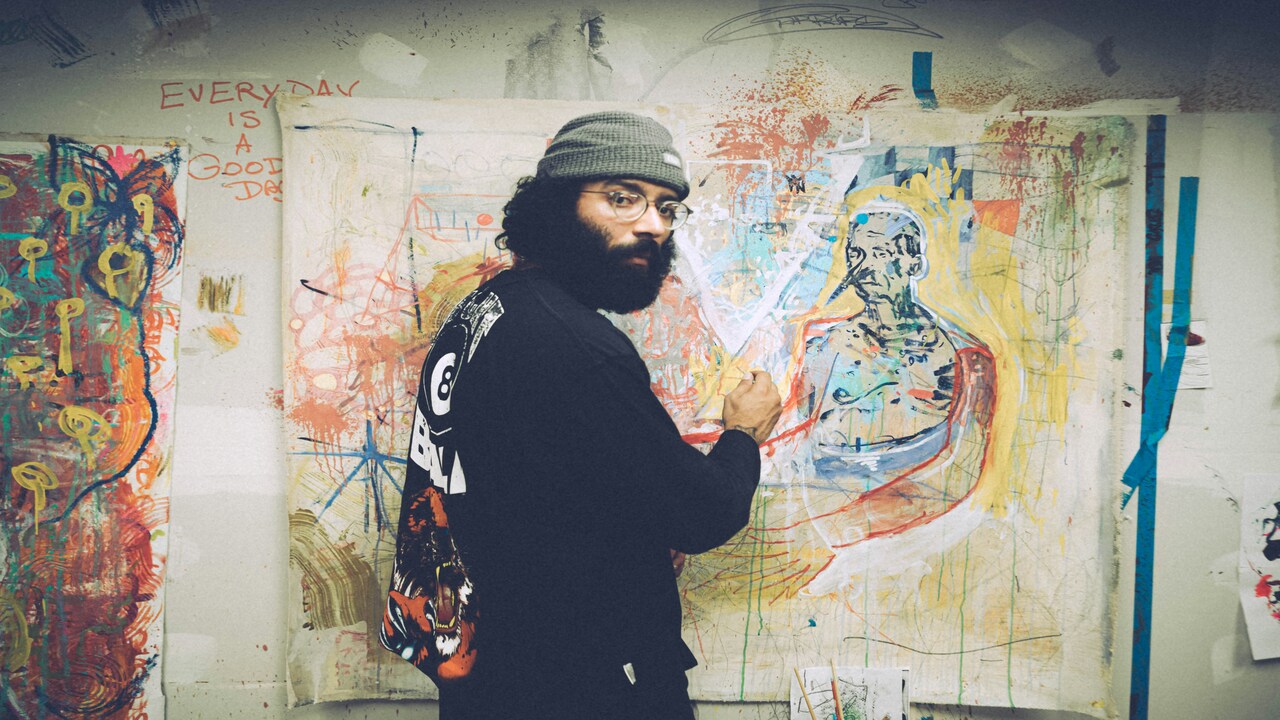
Your visual identity is the look and feel that makes your clothing brand unique. This includes your colors, logo, and fonts – but it's also the overall vibe these things create for customers.
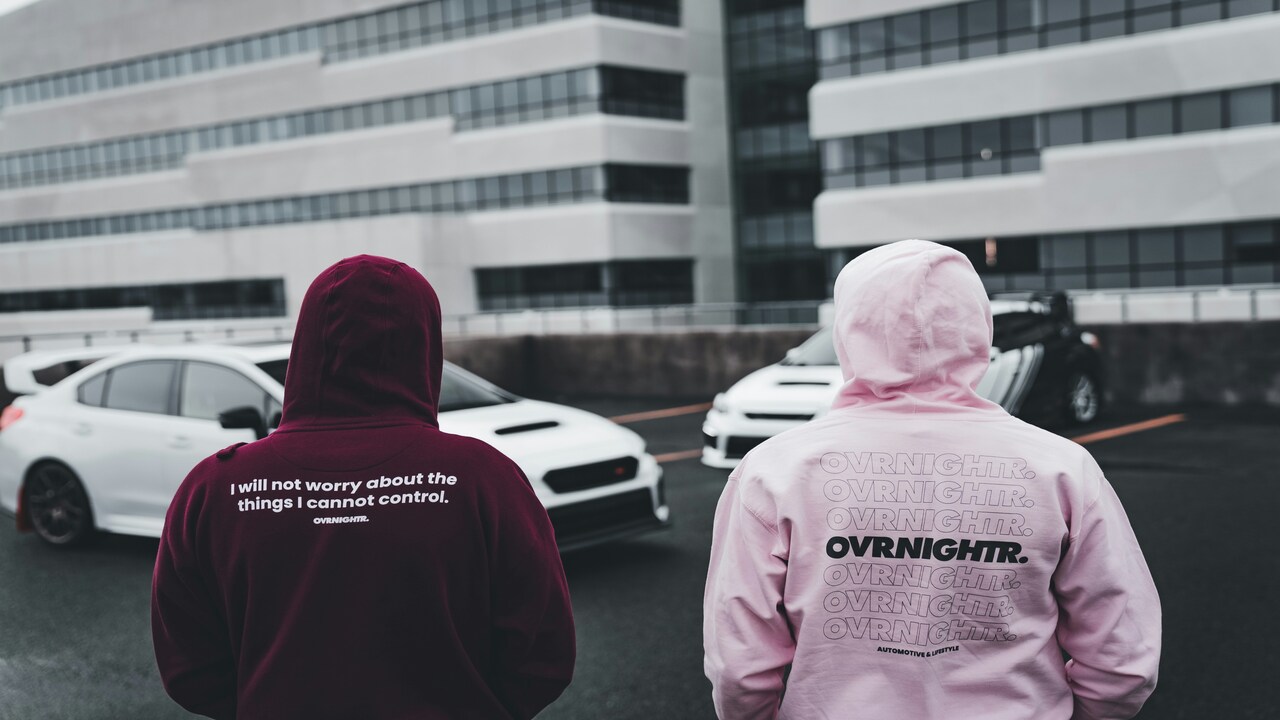
Remember: visuals make the first impression, not your words. Pick a style that fits your niche and values. Bold colors and edgy fonts might work for streetwear, while soft tones and clean layouts could suit eco-friendly brands. Ask: Does this match what my audience likes?
Once you pick your visuals, stick with them everywhere. Consistency makes you recognizable, builds trust, and looks professional. If your brand is playful, let that shine through on social media, emails, and everything.
When all these pieces work together smoothly, your brand feels polished, reliable, and easy to remember.
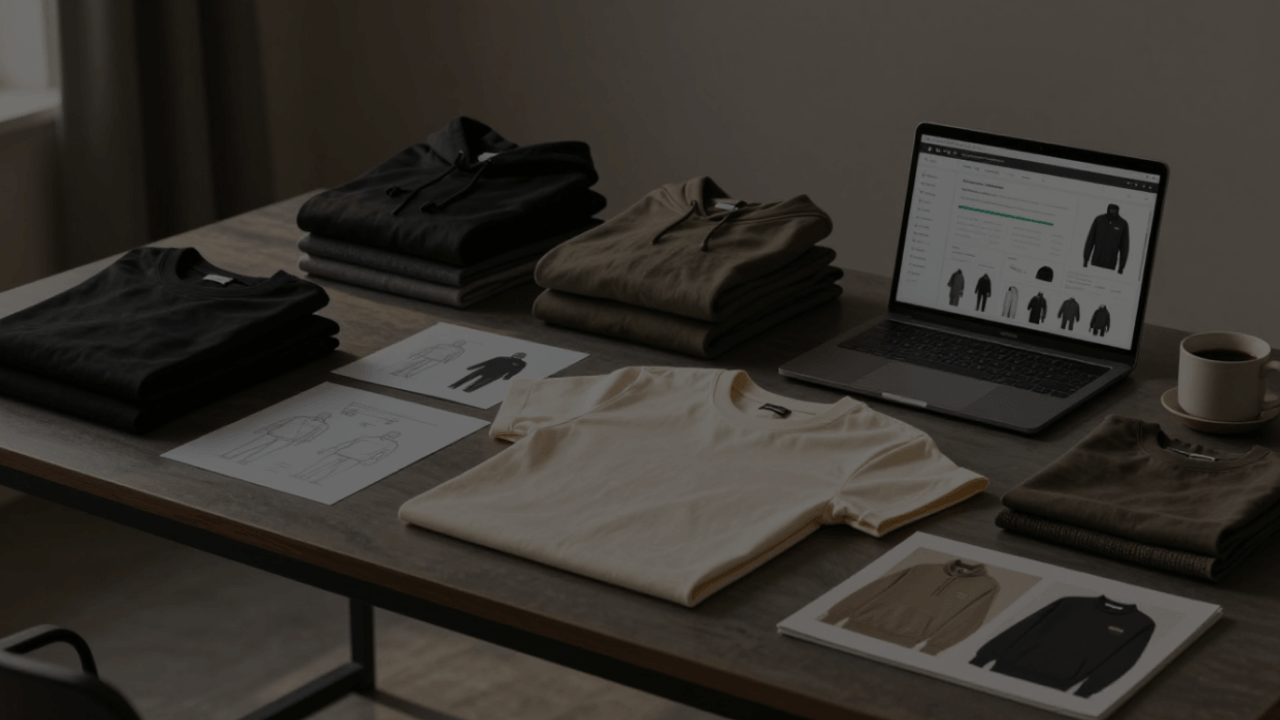
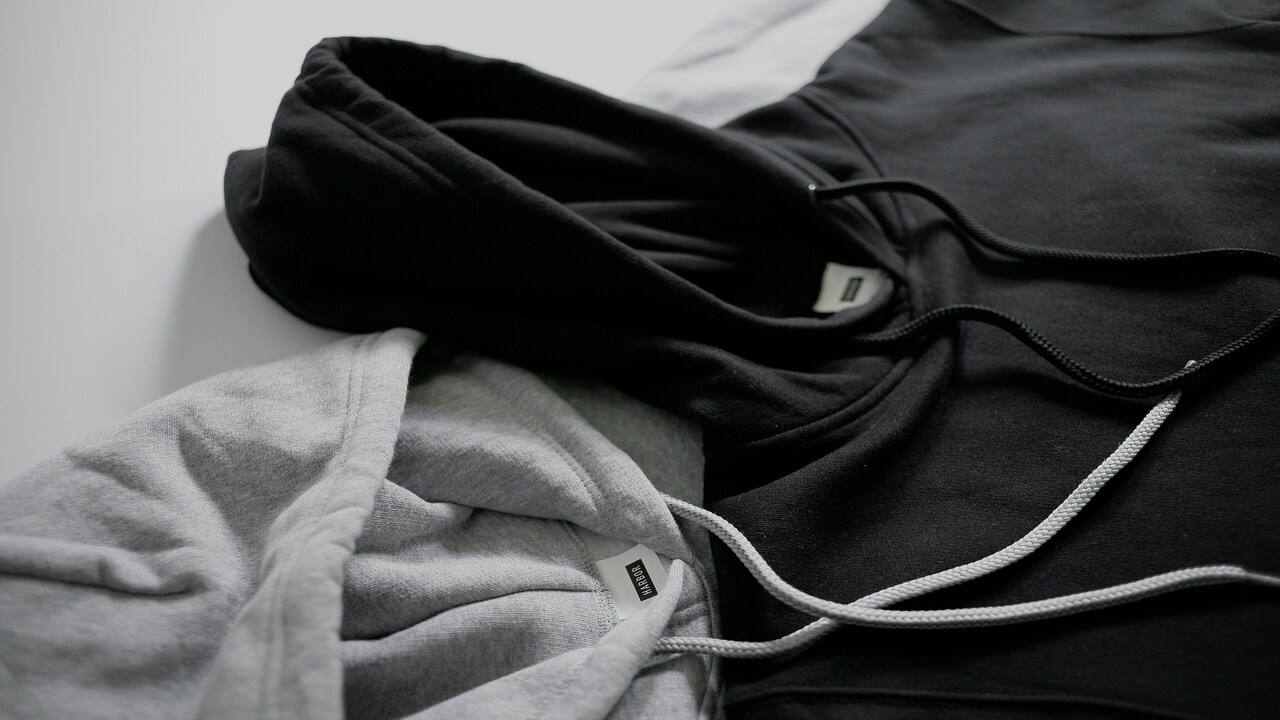
5 Choose Blank Apparel

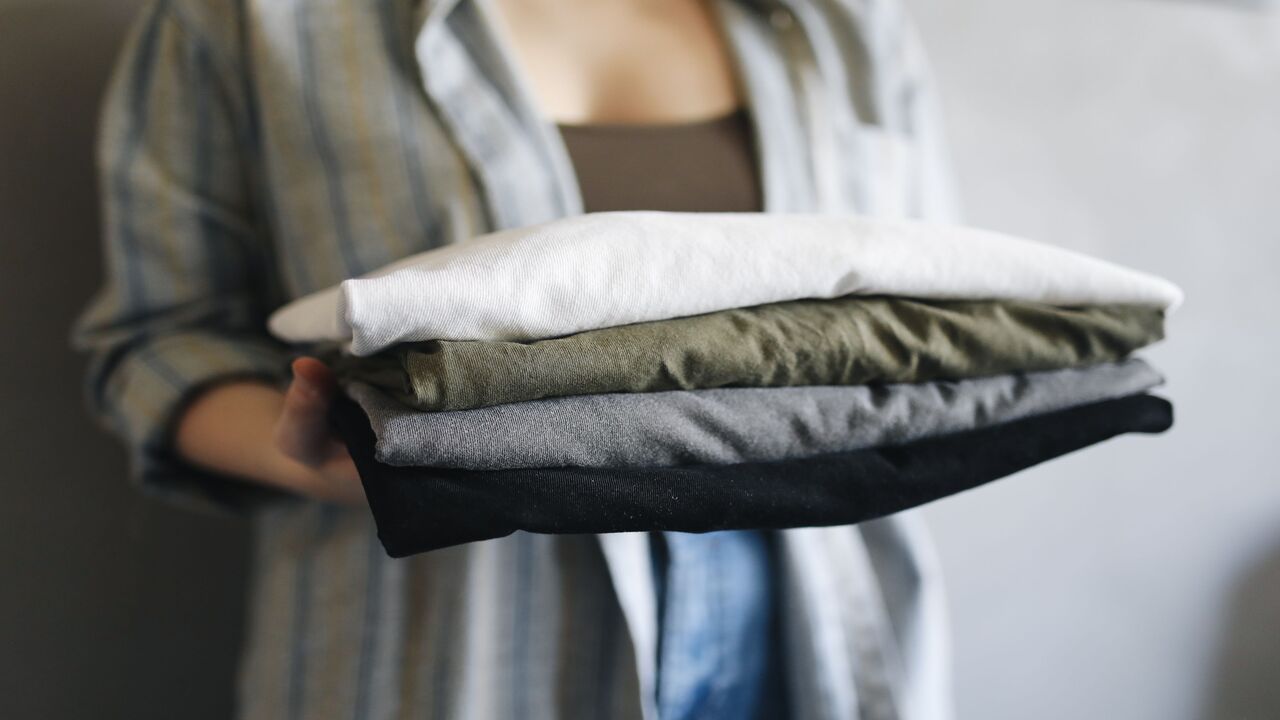
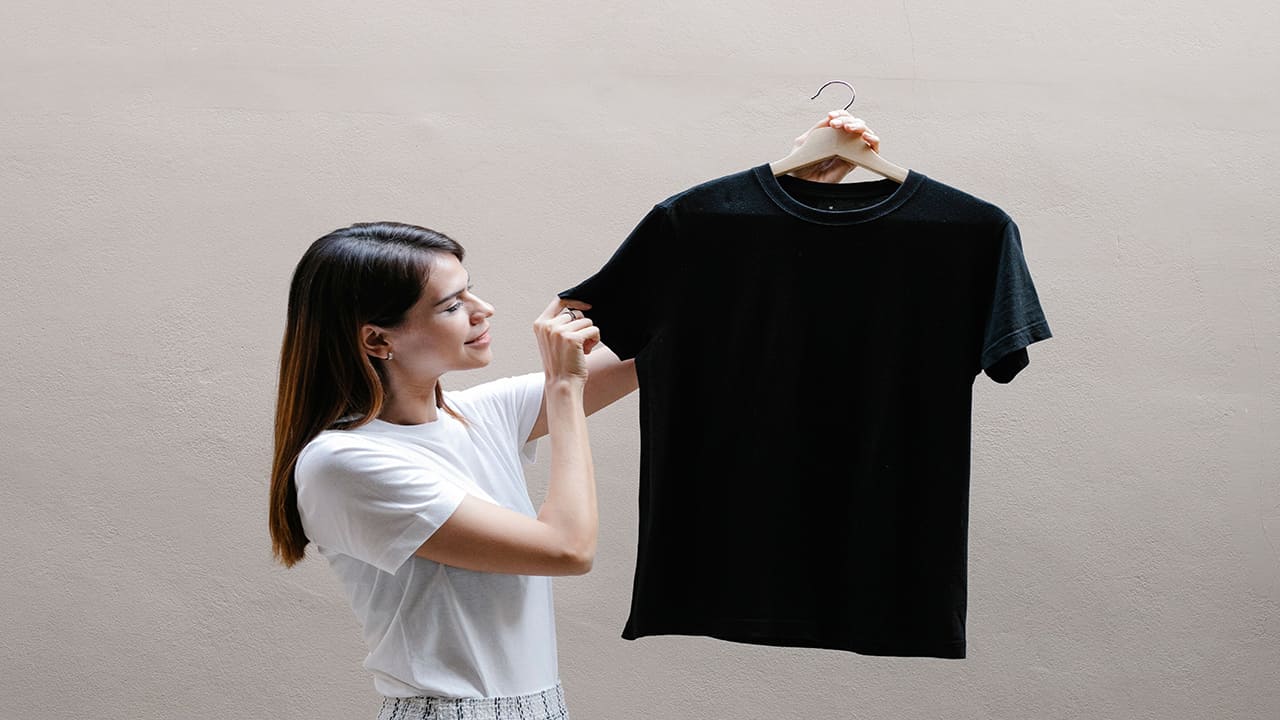
Your shirt needs to feel good, or people will not wear it. So, it's key to pick something that's both comfortable and looks great.
The choices can be overwhelming: different styles, colors, fabric blends, weights, even tags (some tear away!). If you're new to custom tees, it's easy to feel stuck.
Once you've been selling for a while, your sales data becomes your best guide. For example, if heavyweight shirts outsold lightweight 5-to-1 last year, that's a clear sign of where to focus this year. But when you're just starting out, you don't have that information. So what do you do?
Here are a few simple tips to help:
Know your budget first. This lets you maintain good profit margins while offering customers quality shirts.
Don't try to offer every style at once. You don't need your design on every possible tee, tank, long sleeve, and hoodie right away. Start with just 1 or 2 styles max. See if your design really clicks before going all-in.
Generally, it's smarter to offer more designs than styles when starting. Also, remember the season! Launching a line of custom tanks in winter probably isn't the best timing.
For extras like tags, consider offering tear-away or branded tags as a premium upgrade—a nicer version of your basic tee—and see if customers are interested.
6 Design Your Products
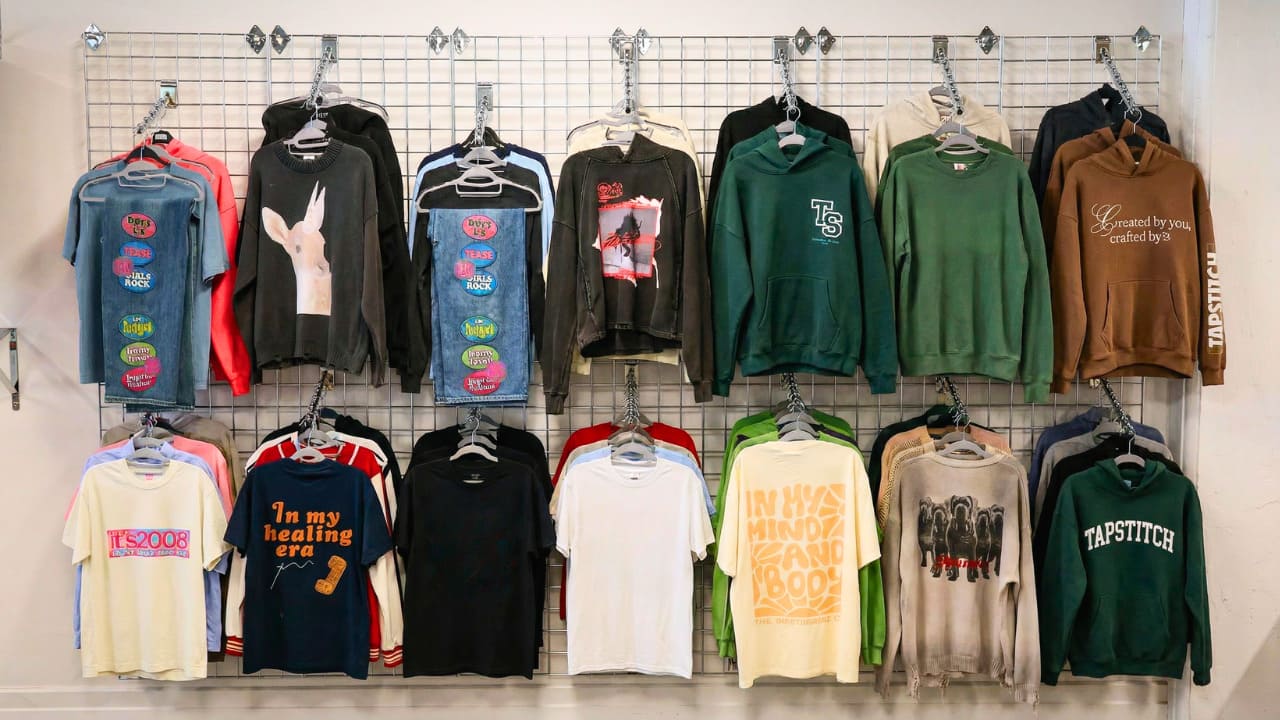
Want your clothing line to hit the mark? Start by keeping an eye on trends. Browse magazines, scroll social feeds, or check out fashion shows to see what styles your potential customers are into. Then, see how your own ideas stack up.
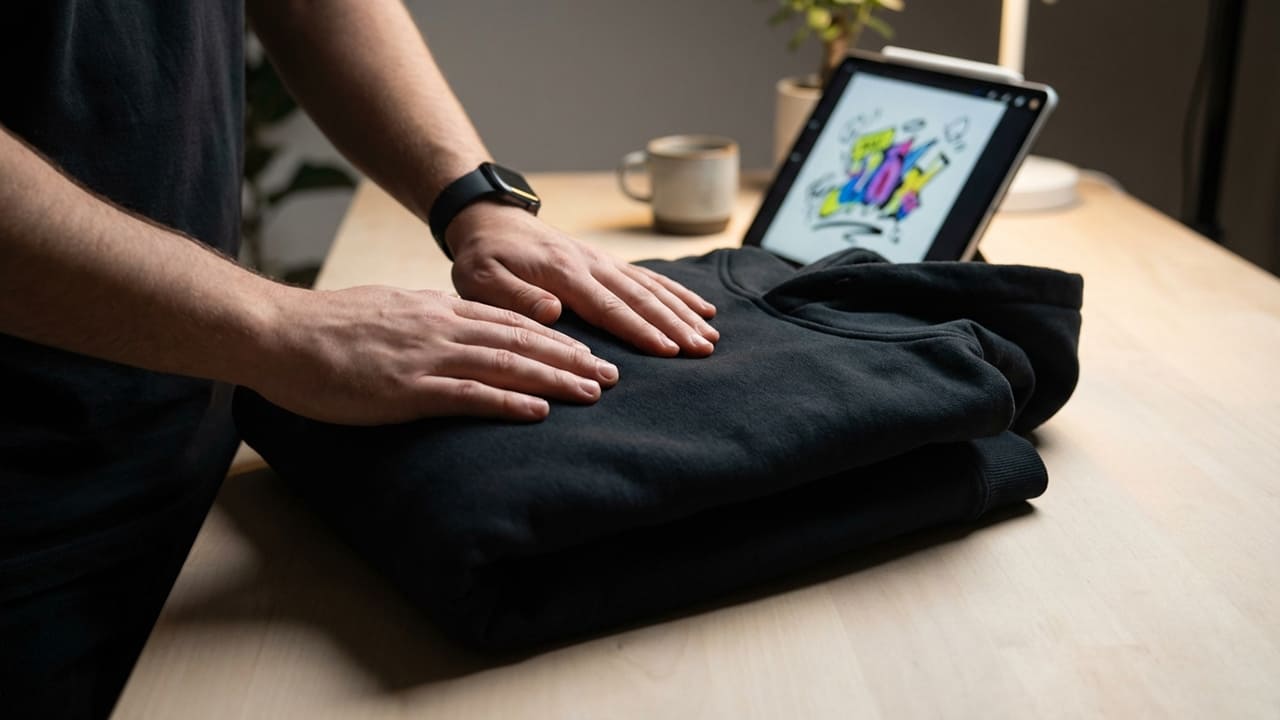
Design your graphics with the specific item in mind. What works for hat embroidery is different from printing on a tee or hoodie. Think about where the design goes, how big it should be, and how it'll look on each piece. Tools like Adobe Illustrator or free options like Tapstitch's free design tool can help you create these.
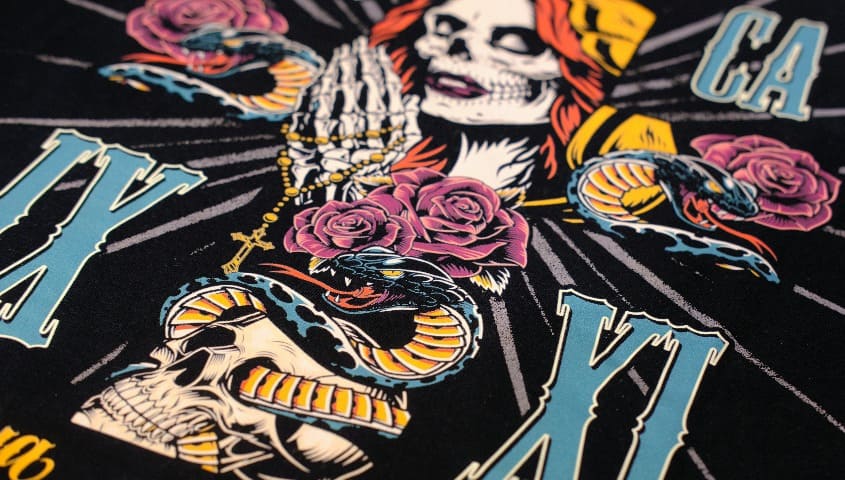
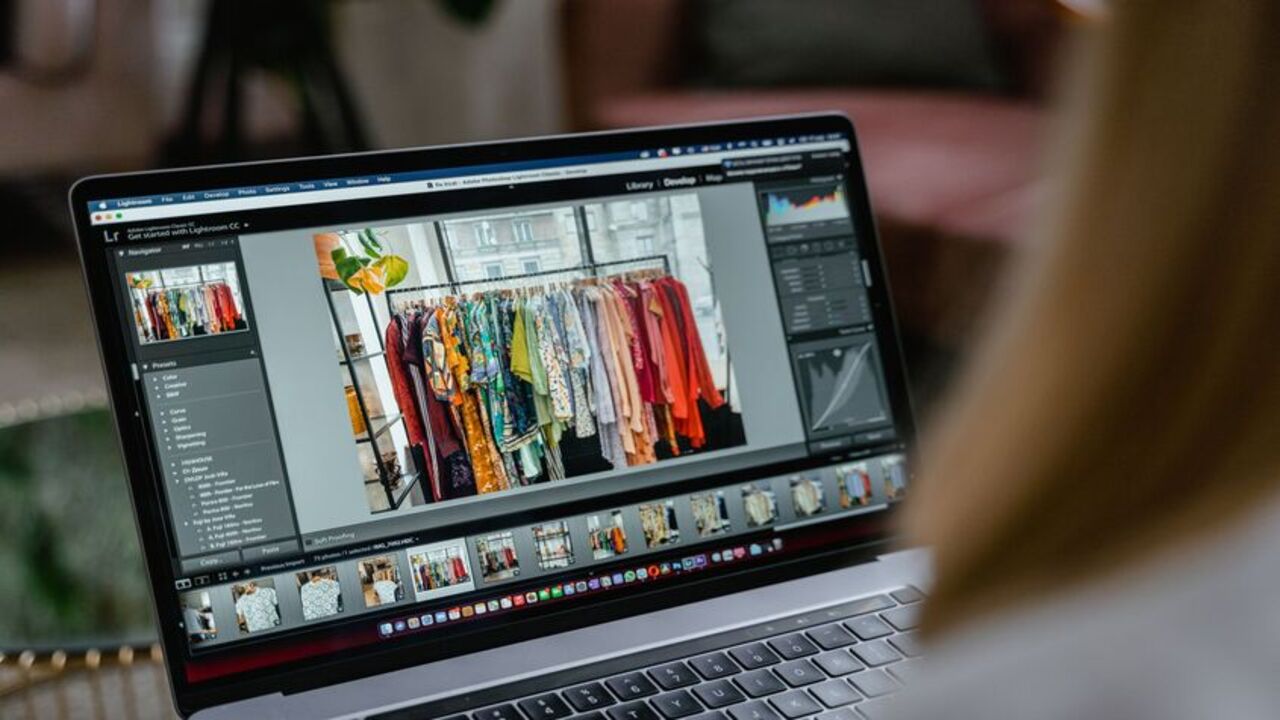
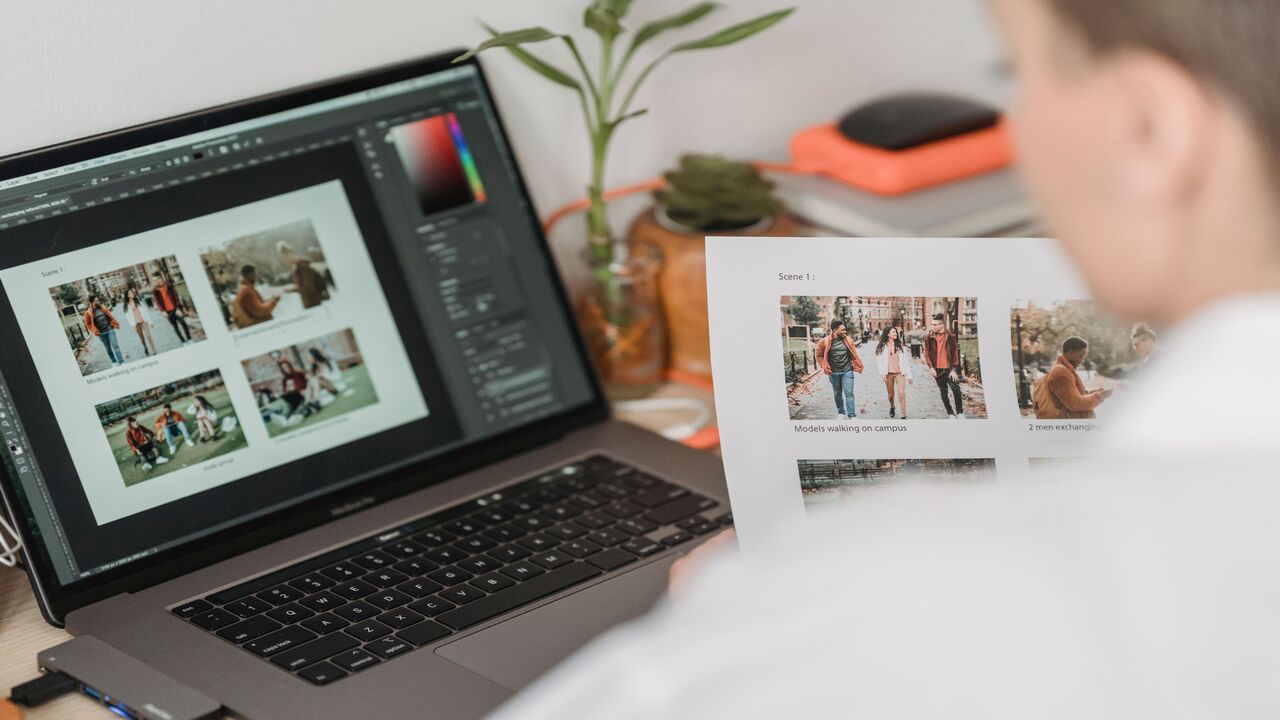
Before you launch, make mockups of your designs on products. These digital previews are faster and cheaper than a full photoshoot, perfect for quickly launching your store. Use them as placeholder images until you can swap them into real photos later.
Always order a sample first if you're using a print-on-demand service like Tapstitch or a manufacturer. Test your actual product before selling it to customers.
Samples cost a bit upfront but save you money (and headaches) later. They let you tweak the design or fix your product descriptions before customers see it. This helps avoid unhappy buyers, returns, or bad reviews caused by things like wrong sizing or poor print quality.
Plus, samples let you test the whole buying experience. Check how fast it arrives, the packaging, and how the item feels. Knowing this helps you market confidently and gives customers a smooth ride from order to delivery.
7 Set Up an Online Clothing Shop
First of all, ask yourself a few key questions:
Where does my ideal customer already shop?
Am I prioritizing speed and reach, or more control and a stronger brand presence?
What works best for my product, budget, and growth goals?
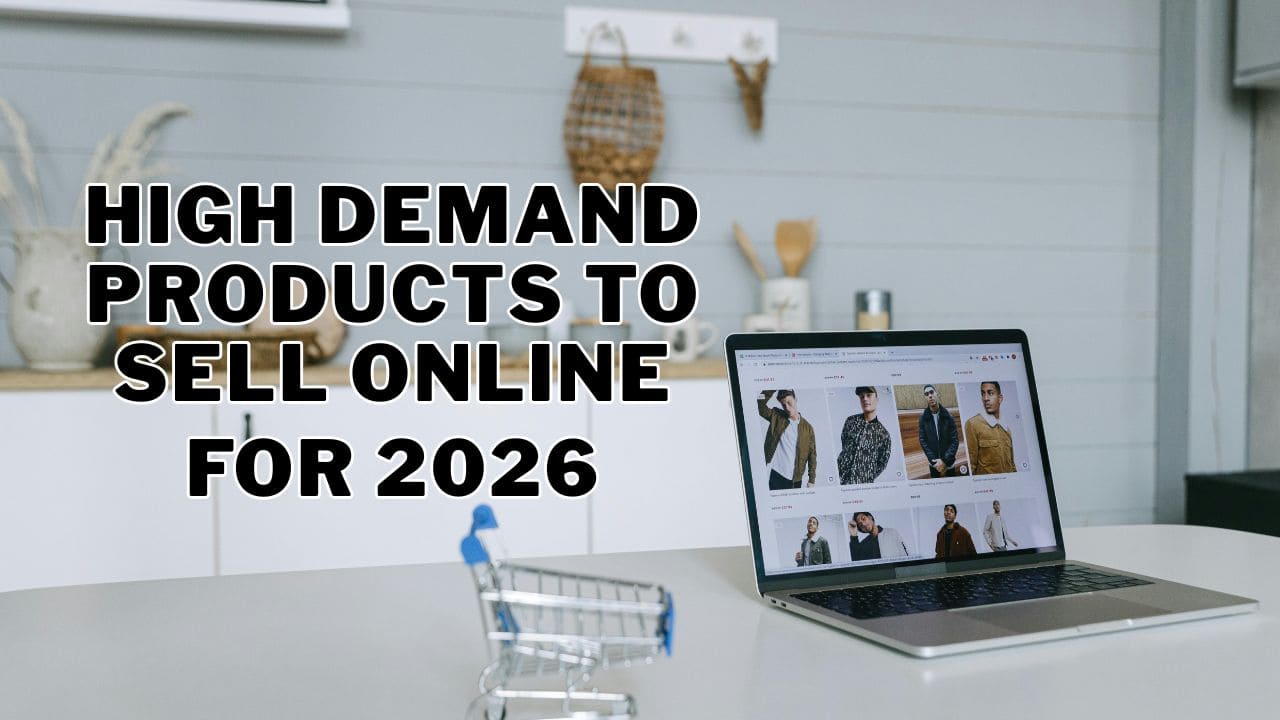
Selling through marketplaces like Etsy, Amazon, or TikTok Shop can quickly get your products in front of a large audience. These platforms are great for testing ideas or reaching niche shoppers, but they come with listing fees, strict rules, and limited control over branding. They're helpful for short-term exposure but not the best option if your goal is to build long-term brand loyalty.
Launching your own online clothing store gives you full control over design, customer experience, and margins. It's a better fit if you want to establish a recognizable brand rather than just selling individual items.
Start with the option that suits your current stage, and expand when it makes sense. Remember, a smooth and consistent shopping experience is just as important as the products you sell.

Once you have your store set up, start adding products. Group them into clear categories so customers can easily browse.
Write detailed product descriptions that include sizing information, fabric details, and care instructions. These details reduce returns and build trust with shoppers.
Strong visuals are essential. Use mockup tools like Tapstitch's Design Maker to create professional-looking product images quickly.
If you're planning a photoshoot, make sure your photos and videos highlight the product clearly and attractively. High-quality media helps customers feel confident in their purchase and understand what they're getting.
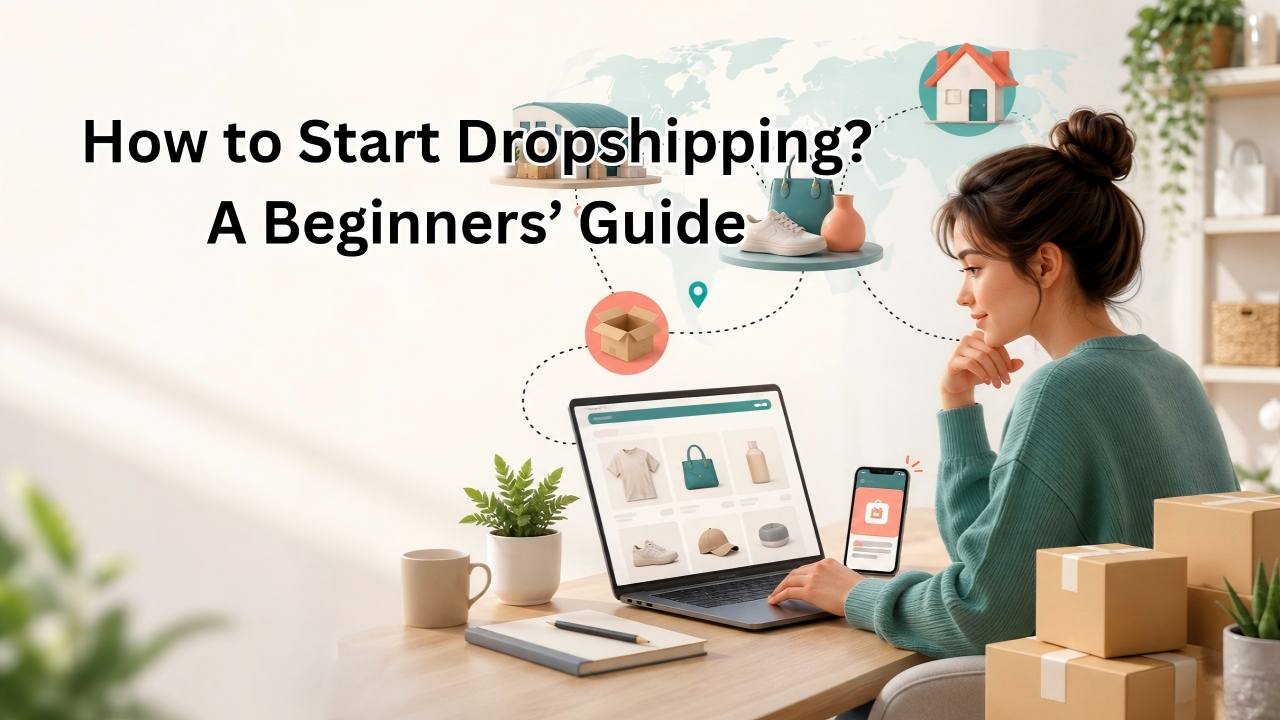
8 Try Dropshipping
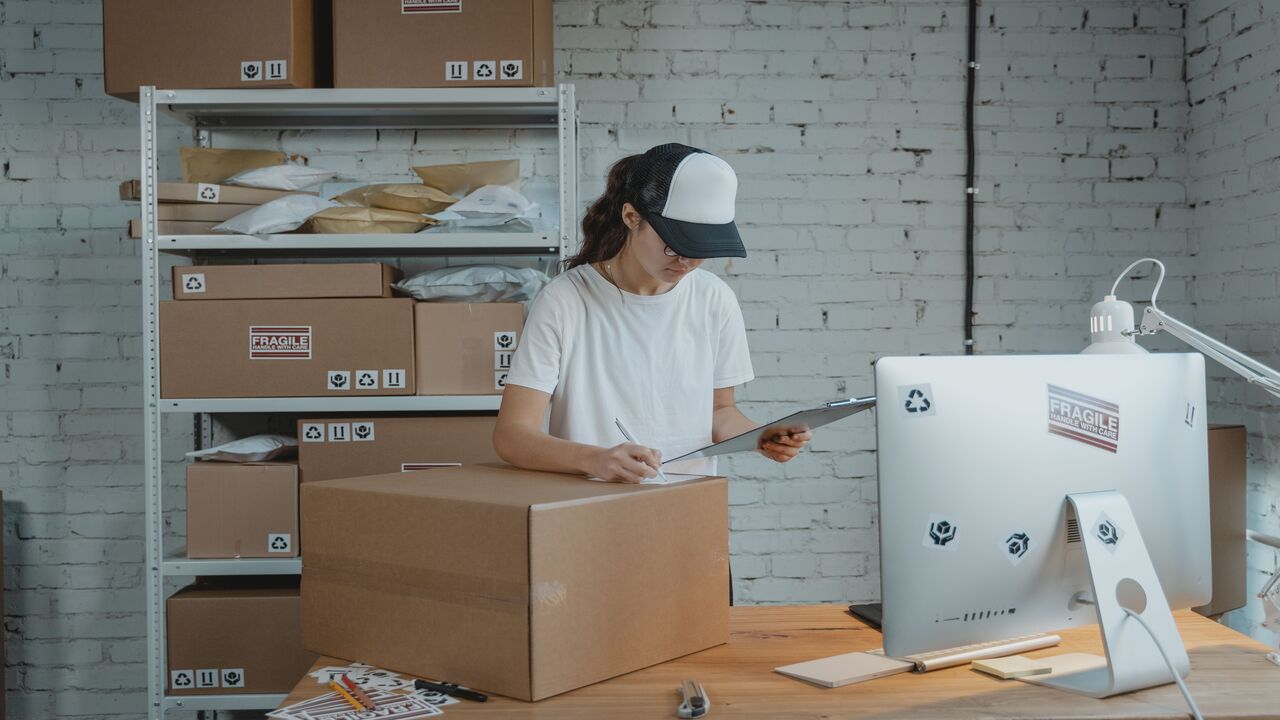
Dropshipping is an online selling model in which you don't keep the products yourself. Instead, you buy them from a supplier who ships them directly to your customers. The key is to make sure the products you want to sell are available in your supplier's catalog and that they support an order management system for dropshipping.
This method is one of the easiest and most affordable ways to start an online clothing store with little to no upfront investment. You don't need to buy or store inventory, which cuts out storage costs. You also don't handle shipping or distribution. With this setup, you only pay for products after a customer places an order—meaning you're not stuck with unsold items.
Advantages:
- Low startup costs with no inventory to manage
- Easy to scale and sell globally
- Great for testing products or launching quickly
Disadvantages:
- Lots of competition since products aren't exclusive
- Less control over shipping speed and quality
- Lower profit margins compared to bulk ordering
If you're a new fashion designer, you can pair dropshipping with print-on-demand services like Tapstitch to offer your own designs without managing production. The time and money you save can be invested in building your store, marketing your products, and growing your brand.
9 Market Your Clothing Brand
Growing your customer base takes time and consistent effort. A solid marketing and sales plan will help you determine how people discover your brand, why they want to buy, and what keeps them coming back for more.
Here are a few practical ways to promote your clothing brand:
Writing SEO Blog
Blogging is one of the most cost-effective ways to attract attention to your clothing line. To make it work, you'll need to use search engine optimization (SEO). This means including the right keywords in your content so your articles rank well on Google. With good SEO, your blog posts can reach a large, targeted audience without paid ads.
Leverage Social Media
Platforms like Instagram, Facebook, TikTok, and Pinterest are perfect for showcasing your products and building a community. Set up business accounts and focus on the platforms where your audience spends the most time.
Keep your branding and tone consistent across all your channels. Post regularly, share behind-the-scenes content, and respond to comments and messages to keep engagement high. Use stories, reels, and posts to tell your brand story and connect on a personal level.
Remember social proof—share reviews and testimonials on your social pages to build trust with potential customers.
Run Paid Ads
Paid ads help you reach a wider audience quickly. Learn the basics of ads on platforms like Instagram, Facebook, Pinterest, and Google. Each offers different ad formats such as photo, video, and carousel ads, so choose what works best for your target market.
Start small with a test budget. Experiment with visuals, messaging, and CTAs to see what performs best. Use tools like Canva to design eye-catching ads without hiring a designer. Once you know what works, increase your budget on the most effective campaigns.
Monitor your ad performance constantly so you can adjust and improve over time. The goal is to spend smart and get the best return on your investment.
Join Online Communities
Fashion-focused communities—whether on Facebook groups, niche forums, or subreddits—are great for connecting with potential customers. Participate by sharing helpful tips, style advice, or industry insights rather than just promoting your products. This builds trust and positions your brand as authentic.
You can also create your own community, such as a private Facebook group or an email newsletter. This gives you a direct line to people interested in your brand, where you can share exclusive content and strengthen relationships over time.
10 Analyze, Grow, and Scale
Building a successful clothing brand requires ongoing effort beyond the initial launch. Growth stems from attentively listening to the market, making adjustments, and focusing resources on proven successes. Examining established competitors offers valuable insights into effective practices and common mistakes, potentially accelerating your own development.
Focus on Key Performance Metrics
Utilize data to inform decisions. Prioritize tracking:
- Top-performing items
- Website visitor behavior and sales conversion rates
- Effectiveness of email campaigns and advertising
- Customer repeat purchase rates
This analysis clearly indicates strengths and areas needing improvement.
Expand Strategically, Not Just Broadly
Effective brand development involves:
- Introducing new items that align with the brand's core identity
- Experimenting with limited-edition releases
- Aligning product launches with seasonal trends
- Avoiding overextension, targeted growth yields better results than excessive diversification.
Optimize Operational Systems
Increasing order volume necessitates strengthening backend processes:
- Automate order fulfillment and customer communication workflows
- Consider dedicated warehousing or manufacturing partnerships for larger Scale
- Enhance inventory control and order tracking accuracy
These measures maintain business efficiency and profitability as demand grows.
Significant sales growth can lead to logistical challenges, such as exceeding in-house storage and shipping capacity. In such cases, it is advisable to explore third-party fulfillment solutions. These services integrate with eCommerce platforms, manage inventory (including externally sourced goods), store products, and handle individual order shipping, offering substantial time and space savings.
How Much Does it Cost to Start a Clothing Brand?
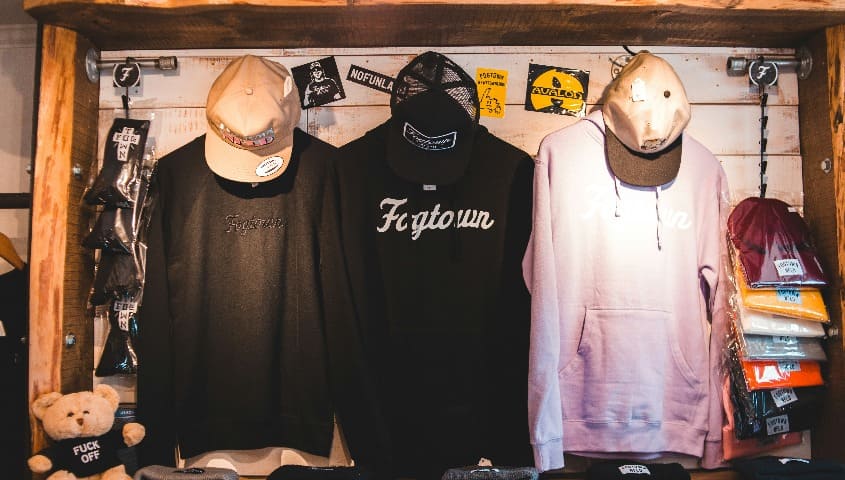
Establishing an online store requires a variable financial investment, ranging from minimal costs to over $100,000. There is no fixed price, as expenses differ significantly between businesses. For instance, a small operation might invest between $1,000 and $10,000, whereas a large enterprise could spend $50,000 to $100,000. These differences primarily stem from three factors: the complexity of market entry, the desired operational mobility (such as running a home-based venture), and the intended growth potential.
For those aiming to launch a small clothing business from home with minimal upfront capital, Print on Demand (POD) represents the most streamlined approach. This model involves creating designs, listing products for sale, and only initiating production and shipping after receiving customer orders. It eliminates the need for holding inventory, bulk fabric purchases, or the risk of unsold stock.
Other accessible entry models include:
1. Dropshipping: Acting as an intermediary between suppliers and customers. While this minimizes hands-on involvement, it also reduces direct control over products and fulfillment.
2. Wholesale Reselling: Purchasing basic garments at wholesale prices and then customizing or branding them. This requires initial inventory investment but typically offers higher profit margins per item.
More complex models, such as white-label manufacturing or cut-and-sew operations, provide complete creative authority over the final product. However, they demand significant preparation, including securing manufacturing partners, managing production schedules, sourcing specialized fabrics, and establishing custom patterns – all substantial undertakings before generating any sales revenue.
How to Start Your Own Clothing Brand: FAQs
Why choose Tapstitch to start your clothing line?
Choosing Tapstitch to start your clothing line gives you a head start in both creativity and commerce. With years of experience supporting successful fashion brands, Tapstitch offers streamlined solutions that help turn your design ideas into finished products—fast. From sourcing high-quality fabrics and managing production to handling fulfillment and logistics, Tapstitch simplifies the entire process so you can focus on building your brand. Whether you're launching your first collection or scaling up, Tapstitch provides the tools, support, and industry know-how to bring your vision to life with confidence.
How to start a clothing brand with no money?
Print-on-demand dropshipping is a solid option for starting a clothing line without a huge budget. You create the designs, and your printing partner handles the actual production and shipping directly to customers. This lets you focus on selling your brand while skipping the costs of buying equipment or holding stock.
Do clothing brands make money?
Yes—just make sure you treat it like a real business. A strong brand needs good designs, clear positioning, smart pricing, and steady marketing. Start small, test your products, and reinvest your earnings as you grow. Brands that know their audience and deliver real value carve out their niche.
How do I start my own fashion business?
First, figure out who your brand is and who it's for. Then, pick how you'll make your items – options like Print-on-Demand or traditional manufacturing. Design your first pieces, get legally registered, and plan how to reach your audience. Whether you're selling online or in stores, aim to build a brand people actually know and trust.
How to start a small clothing line from home?
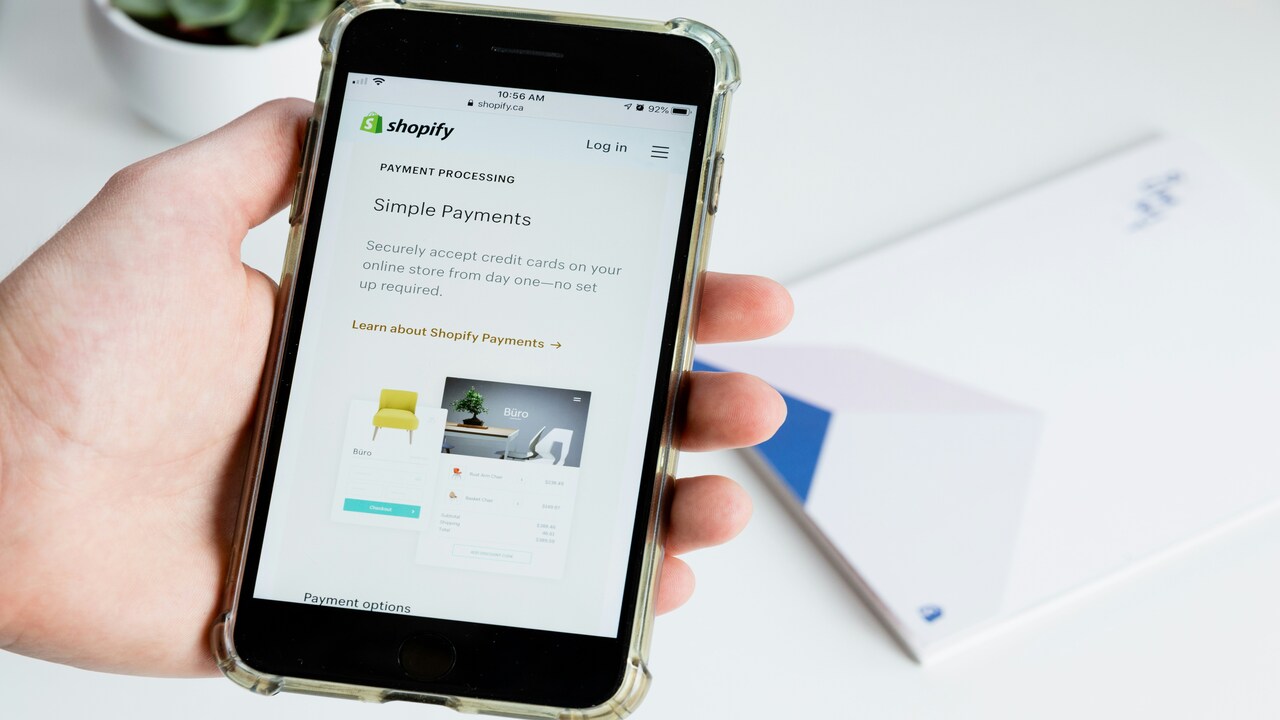
Starting a clothing line from home is simple and can be done right from your computer. Since eCommerce doesn't require a physical storefront, you can launch your brand and sell through platforms like Etsy or Shopify with minimal upfront costs.
How to promote a clothing brand on social media?
There are multiple ways to promote your brand on social media. Begin by identifying which platforms your audience uses most and what trends are popular there.
Once platforms are selected, implement strategies such as:
1. Creating compelling content
2. Using relevant hashtags to expand visibility
3. Organizing giveaway campaigns
4. Collaborating with influencers
5. Encouraging customers to post reviews and photos
6. Promptly responding to follower inquiries
7. Soliciting customer feedback
8. Providing customer support as needed
How to Start a Clothing Brand: Final Words
Starting a clothing brand isn't a quick or easy press, but it'sely possible. This guide has outlined a practical approach to launching an online store with minimal costs. The global clothing market and the rise of eCommerce create huge opportunities for those ready to take advantage of them. With a solid business structure and a clear strategy, building your own brand is more achievable than ever. Print on Demand eliminates upfront expenses, allowing you to focus on design, brand storytelling, and business growth.
Start designing with Tapstitch, follow your passion, and take your business online. While the process has its challenges, the potential rewards are well worth the effort.
.png)

.jpg)
.jpg)
.jpg)
.jpg)
.jpg)
.jpg)






.png)



.png)
.webp)

.jpg)







.jpg)



.jpg)

.png)
.jpg)


.jpg)
.jpg)


.jpg)
.jpg)
.jpg)
.jpg)
.jpg)

%20(1).jpg)
.png)

.png)


%20(1)%20(1).jpg)





.png)
.png)


.jpg)

.jpg)
.jpg)