






What to Sell on Shopify? 2026 Trending Products
.jpg)


The internet is loud, crowded, and full of personal "brands", but don't let that discourage you. There's still plenty of room, especially if you're starting a business. The question of what to sell on Shopify has evolved. Standing out in 2026 means selling something that bleeds culture, authenticity, and intent.
The trick is spotting where the money moves before the crowd does. Here is Tapstitch's field guide to the best products to sell on Shopify, in an ever-noisy, ever-evolving economy.
What’s Shopify?

Think of Shopify as the digital architecture of your brand. If marketplaces like Amazon or Etsy are akin to renting a stall in a crowded, noisy bazaar, Shopify is building a standalone flagship store. You aren't competing for attention in a shared feed; you are curating a controlled environment.
It is the difference between access and ownership. On a marketplace, you rent their audience. On Shopify, you build your own asset. It serves as the proprietary nervous system for your business, scaling effortlessly from a bedroom project to a global fashion house like Kith or Supreme without ever hitting a glass ceiling. It is the infrastructure of autonomy.
Why Choose Shopify to Sell?
You choose Shopify because you want to be a CEO, not a user. When you sell on a marketplace, you are building their brand. When you figure out how to sell on Shopify, you are building yours.
- Data Sovereignty: The most valuable asset in 2026 is your email list. Shopify gives you total ownership of your audience.
- Aesthetic Freedom: No two Shopify stores need to look alike. You can code, design, and tweak every pixel to match your vision.
- The App Ecosystem: It’s modular. Need to add a loyalty program? A pre-order system? A direct link to a manufacturer like Tapstitch? All of these are accessible and intuitive with Shopify.
- Profitability: Ultimately, learning how to make money on Shopify comes down to margins. By owning the platform, you avoid the high transaction fees that marketplaces skim off the top.
What to Sell on Shopify: Top 10 Trending Products
Note: You might see people asking "what to sell on Etsy," but that's for hobbyists. Shopify is for scaling. Here is where the market is shifting.
We have analyzed Shopify trending products over and over again and keep our finger firmly on the pulse of what's dominating feeds. These are commonly more than just products; they are cultural.
1. Print-on-Demand Fashion
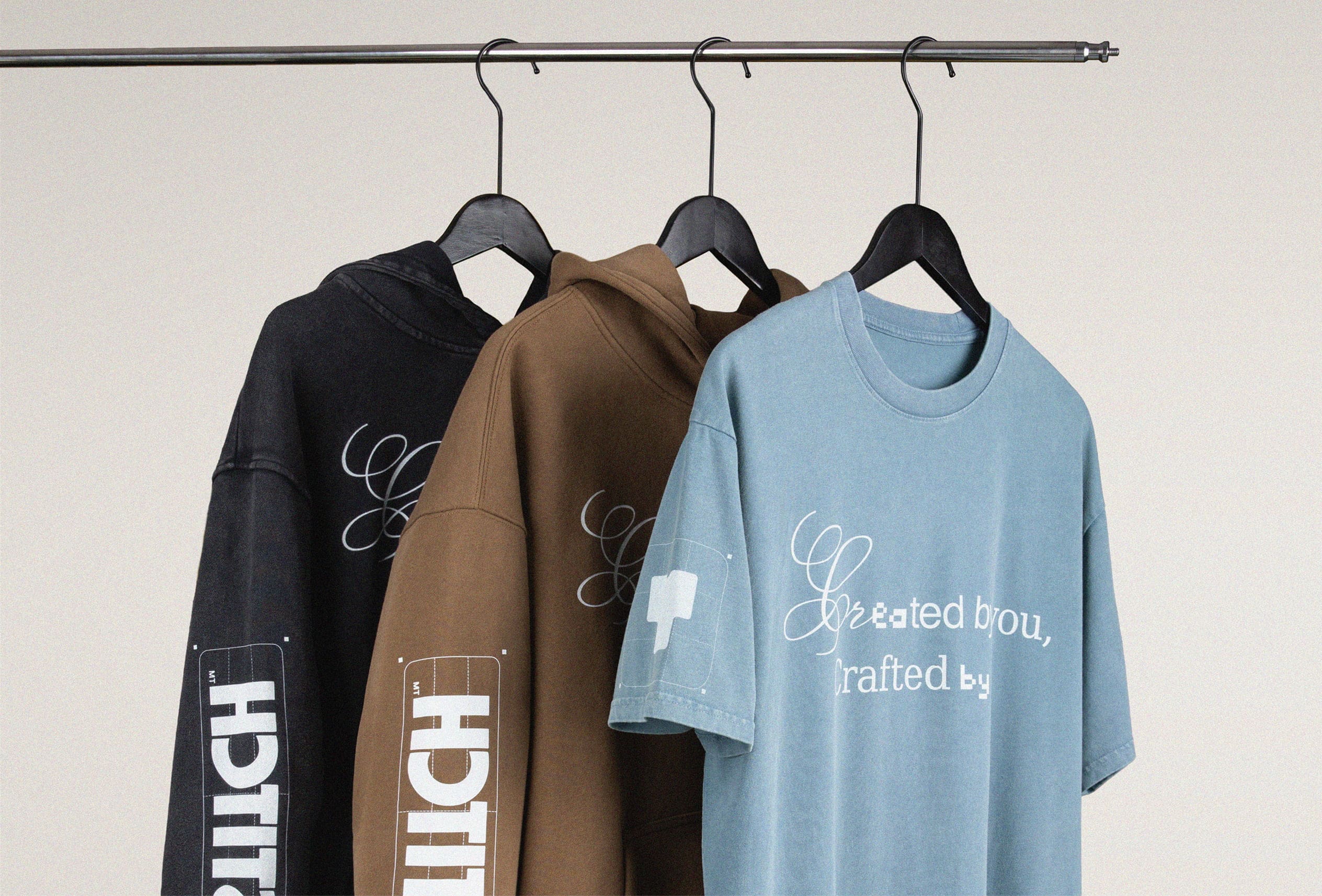
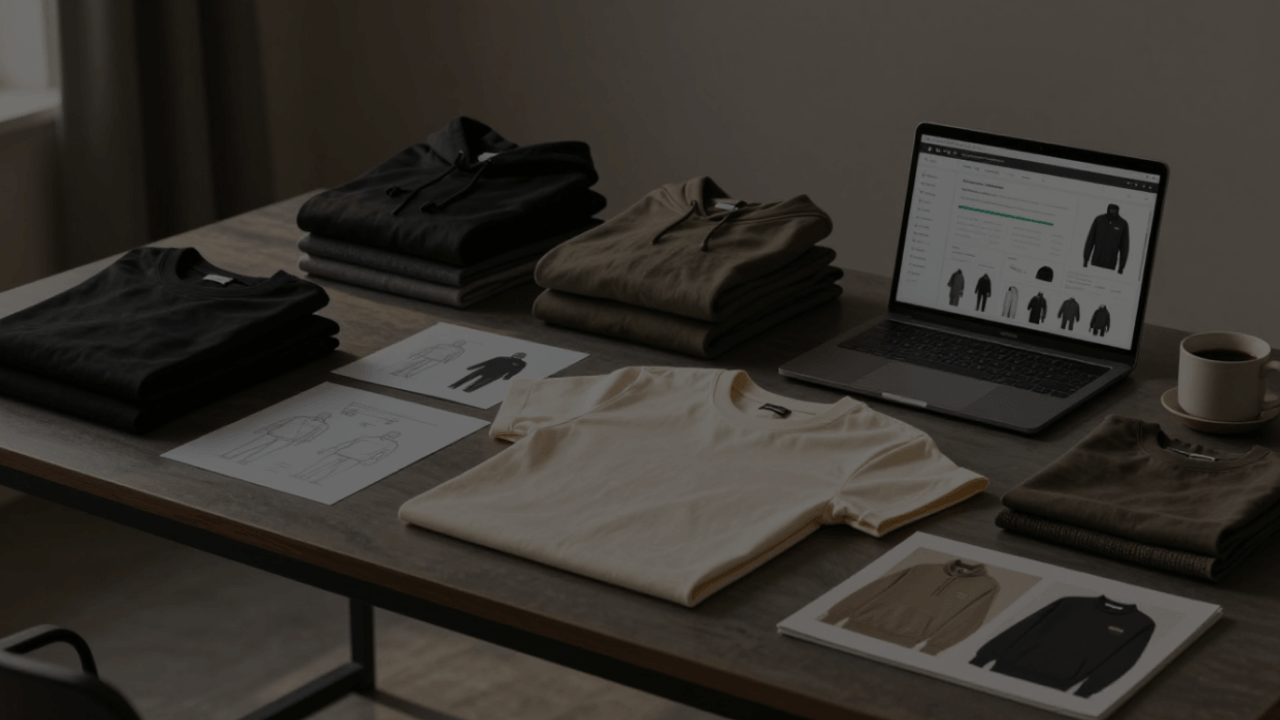
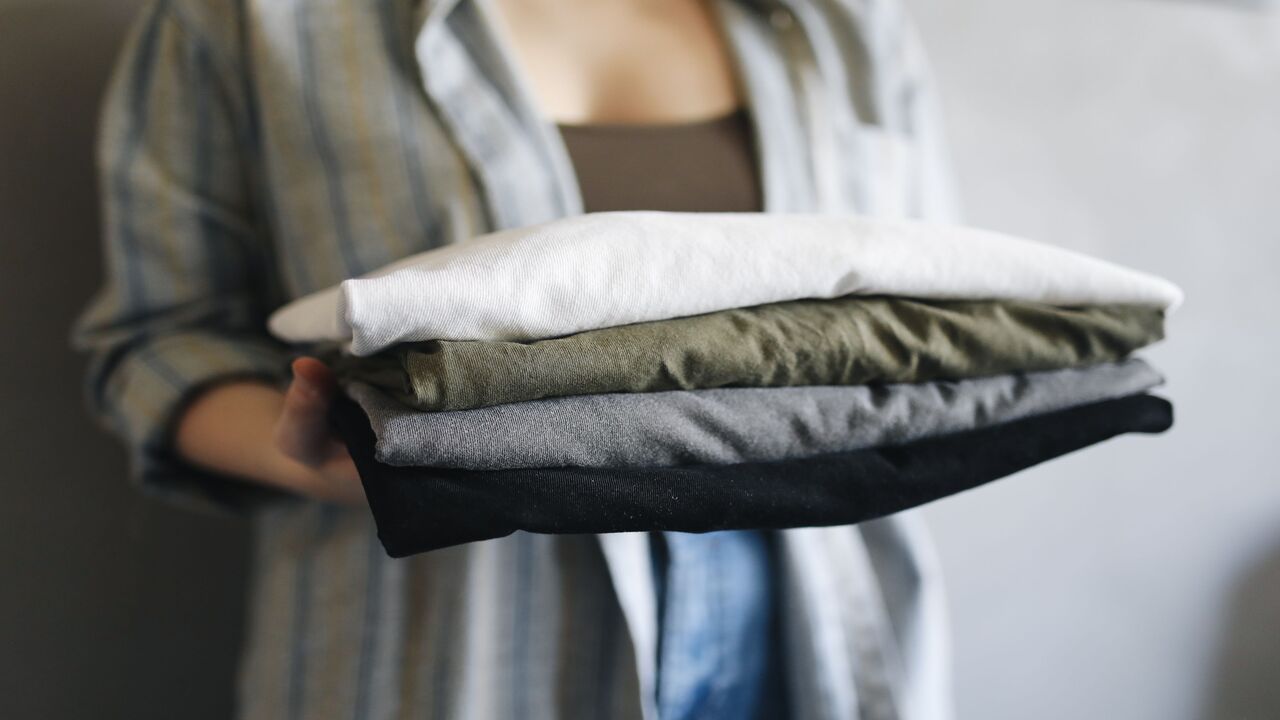
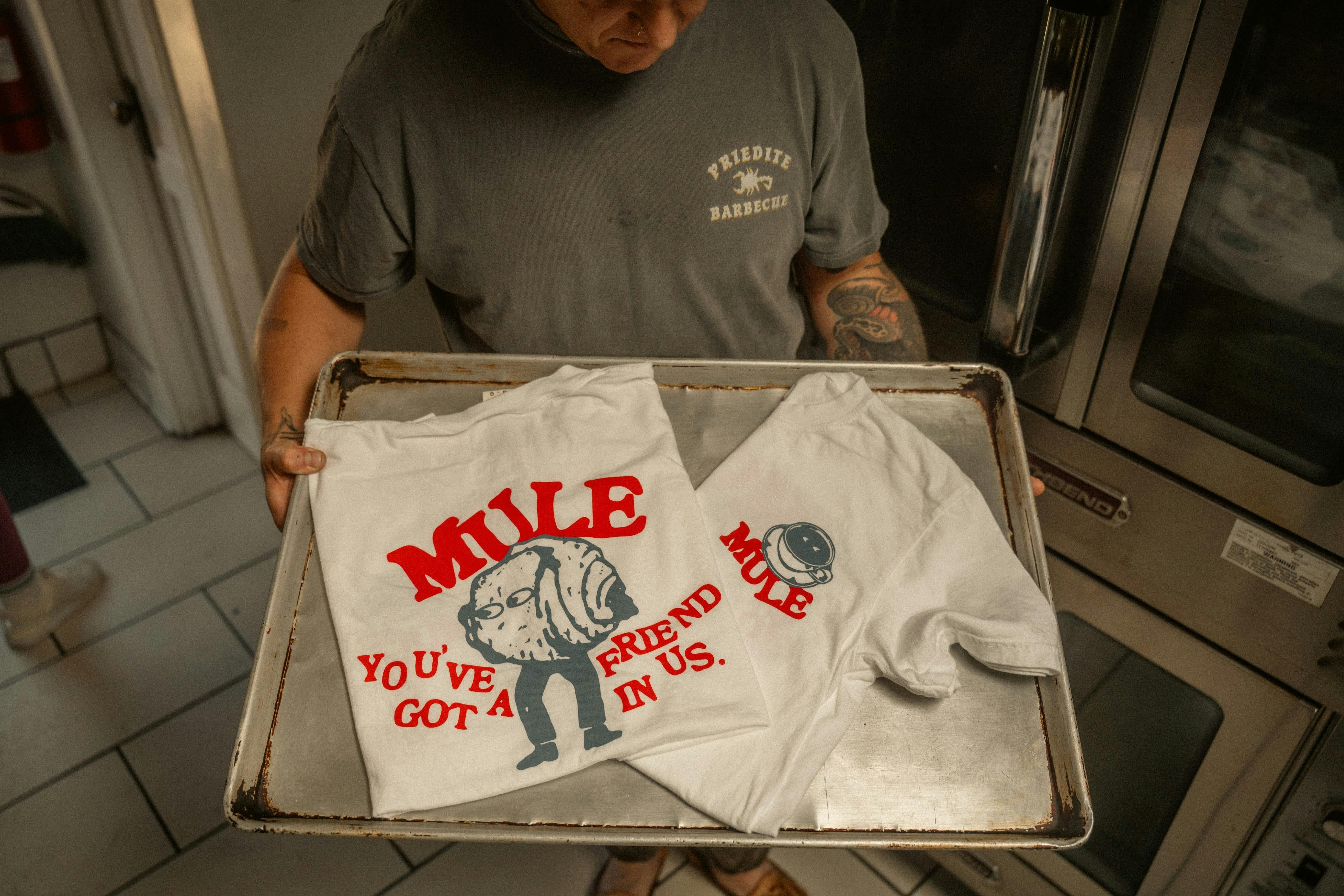
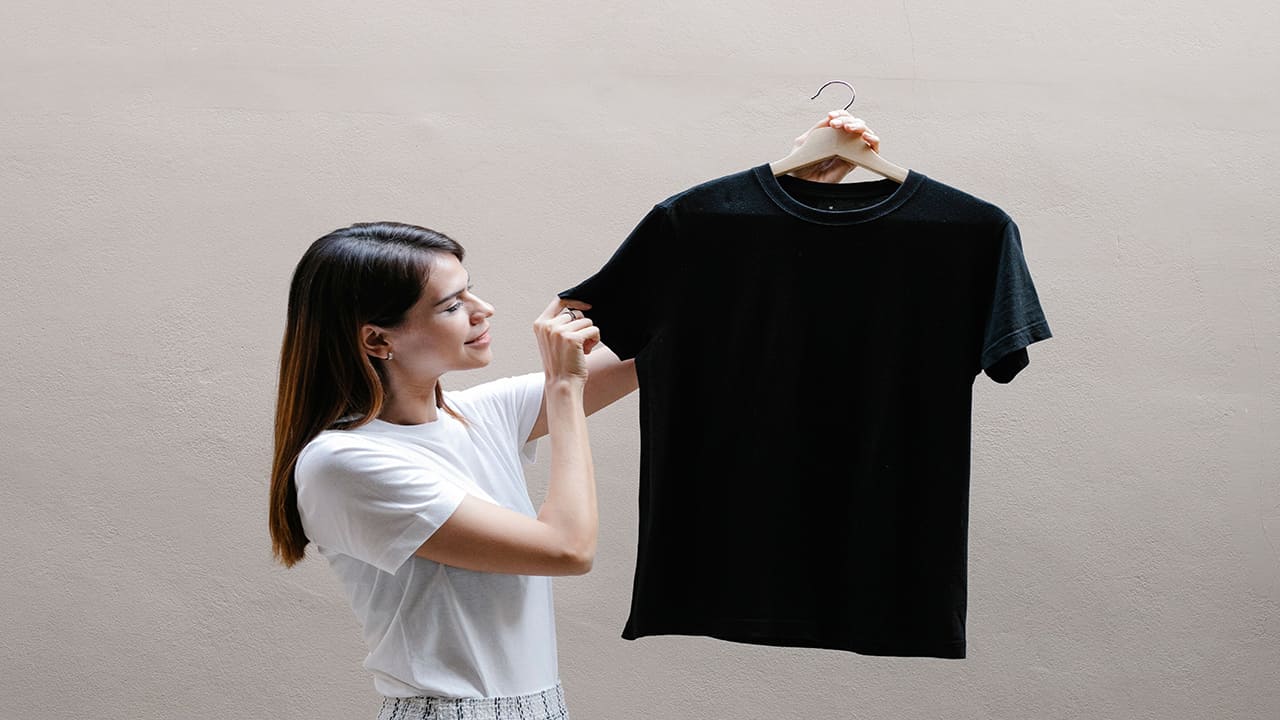
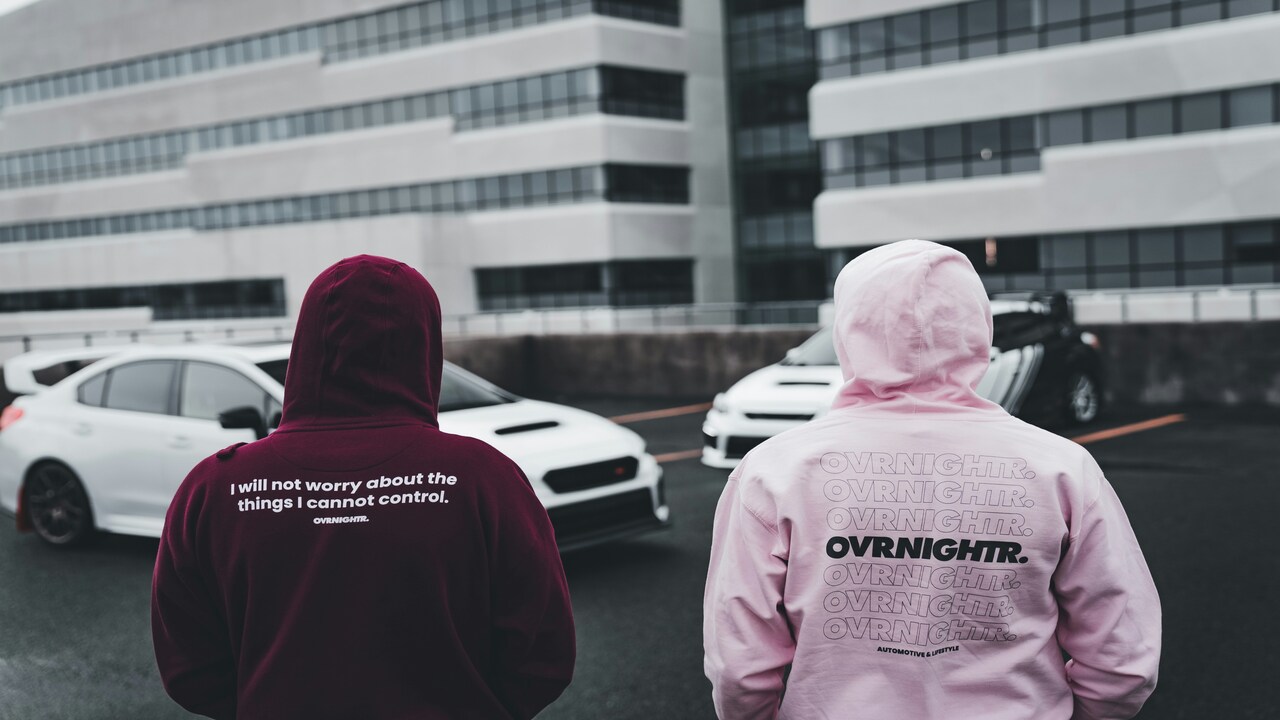
The market has violently shifted away from the thin, disposable promo t-shirts of the 2010s toward something more architectural. The modern consumer checks the neck tag before the price tag, hunting for that specific 300GSM weight that drapes rather than clings. It’s about the silhouette: the drop shoulder, the cropped hem, the fabric that feels like it could survive a decade. If you aren't printing on blanks that feel like luxury, you are selling a souvenir, not a brand.
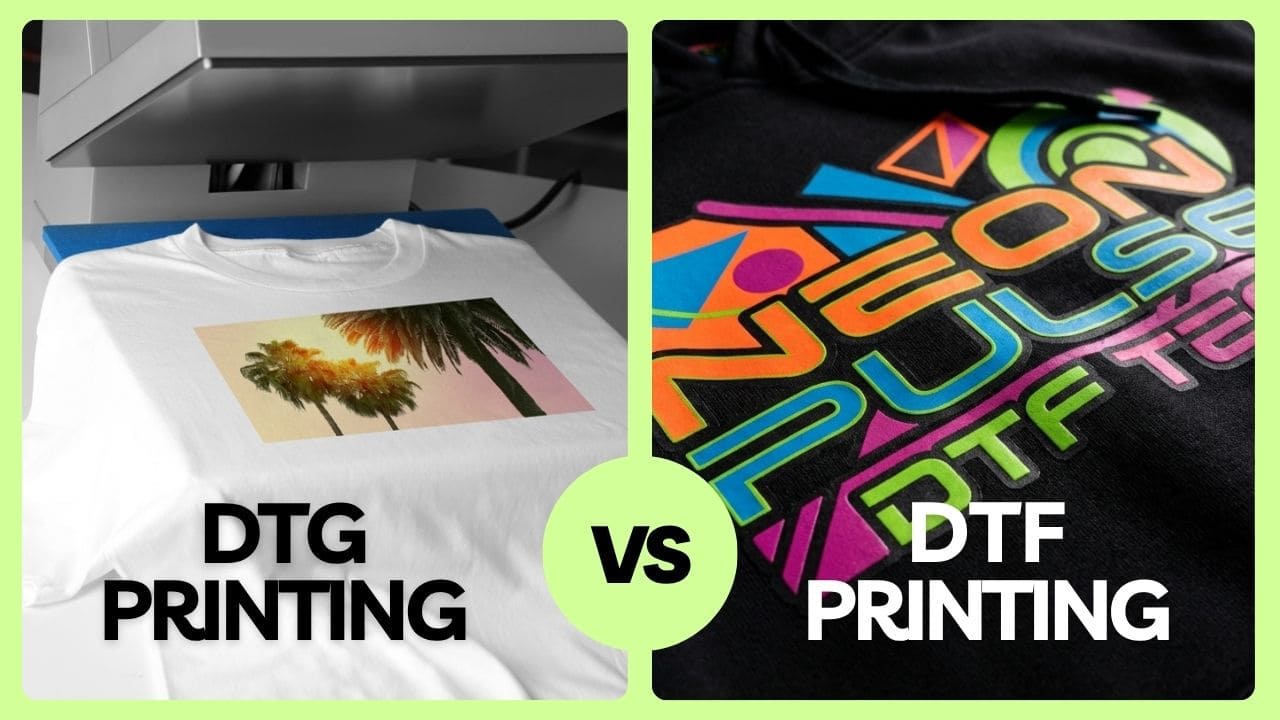
The age of thin, disposable promo t-shirts is over. What’s replacing it isn’t just a heavier fabric, but a change in how brands are created. Founders are no longer forced to choose between quality and scale. With print-on-demand fashion, you can launch products that are actually designed: structured fits, premium fabrics, and silhouettes that hold their own.
Consumers are paying attention. They check the weight, fit, and finish before considering the price point. A 280-300 GSM tee with a boxy cut doesn’t just wear better; it also communicates your brand's intention. It lets your customer know this isn’t just a filler piece; it's part of a collection.
The new advantage isn’t just the quality; it’s the accessibility. You don’t have to order 500 pieces to achieve it. With the right technology in place, you can test out heavyweight t-shirts, boxy fits, and fashion-forward cuts without ever holding inventory.
If your product still looks like a blank slate with a logo slapped on it, you’re not building a brand; you’re making merch. Print-on-demand has changed, and the brands that catch up are the ones that scale.
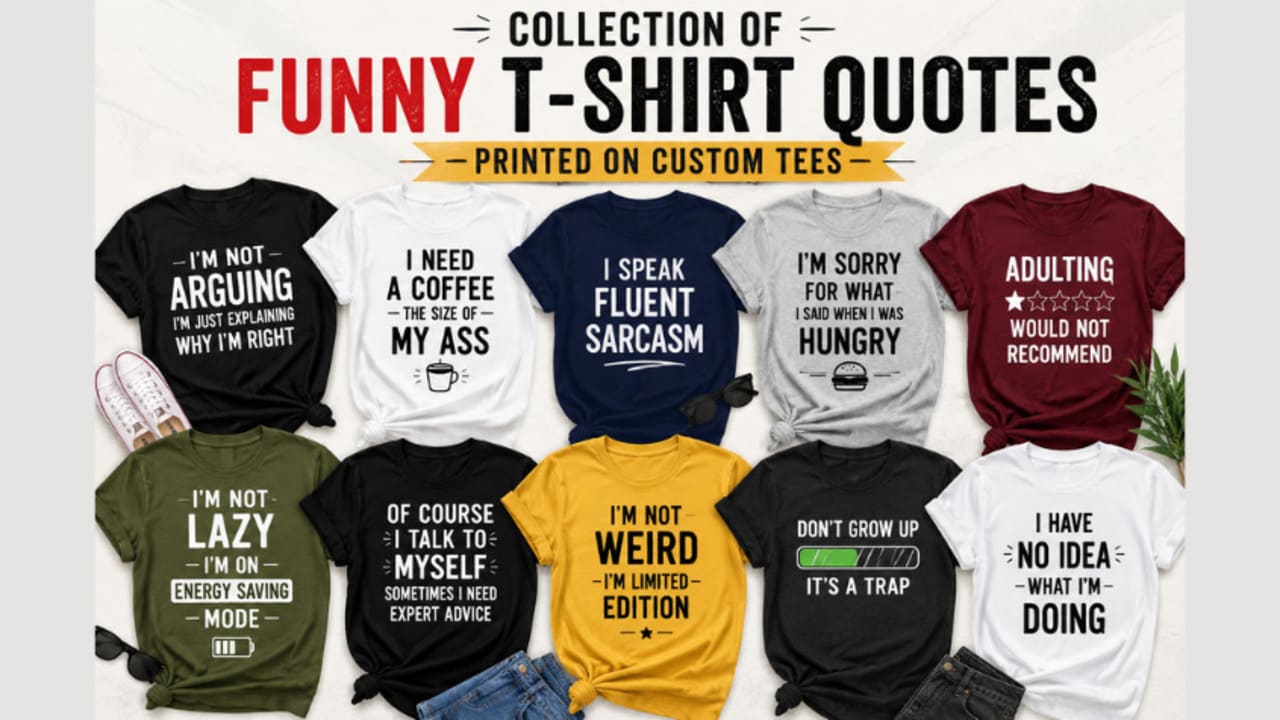
2. Custom Apparel
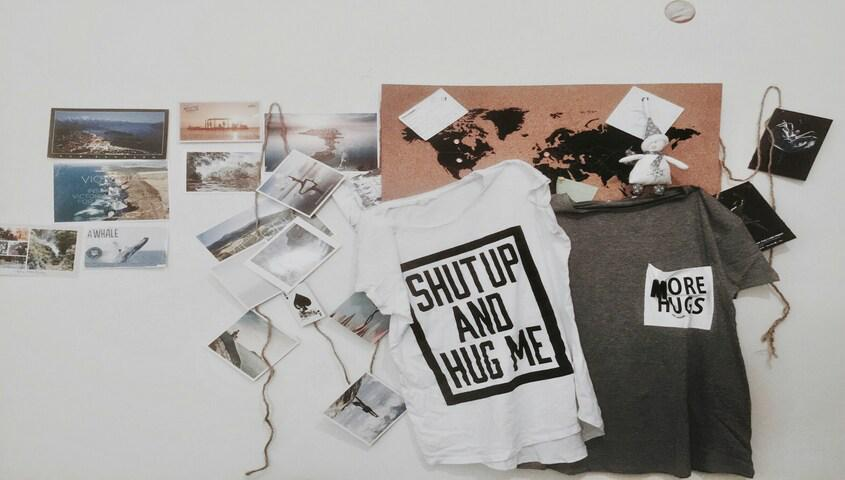
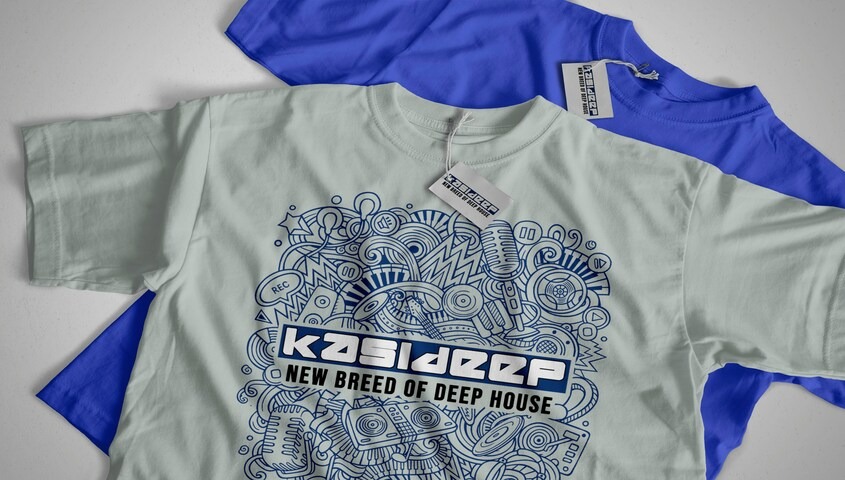
Selling a product once required a significant upfront investment in terms of inventory, sizing charts, and excess stock. Today, such a strategy is no longer necessary. With custom apparel, you’re really building a brand infrastructure you can control.
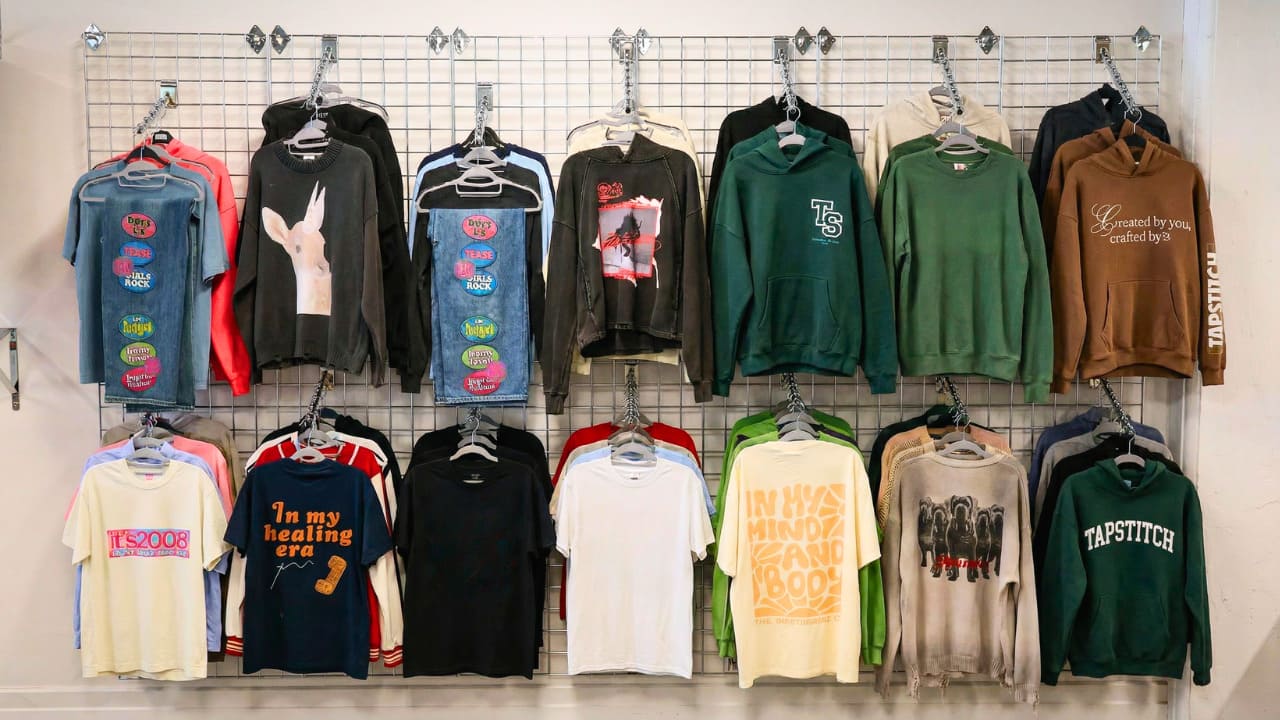
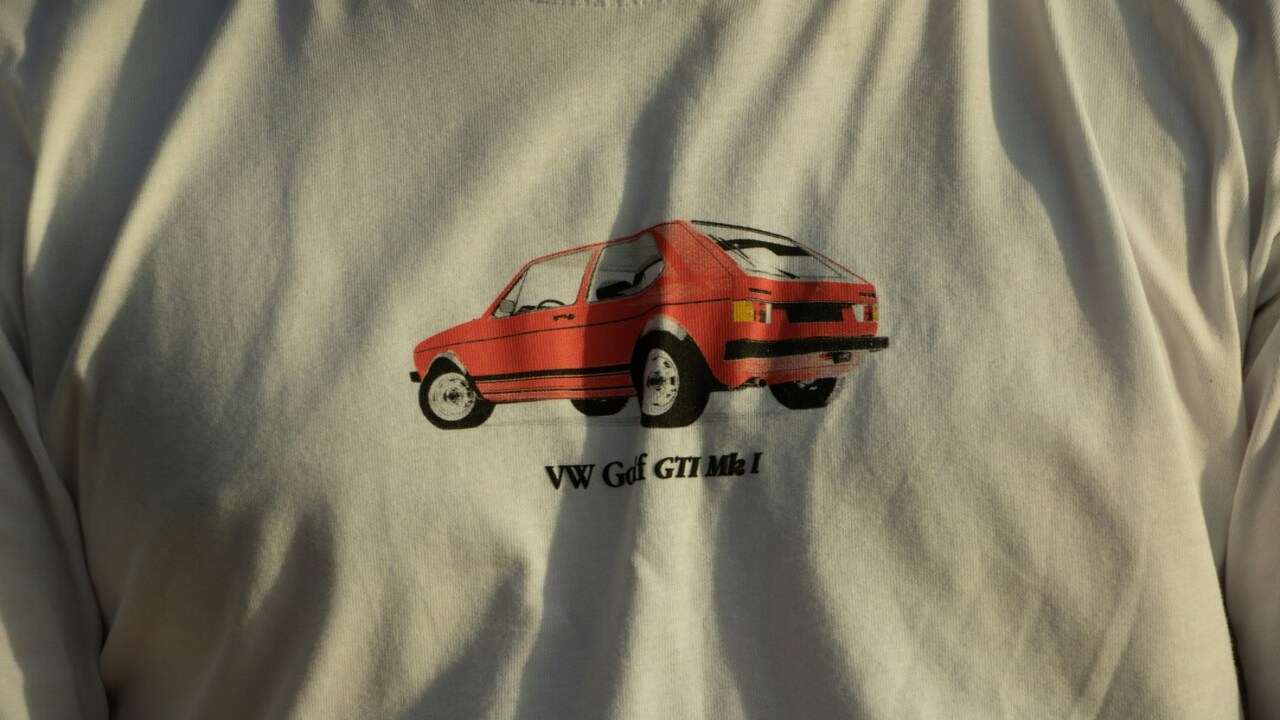
The most forward-thinking brands are no longer just launching individual products. They’re launching collections. Custom T-shirts, hoodies, tanks, etc. All of these are connected by similar graphics, fabric, and fit terminology. It’s really a way to move from a store to a brand that people recognize.
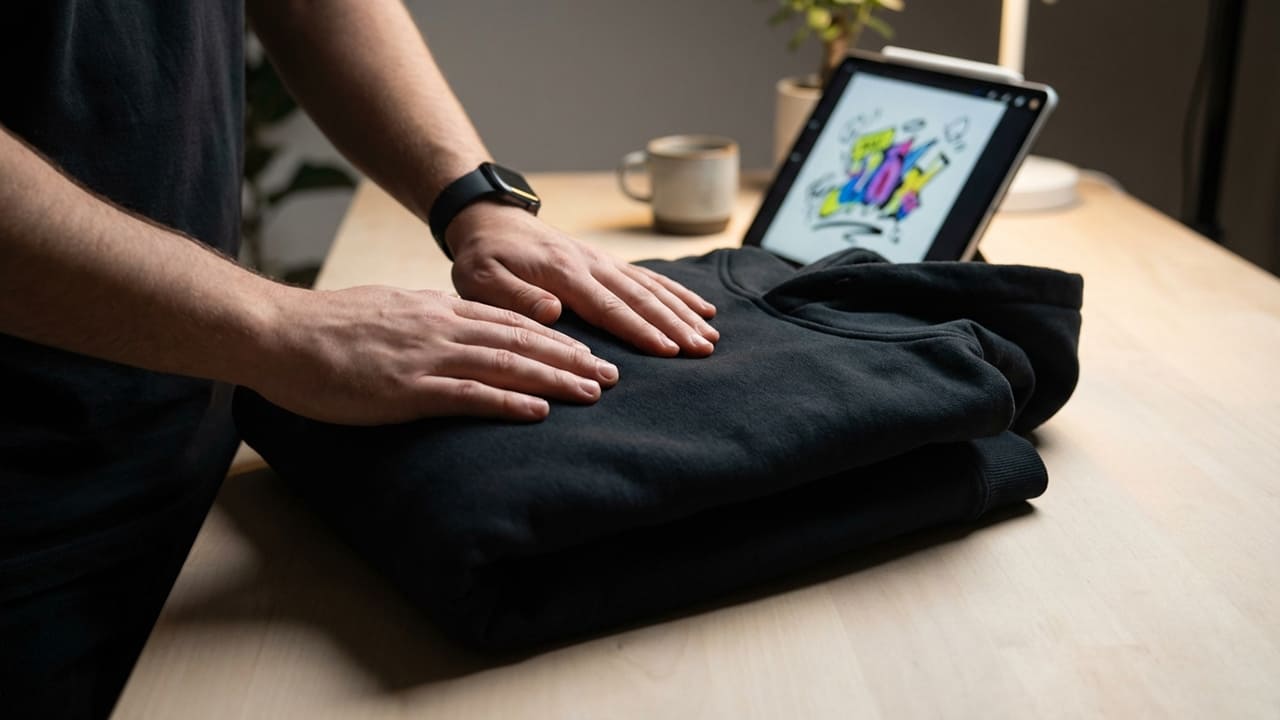
What’s changed is that we can now design, manufacture, and distribute worldwide without ever tying up capital in inventory. You can test a graphic on different silhouettes, drop a small run, and scale what works. You can kill what doesn’t. There’s no warehouse, no guesswork.
If digital products are all about leverage, custom apparel is about presence. It’s what people wear, what they share on social media, and what they use to define themselves. And in 2026, what the brands will be is not just efficient, but visible.
3. "Dopamine Decor"

The "Sad Beige" era has collapsed, replaced by a hunger for spaces that scream personality. We are seeing a rebellion against sterile showrooms in favor of "Dopamine Decor". Hand-tufted rugs shaped like spilled eggs, squiggly mirrors, and sculptural candles that look too cool to burn. Gen Z treats their apartment like a curated art gallery, hunting for statement pieces that pop on camera and inject a chaotic, joyful energy into their rentals.
4. Gorpcore & Technical Gear
The line between the hiking trail and the coffee shop has completely dissolved. "Gorpcore" isn't just a trend; it’s the uniform of the urban survivalist who demands technical function for their morning commute. We’re seeing ripstop cross-body bags, moisture-wicking oversized tees, and utility vests flying off digital shelves, proving that customers want to look ready for an expedition even if they’re just navigating the subway. If you are wondering what can I sell on Shopify that has staying power, functional fashion is a legit direction you could go.
5. The "Deskscape" Sanctuary

The cubicle is dead, and the home office has become the new driveway, a place to flex status and taste. Tech workers are obsessively curating their "battlestations" with coiled aviator cables, artisan keycaps, and felt desk mats that dampen the thock of a mechanical keyboard. It’s no longer just about productivity; it’s about creating a high-fidelity cockpit where they spend 12 hours a day, making aesthetic tech accessories a massive, high-ticket opportunity.
6. Niche Coffee Culture
Coffee has graduated from a morning caffeine hit to a precision sport. The market has moved beyond the beans themselves to the ritualistic gear surrounding them, precision WDT tools to declump grounds, aesthetic ceramic drippers, and heavy-dosing cups. If you can sell to the enthusiast who weighs their beans to the tenth of a gram, you aren't just selling a tool; you're selling them a better morning.
7. Personalized "Forever" Jewelry
As fast-fashion jewelry turns green and ends up in landfills, customers are pivoting to pieces that carry real weight and meaning. The money is in personalization—engravable pendants with coordinates of a first date, signet rings with digitized handwriting, or "build your own stack" charm necklaces. It transforms a simple metal accessory into a sentimental artifact, commanding a premium because it feels irreplaceable.
8. Eco-anxiety Solutions
Sustainability has moved from a "nice-to-have" to a baseline requirement for a generation deeply anxious about the climate. The winners here aren't just greenwashing; they are solving the plastic problem with solid colognes, custom apparel, shampoo bars, and reusable silicone storage that actually look good on a counter. It’s about offering a guilt-free purchase that allows the customer to feel like they’re voting for a cleaner future with their wallet.
9. Retro Tech & Nostalgia
There is a tangible rebellion against the "touchscreen" era, with people yearning for the tactile click of a button and the grain of film. Disposable cameras, cassette players, and wired headphones playing liquid dnb are having a massive resurgence as digital natives seek out the "low fidelity" experience. Curating a shop of retro-tech isn't just selling old junk; it’s selling a break from the algorithm and a return to physical media.
10. The "Fur Baby" Lifestyle
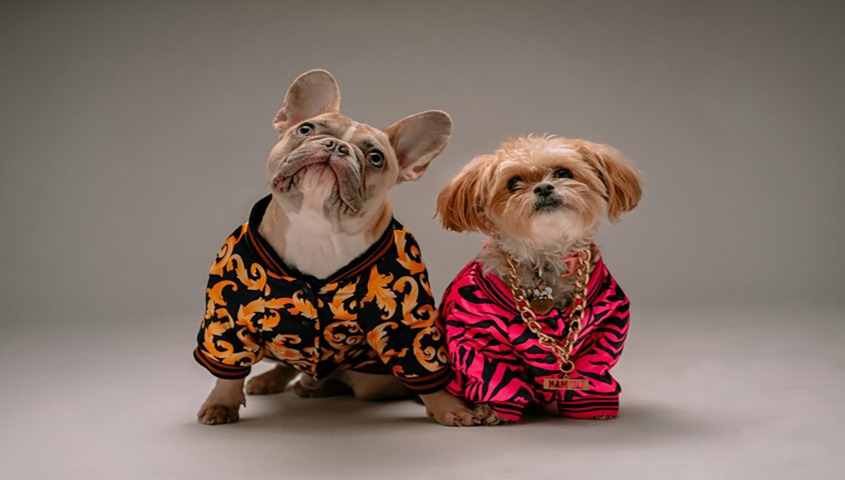
Pets have replaced children for a massive demographic, but the modern owner hates the ugly, neon-plastic aesthetic of traditional pet stores. They want gear that seamlessly blends into their interior design: neutral-toned boucle dog beds, vegetable-tanned leather collars, and ceramic bowls that look like human dinnerware. It’s a shift toward treating pet accessories as home decor, opening a lane for brands that prioritize style alongside utility.
How to Choose the Best Products to Sell on Shopify?

So, what can I sell on Shopify without risking my rainy day fund? The answer isn't a random guess; it's a strategic calculation. The sweet spot for a sustainable brand lies at the precise intersection of three circles: Culture, Logistics, and Math.
- Culture: Would you pass the vibe check? You cannot fake culture in 2026. The modern consumer has a radar for inauthenticity. If you try to sell gritty streetwear but you dress like a finance bro, the audience will eat you alive. Don't chase a trend just because it's trending. Pick a niche you already understand or are personally a part of. When you are the customer, marketing becomes second nature because you speak the language.
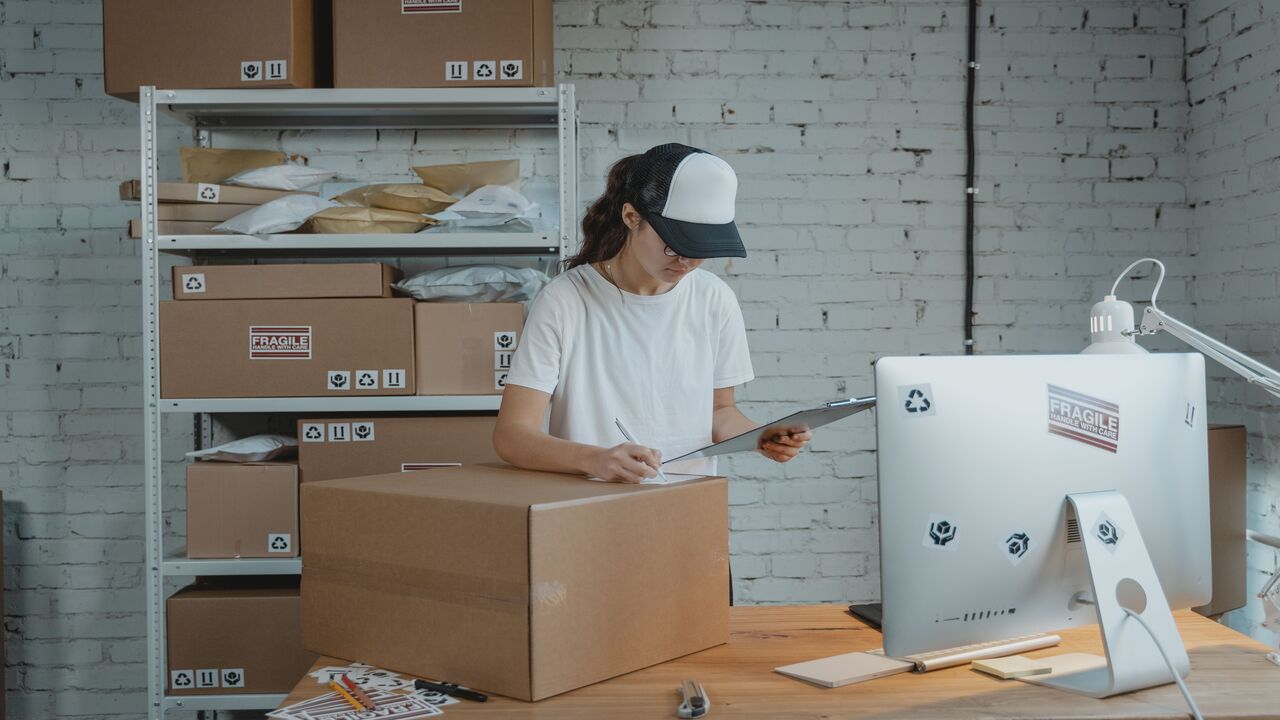
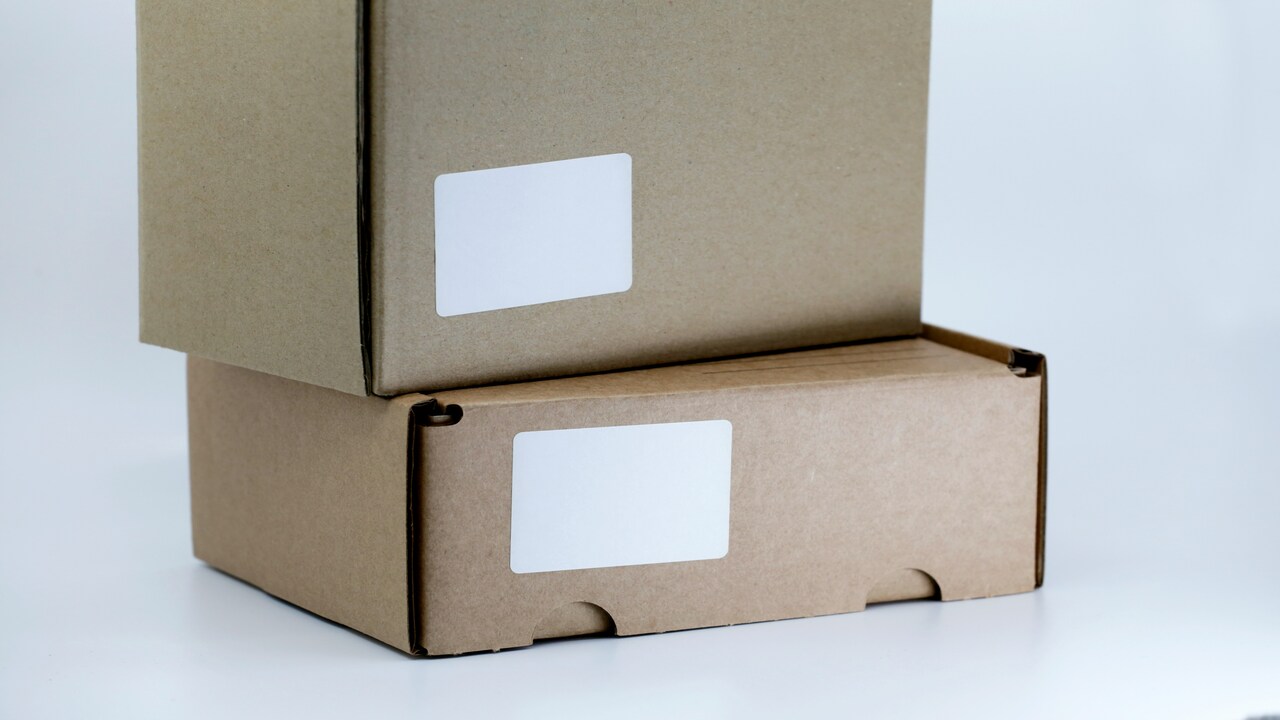
- Logistics: Don’t sell grand pianos. Don’t sell glass vases. You want products that are "shippable" and headache-free. The goal is to avoid breakage and, more importantly, avoid returns. Apparel has always been a safe bet, especially if your threads are top quality: it folds, it doesn't break, and shipping is cheap. If the fit and fabric are right, which is why using premium Tapstitch blanks is crucial, it sells, and they come back for more.
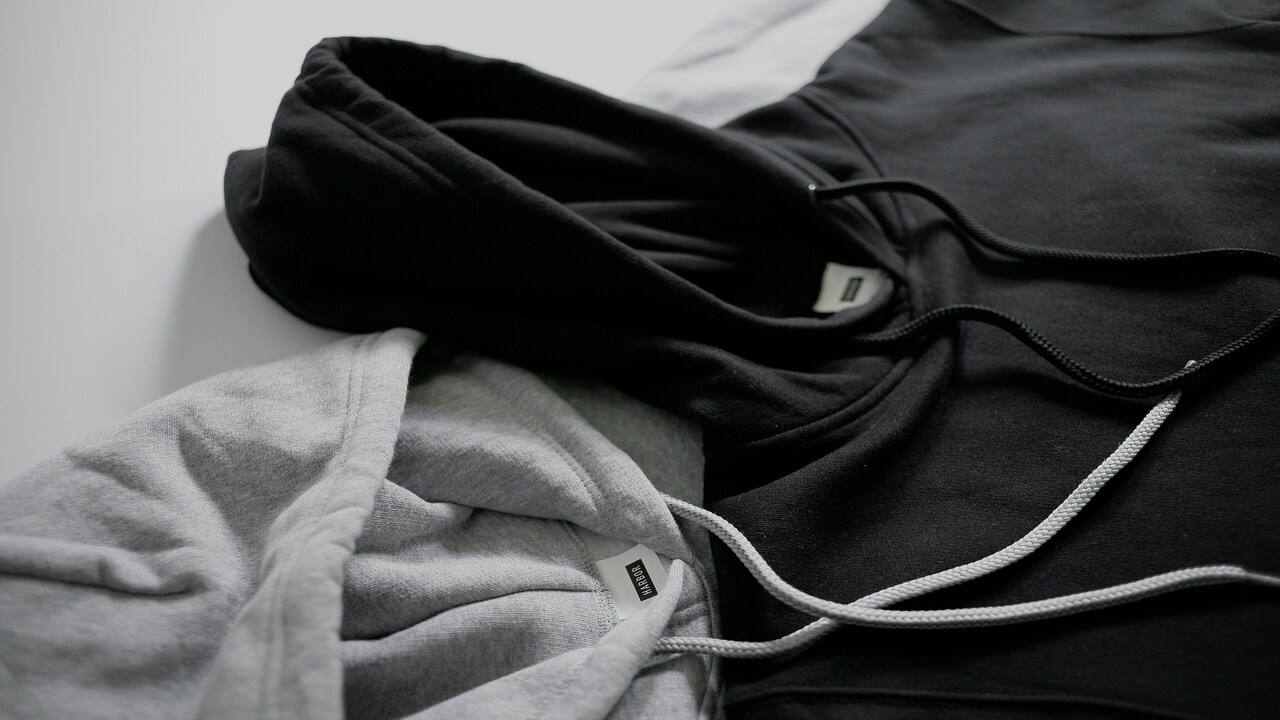
- Math: Turnover is vanity; profit is sanity. If you are selling $10 phone cases, you need to sell thousands just to make rent. That’s a volume grind that burns people out. If you are selling $80 premium hoodies, you only need to sell a few dozen to see real revenue. High perceived value = high margins. Build a brand that commands a price tag, not a commodity that competes on pennies.
How to Sell on Shopify with Tapstitch
You have the idea. You know the niche. But you don't have a warehouse, and you definitely don't have $50,000 for inventory.
This is where POD platforms like Tapstitch become a valuable asset.
We are the infrastructure for the design-first entrepreneur. We took the "dropshipping" model and stripped out the low-quality junk. Here is how to make money on Shopify, leveraging our industry knowledge and experience:
- Sync Up: Sync your Shopify store directly to your products on Tapstitch. Orders come directly through to us, and we fulfill them fast.
- Create: Use our design tools to put your art on our premium threads. You get access to all the heavyweights, vintage washes, and the cuts that our research and industry resources deliver reliably.
- Forget Fulfillment: When a customer orders from you, we get the ping. We print it, pack it (with your branding), and ship it. You never touch a box; they never see our name.
You focus on the brand. We handle the back-end.
How to Make Money on Shopify: FAQs
What is the most profitable product to sell on Shopify?
The most profitable product is one you don't have to buy upfront. Print-on-demand apparel and Digital Products are the kings of profit because they have zero inventory risk. You only pay when you make a sale.
What types of products can I sell on Shopify?
Literally anything legal. Physical goods, digital downloads, subscriptions, services, and
tickets to events. The platform is agnostic. The Shopify trending products list above is a solid bet for 2026.
How much does Shopify take from a $100 sale?
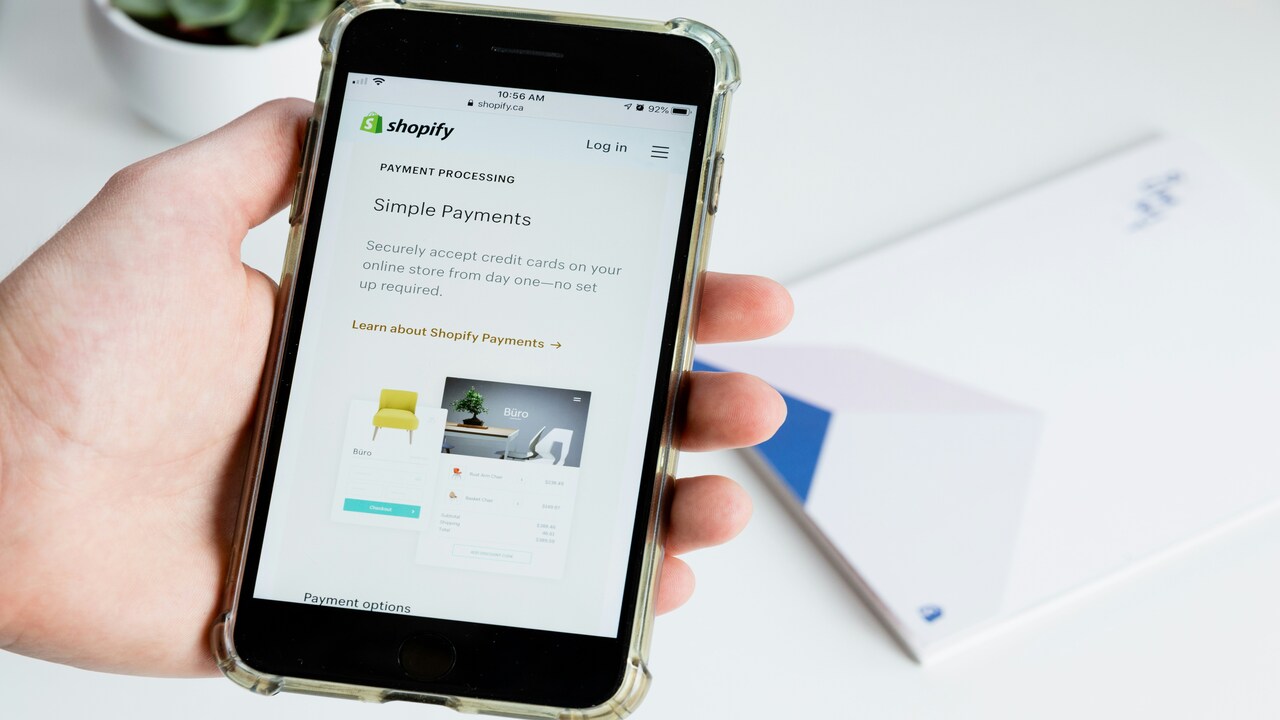
If you are on the basic plan using Shopify Payments, expect to pay roughly 2.9% + 30¢. On a $100 order, that’s about $3.20. It’s the cost of doing business.
Is Shopify good for beginners?
Yes, because it removes the technical barrier. You don't need to be a coder. But don't confuse "simple" with "easy." You still need to learn how to drive traffic.
How can I stay updated on trending products?
Stop reading the news; start watching the streets. Look at TikTok. Look at what the cool kids in SoHo or Harajuku are wearing. Trends start in the real world and move online.
Conclusion: It's Better to Be In Than Out
There is no perfect time to start. There is no perfect product that guarantees a million dollars overnight. But there is one absolute truth in this game: you cannot win if you don't play.
The sidelines are comfortable, but they are crowded with people talking about what they would do. The game is where the action is. In 2026, the risk of testing an idea is virtually zero. You don't need a bank loan or a warehouse; you just need a design and a WiFi connection.
Don't let another year pass you by while you watch others build the brand you’ve had in your head for months. The infrastructure is ready. The trends are moving, and the only risk is some time spent trying. It’s better to be in the mix, learning and pivoting, than on the outside looking in.
.webp)

.jpg)
.jpg)
.jpg)
.png)

.jpg)
.jpg)
%20(3).jpg)
.png)
.jpg)
.jpg)
.jpg)
.jpg)
.jpg)
.jpg)






.png)




.png)
.jpg)









.jpg)


.jpg)

.png)
.jpg)


.jpg)
.jpg)


.jpg)
.jpg)
.jpg)
.jpg)
.jpg)

%20(1).jpg)
.png)

.png)


%20(1)%20(1).jpg)





.png)
.png)