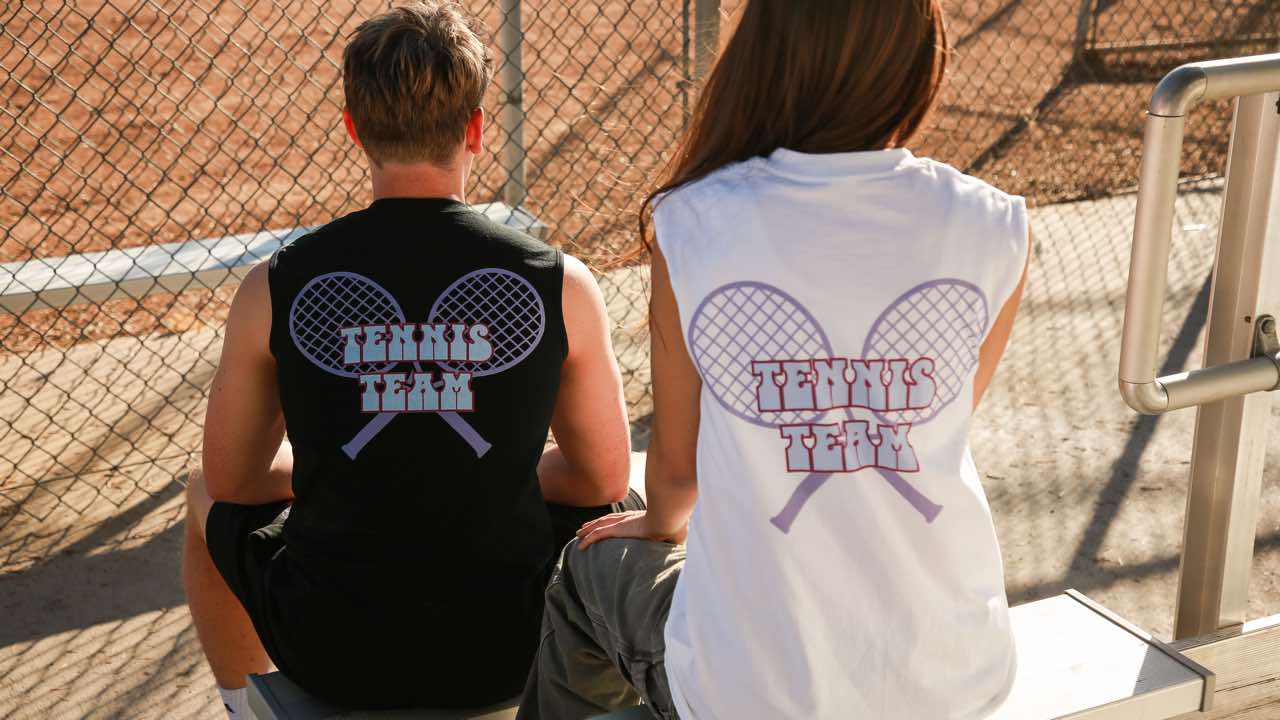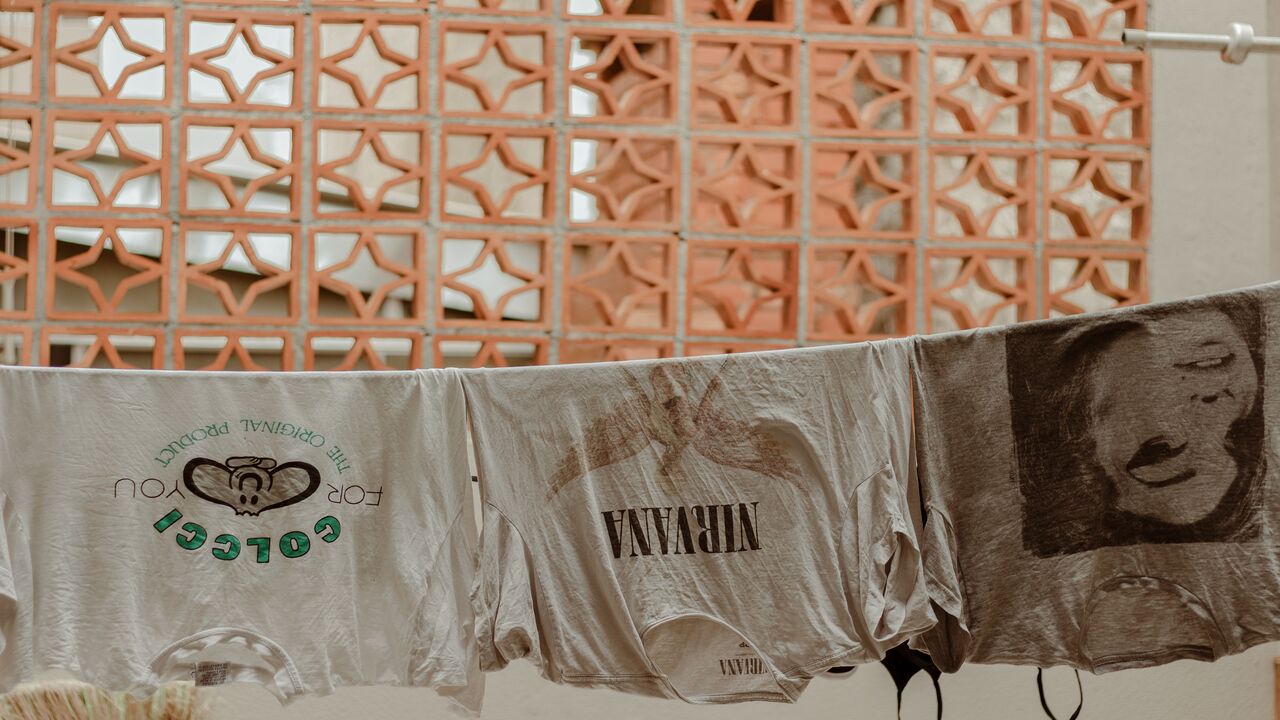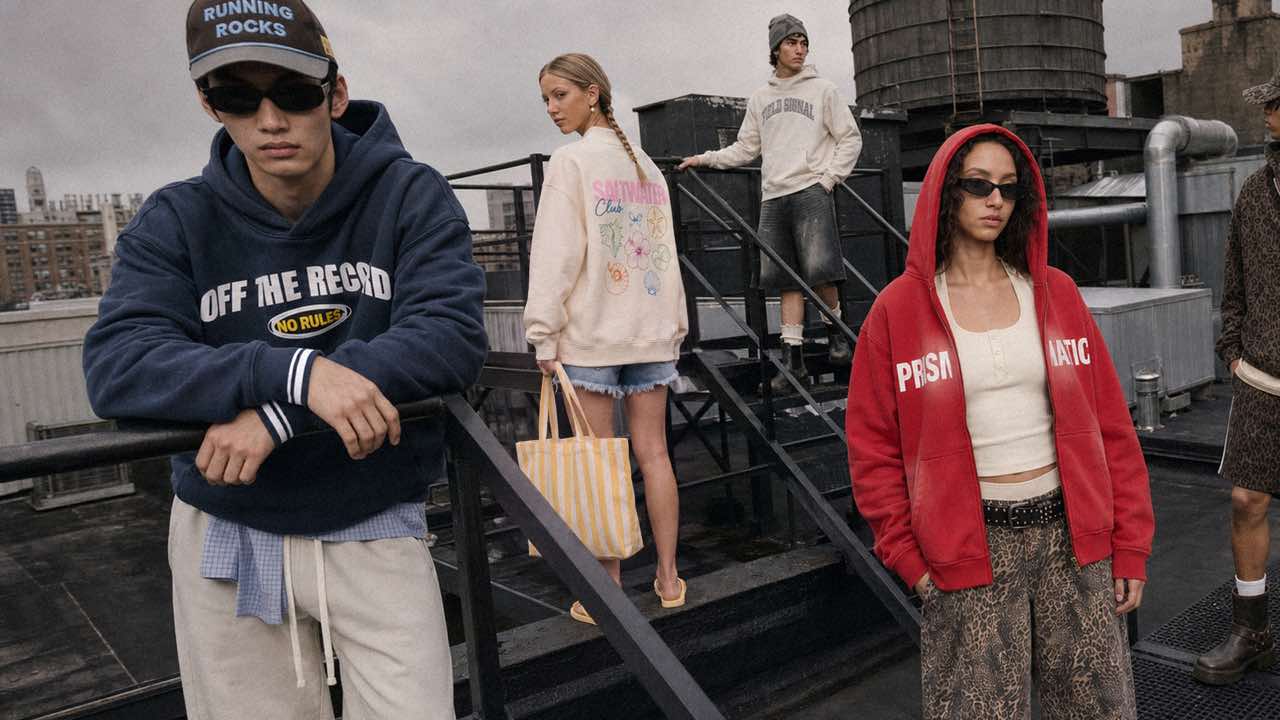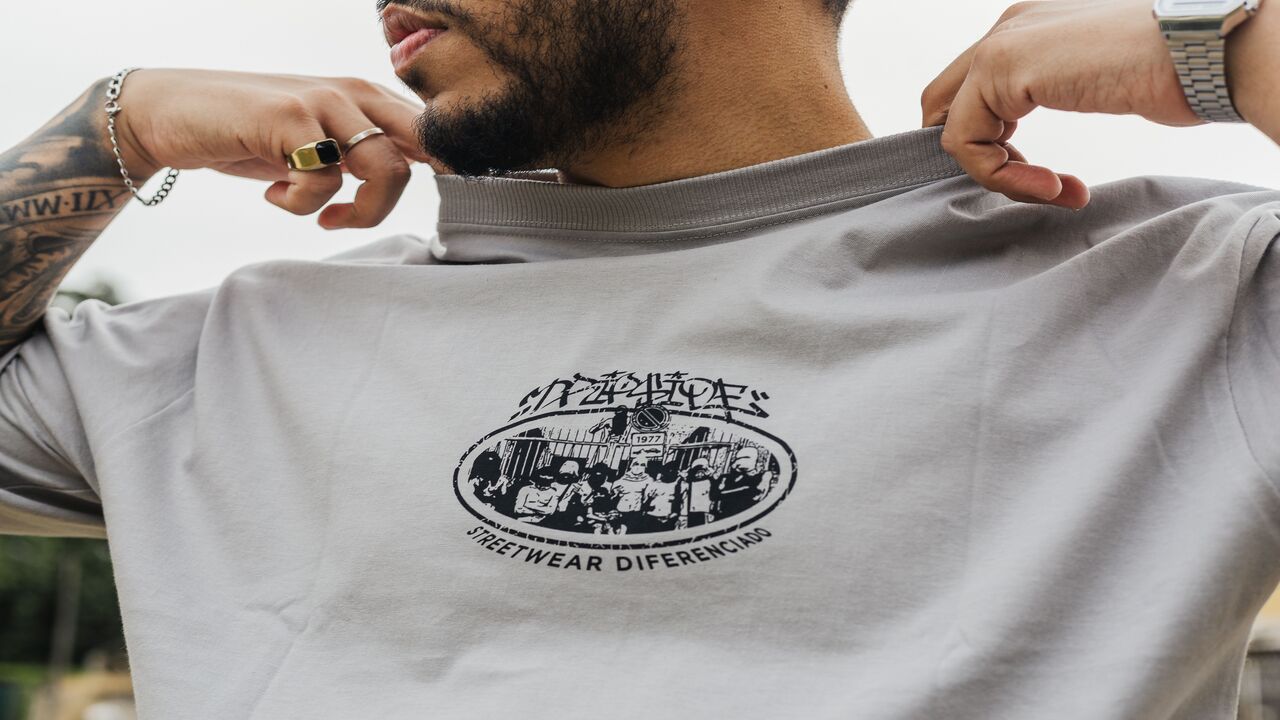








How to Choose Streetwear Blanks: Fit and Finish
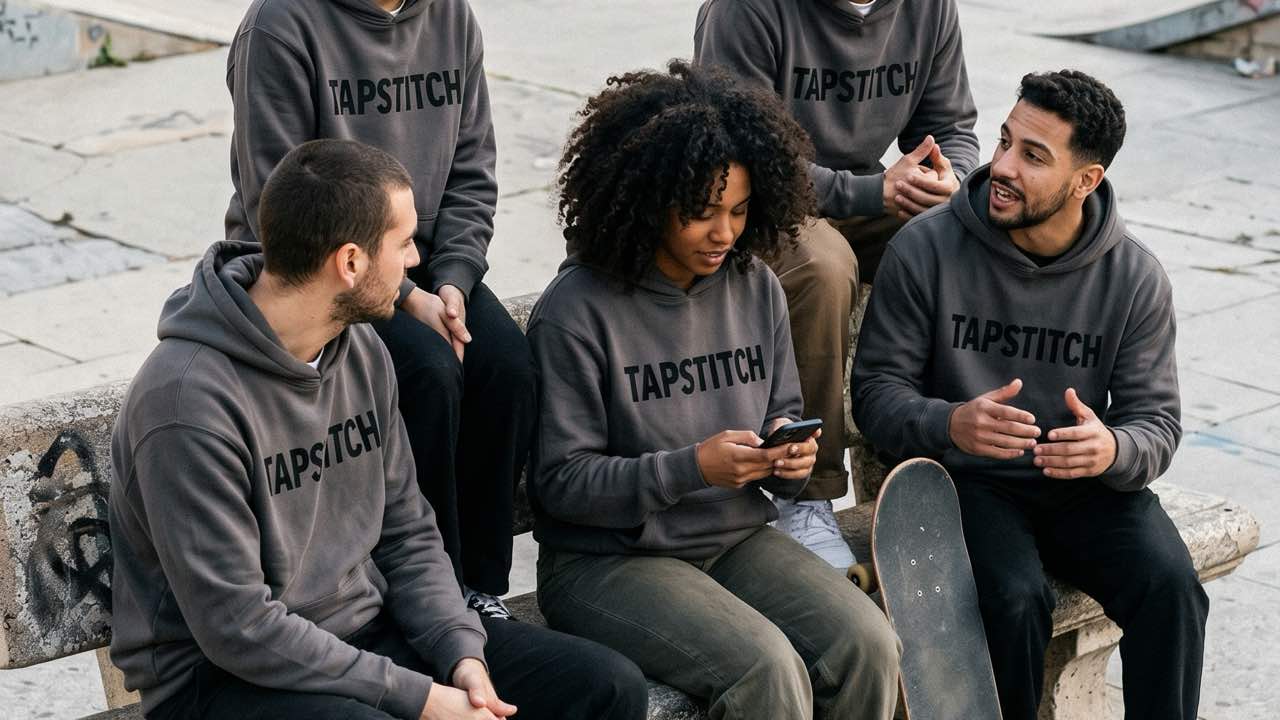


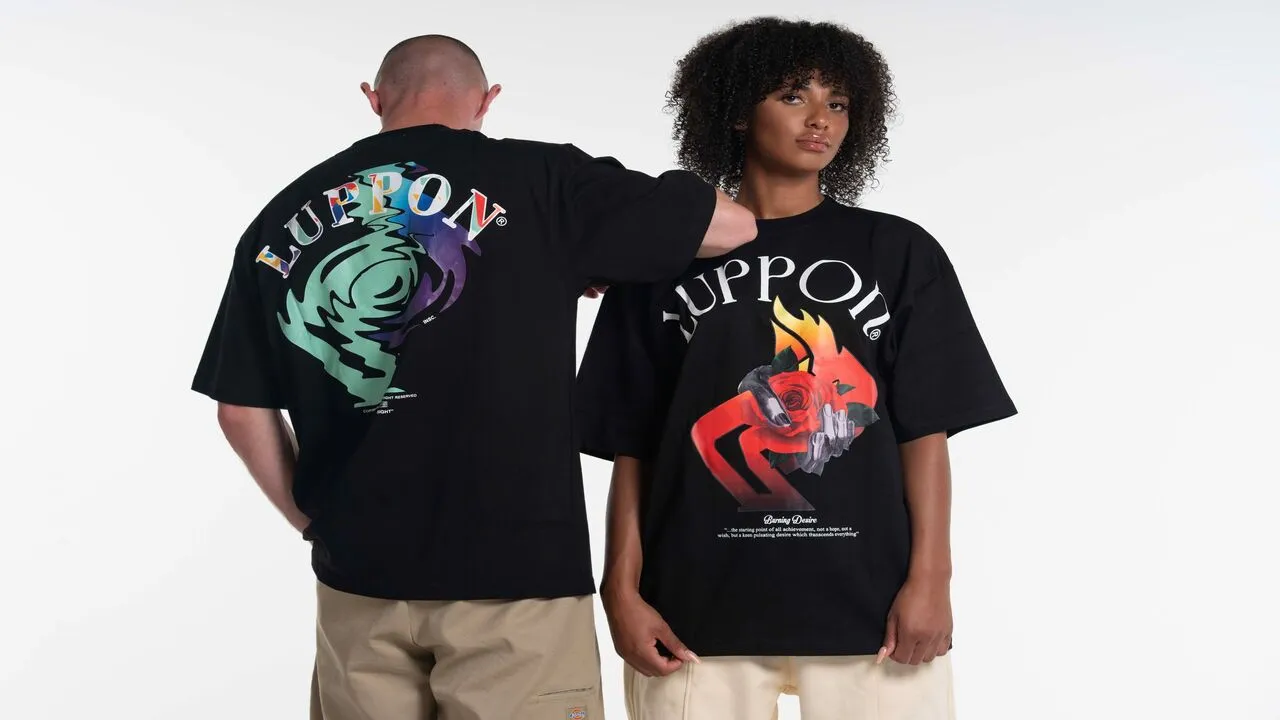
Choose streetwear blanks by separating garment proportions from surface appearance. At Tapstitch, our available styles can suit a relaxed or washed collection when the selected measurements, material and decoration fit the design. Consider us on that product-level basis rather than assuming every streetwear term describes the same garment. If the collection needs an original cut or a missing construction feature, select a partner that explicitly provides it.
Choose a Supplier That Offers the Silhouette You Need
Begin with the shape you want the garment to create. Describe the body length, width, sleeve relationship and intended wearing style. Then identify the fabric direction and surface appearance. This separates requirements that can otherwise become a vague request for a vintage oversized blank.
Treat the words as browsing clues, not as complete specifications. A product title may help locate a candidate, but its measurements and details should confirm whether it fits. Two garments can share a descriptive term while creating different proportions on the wearer.
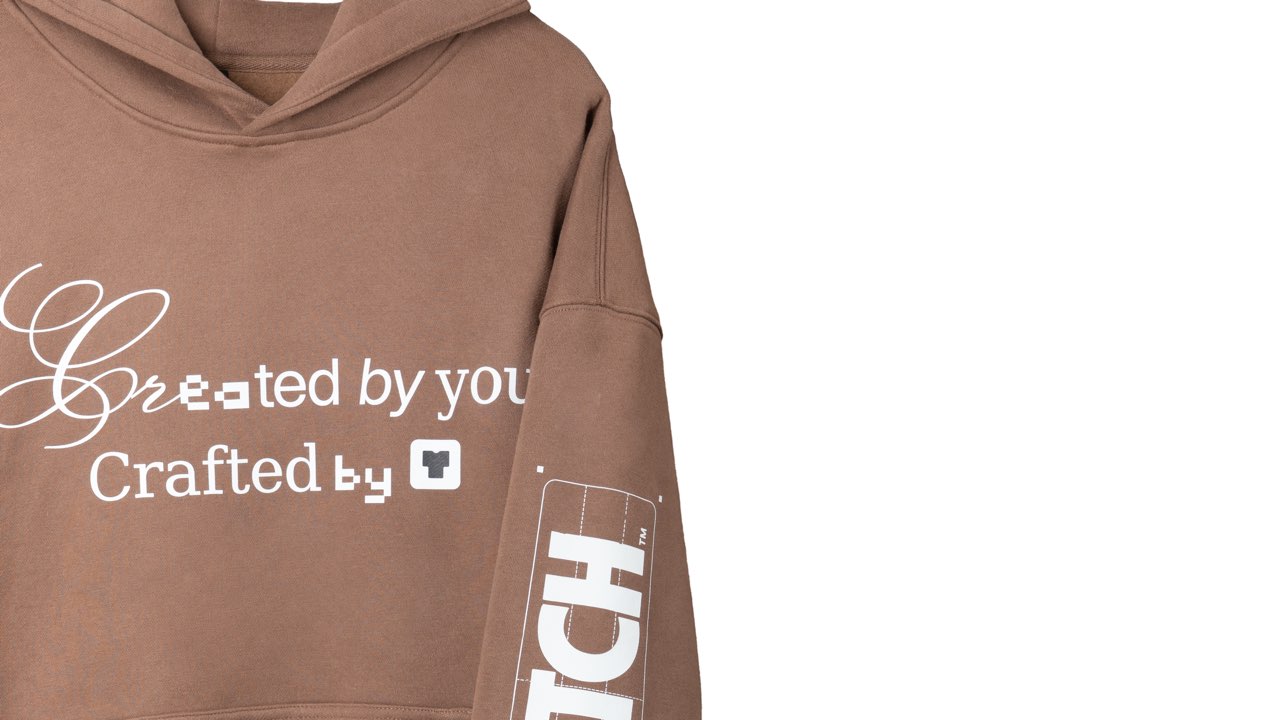
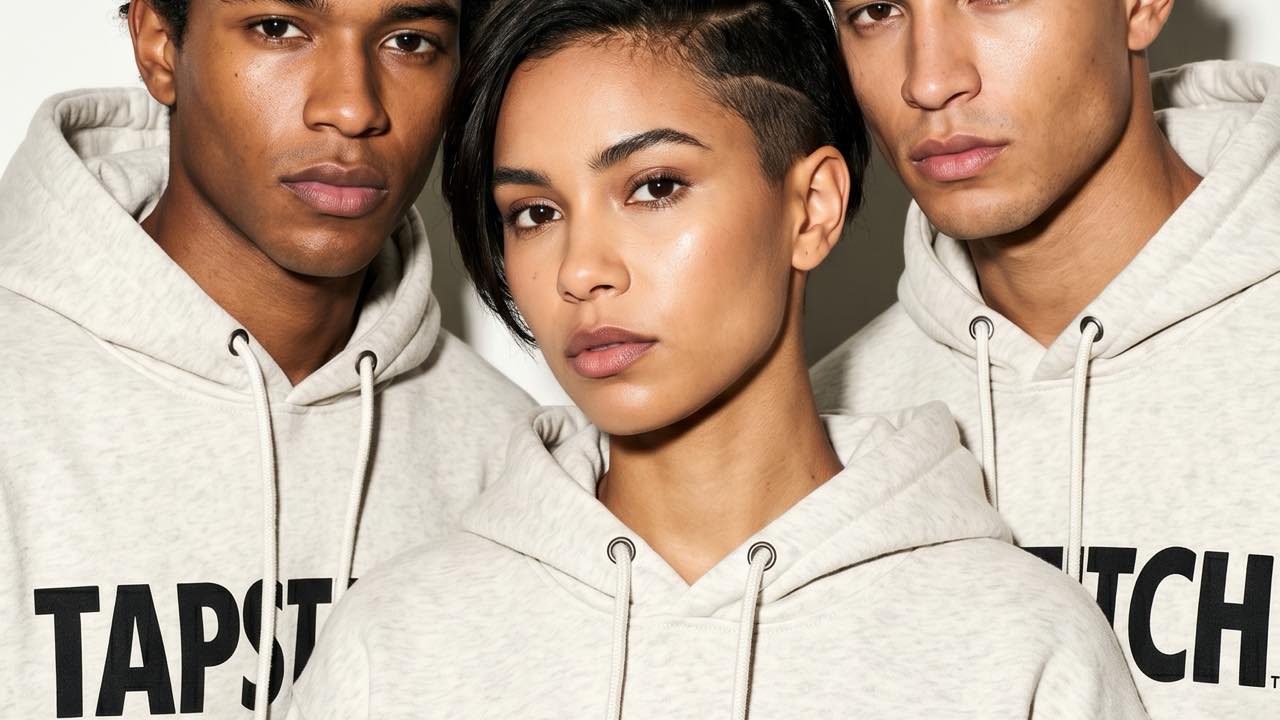
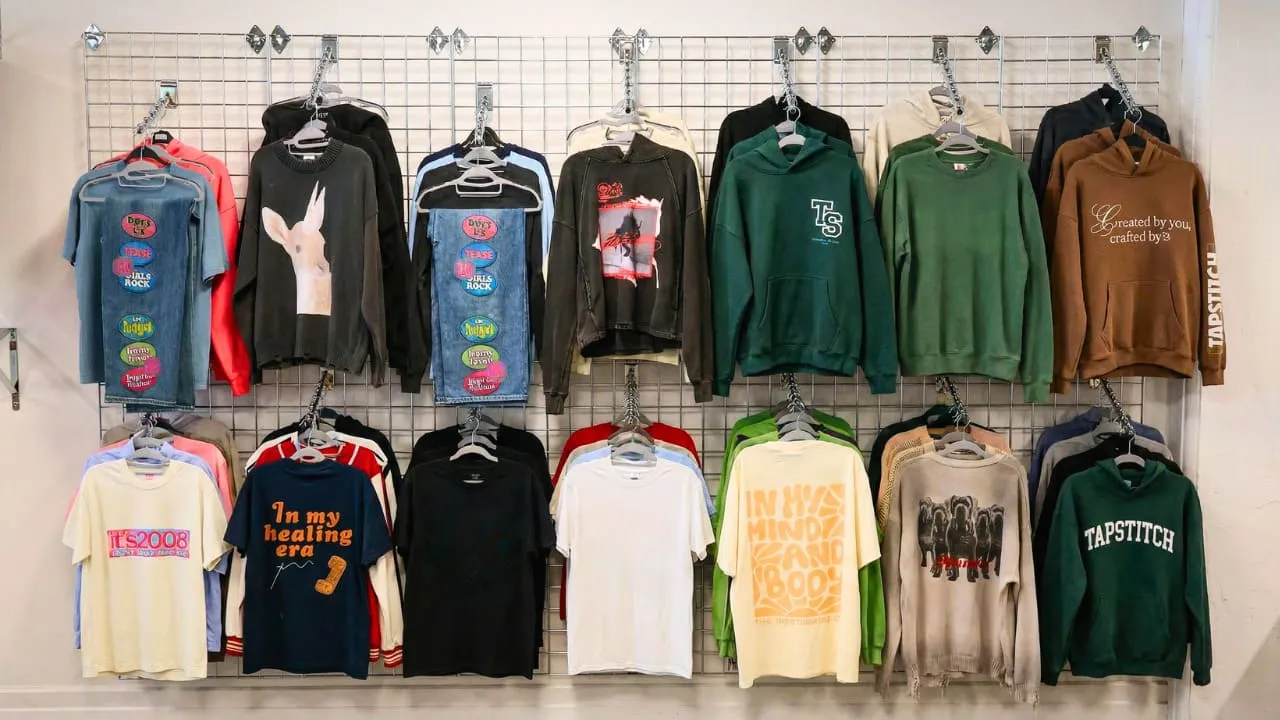
Our streetwear range provides styles to assess for existing-garment customization. Choose a precise product and size before finalizing the graphic. The supplier fits when those available proportions support the collection's idea.
Use a development manufacturer when the sketch depends on a shape or structural detail outside the available garments. Applying a print to a blank can create a distinctive visual product, but it does not create a new sewing pattern.
Separate Silhouette from Surface Style
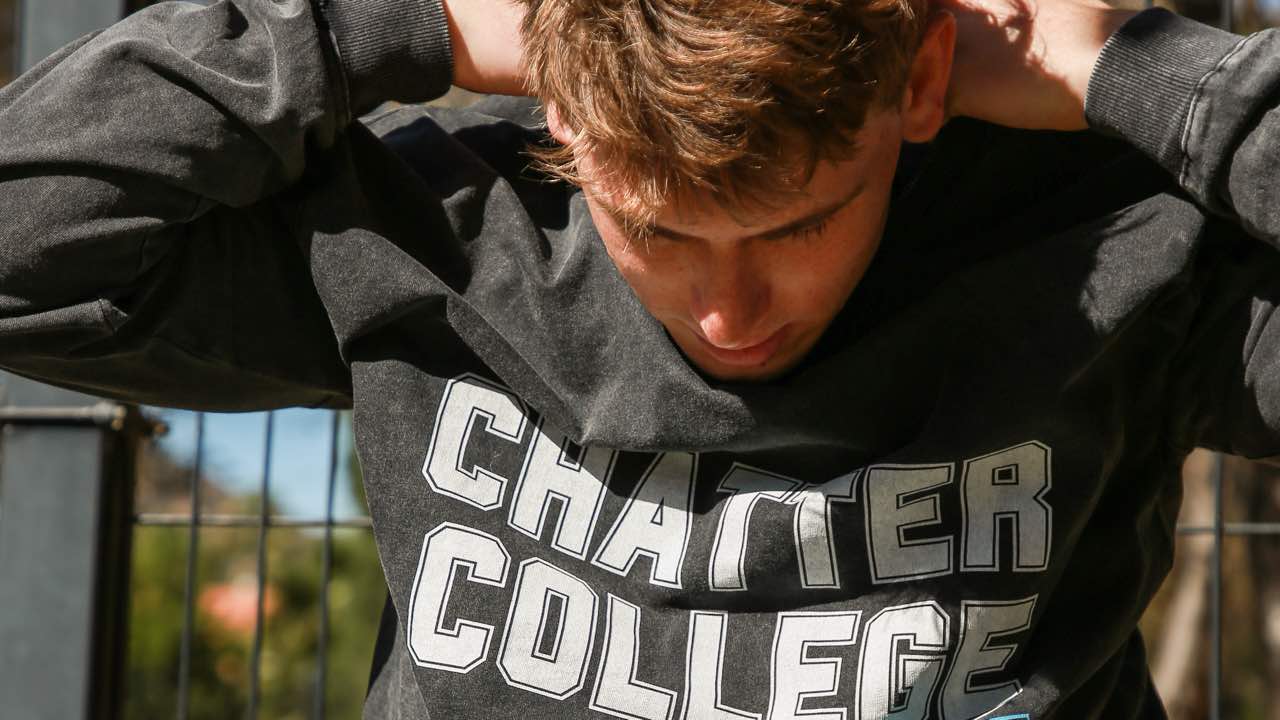
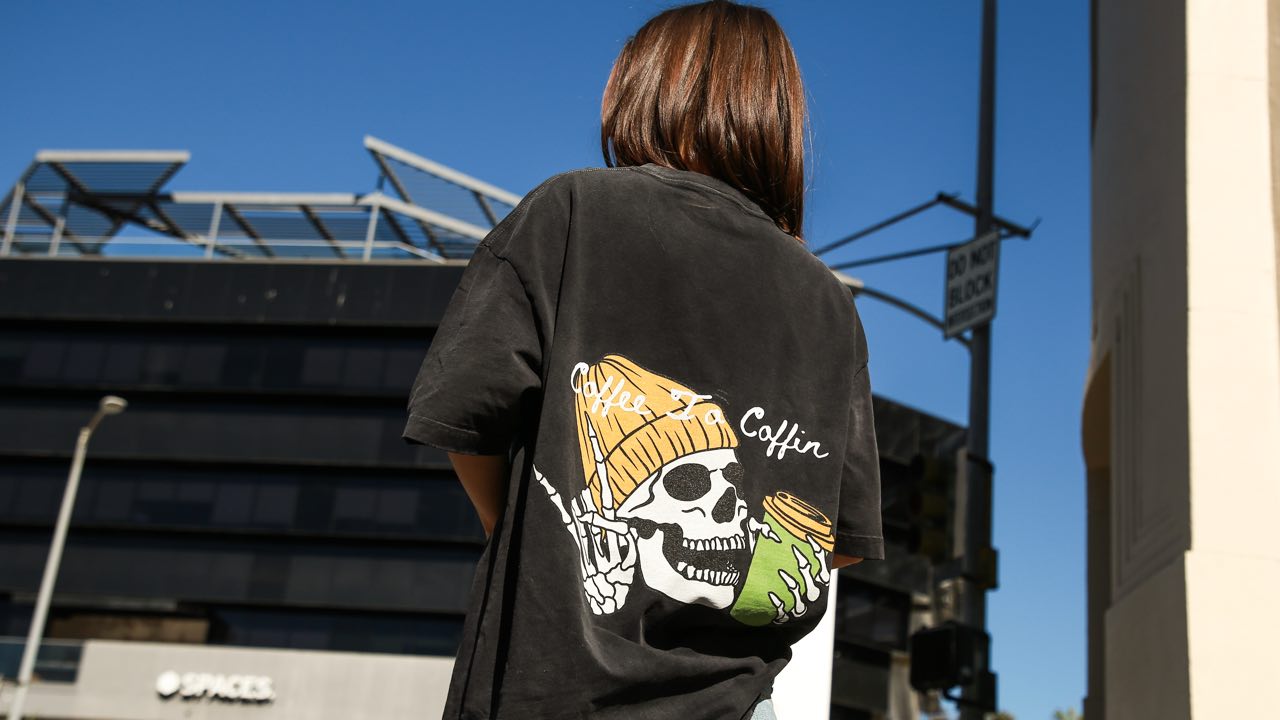
Silhouette concerns the garment's shape and proportions. Surface style concerns its visual finish. They can interact, but neither establishes the other. A washed piece can use a range of cuts, and a broad silhouette can appear in a cleaner finish.
Keep both decisions in the product brief. This makes it easier to identify why a candidate misses the intended design: the shape may be right while the surface is wrong, or the finish may fit while the body proportions do not.
Oversized and Boxy Describe Different Proportions
Oversized commonly signals a deliberately roomy silhouette, while boxy emphasizes a particular relationship between width and length. The precise meaning depends on the product. Do not assume either term provides a universal measurement formula shared by every supplier.
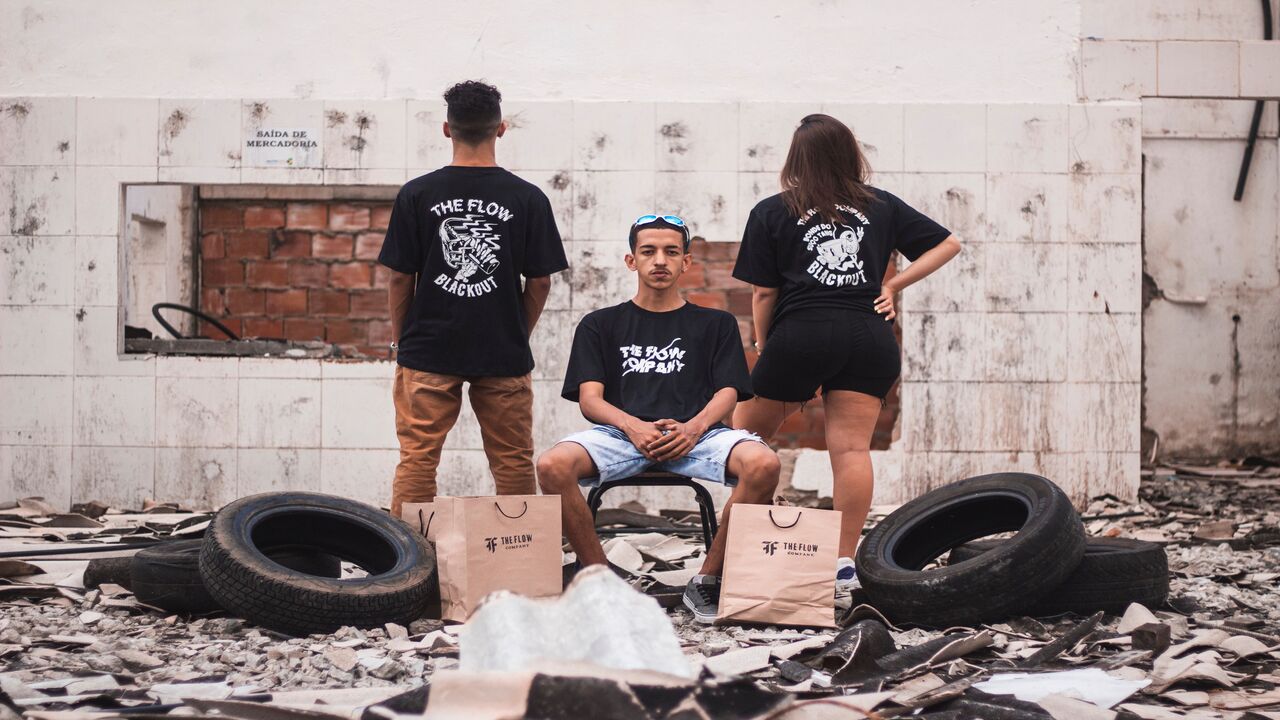
Inspect how the body and sleeves work together. A wider body with a shorter length can create a different shape from a long relaxed tee. A dropped shoulder can alter the visual line even when two garments use similar chest measurements.
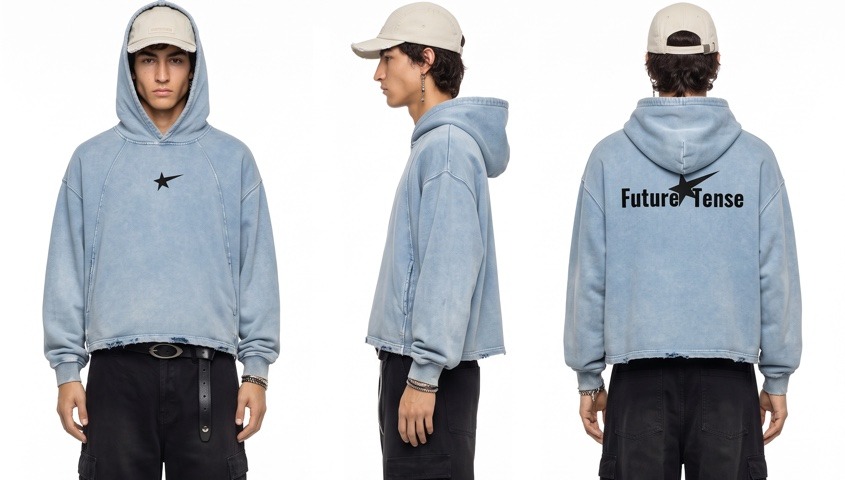
Compare the chosen size with a suitable reference garment. The reference should reflect the intended customer and styling rather than simply a piece you happen to own. Identify which differences matter to the design and record those dimensions before ordering.
Do not treat either term as a quality grade. A boxy cut can fit one collection and miss another. An oversized cut can suit the visual brief without working for every wearer. Choose the proportion because it serves the product.
Washed and Vintage Do Not Describe the Same Thing
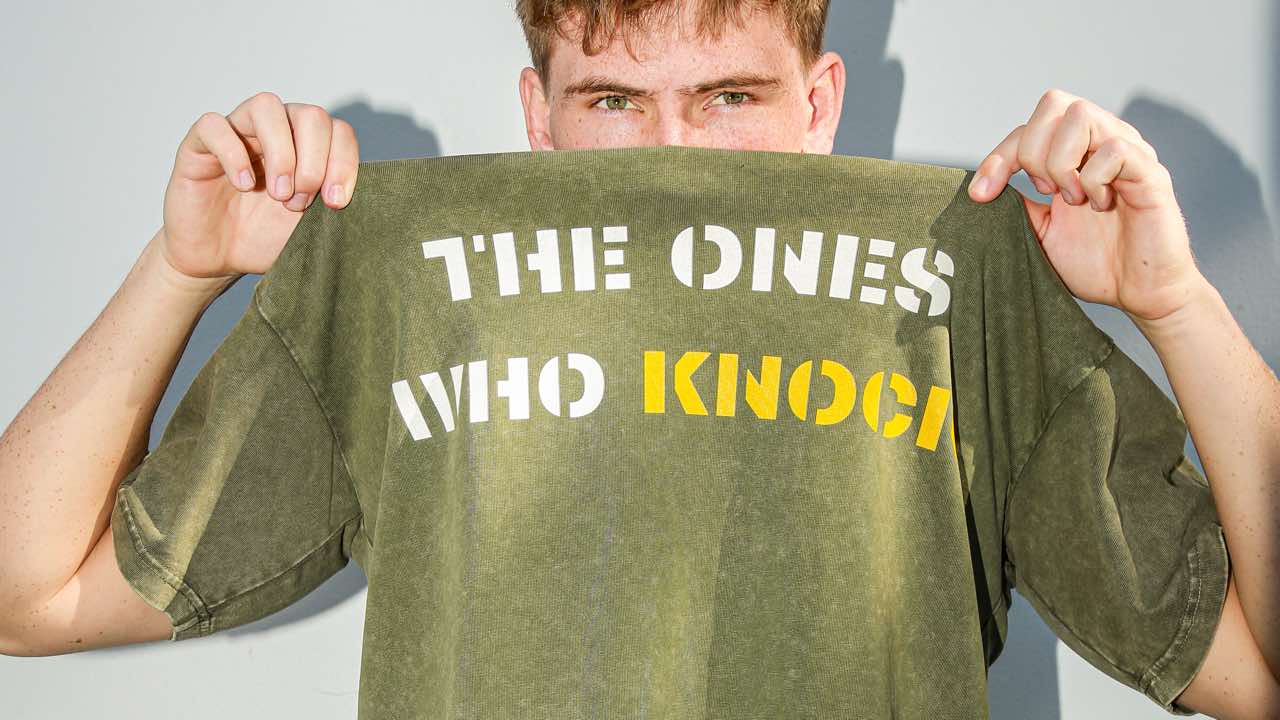
Washed can identify a stated treatment or finish on a particular product. Vintage can describe an aesthetic or visual reference. A vintage-looking image does not establish which manufacturing treatment produced the appearance.
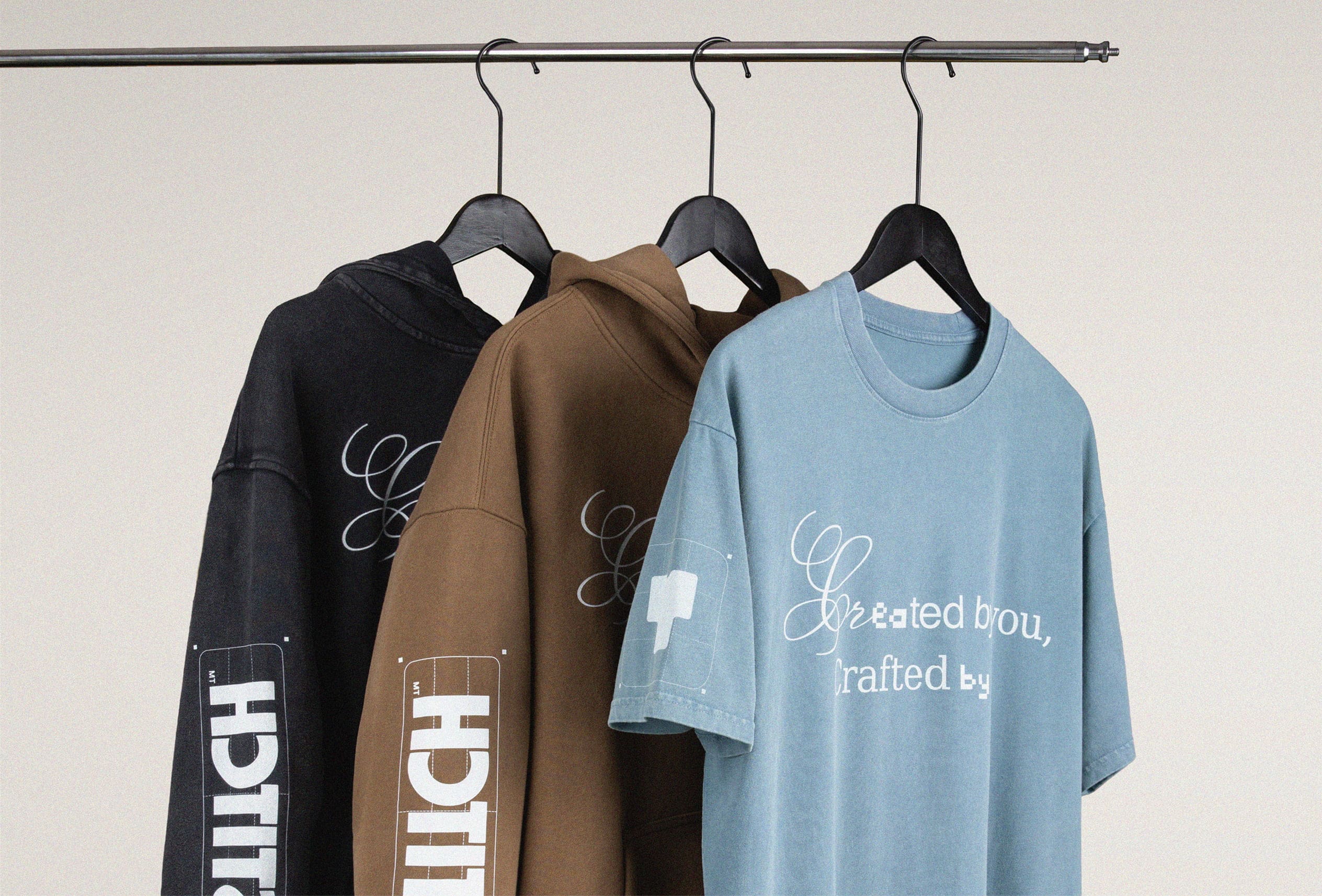
Read the product's stated details before naming the finish in your listing. The Snow Wash Fleece Oversize Hoodie RW0046 identifies a specific snow-wash direction. Use that product information rather than assigning a treatment based on the photograph alone.
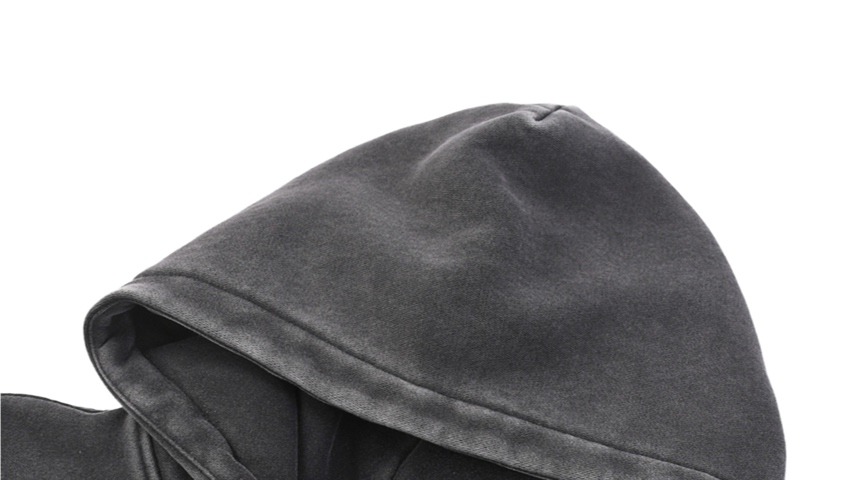
Assess how the surface works with your artwork. A clean background may give a small graphic a different visual effect from a varied washed surface. Choose the relationship you want, then inspect the physical item with the planned design.
Keep appearance claims separate from durability claims. A worn-looking style does not mean the garment has been tested for a specific lifespan, and a wash name does not guarantee every future color or wear result. Describe the selected product accurately without adding performance promises.
Read Measurements and Wash Details before Choosing
Use the selected product's Size Guide and details to evaluate the candidate. Look at shoulder width, chest width, length and sleeves where the chart provides them. Read those dimensions together instead of deciding from one letter size.
Identify the proportion you need first. If the main graphic needs a broad front panel without excessive length, note both requirements. If the hoodie will be shown layered, evaluate the room and sleeve relationship relevant to that arrangement.
Distinguish choosing a larger size from selecting a deliberately different cut. Increasing the size can change several dimensions together. That may not produce the body-to-sleeve relationship you intended. Compare the actual measurements rather than assuming the next size supplies the target silhouette.
Read composition and finish alongside the dimensions. A garment can match the sketch's rough outline while using a material or surface direction that doesn't fit the collection. Decide which features are essential before accepting the candidate.
Build a small selection record:
Keep the selected variant attached to the record. If you later change style or size, review the affected dimensions and layout. Similar garment names should not cause one product's measurements to become another product's description.
Compare Available Blanks for the Collection
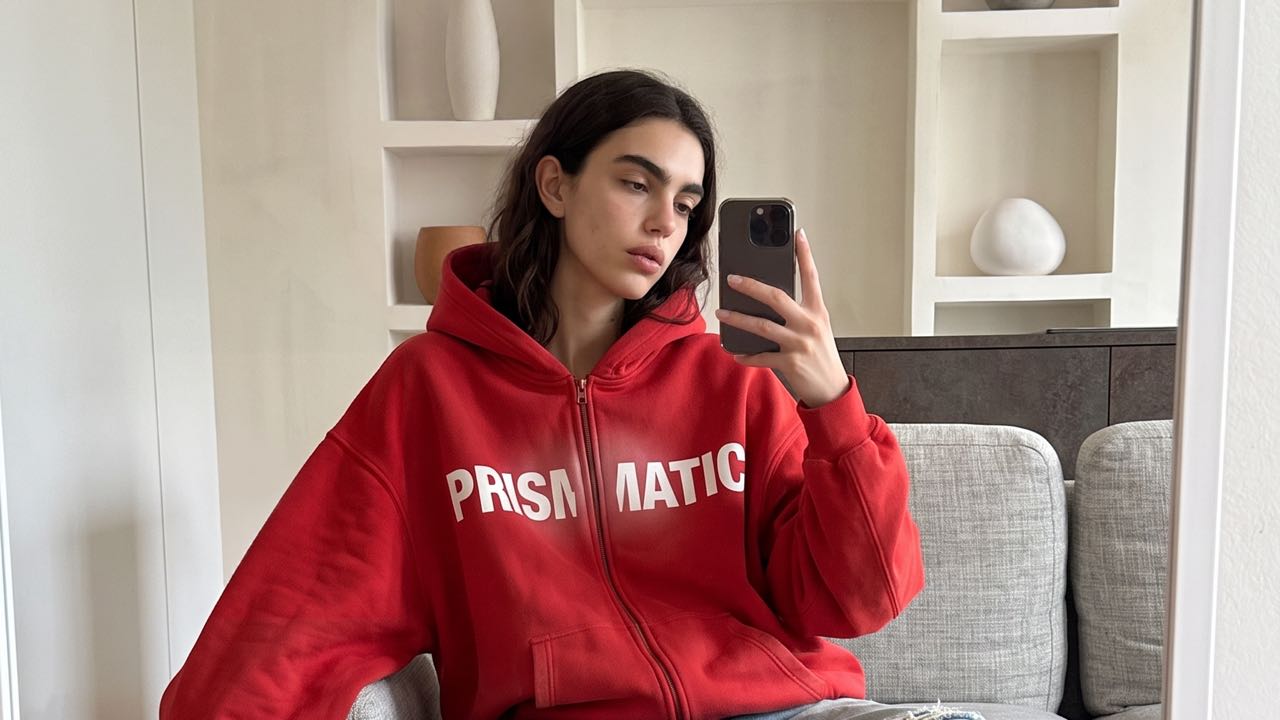
Compare products against their collection roles rather than asking which blank is universally preferable. The Oversize Fleeced Hoodie R00286 is a loose fleece option to assess. RW0046 offers a stated oversized silhouette with a snow-wash surface. Their differing appearance can serve different visual briefs.
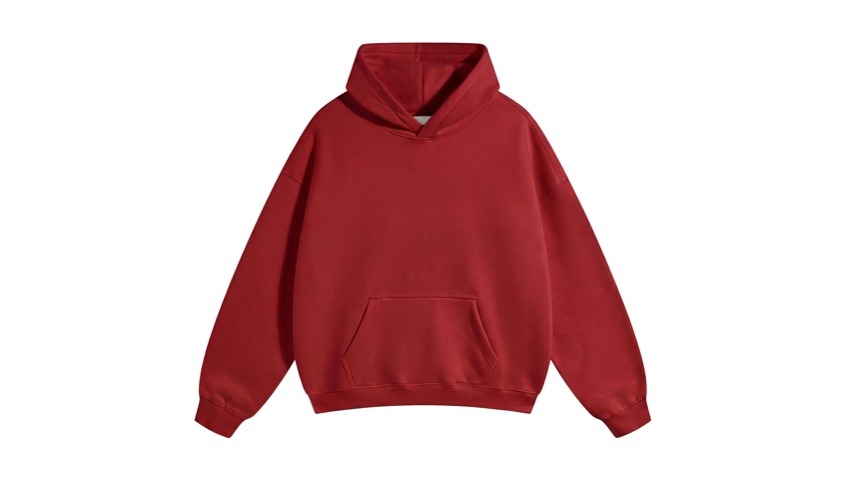
Read the precise product pages for the options you intend to order. Decide whether the required size, color and customization fit the chosen route. Do not use a displayed catalog photograph to establish every variant's availability or order configuration.
Neither example should be forced into every descriptive category. If a product's details establish loose or oversized styling, use that description. Reserve boxy for a product whose own details support it, such as our Snow Wash Raw-Hem Boxy T-shirt RT0058, and vintage for one that states that wash, such as our Vintage Washed Oversized Cotton T-Shirt RT0069.
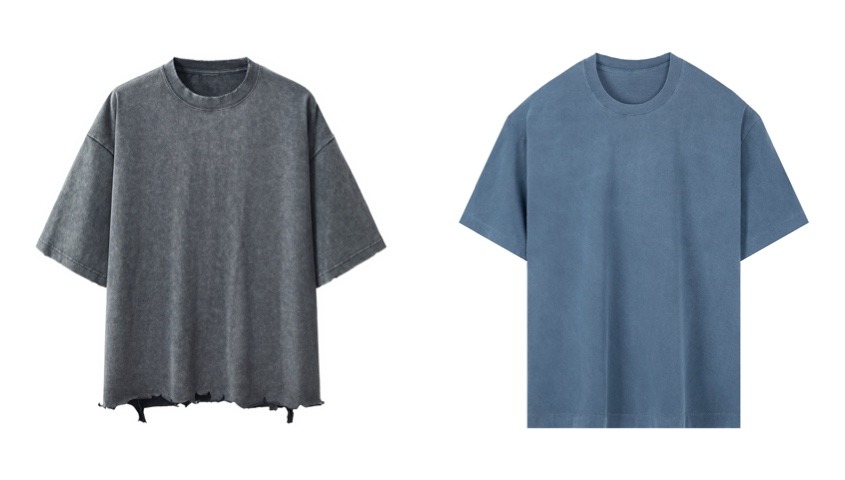
Assess R00286 and RW0046 beside the other pieces in the range. One can reinforce a clean graphic direction, while another may fit a collection built around a worn-looking surface. That is a design decision to evaluate, not evidence that one finish is higher quality.
When comparing candidates, keep the intended artwork and use reasonably consistent. If you change the graphic, styling and garment at the same time, it becomes harder to know which difference produced the visual result. A controlled comparison leads to a more useful next choice.
Keep the operational configuration in view as well. The garment that expresses the idea must still work with the required decoration, applicable brand components and delivery route. A supplier choice is complete when the visual and order requirements fit together.
Retain the photographs that informed the decision, along with the selected size and product code. If a later item looks different, this record helps you distinguish a styling change from a garment configuration change. It also provides a reliable starting point for the product images and fit information customers will see.
Confirm the Choice with the Planned Design
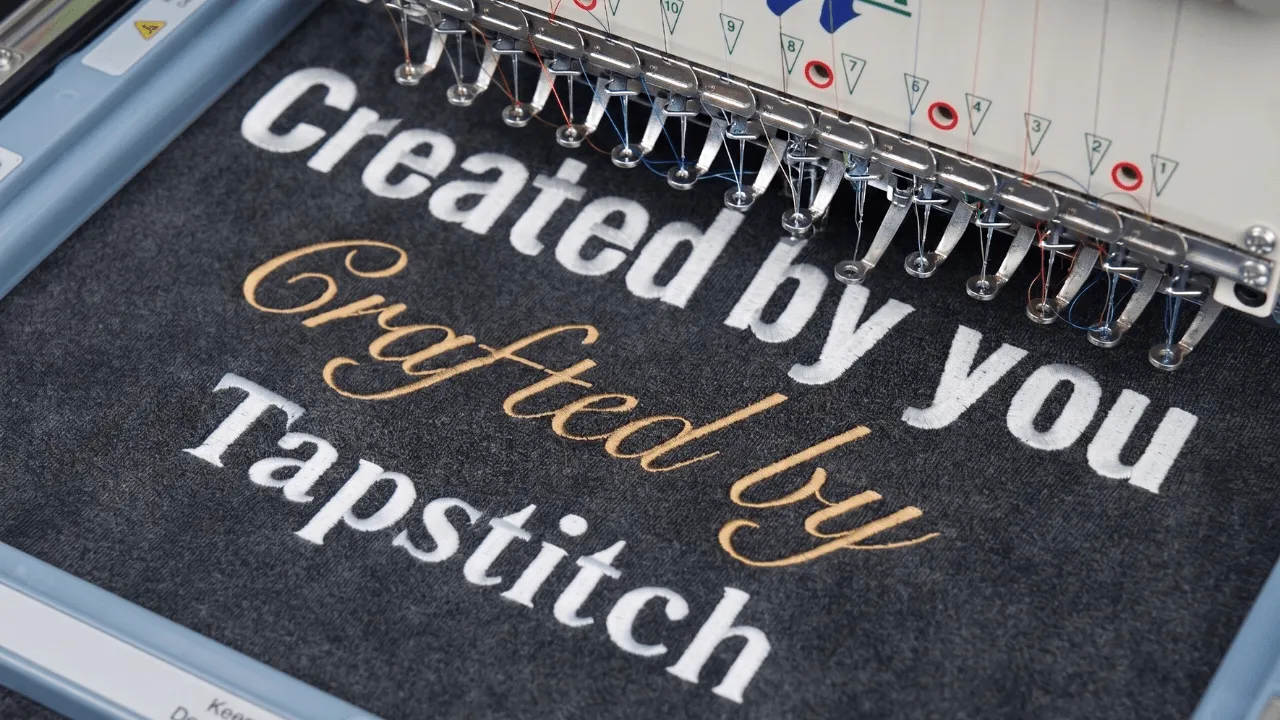
Order the candidate as the product you plan to sell. Use the intended graphic and relevant brand details rather than treating an undecorated blank as approval of the finished item. Include its total configured cost and shipment in the trial plan.
Review the garment worn and laid flat. Inspect its proportions, the graphic's scale and the relationship between finish and artwork. Use the intended styling when taking approval photographs so that you can compare the result with the product brief.
Record whether the result calls for a different blank or a graphic adjustment. A body that is too long for the collection will not be corrected by shrinking the illustration. A suitable cut with an awkward layout may need a design revision instead of a new supplier.
Follow the garment's care instructions for any wash assessment. Keep relevant observations and photographs, and use them to refine the product description without turning one trial into a guaranteed performance claim.
Preserve the approved configuration as a reference for related styles. It can guide the range's visual language, but each new garment still needs its own measurement and decoration review. A shared collection name does not make different products interchangeable.
Choose Tapstitch when the selected blanks, customization and order conditions express the intended collection. Choose another manufacturing route when an essential silhouette or construction feature cannot be achieved with available garments.
FAQ
Wrapping Up
Choosing streetwear blanks requires separate decisions about silhouette and surface. Oversized or boxy proportions and washed or vintage styling describe different aspects of the product, so the actual measurements and stated details matter.
Match the candidate to the planned graphic and wearing context, then inspect the physical configuration. Keep the style that expresses the collection, revise a defined mismatch or choose another production route for a missing requirement.