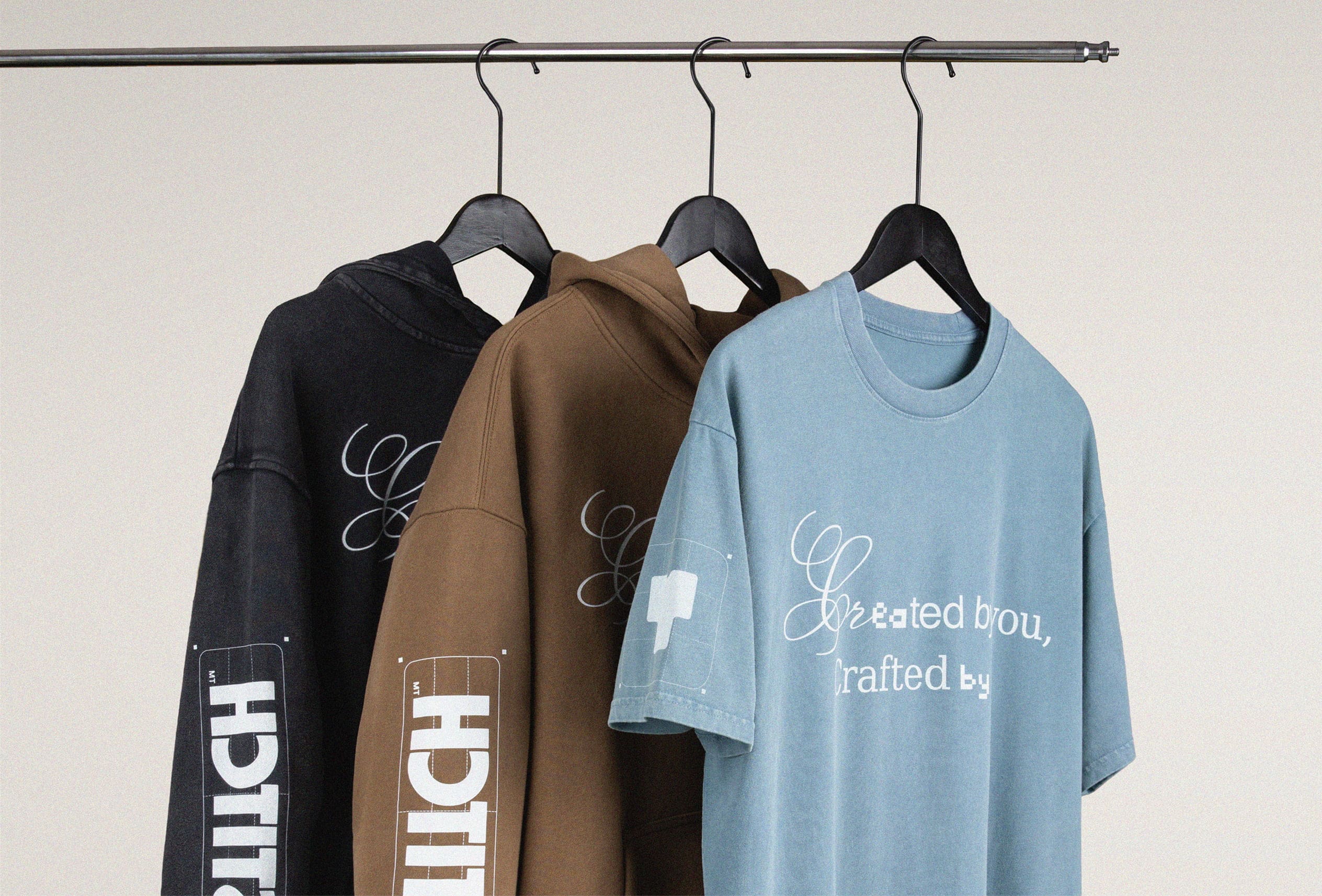







90s Grunge Fashion - Style and Outfits Guide
.jpg)


Grunge wasn't a look. It was what happened when nobody was trying to have a look.
Some things are a flash in the pan. Grunge is not. Grunge burst forth from Seattle in the late 1980s, fueled by thrift store budgets, grungy guitars, and a youth that cared about one thing: not giving a hoot about how they looked. Kurt Cobain wore a flannel on national TV. Courtney Love combined baby-doll dresses with combat boots. Eddie Vedder wore army surplus fits. None of it was planned, and that's why it was so successful.
Thirty-plus years later, it's everywhere – runways, TikTok, independent brand creators looking to recreate the vibe. However, it takes more than just grabbing a flannel shirt and calling it a day to pull off this look in modern times. It takes understanding how grunge fashion all began.
What is Grunge Fashion?
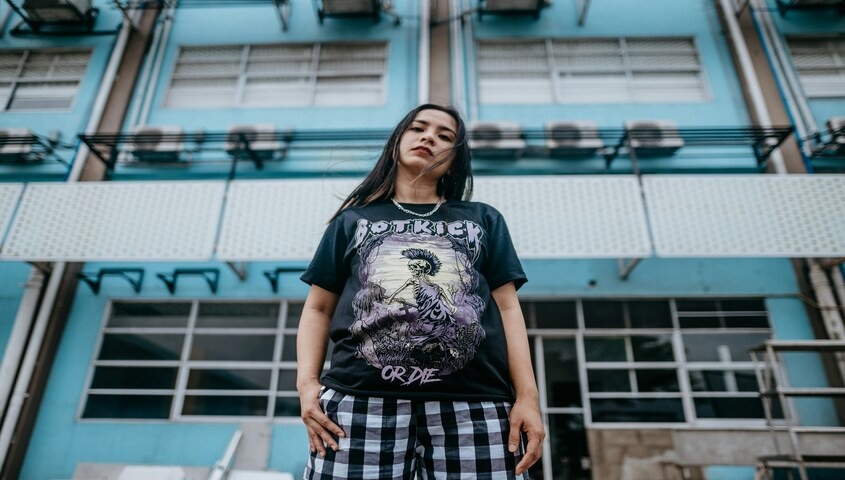
Grunge is a look that is all about rebellion and practicality. It is a fusion of work clothes, punk, and heavy metal without any of the stuff that is too neat and calculated.
Grunge style is essentially anti-fashion turned into fashion. It is about layering thrift-store clothes rather than tailored ones. It is about lived-in, unpatched, rough denim rather than stiff denim. It is about a flannel that has had beer spilled on it, has a cigarette hole in the pocket, and has been washed a few hundred times. The idea is not to look sloppy; it is to look like you have better things to worry about.
Of course, that’s not to say that anti-fashion means anti-craft. In fact, some of the best grunge outfits are well-thought-out. Each piece is layered for texture, contrast, and weight. That’s really where you can see if you’re really getting the look or if you’re just working from a mood board.
For anyone looking to establish a brand of any kind in today’s world, grunge is a look that immediately conveys a message of independence without needing to say a word. It is a look that speaks to people who want something real versus something aspirational. People can immediately tell when something is real versus when it is not.
History of Grunge Fashion
Understanding the style means understanding where it came from. The history isn't complicated, but it's specific—and the specifics matter when you're building something on top of it.
The Origin of Grunge Fashion
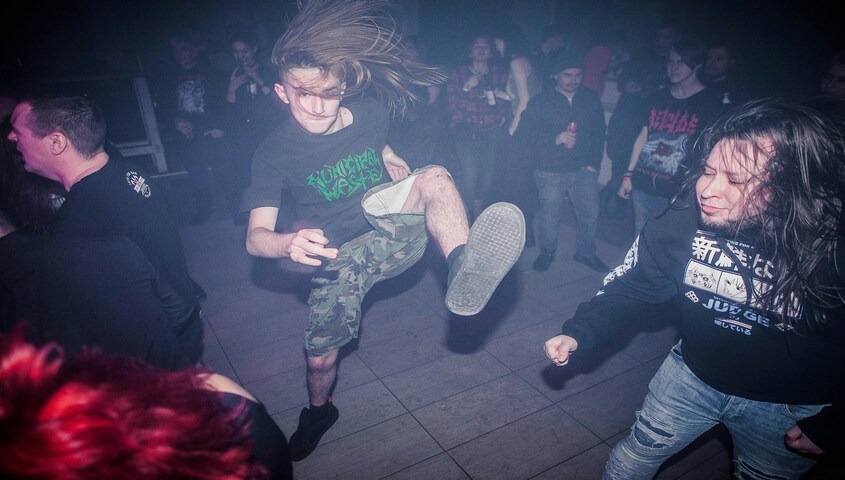
90s grunge fashion was not on a runway. It was in a basement, in a practice room, in Seattle, Washington, in the late 1980s. These bands, like Mudhoney, Soundgarden, and Nirvana, played in front of a crowd of maybe two hundred people. Their fashion was about what they could afford, about what was around them. Flannel shirts for the Pacific Northwest weather, jeans until they died, and boots.
"Grunge" was the name for the music: raw, distorted, and low-fidelity. But the fashion was a byproduct of the music. When the same bands burst onto the scene in the early '90s, they brought their fashion to the MTV screens and magazine covers. The response in the fashion world was swift.
The Marc Jacobs grunge collection for Perry Ellis in 1993 is one of the most legendary shows of the decade. It was so uncommercial that Jacobs was fired on the spot. It is also one of the most referenced runway shows of the decade. The look that was never supposed to be fashionable had become fashionable. This is what grunge has always been about.
The Evolution of Grunge Fashion
By the mid-'90s, grunge had gone from everywhere to everywhere else. Courtney Love's "kinderwhore" look of baby-doll dresses, lipstick smudges, and Mary Janes added a female perspective to a look that had expanded well beyond the original live performances of the bands. Anna Sui and Calvin Klein had adopted elements of the look in their clothing lines. Mainstream retailers carried their own version of the style.
Then the decade ended. The music shifted. And the fashion industry, always moving, moved on.
90s grunge fashion never fully went away. It came back in the mid-2000s with indie rock and vintage shopping. It came back in a big way in the 2010s with skate culture and brands that know how to work texture, layering, and distressing. It's referenced in all forms today, whether it's high-end runways, editorials, or lesser-known brands taking advantage of platforms like Tapstitch.
The evolution didn't dilute grunge. It proved how adaptable the aesthetic actually is.
10 Unique Characteristics of Grunge Style
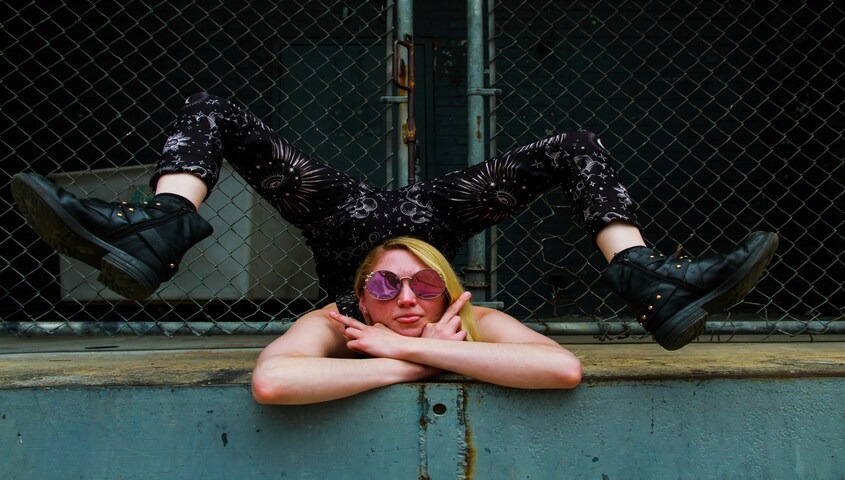
Before you build a grunge-inspired look or a brand built on this look, it's helpful to understand what specifically defines this look. These are not random pieces. Each one ties back to the original ideals of this look and remains relevant today.
Flannel Shirts
The most iconic piece in the grunge look. Flannel shirts can be styled open over a band tee, wrapped around the waist, or fully buttoned to keep warm. No other piece encapsulates the look or the attitude quite like the flannel.
Ripped Jeans
They weren’t ripped for aesthetic purposes; they were ripped while hopping a fence or climbing a roof after too many PBRs. Modern interpretations of this look emphasize the genuine item, straight or slim leg, wear on the knee and thigh, and a hem that is by no means even.

The Vintage Wash Distressed Denim Jeans are already doing the work before you put anything with them—vintage fade, ripped knee, straight leg. Pair them with anything in this list, and the outfit builds itself.
Band T-shirts
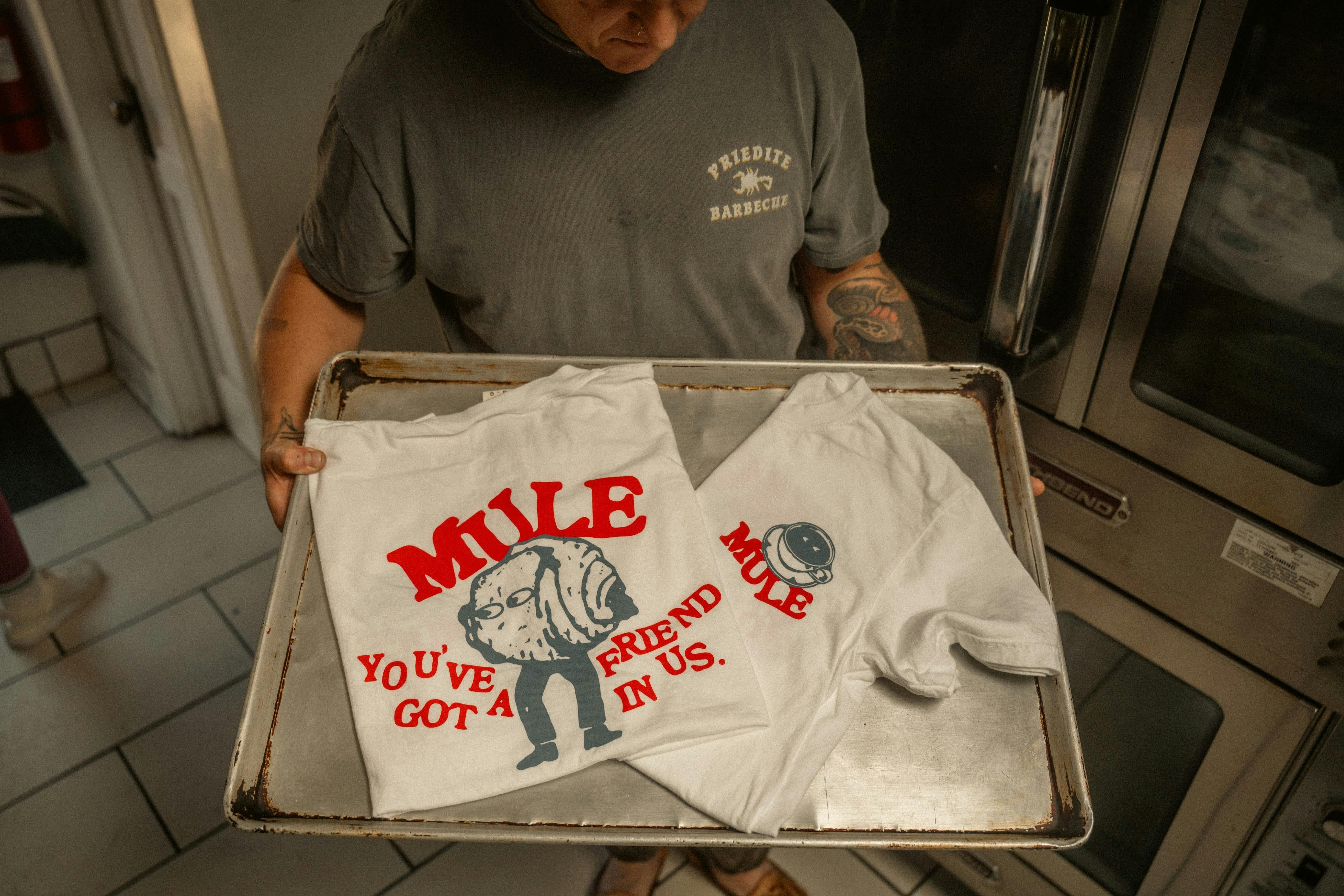
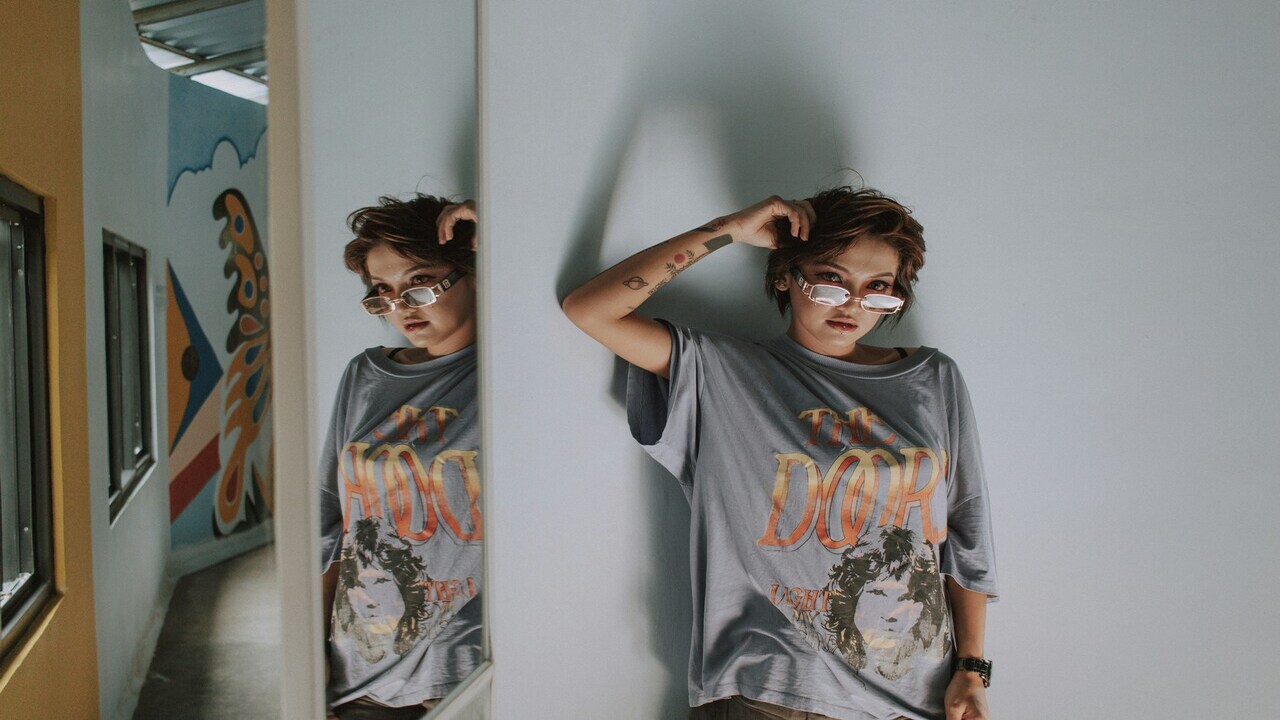
The backbone of the look. Nirvana, Pearl Jam, Soundgarden, Pixies – the graphic t-shirt represents where you're coming from, what you're interested in. Not to mention, oversized styles with faded, vintage-style prints tend to stand out more than pieces that look brand new.
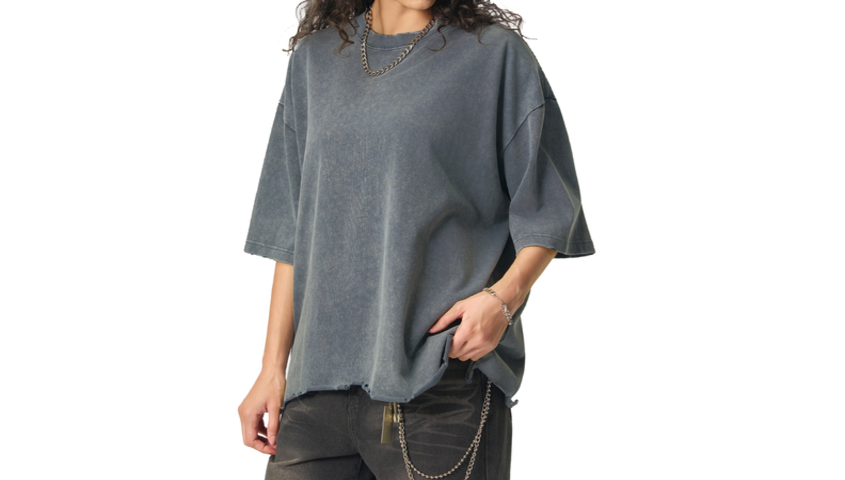
Vintage Wash Boxy Distressed Hem T-Shirt and Snow Wash Raw-Hem Boxy T-shirt are built for this. Pre-distressed blanks, you put your own graphic on. The base already looks real—the art makes it yours.
Layering
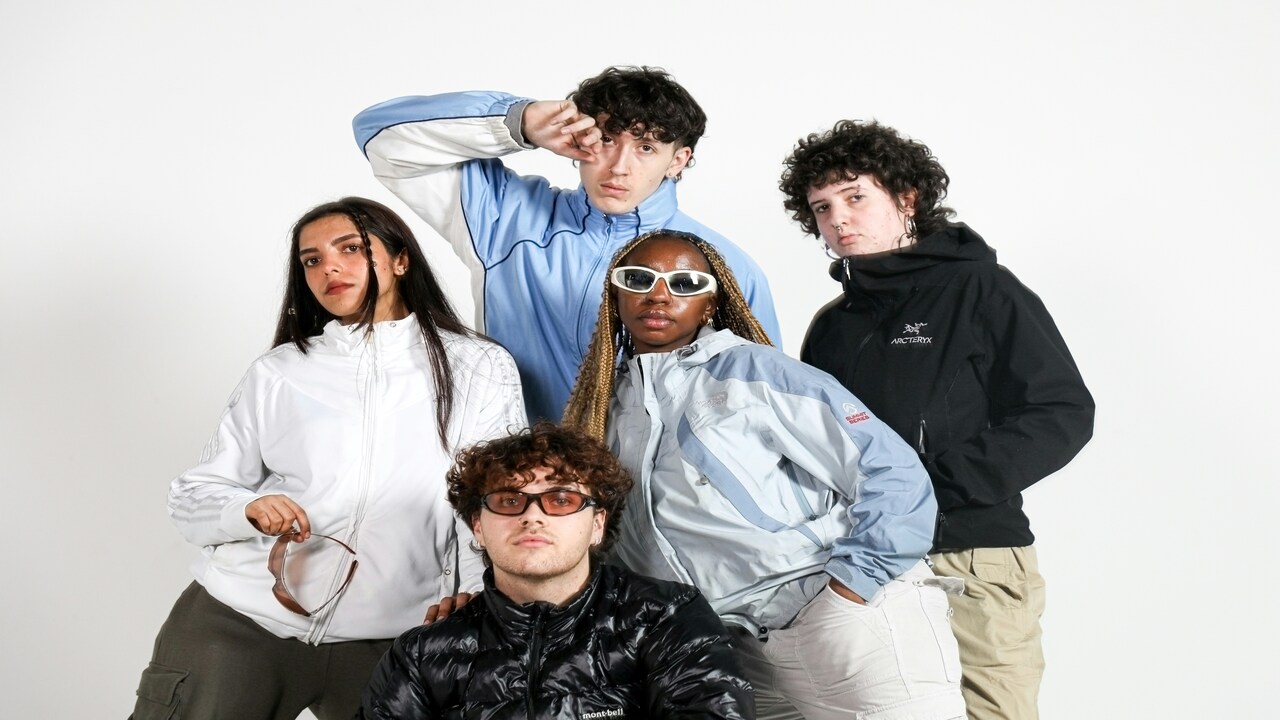
Grunge layering is not decorative. It's structural. A thermal under a flannel under an open hoodie. A jacket over a slip dress. The logic is always texture, depth, and tension. Unrelated pieces until they look good together.
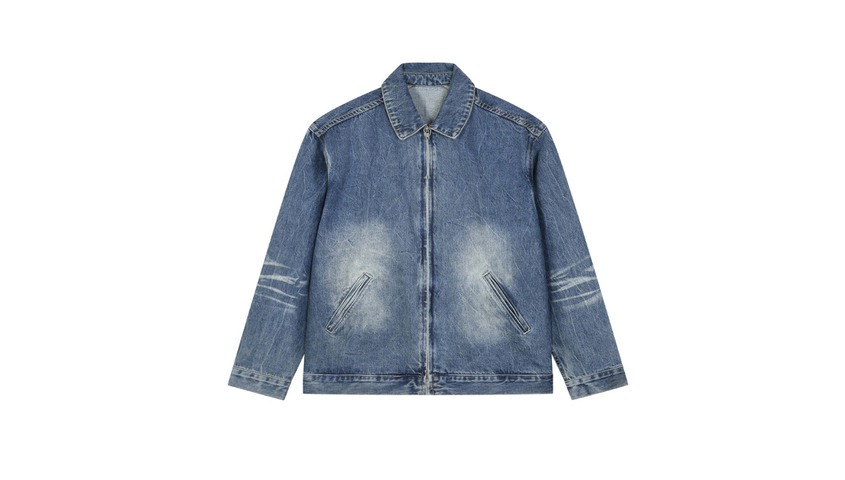
Layering starts with the right shell. The Vintage Wash Zip Up Denim Jacket goes over anything—a thermal, a band tee, a hoodie—and the vintage wash makes it look like it's been doing that for years.
Combat Boots
Dr. Martens and its offspring became the footwear hallmark of grunge. Heavily soled, laced, and built to last. They worked just as well with feminine forms as they did with masculine ones – which was the point.
Oversized Silhouettes
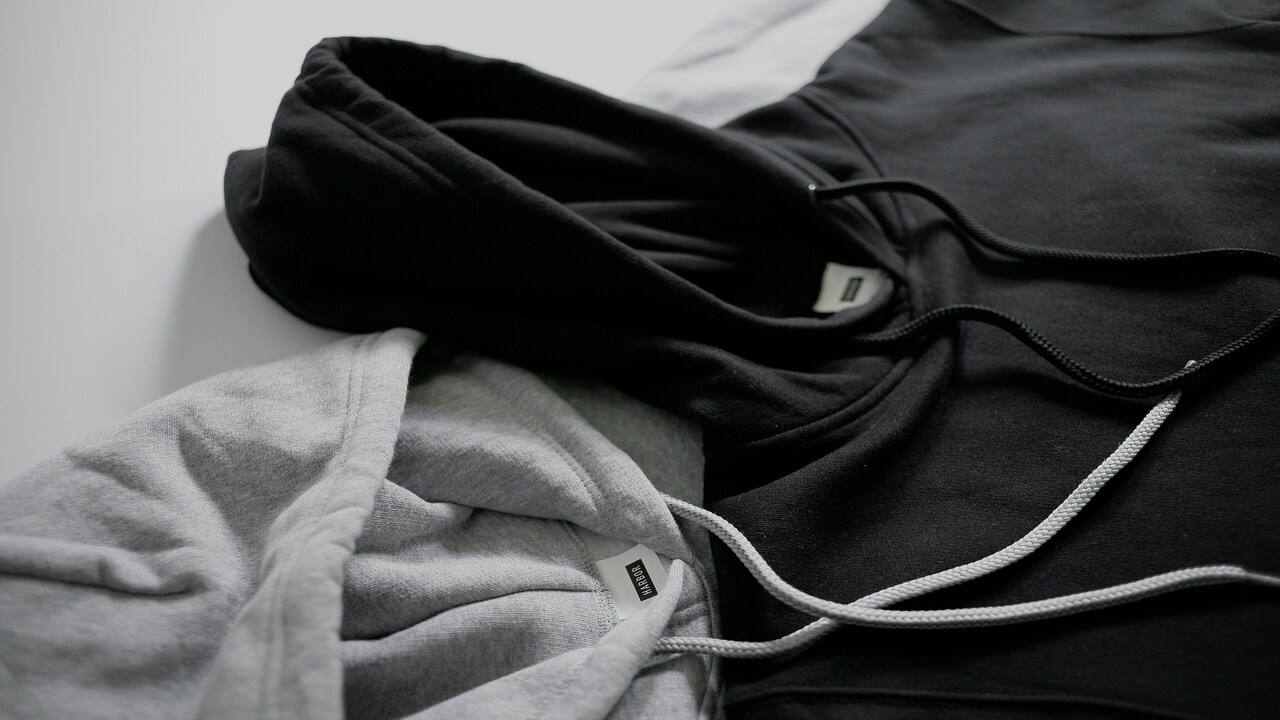
Nothing fit. Everything was slightly too big or intentionally sloppy. The oversized silhouette is a statement of anti-fashion and lends an ease to all outfits that a well-fitted piece cannot. Go one size up on all essential pieces.

The Snow Wash Oversized Crewneck Sweatshirt is the section of the wardrobe that does the heavy lifting. Washed-out, roomy, and built to be thrown on over anything — this is what "nothing fit" actually looks like when it's done right.
Distressed Denim
Denim in all its forms—jacket, jeans, shorts—each with its own texture. Distressed, bleached, and patched. Denim with the air of having been somewhere. The more it looks worn, the more it looks real.
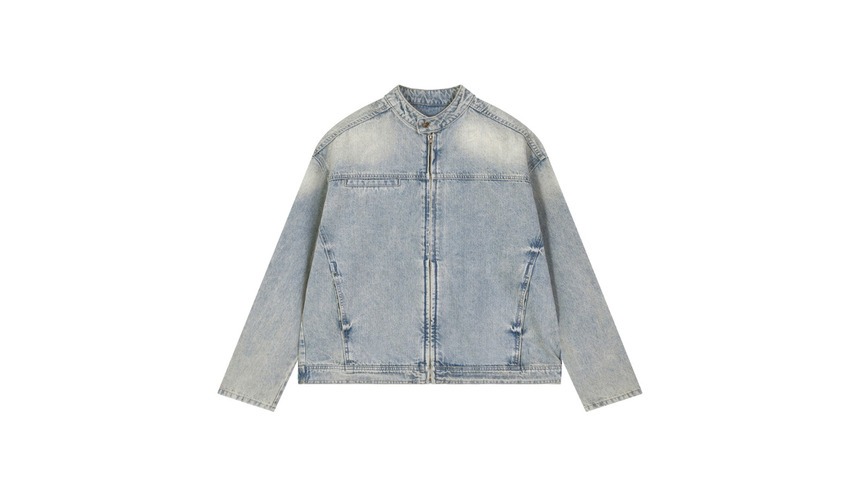
The Vintage Wash Zip Denim Jacket covers the other side of the denim equation. Lighter wash, cleaner lines—but still lived-in. Throw your brand on the back, and it becomes something entirely different.
Dark Color Palette
Black, charcoal, deep burgundy, forest green, washed grey. Grunge is not a style that incorporates brights. Even the plaid flannel is subdued. It’s all so cohesive and familiar in terms of the moody undertones.
DIY Elements
Safety pins, hand-drawn patches, bleach, stitching. Grunge fashion was born out of necessity. People wore what they could. The idea of making do with what one has is still an essential part of what makes it real versus not.
Slip Dresses and Babydoll Silhouettes
The slip dress, worn over a long-sleeve tee or with chunky boots, was another important yet often overlooked component of the women’s grunge style. It provided a contrast to heavy hardware that has contributed to the style’s popularity.
Grunge Fashion Style Outfits Today
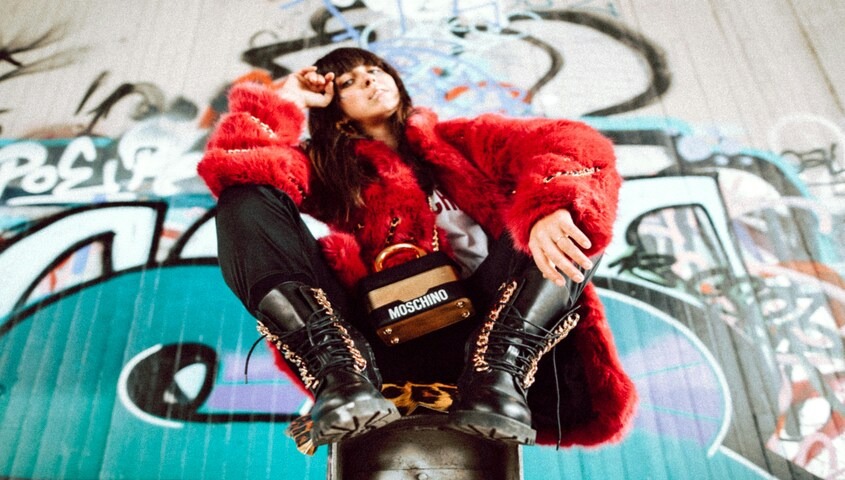
The revival isn't nostalgic; it's relevant. Grunge has fully transitioned into contemporary streetwear, editorial looks, and even independent brand styles. Unlike most '90s-inspired fashion movements, the longevity of this revival exists because the logic behind the style isn't confined to a particular era; it's confined to a state of mind.
Here's how the look translates in practice right now.
For men: an oversized heavyweight t-shirt, raw-hem straight-leg jeans, and a worn flannel tied at the waist or layered open over the top. Finish with chunky boots and a faded cap. Clean, no fuss, and completely intentional.
For women's grunge style: a slip dress with a long-sleeve thermal underneath, combat boots, and a crossbody leather bag. Or ripped high-waisted jeans with a cropped band t-shirt and an oversized distressed denim jacket thrown over the top. In each of these outfits, the common thread is contrast: soft and hard, delicate and heavy.
The reason 90s grunge outfits were so effective was that they paired things that didn't go together and let the tension between them do the work. That's just as true now as it was back then. You're not trying to match things; you're trying to create tension between them. When it works, it looks completely effortless. When it fails, it's usually because the items are too similar in tone or finish.
Frequently Asked Questions
What's the difference between grunge style and punk style?
While they share roots, punk and grunge move differently. Punk, born in the 1970s UK, is loud and confrontational with mohawks, studded leather, and sharp, rebellious energy. Grunge takes that anti-establishment mindset but softens it. Think worn flannels, distressed layers, and a detached attitude. Punk fights. Grunge shrugs.
What's the difference between grunge style and Y2K fashion?
Grunge and Y2K sit on opposite ends. Y2K is futuristic, shiny, and fitted, built on metallics, baby tees, and low-rise silhouettes. Grunge is dark, loose, and textured, with flannel, denim, and worn layers. One looks forward with optimism. The other leans into raw, effortless indifference.
Is grunge a type of emo?
No, but they overlap. Emo evolved after grunge and leans more expressive, while grunge stays detached. Emo fashion mixes grunge elements like band tees and dark tones with tighter fits, eyeliner, and styled details. Grunge feels effortless. Emo feels intentional. Grunge was the older sibling who just didn't care, while emo was the younger sibling who cared too much. They are not the same.
What was the 1990s grunge trend?
1990s grunge grew out of Seattle’s music scene, led by bands like Nirvana and Pearl Jam. The look centered on flannel shirts, ripped jeans, combat boots, and oversized layers. What started as anti-fashion quickly went mainstream, but its core attitude and aesthetic still hold today.
Wrapping Up on the Grunge Fashion
Grunge outlived most of what defined the ’90s because it was never just about clothes. Power suits, logomania, clean minimalism — they came and went. Grunge is stuck because it rejects performance. It’s style without trying too hard, and that attitude doesn’t expire.
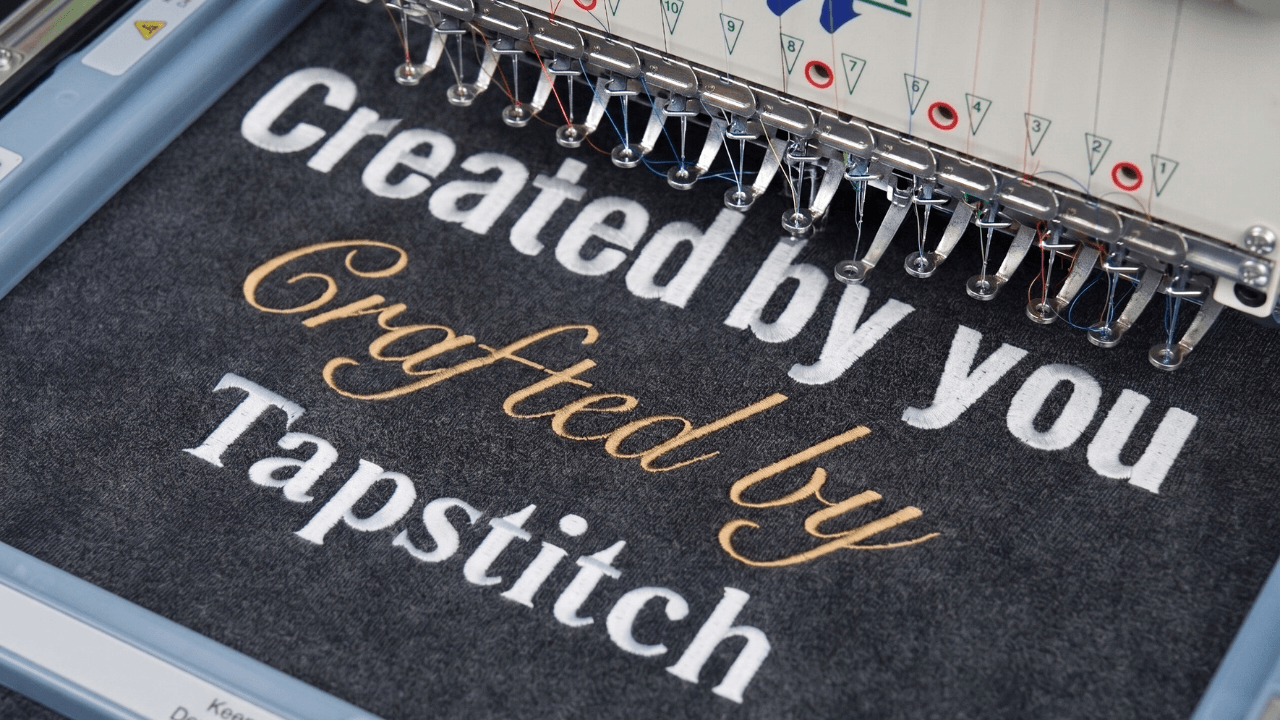
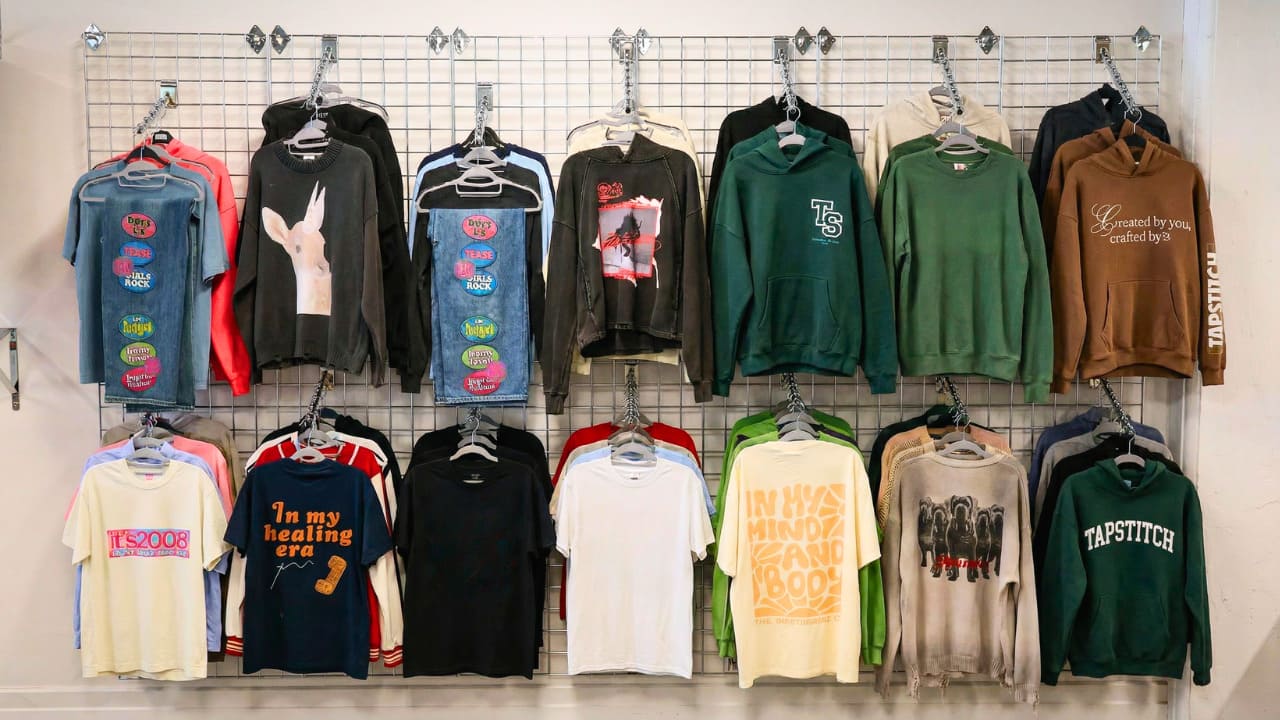
For founders, the grunge aesthetic offers real substance. You’re not just designing pieces—you’re building something people connect with. Tapstitch gives you the tools to do it right: designer-quality print-on-demand clothing, no compromises, no inventory. The vision is yours.
.jpg)

%20(1).jpg)
.jpg)
.jpg)

.webp)

.jpg)
.jpg)
.jpg)
.png)
.jpg)
.jpg)

%20(3).jpg)


.png)

.jpg)
.jpg)
.jpg)

.jpg)
.jpg)
.jpg)








.png)




.png)
.jpg)








.jpg)


.jpg)

.png)
.jpg)


.jpg)
.jpg)





.jpg)
.jpg)
.jpg)
.jpg)

%20(1).jpg)

.png)

.png)


%20(1)%20(1).jpg)