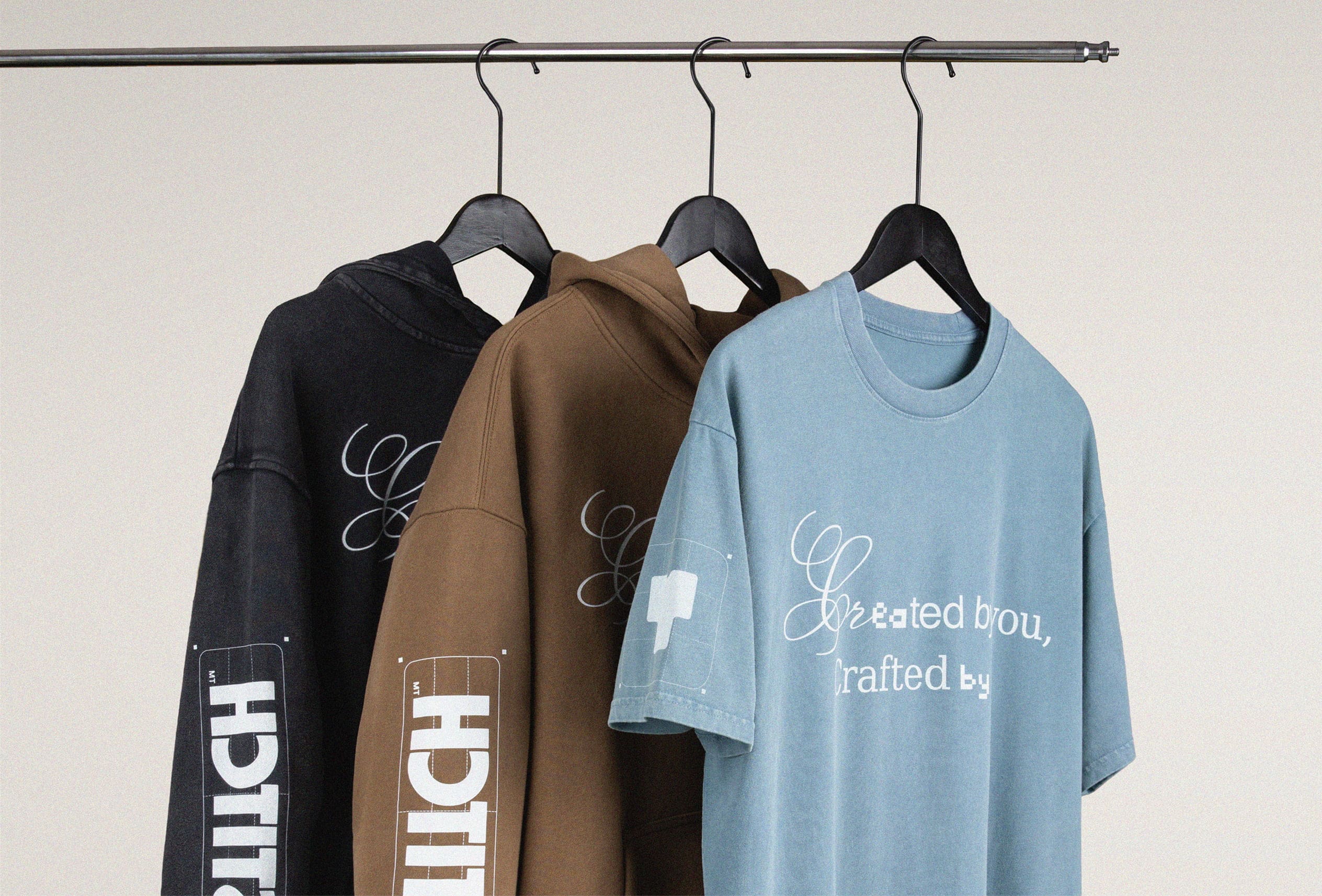







Eco-friendly and Sustainable Fabrics: The Ultimate Guide
.jpg)


The fashion industry is currently accountable for 10% of the total carbon emissions and 20% of the total wastewater worldwide. These are not abstract figures; they are the price tag for the way the majority of clothing is manufactured. And for those who wish to create a brand, it is impossible to disregard.
Sustainable fabrics are the most direct way to change that equation. Not through marketing language or green-tinted branding, but through the actual material your product is made from — the fiber, the dye, the finish, the waste it leaves behind. That’s where real impact starts.
This guide covers what those materials actually are, the types worth knowing, how they differ from organic options, and where the industry is headed. Whether you’re sourcing for a new line or choosing your next print-on-demand blank, the material matters more than most people realize.
What are Sustainable Fabrics?

Sustainable fabric is any fabric that is made in a way that does not hurt the environment throughout its entire life cycle, which includes the process before it is made into a fabric, and after it is made into a fabric and is no longer wearable. This includes how the fabric is made, how it is colored, and if it is recyclable or if it will biodegrade.
The word sustainable, in the fashion world, is used in a very liberal manner, and it's always important to clarify. If a fabric is sustainable, it does not mean that it's a natural fiber. For example, cotton is a natural fiber, but cotton farming, in the past, has been extremely water- and pesticide-heavy. Sustainability is a very holistic word, and it's not just about the fabric, it's not just about the supply chain, it's not just about the process, it's not just about the labor, and it's not just about the material that won't end up in a landfill in two hundred years.
The difference is significant for brand builders. The truth is, consumers are becoming more interested in what’s actually in their clothing, and the brands that can talk about it in detail are the ones that are actually building trust.
Typical Types of Sustainable Fabrics You Should Know
Not all sustainable materials are created equal. Some are ancient fibers getting a second look; others are lab-developed innovations that didn’t exist a decade ago. The range is wider than most people realize, and each option comes with its own tradeoffs in cost, feel, durability, and environmental footprint.
Here are the ones that matter most right now — and what makes each worth considering.
- Organic Cotton – This is cotton that is not treated with any chemical pesticides or fertilizers and is produced using 91% less water than regular cotton. This is the most accessible gateway to sustainable sourcing. Just look for the GOTS (Global Organic Textile Standard) mark.

- Hemp – One of the lowest-impact crops on the planet. Hemp needs little water, no pesticides, and actually helps the soil as it grows. The fabric is durable, breathable, and gets softer with every wash. It’s been around for thousands of years – it’s only recently that fashion caught up.

- Linen (Flax) – Made from the flax plant, linen needs very little water or chemical input to produce. It’s naturally biodegradable, highly breathable, and gets better with age. The downside: it wrinkles easily, which is either a flaw or part of the character depending on your brand’s point of view.
- Tencel (Lyocell) – Crafted from responsibly sourced wood pulp and produced using a closed-loop system to recover over 99% of solvents used. It is a silky, breathable fabric with excellent drape. It is the fabric of choice for many brands looking to achieve luxury with sustainable credentials.
- Recycled Polyester (rPET) – It is made from post-consumer plastic bottles and existing polyester clothing. It saves on virgin petroleum use, waste in landfills, and has much lower production energy. It’s not perfect; it does have microplastics, but for a transitional fabric, it’s one of the most accessible ones.
- Bamboo (Mechanically Processed) – Bamboo grows fast, needs no irrigation, and sequesters carbon efficiently. But how it’s processed matters: mechanically processed bamboo linen is genuinely sustainable, while chemically processed bamboo rayon often isn’t. Always check the method before making claims.

- Pinatex (Pineapple Leather) – An interesting textile, made from pineapple leaf fibers, which are normally agricultural waste. This is a legitimate alternative to leather, with real texture. While still a niche product, it is an interesting representation of where we’re going in terms of textile innovation: using waste to create a product to be worn.
- Econyl (Regenerated Nylon) – It is produced from recycled materials like discarded fishing nets, textile waste, and plastic products, and can be recycled repeatedly without compromising its quality. It is being used by many brands in the custom sportswear and swimwear markets. It is moving into new product categories.
- Sorona (Bio-Based Fiber) — Made partially from plant-based ingredients (corn glucose), Sorona is a fiber developed by DuPont that requires 30% less energy to produce and generates 63% fewer greenhouse gas emissions than traditional nylon. It's naturally soft, quick-drying, and resistant to stains and fading — making it one of the few next-gen materials that's both genuinely sustainable and practical for everyday wear. Unlike many bio-based materials still in development, Sorona is already in production and available through print-on-demand platforms like Tapstitch, meaning independent brands can access it today without minimum orders.
Why Choose Eco-friendly and Sustainable Fabrics?

The case for the environment: conventional textile production ranks among the most polluting activities on earth. Synthetic dyes enter waterways. Petro-based fabrics take centuries to decompose. Fast fashion drives excessive production, contributing to roughly 92 million tons of textile waste generated annually.
Making a choice on environmentally friendly fabric is a chance to minimize your brand’s impact on the environment at the most basic level – fabric. And yet, the business case is just as compelling. The interest in transparency and sustainability has gone from niche to norm, especially among the 18-35 year old demographic that represents the majority of brand growth for independent brands.
Of course, there is also the quality argument. Many sustainable fabrics, including organic cotton, hemp, and Tencel, are simply nicer to the touch and last longer than their non-sustainable counterparts. They hold dyes more effectively, feel more comfortable against the skin, and develop patina rather than degradation. As a print-on-demand business, this means the quality your customer feels.
The brands that are winning right now aren’t just putting a ‘sustainable’ label on their marketing materials. They are selecting materials that support the sustainable label – and are sharing that story. This is the difference between a brand that builds real brand loyalty and a brand that gets called out in a comment section.
Differences Between Sustainable Fabrics and Organic Fabrics
These two terms are often used interchangeably, but they’re not exactly the same. Knowing how these two terms differ can help you make smarter sourcing decisions and build more trustworthy brand messaging.
Organic means specifically how the raw material is farmed. So, organic cotton means that cotton is farmed without the use of synthetic pesticides, herbicides, or GMO seeds. “But ‘organic’ doesn’t say anything about what happens to the cotton after the farming is done—the dyeing, the processing, the labor conditions, the shipping, the disposal.”
Sustainable is a broader term. It encompasses the entire life cycle of the fabric, from water usage to chemical treatments, carbon footprint during its manufacturing, conditions of labor, and biodegradability/recyclability.
The fabric can be organic but not sustainable, e.g., if it has to travel over three continents and needs noxious chemicals to treat it. The fabric can be sustainable but not organic, e.g., recycled polyester.
The ideal is both organically grown and sustainably processed. And that ideal combination isn’t always available at every price point or for every type of product.
So, in the real world of product development, understanding where each term starts and ends can help you make honest claims and communicate them in a way that doesn’t overpromise. Because, let’s face it, customers can tell when a company is talking from a place of knowledge, and when it’s just parrotting someone else’s marketing presentation. That’s what creates a brand that customers can really stick behind.
The Future of Sustainable Textiles and Fabrics

The next generation of sustainable textiles won't simply mean looking for better versions of the ones we already have. It means rethinking the way textiles are made from scratch.
Lab-grown leather is already in pilot production at companies like Bolt Threads and Modern Meadow. Mycelium-based textiles, made from the roots of mushrooms, are in development for everything from handbags to shoes. Algae-based dyes are replacing synthetic dyes that have been polluting waterways for decades. Not only are these ideas not in concept phase anymore, but they're in production.
On the infrastructure side, technology is catching up in textile recycling. Chemical recycling can now separate blended textiles into individual fibers, which was effectively impossible just five years ago. This is important because 60% of garments are currently estimated to contain blended fibers that cannot be recycled mechanically.
Another trend to keep an eye on is blockchain-based supply chain transparency. Soon, brands will be able to provide consumers with a clear view of their entire supply chain, from farm to shelf, and this will become a standard practice. Transparency is no longer a choice, but a given.
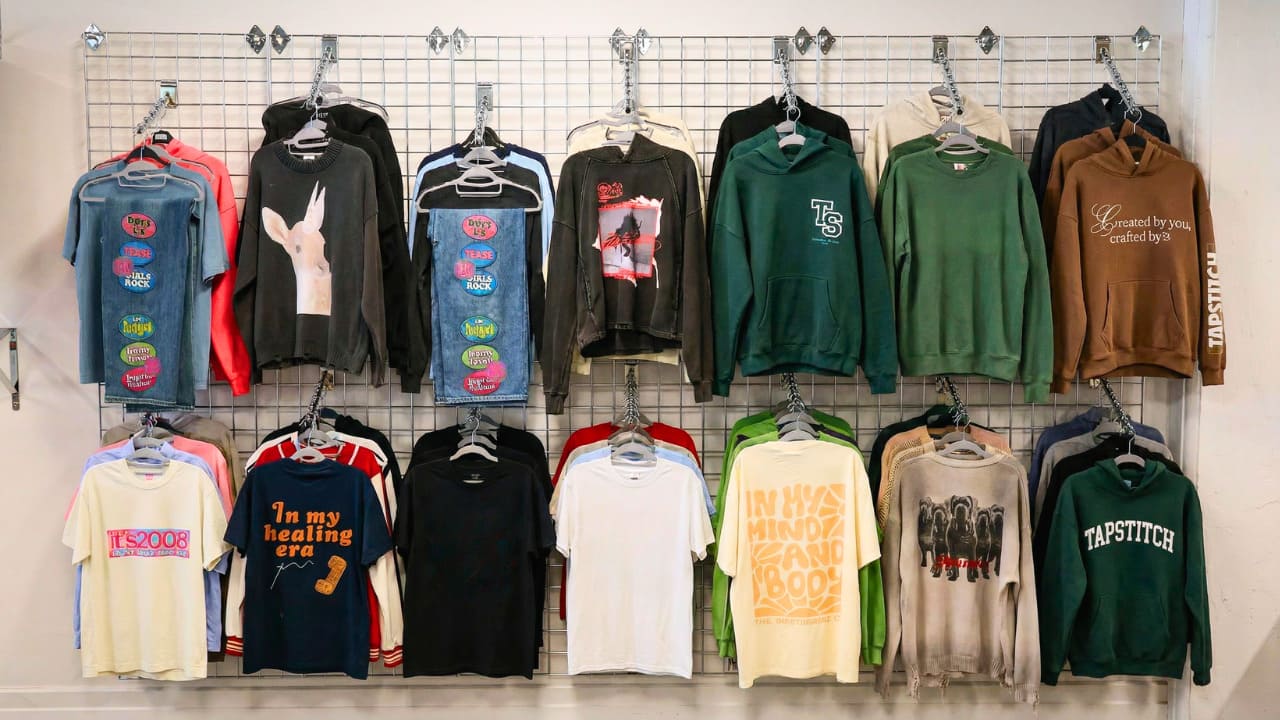
For independent brands, this is not futuristic thinking; the resources available through print on demand are already changing. Sorona fiber, partially derived from plant-based ingredients, is one example of a next-gen material that's already accessible. Tapstitch's Sorona catalog includes essentials built around this fabric, from the Sorona Quick-Dry Cooling T-Shirt and Boxy T-Shirt to the Quick-Dry Tank Top and even a Kids' version, all designed with weight, wearability, and material integrity in mind. The brands that start paying attention to this now are the ones that won't have to pivot in the future.
Sustainable Fabrics FAQ
Quick answers to the most common questions around sustainable materials and what they mean for your sourcing decisions.
How to choose sustainable fabrics?
Start with the end use. So, for example, the requirements for a heavyweight tee will be different from those for a summer dress. So, the “most sustainable” fabric will always be the one you are using for your project. Then consider the following: certification, processing method, and end-of-life potential.
But don’t get caught in the weeds of trying to find the “perfect” fabric. Because the truth is, no fabric is perfect, not even the best ones on this list. The goal is to find the fabric with the lowest environmental impact that still meets your needs for quality, feel, and durability for your project.
What makes a fabric sustainable?
Four areas: the source of the material, which must be renewable, low-input, or recycled; the processing of the material, which must be low water, low chemical, and low energy; whether or not the labor practices were fair; and what the end of life of the material is, whether or not it biodegrades or can be recycled. A truly sustainable material will score well in all four areas. If it only meets one of these criteria, then it fails under closer examination.
Which fabrics are 100% natural?
The principal ones are: cotton, linen, hemp, silk, wool, jute, and ramie. All of these are directly derived from their respective plant or animal source, without any intervention of synthetic material in their composition. However, natural does not necessarily mean sustainable, as cotton cultivation requires huge quantities of water and pesticides, and silk has its own issues as well. The cultivation process is as important as the fiber itself.
Which is the most eco-friendly fabric?
Hemp and organic linen come out on top every time. They require minimal water, no pesticides, and fully biodegrade at the end of their life cycle. Hemp is also beneficial to the soil it is grown in, which is unusual in the world of agriculture. Tencel, which is a lyocell fiber, is also high up, especially if the product needs to be soft to the touch. This is because Lyocell is produced using a low-waste production method.
Of course, there is no one right answer. The best option is always the one that is the most environmentally friendly, and this is dependent on the product, its usage, and the entire supply chain. A brand might be making heavy tees and swimwear, and the best fabric for those two products is worlds apart.
The Bottom Line
The material your product is made from is the first and most honest expression of your brand. Everything else—your design, your marketing, your story—lives on top of this. If your fabric doesn’t hold up to scrutiny, then none of the other stuff will.
The good news is that the choices available to you are better, more accessible, and more affordable than they have been in the last five years. You don’t need a huge supply chain budget to source responsibly. You simply need to know what to look for and care enough to look for it.
The fashion world is changing. It’s not happening fast, but it’s happening. And the brands setting the standard are not necessarily the ones spending the most on advertising. They’re the ones who are standing by the environmentally friendly fabric they use, talking about it instead of everything else, and earning brand loyalty through substance rather than flash. That’s what it looks like when a brand actually means something.
.jpg)

%20(1).jpg)
.jpg)
.jpg)
.webp)

.jpg)
.jpg)
.jpg)
.png)
.jpg)
.jpg)

%20(3).jpg)



.png)

.jpg)
.jpg)
.jpg)
.jpg)
.jpg)
.jpg)







.png)




.png)

.jpg)












.jpg)


.jpg)

.png)
.jpg)


.jpg)
.jpg)




.jpg)
.jpg)
.jpg)
.jpg)

%20(1).jpg)

.png)

.png)


%20(1)%20(1).jpg)