






Is Polyester Stretchy? Understanding the Polyester Fabric


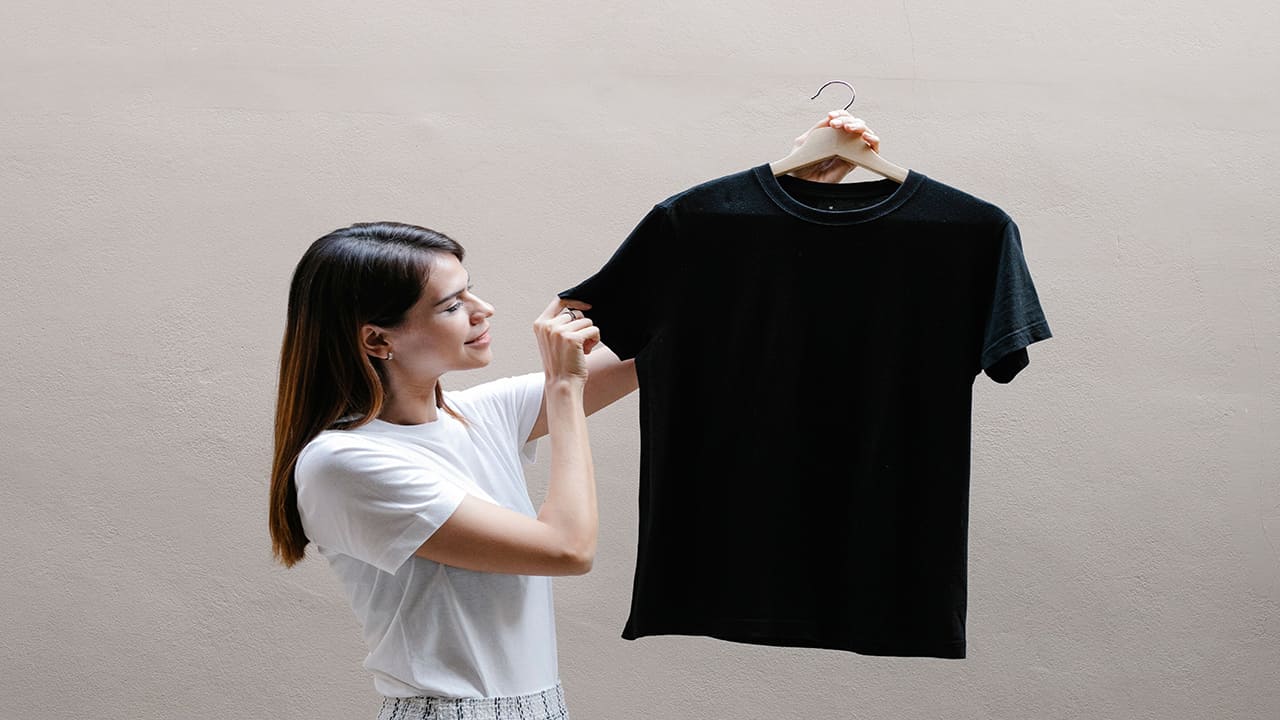
If you’re looking to make money selling clothing, getting familiar with different fabrics is a must. Polyester is one of the most popular choices in custom apparel thanks to its durability, budget-friendliness, and ease of working with. But is polyester stretchy? In this post, we’ll break down what polyester is, how it’s made, and the common blends you’ll see, so you can better judge product quality and make smarter selling decisions.
What is Polyester Fabric?
Polyester is a petroleum-based synthetic fiber that’s been widely used in textiles since the 1940s. It quickly became popular thanks to its durability, affordability, and resistance to wrinkles, shrinking, and fading. These qualities make polyester easy to care for and suitable for both everyday wear and long-term use.
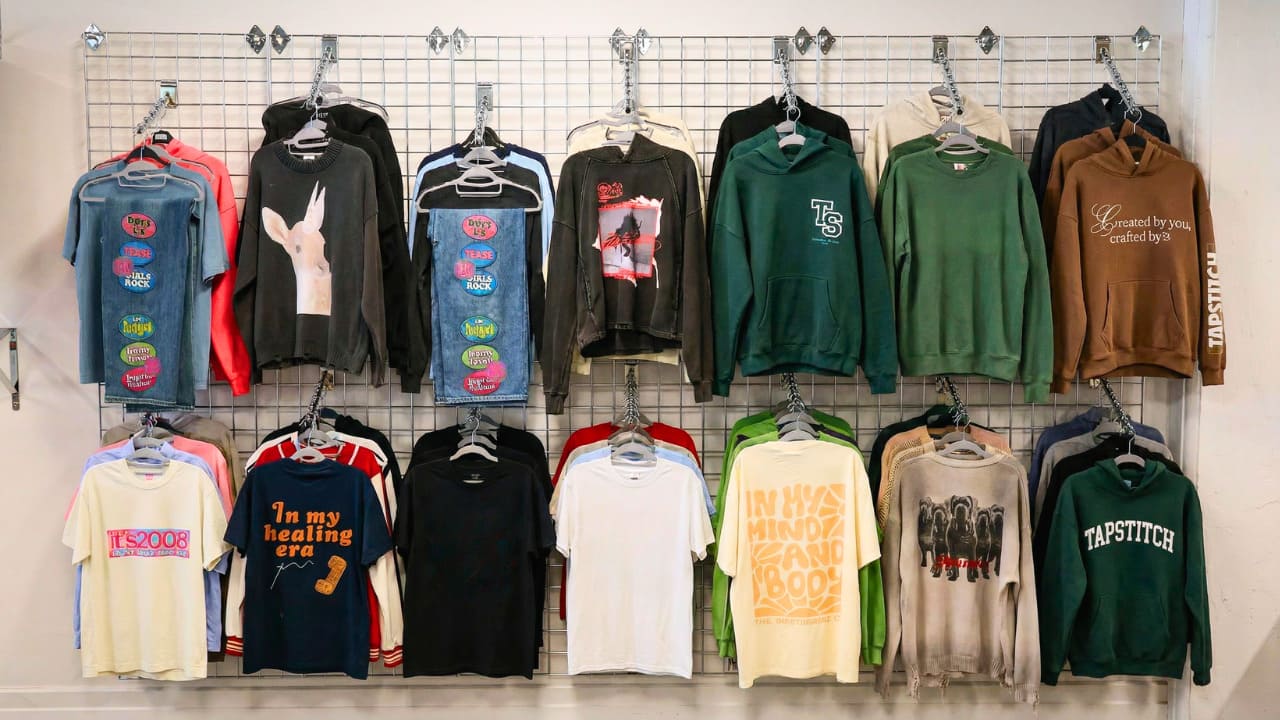
Today, polyester is commonly used in clothing such as T-shirts, sportswear, hoodies, and sweatshirts. It is also a preferred fabric in print-on-demand apparel due to its ability to hold colors well and deliver consistent, high-quality printing results.
How is Polyester Fabric Made?
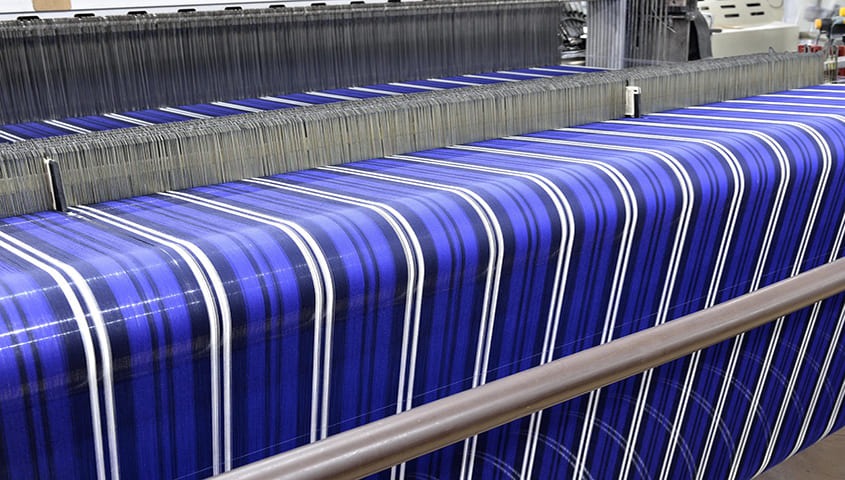
Polyester Fabric isn’t made from natural fibers—it’s produced through a chemical process. Even though polyester fabrics often look and feel similar, the way they’re made can differ depending on the raw materials used. Knowing how these processes work makes it easier to judge fabric quality, sustainability, and whether a material is a good fit for print-on-demand clothing.
Polyester Made From Petrochemical Raw Materials
Traditional polyester is made from petroleum-based materials. It starts with crude oil, which is refined into chemical components like ethylene glycol and terephthalic acid. These are then combined and heated until they turn into molten polyester.
The melted material is pushed through tiny holes to form long fibers. After cooling and stretching, those fibers become lightweight yet strong polyester yarn. This process is what gives polyester its well-known qualities—durability, wrinkle resistance, minimal shrinkage, and consistent performance.
Polyester Produced From Recycled Plastics
Recycled polyester is made by giving plastic waste, most commonly used plastic bottles, a second life. These plastics are collected, cleaned, broken down into flakes, and then melted to create new polyester fibers, all without changing the fabric’s core performance.
The end result looks and feels a lot like traditional polyester, but with a smaller environmental footprint. It still delivers the durability, moisture resistance, and solid print quality polyester is known for, which is why it’s becoming more common in today’s apparel production.
For clothing sellers, recycled polyester is a great choice if you’re targeting eco-conscious customers.
Is Polyester Stretchy?
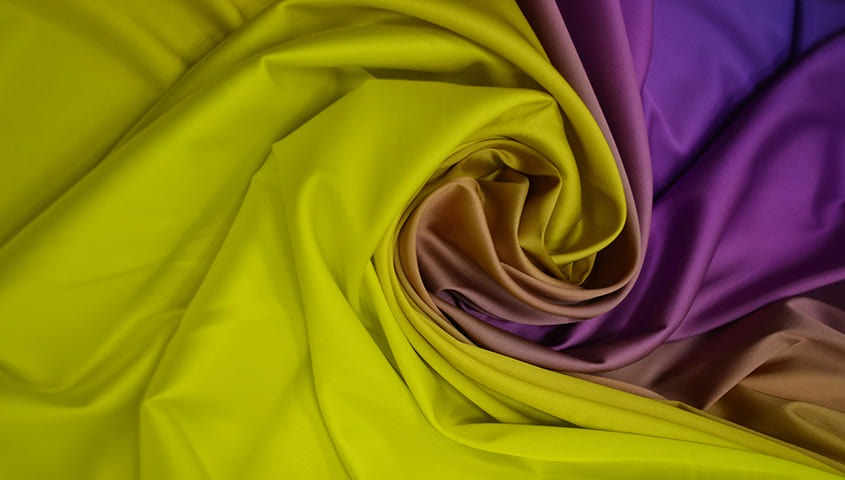
So, is polyester stretchy? It really depends on the type of fabric and whether it’s blended with other fibers. On its own, polyester fabric isn’t very stretchy. It has a bit of natural give, but nothing like spandex or elastane. That’s why 100% polyester pieces can feel a little stiff, especially when they’re cut slim or fitted.
That said, polyester is often mixed with fibers like spandex, fleece, or even cotton to add stretch and improve comfort. So when it comes to stretchiness, the key is the blend. With the right combination, polyester can be both durable and flexible—making it a solid choice for comfortable everyday wear and print-on-demand apparel.
Common Types of Polyester Blends
Polyester blends are made by mixing polyester with other fibers early in the production process—before the fabric is woven or knitted. By combining synthetic fibers with natural or stretchy ones, manufacturers can fine-tune the fabric to add benefits like better durability, more stretch, or improved performance. Below are some of the most common polyester blends you’ll see in clothing today.
Polyester-cotton Blend

Polyester-cotton blends are some of the most common fabrics used in modern apparel. With just a small amount of natural stretch, this knitted fabric is better suited for everyday wear rather than high-intensity activities.
By combining polyester’s durability, shape retention, and wrinkle resistance with cotton’s softness and breathability, poly-cotton fabrics strike a nice balance between comfort and reliability. They’re easy to care for, hold up well after frequent washes, and keep a clean, structured look over time.
In our catalog, several everyday essentials are made with polyester-cotton blends. The Essential Boxy Heavyweight Drop-Shoulder Hoodie delivers a structured, heavyweight feel that’s perfect for laid-back daily wear.
Polyester-fleece Blend
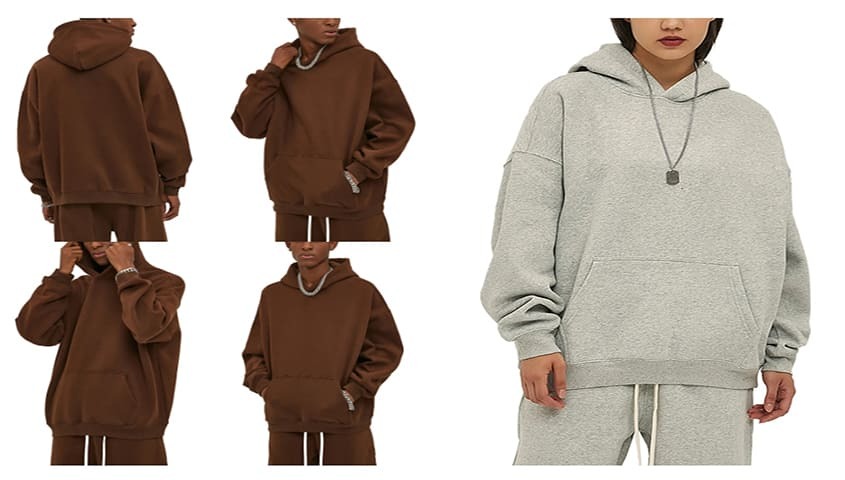
A polyester-fleece blend brings together the durability and shape retention of polyester with the soft, insulating feel of fleece. The result is a warm, cozy fabric that works perfectly for sweatshirts, hoodies, and casual outerwear.
Polyester-fleece fabrics are lightweight but still great at keeping warmth in. They resist shrinking and wrinkling, hold their color well, and stand up to frequent washing.
Curious how a polyester-fleece hoodie feels for everyday wear? The Snow Washed Fleece Oversized Hoodie is a great example, offering a soft, warm, and roomy fit for all-day comfort. This styles show how polyester-fleece blends balance warmth, softness, and durability—making them a solid choice for casual wear and POD designs.
Three-fiber Blend
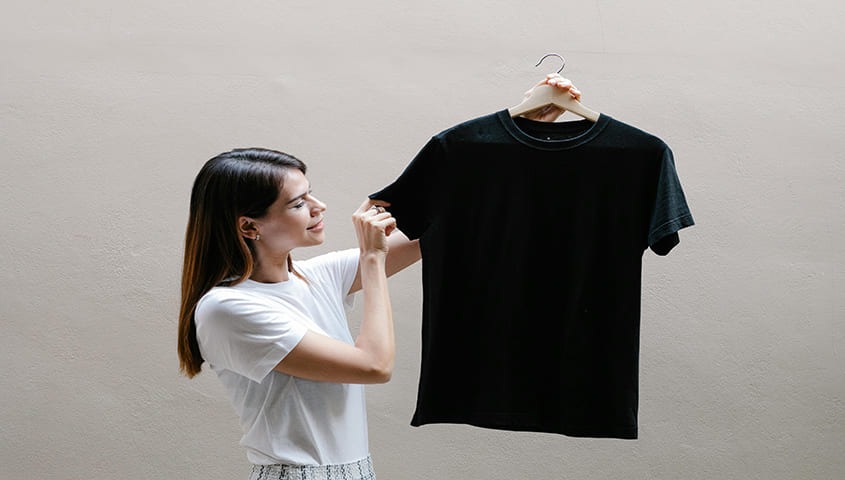
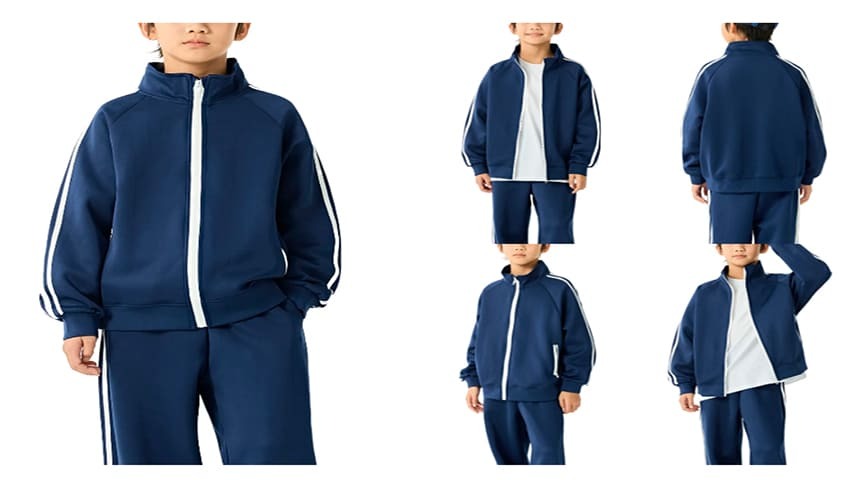
Ever wonder why some garments feel soft, stretchy, and durable at the same time? That’s the power of a three-fiber blend. By combining polyester, cotton, and spandex (or elastane), you get the best of all three—polyester for durability, cotton for natural softness, and spandex for that extra stretch and comfort.
Want to see how it feels in real life? The Striped Rib Collar Zip Jacket moves with your body while keeping its shape, making it perfect for layering or everyday wear. These are just a few examples of how three-fiber blends help products stand out. They’re durable, comfortable, and print-friendly—making them an easy win for anyone selling custom apparel.
Polyester-spandex Blend
If stretch is what you’re looking for, a polyester-spandex blend is a solid pick. Spandex (also called elastane) is known for its impressive stretch. It’s rarely used on its own, but when blended with polyester, it adds flexibility without compromising durability or shape retention.
This type of fabric is perfect for pieces that need to move with the body—whether you’re being active or just want an all-day comfortable fit. Take the Pinstripe Baseball Jersey, for example. The added stretch allows easy movement without feeling tight or restrictive.
Polyester-viscose Blend
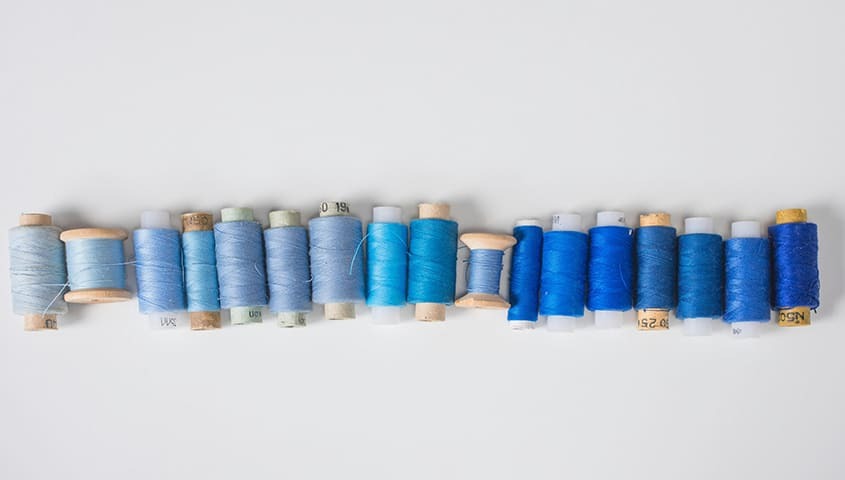
A polyester-viscose blend brings together the best of both worlds. You get polyester’s durability and structure, paired with the smooth, breathable feel of viscose (also known as rayon). Since viscose is made from natural cellulose, it adds extra softness and a nice, fluid drape—giving the fabric a more polished look than pure polyester.
When these two fibers work together, polyester helps the fabric hold its shape and resist wrinkles, while viscose keeps it comfortable and easy to wear. The result is a fabric that looks clean and put-together without feeling stiff or restrictive.
A great example is the Essential Barrel Dress Pants, which show exactly what this blend does best—a sharp silhouette with a soft hand feel that works for both everyday wear and more elevated, casual looks.
The Pros and Cons of Polyester
Knowing the pros and cons of polyester makes it easier to decide whether it’s the right fabric for your clothing products. Polyester is popular in the apparel industry for a reason, but like any material, it also has a few downsides depending on how it’s used.
Pros of Polyester Fabric
- Durable and long-lasting
Polyester fibers are tough and built to last, making them a great choice for custom clothing and pieces that are frequently washed. - Resists wrinkles and shrinking
This fabric holds its shape well, so garments stay looking neat and polished with very little effort. - Affordable and cost-effective
Compared to many natural fibers, polyester is low-cost, helping keep production costs down without sacrificing performance. - Great color retention and print quality
Polyester holds color exceptionally well, delivering bright, long-lasting prints—one of the reasons it’s so popular for print-on-demand apparel. - Quick-drying
Because it absorbs less moisture, polyester dries faster than cotton-based fabrics, making it practical for daily wear and active lifestyles.
Cons of Polyester Fabric
- Less breathable than natural fibers
Compared to fabrics like cotton, polyester doesn’t breathe as well and can feel a bit warm in hot or humid conditions. - Limited natural stretch
On its own, polyester doesn’t offer much stretch unless it’s blended with elastic fibers like spandex or elastane. - Can trap heat
Because it retains warmth, polyester may feel less comfortable during high-intensity or long-duration activities. - Prone to static
Polyester can build up static electricity, especially in dry climates or during colder seasons. - Environmental considerations
Traditional polyester is made from petroleum and isn’t biodegradable. That said, recycled polyester is becoming a more sustainable option for brands looking to reduce environmental impact.
What Is the Best Printing Method for Polyester?
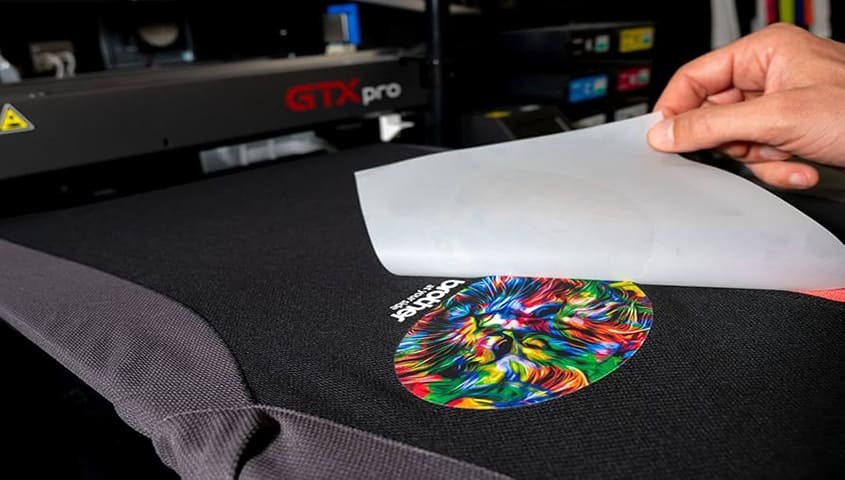
Printing on polyester takes a bit of extra thought since this synthetic fabric behaves differently from natural fibers like cotton. Its smooth, non-porous surface can make some printing methods less effective, while others produce bright, long-lasting results. That’s why choosing the right printing technique is key—it helps your designs stay sharp, vibrant, and durable even after multiple washes, which is especially important for starting a clothing brand.
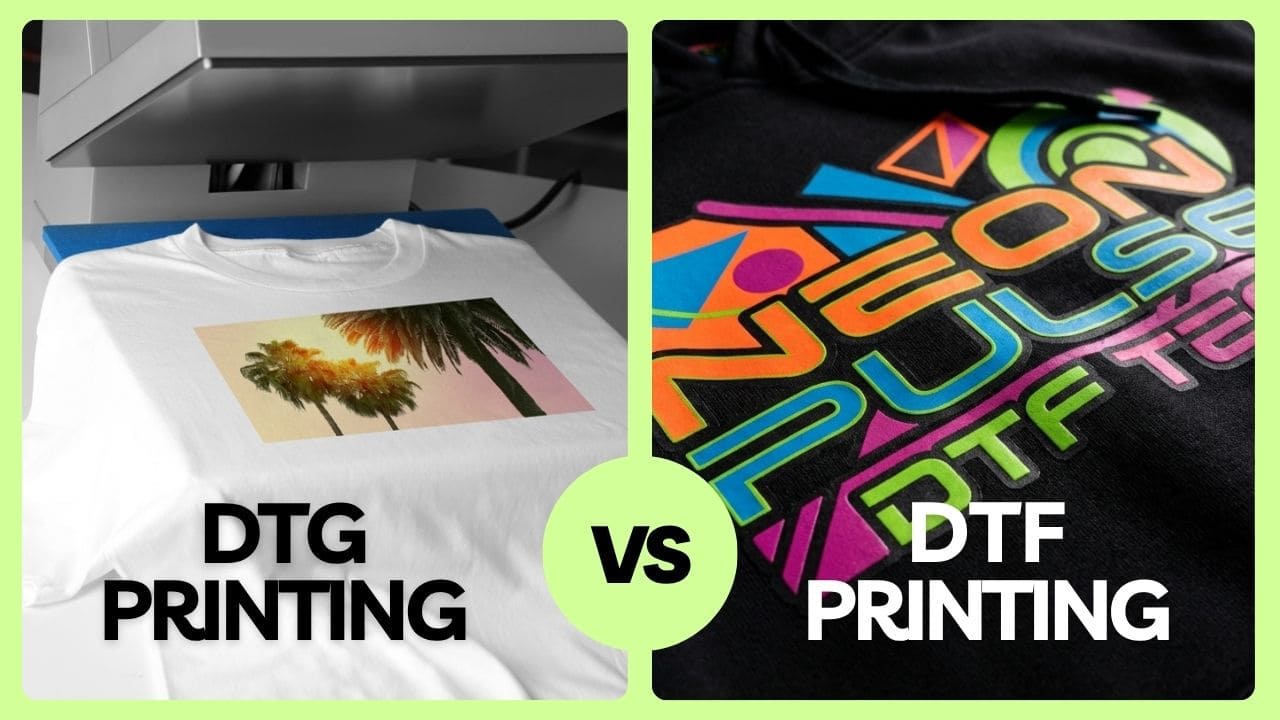
DTF Printing
DTF (Direct-to-Film) printing is one of the most versatile options for polyester. The design is printed on a special film before being heat-pressed onto the fabric. Because the ink sits on top of the garment instead of soaking into the fibers, DTF works especially well on polyester and polyester blends.
This method produces bright colors, crisp details, and long-lasting results through repeated washes. It also helps avoid dye migration, which can be a problem with some other printing techniques. Thanks to that, DTF is a great choice for complex designs, logos, and multi-color graphics on polyester apparel.
Screen Printing
Screen printing can also work well on polyester, especially for large orders with simple designs. The ink is pushed through a stencil directly onto the fabric, which makes this method cost-effective for bulk production.
That said, printing on polyester does require special low-bleed inks to prevent color migration — this is especially important for darker fabrics. While screen printing offers great durability, it’s not always as flexible as DTF when it comes to fine details or multi-color designs on polyester garments.
FAQs: Polyester Fabric
Is 95% polyester, 5% spandex fabric stretchy?
Yes. The added spandex (also known as elastane) gives the fabric its flexibility, allowing it to stretch and bounce back into shape, while polyester provides durability and wrinkle resistance. This blend is commonly used for fitted tops, activewear, and performance pieces because it moves comfortably with the body without losing structure.
Is Polyester a Stretchy Material?
Yes, polyester can be a stretchy material, but it depends on the fabric blend. On its own, 100% polyester has very limited stretch. However, when polyester is blended with elastic fibers like spandex or cotton, it becomes flexible and comfortable to wear.
Is 100% Polyester Stretchy?
No. Pure polyester doesn’t have much natural stretch, and it’s designed to hold its shape rather than flex. Depending on how the fabric is made, it may have a little give, but it won’t feel nearly as stretchy as blends that include spandex or elastane.
Does Polyester Stretch After Washing?
No. It’s made to hold its shape, so even after multiple washes, it’s more likely to bounce back to its original form rather than loosen up. If a polyester garment feels stretchy, that flexibility usually comes from added fibers like spandex, not from washing or everyday wear.
Conclusion
Does polyester stretch? It really comes down to the fabric blend. On its own, 100% polyester offers very little stretch, but when it’s mixed with fibers like spandex or fleece, it becomes much more flexible and comfortable to wear.
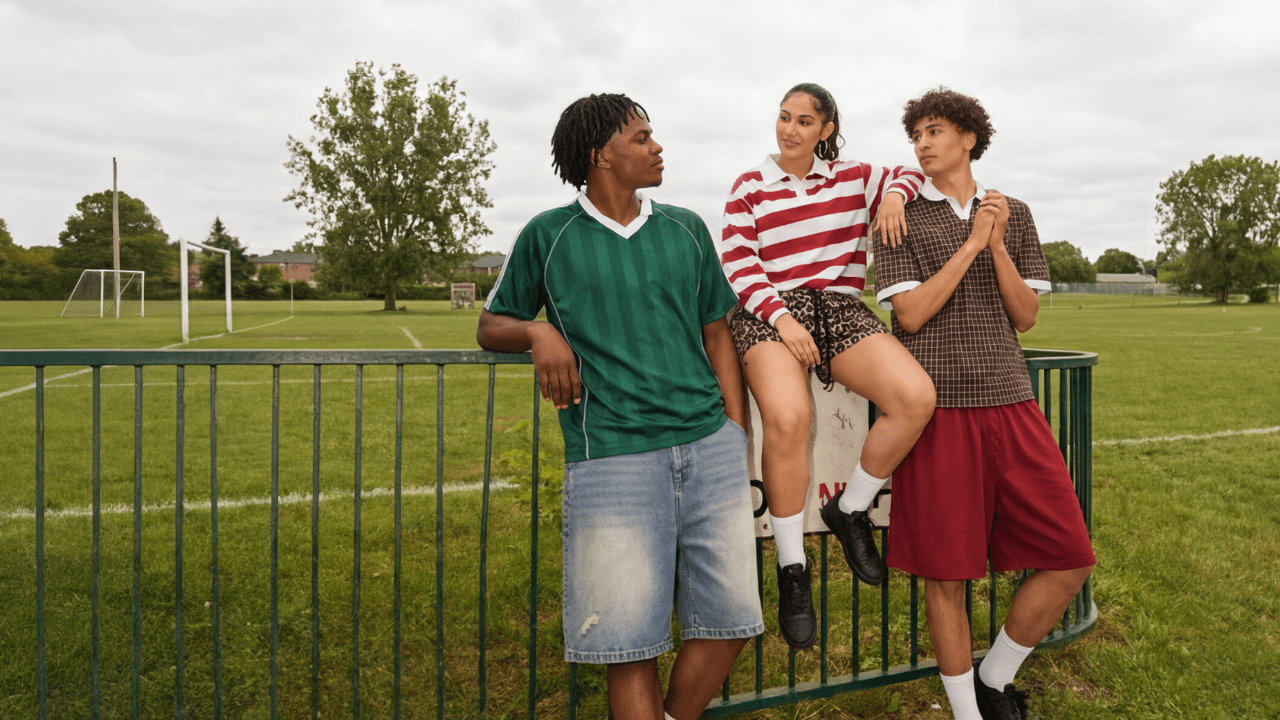
Thanks to its durability, affordability, and print-friendly surface, polyester continues to be a go-to fabric in the apparel industry. Knowing how different polyester blends perform helps you pick the right materials and start a clothing brand with POD.
At Tapstitch, you can explore a wide selection of polyester-blend apparel made for everyday comfort and custom printing—so you can turn smart fabric choices into well-made, sellable products with confidence.


.jpg)
.webp)


.jpg)

%20(1).jpg)
.jpg)
.jpg)

.jpg)
.jpg)
.jpg)
.png)
.jpg)
.jpg)


%20(3).jpg)



.png)

.jpg)
.jpg)
.jpg)

.jpg)
.jpg)
.jpg)








.png)




.png)

.jpg)












.jpg)



.jpg)

.png)
.jpg)


.jpg)
.jpg)






.jpg)
.jpg)
.jpg)
.jpg)
.jpg)

%20(1).jpg)

.png)

.png)



%20(1)%20(1).jpg)