






What is Sublimation Printing and How it Works: Our Ultimate Guide


When it comes to selling custom-printed clothing, the way you apply your art to garments is just as important as the art itself. For entrepreneurs looking to move beyond the realm of the basic logo t-shirt and into the world of intricate and complex all-over prints and technical fabrics, the standard method of heat transfer may not be enough. You need a solution that preserves the garment's integrity while delivering color depth that does not flake off after three washes.
This is where sublimation printing comes into play. Unlike other printing methods, where ink is applied to the fabric, sublimation happens at the molecular level. It is the preferred option for creators who require the soft handfeel of the fabrics and an infinite color palette. If you're considering sublimation printing, understanding the mechanism and the equipment involved in this process is vital for any brand owner.
What is Sublimation Printing?
At its most basic level, sublimation printing is a process by which a chemical reaction causes a solid to transition directly to a gas. With respect to apparel and hard goods, this means using pressure and heat to integrate specialized inks into the substrate of the material. Since the ink becomes part of the substrate rather than being on top of it, the print of the final product is essentially impossible to feel by hand.
For a fashion brand, this means the garment is going to still be breathable. If you are working on a high-end athletic wear item, like a jersey, the plastic look and feel of a vinyl or screen print is an instant non-starter. Sublimation solves that problem by dyeing the fabric from the inside out, so that the artwork is permanent, like the garment.
What is a Sublimation Printer?
To create this chemical bond, it is not possible to use a regular inkjet or laser printer found in a home office. A sublimation printer is a dedicated piece of equipment with a piezoelectric print head, which is built to operate with high-viscosity sublimation ink. They can range from small, desktop units for making accessories to huge machines used for fashion production.
A sublimation printer of professional grade is defined by the ability to provide consistent colors over thousands of yards of fabric. It is used with special transfer papers that hold the ink in a "frozen" state until it's activated by the heat press.
How Does Sublimation Printing Work?
The process is a very precise dance of chemistry and mechanics. It starts with your digital artwork being mirrored and printed onto a special type of heat-resistant transfer paper. At this point, the ink is in a dull, muted state and hasn’t been “activated” yet.
The magic occurs in the heat press section. When the transfer paper is pressed onto a polyester-dominant fabric at temperatures between 375°F and 400°F, two things occur at the same time:
1. The Ink Sublimates: The ink on the paper turns into a gas.
2. The Fibers Open: The synthetic fibers in the fabric expand.
Under this extreme pressure, the ink flows throughout the fibers. Once the heat source is removed and the fabric cools, the fibers close again, locking in the ink. What is left is a high-definition picture in full color. It is literally infused in the fabric's DNA. This explains how to do sublimation printing correctly: it is less about "printing" and more about "infusing."
What Do You Need For Sublimation Printing?
If you are looking to bring this process in-house or audition a production partner, it is important that you understand the toolkit. Sublimation is a unique process that requires a specific environment to produce professional-grade results.
- Sublimation Ink: A translucent, dye-based ink. This ink does not work like a white ink would in another process. Instead, it needs a particular level of whiteness in the base fabric to really make it "pop."
- Transfer Paper: This paper contains a special coating that is needed to facilitate the release of the gas efficiently.
- A Heat Press: A large-format flatbed press is needed to press apparel, but a curved press is used to press hats and mugs.
- Substrates: This is the biggest limitation on the process. To produce a sublimation product, the fabric must be polymer-based, such as polyester, or have a polyester coating. This process will not work on 100% cotton.
Real Sublimation Printing Uses & Ideas
While the technology is based on science, the end result is entirely creative. For a contemporary brand, the possibilities offered by sublimation are beyond those offered by traditional printing.
1. Apparel
This is the heavy-duty section. Sublimation is the gold standard in all-over print (AOP) hoodies, leggings, and technical performance wear. Since it is infused directly into the fabric, it is the only technique that does not "clog" the fabric's pores. This maintains the original fabric properties and is why it is the non-negotiable choice in professional gym wear and custom apparel.
2. Home Decor
From luxurious throw pillows to custom tapestries, the opportunity to "print edge to edge" with photo-quality results makes sublimation an exciting opportunity for lifestyle brands looking to break into the home space. It’s ideal for intricate, floor-to-ceiling designs and vibrant color saturation that will not be stiff like screen-printed fabric.
3. Accessories
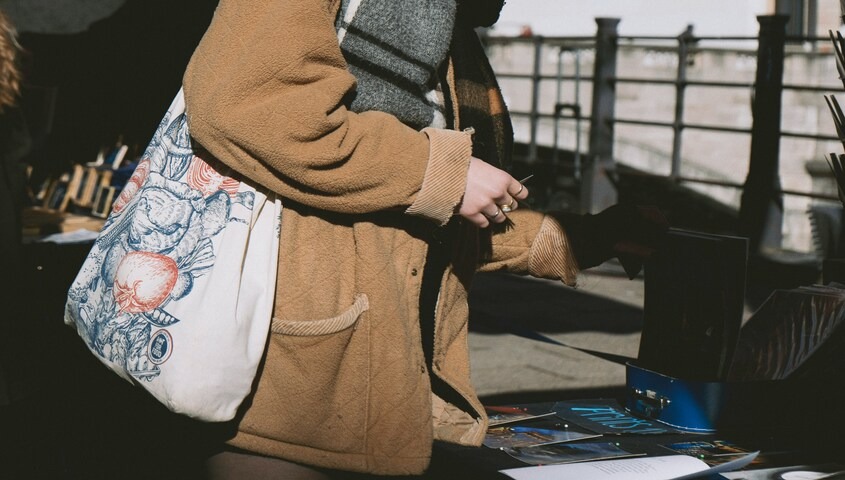
Tote bags, technical backpacks, and even footwear are areas that are growing in the field of sublimation printing. If the base material is synthetic, like nylon or heavy-duty polyester used in bags, it is probably suitable for the process. This enables intricate designs to be applied to accessories that are expected to withstand heavy wear and tear on a daily basis.
4. Drinkware
A brand can utilize ceramic or steel with a special type of polyester coating to produce mugs and drinkware with colorful, wrap-around graphics. Unlike drinkware with vinyl stickers or standard pad printing, sublimated drinkware is dishwasher safe and can handle the extreme temperatures that normally cause the logo to flake off the product.
5. Art Prints

Metal prints, which are made from aluminum sheets with polymer coatings, are also a high-margin product. The sublimation process allows metal prints to have a certain luminosity and depth that cannot be achieved with traditional paper and glass framing. The final product is a glossy, high-quality art product that is scratch-resistant and, in and of itself, contemporary.
Pros and Cons of Sublimation Printing
While the technology is impressive, the decision to utilize sublimation is often based on the look and feel of your collection. There is no perfect way to make a product—only a way that is best suited for that product. When building a sustainable brand, you need to consider both creativity and material limitations.
Pros
- Permanent Durability: Since it's molecularly bonded to the fabric, it becomes the DNA of the fabric. It will never chip, crack, peel, or wash away, even through the toughest conditions and industrial washing.
- Zero "Hand-Feel": This is the ultimate soft-hand finish. You can't even feel the print, and this ensures maximum breathability of the fabric. This is a requirement for any high-performance active wear, where wicking is a priority.
- Limitless Color and Detail: Sublimation loves complex images. It can handle photo-realistic images with a level of clarity that screen printing can only hope to achieve with very high setup costs.
- No MOQ Efficiency: Since there are no physical screens to burn or films to output, sublimation is highly efficient for print-on-demand. You can print one unit as easily as one hundred, making it perfect for testing new designs without inventory risk.
Cons
- Strict Fabric Limitations: This is the biggest problem faced by streetwear founders. Sublimation requires a high polyester fabric composition. It is recommended that at least 65% or even 100% Polyester is needed to obtain a good sublimation effect. It doesn’t work with 100% heavyweight organic cotton fabrics that high-end brands prefer.
- Color Transparency: Sublimation ink is translucent and can’t be used as a printed image on a dark fabric like black. It’s like you can only work with a white or light pastel-colored fabric.
- The "White Crease" Effect: When you sublimate an image on a pre-constructed fabric through all-over printing, the sublimation paper can’t reach all areas due to fabric folds. It appears as a white ghostly image around areas like the armpits and necklines. It’s like a fabric that looks cheap and unprofessional if you don’t work with a professional team.
- Positioning Sensitivity: Any slight shift in the paper or garment during the heat press phase can cause "ghosting," where a faint second image appears. It requires a high level of precision and stabilized equipment.
Sublimation Printing vs. Other Printing Methods
When deciding which printing method to use, there are many factors at play. It is a delicate balance between volume, cost, and aesthetics. Here is a brief overview of how sublimation printing compares to some of the most popular printing methods.
Sublimation Printing vs. Screen Printing
Screen printing is a process in which a thick ink is pushed through a mesh screen. It is the best printing method for large quantities of cotton t-shirts. The disadvantage is that the more colors used, the more expensive it gets. Sublimation printing offers unlimited colors at no additional cost; however, it is not compatible with 100% organic cotton.
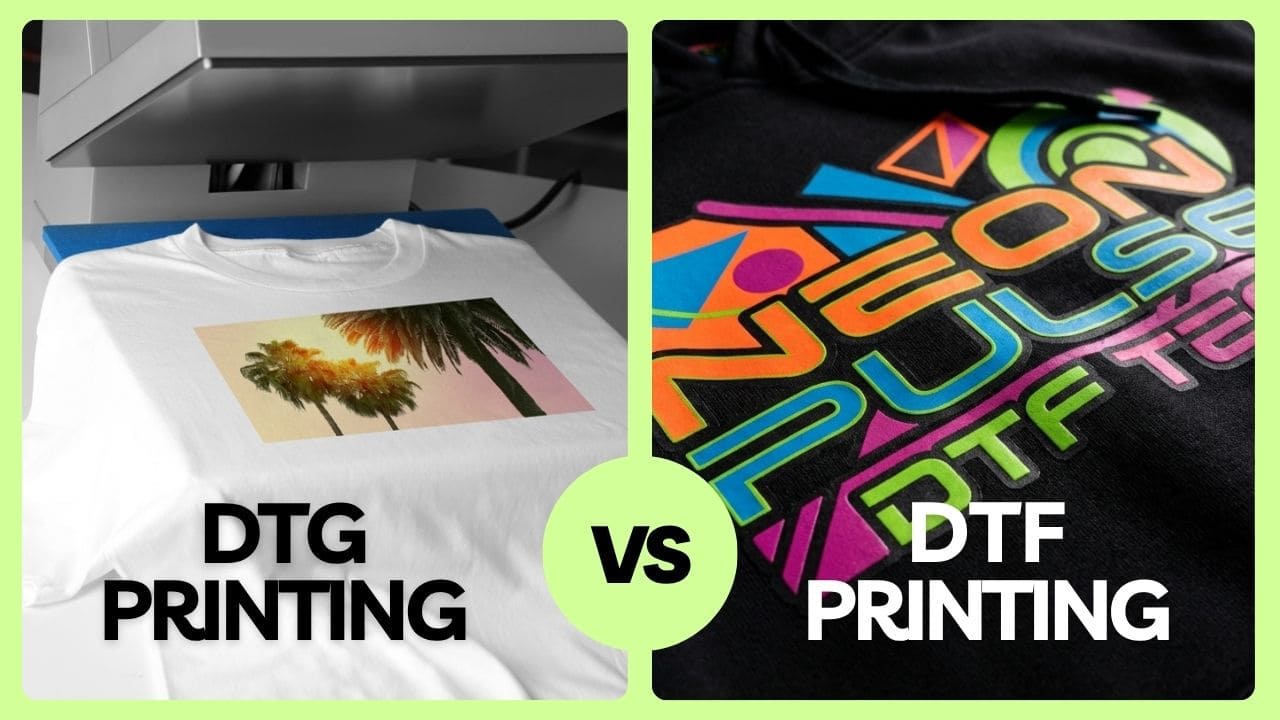
Sublimation Printing vs. Direct-to-garment (DTG) Printing
DTG is similar to an inkjet printer and is used to print on custom t-shirts. It is ideal for cotton and dark colors because it uses a white underbase. The disadvantage is that the image is on the surface and feels slightly "rubbery." Sublimation printing remains the winner for organic cotton.
Sublimation Printing vs. Direct-to-film (DTF) Printing
DTF is the latest and greatest in the printing world. It is a film-based printing process in which a design is printed on a film and then heat-pressed onto a t-shirt. DTF is great because it is versatile and can be used on any type of fabric. The disadvantage is that there is still a layer on the t-shirt. If you want a "dyed-in" feel, then sublimation is still the winner.
Sublimation Printing FAQ
What is sublimation?
It is the transition from a solid to a gaseous state. In the context of this project, it is the process by which dye gas is inserted into synthetic fabric.
How long do sublimation prints last on shirts?
Essentially, forever. Since the dye is inserted into the fabric, it will last as long as the shirt itself.
Is sublimation printing better than vinyl?
For a professional brand, yes. The vinyl process is thick, peels easily, and is not breathable. The result is a professional look that cannot be achieved by the vinyl process.
What paper do you use for sublimation printing?
Specialized paper must be used to ensure that the ink gas is released rather than absorbed by the paper.
Can you sublimate ink onto anything?
No, it must be a polyester fabric or a hard surface covered with a poly coating. If it is a natural fiber like cotton, silk, wool, etc., the gas will not be "trapped," and the image will immediately wash out.
Is it possible to sublimate on dark fabrics?
Not effectively. The ink is translucent, meaning that if you try to sublimate a blue image onto a red shirt, it will turn purple, and if you try to sublimate it onto a black shirt, it will not show up at all. You must use a white shirt as a "canvas" to get the desired effect.
Final Thoughts on Sublimation Printing
Sublimation is the gold standard for high-performance apparel because it fuses design and fabric at a molecular level, offering a "soft-hand" finish that never cracks or peels. While limited to lighter synthetic fabrics, the tradeoff is a level of durability and photographic detail that remains a vital tool for any creative director building a performance-based collection. Tapstitch exists for founders who prioritize this level of craftsmanship and consistency, providing the professional-grade production tools needed to move beyond basic merch and launch a brand with staying power.


.jpg)
.webp)


.jpg)

%20(1).jpg)
.jpg)
.jpg)

.jpg)
.jpg)
.jpg)
.png)
.jpg)
.jpg)

%20(3).jpg)


.png)
.jpg)
.jpg)
.jpg)

.jpg)
.jpg)
.jpg)








.png)





.png)
.jpg)











.jpg)


.jpg)

.png)
.jpg)


.jpg)
.jpg)




.jpg)
.jpg)
.jpg)
.jpg)
.jpg)

%20(1).jpg)

.png)

.png)


%20(1)%20(1).jpg)