






20 Most Profitable Hobbies That Make Money in 2026
.jpg)


In 2026, the concept of the "starving artist" isn't really what it used to be. The barrier between "hobbyist" and "entrepreneur" is usually just a personal choice. If you have taste, skill, or a unique perspective, you have a business model; whether or not you want to activate it is up to you. The old 9-to-5 safety net is fraying. Wiser creatives are realizing that their downtime interests may actually be their most valuable assets.
We aren't talking about trading time for pennies or filling out surveys. We are talking about leverage. If it's sketching designs on an iPad, thrifting vintage grails, or coding in your bedroom thatr you're into, you might have accidently developed one of the best hobbies to make money. The difference between a pastime and a payday is execution. If you are ready to stop consuming culture and start shaping it, you need to know which interests have the highest ROI. Here is the definitive breakdown of the profitable hobbies that are turning creatives into CEOs this year.

20 Hobbies That Can Make Money in 2026
Some hobbies are money pits; others are gold mines. To scale a side hustle into a main hustle, you need a mix of low overhead, high demand, and personal passion. We’ve categorized the top 20 hobbies that make money into sectors so you can find where you fit in.
The Design & Fashion Sector
These are high-leverage hobbies. Create an asset once, and it can sell forever.
1. Streetwear & Fashion Design

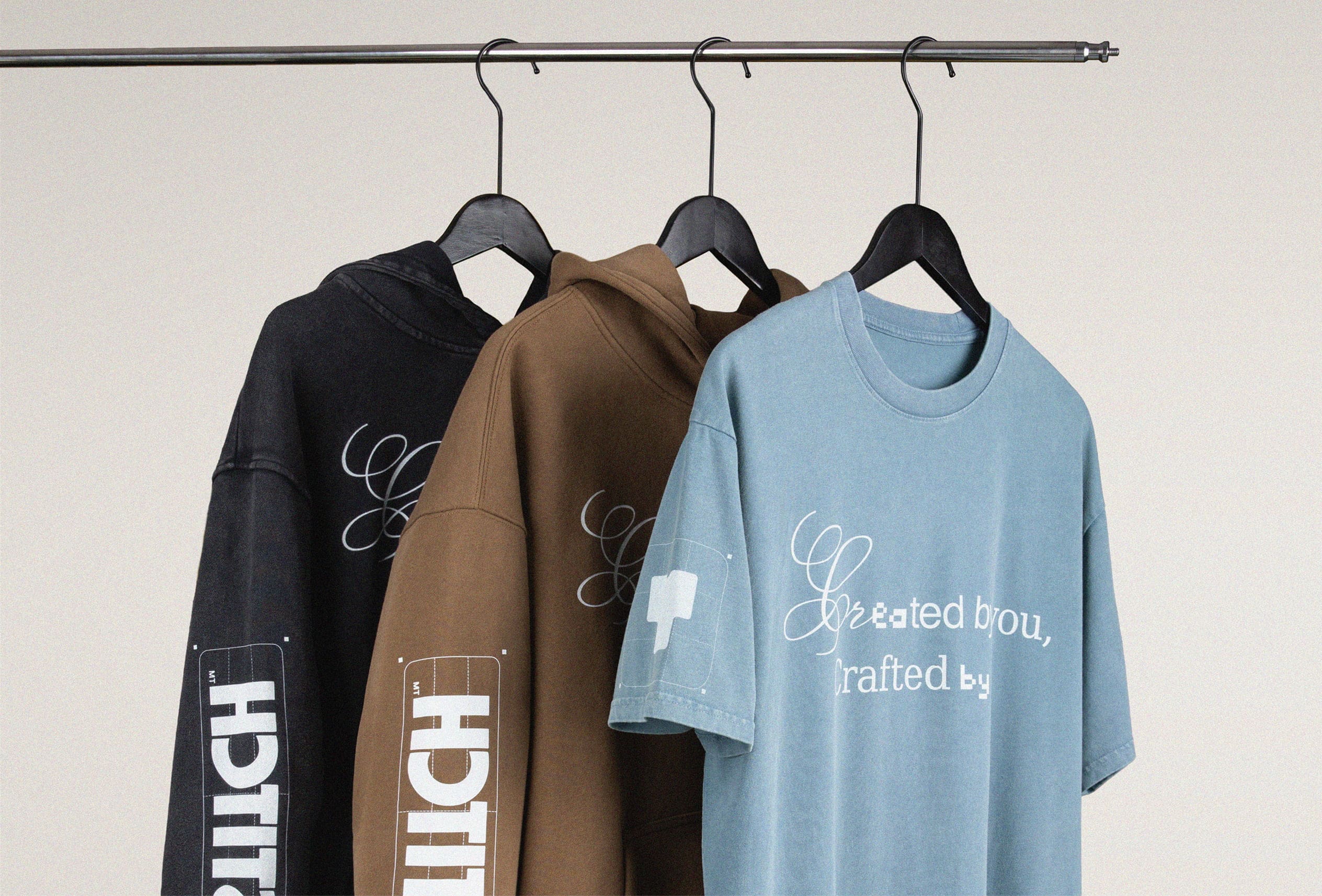
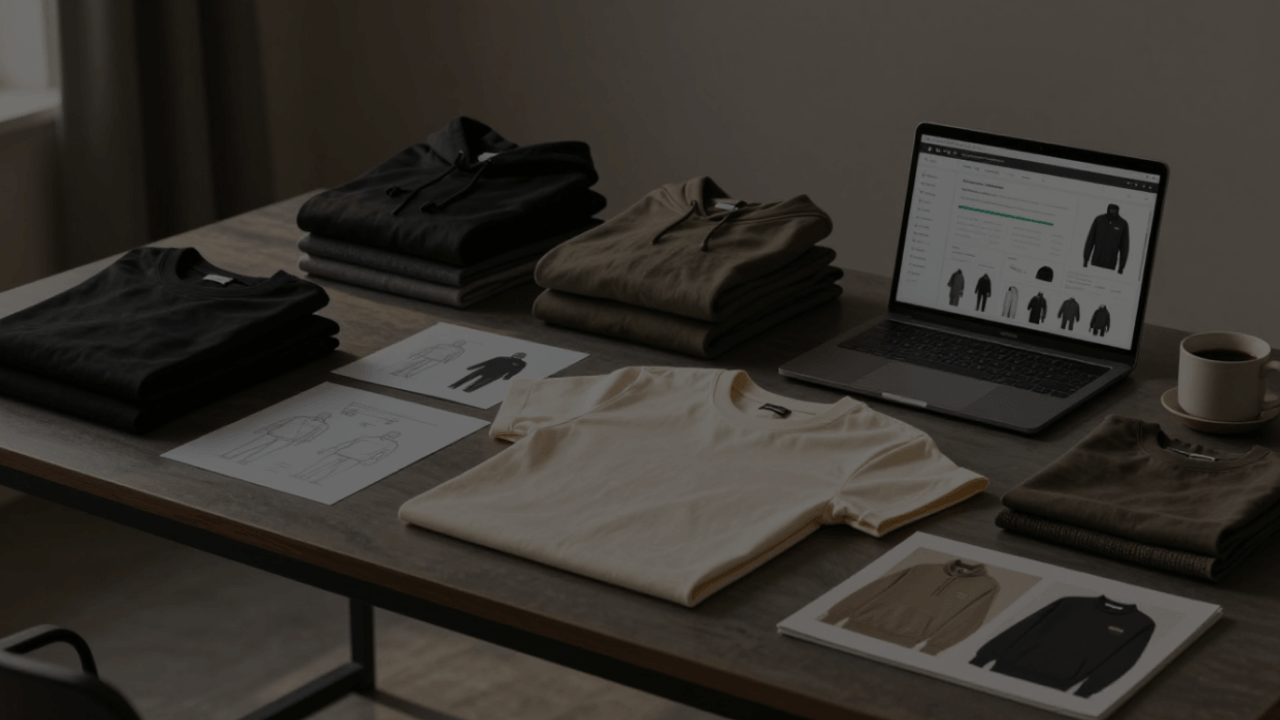
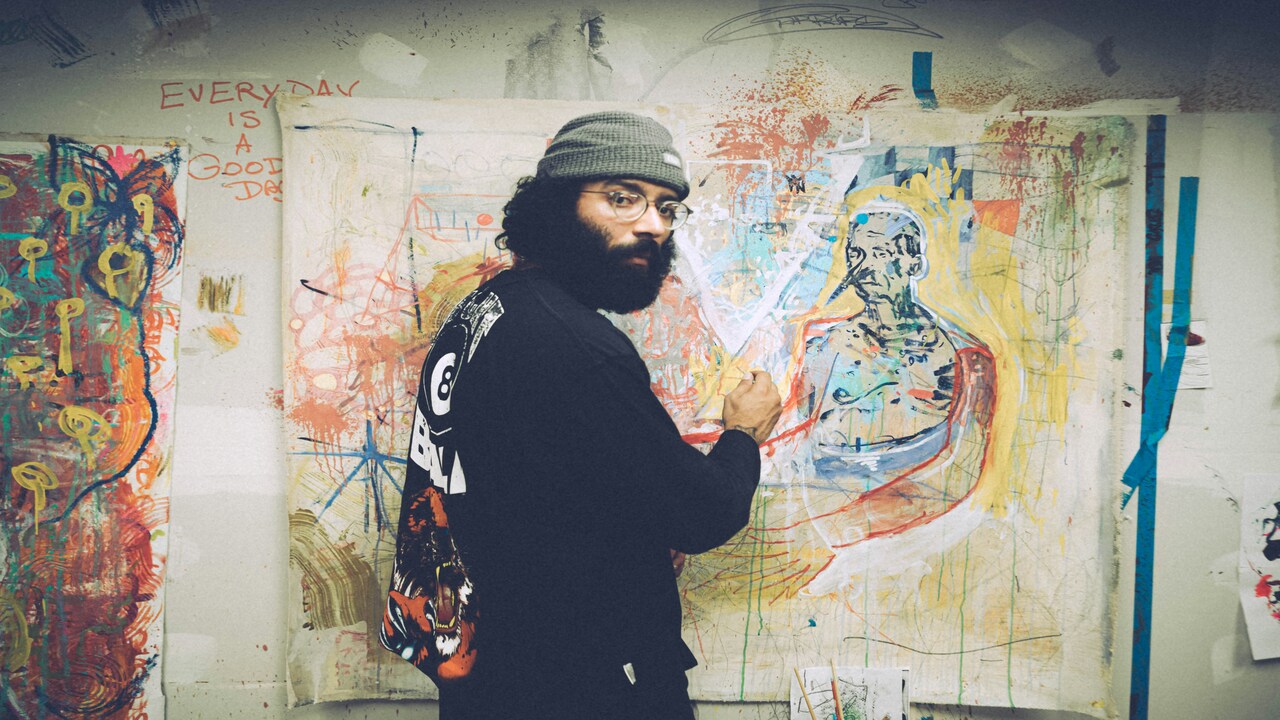
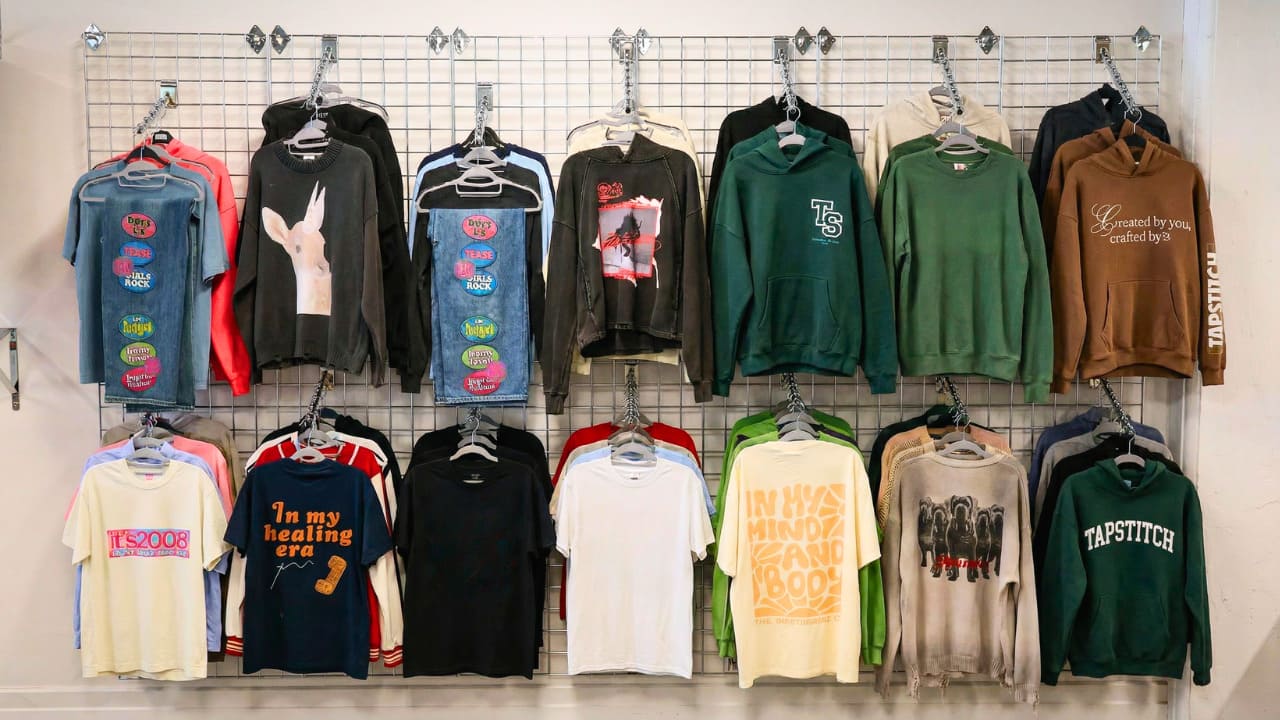
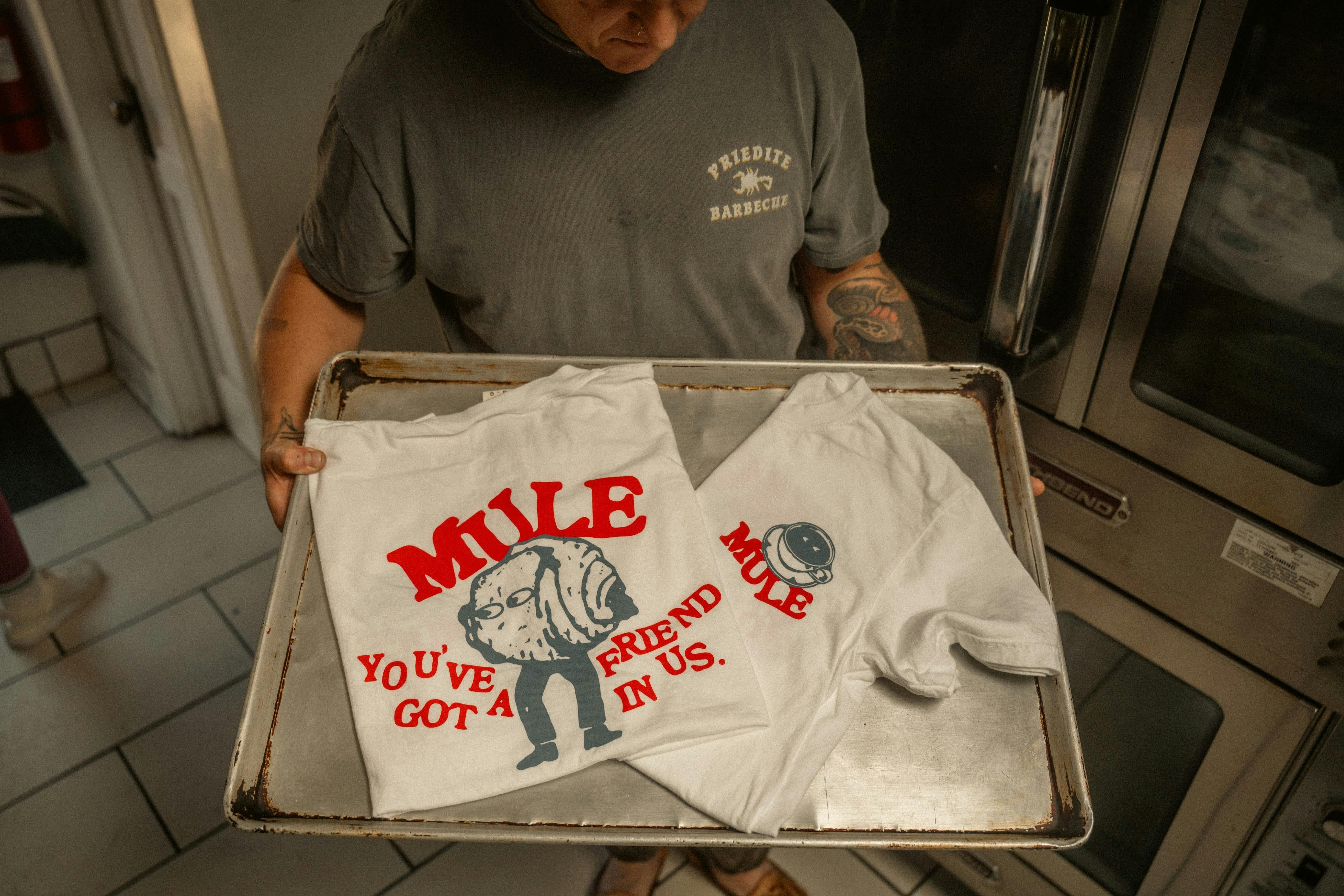
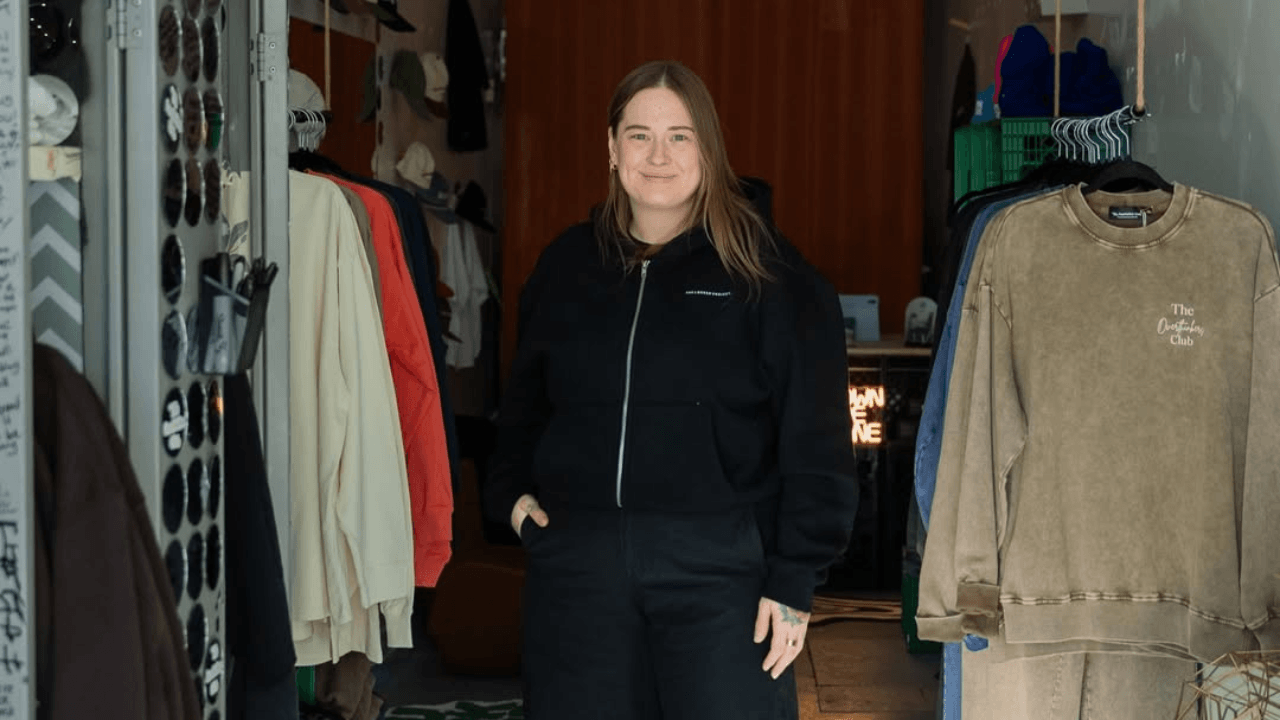
Done correctly, this is the holy grail of creative monetization. You don't need a degree from Parsons to run a label anymore; you just need a vision and some fashion sense. The barrier to entry has vanished; execution is the only thing separating you from the big names. Just look at creators like johnny valentine, who leveraged his platform to launch a full-scale fashion line, or brands like mutty_prints. They didn't just sell t-shirts; they built a massive community around rescue dog culture and used Tapstitch to turn that shared identity into a premium apparel line. They focus on the "message," and we handle the "shop."
- Why it pays: Clothing is identity. People will always pay a premium to look distinct.
- Strategy: Don't buy inventory. Use a platform like Tapstitch to drop high-quality, POD collections simultaneously on different platforms. You just need a unique set of graphics or overall aesthetic; the fabric and logistics are handled by us. No risk, all reward.
2. Sneaker Restoration & Customization
The sneaker market is valued in the billions, but the real money has moved beyond simple reselling. While flipping new drops is saturated with bots, restoring vintage pairs or painting customs has become a high-ticket skill. You can also develop your art skills and make a significant profit in the process. Go check out Vandythepink, he started by cutting up Nike swooshes and customizing Vans, and now he runs a global fashion house.
- Why it pays: Personalization is a luxury. A standard pair of AF1s is $110. A hand-painted custom pair is $300+.
- Strategy: Document your process on TikTok. The "satisfying clean" videos drive traffic, and the service drives revenue. If you have an art style that people pretty dig, you'll start getting custom orders in no time.
3. Graphic Design & Illustration

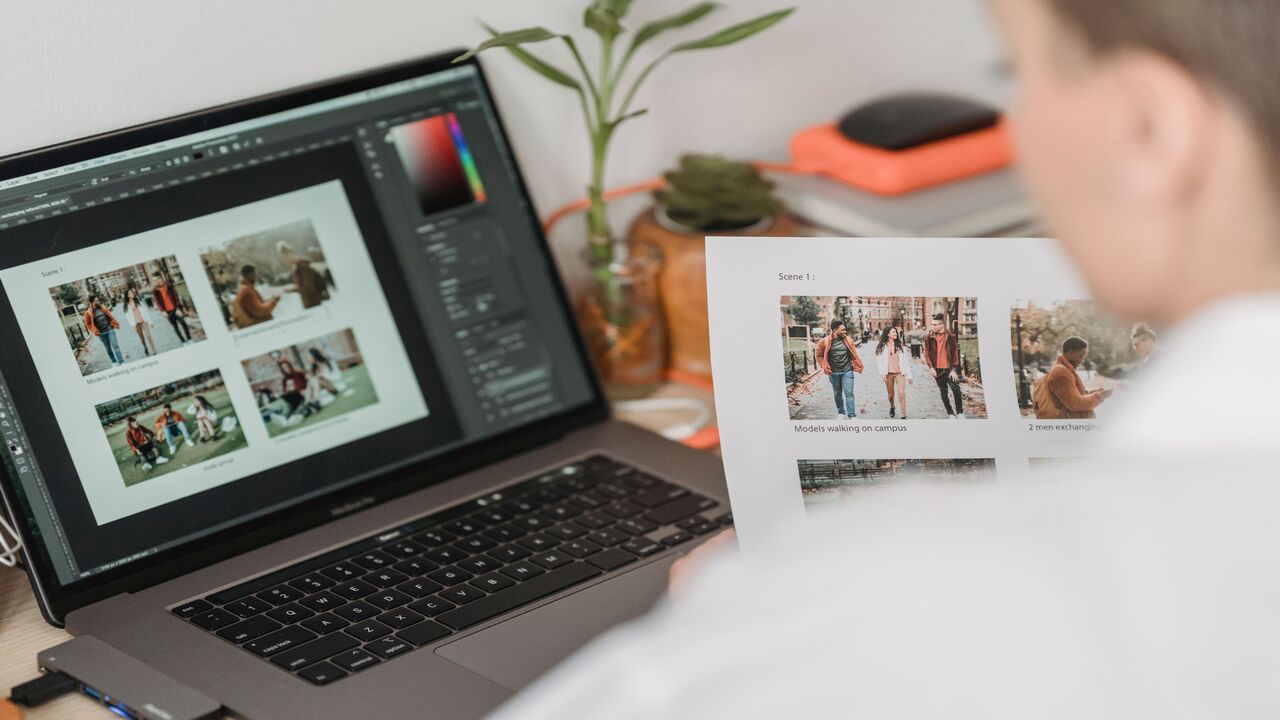
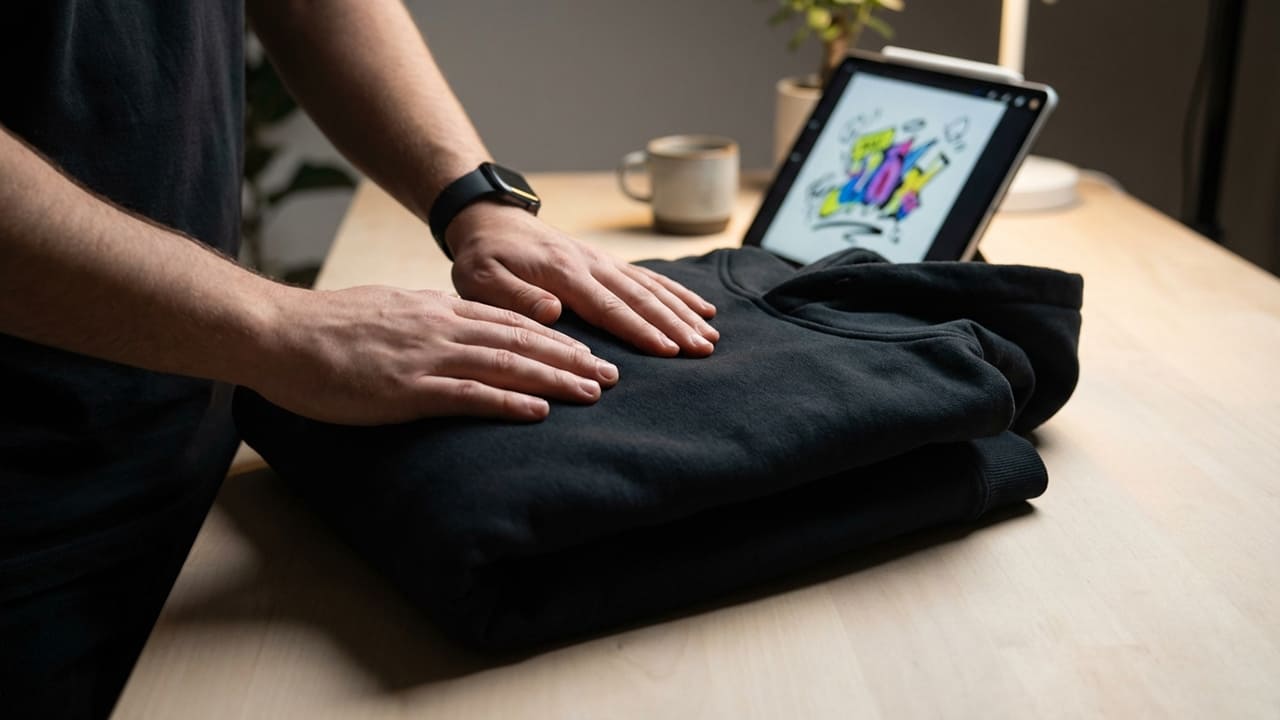
If you are handy with Illustrator or Procreate, you are sitting on a cash cow. This is one of the most reliable, profitable hobbies because every business, streamer, and brand needs visuals constantly. AI-prompted images and videos are another low-barrier-to-entry route and are in increasing demand (see more below). It might be easy, but most creators would rather outsource than spend their time messing with pixels.
- Why it pays: Digital assets are infinitely scalable.
- Strategy: Sell your designs on two fronts: as service work for clients (logos, branding) and as products (prints, custom apparel) via Tapstitch.
4. Vintage Reselling & Thrifting
You have the eye that others don't. You know that a single-stitch tee from the 90s is worth more than a brand-new fast-fashion shirt. The market has shifted; vintage isn't just about saving money anymore, it's about status. Even Mark Zuckerberg was spotted hunting for vintage Blink-182 tees on Facebook Marketplace. When billionaires compete with the thrift flippers, you know the sector has matured.
- Why it pays: Sustainability is mandatory for Gen Z. Vintage is the only way to shop ethically and look unique.
- Strategy: Curate drops on marketplaces like Depop or build your own site. It’s not about volume; it’s about curation.
5. Jewelry Making
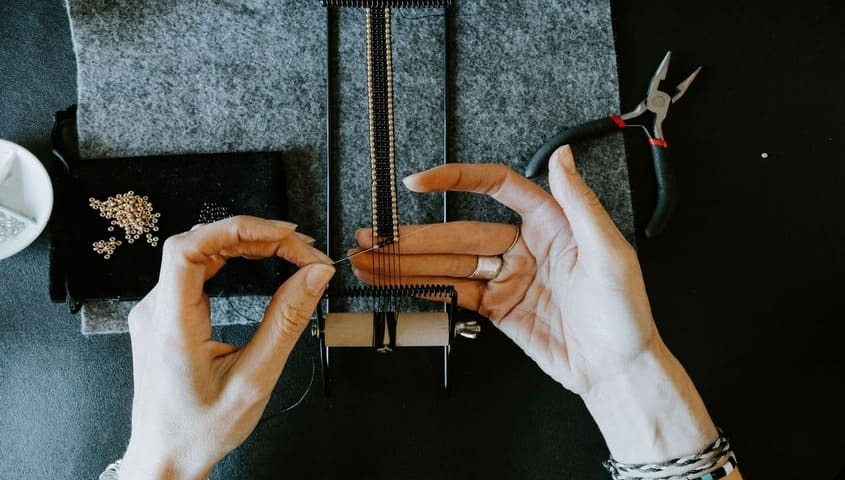
From beaded phone charms to 3D-printed silver rings, jewelry offers high margins because of its perceived value. Let's be real: there are people making millions flipping mass-produced accessories from Alibaba. While we don't vibe with the "fake handmade" hustle, it proves one crucial point: the market is insatiable. You don't have to be dishonest to make money here; if generic pieces sell that well, imagine what happens when you bring actual design and authenticity to the table.
- Why it pays: Low shipping costs and high emotional value for the buyer.
- The Strategy: Focus on a niche aesthetic (e.g., Y2K, Gorpcore, Minimalist) and build a brand story around it.
The Digital & Tech Sector
Scalable skills that run the modern internet.
6. 3D Modeling & Printing
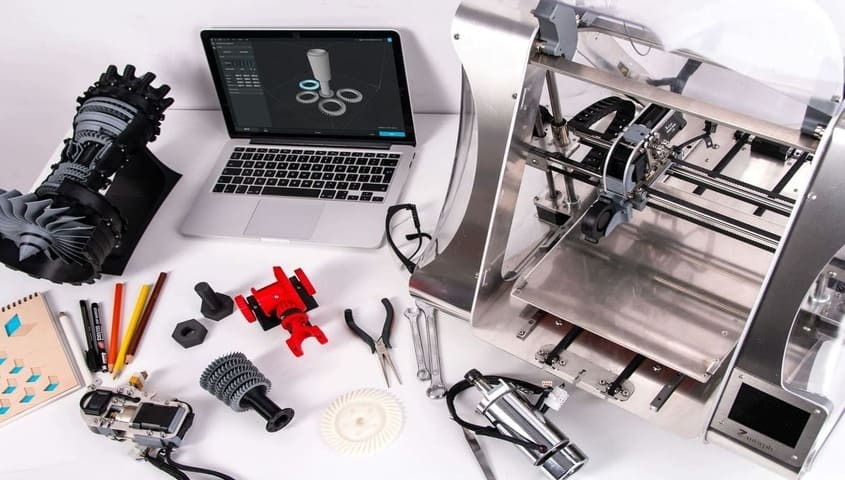
The physical and digital worlds are merging, and the printer is your factory. If you know your way around Blender or can calibrate a resin bed, you possess a manufacturing superpower that fits on a desk. This isn't about printing plastic trinkets; it's about solving expensive problems. We see founders printing impossible-to-find vintage car clips, designing modular terrain for tabletop wargaming, and prototyping custom drone chassis for racing leagues. You own the means of production.
- Why it pays: It’s a specialized manufacturing skill that fits on a desktop.
- Strategy: Sell the digital files (STLs) online or print custom figurines on demand.
7. Coding & Web Development
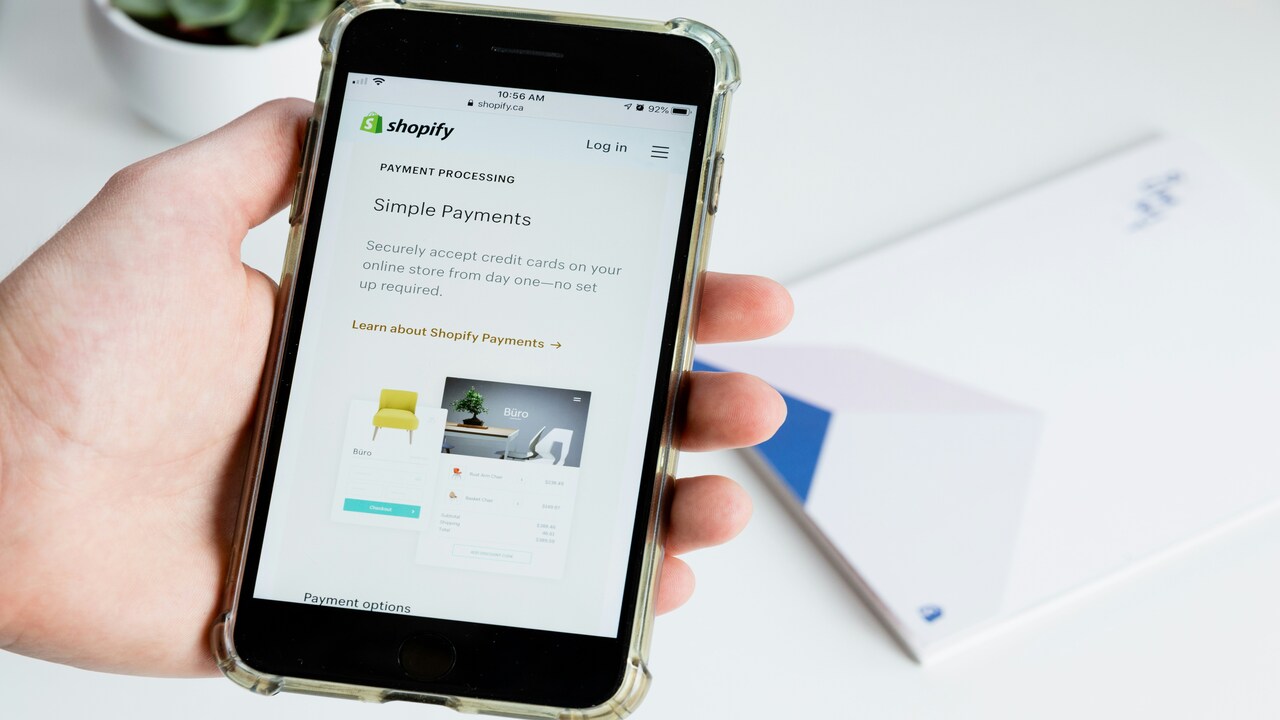
If you code for fun, you are rare. While everyone else is scrolling, you are building the infrastructure that powers the internet. Building plugins, themes, or simple apps is widely considered one of the most effective hobbies to make money from home because the overhead is virtually zero. You don't need warehouse space or shipping containers. Your product is digital, meaning you build it once and sell it infinitely. It could be a Shopify app that helps fashion brands track inventory or a sleek WordPress theme for portfolio sites; you are creating digital real estate that pays rent while you sleep.
- Why it pays: Haven't you seen the Matrix? The entire world runs on code.
- Strategy: Don't just freelance. Build a Shopify theme or a WordPress plugin and sell the license.
8. AI Prompt Engineering
This is the newest entry for 2026. I was in Tokyo recently, and every ad running in the taxis was 100% AI-generated imagery. Shocking, but that's the world we're living in. If you know exactly how to talk to MidJourney or Gemini to get the perfect result, that is a sellable skill. While the rest of the world is typing generic commands and getting weird hands, you understand the specific syntax—lighting parameters, style modifiers, and aspect ratios—that turns a robot into a master artist. Agencies and brands are scrambling to integrate AI to save costs, but they lack the time to master the steep learning curve. They don't want to learn the tool; they want the result. That's where you get paid.
- Why it pays: Companies want AI results but don't want to learn the syntax.
- Strategy: Create asset packs of prompts for marketers or designers.
9. Gaming & Streaming

We aren't saying you have to be the next XQC. In fact, trying to be a "generalist" streamer is the fastest way to fail. The real money in 2026 is in specialization. If you are a top-tier strategist, a speedrunner for retro titles, or a master builder in Minecraft, you have a monetizable asset.
- Why it pays: Attention is currency.
- Strategy: Don't just stream. Create guides, coaching sessions, or sell custom branded merch to your loyal community.
10. Beat Making & Music Production
Bedroom producers are topping the Billboard charts, but the smart ones aren't waiting for a record label to call; they are building their own economy. If you make beats in FL Studio or Logic, you have a digital product with zero inventory cost. Just look at Nick Mira and the Internet Money collective; they didn't start with industry connections, they began by relentlessly uploading "Type Beats" to YouTube and selling leases on BeatStars. Now, they run a global label.
- Why it pays: Every rapper, YouTuber, and podcaster needs background music.
- Strategy: Upload your beats to BeatStars or license tracks for commercial use.
The Content & Media Sector
Turning your voice and face into a brand.
11. Photography

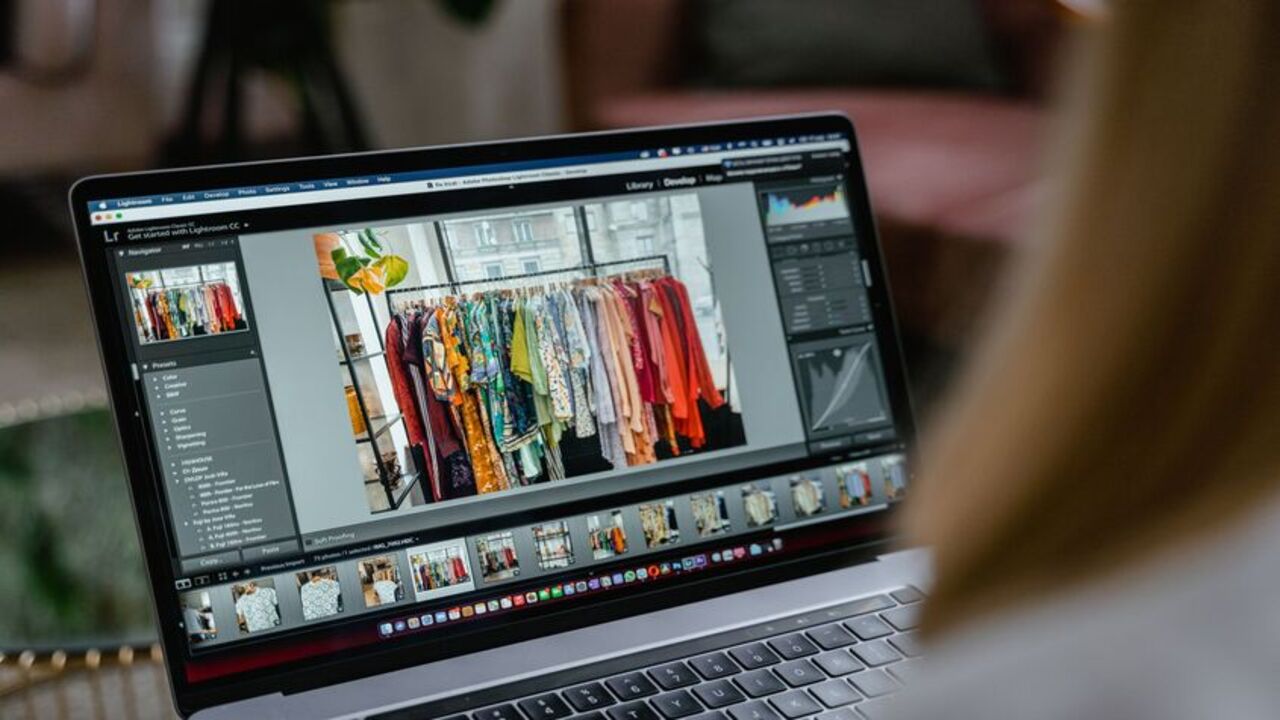
Stop letting your photos sit in your camera roll. Brands are hungry for "UGC-style" (User Generated Content) photography that looks authentic, not staged. When looking for hobbies that make money, photography tops the list because it serves both B2B and B2C markets. You don't need a $5,000 Sony camera; you need good lighting and a distinct point of view.
- Why it pays: Stock photography is dead; authentic lifestyle photography is booming.
- Strategy: Pitch local fashion brands to shoot their lookbooks, or sell art prints of your best artistic shots.
12. Videography & Editing
Video is the language of the internet, but simply "knowing how to edit" isn't enough. The money is in Retention Editing. If you can take a 60-minute boring Zoom podcast and chop it into three viral 45-second clips with dynamic captions and perfectly timed B-roll, you will never be broke.
- Why it pays: Retention is hard. Good editing buys retention.
- Strategy: Offer "repurposing" packages, taking a client’s long video and chopping it into 10 viral clips.
13. Blogging & Copywriting

If you can write clearly and persuasively, you can sell anything. But the days of stuffing keywords into a generic WordPress site are over. The real money in 2026 is in Ghostwriting and owned audiences.
- Why it pays: SEO (Search Engine Optimization) is how businesses get found.
- Strategy: Start a niche blog (like this one) and monetize through affiliate marketing, or write copy for brands that need to find their voice.
14. Podcasting
Talk is cheap, but a good conversation is valuable. Podcasting builds deep trust with an audience because you are literally in their ear for 45 minutes a week. But in 2026, the "two friends talking about nothing" format is dead. The money is in deep specificity.
- Why it pays: Advertisers pay a premium for the focused attention of podcast listeners.
- Strategy: Niche down. Don't do "general chat." Do "how to make your own shirts" or "sustainable living."
15. Voiceover Acting
AI isn't quite there yet. While robots can read text, they can't act. They get the cadence wrong, miss the sarcasm, and sound flat. If you have a unique voice and can read with emotion, you have a premium asset. With high-quality USB mics (like the Apogee MiC or Shure MV7) being affordable, you can record audiobooks or national commercials from your closet.
- Why it pays: Audio content consumption is at an all-time high.
- Strategy: Sign up for platforms like Fiverr or Voices.com to get your initial gigs.
The Hands-On & Lifestyle Sector
Tangible skills for the real world.
16. Interior Decor & Home Staging
If your apartment looks like a Pinterest board while your friends are living in "dorm room chic," you have a monetizable skill. In the remote work era, your background is your new business card.
- Why it pays: The "Zoom Effect" is real. Professionals, streamers, and content creators are desperate to fix their lighting and backdrops because a messy room kills credibility.
- Strategy: Skip the heavy lifting of physical staging. Offer "Virtual Vignettes." Clients send you a photo of their home office; you send back a PDF mood board with a "Click-to-Buy" shopping list for a lamp, a plant, and a rug that instantly fixes the vibe. Charge $200 for the plan, and you never have to leave your house.
17. Personal Styling
You’re the friend everyone asks, "Does this look good?" Monetize that taste level. But stop thinking about "shopping trips" at the mall—that’s inefficient. The modern stylist is a digital curator.
- Why it pays: Decision fatigue. People have closets full of clothes but "nothing to wear." They don't need more stuff; they need a system.
- Strategy: Offer the "Capsule Audit." Get on FaceTime, have the client try on their "maybe" pile, and tell them ruthlessly what to keep and what to donate. Then, build them a digital lookbook of 10 outfits using the clothes they already own. You aren't selling fashion; you're selling confidence and time.
18. Cooking & Baking (Consumer Packaged Goods)
Don't open a restaurant. The margins are brutal, and the hours are worse. The smart money is in CPG (Consumer Packaged Goods), specifically high-margin, shelf-stable items like chili oils, specialty granolas, or dehydrated cocktail garnishes.
- Why it pays: The "foodie" market has moved from restaurants to the pantry. People want artisanal, "if you know, you know" ingredients to show off at dinner parties.
- Strategy: Design is 50% of the flavor. Use a platform like Tapstitch to make fashion merch for your food brand (yes, food brands need t-shirts), but for the food itself, focus on packaging that looks good on Instagram. Start by selling at local farmers' markets to validate the taste, then scale via Shopify once you have a cult following.
19. DIY Craft & Woodworking
In a world of dropshipped plastic, wood, and leather feel like "heirloom" luxury. But the mistake most woodworkers make is building dining tables (impossible to ship) instead of EDC (Everyday Carry) items.
- Why it pays: The "Desk Setup" community is massive and wealthy. Tech workers will drop $150 on a walnut wrist rest or a custom leather desk mat without blinking.
- Strategy: Focus on high-density value. A laser-engraved leather wallet or a custom mechanical keyboard case fits in a small padded envelope but commands a high price tag. Buy a Glowforge or a CNC router, niche down to "tech accessories," and let the machines do the heavy lifting while you handle the finishing touches.
20. Online Tutoring & Course Creation
If you are an expert in any of the above, teach it. This is arguably one of the most scalable hobbies that can make money because you aren't trading time for dollars; you are productizing your brain.
- Why it pays: We are in the "Creator Educator" boom. People don't want a generic certificate from a university; they want a specific outcome from a practitioner. They want your specific method for thrifting vintage or your specific workflow for editing video.
- Strategy: Do not spend six months filming a "Masterclass." Start with a Live Cohort. Sell 10 spots for $100 to teach a skill live on Zoom over a weekend. Record it, refine it, and then sell the recording as a passive course on platforms like Skool or Gumroad. Sell the result, not the curriculum.
How to Make Money from Your Hobbies?

Identifying the hobby is step one. Step two is building the infrastructure. You can’t just hope someone throws money at you; you have to create a mechanism for value exchange. When researching hobbies that make money, you will realize they all share a common thread: a solid distribution strategy.
Here is the blueprint for turning a passion into a paycheck:
- Validate the Niche: Don't guess. Go to Reddit, TikTok, and Instagram. Search for your hobby. Are people asking questions? Are they complaining about a lack of products? That gap is your market. If you love knitting, don't just "knit." Find out if people are looking for "tech-wear style balaclavas." Specificity wins.
- Choose Your Model: Service vs. Product:
- Service: You trade time for money (e.g., taking photos, consulting, painting a mural). This is the fastest way to get cash, but the hardest to scale.
- Product: You create something once and sell it x1000 (e.g., a printed hoodie, a digital course, a preset pack). This is the wealth-building route. Ideally, you start with services to learn the market, then transition to products to scale.
- Build the "Storefront": You need a place where the transaction happens. This could be a Shopify store, a polished Instagram bio, or a simple landing page. It doesn't need to be perfect, but it needs to look professional. In 2026, trust is the most important currency. If your site looks sketchy, your conversion rate drops to zero.
- Marketing is Just Storytelling: Don't "market." Just document. Show the behind-the-scenes of your process. Show the failures. Show the materials. People buy the creator as much as the creation.
Turn Your Art Hobbies into Business with Tapstitch
Let's focus on the most accessible, high-leverage category: Visual Arts and Fashion.
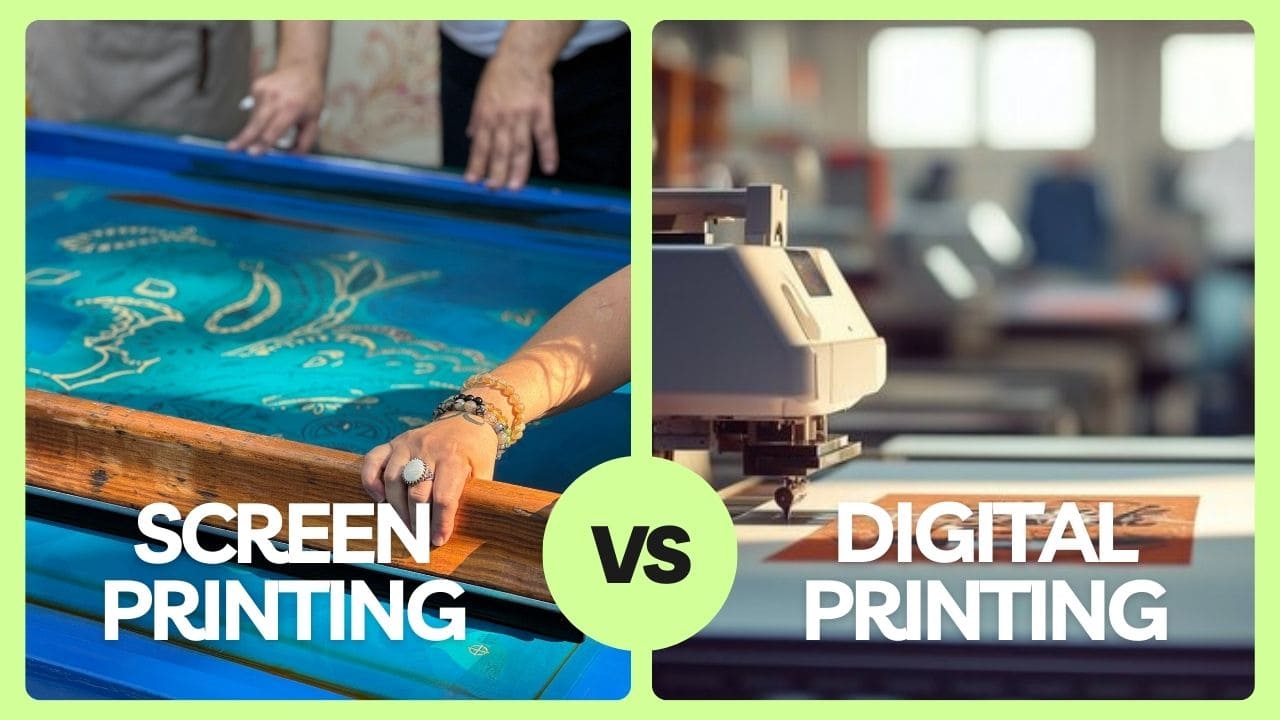
If you draw, paint, design, or have a knack for typography, the old way of making money was difficult. You had to buy blank t-shirts in bulk, guess the sizes, find a local screen printer, and hope you sold enough to break even. It was expensive and risky.
Tapstitch changes the physics of the business.
We built Tapstitch for creators looking for profitable hobbies that can scale into legit brands, not just a warehouse headache. Here is how we help you monetize your art instantly:
- Zero Inventory Risk: You don't pay for the product until your customer pays you. You can launch a 50-piece collection today with $0 upfront.
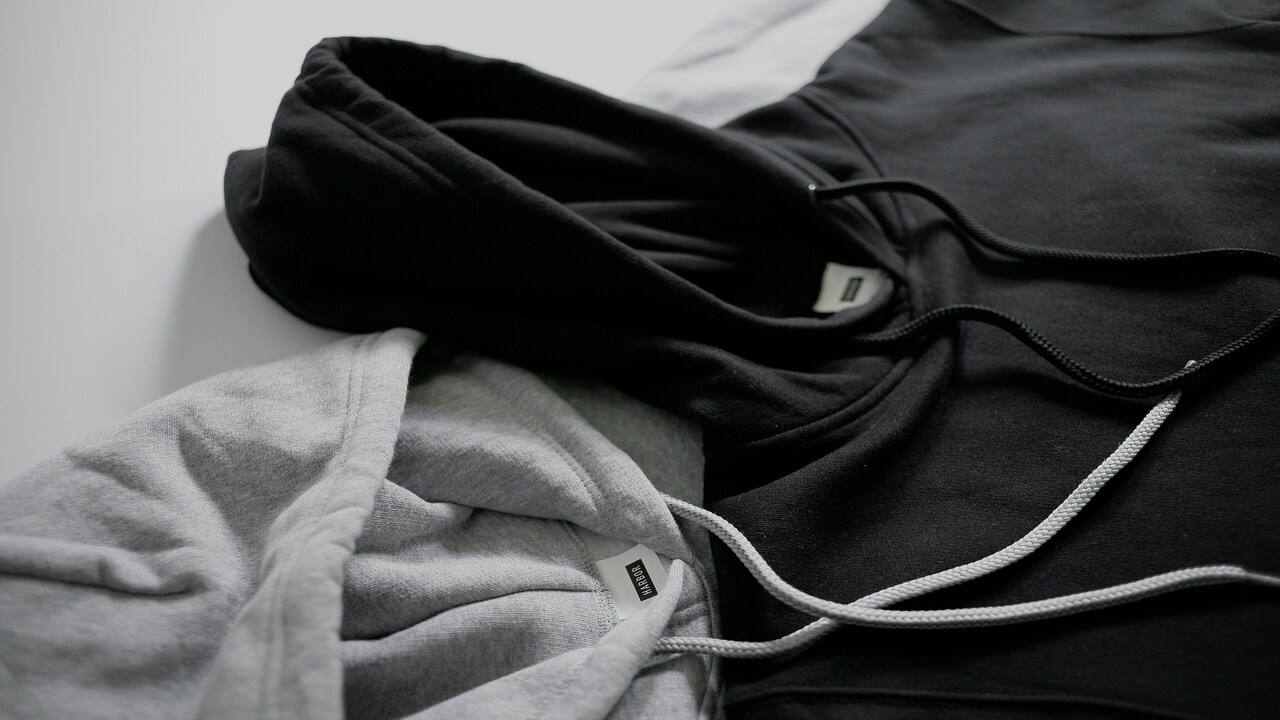
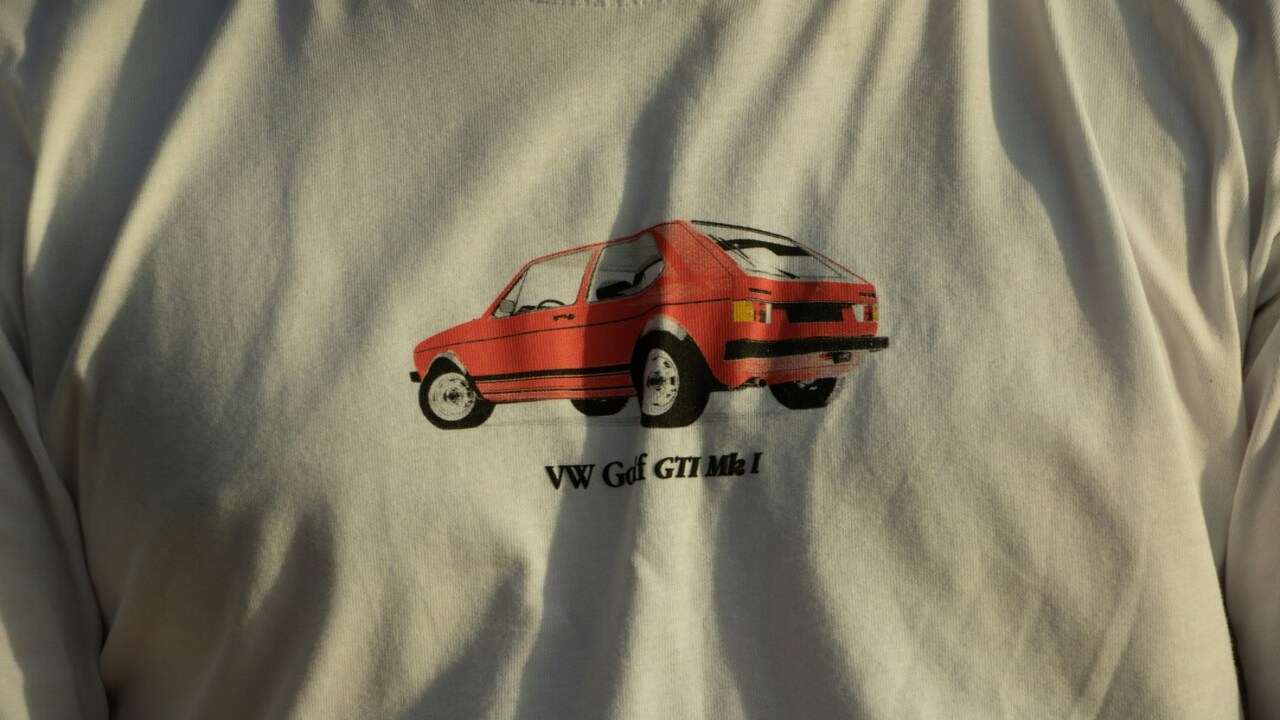
- Designer Quality: We aren't doing cheap, scratchy promo tees. We offer heavyweight cotton, vintage washes, and streetwear fits that rival high-end boutiques. Your art deserves a premium canvas.
- Total Branding Control: Most Print-on-Demand feels generic. Tapstitch lets you customize the neck labels and the packaging. When your customer opens the bag, it looks like it came from your fashion house, not our factory.
- Global Logistics: You focus on the design (the hobby part). We handle the cutting, sewing, printing, and shipping to 190+ countries (the business part).
If your hobby is visual, your canvas should be apparel. It’s walking advertising.
Frequently Asked Questions
What is the Most Profitable Hobby?
In terms of low barrier to entry and high scalability, Digital Design/Fashion Dropshipping is the winner. Creating a design costs nothing but time. Selling it on a premium garment via Tapstitch allows for high margins (buying at wholesale, selling at retail brand prices) without the risk of holding stock.
When Should I Start Making a Profit from My Hobbies?
You should start thinking about monetization as soon as you have a "Minimum Viable Product." Do not wait for perfection. If you have a design you like, mock it up and post it. If you have a skill, offer it to one person for free in exchange for a testimonial, then charge the next person. The market will tell you when you are ready—usually before you think you are.
How to Make Money Without a Job?
To make money without a traditional employer, you must become a producer. You need to own an asset. This could be an audience (YouTube/TikTok), a digital product (ebook/course), or a physical brand (clothing line). The key is diversifying. Combine a service (freelance design) with a product (merch line) to create stability.
Final Thoughts
The era of "guilty pleasures" is over. Your obsessions are your compass. If you are spending your Friday nights researching fabrics, editing videos, or sketching logos, you aren't wasting time; you are doing R&D for a company that hasn't taken off yet.
There are dozens of hobbies that make money, but the only one that matters is the one you will actually stick with. Authenticity sells. The market can smell a fake from a mile away. So, pick the thing you love, wrap a business model around it, and start treating your creativity with the respect it deserves.
Whether you are looking for hobbies to make money on the side or profitable hobbies to replace your day job, the opportunity is the same. You have the vision. Tapstitch has the infrastructure. Let’s get to work.
.png)

.jpg)
.jpg)
%20(3).jpg)

.png)
.jpg)
.jpg)
.jpg)
.jpg)
.jpg)
.jpg)







.png)




.png)
.webp)

.jpg)











.jpg)


.jpg)

.png)
.jpg)


.jpg)
.jpg)




.jpg)
.jpg)
.jpg)
.jpg)
.jpg)

%20(1).jpg)
.png)

.png)



%20(1)%20(1).jpg)





.png)
.png)



.jpg)