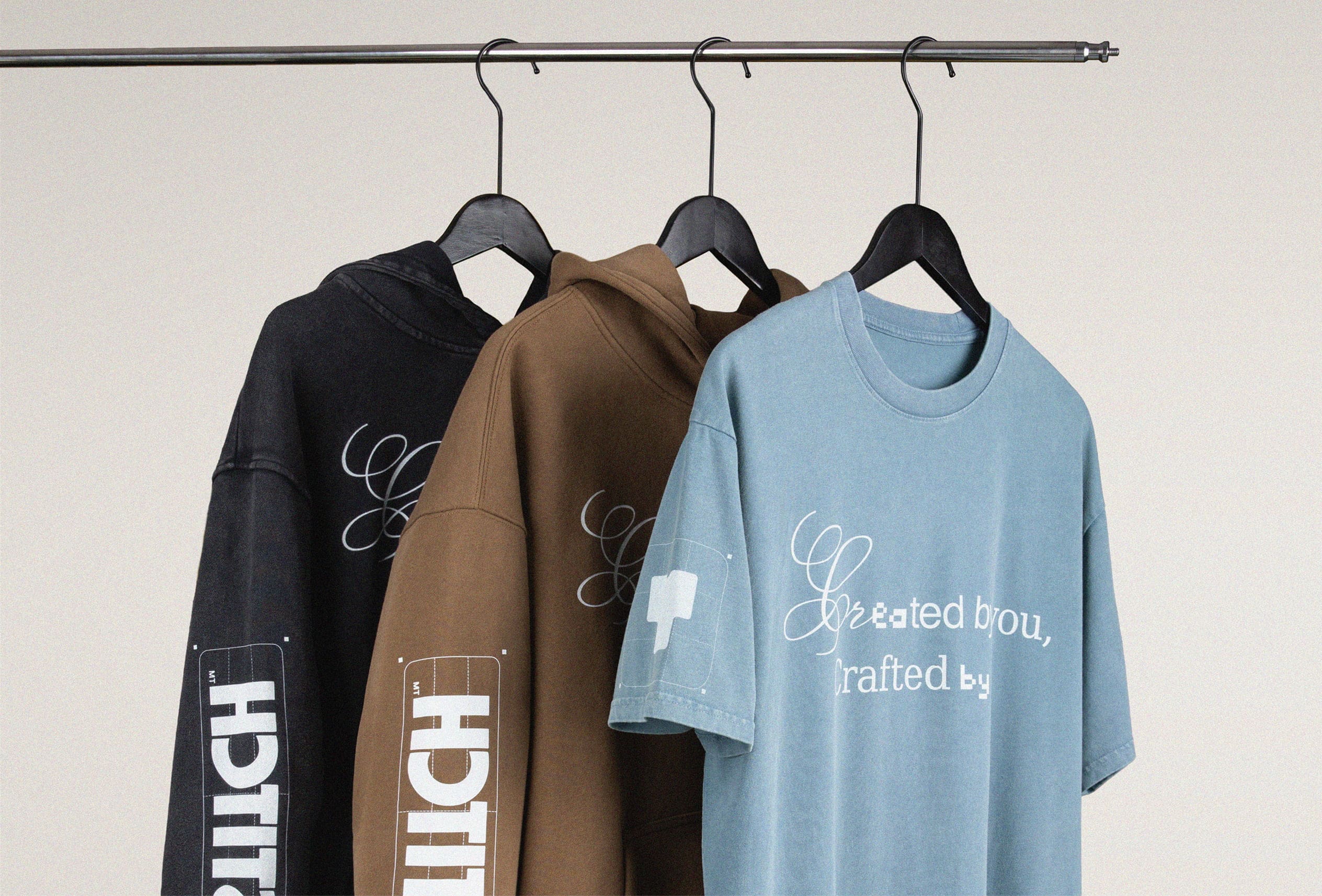







What is the Best Hoodie Material? 2026 Guide


What is the Best Hoodie Material? 2026 Guide
Everyone’s favorite custom hoodie earns that title for the same reason: it feels right. Slip it on, and you’re back in your comfort zone... lazy Sundays, late-night streets, or just a layer that speaks louder than a logo. Hoodies aren’t just outerwear; they’re identity pieces. And the detail that makes or breaks them is always the hoodie material. Hoodies aren’t just outerwear; they’re identity pieces. And the detail that makes or breaks them is always the hoodie material.
At Tapstitch, we live and breathe fabrics, so here’s our breakdown of the best hoodie materials of 2026 — the ones worth building your brand on, and the ones to avoid.
Why Hoodie Material Matters
The right choice of fabric for hoodies decides whether it becomes someone’s everyday uniform or just another piece tossed in the closet. Comfort comes first — nobody pulls on a hoodie that feels stiff or scratchy. Breathability, softness, that worn-in feel you never want to take off, it all starts with the material.
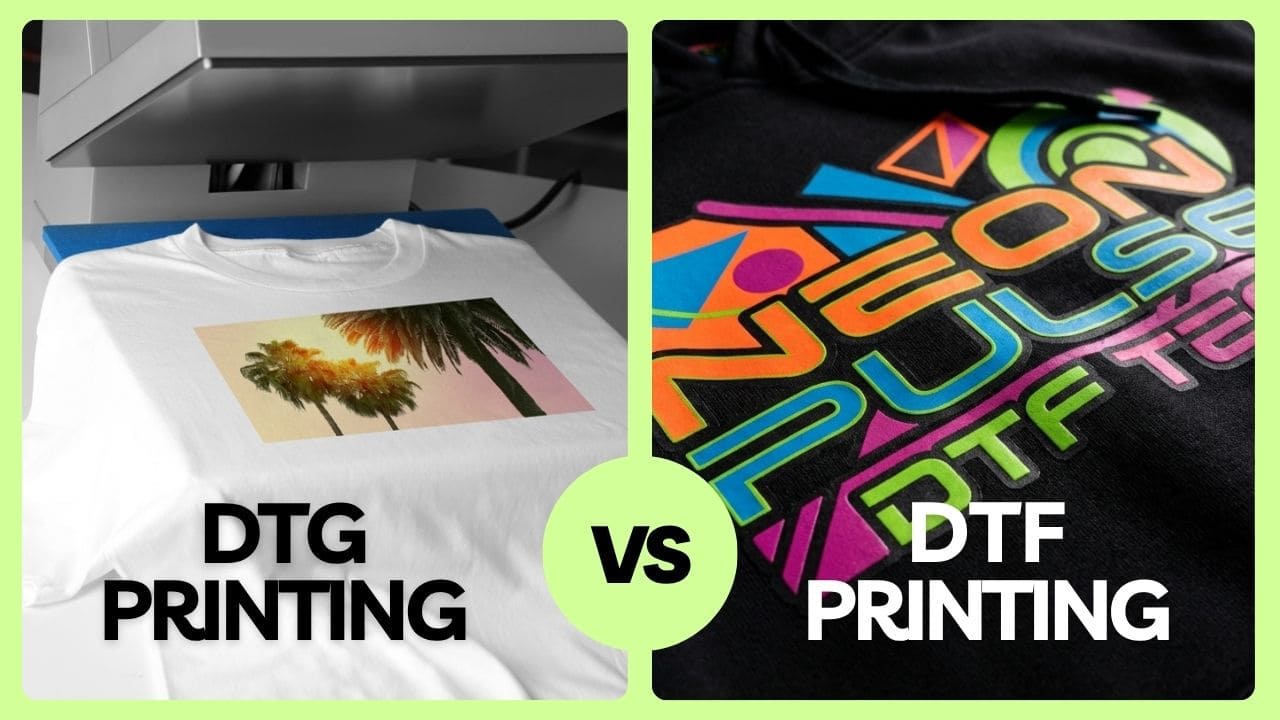
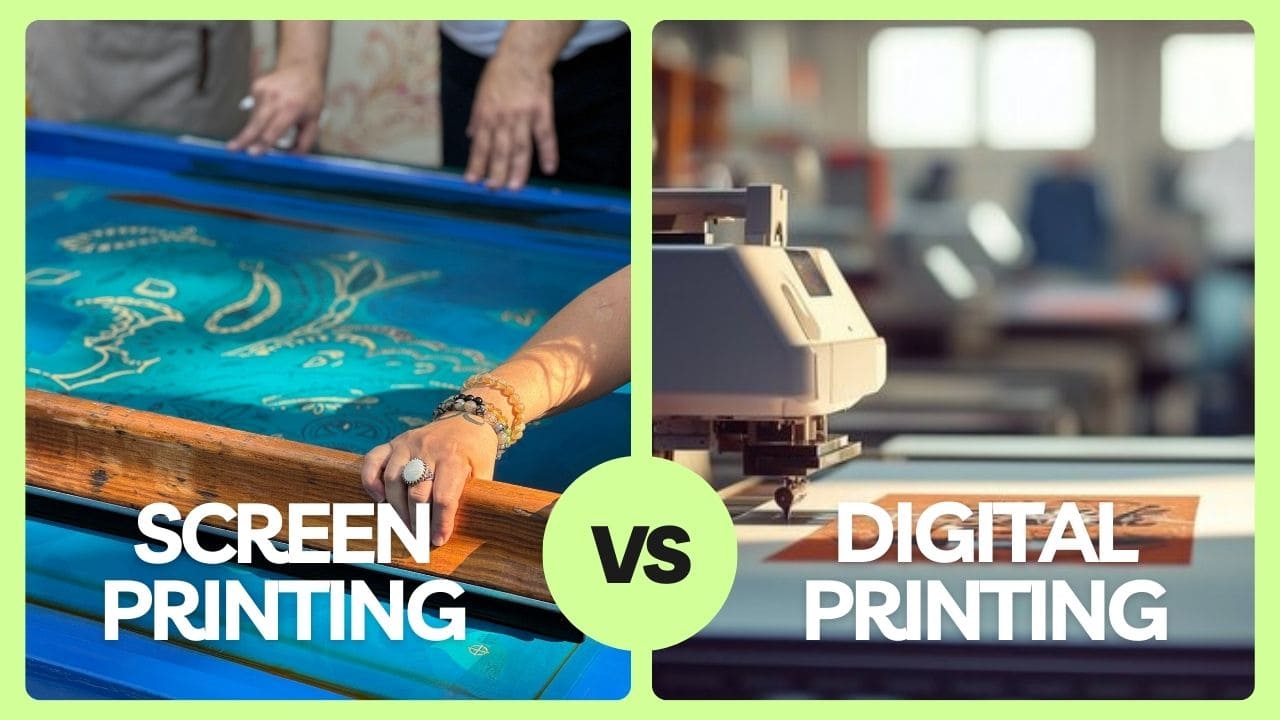
Durability is the next test. A well-made hoodie keeps its shape, resists shrinking in the wash, and still looks fresh long after fast-fashion versions have fallen apart. Printing and embroidery depend on it too: DTG inks sink into cotton differently than polyester, and screen prints pop harder on certain blends. Your design can only look as good as the fabric underneath.
Explore more: DTG vs Screen Printing: Which One is Better for Your Clothing Brand?
And then there’s brand value. Customers know when something feels premium. Weight, texture, longevity — it all signals quality before they’ve even noticed the logo. In short, the fabric isn’t just fabric. It’s your brand’s silent ambassador.
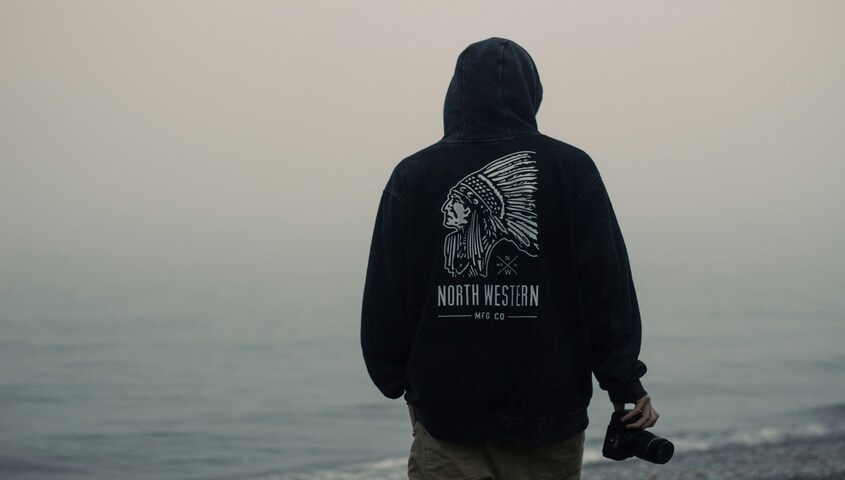
The Most Common Hoodie Materials
When people ask “what’s the best fabric for hoodies?”, the truth is there isn’t one answer. It depends on what you’re going for. But these are the players you’ll see everywhere:
1. 100% Cotton
2. Polyester
3. Cotton-Polyester Blends
4. Fleece (cotton fleece, polyester fleece, brushed fleece)
5. French Terry
6. Eco & Alternative Fabrics (organic cotton, bamboo, recycled poly, Sorona, hemp)
Let’s dive into each one so you can get an idea of the perfect fabric for what you are going for.
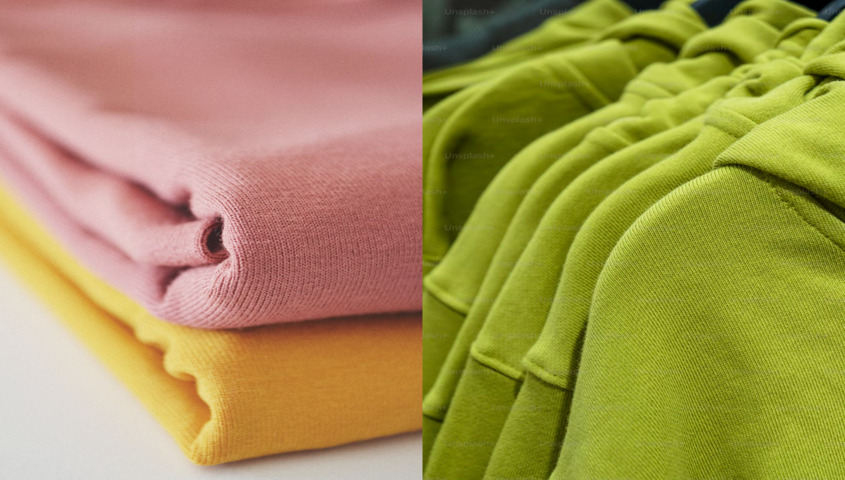
Cotton Hoodies
Cotton has been the reigning champion of hoodie material for decades. It’s soft, breathable, and takes ink beautifully, which makes it a favorite for DTG printing and detailed graphics. That natural hand-feel gives cotton hoodies a premium vibe you just can’t fake.
Of course, it isn’t perfect. Untreated cotton can shrink in the wash, it dries more slowly than synthetics, and over time, it may lose some of its shape. But when comfort is non-negotiable, cotton hoodies still sets the standard. For brands chasing softness above all else, the only real rival is a high-end brushed fleece.
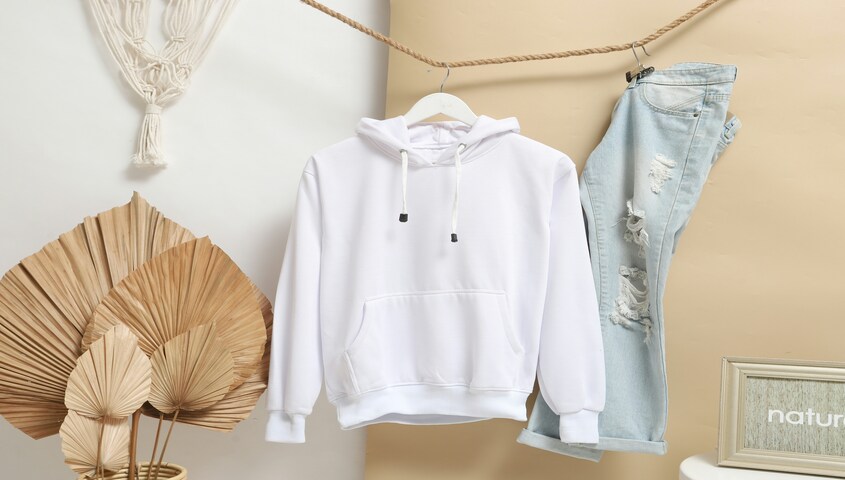
Polyester Hoodies
Polyester is a workhorse among fabrics, built for durability and performance. It holds its shape no matter how many washes it goes through, resists shrinking, and pulls moisture away from the body, making it the perfect choice for sportswear. Polyester also pairs perfectly with sublimation printing, where bright, all-over designs come to life in a way cotton can’t touch.
The trade-off is breathability. On its own, polyester can feel a little synthetic, which is why it’s often blended to soften the hand. But if you’re building an activewear line or need a hoodie that can take a beating and still look new, polyester is the indestructible choice.

Cotton-Poly Blends
Blends are the happy medium between performance and comfort. By mixing cotton with polyester, you get a hoodie that feels soft but doesn’t fall apart, holds its shape through repeated washes, and stays more resistant to shrinking than pure cotton ever could. The balance also makes it a reliable choice for printing, with both DTG and screen prints landing cleanly on blended fabrics.
They’re not quite as buttery as 100% cotton, and they don’t wick moisture like pure polyester, but for most brands the trade-off is worth it. That’s why the bulk of blank hoodies you tend to see blends of 60/40 or 80/20. These fabric ratios provide a reliable, versatile, and comfortable compromise that works.
You can view our Essential Heavyweight Hoodie combines the softness of cotton with the durability of polyester, creating a cotton blend hoodie that’s both comfortable and long-lasting.

Fleece Hoodies
Fleece is the pinnacle of comfort. Cotton fleece delivers that plush, natural warmth everyone associates with their favorite winter hoodie. Polyester fleece leans lighter and more functional, built to wick away moisture and often priced more accessibly. There’s also brushed fleece, the elevated version, where the inside is finished to an extra-soft touch that holds a most premium skinfeel.
If it's warmth for winter you're after, or cozy appeal, fleece is always a safe bet. If softness is the standard, brushed cotton fleece takes the crown. Find your next cozy favorite with the Vintage Washed Frayed Fleece Hoodie. Frayed details and a vintage wash give each hoodie its own unique character.
French Terry Hoodies
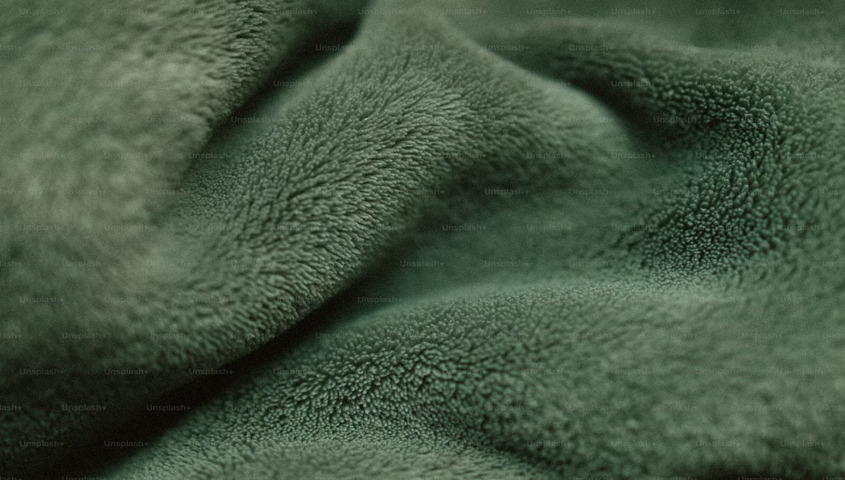
French terry is the minimalist’s choice. It uses a loopback texture that keeps the fabric lightweight, breathable, and perfect for layering. It won’t trap as much heat as fleece, but its versatility makes it the perfect option for summer nights or rainy mornings when the crisp air catches you off guard.
It's represented commonly in several basics and designer labels because of its clean, understated, but trendy look. French terry hoodies carry subtle sophistication, making them a staple for summer drops and high-fashion casual wear.
Eco-Friendly Hoodie Materials
In 2025, sustainability is as crucial to a brand's identity as the logo on its clothing. Alternative fabrics that once felt niche are now visible in every store display. Organic cotton delivers the same softness customers expect, only with a lighter environmental footprint. Bamboo blends bring a weightless drape and natural antibacterial properties. Recycled polyester keeps plastic bottles out of landfills and gives them a second life.
New, more modern fabrics are emerging, too, like Sorona®. Made from corn-based fibers, it is pushing performance wear forward with built-in stretch that doesn’t compromise the environment. There are other traditional fabrics too. Hemp, long loved in streetwear circles, adds a rugged durability that softens over time. If your brand values sustainability and the environment, the options are there; it's just a matter of choosing which one fits your line best and sourcing it.
What is the Softest Material for Hoodies?
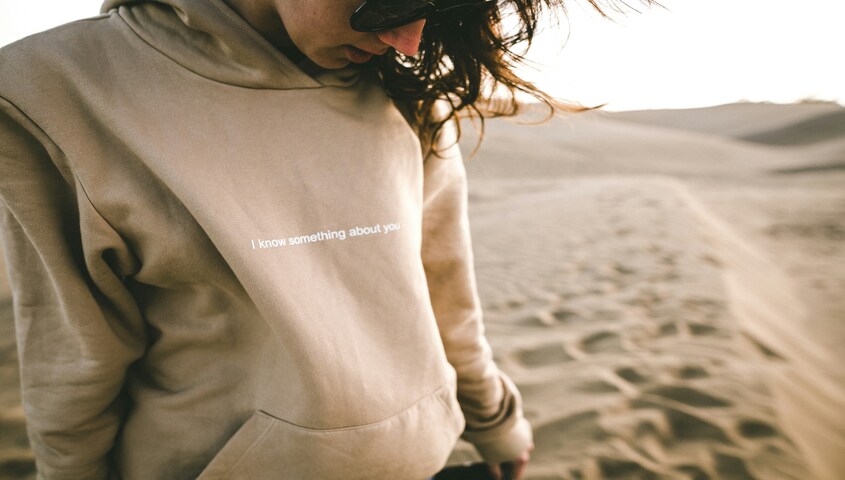
Nobody wants a stiff hoodie. Hoodies, to some, are like a childhood blanket. You fell in love with its softness, the comfort it gave you. The only reason we accept stiff, uncomfortable hoodies is that we've worn them a thousand times and have become emotionally attached to them. When softness is non-negotiable, a few fabrics rise above the rest. Brushed cotton fleece is the reigning champion in this category. Its coziness is unrivaled. Bamboo blends are another contender, bringing both a soft, silk-like hand-feel that’s still breathable and eco-friendly. Lightweight French terry deserves a spot, too, with its simplicity. The type of comfort you don't realize until you think about it.
If it's the absolute "softest" you're looking for, though, brushed cotton fleece is still the softest hoodie material you can put in a collection.
Choosing the Best Fabric for Your Brand
This is why you're here, presumably. There is no "best" fabric. What is your hoodie designed for? Who do you expect to wear it? The answer depends on the brand you’re building. Streetwear thrives on heavyweight cotton fleece and French terry fabrics, with their cooperative printability and versatility in different scenarios. Is it an outdoor brand you're putting together? Focus on fleece for warmth and eco-friendly options. Merch collections lean toward cotton or cotton-poly blends, where DTG printing lands crisp and production stays affordable. Custom sportswear needs the performance edge of polyester, the stretch and durability that keep up with movement.
The fabric you pick isn’t just a technical decision. It’s brand positioning. When someone puts your hoodie on, you want them to feel not just the fabric, but every intention of its design.

Future Hoodie Materials in 2025
Hoodies aren’t standing still; the fabric game keeps evolving. Expect to see more eco-tech blends like Sorona, recycled cotton, and waterless-dyed fleece becoming standard, as sustainability shifts from trend to baseline. Performance hoodies are also crossing into lifestyle territory, built with stretch, moisture control, and durability, but cut in silhouettes you’d wear outside the gym. And on the streetwear side, heavier GSM is moving from niche to mainstream, oversized fits, drop shoulders, and fabrics that feel substantial the second you pick them up.
The hoodie isn’t slowing down. It’s evolving into the piece that bridges comfort, culture, and conscience — and the fabric is leading the charge.
Final Words: Building Better Hoodies with Tapstitch
At Tapstitch, we don’t just hand you generic blanks. We give you hoodies worth building a brand on, brushed fleece that feels like it’s been yours for years, French terry that slides into any collection, and eco fabrics that future-proof your line.
- No MOQ — sample or scale instantly
- Fast global shipping — your designs, anywhere
- Fashion-first blanks — cut, wash, and weight made for modern brands.
Your hoodie isn’t just another SKU. It’s the backbone of your collection.

.png)


.jpg)
.jpg)
.jpg)

.jpg)
.jpg)
.jpg)








.png)




.png)

.webp)

.jpg)












.jpg)



.jpg)

.png)
.jpg)


.jpg)
.jpg)





.jpg)
.jpg)
.jpg)
.jpg)
.jpg)

%20(1).jpg)

.png)

.png)


%20(1)%20(1).jpg)






.png)
.png)



.jpg)

.jpg)
.jpg)