






How to Start a Print-on-demand T-shirt Business Without Investment


Capital is no longer a gatekeeper in the apparel world. In 2026, it’s free to start a t-shirt business, but that’s a double-edged sword. Your financial risks are gone, but the risks to your time and brand equity are higher than ever. You might not lose any money, but you could lose time and passion by choosing the wrong platforms and products to build with.
For most people, the old hurdles of inventory costs, warehouse rentals, and inventory risks are a thing of the past. The print-on-demand (POD) world has evolved to a level where you can focus on building a brand and community, and the hard work of production is done behind the scenes. In this guide, we’ll take apart the process of building a sustainable, fashion-first business from scratch, so that your first drop is a statement, not a guess.
How to Start a Custom T-shirt Business in 10 Steps
Building a brand requires a roadmap that balances creative vision with operational logic. Here is the blueprint for launching a t-shirt business that commands attention.
1. Understand the Custom T-shirt Business

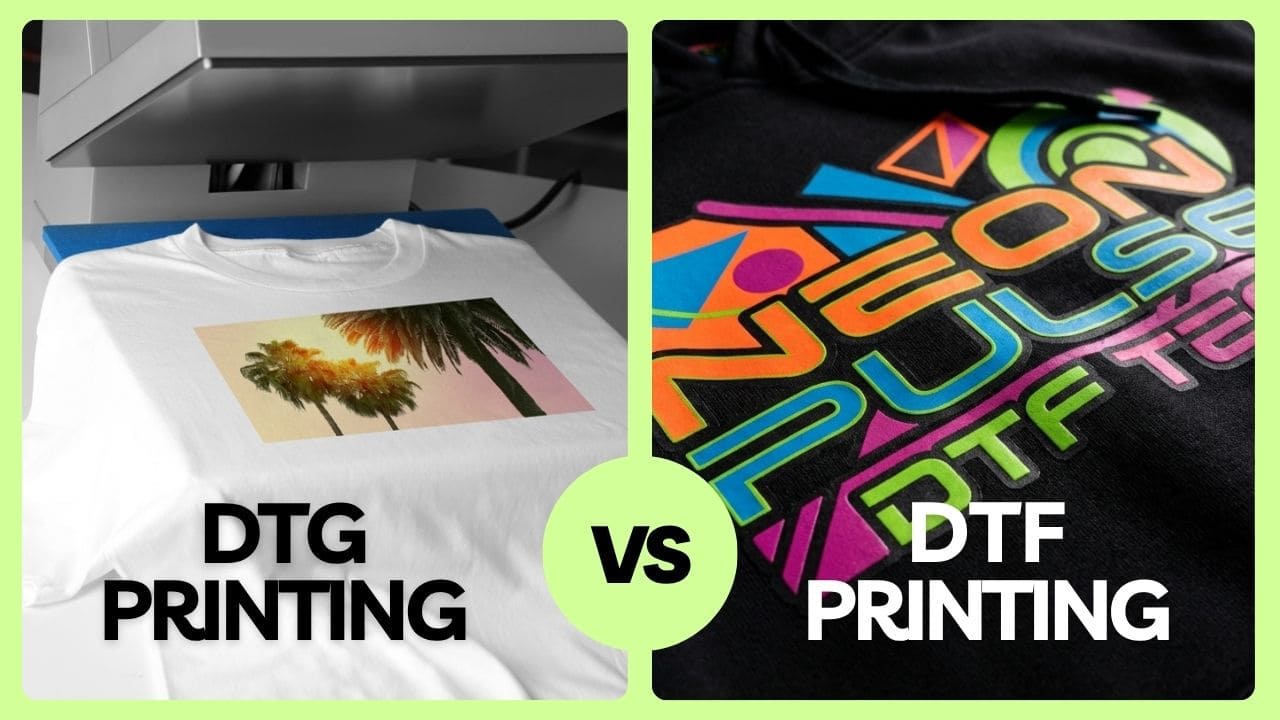
Before you start touching the design file, you need to understand the mechanics of the industry. The t-shirt business has changed dramatically from the old days of simple screen printing to the tech-savvy world of Direct to Garment and Direct to Film.
Understanding this landscape means that you now need to understand you are no longer competing based on price alone. In 2026, you are building a bridge between the digital world and the physical world. This is not just about creating a shirt for someone to wear; this shirt represents who they are. Research the current landscape: big and tough is no longer premium.
2. Decide Which E-commerce Platform to Sell
Your storefront is your digital flagship. Your choice of platform will dictate your customer experience and efficiency. Shopify is the standard for those looking to scale. It has excellent integrations and analytics.
However, if you are looking for more flexibility, platforms such as WooCommerce or Wix are viable options. If you are looking for rapid access to customers, platforms such as Etsy have existing traffic but do not provide long-term brand equity.
Ultimately, you want to select a platform that has excellent imagery and checkout. Friction is the enemy of conversion for brands such as ours.
3. Choose a Reliable POD Partner
Your partner is the "silent co-founder" of your t-shirt printing business. They are the quality control, packaging, and shipping that make up your brand's reputation while you're not around. In this model, you're not even touching the product, and neither are they.
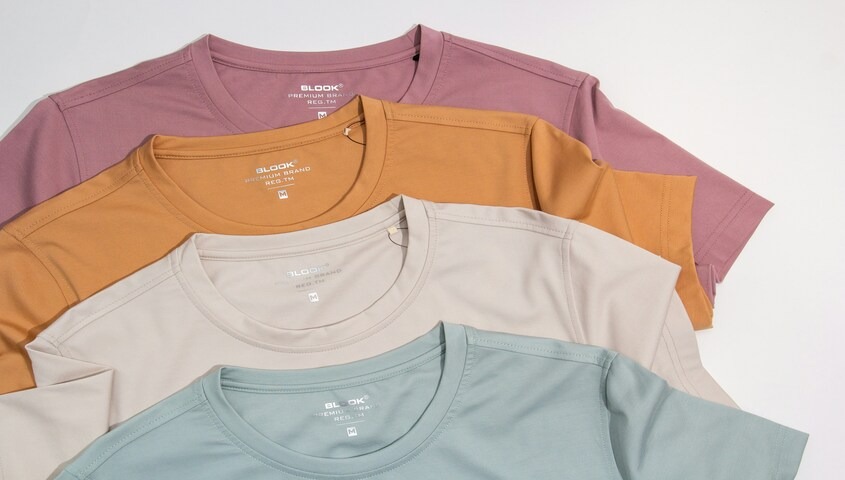
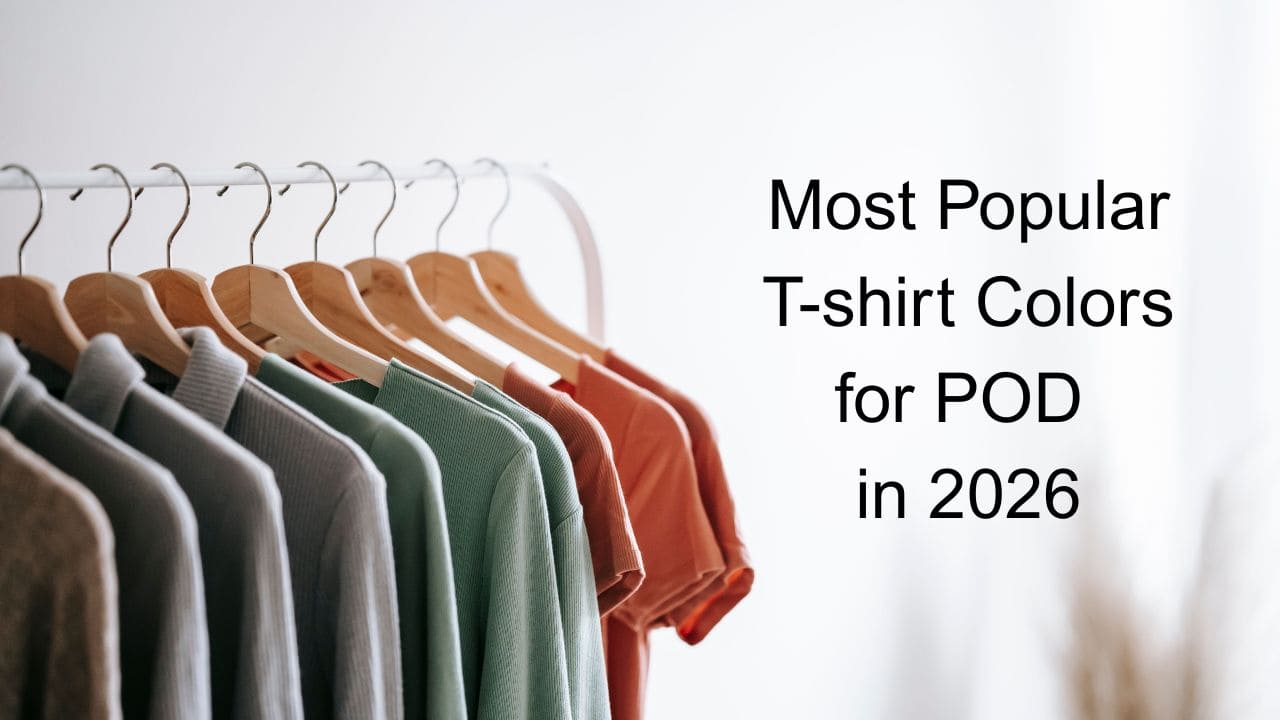
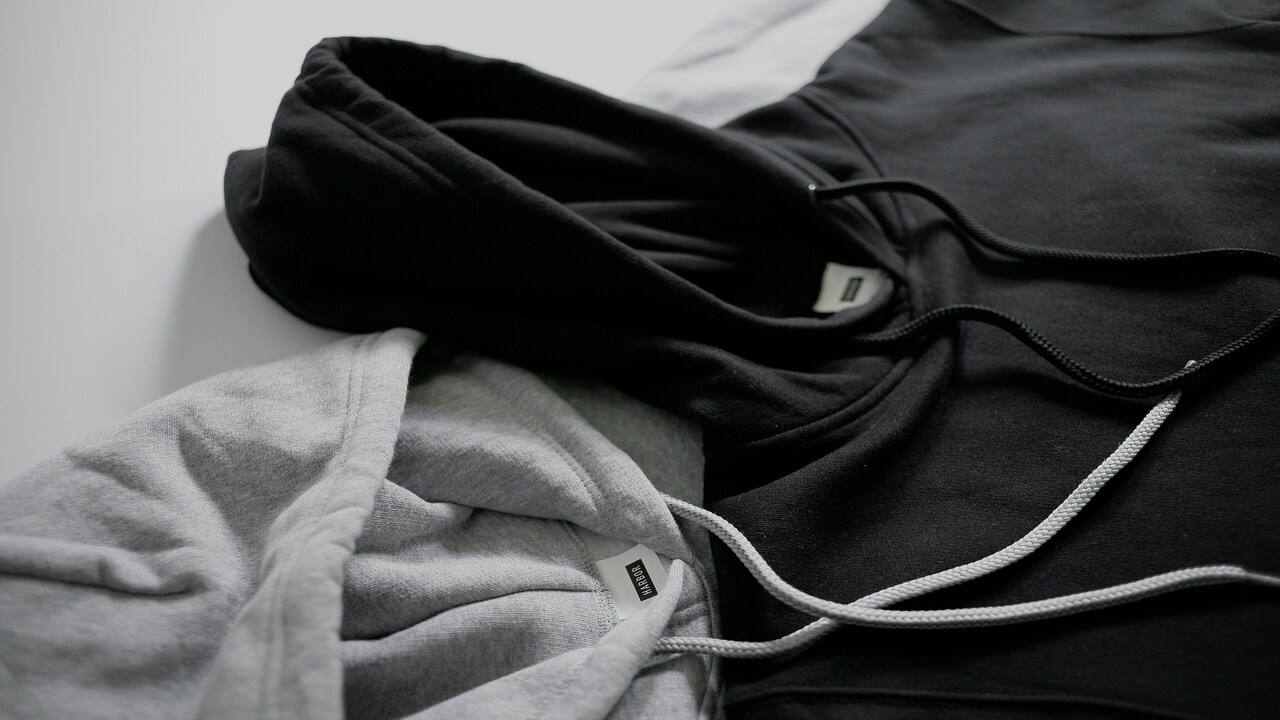
A good partner doesn't just print; they're a curator. You need to look for someone who is not just printing the run-of-the-mill "Gildan style" t-shirts that have gotten the POD world a bad reputation in the first place. You need someone who can provide you with silhouettes that match the current trends in the market. In the custom business shirts and fashion world, the difference between a one-time buyer and a loyal fan is the "hand feel" of the fabric and the quality of the print. If the print is not long-lasting and the fabric does not withstand the first wash, then no matter how good your designs are, your reputation will still suffer.
4. Find a Profitable Niche
Generalization is the fastest path to complete invisibility. If you're going to succeed, you need a niche where the community is underserved, or the existing options have become stale.
Instead of "fitness shirts," consider "heavyweight streetwear for powerlifters."
Instead of "graphic t-shirts," consider "minimalist architectural illustrations for design professionals."
A successful niche gives you the opportunity to speak a language, use the right slang, and focus your marketing efforts with pinpoint accuracy. If you can solve a style problem for a particular group, the price is no longer an issue.
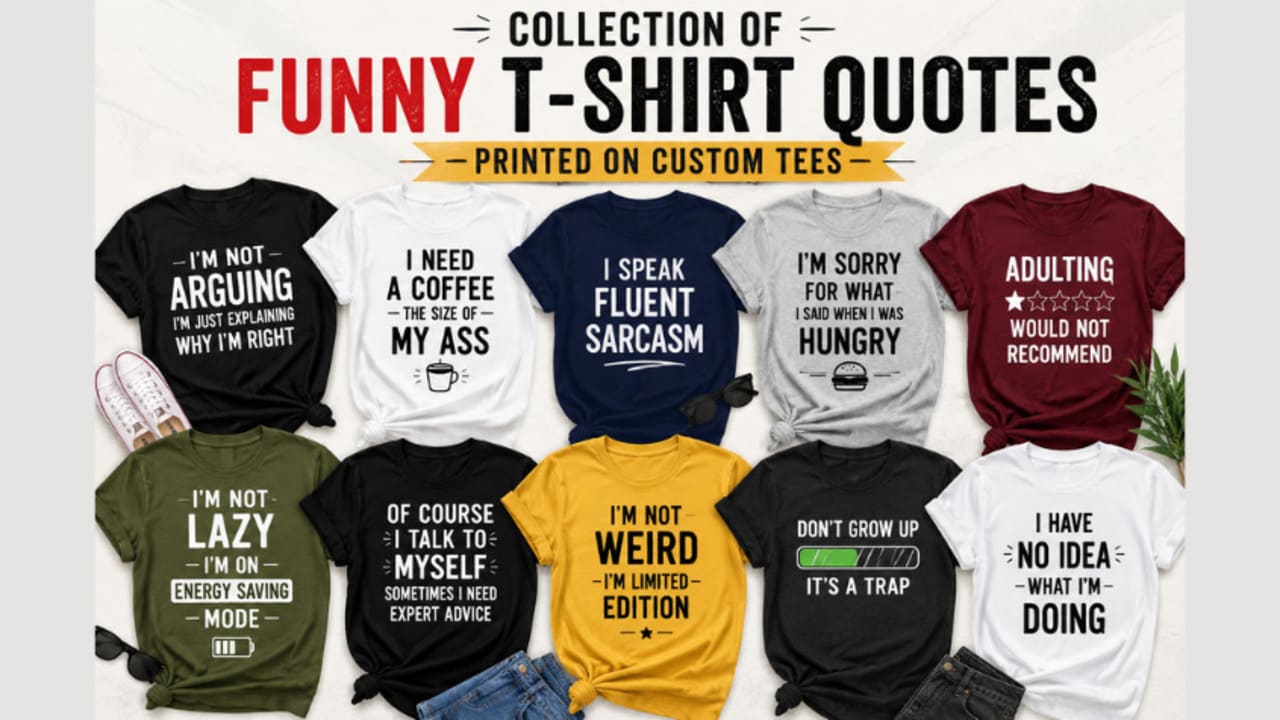
5. Create Your Own T-shirt Designs

Design is where the soul of your brand resides. You don’t have to be an expert at illustration, but you need to have an idea of the aesthetic direction you want to go in. Whether you're working with typography, abstracts, or complex illustrations, you need to make sure they're production-ready.
High-resolution images (300 DPI) and transparencies are non-negotiables. If you're not an expert in design, you can always hire freelance designers who understand the streetwear market. For a t-shirt business, your intellectual property is your biggest asset. Make sure your design looks great on a physical product as much as it does on a backlit screen.
6. Set Up Your Online Store

Your storefront is not just a collection of product links; it is an online store that needs a story to tell. It is important to ensure the store has an "About Us" section that clearly states the "why" behind your brand. It is also important to note that most fashion discoveries occur on social media, making mobile optimization non-negotiable.
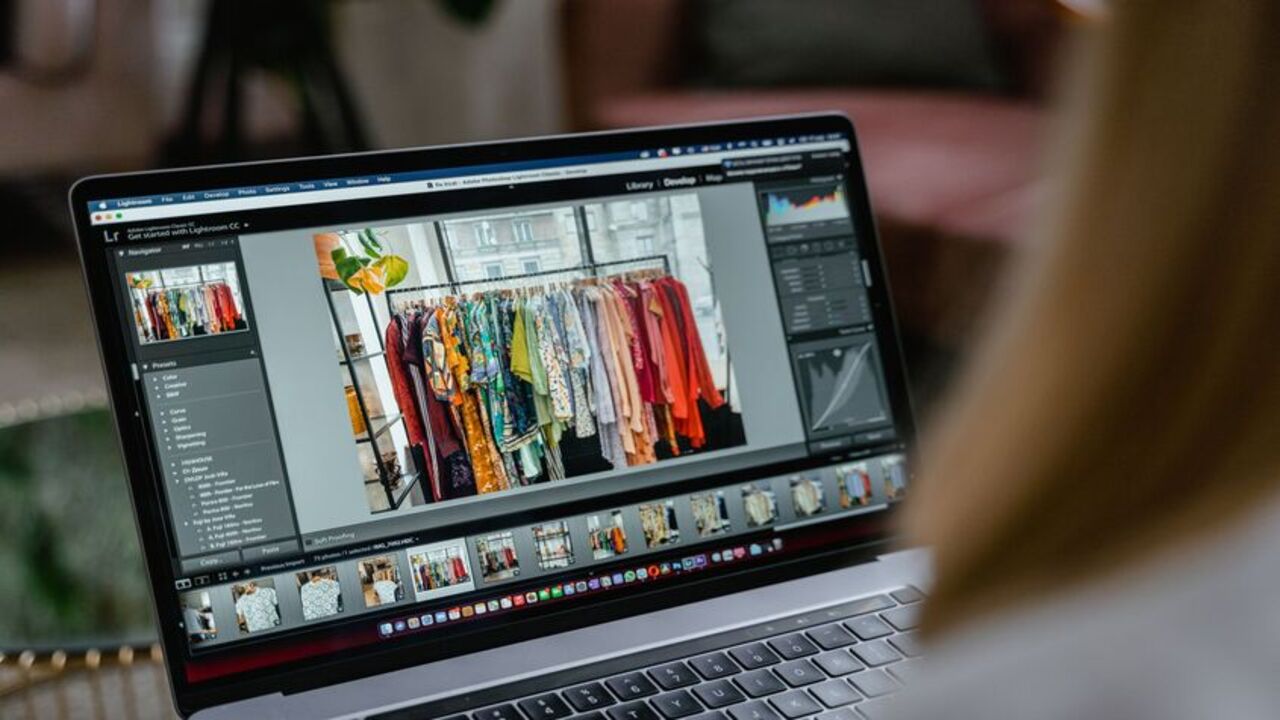
Although clean mockups are important for consistency, lifestyle images are what will sell the dream. It is important to ensure you provide images that give the customer a sense of the wearer's lifestyle. It is also important to ensure transparency by clearly stating the store's shipping and return policies. Trust is also important, and it can be built by ensuring you provide professional images.
When selecting a home for your brand, choose a platform that scales with your ambition. Tapstitch integrates seamlessly with the industry’s leading storefronts:
- Shopify: The powerhouse for scaling fashion brands.
- WooCommerce: Ideal for those who want total creative control.
- Wix & BigCommerce: Perfect for design-led, visual stores.
- Etsy: Great for tapping into an existing marketplace audience.
7. Price Your T-Shirts for Profit

Pricing also reflects your brand positioning. If you price too low, you are communicating "disposable fashion." If you price too high without the quality to back it up, you lose the customer forever.
Determine your COGS (Cost of Goods Sold), which includes the initial garment cost, printing costs, and platform costs. Add your marketing costs - you don't get customers for free. A successful t-shirt business plan should have a 40-60% profit margin. Premium pricing is much simpler to maintain than the price war that ensues when you start dropping your prices. Make sure your product feels like it belongs in a high-end boutique.
8. Manage Orders and Customer Support
In the POD world, order management is largely automated, but customer support is personal. When a tracking number is delayed or a package goes missing, your response defines your brand.
Automate your transactional emails—order confirmation, shipping updates, and delivery notices. When a customer reaches out, respond with founder-level care. A t-shirt business thrives on repeat customers, and a gracefully handled shipping error often creates a more loyal fan than a perfect transaction ever could.
9. Know Your Customers and Follow the Trends
Fashion is a cycle that moves as quickly as social media. Stay ahead of the curve by paying attention to what’s trending on social media platforms such as TikTok and Instagram.
Gather data. Who are your customers? Where are they from? Engage your customers via social media and survey them to determine what they want next, whether it is a new color or style. Knowing the "why" behind the purchase allows you to go from selling a product to running a community.
10. Scale Your T-shirt Business
Once you have a winning design and a functional funnel, it’s time to grow. Growing means diversifying the product line, maybe entering the hoodie and hat space as well. Growing also means growing the marketing reach by using influencers and advertising.
Reinvest the money you’re making into more and better content. Growing isn’t just growing more; it’s growing more efficiently and the culture you’re bringing out.
Why Start a Print-on-demand T-shirt Business in 2026?
The economic environment today demands lean and agile operations. In 2026, consumers will no longer want to shop at mass-market fast-fashion stores; instead, they will seek "curated" items. What this means is that they want to wear items that have a "story" to them, made by brands that do not squander resources on massive inventory levels.
Starting a t-shirt business today lets you tap into the most advanced AI-based design tools, social commerce, and manufacturing capabilities that were previously available only to the world's largest, most established brands. The reward-to-risk ratio has never favored the creator until today. With no inventory risk, the only thing you have to spend is your time and your taste.
How Tapstitch Empowers Your Business
Most POD providers are volume-oriented. We are different. We are for founders who care deeply about the feel of a shirt against their skin and how it hangs off their shoulders. We are for founders who think the "promo tee" standard of most POD providers is unacceptable for a brand.
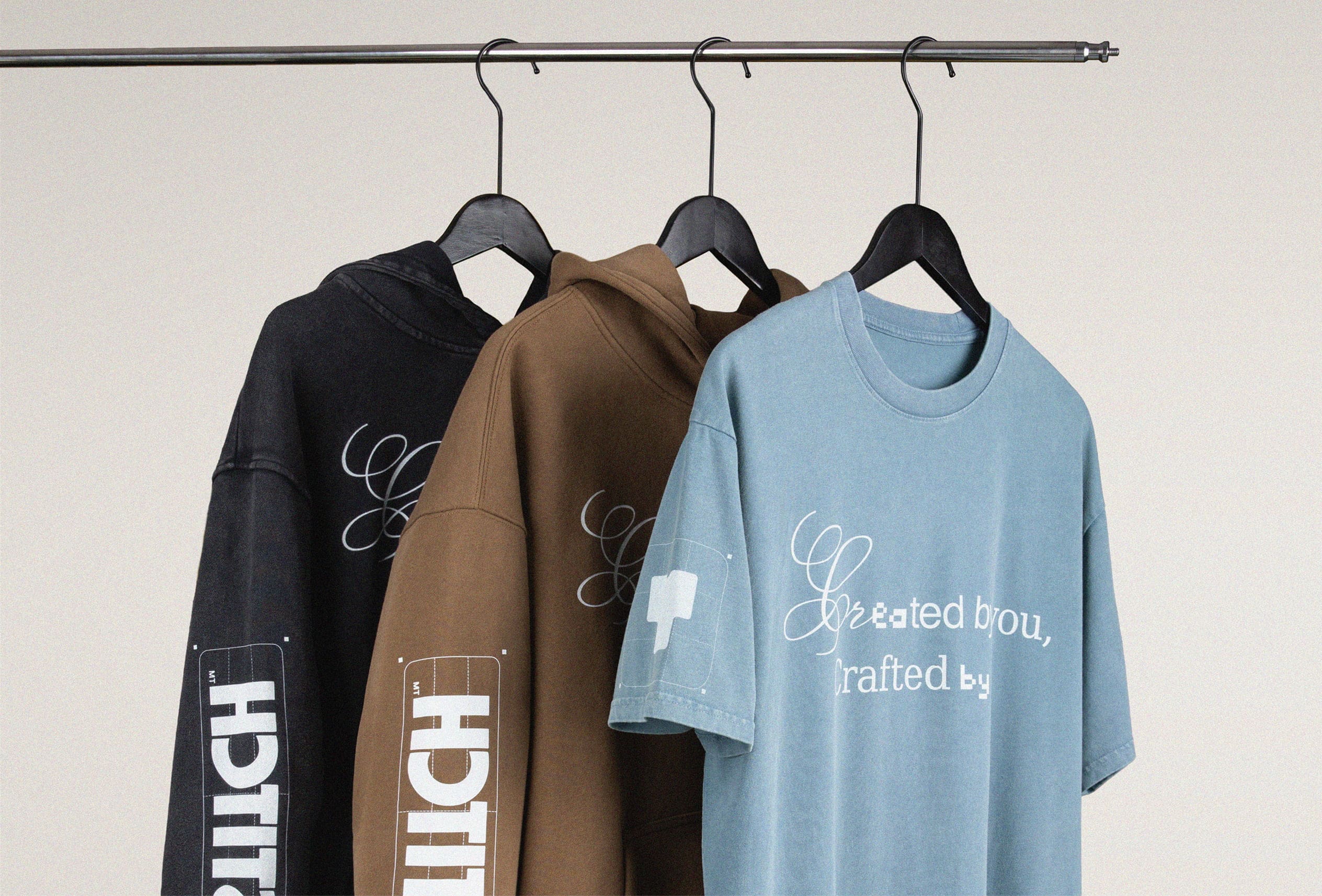
At Tapstitch, we offer fashion-forward blanks similar to those you'd find in modern streetwear. We offer drop shoulders, boxy fits, and heavy fabrics. We are built for brand founders who need brand-ready production. We understand that you need consistent product quality to establish a reputation over time. We also offer no MOQs, so you can test your high-concept designs without breaking the bank.
Whether you are building a boutique label or a high-performance custom business shirt line, we provide the infrastructure that lets you compete with established players. We handle the complexity of the supply chain so you can stay focused on your creative studio.
FAQ
Which is better: Tapstitch, Printful, or Printify?
The "better" choice is based upon your goals. Printful and Printify are great choices if you're looking to produce high volume, generic merchandise. Tapstitch is geared towards those who want to have a "designer" feel. We pride ourselves on high-end fabrics, fashion-forward silhouettes, and a quality standard geared more towards brand founders rather than the casual hobbyist.
What is the average profit margin on a custom T-shirt?
Most successful brands have a target price point between $10 and $20 per shirt. With the right blanks and branding, you can actually charge more for your shirts than the average person would pay for a low-tier product.
How much does it cost to start a POD business?
Technically, you can start for free using free design tools and organic social media. However, realistically, for a professional start, which includes the domain name, platform fees, and some samples, the start-up costs will range between $100 and $500.
Which e-commerce platform should I choose?
Shopify is considered the industry standard for scalability and ease of use with POD. If you are tech-savvy and want something custom, WooCommerce is another good option. For those who are just starting out as a side hustle, Etsy is an option.
How long does it take to open an online clothing store?
With this vision and tools, you can have a functional store up and running in 24 to 48 hours. Most of this time is spent on design and product descriptions – the technical part with partners like Tapstitch is almost instantaneous.
Summing Up: Start Your T-shirt Business Today!
The process of learning how to start a t-shirt business is one of refining your tastes and your audience. The technical challenges have all been overcome with the advent of technology; the rest is up to your imagination.
You won’t succeed in this space if you're looking to find some "hack" or the next big trend. You succeed if you're willing to apply your high standards to the materials you use, the quality of your design, and the way you interact with your customers. The tools are ready, the manufacturing is done, and the market is waiting for someone who will care.
When you're ready to move past the basics and start creating something with real substance, the route is clear: start small, focus on quality, and build the brand you've always wanted to see in the world.

.jpg)

%20(1).jpg)
.jpg)
.jpg)
.webp)

.jpg)
.jpg)
.jpg)
.png)
.jpg)
.jpg)

%20(3).jpg)



.png)
.jpg)
.jpg)
.jpg)
.jpg)
.jpg)
.jpg)






.png)




.png)
.jpg)












.jpg)



.jpg)

.png)
.jpg)


.jpg)
.jpg)





.jpg)
.jpg)
.jpg)
.jpg)
.jpg)

%20(1).jpg)

.png)

.png)


%20(1)%20(1).jpg)