







Polyester Vs. Cotton Shirts: Which One to Choose?


After you finish your designs, the next big step in starting a clothing brand is picking the right fabric. The material you choose affects how comfortable, durable, and high-quality your products feel. Whether you’re making streetwear, loungewear, or print-on-demand items, choosing between cotton and polyester will shape your customers’ experience and how people see your brand.
This guide provides a detailed examination of two dominant fabrics in the apparel manufacturing industry: cotton and polyester. Polyester vs. Cotton Shirts: Which Will Win? Let's have a look.
What is Polyester?
Polyester is a synthetic fiber produced from petroleum-derived materials. It’s widely used in clothing because it is strong, long-lasting, and resistant to wear. Many environmentally conscious companies now opt for recycled polyester, which offers similar performance to traditional polyester but with a reduced environmental impact.
What is Cotton?
Cotton has been a common textile material for thousands of years. It comes from the soft fibers inside the cotton plant’s boll, which are spun into yarn and then woven or knitted into fabric. As one of the most widely used natural fibers, cotton is valued for its comfort, breathability, and moisture-absorption, making it a popular choice for everyday apparel and household fabrics.
Higher-end types, including Egyptian and Sea Island cotton, are recognized for their smooth texture and long-lasting quality. With proper maintenance, these premium varieties can stay in excellent condition for many years.
Is Cotton or Polyester Better?
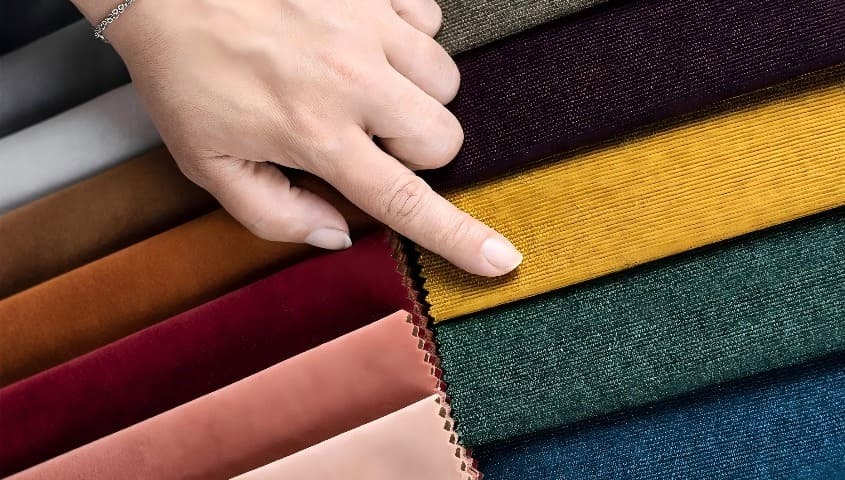
With extensive experience in textiles and apparel, Tapstitch understands the longstanding debate over cotton vs polyester for shirts. Let’s explore the main distinctions between these two widely used fabrics.
Personal Comfort
The physical sensation of a fabric is an important consideration. Cotton is typically soft and allows for air circulation, while polyester is known for its resilience and ability to draw moisture away from the body. Fabric blends aim to merge these attributes, creating a material that offers both comfort and functional performance.
Breathability
Cotton shirts are renowned for their excellent airflow, which helps you stay cool even in the hottest weather. Their naturally soft feel also provides consistent comfort throughout the day.
Polyester shirts offer a different kind of comfort. Although they don’t breathe as well as cotton, they are designed to wick moisture away from the skin, making them a strong choice for sports or high-intensity activities where sweat management is crucial.
Durability
Cotton clothing is valued for its strength and ability to withstand everyday use, maintaining its structure and quality over time. Polyester is also extremely durable and is less likely to stretch or shrink as it ages. Both materials are simple to maintain—cotton washes well in the machine, while polyester dries quickly and tends to resist wrinkles.
Care and Maintenance
Your preferred level of garment upkeep is another consideration. Cotton is generally straightforward to care for, whereas polyester requires minimal upkeep and has excellent wrinkle resistance. Fabric blends offer a compromise, combining some of the easy-care qualities of polyester with the comfort of cotton.
Intended Use
Consider how you plan to use the shirt. Polyester is well-suited for activewear and sportswear due to its durability and moisture management. Cotton, on the other hand, is well-suited for casual, everyday wear, offering all-day comfort.
Environmental Impact
Cotton is a natural fiber and is generally considered to have a smaller environmental footprint. Polyester, made from petrochemicals, raises sustainability concerns. That said, newer developments in textile manufacturing have introduced recycled polyester options, helping reduce its overall environmental impact.
Climate Considerations
The typical weather conditions where the garment will be worn are an important factor. Cotton, being highly breathable, is well-suited for warm climates. In contrast, polyester offers better insulation, making it a more appropriate choice for cooler weather or colder environments.
Three Types of Shirt Fabric
Below are the three main types of fabric you should be familiar with when choosing the right material. You’ll find a short overview of each category along with some top options.
100% Cotton
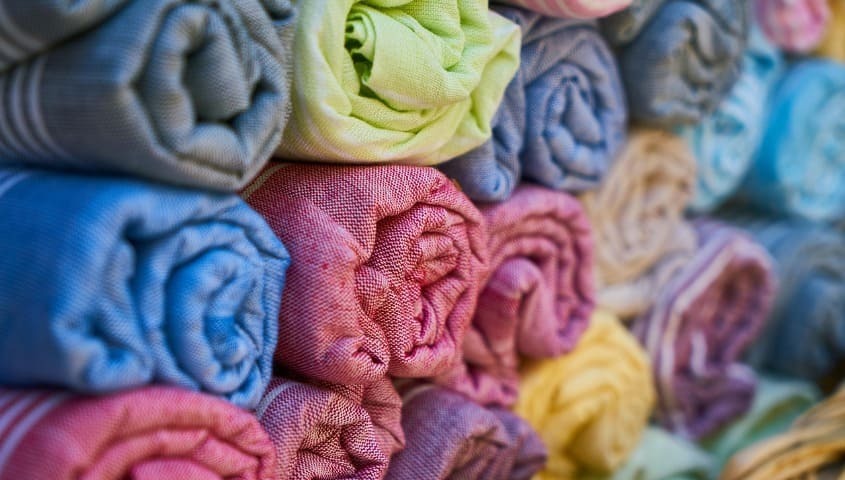
Cotton, a natural soft staple fiber harvested from the boll of the cotton plant, is the predominant material used in T-shirt manufacturing. The fibers are typically spun into yarn, then woven or knitted to create the soft, breathable textile widely used.
A significant portion of T-shirts is made from cotton or cotton blends, reflecting its status as a foundational textile. It is also valued for its hypoallergenic properties, which help minimize skin irritation. The use of cotton as a fabric has a history extending back to ancient civilizations.
100% Polyester
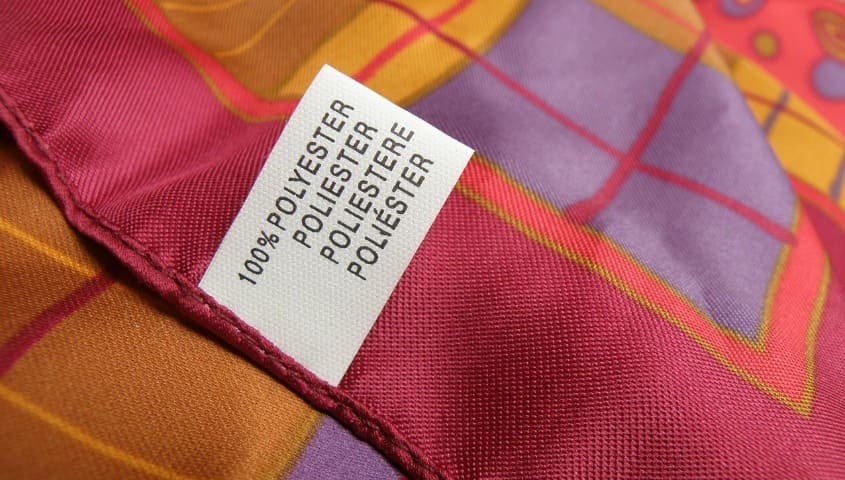
Polyester is a strong synthetic fabric renowned for its durability and ability to recover its original shape. Its low absorption rate helps it dry quickly, a property often called moisture-wicking. Because it repels water, it maintains its shape well and is highly resistant to shrinking or stretching, even after repeated or intense wash cycles.
These characteristics make polyester a popular choice for athleisure apparel, where garments are exposed to demanding conditions. Despite what you might notice at a busy gym, polyester does offer some odor resistance since moisture—and the odor that comes with it—evaporates rather than being absorbed. It also tends to resist stains better than many other fabrics.
In short, 100% polyester holds its structure reliably with minimal change in fit or size, even under tough laundering conditions.
Blends
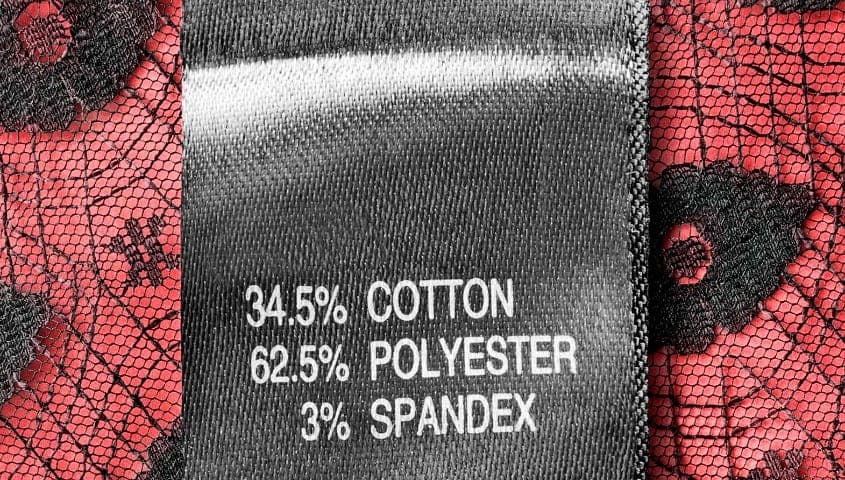
A blend is any fabric or yarn made from a combination of different fibers. Blended materials—especially cotton-polyester mixes—are extremely popular in today’s T-shirt market because they offer a balance of benefits from each fiber. In the case of tri-blends, you gain advantages from three materials simultaneously.
Blends generally fall into three main categories:
- 50/50: A cotton and polyester mix in equal proportions.
- CVC (Chief Value Cotton): Usually composed of 60% cotton and 40% polyester.
- Tri-blend: A combination of cotton, polyester, and rayon, typically in a 50/25/25 ratio.
Which Fabric is Right for You?

Deciding between polyester and cotton largely comes down to what your brand prioritizes. Whether you specialize in activewear, everyday fashion, or environmentally minded products, knowing how each fabric performs will help you select the most suitable option.
Streetwear & Children's Clothing
Choose 100% cotton if you prefer shirts that feel soft, breathable, and comfortable, and that don't cling and work well with nearly all printing methods. Cotton T-shirts appeal to a wide range of customers, making them a reliable option. However, they can shrink somewhat, are more prone to staining and wrinkling, and tend to retain moisture rather than drying quickly.
Sportswear & Uniforms
Choose 100% polyester if you’re looking for shirts that are lightweight, long-lasting, smooth to the touch, and wrinkle-, shrink-, and fade-resistant. Polyester also helps moisture dry quickly. However, compared with cotton, it offers less breathability, may feel clingy, can be irritating for some skin types, and is compatible with fewer printing techniques. Depending on the brand, it may also cost more.
Large Merch Runs & Print-on-demand
Choose a blended fabric if you want a balance of qualities from both cotton and polyester. The classic 50/50 poly-cotton blend was one of the first widely used options, but newer blends—such as tri-blends that incorporate rayon for added softness and improved drape—have become increasingly popular. There are also CVC fabrics, which are primarily made from cotton and offer a softer feel with enhanced durability. All these fabrics are good for your POD business.
CTA: Don’t just design—build a real clothing brand with Tapstitch. (Start Now! )
FAQs
Is 100% polyester the same as cotton?
No, 100% polyester and cotton are fundamentally different in both their composition and performance characteristics. Polyester is a synthetic material derived from a polymer, known for its high durability and moisture resistance.
In contrast, cotton is a natural fiber sourced from the cotton plant, prized for its breathability, softness, and biodegradable nature. As a result, they fulfill distinct roles within the textile industry, with their uses often being tailored to their specific properties.
Which is more comfortable, polyester or cotton?
There is a common perception that cotton provides greater comfort than polyester, primarily due to its superior breathability and its characteristically soft, lightweight feel against the skin.
Which is easier to care for, polyester or cotton?
Polyester is often seen as a lower-maintenance option than cotton. It resists fading, is less prone to wrinkles, and dries faster. Overall, it typically requires less effort during the laundering process.
Is polyester or cotton better in summer?
Cotton naturally allows more air to pass through, making it feel soft and lightweight on the skin, which is especially beneficial in warm weather.
Polyester, however, excels at handling moisture. It is designed to pull sweat away from the body, making it a preferred choice for many people involved in summer sports or outdoor activities. While it may not match cotton in breathability, its ability to keep you dry is a clear advantage.
Polyester Vs. Cotton Shirts: Final Verdict
There’s no definitive winner when comparing polyester and cotton shirts. Each material—cotton, polyester, and various blends—has its own strengths and is suited to different preferences and uses.
For brand owners, fabric selection plays a crucial role in shaping their brand identity. Whether your focus is natural fibers, performance features, or long-lasting durability, Tapstitch provides options that help you choose materials that fit your market. With its broad selection of custom apparel, you can create a product range that aligns with your brand and meets your customers’ needs.

.png)


.jpg)
.jpg)
.jpg)

.jpg)
.jpg)
.jpg)








.png)





.png)

.webp)

.jpg)












.jpg)



.jpg)

.png)
.jpg)


.jpg)
.jpg)






.jpg)
.jpg)
.jpg)
.jpg)
.jpg)

%20(1).jpg)

.png)

.png)



%20(1)%20(1).jpg)







.png)
.png)



.jpg)

.jpg)
.jpg)