






Is Selling on Etsy Worth It? 2026 Etsy Pros and Cons
%20(1).jpg)


The digital storefront, in the past decade, has undergone an almost revolutionary transformation. What was initially a quiet corner for unique items such as handmade ceramics and vintage collectibles is now a powerhouse in the global marketplace. For the independent maker or the fledgling fashion entrepreneur, the issue of where to plant your flag is the most important decision you will make in terms of strategy.
Etsy is still an important player in this market. It provides the benefits of low barriers to entry and an existing consumer base of millions, but also the drawbacks of rising fees and intense competition. In order to truly evaluate whether is selling on Etsy worth it, one must look beyond the obvious success stories and into the inner workings of the site. This is a cold, calculated look at the pros and cons of selling on Etsy in an era where brand identity is the only currency that actually scales.
What is Etsy?

At its core, Etsy is a two-sided marketplace intended to facilitate connections between independent sellers and buyers who desire a product that feels intentional. Unlike the cold, commodity-driven environments of Amazon, Etsy succeeds on the "human" factor. It is a platform built on the principles of unique, customized, and crafted.
For a fashion founder, Etsy is a massive digital department store. You're not simply buying a domain; you're renting a store in a high-traffic neighborhood. The platform handles everything from payment processing to basic store design to a powerful search engine for you to focus on product development. And yet, with this ease of use comes a set of cultural connotations. The Etsy shopper is not looking for fast fashion; they're looking for a narrative, a specific design language, or a level of quality that feels unconnected to mass market production.
Etsy Overview: What to Expect From Etsy in 2026

Entering the Etsy marketplace in 2026 looks very different from the “digital craft fair” many sellers remember. The platform has evolved into a highly competitive discovery engine where success depends on strong branding, professional visuals, and the ability to capture both human attention and algorithmic relevance.
While the barrier to entry remains relatively low, the bar for staying visible has risen significantly. Etsy’s ecosystem now rewards creators who approach their shops like small creative studios rather than hobby projects.
Several trends define how the platform operates today:
- AI-driven discovery: Etsy now surfaces products through personalized feeds based on user behavior such as scrolling, clicking, and favoriting. Visibility depends as much on engagement and dwell time as it does on keywords.
- Professional production: Many successful sellers now work with production partners to create higher-quality products while maintaining original designs. This has led to the rise of small, independent brands operating at a much more professional level.
- Visual-first storefronts: On a mobile-first platform, product photography acts as your first impression. Listings with clean, styled, lookbook-level visuals consistently outperform basic product shots.
- Intent-based search: Etsy’s search system now interprets shopper intent rather than simple keyword matches, meaning listings must align with what buyers actually want rather than relying on keyword stuffing.
In short, Etsy is no longer just an online craft market. It behaves more like a product search engine, where strong design, brand identity, and professional execution determine which shops rise to the top.
Is Selling on Etsy Worth It?

The answer to whether is Etsy worth it depends entirely on your terminal goal. If you are looking for a place to test your designs and prove a concept without having to go to the trouble of setting up a dedicated Shopify site, then yes, Etsy is absolutely worth it. The instant feedback is invaluable. You'll know within weeks whether your "Cyber-Punk Streetwear" style is a winner, or if it's going to end up on the cyber version of the clearance rack.
But if you want to create a legacy brand with full control over the customer experience, then Etsy is a place to begin, not a place to end. The "worth" is in the traffic. While you need a massive ad spend to get a single lead for a new site, Etsy delivers leads to you. You're paying for the privilege to access their audience. For most founders, the cost of the fees for a lower CAC is a good trade-off for the early days of a brand’s life.
Pros and Cons of Selling on Etsy

The decision to start a venture on this platform demands a balanced view of the trade-offs. The Etsy pros and cons are like two sides of the same coin. The ease of starting a venture on etsy is the same as the difficulty in scaling.
The Pros
- Built-in Audience: You are tapping into a global audience of active shoppers who are looking to spend money on independent brands.
- Low Technical Barrier: You do not have to be a web developer to have a shop live within thirty minutes.
- Trust and Security: Buyers trust the payment system on Etsy, which reduces friction for a first-time buyer.
- Powerful Etsy SEO Tools: The internal search engine is a discovery machine for niche fashion categories.
The Cons
- Transaction Fees: Between listing fees, transaction fees, and payment processing, Etsy takes a big chunk out of your bottom line.
- Limited Brand Identity: Your store will always look like an Etsy store. While you can make changes, you cannot fully customize the CSS or the checkout process.
- The "Ad" Problem: Etsy’s Offsite Ads program is mandatory for shops above a certain revenue level, which can impact your bottom line unexpectedly.
- Customer Ownership: While you don’t necessarily "own" the customer in the same way, you can’t build an email list without some creative workarounds.
Should You Sell on Etsy?

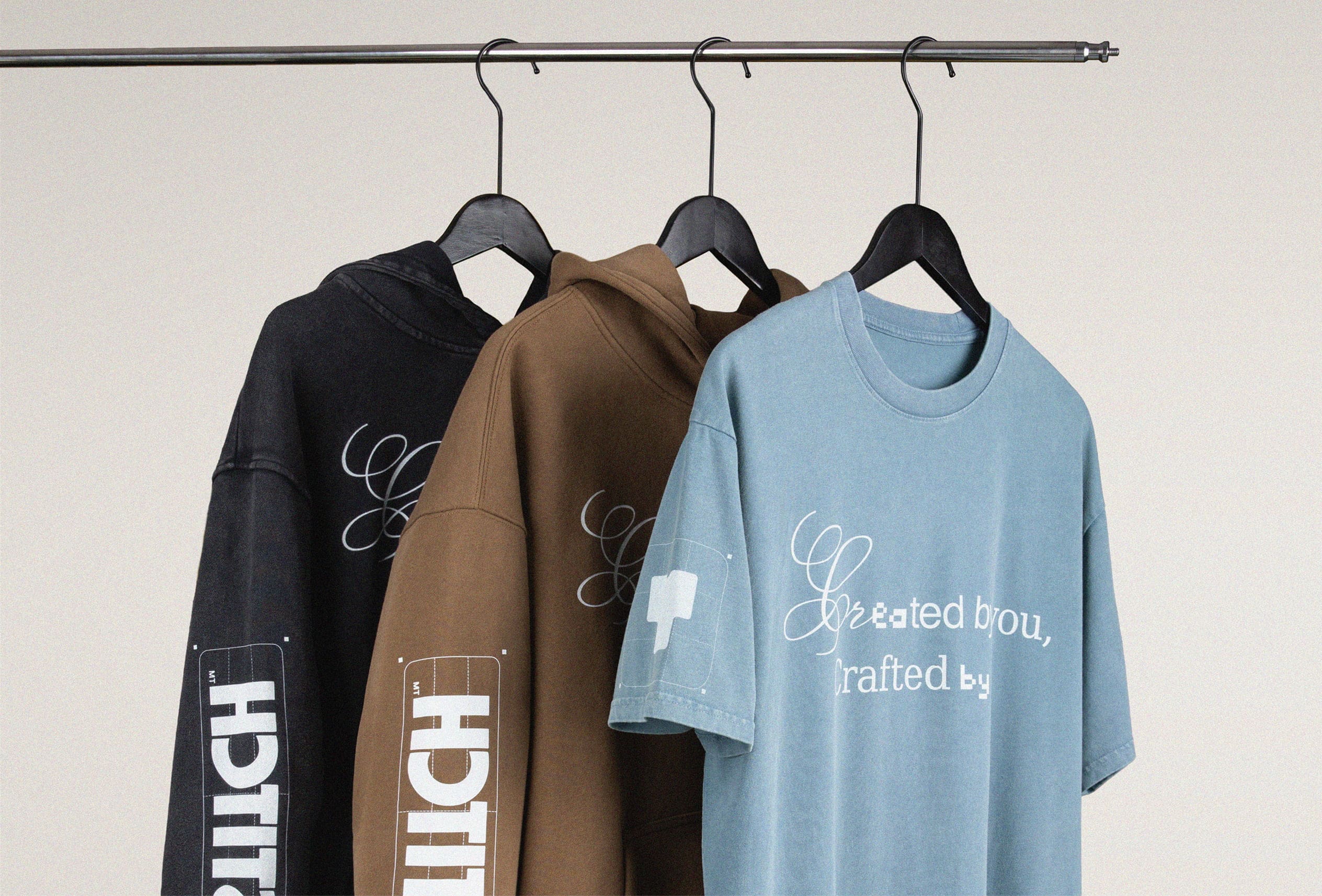
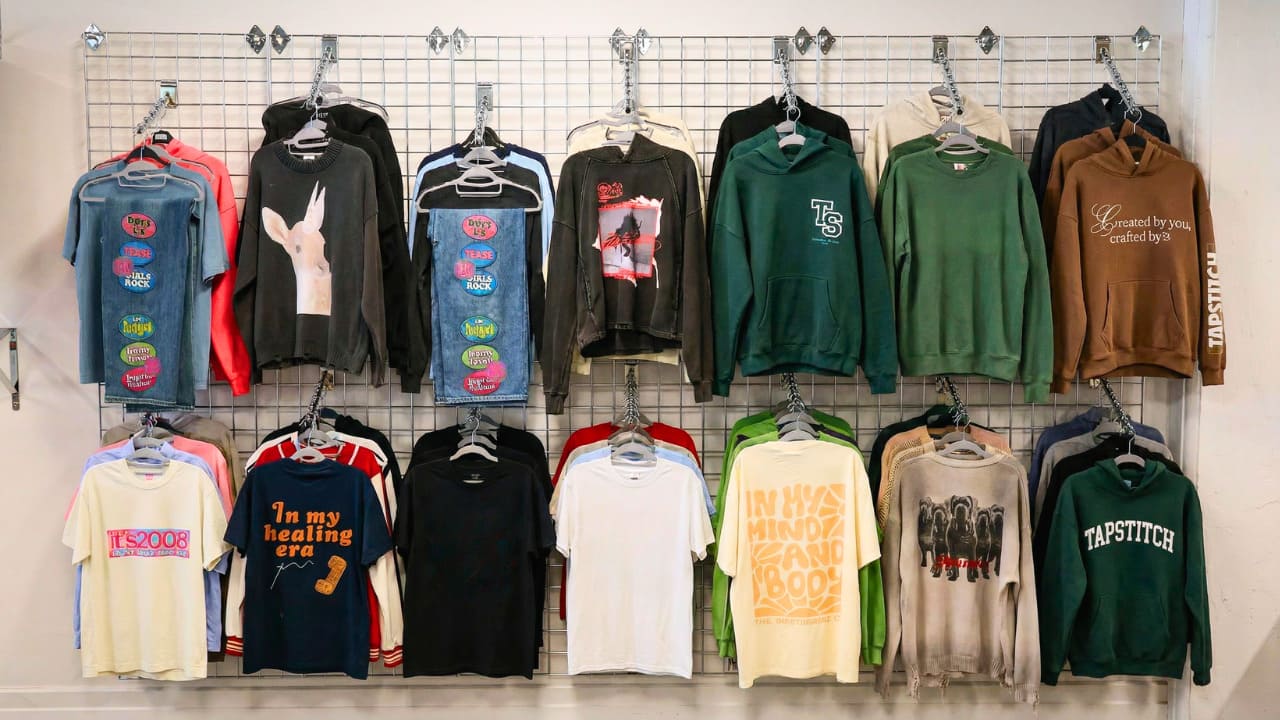
Joining the marketplace should be a strategic decision, not an afterthought. If you have a product line that is built on high-volume, low-margin basics, Etsy will devour your margins alive. But if you have high-concept apparel, such as custom hoodies with complex graphics or unique streetwear styles, the platform is perfect.
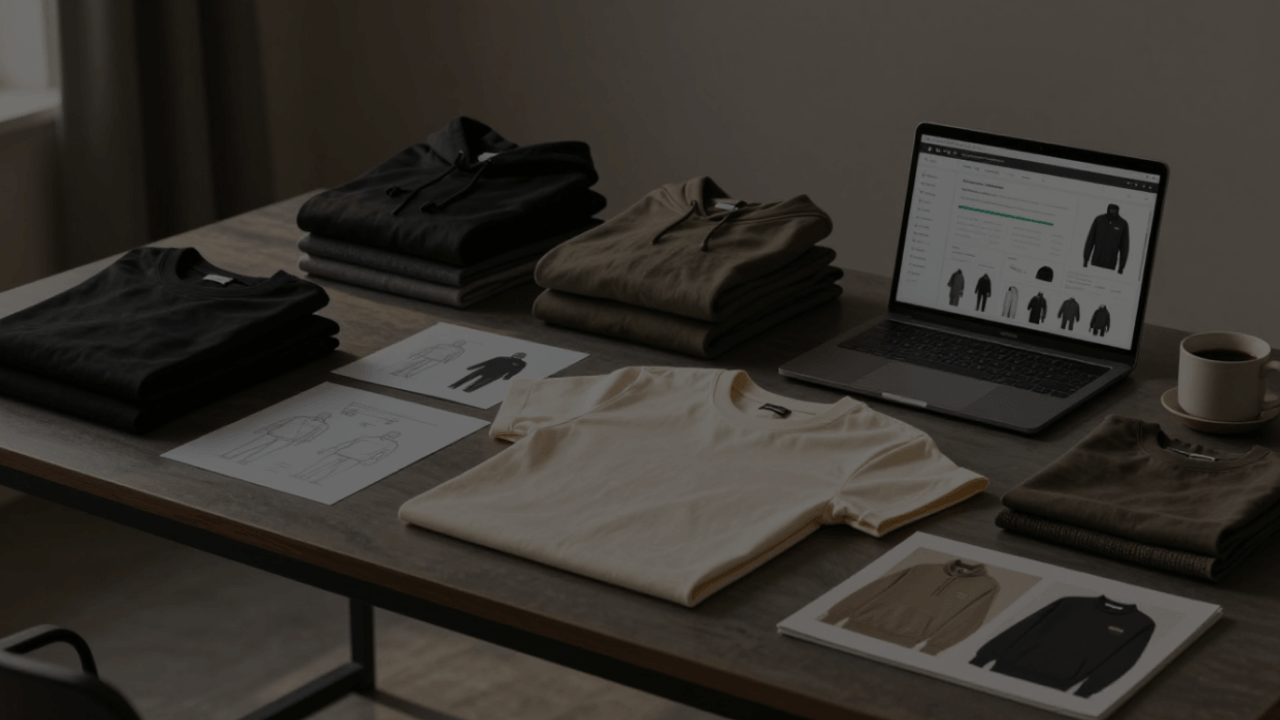
Consider your production model. If you are working with a production partner to ensure a "No MOQ" (Minimum Order Quantity) model, Etsy allows you to list an infinite variety of designs to see what sticks. It is the ultimate test lab for the fashion-forward founder. If you are concerned about how your products "feel" and fit, then the Etsy audience will care. They are the audience that reads the material composition and examines the sizing chart. If you offer that level of detail, you will succeed.
You should consider selling on Etsy if:
- Your Brand is Niche-Driven: Your designs are part of a specific subculture (techwear, archival streetwear, etc.) that people want to find online.
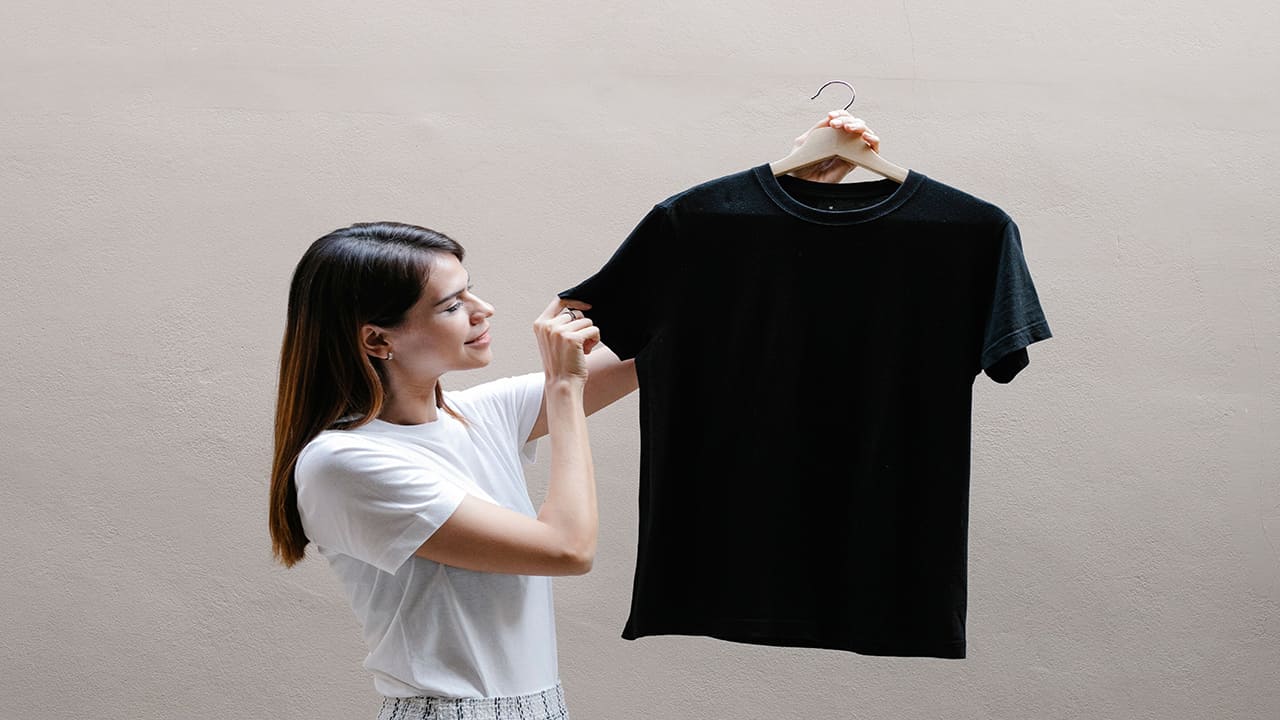
- You Prioritize Fabric Quality: Your designs utilize high-quality t-shirt blanks (300+ GSM heavyweight cotton, for example) that justify a premium price point.
- You Need a Risk-Free Laboratory: Your designs need to be tested as a proof-of-concept before investing in a full-scale collection.
- You Lack a Marketing Budget: Your designs would rather trade a percentage of their margin (fees) for "free" traffic driven by Etsy’s internal search engine.
- Your Products are Highly Visual: Your designs would look at home in a lookbook instead of a traditional catalog.
You should avoid Etsy if:
- You Sell Commodity Basics: You’re essentially selling on price only with a 150 GSM Standard Fit Tee.
- You Need Total Brand Autonomy: You want full control over checkout design, coding, and email marketing follow-ups.
- Your Margins are Razor-Thin: Your production costs leave no room for a 15-20% effective fee rate (ads included).
Tips for Selling Successfully on Etsy
Success on Etsy is not based on luck; rather, it is based on optimization.
Master Photography
On Etsy, the image is often the product’s first and only chance to capture attention. High-contrast, well-lit photography that reflects a clear aesthetic can dramatically improve click-through rates. Many successful fashion shops treat their listings like miniature lookbooks, using styled environments, texture close-ups, and consistent visual direction to create a recognizable brand identity.
Niche Down Your Product Category
Broad categories like “t-shirts” are extremely competitive. Instead, focus on specific niches such as “Vintage Wash Slim Fit T-shirt” or “heavyweight drop-shoulder shirts.” The more specific your positioning, the easier it becomes for Etsy’s search algorithm to connect your listings with shoppers who already know what they want.
Optimize Your Tags
Etsy allows up to thirteen tags per listing, and each one helps the algorithm understand your product. A strong tag strategy combines broader discovery keywords with more specific phrases that describe the product’s style, use case, or aesthetic. This helps your listings appear in multiple search results instead of relying on a single keyword.
Use the About Section Strategically
The “About” section is an opportunity to explain the story behind your brand. Modern shoppers often care about the design philosophy, inspiration, or creative process behind a product. A thoughtful brand narrative can build trust and make your shop feel more like a curated brand rather than just another online storefront.
Top Etsy Alternatives in 2026

For those who find the pros and cons of selling on Etsy too weighted toward the disadvantages, there are other options that offer better control or different market profiles.
- Shopify: The holy grail for brand builders. Own everything: data, look, relationship. Own 100% of all traffic.
- TikTok Shop: The frontier for viral fashion. If your brand lives in video and thrives in a world of trend cycles, this integration is incredibly powerful.
- Whatnot: The best choice for vintage sellers or brands looking to utilize “live shopping” to build a community in real-time.
- Depop: If your brand's aesthetic is rooted in Y2K, archive fashion, or thrifting and flipping, this is your home.
Frequently Asked Questions
What product sells the best on Etsy now?
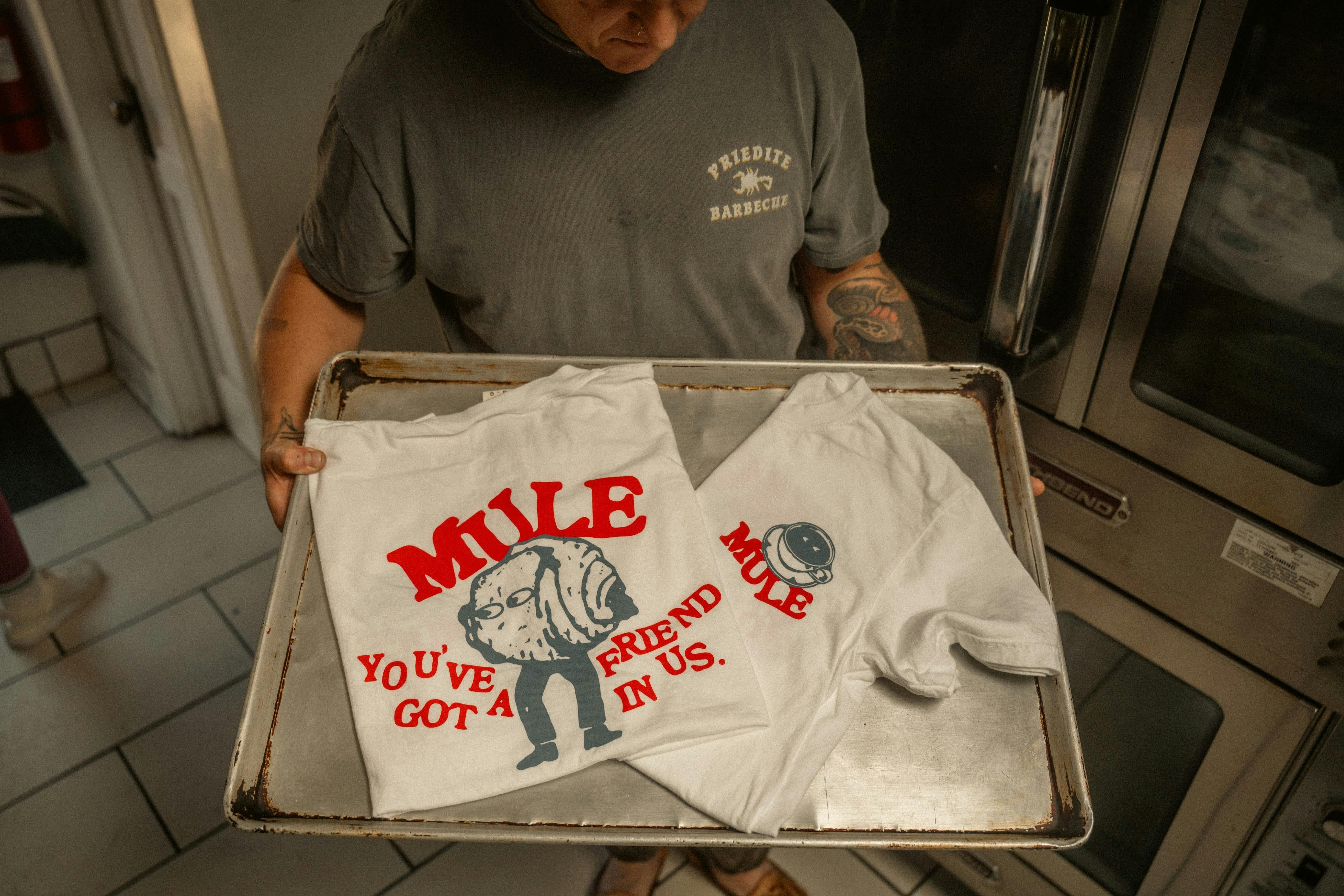
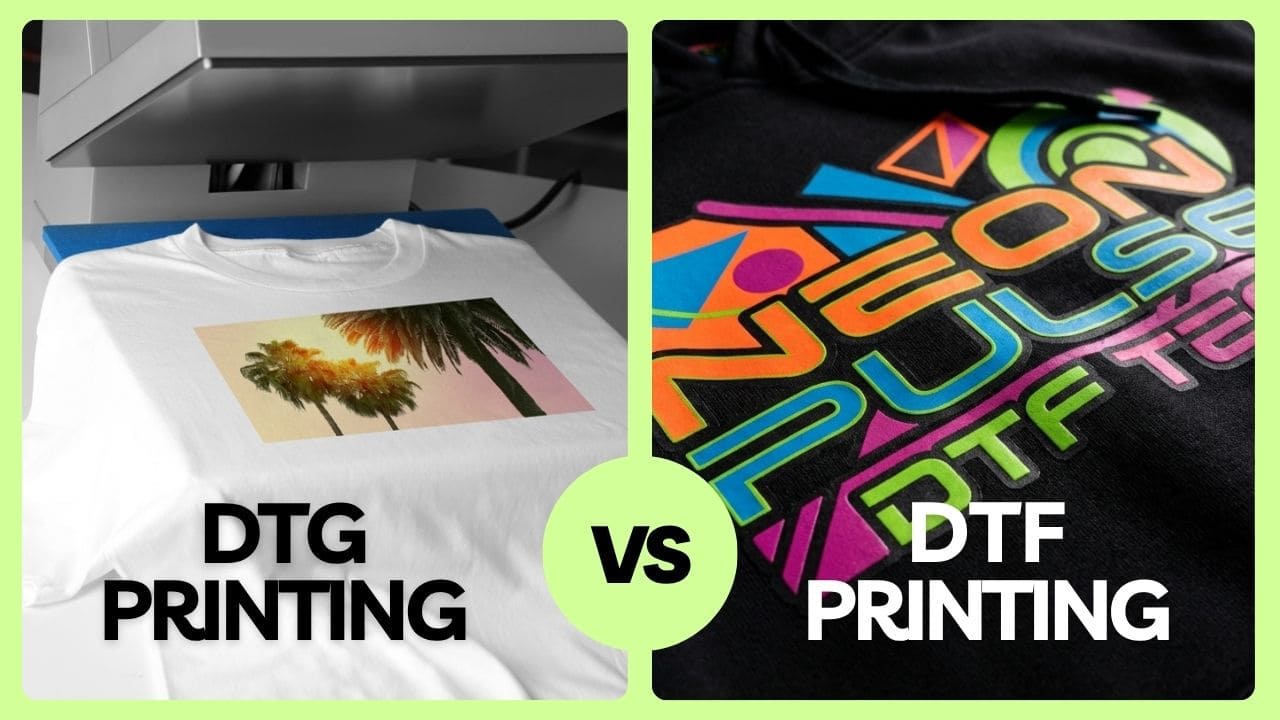
Currently, personalized items and 'niche interest' apparel are selling well. In the fashion space, we are seeing a massive trend toward 'Heavyweight Blanks' with custom embroidery or high-quality DTG (Direct-to-Garment) printing. The customer is looking for a product that is heavy, not a flimsy t-shirt.
Is Etsy good for small sellers?
It is arguably the best platform for small sellers because it allows you to scale without needing a marketing budget. You can scale purely on organic search if your product-market fit is strong.
How much does it cost to sell on Etsy?
There are 0.20 USD listing fees per item, a 6.5% transaction fee on the sale price (including shipping), and payment processing fees. It’s a “pay-as-you-play” model. This model is low-risk but increases in cost as you grow.
What are the drawbacks of Etsy?
The lack of “Platform Autonomy” is the major drawback. You are at the mercy of changes to Etsy’s algorithm and increases to its fees. What if Etsy decides to change its search algorithm tomorrow? Your traffic would disappear.
Final Thoughts: Is Selling on Etsy Worth It?
The conclusion of any selling on Etsy reviews session always ends in the same place: Etsy is a tool, not a strategy. It is an amazing way to get discovered and a low-risk way to enter the fashion space. It is a high-visibility showroom for the founder who is passionate about fabric, fit, and production-ready designs.
Tapstitch was born for the founder who wants to bridge that gap. Are you ready to bring your designs from handmade to designer-quality production with no MOQ and premium materials? The gap between an Etsy store and a global fashion brand is no longer about aspiration, but execution.
.jpg)
.png)

.jpg)
.jpg)
%20(3).jpg)

.png)

.jpg)
.jpg)
.jpg)
.jpg)
.jpg)
.jpg)






.png)




.png)

.webp)

.jpg)













.jpg)


.jpg)

.png)
.jpg)


.jpg)
.jpg)





.jpg)
.jpg)
.jpg)
.jpg)
.jpg)

.png)

.png)



%20(1)%20(1).jpg)





.png)
.png)