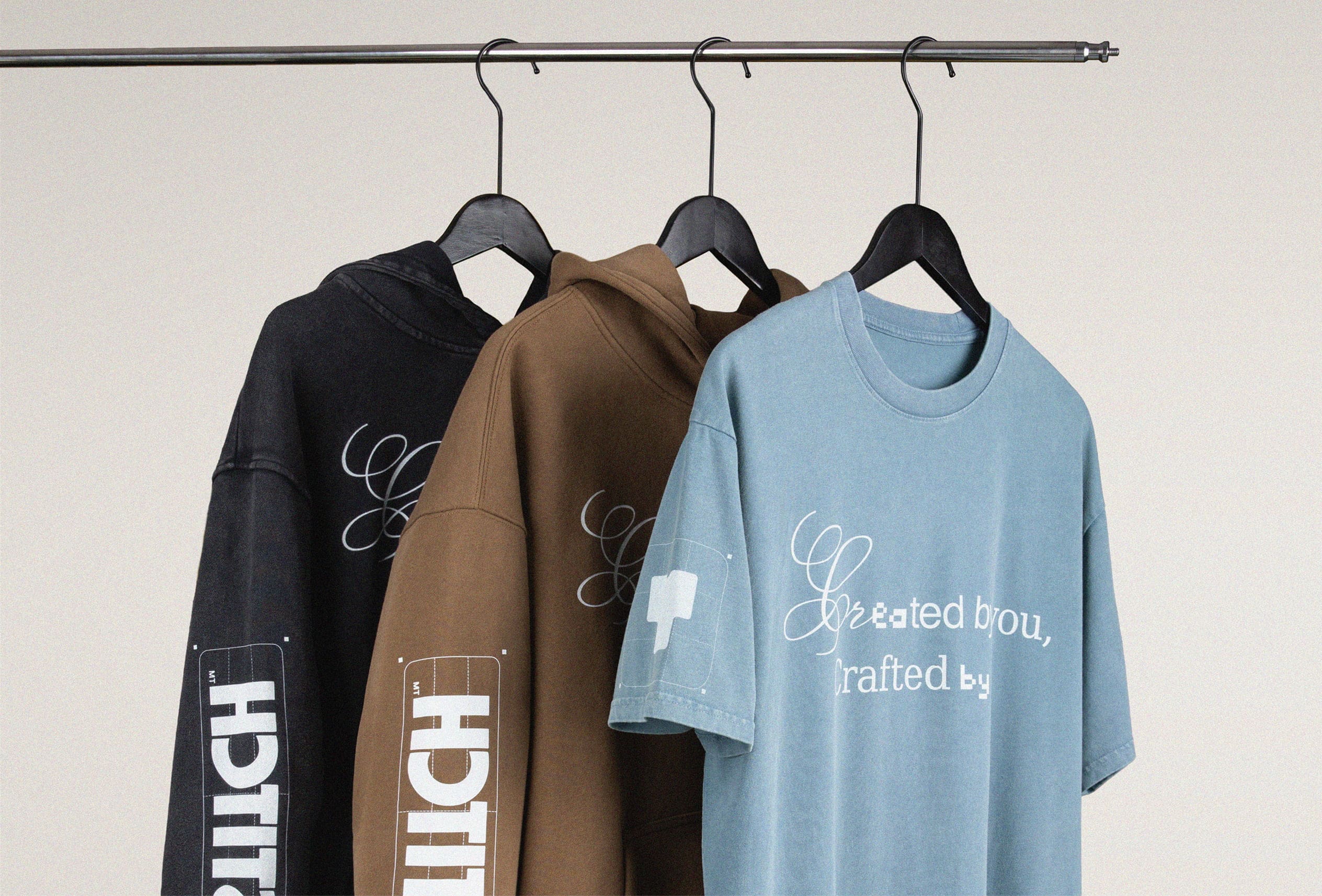







What is DTF Printing? Direct to Film Printing Explained
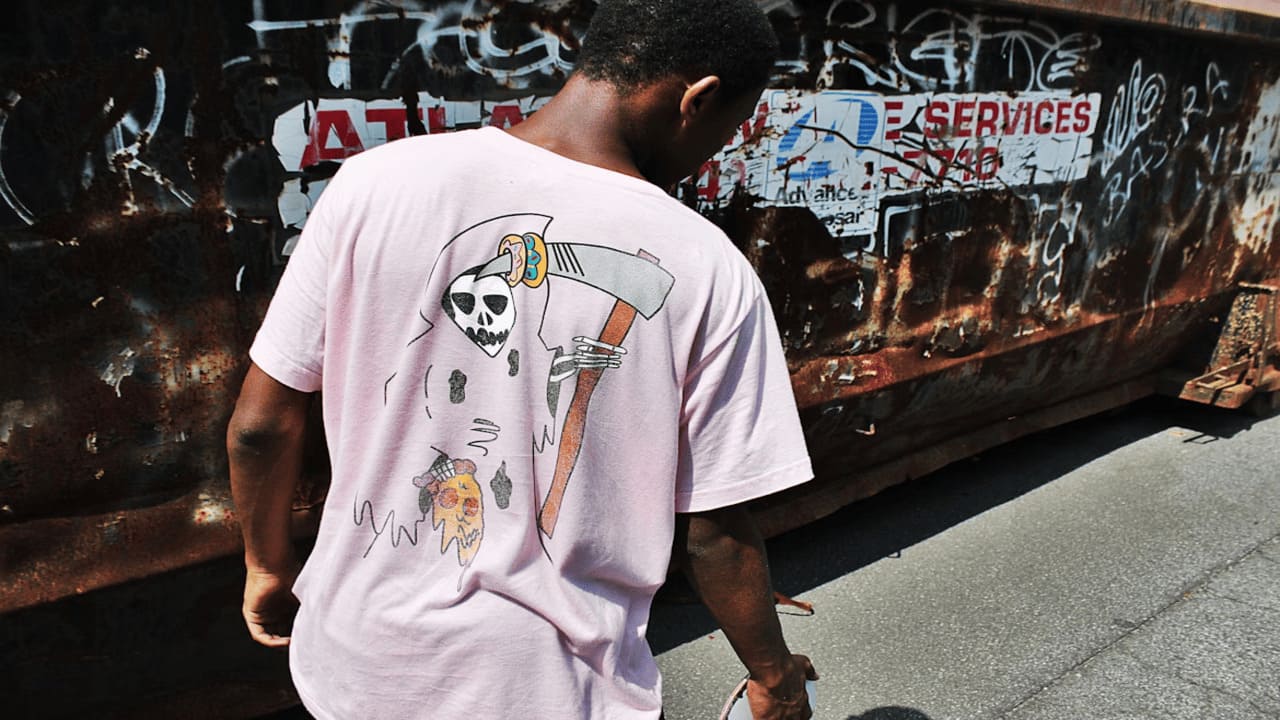


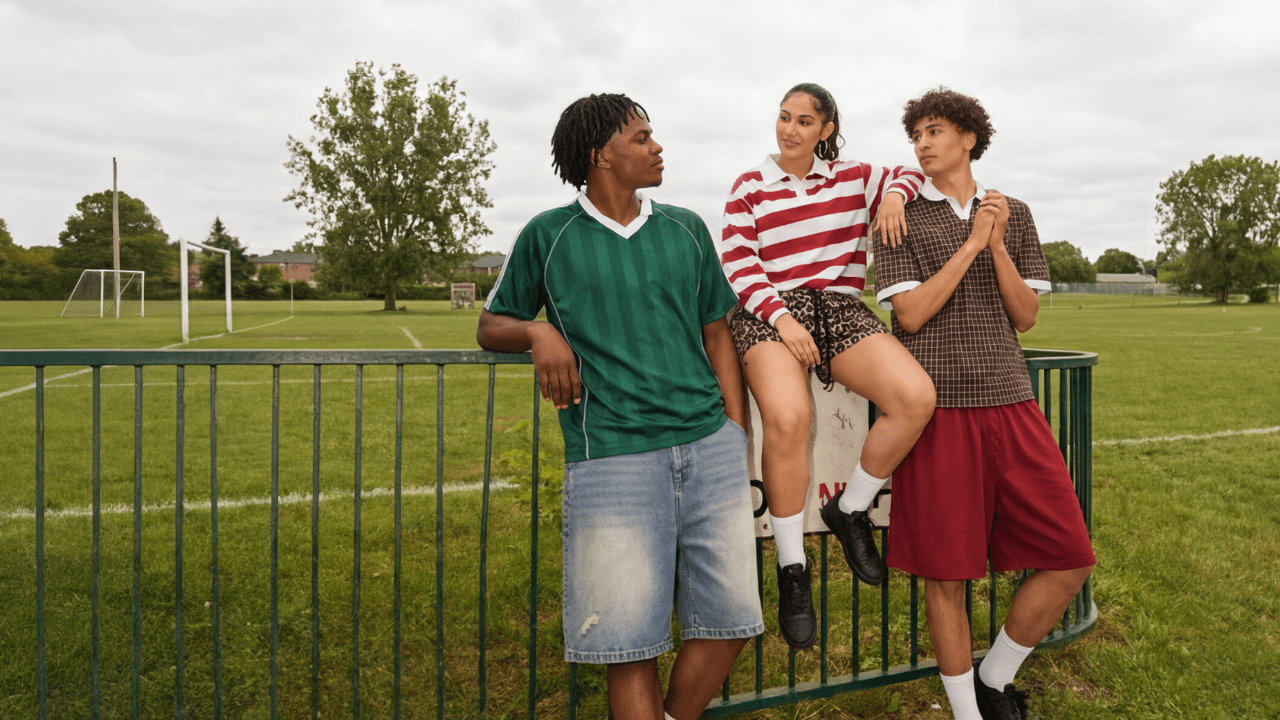
Every new print method promises sharper colors, lower costs, or easier setup. Few actually change how independent brands make clothes, but what is DTF printing if not one of those shifts? It’s why streetwear drops, activewear lines, and even small Etsy shops are pushing into new fabrics and louder graphics in 2026.
In this guide, we’ll walk you through how DTF printing works, compare it to DTG, screen printing, and sublimation, break down the costs, and help you determine if it’s the right fit for your brand.
What is DTF Printing?
DTF printing, or Direct to Film printing, is a method that allows you to print designs directly onto film, which is then used to transfer graphics to fabric using heat and adhesive powder. Unlike screen printing or DTG, it doesn’t require pretreating the garment or limiting yourself to cotton fabrics.
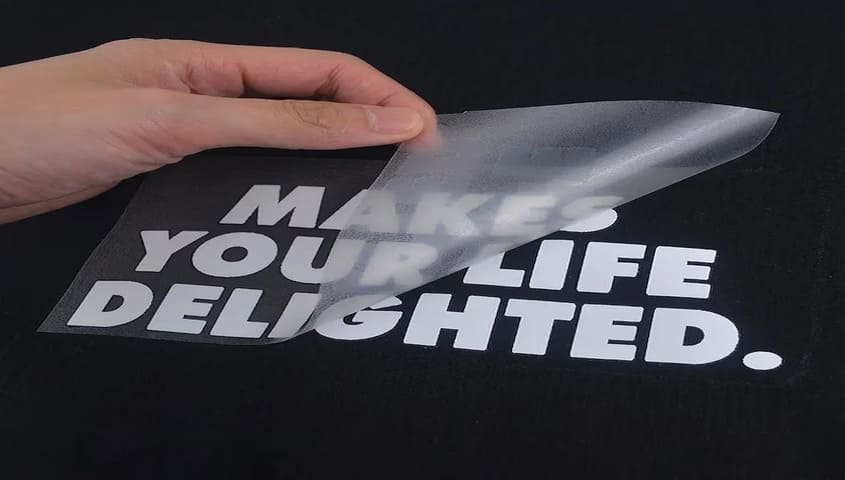
That means you can create sharper prints, get better color coverage, and have more flexibility when you’re designing for things like nylon windbreakers, polyester gym wear, or clothing with darker fabrics. For anyone still wondering what DTF printing is, this article will go into detail about DTF's pros, cons and whether it's the best printing option for you.
How a DTF Printer Works
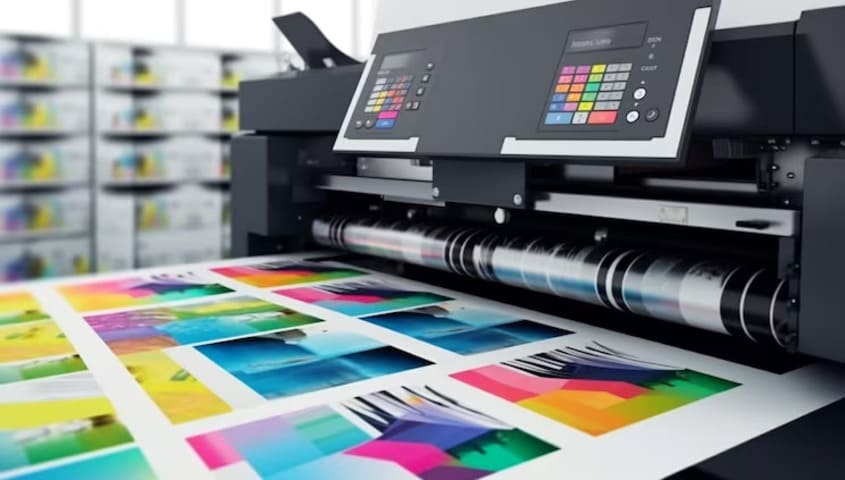
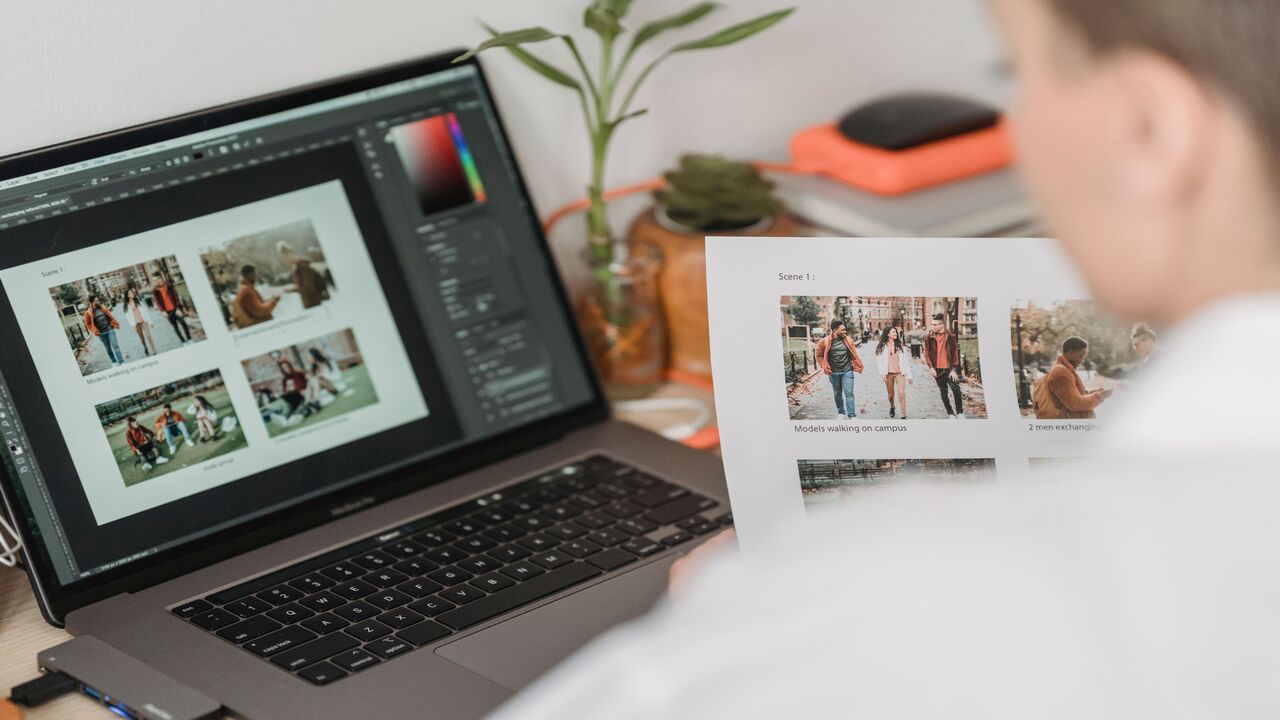
Let’s walk through the process. The DTF process begins with creating your artwork in design software, such as Photoshop or Tapstitch design tool. Once ready, the design is printed onto PET film using a DTF printer, which applies specialized inks and finishes with a layer of white ink to ensure opacity. While the ink is still wet, hot-melt adhesive powder is applied, and then it is cured using a heat press or oven. The prepared film is then pressed onto the garment at a temperature of around 160–170°C (320–340°F) for 15–20 seconds. After pressing, the film is peeled away, either hot or cold, depending on the film type, leaving behind a vibrant, durable print ready to wear.
So, what is a DTF printer? A DTF printer refers to the machine that prints your design on film and helps transfer it onto fabric using heat.
How DTF Printing Compares to Other Printing Methods
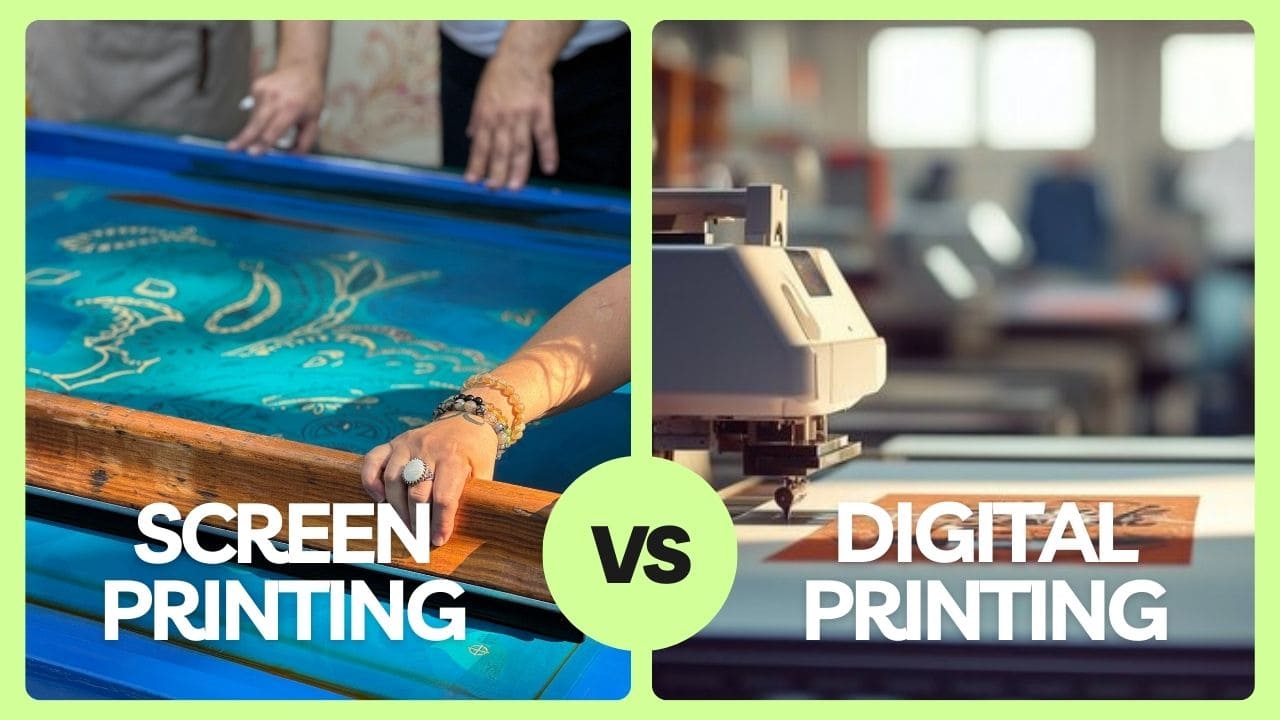
To help you choose the best printing method for your products, the sections below break down how DTF compares with other popular techniques—including DTG, screen printing, and dye sublimation.
DTF vs. DTG
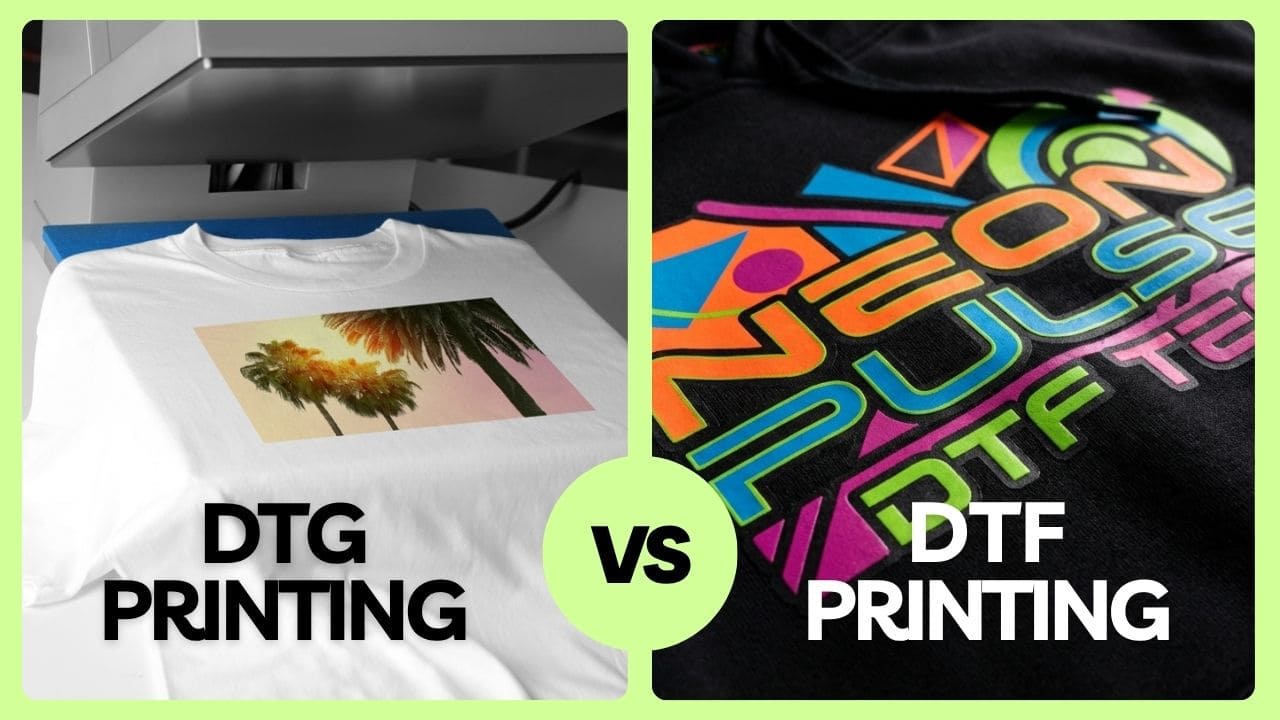
DTF vs DTG is one of the most common comparisons in the custom apparel world. DTG, or Direct-to-Garment, prints directly onto fabric, which means it usually requires pretreatment and works best on cotton, while struggling with dark polyester. DTF, on the other hand, prints onto film before being transferred to fabric, allowing it to work across a much wider range of materials, including synthetics and blends. If your collection includes more than just cotton tees, like nylon windbreakers or polyester gym wear, DTF gives you far more freedom.
Read more: Polyester Vs. Cotton Shirts: Which One to Choose?
DTF vs. Screen Printing
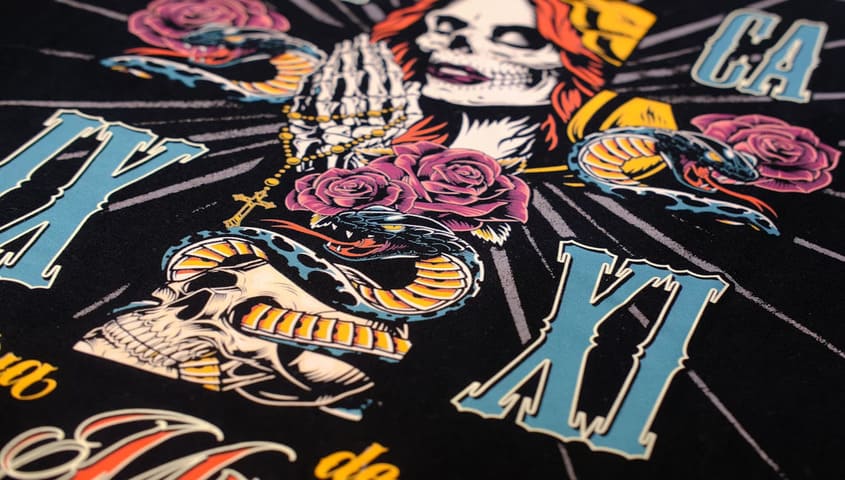
Screen printing is the ideal option for large bulk runs, especially when printing simple graphics with limited colors. However, setup costs are high, as each color requires a separate screen, and detailed designs can become tricky.
DTF shines in short runs, full-color designs, and one-off drops.
DTF vs. Dye Sublimation
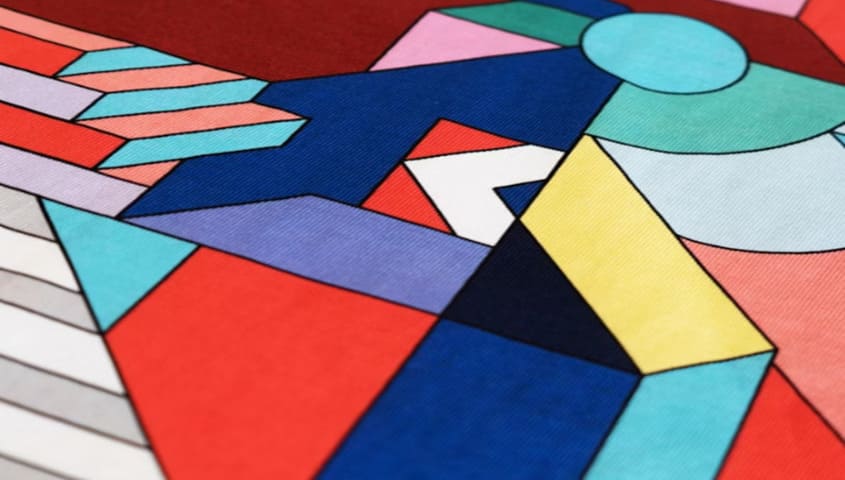
Dye sublimation offers sharp, vivid results but only works on light-colored polyester. If your clothing line includes different material or dark fabric, sublimation won't cut it. DTF allows you more freedom with fabric variety.
Which Printing Method Fits When?
With so many options on the table, the best choice depends on what your brand direction is.
- DTG → best for cotton-heavy basics where softness is the top priority. Great for tshirts, hoodies, and designs where comfort comes first.
- Screen Printing → unbeatable for massive bulk order of simple graphics, especially one- or two-color logos. Margins, margins, margins.
- Sublimation → ideal for bright, all-over prints on light polyester, like sports jerseys or custom sportswear — but limited outside that niche.
- DTF → the most versatile pick for brands wanting to pick up fast, print on multiple fabrics, and balance quality with low minimums. Perfect for POD, dropshipping, or fashion labels scaling from small drops to full collections.
For most new clothing brands, the decision comes down to DTF vs DTG. If you’re building a label around cotton essentials, DTG’s soft hand feel might be the better option. If you need flexibility across fabrics, bold colors, and lower startup costs, DTF is the smarter long-term play.
Pros & Cons of DTF Printing
Pros:
- Works on cotton, polyester, blends, nylon, and more
- Great for full-color designs with fine details
- No need for pretreatment
- Low setup cost — perfect for print-on-demand
- Long-lasting, flexible prints that resist cracking
Cons:
- Requires specific film, powder, and ink
- Not as soft to the touch as DTG
- Can feel slightly rubbery on some garments
- Initial learning curve for getting transfers right
Cost Breakdown: Is DTF Expensive?
Not necessarily, especially compared to other printing setups. Direct-to-film printing does require some specialized equipment and materials, but it's still one of the most accessible methods for small brands, side hustles, or creators doing short runs. You can either invest in your setup or work with a fulfillment partner (like Tapstitch) and skip the equipment altogether.
Here’s a rough breakdown if you’re thinking of starting a small clothing business from home:
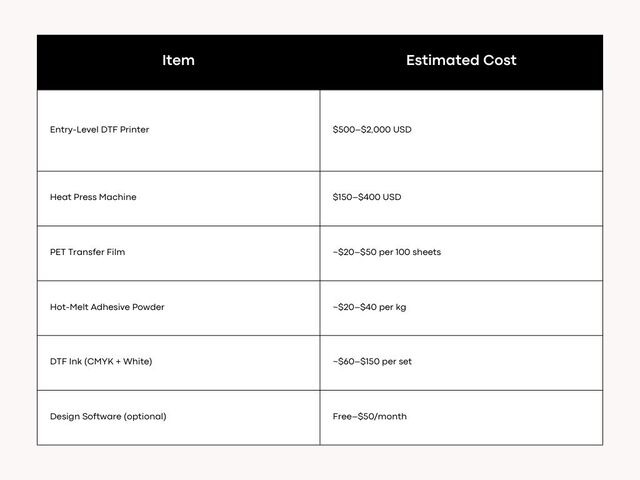
That means your startup costs can land anywhere from $700 to $2,500, depending on how pro you go. Compared to screen printing (which requires multiple screens, chemicals, and a dedicated space), DTF is far leaner — no darkroom, no emulsion, no mess.
And once you’re set up, the cost per print is low — often under $1 for a full-color A4 graphic, including film and powder. That’s ideal for one-off shirts, test runs, or one-off custom drops.
If you’re not looking to print yourself, services like Tapstitch handle all the printing and fulfillment for you. You just upload your design, and we handle the rest. You get access to the best threads and best printing equipment with no upfront investment or wasted inventory.
Print Quality & Durability: The DTF Difference
In custom apparel, quality is measured in washes, not just first impressions. DTF prints deliver, lasting 40–50+ cycles without fading, peeling, or cracking. For a customer, that’s the difference between a tee that gets tossed after a few weeks and one that earns a permanent spot in the closet. For a brand, it’s the kind of longevity that builds trust and repeat sales.
DTG has the edge in softness since its ink sinks into cotton fibers, but that softness can come at the expense of durability. DTF creates a thin, flexible layer on top of the fabric, giving graphics more staying power while avoiding the heavy, plastisol-like stiffness of traditional screen printing. Compared to vinyl or basic heat transfers, which often start peeling after just a few washes, DTF sits in a different league entirely.
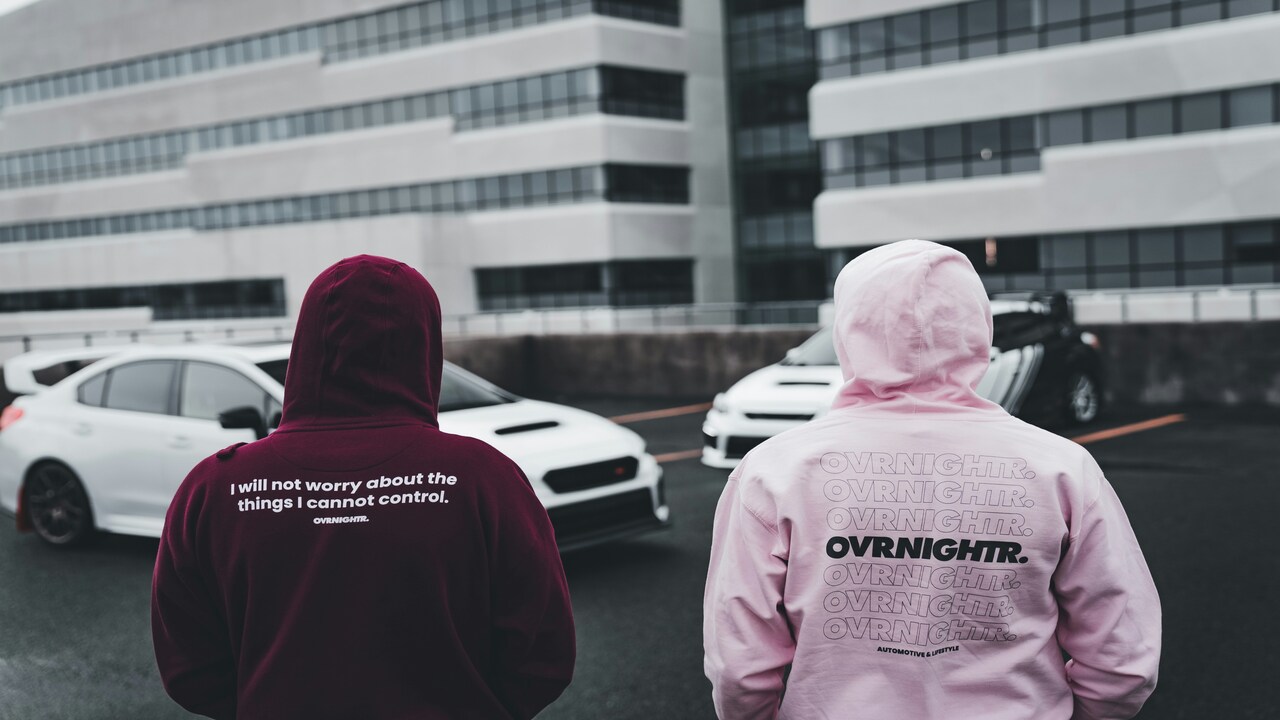
This balance of vibrant detail and long-term resilience is why fashion brands are adopting DTF across categories. Streetwear calls for prints that can withstand daily wear. Activewear demands graphics that can survive sweat, stretches, and being washed as frequently as you exercise. Capsule drops need to look as fresh on tenth wear as they did out of the box. DTF makes that possible, giving independent labels a print method that doesn’t just impress on launch day but continues to represent the brand season after season.
DTF for Print-on-Demand & Dropshipping
DTF printing and print-on-demand go hand in hand. You get full-color, high-detail designs on virtually any fabric, with zero inventory risk. That’s a win for small brands, solo creators, and anyone testing ideas before scaling.
Unlike DTG (which is best on cotton) or sublimation (which only works on light polyester), DTF gives you fabric freedom. Want to dropship streetwear sets, poly tanks, or blended hoodies? DTF is built for that. The heat-transfer process lets your artwork stay bold across materials, colors, and textures.
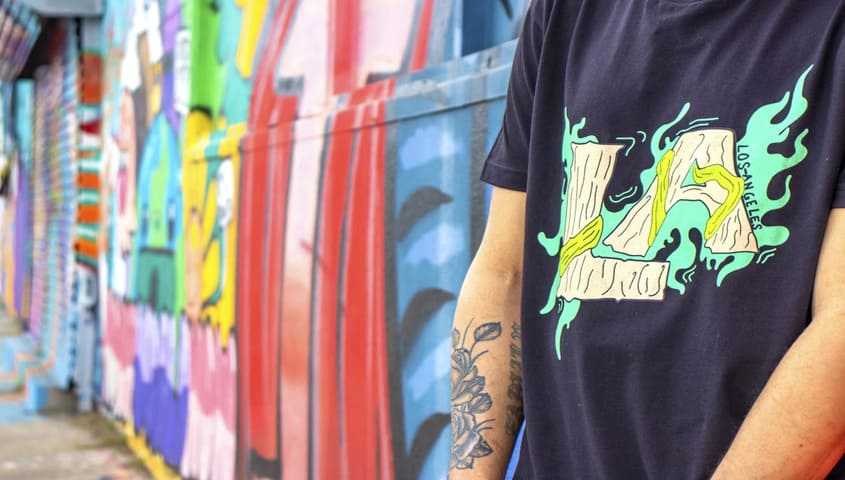
This is why DTF is such a strong fit for POD and dropshipping. There are no minimums, making it perfect for testing designs, running seasonal drops, or building a brand from scratch. Fulfillment is handled on demand, eliminating the risk of overstock or wasted storage. And because DTF prints hold their color and detail through multiple washes, you can count on consistent quality whether you’re producing one shirt or one thousand. If your business thrives on agility, launching new collections, reacting to trends, or customizing for individual customers. DTF gives you the flexibility to move fast without compromising on quality.
Is DTF Printing Right for Your Business?
If you’re running a print-on-demand clothing brand, the versatility of DTF printing is hard to beat.
It’s an ideal setup for creators selling through Etsy, Shopify, or other marketplaces, as well as brands testing new designs in small batches. Startups without warehouse space or inventory benefit from the low barrier to entry, and any line that includes synthetic fabrics or detailed artwork can take advantage of DTF’s flexibility. If you're already running production or just testing ideas, DTF offers flexibility without forcing you into bulk orders or expensive screens.
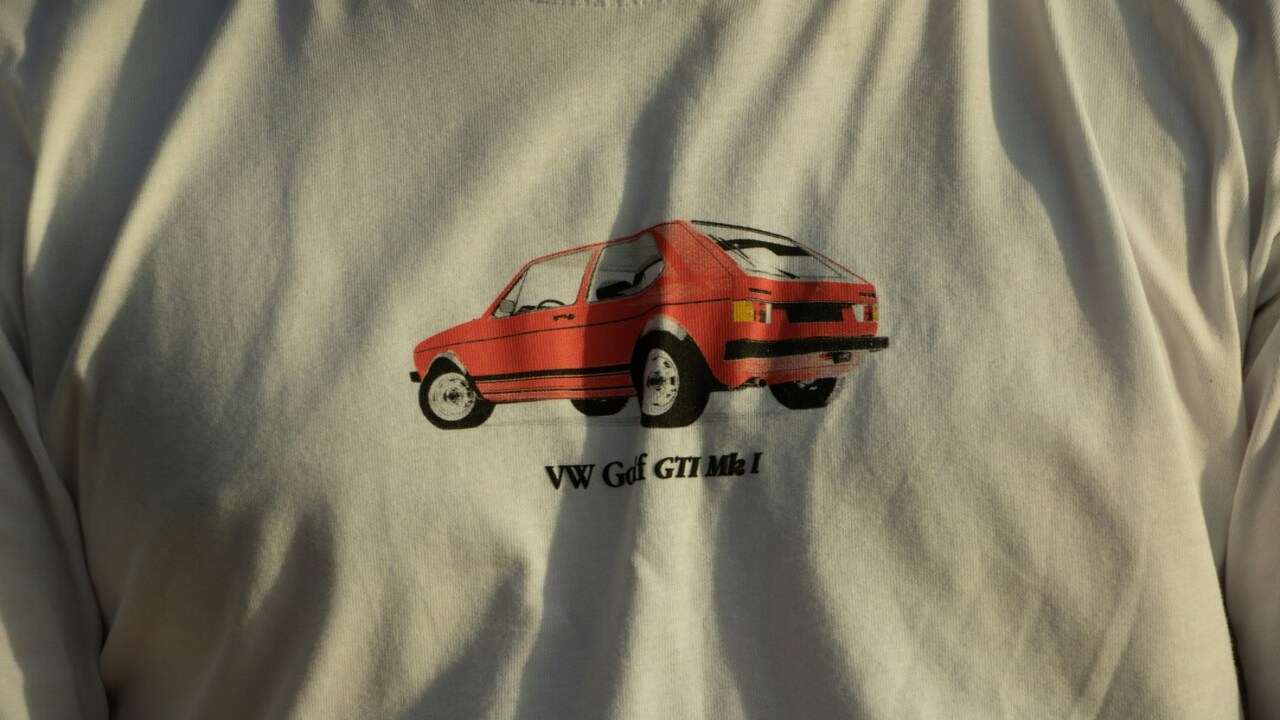
Thanks to its ability to print bold, high-resolution graphics across a variety of garments, DTF printing has become a go-to choice for modern streetwear, activewear, and capsule collections.
What It Means for Your Brand
So, what is DTF printing? It’s a production method that opens the door to full-color, low-minimum, multi-fabric custom apparel. For new fashion brands and scaling print-on-demand shops, it’s a valid option.
Compared to traditional options, DTF offers more fabric freedom than sublimation, fewer setup headaches than screen printing, and greater versatility than DTG.
If your brand values detail, quality, and flexibility, DTF is a printing method worth exploring.
DTF Printing FAQ
What is DTF printing?
DTF stands for Direct-to-Film printing, a method that prints designs directly onto film and transfers them to fabric using heat and adhesive powder.
What is the difference between DTF and DTG?
DTG prints directly onto fabric and works best on cotton. DTF prints onto film first, then transfers to a broader range of materials, including polyester and nylon.
What is a DTF printer?
A DTF printer is a specialized inkjet printer that uses textile inks to print designs onto PET film. It's part of the DTF process, which also includes adhesive powder and a heat press.
How long do DTF prints last?
With proper care, DTF prints can last through 40–50 washes without cracking or fading, especially on high-quality blanks.
Can I use DTF printing for one-off designs?
Yes. DTF is ideal for print-on-demand businesses and one-off samples. There are no minimums, making it suitable for both small runs and scale-ups.
The Final Word on DTF Printing
DTF printing isn’t just another method; it’s a strategy. One process works across fabrics, with no bulk minimums, making it the go-to for dropshippers, POD brands, and entrepreneurs testing designs or scaling full collections. At Tapstitch, we take DTF printing further, pairing it with premium blanks, full-brand packaging, and fast global shipping, so you’re not just printing products—you’re building a brand.
.png)

.jpg)
.jpg)
.jpg)
.jpg)
.jpg)
.jpg)






.png)



.png)
.webp)

.jpg)







.jpg)

.jpg)

.png)
.jpg)


.jpg)
.jpg)




.jpg)
.jpg)
.jpg)
.jpg)
.jpg)

%20(1).jpg)

.png)

.png)


%20(1)%20(1).jpg)





.png)
.png)


.jpg)

.jpg)
.jpg)