






What is UV Printing and How Can You Use it


The difference between a merch line and a true brand in the competitive world of fashion brands ultimately boils down to the tools used to create them. While fabric can give you a specific look/feel for the garment, UV printing gives you an identity for all other items. Custom acrylic hang tags, custom acetate eyewear, or the stainless steel hardware of a luxury handbag.
This technology does not use evaporation or heat to cure the ink on the substrate, as traditional printing methods do; instead, it uses a photochemical reaction to immediately cure the ink on virtually ANY surface. For founders and creative directors, this technology enables high-definition, tactile branding that is not only physically durable but also of higher quality than standard digital prints.
What is UV Printing and How Does it Work?
The level of precision achievable with a UV printing machine stems from the special curing process it employs. This process begins as the machine head travels along the substrate, laying special UV-sensitive inks along its path. Behind the machine head is a powerful ultraviolet light source that hits the ink as it is laid down.
The effect of this light on the ink is an instantaneous change from liquid to solid state. This is because the ink is "filmed" on the surface of the substrate rather than absorbed into it. This prevents the possibility of "bleeding" or "smudging," allowing for the creation of photographic detail that rests on the substrate's surface with a premium "embossed" texture.
Types of UV Printing
To understand the versatility of this technology, it is best described by the different methods used to execute it. This will vary depending on the product's shape, aiming to achieve the best possible finish.
Flatbed UV Printing
This is one of the most typical ways to do UV Printing. The Vacuum Bed keeps the item steady while the print head glides across the flatbed. Best suited for flat items, including phone cases, acrylic signs, wooden hang tags, and even leather patches.
Rotary UV Printing
Rotary Printing will become a necessity when your brand develops into lifestyle products (stainless steel water bottle, candle, etc.) with cylindrical shapes, where you need to cover 360 degrees with no distortion, which can be accomplished by using a specialty attachment that spins the cylindrical item around while the print head remains static.
UV DTF Printing
This is another relatively new technology, which, as the name suggests, uses a UV DTF printer. This printer prints the design onto a special film, which then has a second adhesive layer applied before being "transferred" onto the final product. This is a major innovation for branding unusual items that cannot be accommodated within a normal UV printer.
Hybrid UV Printing
These types of printers are used for industrial production, as they can be used for a variety of different tasks. This type of printer can be used for both flatbed and roll-to-roll printing. This means that, for a brand, a rigid board display for a pop-up shop can be printed on the same machine that prints a flexible vinyl banner for a custom bag, or a leather roll for a custom bag.
Types of UV Printer

The selection of the right machine—or the right business partner who has the right machine—depends on the scale and the range of your product offerings.
Flatbed UV Printer
Flatbed UV printers are defined as those printers that contain a flatbed or table. This can range from small desktop printers used for small-batch boutique products to large-scale industrial tables that are the size of a boardroom table. Flatbed printers are sought after for their ability to use "white ink" as the base layer in the printing process.
Rotary UV Printer
Dedicated rotary UV printers are defined as those printers that are specifically designed for use on cylinders. This is different from flatbed printers that can use a rotary accessory. This type of machine is best used for the mass production of drinkware or premium cosmetics containers.
Roll-to-Roll UV Printer
This type of printer is designed for flexible materials that come on a roll, such as fabric, vinyl, or thin plastic. The roll is fed continuously through the printer. This is the standard for high-end wallpaper, soft signage, and some synthetic leather product branding.
Hybrid UV Printers
This printer is a combination of roll-to-roll and flatbed printers, which means that a belt system is used for feeding the roll. This is highly efficient for studios that need to switch between different media but don't have room for two massive machines.
Advantages of UV Printing

There are many reasons a designer and/or agency might choose to have their design printed by UV Printing rather than standard printing processes. Among the most prominent of these factors is the extended life cycle of your completed item.
- Unrivaled Durability: Because of how the ink chemically reacts while being cured, the ink bonds with the material at a molecular level, creating a resistance to scratches, chemical damage, and water that few other products can achieve. As a result, a logo on a product (like a lighter or keychain) that is used and carried frequently will continue to appear like new for months if it has been printed via UV Printing.
- Superior Color Density: UV ink is also much thicker and more opaque than solvent-based ink, which means that "white ink" printing is possible. This is useful for priming a surface, especially on a dark or transparent object, making sure that colors will pop with maximum density, rather than being dull and muted.
- Instantaneous Production: The curing process takes only a few milliseconds, which means that there is no waiting around for degassing or drying time. This is a huge plus for brands that operate on a "drop" model, allowing for instantaneous fulfillment.
- Tactile Dimensions: Perhaps one of the most unique benefits of UV printing is that, because the ink is built up, a three-dimensional, embossed effect is possible, which adds a whole new level of tactility to a design that flat digital printing simply cannot replicate.
Disadvantages of UV Printing
While UV printing is a powerhouse for hardware and accessories, it is an industrial process with specific limitations that founders must navigate during the design phase.
- High Barrier to Entry: The primary barrier is equipment costs. Professional-grade UV printers are significantly more expensive than entry-level inkjet and sublimation systems. This is why most independent record labels send their products (i.e., CDs) to outside UV Printer Specialists.
- Substrate Flexibility Issues: Although UV inks are designed to provide some degree of flexibility, they do not match the stretch of textiles. Therefore, if an excessive load is applied to a product that undergoes extreme bending or stress, there is a good chance the ink will crack or delaminate from the product.
- Surface Texture Profile: Since the ink does not sink into the material, it sits on top of the product, creating a raised profile. The 'sticker-like' feel is one of the characteristics of quality; however, it is possible that the designer would like the design to be flat with the product ("zero-hand") for a smooth finish.
- Complex Maintenance: To maintain precise UV print heads, the environment must be controlled for temperature and humidity, and the heads require regular maintenance. Downtime from clogged heads or replacement lamps in small studios can be a major hindrance.
What Materials are Suitable for UV Printing?
The "universal" applicability of UV curing means that it will adhere to almost anything. In the fashion/lifestyle space, this presents massive potential for brand extension:
- Metals: Bespoke buckles, stainless steel bottles, and jewelry boxes.
- Plastics and Acrylics: High-end hangtags, translucent business cards, and phone cases.
- Wood: Luxury packaging, skateboards, and interior signage.
- Glass: Fragrance containers and luxury candle containers.
- Leather: Embossed-style branding on wallets, patches, and belts.
The ability to print on almost any material means that a founder can maintain a visual language across a range of products that could not be more different.
Comparison Between UV Printing and Other Printing Methods

Understanding where UV sits in the production hierarchy helps choose the right tool for the job.
UV Printing vs DTF Printing
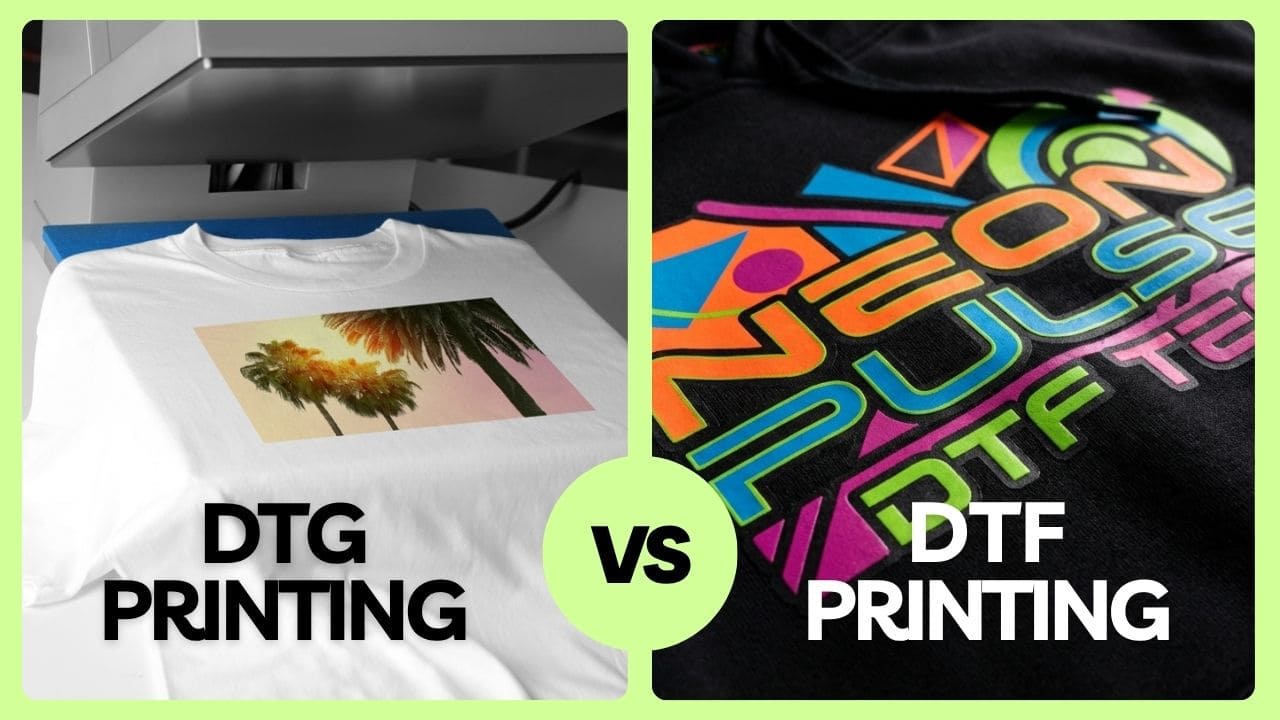
While UV Direct-to-Film Transfer (DTF) does exist, standard direct-to-film (DTF), also referred to as sublimation DTF, is really designed for printing apparel. The reason is that standard DTF prints use a heat-press to apply powder onto fabric. Because UV printing does not require a heat-press to produce an image, and has a much stronger chemical bond than heat-presses, it's better suited for printing hard goods.
UV Printing vs DTG Printing
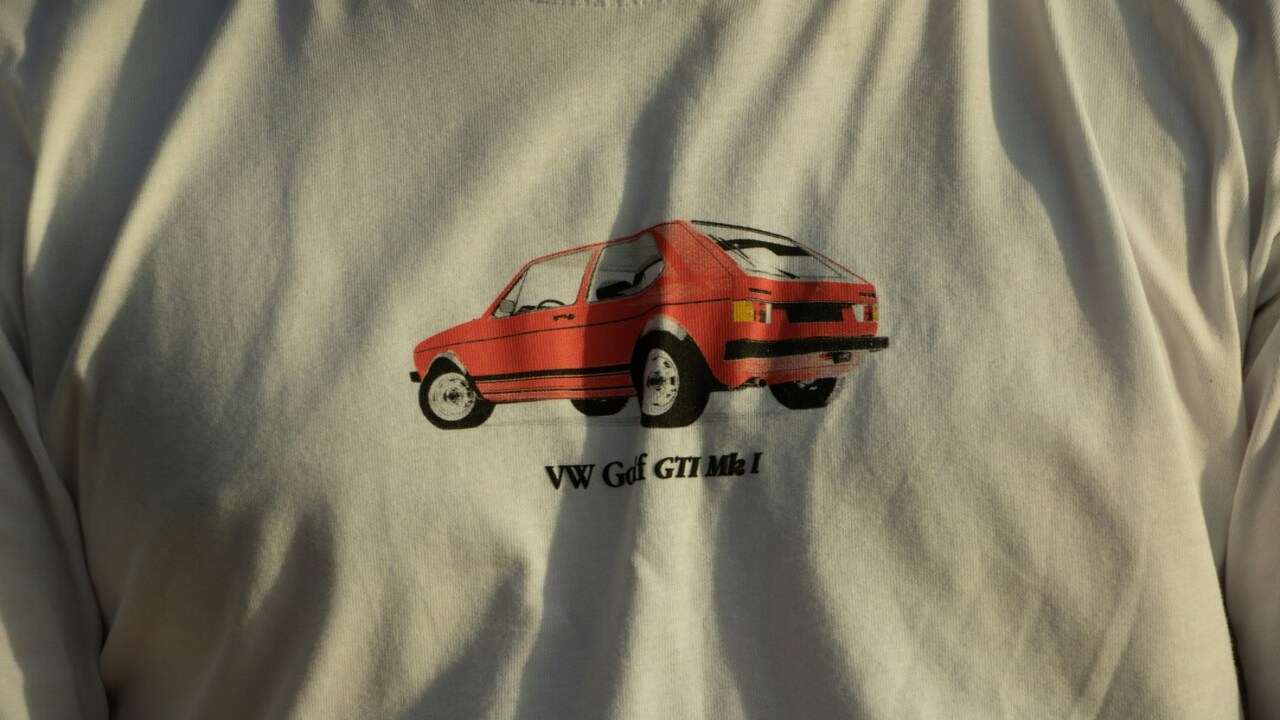
DTG (Direct-to-Garment) is the king of t-shirts. However, DTG cannot be printed on metal or acrylic. UV printing fills the gap DTG leaves, handling the "hard" side of your brand's catalog.
UV Printing vs Screen Printing
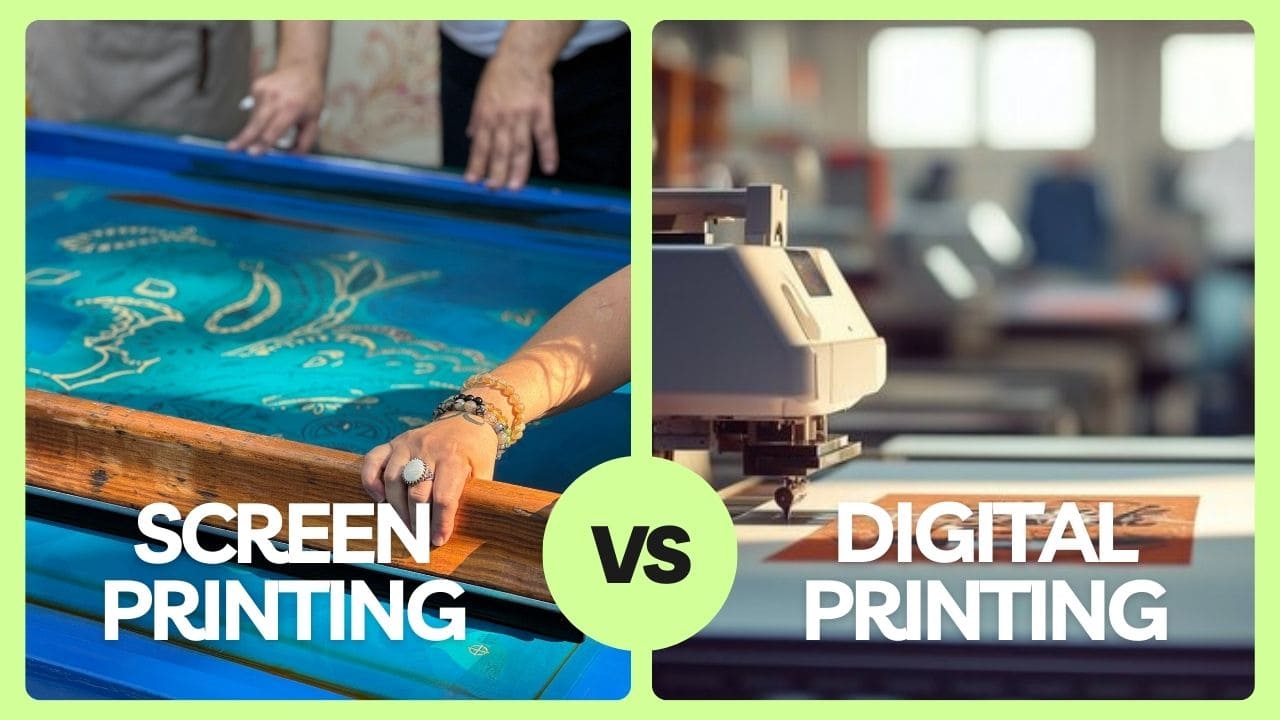
Screen printing may be very economical when printing large quantities of simple designs, but screen-printing creates a new screen for every color used. UV printing allows you to do "on-demand" printing without the cost associated with setting up screens, and you can print 100 colors in one pass, including complex photographs.
UV Printing vs Sublimation Printing
Sublimation printing involves using materials with a special coating, requiring ink to turn into a gas at high temperatures. UV printing does not need the material to be specially coated, nor does it need to use heat, making it safer for use with heat-sensitive plastic materials, allowing you to use a much wider range of "raw" materials.
UV Printing FAQs
How long does UV printing last?
If applied to hard materials, UV printing can last for years. When applied to outdoor materials, it will last 3 to 5 years prior to any fading of the image. When applied to indoor materials, such as accessories, it can last the entire lifespan of the item.
Does UV printing smell?
There is a strong smell associated with the process of curing the ink, but once it is finished, it has no smell at all. In fact, good shops have ventilation systems to ensure that the environment is not affected.
Is UV Printing Eco-friendly?
In many ways, it is. One of the biggest differences between UV printing and solvent printing is that there are no VOCs (Volatile Organic Compounds), which evaporate into the air. Since the ink is immediately cured, there is no waste associated with the process, nor is there any water usage required to dry the ink.
Can I print on anything with a UV printer?
Almost. While it adheres to most surfaces, some materials like untreated glass or certain polished metals may require a "primer" coat to ensure the bond is permanent.
Final Words
Building a brand in today’s market requires a commitment to quality that a customer can feel, whether they are touching a premium fabric or the durable, high-definition finish of a UV printing application on their hardware. While Tapstitch focuses on providing the elite infrastructure for fashion-forward apparel, understanding these broader production nuances is what separates a hobbyist from a creative director. When you are ready to move beyond basic merch and build a cohesive brand identity,
.png)

.jpg)
.jpg)
.jpg)
.jpg)
.jpg)
.jpg)





.png)


.png)
.webp)

.jpg)





.jpg)


.jpg)

.png)
.jpg)


.jpg)
.jpg)




.jpg)
.jpg)
.jpg)
.jpg)
.jpg)

%20(1).jpg)

.png)
.png)

%20(1)%20(1).jpg)





.png)
.png)


.jpg)

.jpg)
.jpg)