






How to Design T-shirts Online for Free: A Step-by-Step Guide


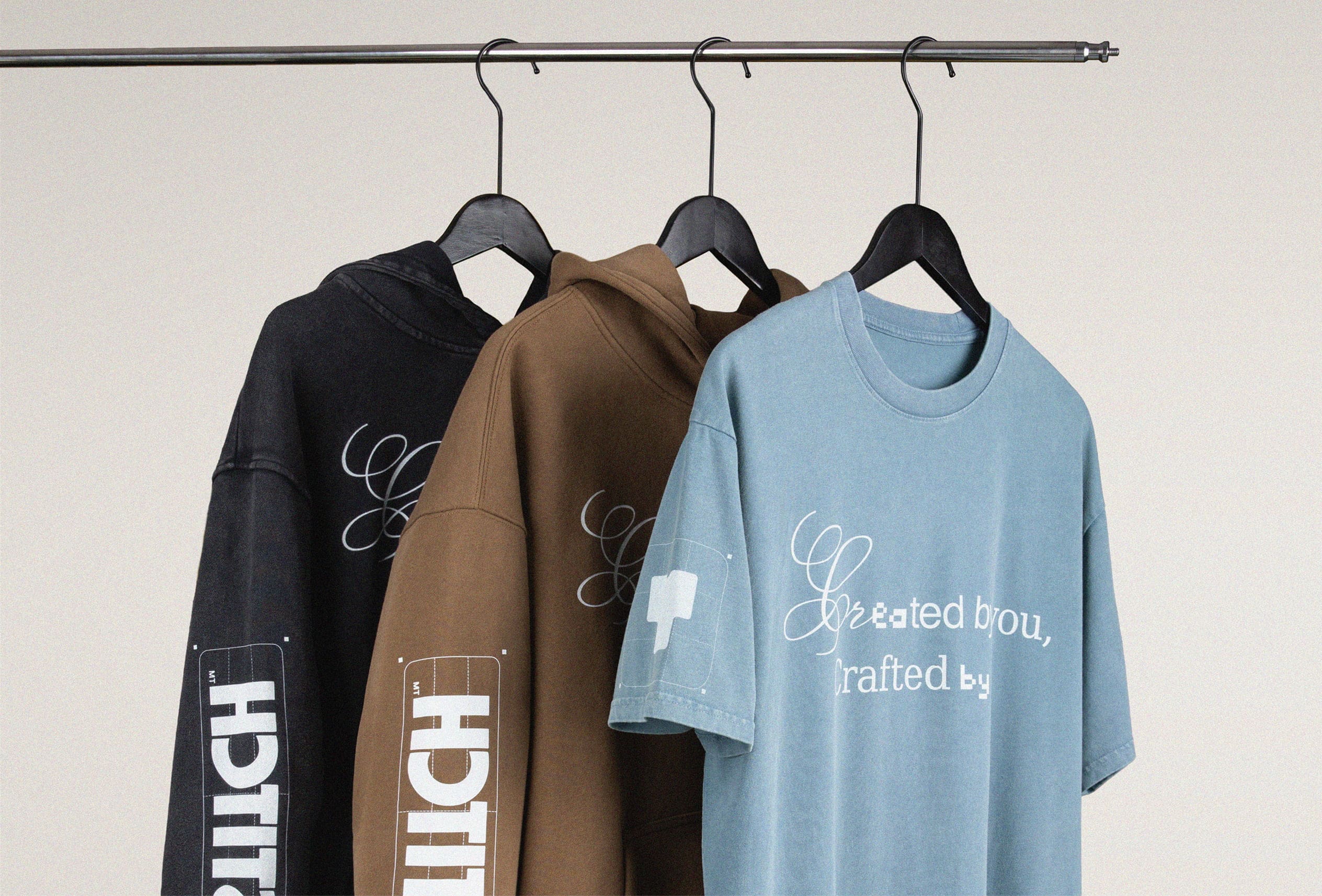
The difference between a plain old basic tee and a fashion-forward tee is not just luck; it’s intentionality. How does one build a brand that stands out in a crowded space full of basic merchandise? How does one take the basic blank tee and turn it into something more than just a logo slapped on a cheap blank?
Whether you are an independent creator or an aspiring creative director, learning how to design t-shirts is the first step toward establishing a visual identity. The aim is not only to create something aesthetically pleasing but also something essential for your closet. This guide will walk you through the professional process of designing a t-shirt, from concept to finished product, to ensure your design is a high-quality physical piece.
How to Design a Shirt in 8 Steps
The design process is where your brand's DNA is encoded. A structured workflow will prevent costly mistakes and ensure your final product meets the highest standards, appealing to a discerning customer.
1. Define Your Brand Aesthetic and Audience
First and foremost, it's imperative to know your audience. What kind of people are you designing your brand for? If your brand is a streetwear label targeting skaters in Los Angeles, your aesthetic will be very different from that of a minimalist fashion brand targeting the Copenhagen fashion crowd. What's your color palette? What kind of fonts do you use? What's the overall "vibe" of your collection? Successful t-shirt design starts here.
What kind of audience are you building a community around? What's the problem you are solving in the world of fashion? What other brands are your customers probably wearing? What price point are they expecting? When you know the subculture you are designing for, your design decisions will be second nature rather than arbitrary.
2. Conceptualize the Visual Narrative
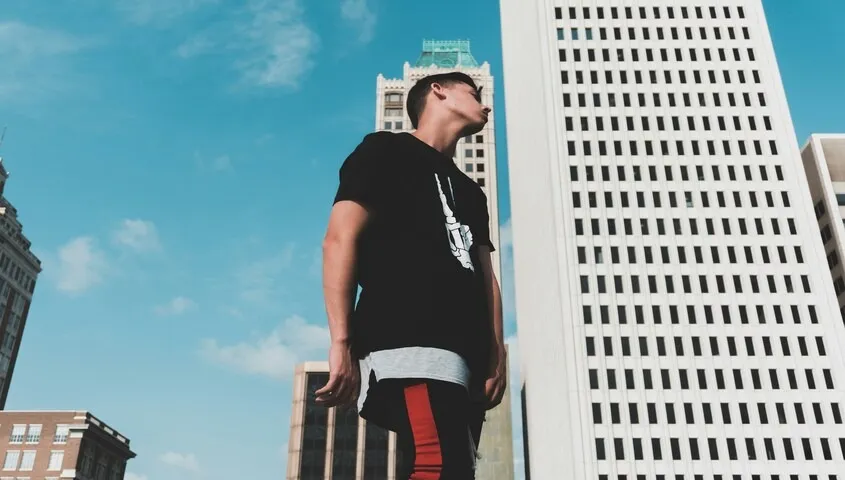
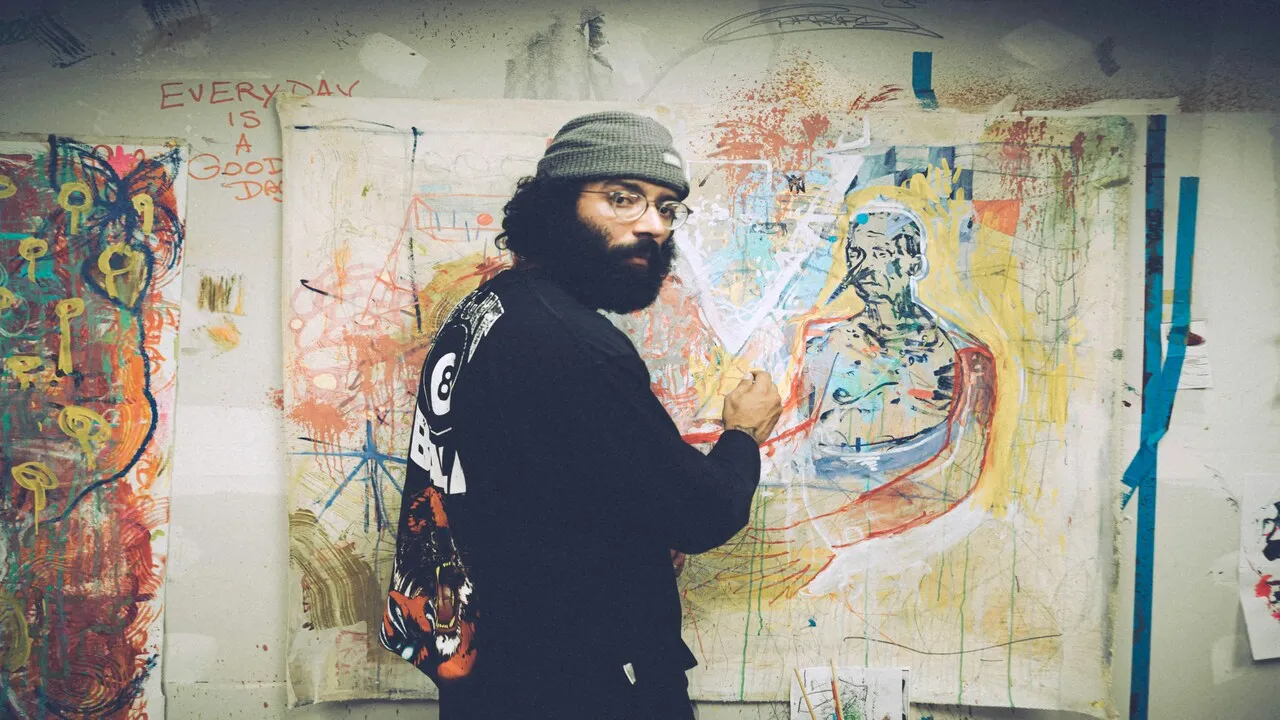
Great shirts have a story to tell or embody a certain mood. Are you focusing on bold illustrative graphics or a clean typographic look? Research current fashion trends, but don’t be a slave to them. Consider vintage archives, architectural forms, or street photography. Your aim is to create a unique perspective from a t-shirt designer's perspective for your brand. Your goal is to create a t-shirt designer perspective that feels unique to your brand.
Mood boarding is an essential step in this process. Gather textures, color studies, and images outside of clothing to inspire the mood you want to create. This narrative will ensure your collection is cohesive rather than a bunch of random graphics, giving customers a reason to buy multiple pieces.
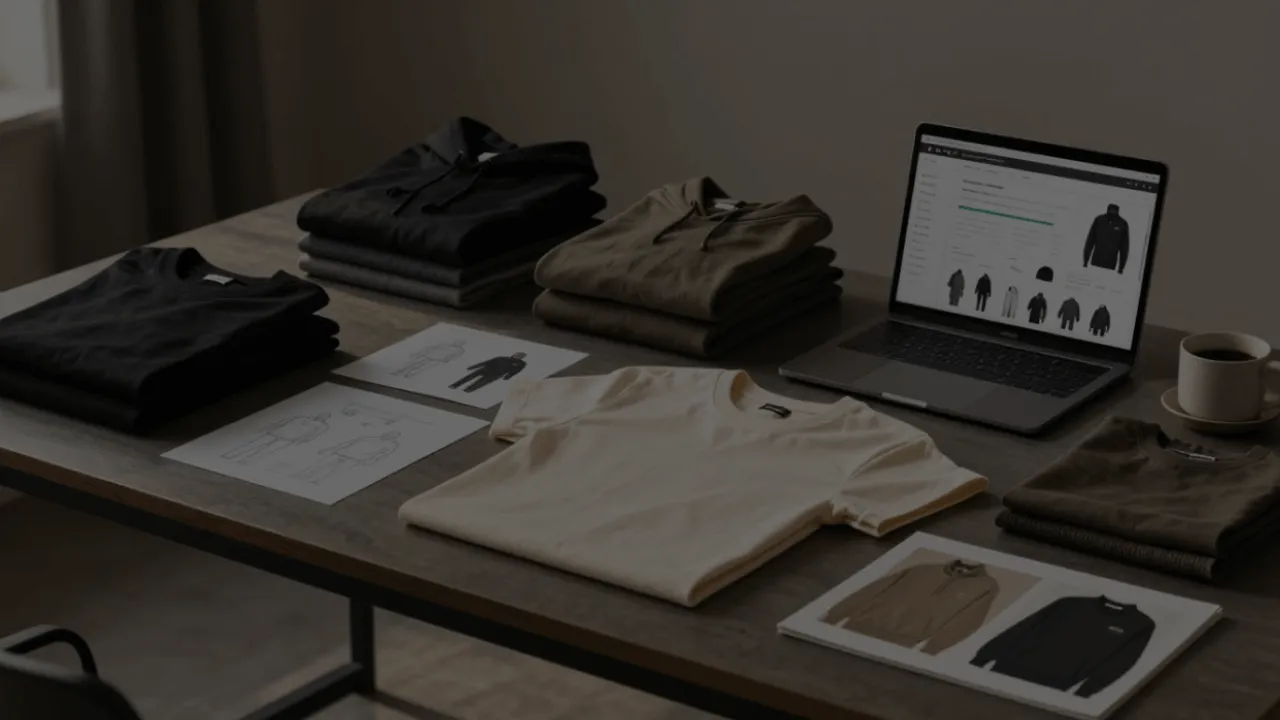
3. Choose the Right Garment Canvas
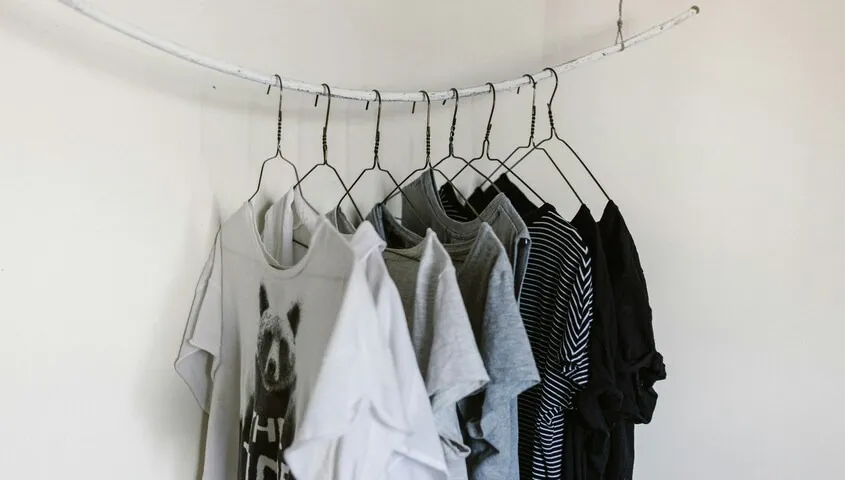
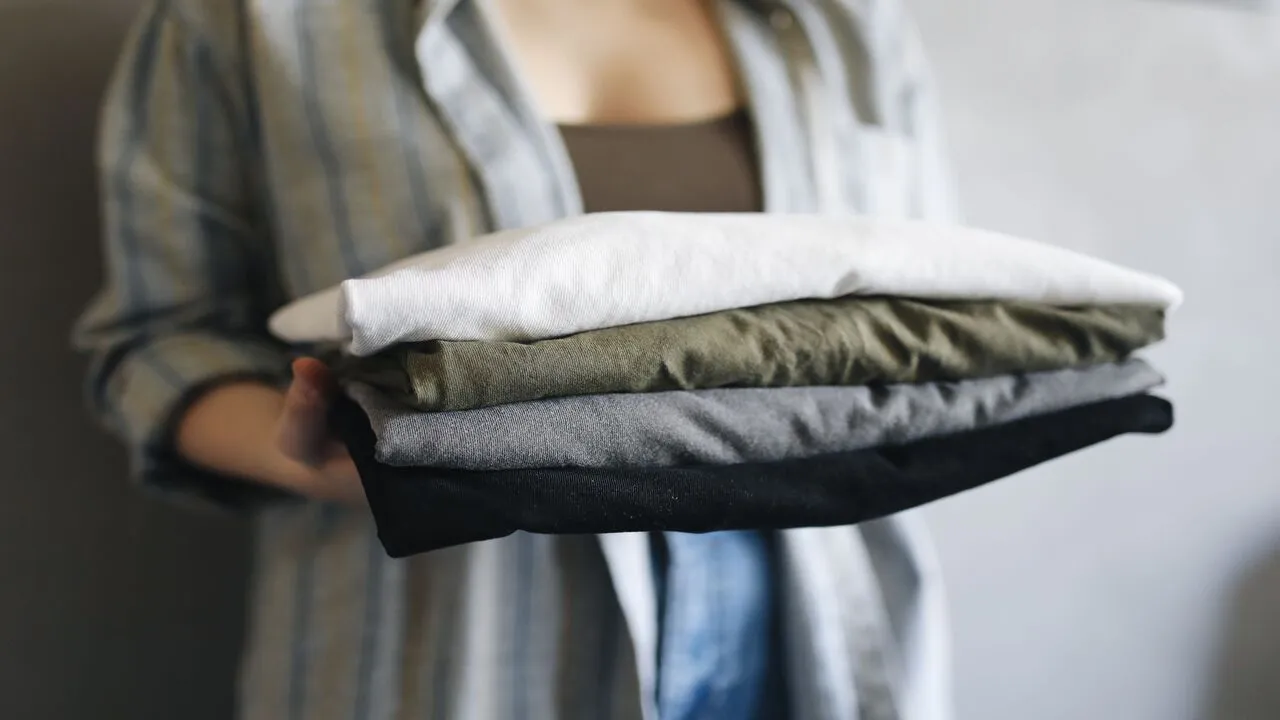
The "canvas"—the actual t-shirt—is just as important as the art itself. You have to think about the style: oversized, boxy, or fitted. Then there's the weight of the fabric, usually measured by GSM (grams per square meter). A thick 240 GSM organic cotton will have a nice weight to it, while a thinner 160 GSM will be more relaxed.
But it doesn't stop there. You have to look at the actual construction of the tee as well. Side-seamed tees will have a more tailored, high-end look than a tubular tee. The style of the neckline: is it a tight mock neck or a standard crew neck? The blank will make a basic graphic look like designer wear.
4. Create Your Artwork
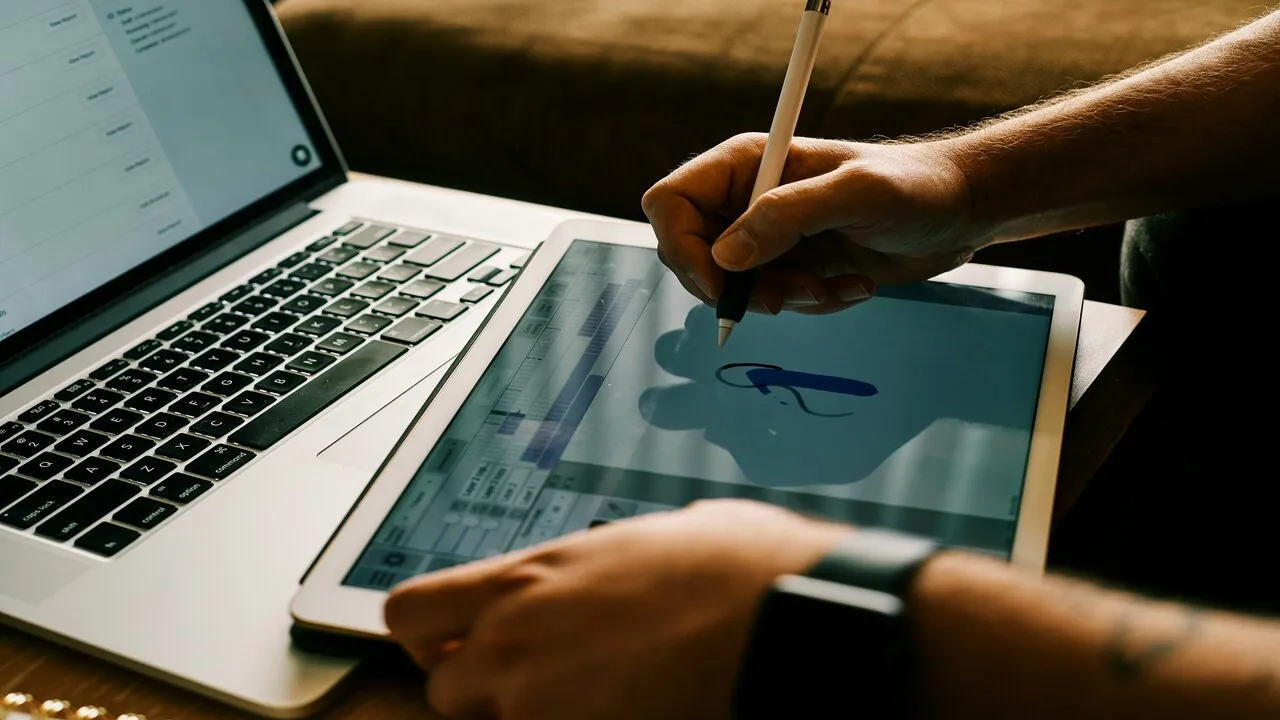
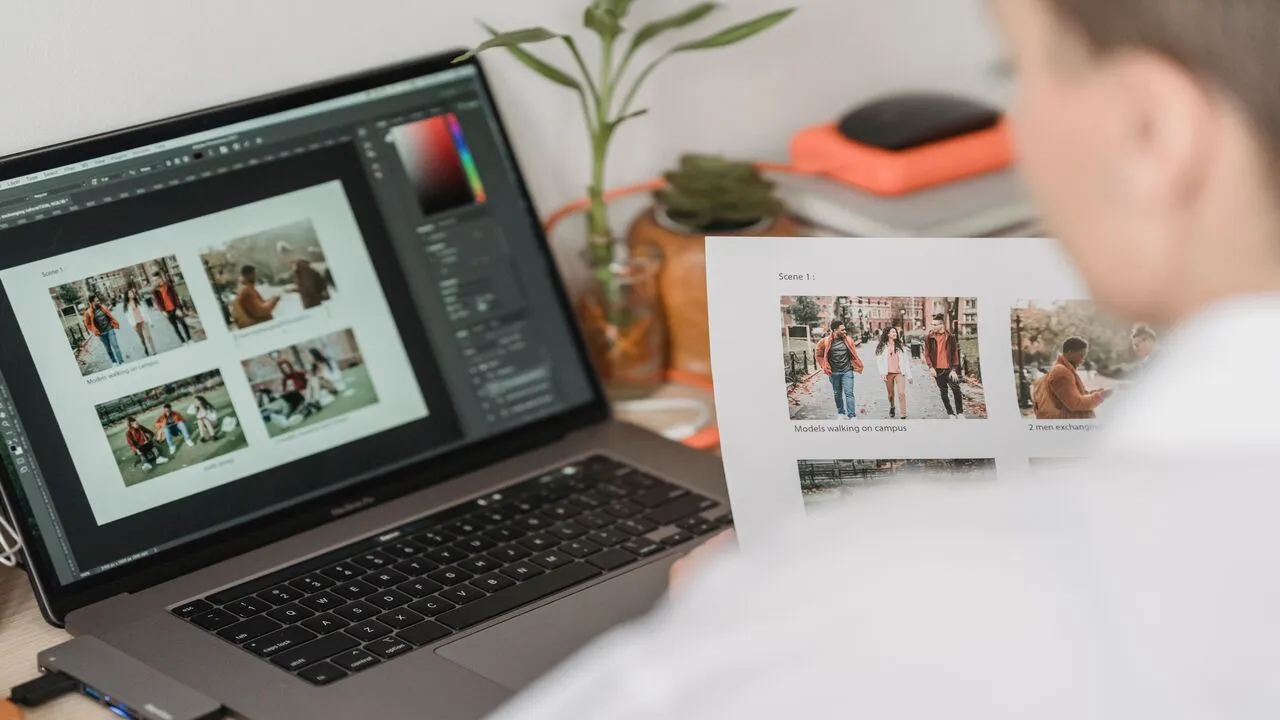
Now is the time to bring the vision to life. If you are good at design, then Adobe Illustrator or Photoshop is the industry standard for creating high-resolution images. If you are new to design, then you should look for a program that lets you try out t-shirt design online for free.
Remember to keep your resolution at 300 DPI (dots per inch) at the actual print size to avoid pixelation during t-shirt printing. If you are using images, then you need high-resolution images, and for logos and text, you should use vector images because you can scale them to any size without losing the sharp, clean lines.
5. Master Graphic Placement
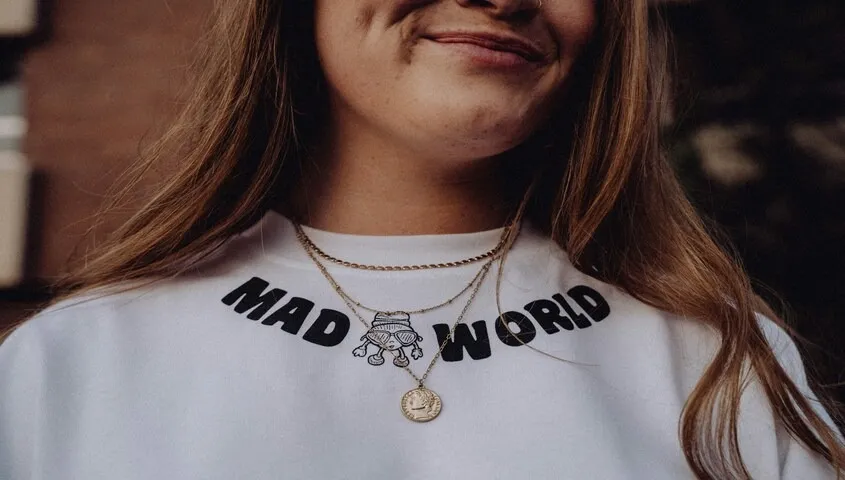
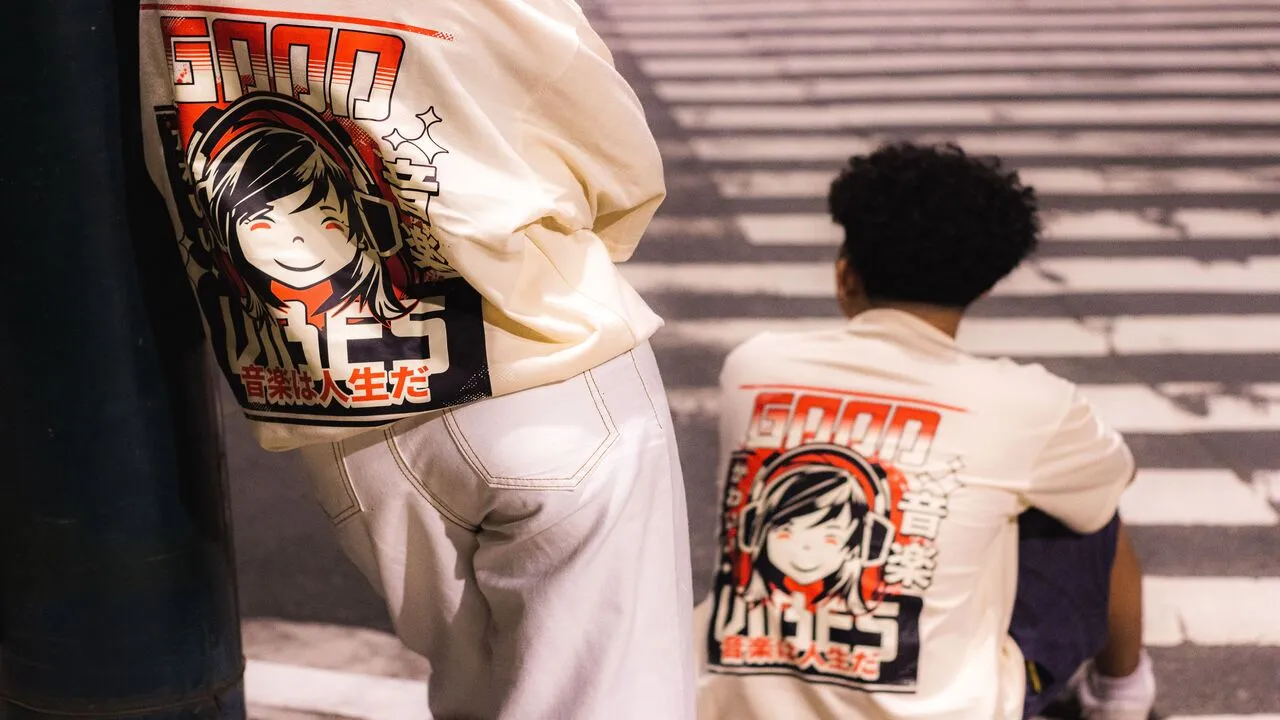
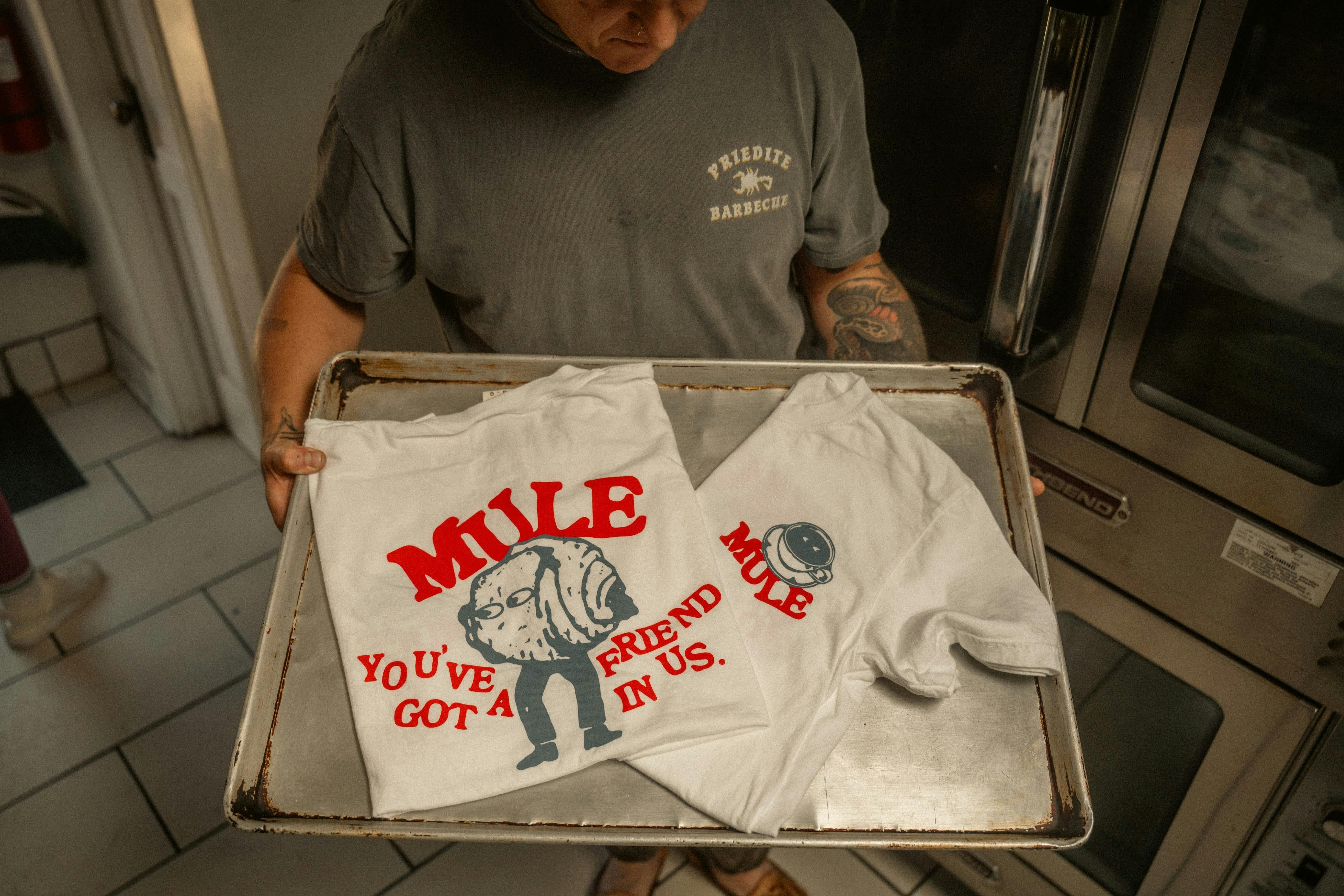
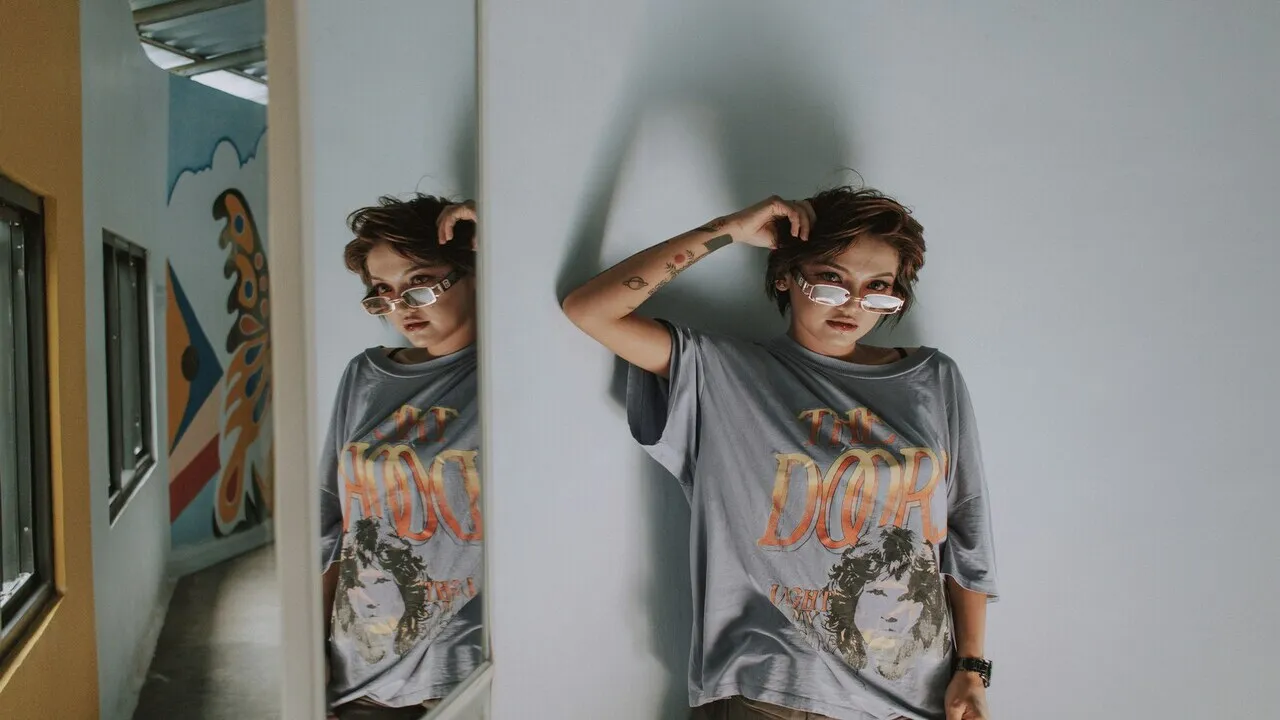
Placement can either make or break a design, and the most common, safe placement is the "center chest." However, for more fashion-forward brands, designers may opt to use the "pocket," "nape of the neck," and "wrap-around" placement for their designs. To check the scale of the design on various sizes of shirts, designers can use a mockup tool.
Designers can also consider the "golden ratio" in terms of placement, which is 2 to 3 inches below the collar for the standard "chest print." However, designers may opt to use the "low chest" and "hem" print for a more avant-garde look. Note that the design may look large on a Small, but on an XXL, it can appear lost. That’s why the design size of shirts should be adjusted according to each size.
6. Select Your Color Palette
The colors used in your design have to match the color of the fabric. If your goal is to have a high-end retail look, use the Pantone system. Be aware that the colors in your design can affect the price and the printing technique for t-shirts. Consider the color combinations and their effects in different lighting.
A "tonal" design, such as grey ink on a black shirt, is a classy and understated way of branding, while a neon color scheme on a black shirt will grab people's attention. Simple color schemes are often more expensive-looking than designs in all the colors of the spectrum.
7. Technical File Preparation
A beautiful design will not be useful if it’s not print-ready. Therefore, it’s important to turn your fonts into outlines and make sure your background is transparent, either in PNG or vector form. This is an important part of the process in how to design a shirt, since it’s the transition from digital art to manufacturing.
Make sure your design’s color mode is correct, since monitors run on RGB, while printers run on CMYK or specific ink sets. Labeled layers and dimensions, such as "12 inches wide," will help the manufacturing team bring your design to life just the way you see it on your monitor.
8. Review and Sample
You should never go straight to production without reviewing the sample. This is because the sample will give you the opportunity to review the "hand-feel" of the print, the color accuracy, and the fit of the garment after it has gone through the heat press or curing oven.
Wear the sample. Wash the sample. Review how it performs. Does it crack? Does it shrink? This is the final quality control review before your brand goes live. It is better to have a color change or placement issue on one shirt rather than five hundred.
Choose the Right Printing Method for Your Shirts
Understanding the mechanics of t-shirt printing allows you to design with the end product in mind. Not every design works with every printing method.
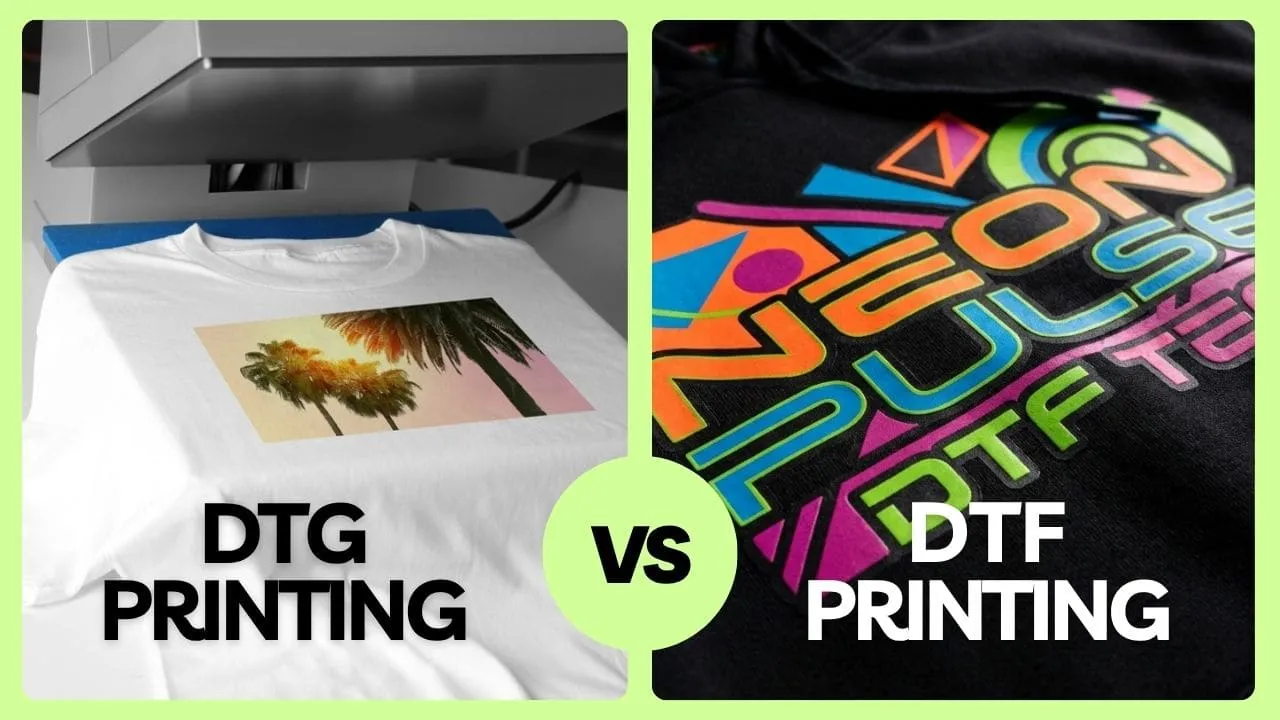
Direct-to-Garment (DTG)
DTG is, in effect, a high-resolution inkjet printer modified to print on textiles. It uses specialized water-based inks to directly infuse the fibers of the garment, which creates the incredibly soft "hand-feel" of the garment, where you can barely feel the design on the fabric. It is the standard by which all other artwork is measured in terms of complexity and color.
- Detail & Complexity: It is perfect for use in printing photographs, gradients, and fine line artwork, which cannot be done in traditional methods.
- On-Demand Friendly: With no setup time or screen burning, it is the perfect solution for brands that want to offer a wide range of designs without maintaining large inventories.
- Eco-Conscious: It is a more environmentally friendly process, as it uses biodegradable inks and has less waste in the process.
Screen Printing
The traditional industry standard for durability and vibrancy. Screen printing requires creating a physical stencil for each color in the design, known as a screen. Ink is then pushed through the mesh onto the fabric.
- Color Saturation: Offers the most saturated colors possible, especially for dark garments. This is because the ink is sitting in a thicker layer directly on top of the garment.
- Unmatched Durability: Offers unparalleled resistance to fading and cracking, even through dozens of high-heat wash cycles.
- Bulk Efficiency: Although it has the highest initial cost due to screen creation, the overall cost per unit decreases dramatically as order size increases.
Heat Transfer / DTF (Direct to Film)
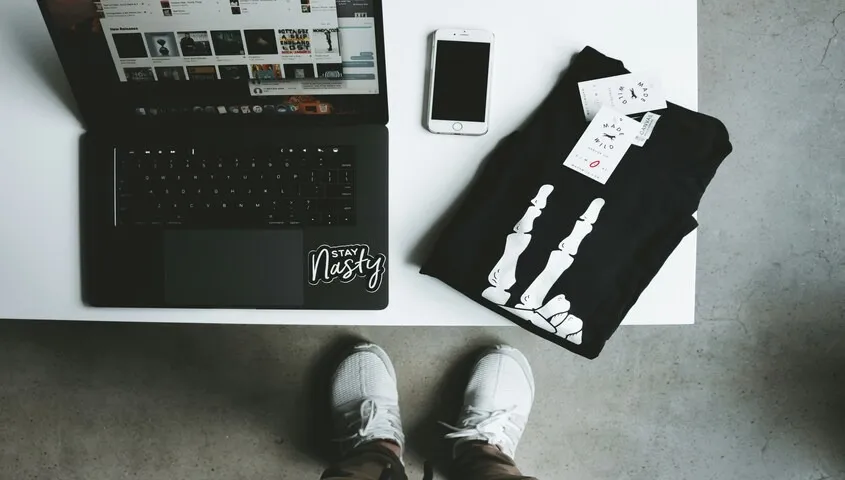
This form of DTF printing has gained immense popularity by bridging the gap between the flexibility of digital printing and the longevity of screen printing. The design is printed onto a special clear film before being pressed onto the garment with a strong adhesive powder in a heat press.
- Versatile Fabric Application: Unlike DTG printing, which only prints well onto 100% cotton garments, DTF printing excels on polyester, nylon, and treated materials. This makes it perfect for printing outerwear or activewear garments.
- Tactile Texture: It has the advantage of creating a strong and slightly raised matte finish that is luxurious to the touch.
- Precision: It offers clean edges and high opacity without the need for an "underbase" white layer, so your colors will really stand out even on the darkest of garments.
Find a Reliable POD Supplier for Your T-shirts
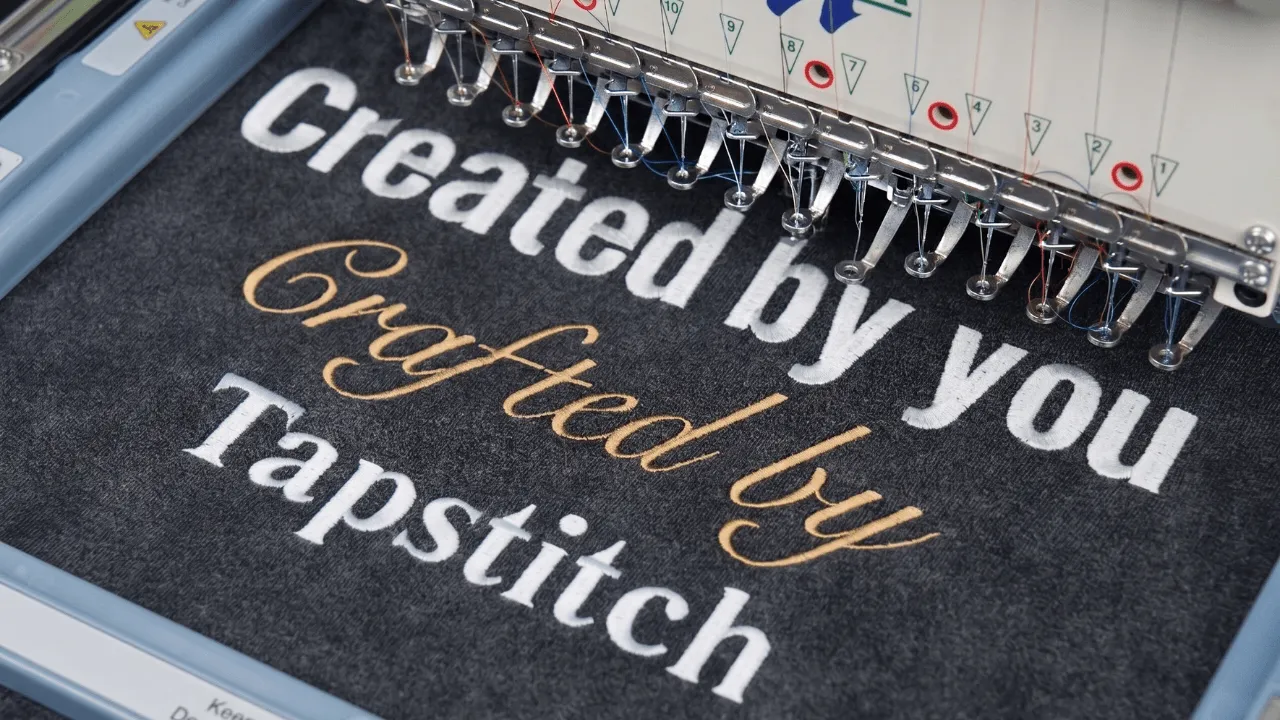
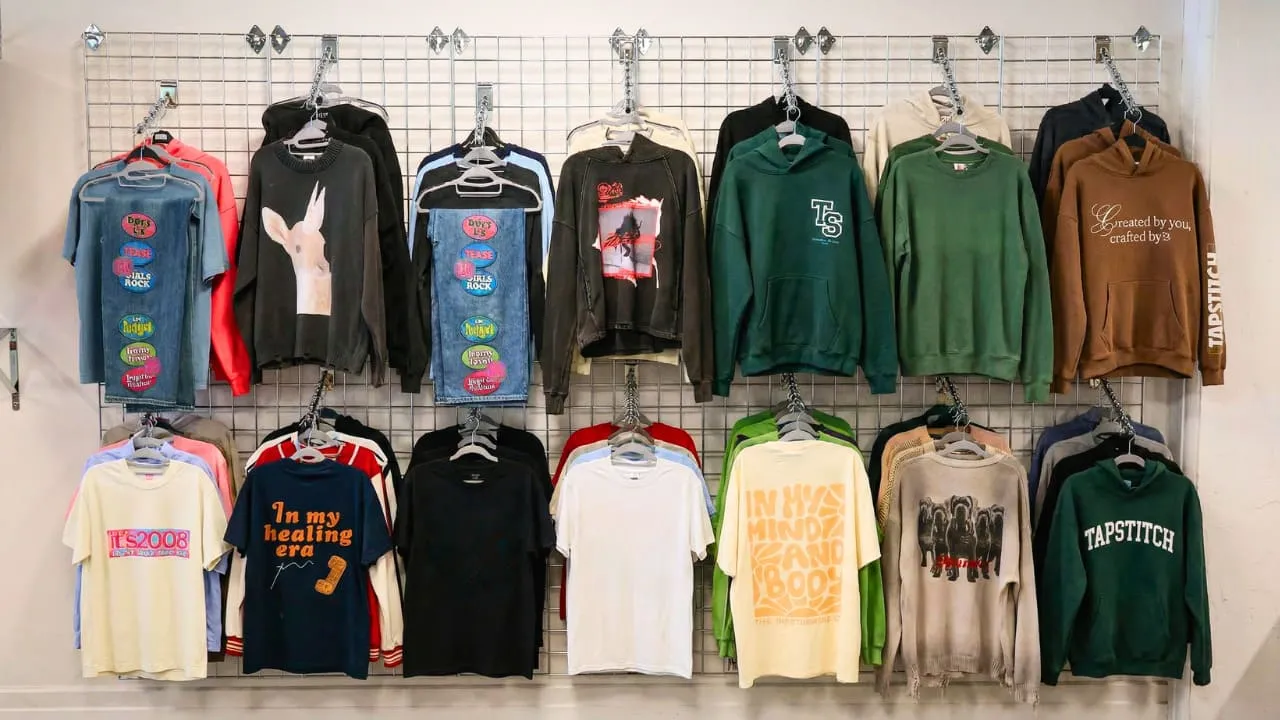
Once you know how to design t-shirts, you need a partner who will help you build your brand. For a founder trying to build a legitimate brand, the supplier is the most important hire you will ever make. Most print-on-demand services are optimized for speed and cost, sacrificing quality and fashion-forward design in the process. For founders who care about the way a garment feels, fits, and performs, and not just the speed at which it arrives, Tapstitch exists.
By offering no MOQ (minimum order quantity) alongside professional-grade production, Tapstitch allows you to test experimental designs without financial risk. Their seamless ecommerce integrations mean you can focus on being a t-shirt designer and creative director while the logistics are handled with studio-level precision.
FAQs
Which is the most popular color for a T-shirt?
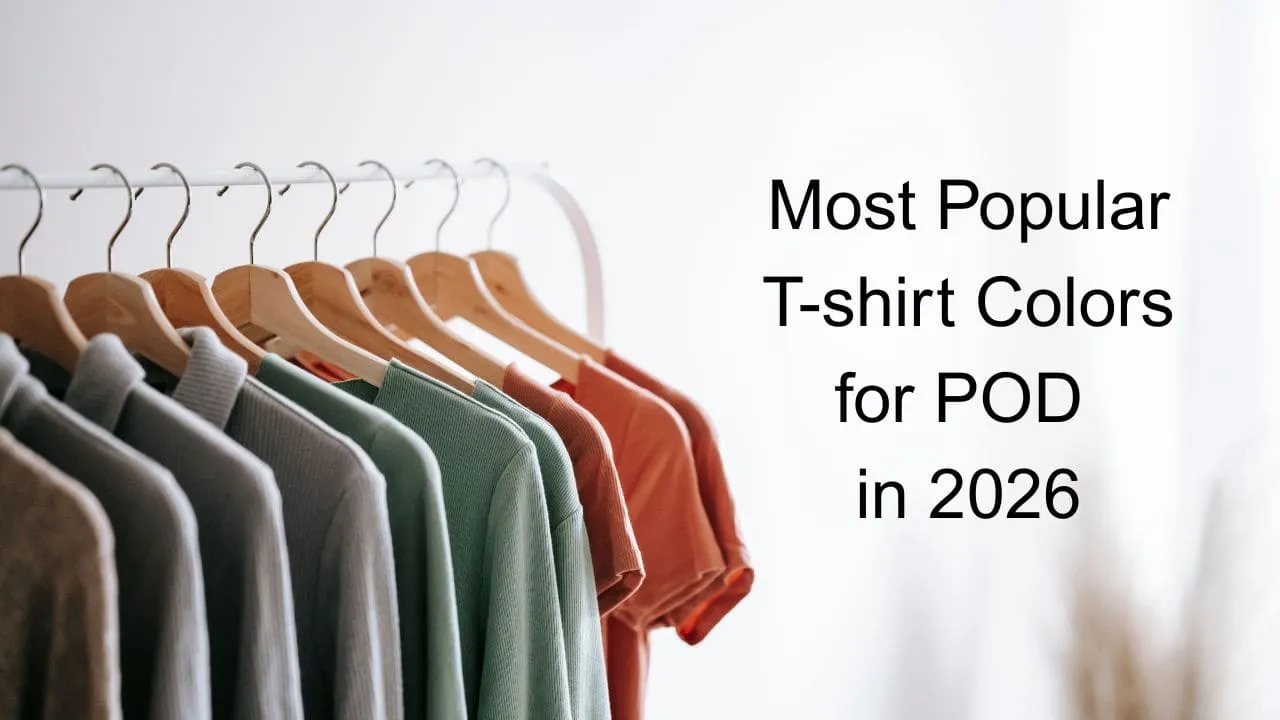
Black remains the undisputed king of t-shirt colors, accounting for a significant percentage of all global sales. It is versatile, hides imperfections, and provides a high-contrast canvas for almost any graphic. White and Heather Grey follow closely behind as essential wardrobe basics.
What is the best material for a T-shirt?
For a premium brand, 100% combed and ring-spun cotton is the industry standard. It is softer and more durable than regular cotton. If you are aiming for a luxury or streetwear feel, look for "heavyweight" cotton (200+ GSM) with a tight knit for a smooth printing surface.
How to sell my T-shirt online?
The most effective way to sell is through an integrated e-commerce platform like Shopify or WooCommerce. Connect your store to a high-quality fulfillment partner so that when a customer places an order, the shirt is printed and shipped automatically. Focus your energy on social media storytelling and community building to drive traffic.
Is DTG printing better than screen printing?
Neither is inherently "better"; they serve different purposes. DTG is superior for small runs and highly detailed, multi-color art. Screen printing is superior to high-volume orders of simple designs and offers a specific "vintage" feel that many collectors prefer.
The Bottom Line
Designing a shirt is a journey of refining taste and mastering technical constraints. The most successful brands balance fit, fabric, and visual communication rather than relying on loud graphics.
By prioritizing quality and understanding the nuances of t-shirt design, you move from hobbyist to brand founder. Focus on the details—fabric, stitch, and soul—to turn customers into advocates. When you are ready to learn how to design a shirt with real impact, the right infrastructure is waiting.



.webp)
.webp)


.webp)

%20(1).webp)
.webp)
.webp)
.webp)
.webp)
.webp)
.webp)
.webp)
.webp)

%20(3).webp)

.webp)
.webp)
.webp)
.webp)
.webp)
.webp)
.webp)






.webp)




.webp)
.webp)







.webp)
.webp)

.webp)
.webp)


.webp)
.webp)




.webp)
.webp)
.webp)
.webp)
.webp)

%20(1).webp)


.webp)

.webp)