






12 Best Websites to Sell Online for Free in 2026
%20(1)%20(1).jpg)


If you want to sell online for free, you’re not alone. In 2026, more founders will be bypassing expensive storefronts and testing ideas online for free. Whether you’re flipping vintage tees, dropping a streetwear collection, or cleaning out inventory, the barrier to entry has never been lower.
But free doesn’t always mean simple. Some platforms are marketplaces. Some platforms are store builders. Some platforms will even charge you on the back end. Some platforms will even restrict design. If you’re looking to build something real, not just move some product, you need to know the difference.
This guide breaks down the best websites to sell stuff, how they work, and which type of founder they actually serve.
Why Should You Sell on a Free E-Commerce Website?
Starting to learn is smart. Especially in fashion.
When you use a free e-commerce website, you reduce risk while validating product, pricing, and demand. You can:
- Test designs before investing in inventory.
- Understand your audience behavior.
- Learn fulfillment workflows.
- Refine your brand positioning.
- Generate early cash flow.
For creators and small brands, a free platform is not about cutting corners. It is about controlled experimentation.
That said, there are trade-offs.
Free platforms often mean:
- Transaction fees
- Limited customization
- Platform-controlled traffic
- Lower brand authority
If you are just testing product-market fit, that is fine. If you are building a long-term brand, you will eventually want more control.
Let’s break down your options.
12 Best Websites to Sell Items Online for Free
Here are 12 of the best websites where you can sell items online for free and start making money quickly.
1. Shopify
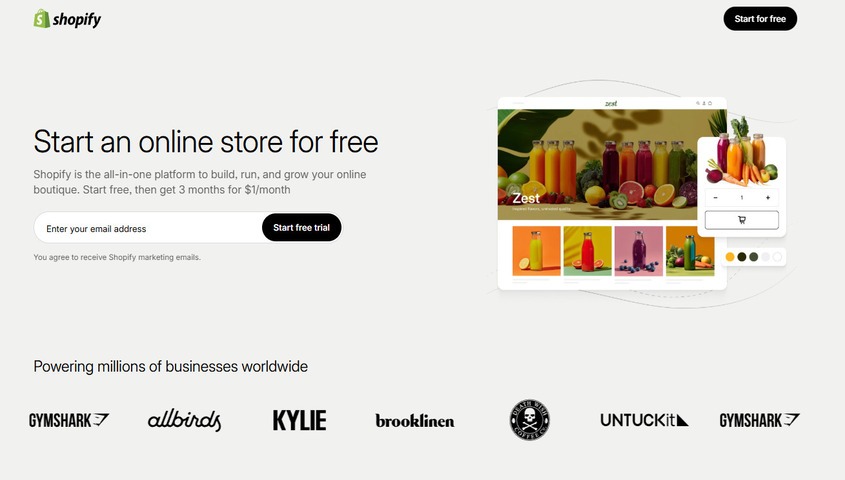
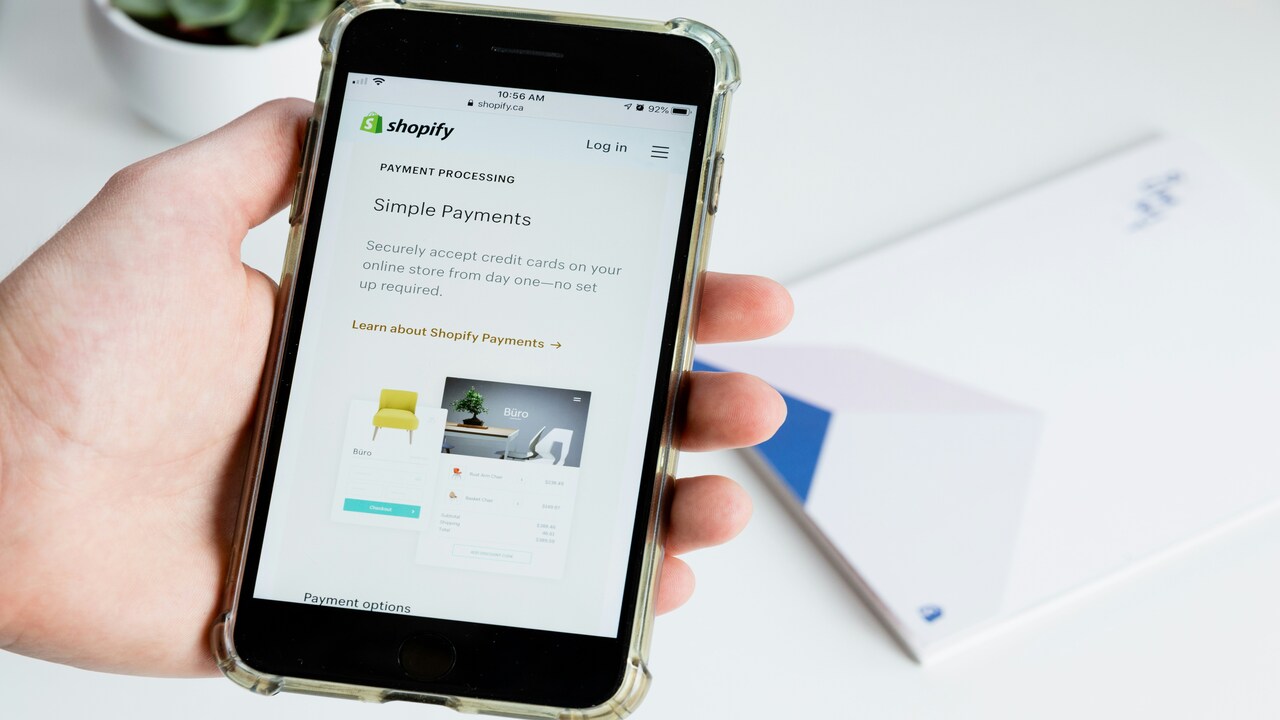
Although Shopify is known for offering different pricing plans, it is still the gold standard for those who wish to sell online for free as part of their build-out phase. It is the best free e-commerce website builder out there for serious brands. The "Starter" plan, along with the various extended trial plans, helps a fashion founder build a high-end storefront with world-class checkout security. For fashion founders, Shopify is the holy grail because it offers them full control, something that other platforms, like third-party marketplaces, take away.
Best for: Serious brand builders.
Pros:
- Full storefront control
- Scalable infrastructure
- App ecosystem
- Strong ecommerce credibility
Cons:
- Monthly subscription after trial
- Transaction fees, unless using Shopify Payments
If you want brand ownership and design freedom, Shopify is strong. If you want zero cost forever, this is not it.
2. Etsy

Etsy is the spiritual home of the creator. There is a small fee to list items, but there is no cost to access a global market of 90 million active buyers. Etsy is a good online marketplace to sell print-on-demand clothing or handmade clothing. Etsy does all the work for you in SEO. As long as the tags are correct, people will find the streetwear items without you spending a dime on advertising.
Best for: Niche creators and handmade brands.
Pros:
- Built-in traffic
- Easy setup
- Strong search visibility
Cons:
- Listing fees
- Transaction fees
- Heavy competition
You are renting attention here. Great for testing. Harder for brand differentiation.
3. OfferUp
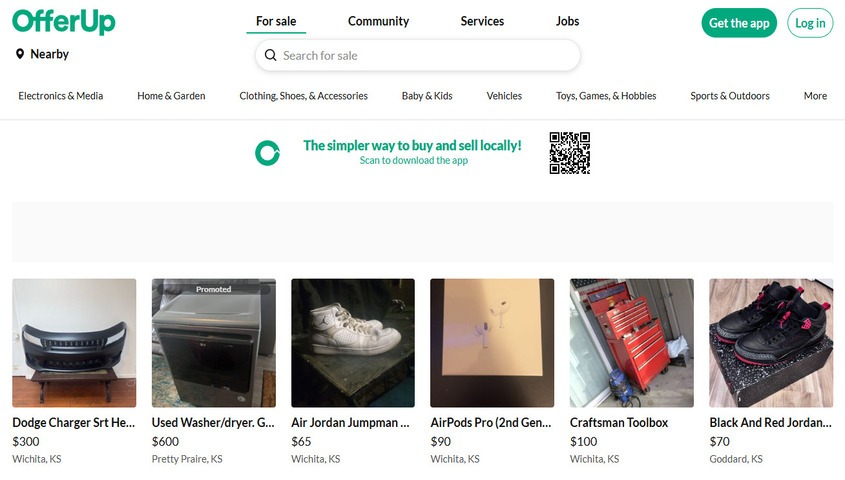
So, if you're a business model that relies on pickup or high-velocity physical goods, then OfferUp is a force to be reckoned with. It's moved from simply a "garage sale" type of application into a real platform for entrepreneurs. It's one of the best websites to sell stuff like limited drops or large items, as shipping would eat up all of your margins.
Best for: Flipping, local reselling.
Pros:
- Free listings
- Local reach
- Simple interface
Cons:
- Limited branding
- Primarily peer-to-peer
Not ideal for fashion brands. Better for clearing the product.
4. Facebook Marketplace

Facebook Marketplace has become a behemoth of commerce. There is a sense of trust, given its association with real people’s identities. For a newcomer, it is the speediest way to sell online for free, as there are no fees for local sales. It is a “studio-to-consumer shortcut” that works amazingly well as a test bed for local interest in new designs.
Best for: Local sales and casual sellers.
Pros:
- Huge user base
- No listing fees
- Instant visibility
Cons:
- Low brand credibility
- Limited store design
Works well for fast-moving inventory.
5. Wix

Wix has a fantastic drag-and-drop tool that is ideal for those who want a certain look. The free version allows you to create a beautiful website that can be used as a portfolio or lookbook. While you will eventually want to upgrade so you can accept payments, it is an incredibly powerful free landing page for your brand's online presence.
Best for: Beginners testing web presence.
Pros:
- Drag-and-drop builder
- Visual customization
- Easy setup
Cons:
- Limited ecommerce functionality on the free plan
- Ads on the free version
Good sandbox. Not ideal for scaling.
6. Amazon

The "Individual" plan for a seller on Amazon enables you to sell without a monthly subscription fee. You will be required to pay when you make any sales. The exposure you get from being on the largest online store to sell anything is huge. However, as a fashion brand, the competition is high, and good photography and branding are essential to stand out from the commodity sellers.
Best for: High-volume sellers.
Pros:
- Massive built-in traffic
- Logistics support
- Trust factor
Cons:
- Referral fees
- Intense competition
- Limited brand storytelling
You gain reach. You lose identity.
7. WooCommerce

For you geeks out there, WooCommerce is the best free e-commerce website platform available. It’s an open-source platform, so you don’t pay anything for the software. You own your data and your site’s look and feel 100%. It’s the platform of choice for "indie" brands that want to break free from the shackles of hosted platforms without paying anything except for hosting.
Best for: Tech-comfortable founders.
Pros:
- Free core plugin
- Full customization
- No platform lock-in
Cons:
- Hosting costs
- Maintenance responsibility
Flexible. Requires effort.
8. Craigslist
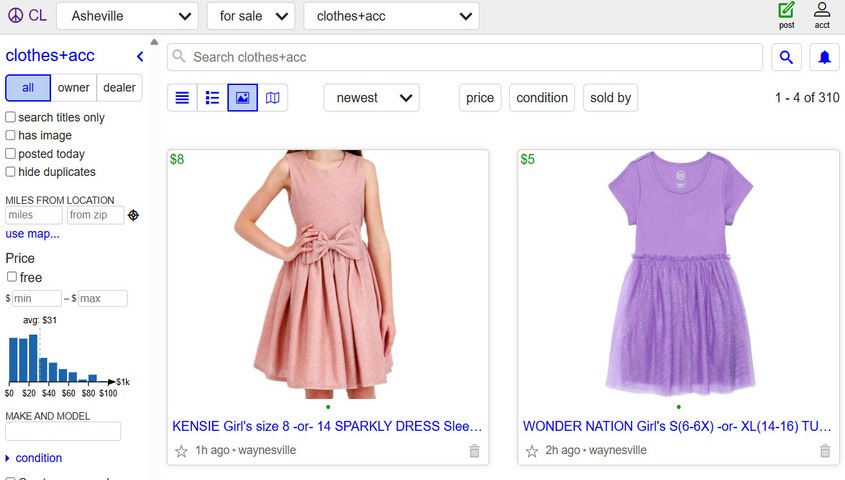
The original. While it doesn’t have the finesse of a modern creative agency, Craigslist still represents an opportunity to sell online items for free without any middleman influence. Raw and unfiltered, yes. But still viable for vintage collectors and fashion enthusiasts looking for unique items within many urban centers.
Best for: Local selling.
Pros:
- Free listings
- Simple structure
Cons:
- Minimal design
- Low brand perception
Not brand-building territory.
9. eBay

The veteran of these spaces is eBay, though with their "250 free listings per month" policy, it's also one of the best sites to sell stuff in 2026. From a clothing brand's perspective, the "Auction" model of eBay can be a fantastic way to generate hype around a one-of-one item.
Best for: Resellers and unique items.
Pros:
- Established trust
- Flexible pricing formats
Cons:
- Fees after limits
- Competitive environment
Solid for product flipping.
10. Bonanza

Another site that is often overlooked but is actually seller-centric and allows for easy integration with other platforms is Bonanza. If you already have an online presence elsewhere, you can easily list your items on Bonanza for free. This is a "pay on results" site that is ideal for increasing your online presence.
Best for: Niche sellers wanting less competition.
Pros:
- Lower competition
- Free listings
Cons:
- Lower traffic
- Limited brand equity
11. Nextdoor

The platform is built on neighborhood trust. Although it’s not the place to begin a global luxury house, it’s a great place to sell online for free if you’re targeting a hyper-local demographic. It’s great for community-based brand building and eco-friendly “circular fashion” programs.
Best for: Neighborhood-based selling.
Pros:
- Trust-based community
- Free to list
Cons:
- Very limited scale
- No ecommerce tools
12. BigCommerce
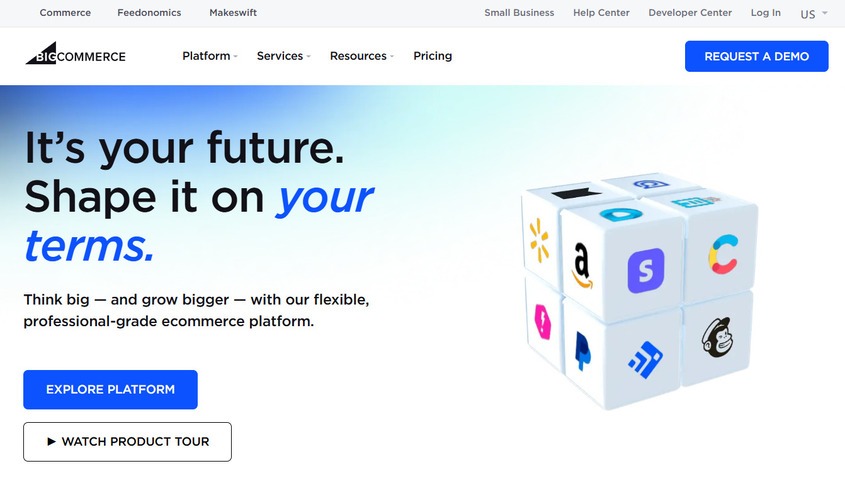
Just as with Shopify, BigCommerce offers a feature-rich environment that’s conducive to scaling. Their basic plans and trial periods offer a glimpse of creating a professional-grade store. It’s made to scale, and that’s perfect for those who are expecting to scale production quickly.
Best for: Growing brands ready to invest.
Pros:
- Strong backend tools
- Multi-channel integrations
Cons:
- Paid plans
- Learning curve
Not free long-term, but powerful.
Smart Selling Tips Without Paying Fees

Free does not mean you should be careless.
If you want to succeed on websites to sell items online for free, focus on:
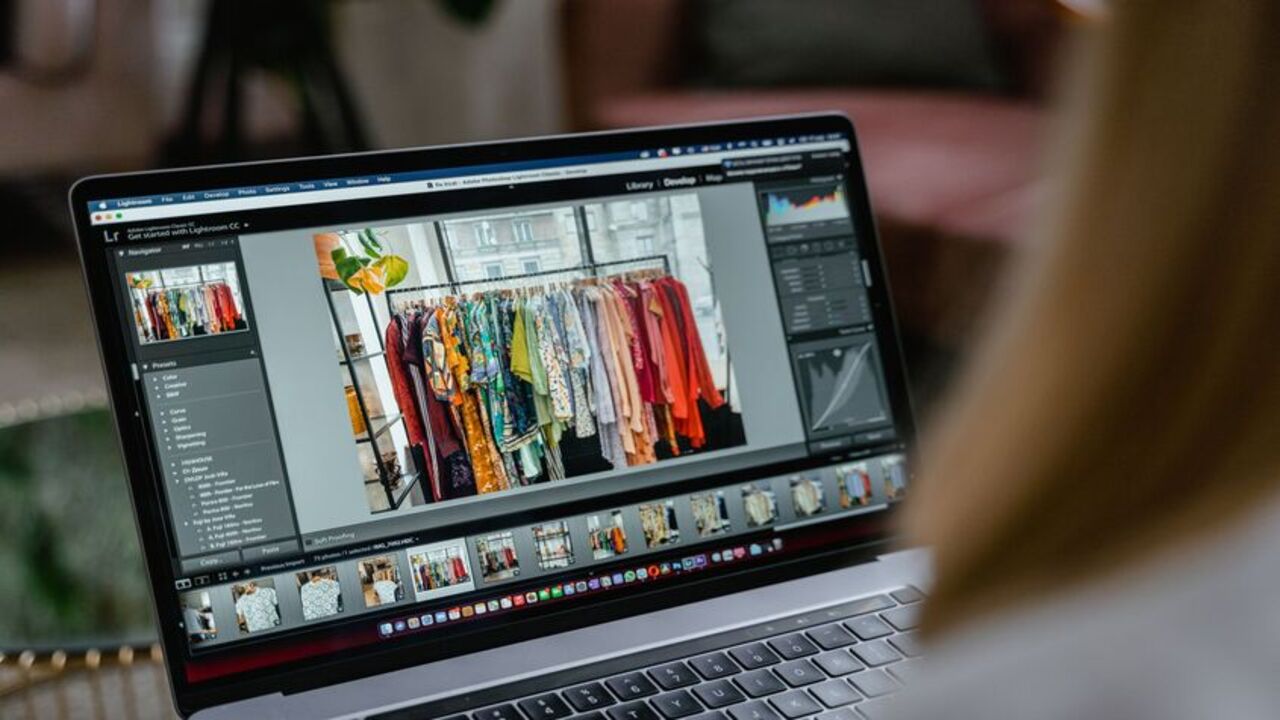
- Strong product photography
- Clear descriptions
- Honest pricing
- Fast response times
- Consistent branding tone
Traffic follows clarity.
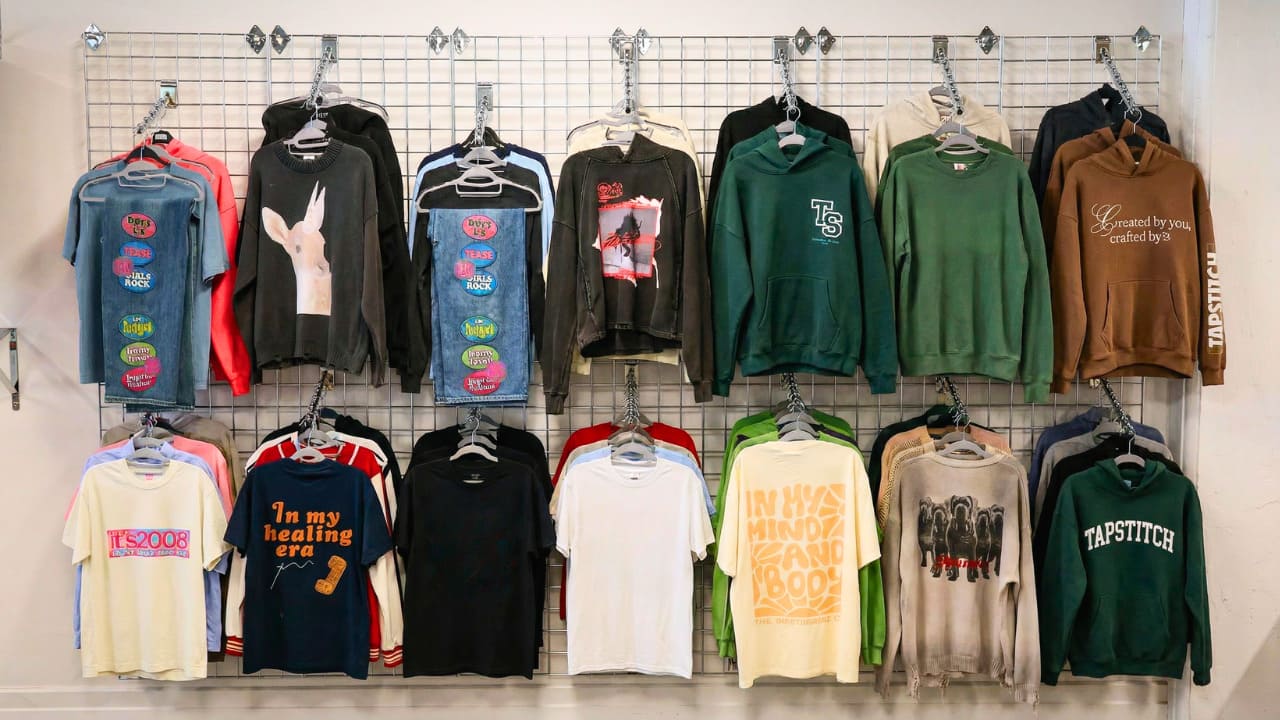
If you are selling fashion, presentation matters. Fabric weight. Fit. Details. That is where serious brands separate from casual sellers.
At some point, you will realize that there are limitations on these platforms. At this point, entrepreneurs transition to full ownership.
If you are ready for full ownership with no MOQ, Tapstitch is for you.
Discover how fashion-forward production can integrate directly into your storefront.
Risks and Considerations Before Selling Online for Free
There are trade-offs to going free.
Be aware of:
- Hidden transaction fees
- Platform rule changes
- Limited customer data access
- Brand dilution
- Algorithm dependency
Your business is not entirely yours if it’s completely contained within someone else’s marketplace. Free is a starting line. Not always the destination.
FAQs
What are the best websites to sell stuff?
It all depends on what you want to achieve. For example, Facebook Marketplace and OfferUp can be good for selling locally. For selling handmade products, Etsy can be good. For having total control over the brand, Shopify and WooCommerce can be better.
What's the cheapest way to start selling online?
The cheapest way to sell online for free is through marketplaces where there are no listing fees. However, for long-term brand builders, the next step is often to own your own store.
How to sell online for free for a beginner?
Start with a marketplace, validate demand, enhance images, and then switch to your own store once sales are stable.
What items sell fastest on free platforms?
High-demand categories move quickly:
- Trendy fashion
- Electronics
- Collectibles
- Unique, limited edition pieces
- Practical household items
In fashion, images and size information help make purchasing decisions.
Wrapping Up on Selling Online for Free
Want to sell online without spending a dime? You can. In 2026. The tools are everywhere. Intention is the only question. If you're looking to sell products casually, you can get by just fine using the current marketplaces. The free platforms will get you started. Ownership will get you ahead.
When you're ready to move from selling to building, then Tapstitch is here to help founders who actually care about the way products feel, fit, and scale. When you want your product to match your ambition, you know where to look.
.png)

.jpg)
.jpg)
.jpg)
.jpg)
.jpg)
.jpg)






.png)



.png)
.webp)

.jpg)










.jpg)


.jpg)

.png)
.jpg)


.jpg)
.jpg)



.jpg)
.jpg)
.jpg)
.jpg)
.jpg)

%20(1).jpg)

.png)

.png)





.png)
.png)


.jpg)

.jpg)
.jpg)