







What is an E-commerce Integration? 10 Best Solutions for Your Brand
.jpg)


Modern fashion brands rely on systems that connect storefronts, inventory, and fulfillment in real time. That connection is e-commerce integration. Without it, brands depend on manual workflows that create errors, slow growth, and limit scale. This guide explains what e-commerce integration is, why it matters, and how to choose the right solution for your brand.
What is an E-commerce Integration?

An integration is a data connection that allows systems to share information automatically. An e-commerce platform acts as the central hub for products and payments, while integrations enable it to communicate with inventory, fulfillment, and other operational tools.
For the modern clothing brand entrepreneur, these integrations let you focus on your creative vision rather than managing data. Systems connected through integrations will work together like a single entity, and this synchronization is crucial for creating and maintaining the professional image required by a luxury brand.
Why You Need E-commerce Integrations?

E-commerce integrations bring your store, orders, and fulfillment together in one smooth workflow. Instead of juggling multiple platforms and manual tasks, integrations help you run a smarter, more scalable business from the start.
Remove Manual Bottlenecks
As a brand grows, manual tasks quickly become a limiting factor. Entering customer data by hand, updating spreadsheets, or managing inventory manually increases the risk of errors and slows operations. E-commerce integrations remove the human bottleneck by automating these workflows, allowing your systems to scale without added friction.
Reduce Errors and Protect Your Brand
A single typo in a shipping address or a missed inventory update can lead to delays, unhappy customers, and damage to your brand’s reputation. Integrations ensure data moves accurately between systems, reducing mistakes and maintaining a consistent, reliable customer experience.
Make Data-Driven Decisions
When your marketing, sales, and fulfillment tools are connected, data becomes actionable. You can clearly see which campaigns drive revenue, which products perform best, and where to invest next. This level of visibility separates hobby sellers from brands that understand and optimize their return on investment.
Deliver a Professional Customer Experience
Automated integrations enable real-time inventory updates, tracking numbers, and post-purchase communications. These touchpoints increase transparency and trust—now considered baseline expectations for any serious clothing brand competing in today’s market.
Different Types of E-commerce Integration
There is no one-size-fits-all solution in this case: Different companies choose a different e-commerce integration to support their day-to-day operations.
Shipping and Fulfillment Integrations

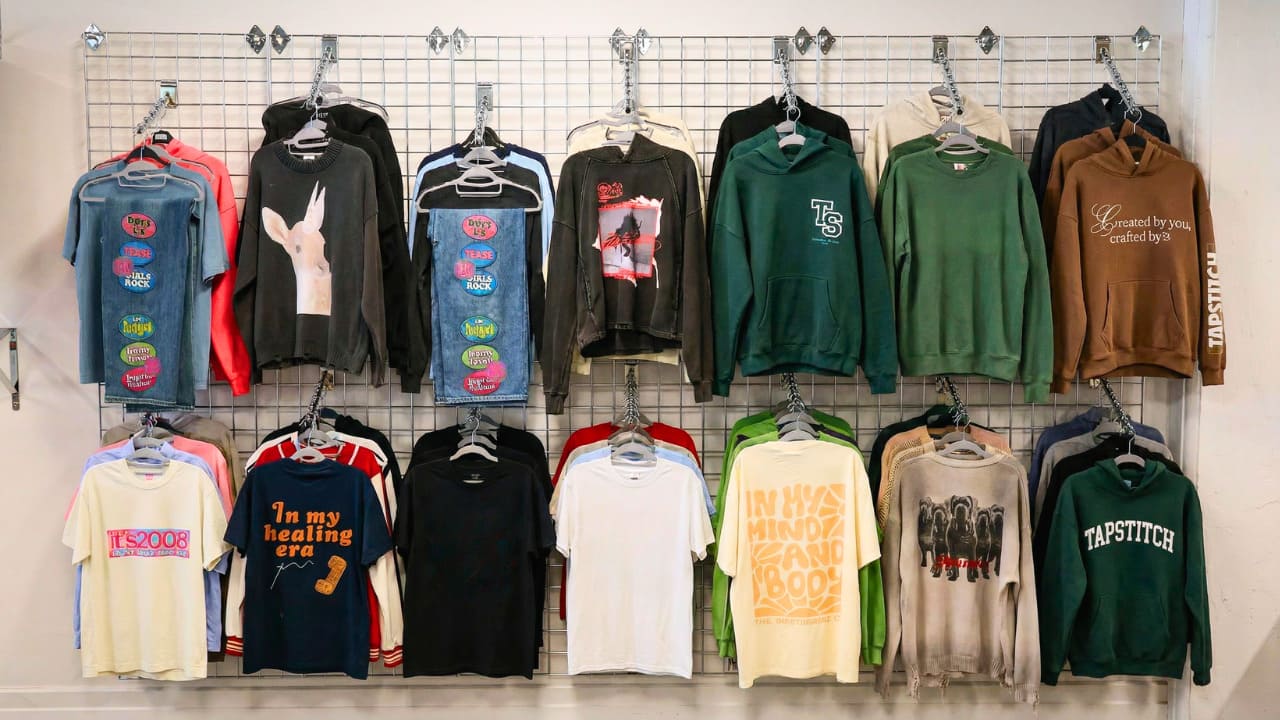
Shipping integrations are a must-have for fashion businesses. These enable connection between your store and shipping services such as UPS, FedEx, or POD solutions such as Tapstitch, which extract order information and provide rates and labels instantly. Fulfillment-specific integrations further update customer tracking information, thus closing the cycle without manual emails. As such, shipping is just as important, if not more, than making the apparel itself when businesses value quality and appearance.
Marketing and CRM Integrations
Marketing integrations help you address your customers as individuals, not just order numbers. You can integrate your store with an email service or CRM to send targeted emails based on purchase behavior. For example, if a person purchases oversized custom t-shirts but hasn’t looked at outerwear, an integrated tool can send them updates on outerwear.
Inventory and ERP Integrations
Inventory integration is critical for brands that maintain their own inventory or work with multiple manufacturers. It is the central source of truth for product availability and helps accurately manage total inventory, whether across channels such as Shopify or pop-up shops.
As entrepreneurs scale, B2B e-commerce integrations enable wholesale sales to reach boutiques through bulk order fulfillment and specialized pricing within the same environment as retail sales.
Payment Gateway Integrations

Although a default payment solution comes with each platform, adding a custom payment gateway can enhance the conversion process. Solutions, including 'Buy Now and Pay Later Options,' commonly used in the fashion industry, can aid in this process. They enable customers to invest in designer items by making several payments for the product, whereas you will receive the entire amount instantly.
Benefits and Drawbacks of E-commerce Integration
Although the benefits of automation are substantial, you should approach e-commerce integration with a balanced approach. Each new software application you add to your suite increases the technical complexity. Strategic brand-building means choosing tools effectively to solve problems rather than creating new ones.
Knowing the challenges ahead enables you to create a robust system.
The Clear Advantages of E-commerce Integrations
- Time Efficiency
Automating data flow through API connections removes repetitive manual work. Orders, inventory, and financial data sync automatically, freeing up hours each week for designing popular shirts and brand building. - Reduced Human Error
Automated data transfers eliminate common mistakes such as typos in shipping addresses or incorrect inventory updates, improving accuracy across operations. - Faster Order Processing
With connected systems, orders move from purchase to fulfillment in minutes instead of days, reducing delays and operational friction. - Improved Customer Trust
Real-time updates and consistent communication create a more professional experience, helping customers feel confident in your brand. - Scalable Operations
Integrated systems allow your business to handle significantly higher order volumes without a proportional increase in overhead.
Potential Drawbacks of E-commerce Integrations
- Ongoing Subscription Costs
Many e-commerce integration tools operate on monthly pricing models, which can add up as your business scales. - Upfront Planning Requirements
Evaluating whether the time saved justifies the cost requires proper budget planning and a clear understanding of operational needs. - Technical Dependency
If an integration fails or an API changes unexpectedly, connected systems may temporarily stop functioning as intended. - Data Accuracy Risks
Misconfigured or broken integrations can transmit incorrect data to accounting or inventory systems, requiring manual correction. - Platform Reliability Considerations
Relying on poorly supported or niche tools can introduce operational risk, making it important to choose well-maintained platforms with strong support.
Solution for Your Online Business
Picking tools that will benefit your brand in 5 years, not just 5 months, is the goal. When choosing an e-commerce platform, flexibility and strong integrations are key. Shopify rules the fashion industry, but it differs from the WooCommerce and BigCommerce platforms.
To assess the value of the integrated system, review the data being shared. It may be only a number or SKU ratings and tracking; more data is better for automation.
Tapstitch allows an easy, visible integration. We'll integrate your business with our manufacturing facility and help you streamline the path from order to finished, high-end production. Our system will incorporate a professional infrastructure and require a small back office.
Top 10 E-commerce Integrations to Consider
To help focus the choices, here are ten core categories and tools that tend to be key to modern fashion brands. These relate to quality and can ensure brand consistency.
1. Klaviyo for Email and SMS
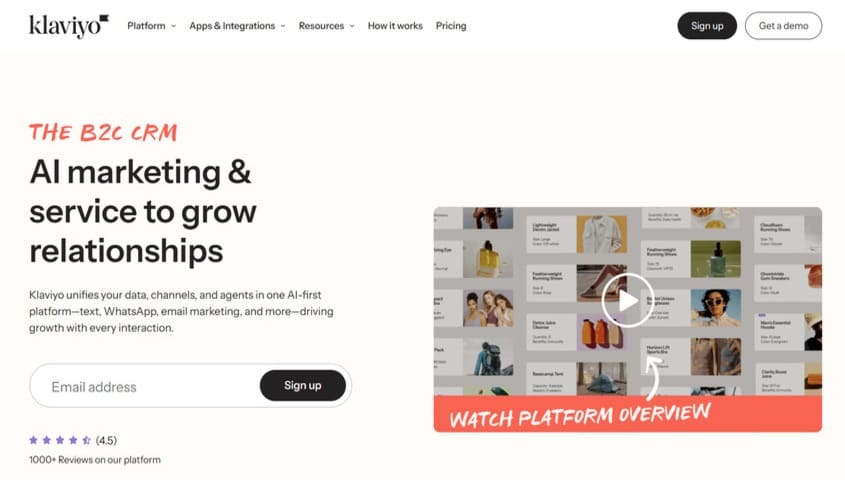
The majority view Klaviyo as the best in class for fashion marketers; its deep integration into e-commerce enables sending email triggered by an individual's browsing behavior, i.e., a style guide after looking at a specific collection, or a thank-you discount to your top 10% of spenders.
2. ShipStation for Logistics
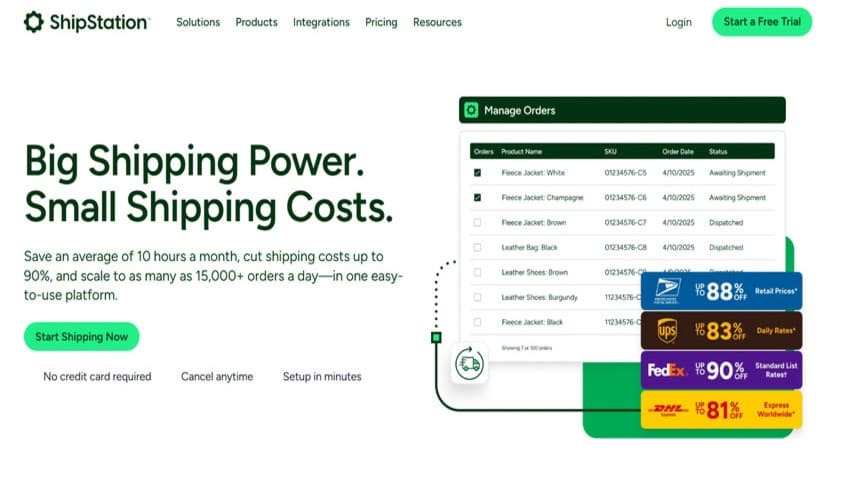
ShipStation is a full-featured platform for managing shipments across multiple carriers, all in one place. With this platform, you can generate customized packing slips and track customer packages using a branded tracking page. For the Fashion Brand, unboxing begins upon receipt of the tracking email. The tracking experience will be on-branded by using ShipStation.
3. Tapstitch for Production and Fulfillment
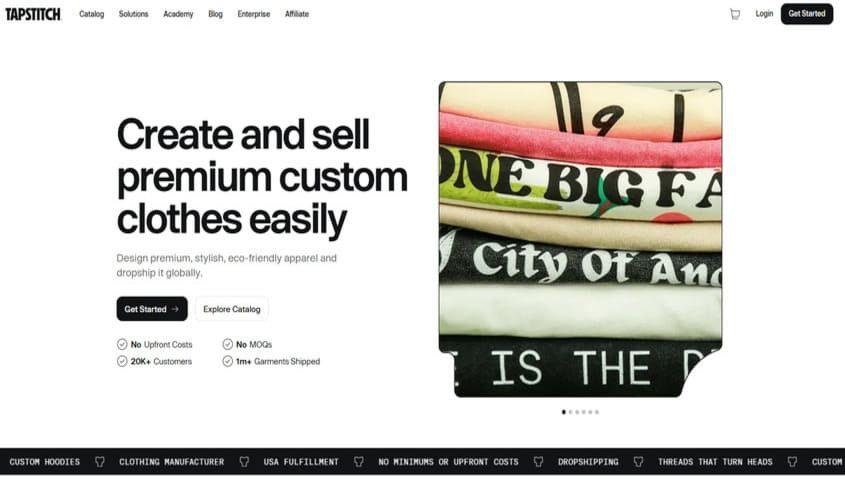
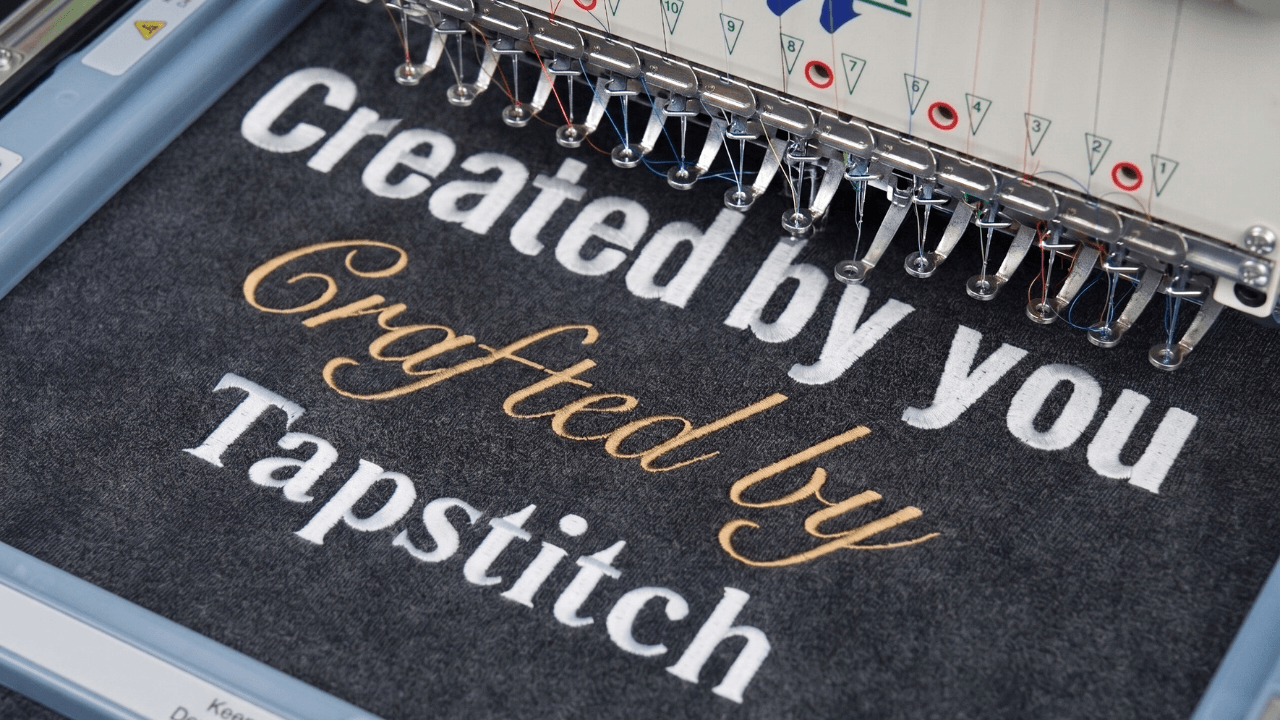
Tapstitch offers a fashion-focused approach to print-on-demand. We integrate with Tapstitch, enabling you to offer high-GSM fabric and designer-fit options without holding inventory for those items. Once an order is received through our system, we will process the data, produce the item according to your specifications, and ship it directly from our location, as if you produced it.
4. Gorgias for Customer Support
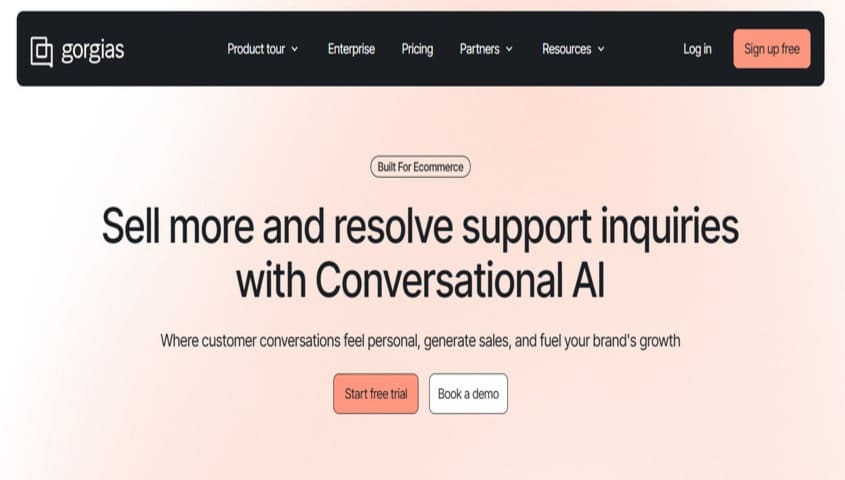
The more customers you have, the more likely your email inbox and/or direct messages on social media will be clogged. With Gorgias, you can connect it to your store to show your support team what the customer purchased alongside their chat conversation. Therefore, avoid going back and forth by determining the order number to provide to the customer, and create a very professional experience for your brand.
5. QuickBooks Online for Accounting
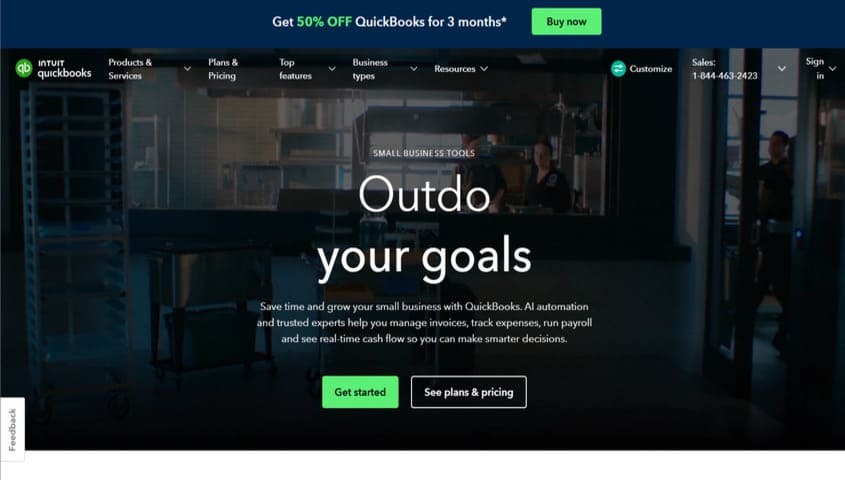
Manually keeping track of your accounting can be very detrimental during tax time. When you connect QuickBooks directly to your sales information, it provides an accurate reflection of all your transactions. It will provide you with a live view of your margins/profitability, both important factors when trying to remain competitive as a fashion brand over time.
6. Smile.io for Loyalty Programs

Community is the lifeblood of the fashion world. Smile.io allows you to build a customer reward program, allowing customers to earn "points" through making purchases, social media interactions, etc. The purpose of connecting your sales information (via Smile.io) is to encourage repeat purchases from first-time buyers and to turn them into long-term advocates for your brand.
7. Matrixify for Bulk Data Management
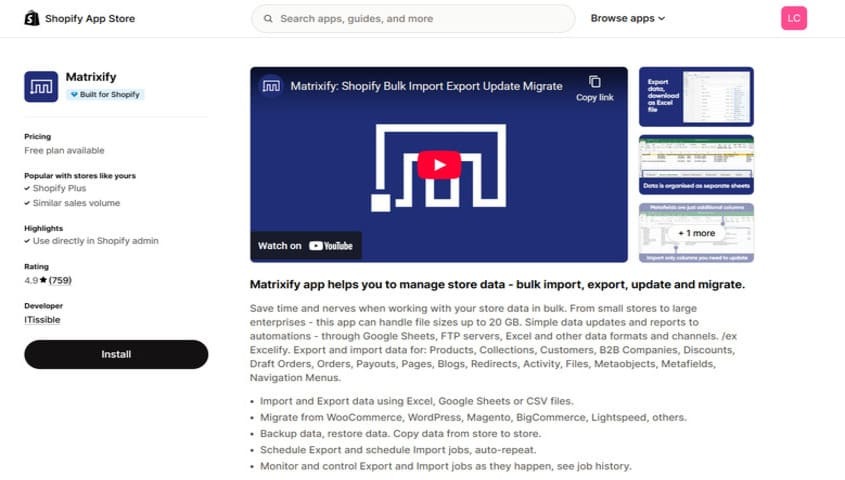
If you have a large catalog or need to update prices across hundreds of items at once, Matrixify is a lifesaver. It allows you to manage your store data via spreadsheets, giving you deep control over your inventory and product descriptions without clicking through every individual page in your dashboard.
8. Afterpay or Klarna for Flexible Payments

In the streetwear and designer space, average order values can be high. Integrating a "pay later" solution can significantly increase your conversion rate by making high-quality garments more accessible to your audience while maintaining your premium pricing structure.
9. Okendo for Product Reviews
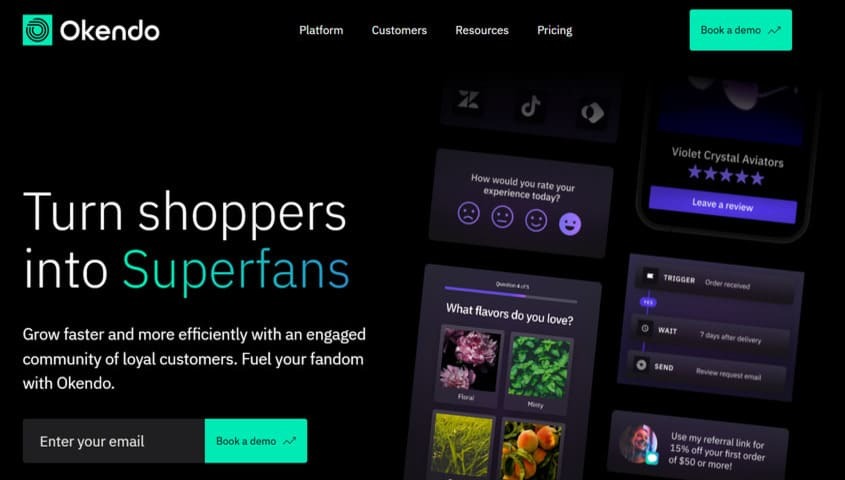
Social proof is vital in fashion. Okendo goes beyond standard reviews by allowing customers to upload photos of themselves wearing your clothes and noting how the items fit (e.g., "runs small"). This data helps future customers choose the right size and reduces your return rate.
10. Rewind for Data Backups
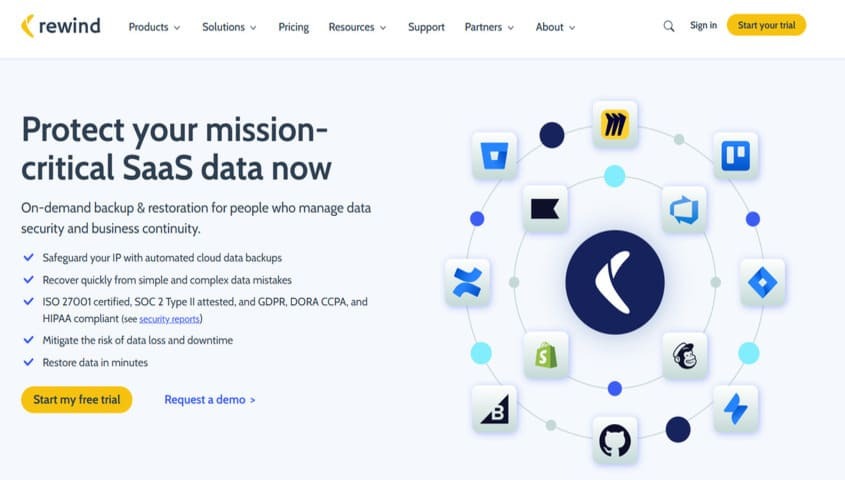
Your store is your most valuable digital asset. Rewind acts as an "undo" button by backing up your theme, products, and integrations daily. If a technical update breaks your site or a mistake is made during a bulk upload, you can restore your store to its previous state in minutes.
E-commerce Integrations: Final Verdict
Building a clothing brand is an exercise in managing hundreds of moving parts. E-commerce integration is the strategy that brings those parts into alignment. By moving away from manual tasks and toward a connected digital ecosystem, you give your brand the professional foundation it needs to compete with established labels.
The goal of utilizing these tools is not just to save time, but to ensure that every touchpoint a customer has with your brand is intentional, accurate, and high-quality. Whether it is through a b2b e-commerce integration for future wholesale partners or a production integration with Tapstitch, these connections are what make a scalable fashion business possible in the modern age.
.jpg)

%20(1).jpg)
.jpg)
.jpg)

.webp)

.jpg)
.jpg)
.jpg)
.png)
.jpg)
.jpg)

%20(3).jpg)



.png)

.jpg)
.jpg)
.jpg)
.jpg)
.jpg)
.jpg)






.png)





.png)

.jpg)














.jpg)



.jpg)

.png)
.jpg)


.jpg)

.jpg)






.jpg)
.jpg)
.jpg)
.jpg)
.jpg)

%20(1).jpg)


.png)

.png)



%20(1)%20(1).jpg)