





10 Best Printful Alternatives in 2026: POD Companies Comparison



Printful is one of the biggest names in print on demand, but that doesn’t mean it’s the perfect fit for every business. Its product range, style, or pricing may not align with your brand’s needs. That’s why exploring other platforms can make all the difference.
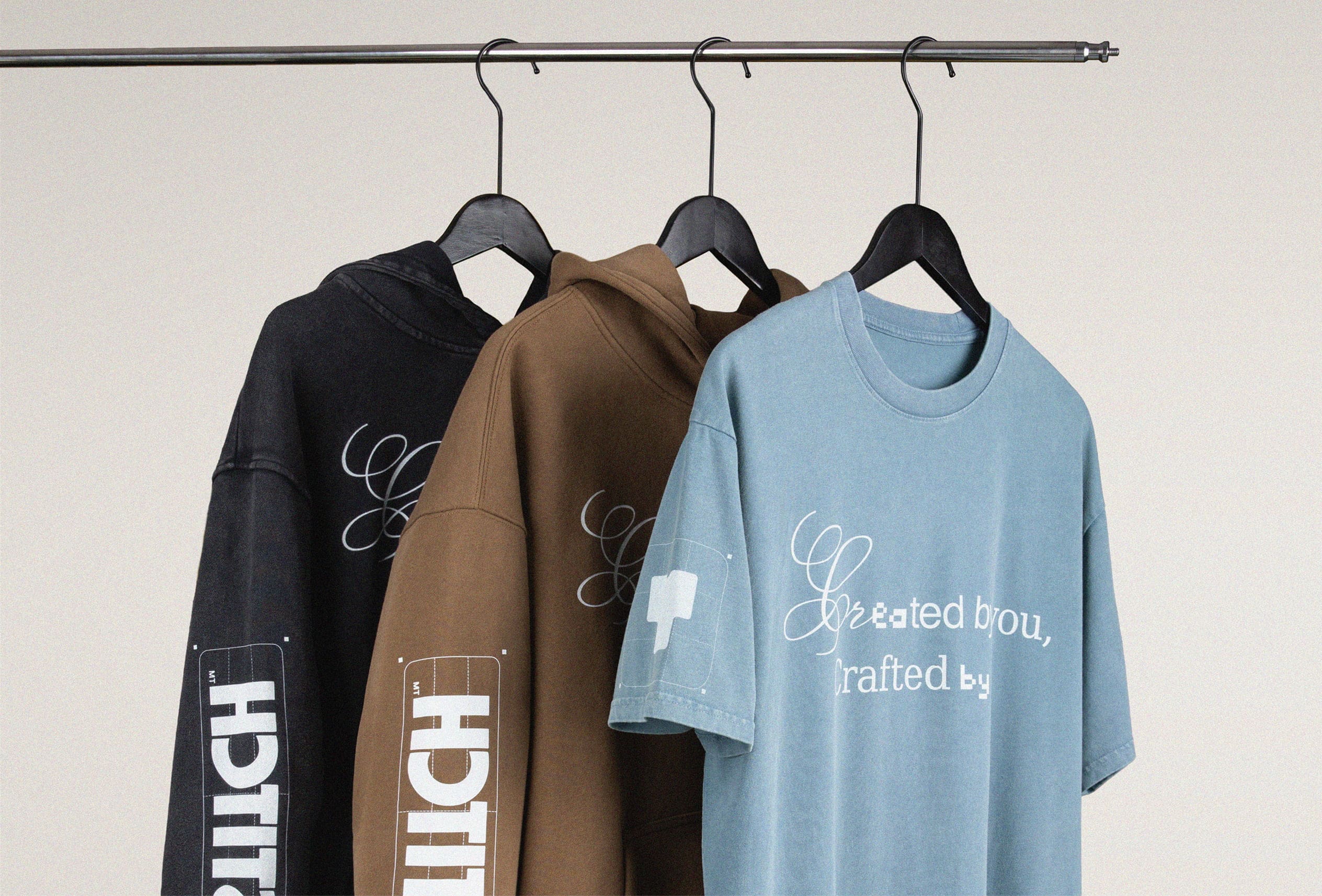
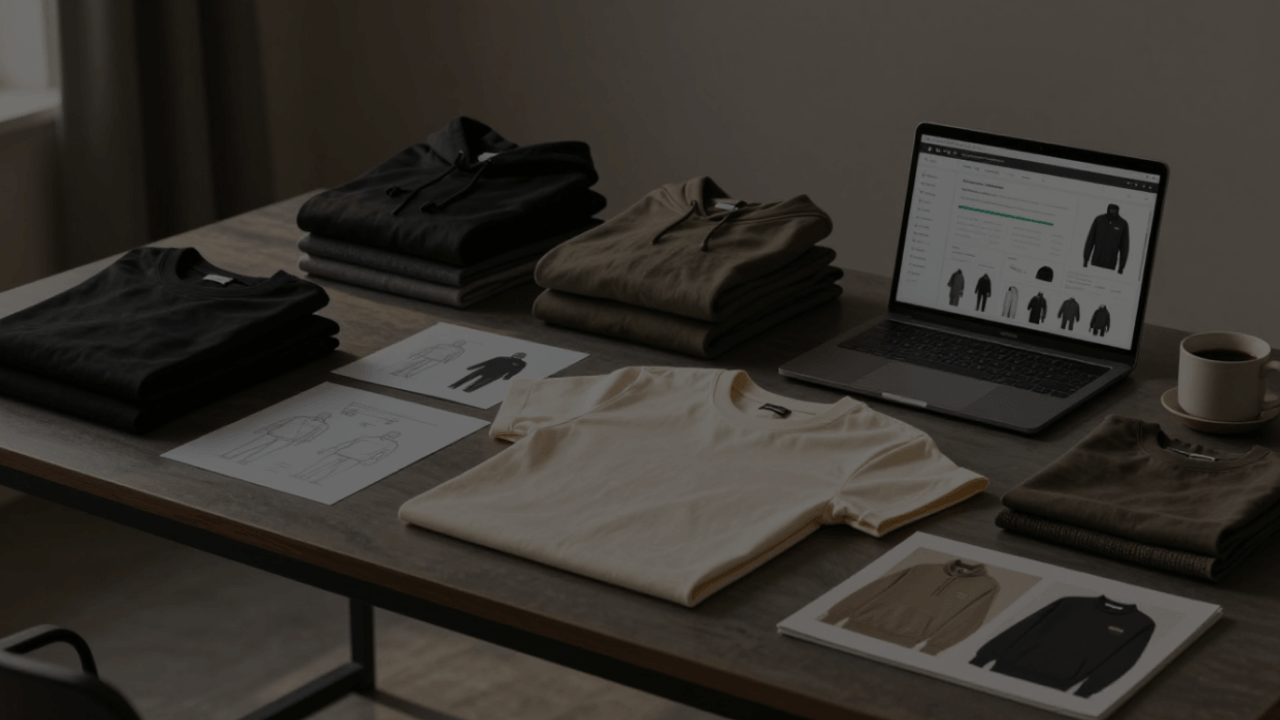
In this guide, we’ve listed 10 of the best Printful alternatives to help you find the right partner for your business. For example, Tapstitch specializes in fashion-forward custom apparel, combining premium fabrics, advanced printing, and global shipping. Flexible branding options, such as custom labels and packaging, help your store stand out in a competitive market. We’ll compare each platform from different angles, so you can choose the one that fits your goals best.
When Should You Look for a Printful Alternative?

If you’ve ever dipped your toes into print-on-demand, chances are you’ve come across Printful. It’s one of the biggest names in the game — and honestly, for good reason. It’s super easy to use, reliable, and plays nicely with most e-commerce platforms.
But as your business starts to grow, you might notice a few limits here and there. That’s totally normal! Looking for POD sites like Printful isn’t about giving up on something that works — it’s about finding the right match for where your brand is headed next.
Here are a few reasons why it might be worth checking out other options.
1. Profit Margins
Its base product and shipping costs are usually higher than most print-on-demand platforms, which can quietly eat into your margins — especially if you’re in a competitive niche or running ads.
To put it simply, what might cost around $14 on Printful could be just $9–10 elsewhere for the same print quality. That gap adds up fast when you start scaling.
2. Limited Customization
While Printful covers the basics, its customization options are pretty limited — things like inside labels, hang tags, or custom packaging aren’t always available. And if you’re trying to build a brand that really stands out, that lack of flexibility can make your products feel a bit too generic. Choosing a platform that supports full creative ownership isn’t just about aesthetics — it’s a smart long-term move for your business growth.
3. Product Quality and Range
Printful offers a solid catalog, but its focus leans toward standard basics — custom T-shirts, hoodies, and accessories that many sellers already use. For creators building a unique brand, that limited variety can make it difficult to differentiate their store or keep up with fashion trends.
Like Tapstitch, expand beyond basic POD clothes by offering fashion-forward designs that reflect current market aesthetics. This wider creative range helps brands stay fresh, appeal to niche audiences, and express a distinct identity instead of blending into a generic product lineup.
Top 10 Printful Alternatives You Should Know
We’ve put together a list of 10 of the best Printful-like POD companies, clearly comparing their features, pros and cons, and pricing.
This makes it easy for you to choose the POD supplier that best fits your brand and your needs.
1. Tapstitch
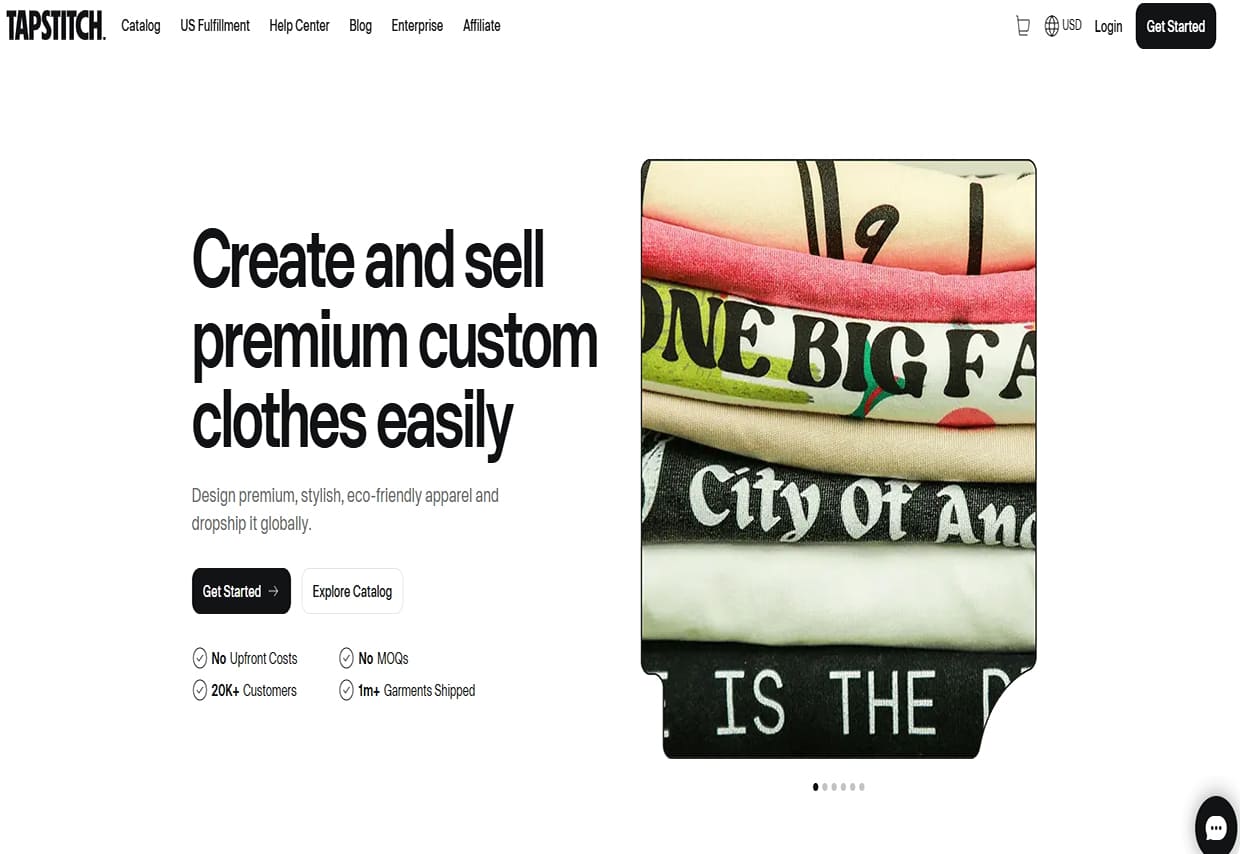
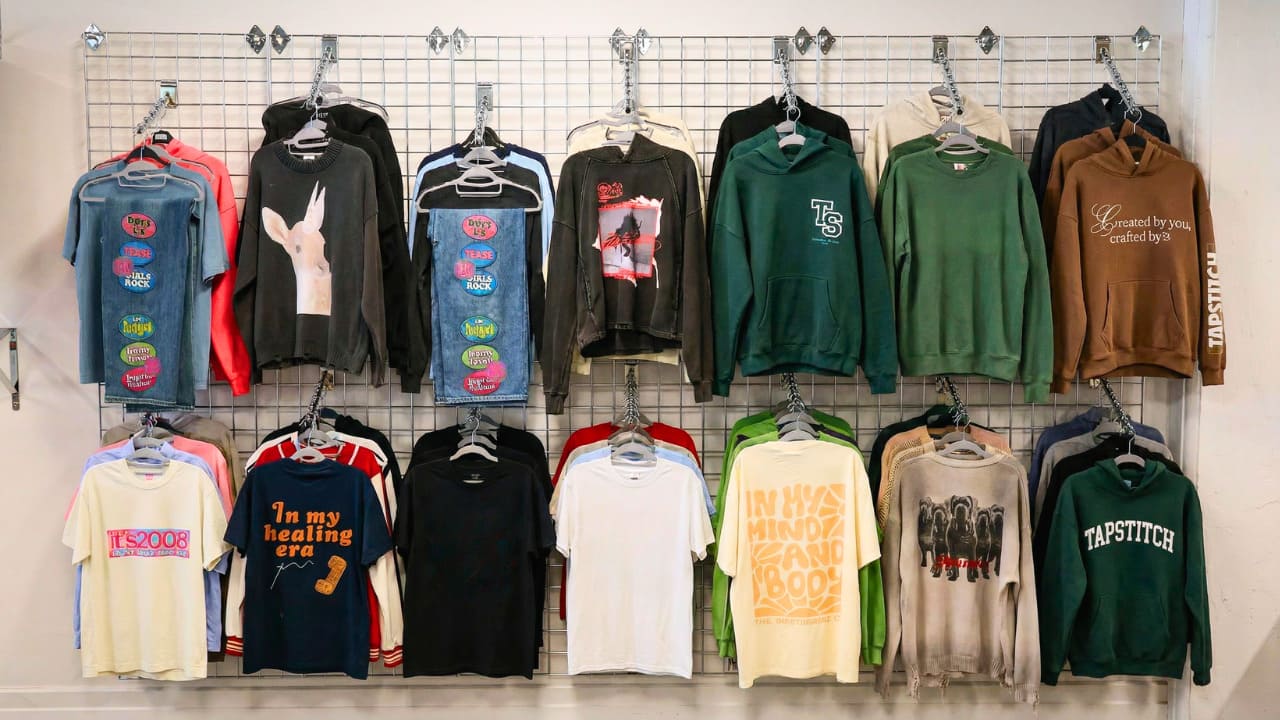
Tapstitch stands out among Printful competitors by focusing on fashion-forward apparel. While most POD platforms stick to basic styles, Tapstitch lets you customize trending pieces — sometimes even ones that just blew up last week and list them in your store with your own unique designs.
With both international and U.S. shipping routes (deliver in 5–7 days), you can reach customers worldwide while choosing the most cost-effective option.
Its user-friendly design tool makes creating custom apparel a breeze, even for beginners. You can easily remove backgrounds, tweak your design, and get your product ready in minutes — no paid tools required.
Tapstitch also integrates seamlessly with major eCommerce platforms, so every sale automatically moves from production to your customer’s doorstep. All that’s left for you to do? Focus on growing your brand.
Key Features of Tapstitch
- Stay Ahead of Trends: Access fashion-forward apparel styles that instantly elevate your brand’s image.
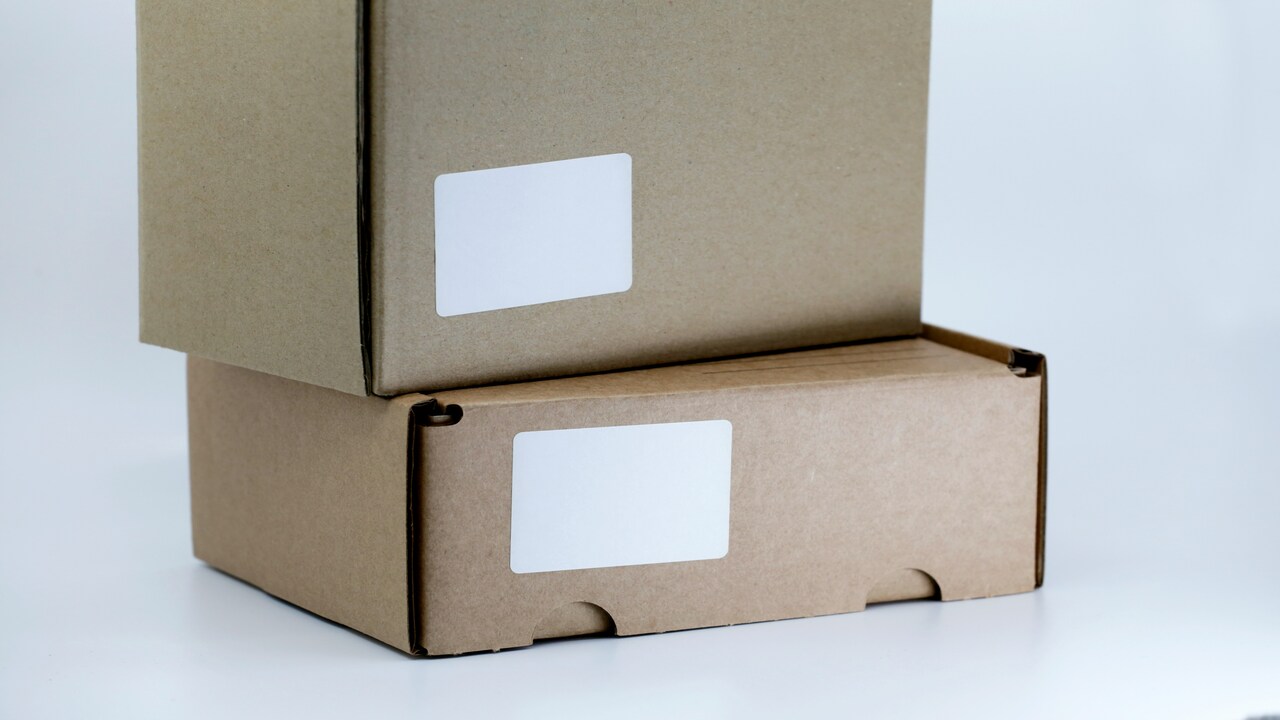
- Your Brand, Your Packaging: Customize neck labels and outer packaging to make every order feel truly yours.
- Global Reach, Fast Delivery: Ship anywhere in the world with delivery times from 5–7 days.
- Premium Quality, Surprising Prices: Get high-end pieces without the low cost.
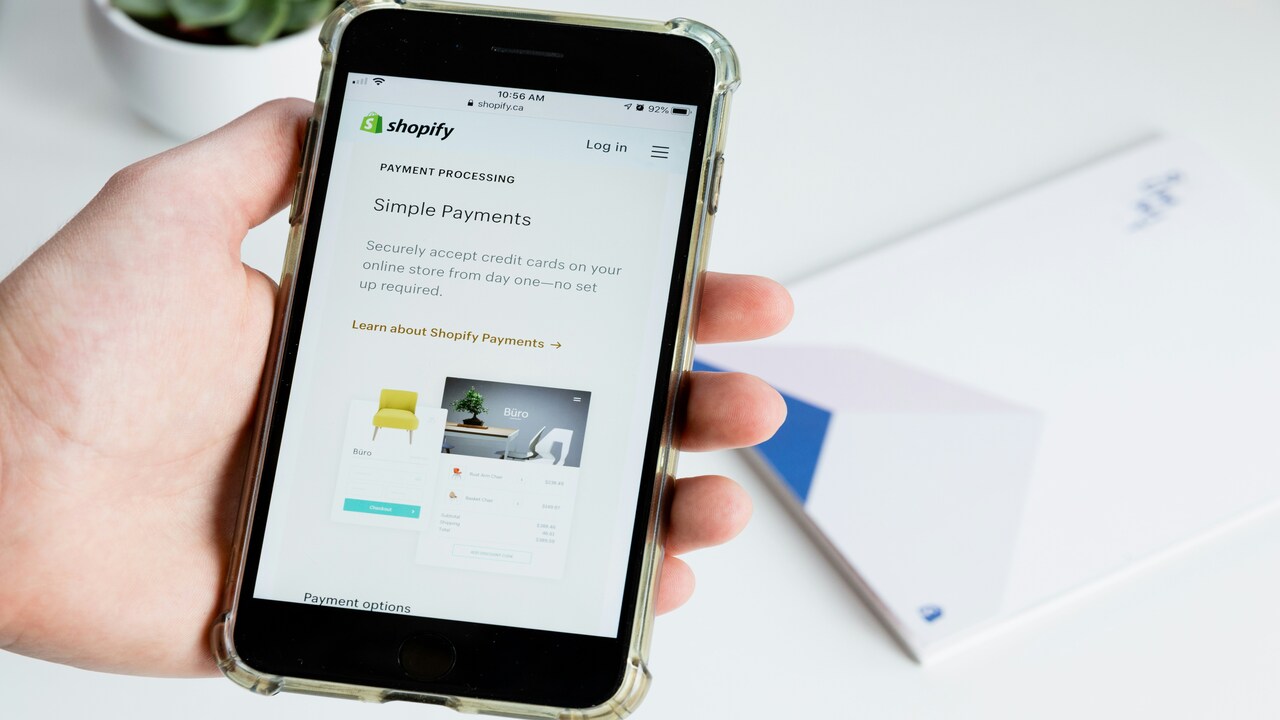
- Seamless Integrations: Connect effortlessly with Etsy, Shopify, WooCommerce, and more.
- Multi-Currency Wallet: Manage your business globally with flexible, multi-currency payments.
Pros and Cons
Pros:
- No minimum order requirements
- High-quality products at competitive prices
- Trendy, fashion-forward product selection
- Wide print areas, including sleeve printing
- Diverse customization options
Cons:
- Limited to apparel, yet this specialization ensures top-tier quality and trend-driven styles.
Pricing
- Tapstitch is completely free to use, with no subscription fees or hidden costs
2. Gelato
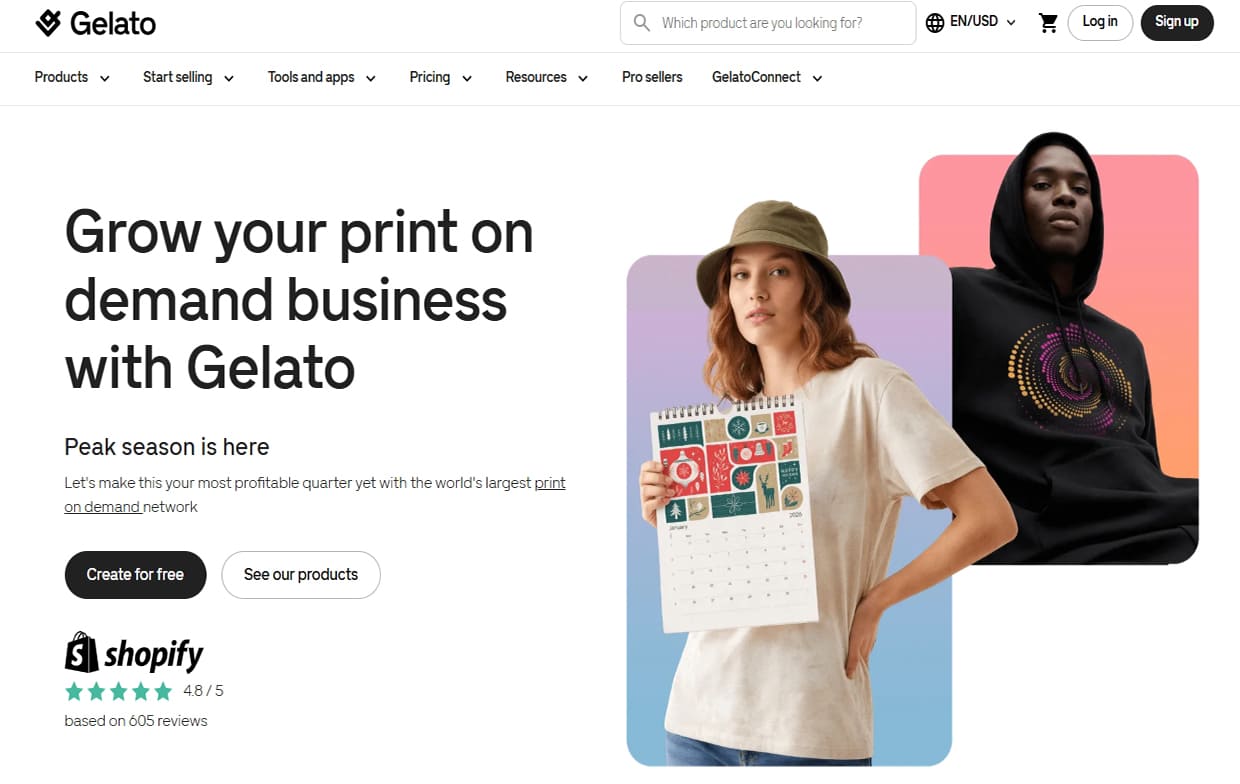
Gelato is another major player in the global print-on-demand space. It’s designed to help creators and businesses produce and sell custom products worldwide — all without managing inventory. One of Gelato’s main selling points is its network of local print partners in more than 30 countries. By printing orders closer to customers, it can help reduce shipping costs, shorten delivery times, and lower the overall environmental footprint.
While Gelato emphasizes sustainability and local production — something that resonates with eco-conscious consumers — its broad focus sometimes means less depth in niche areas like advanced apparel customization or fashion-driven design. Still, for brands prioritizing global reach and diverse product options, it’s a platform worth keeping an eye on.
Key Features of Gelato
- Global Local Printing: Uses a network of regional print partners to produce orders closer to customers
- Wide Product Range: Covers everything from apparel and mugs to wall art, giving sellers plenty of product variety
- Seamless Integrations: Connects easily with Shopify, Etsy, and other major eCommerce platforms for smoother workflow management
- Sustainable Printing Options: Emphasizes local production to reduce carbon emissions and offers eco-friendly materials
- Automated Fulfillment: Handles production and order processing automatically
Pros and Cons
Pros:
- Local printing speeds up delivery and reduces shipping costs.
- Diverse product catalogs, including non-apparel items.
- Supports multiple eCommerce integrations.
- Environmentally conscious production options.
Cons:
- Some advanced apparel options (like embroidery or sleeve prints) are limited compared to specialized clothing PODs.
- Branding tools and premium packaging are locked behind paid plans.
- Shipping times and rates can vary in remote or less-covered countries.
Pricing
- Gelato’s pricing structure is fairly straightforward, offering options that fit different business sizes:
- Free Plan: No setup fees or monthly subscriptions, and no minimum order requirements. You simply pay for the product, printing, and shipping when a customer places an order.
- Gelato+ Plan: Priced at around $23.99/month (or $239.88/year, roughly $19.99/month). This plan unlocks up to 35% product discounts, along with extra branding options, custom packaging, and detailed store analytics.
- Enterprise / Gold / Platinum Plans: Pricing is customized, with perks like volume-based discounts, dedicated account management, and optimized logistics.
3. Gooten
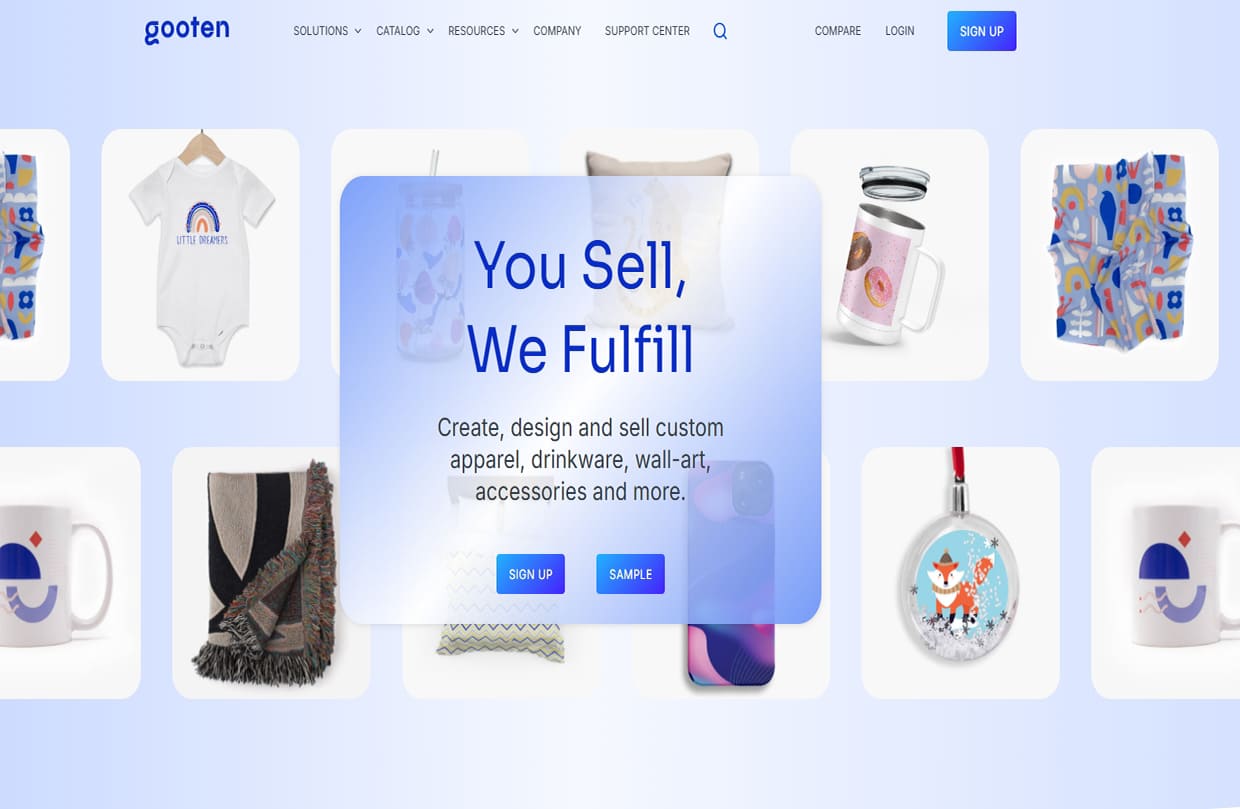
Among Printful’s competitors, Gooten stands out for its flexible production model and wide product selection. Instead of managing its own print facilities like Printful does, Gooten partners with a global network of manufacturers. This setup allows orders to be routed to the nearest production site, often resulting in faster turnaround times and reduced shipping costs.
With more than 500 customizable products, Gooten goes beyond the usual apparel lineup — offering everything from home décor and wall art to mugs, tote bags, and lifestyle accessories. For sellers looking to diversify their catalog or explore new niches, that range provides plenty of room to experiment without holding inventory. The platform is free to use, with no setup or subscription fees, and it integrates smoothly with Shopify, Etsy, and WooCommerce.
Key Features of Gooten
- Global Production Network: Partners with multiple print facilities around the world, allowing orders to be fulfilled closer to customers
- Extensive Product Catalog: Offers more than 500 customizable items, including apparel, drinkware, wall art, and accessories
- Seamless Integrations: Connects easily with leading eCommerce platforms like Shopify, Etsy, and Tiktok Shop
- Automation & API Access: Provides tools for automated order processing and API integration, supporting efficient scaling for growing businesses
Pros and Cons
Pros:
- Wide product selection.
- Global fulfillment network.
- Easy integrations with major e-commerce platforms.
Cons:
- Product and shipping costs can be slightly higher.
- Quality may vary by production partner.
- Limited advanced branding options.
- Not applicable to startup brands.
Pricing
- No setup or monthly fees. You only pay for production and shipping once an order comes in.
4. Printify
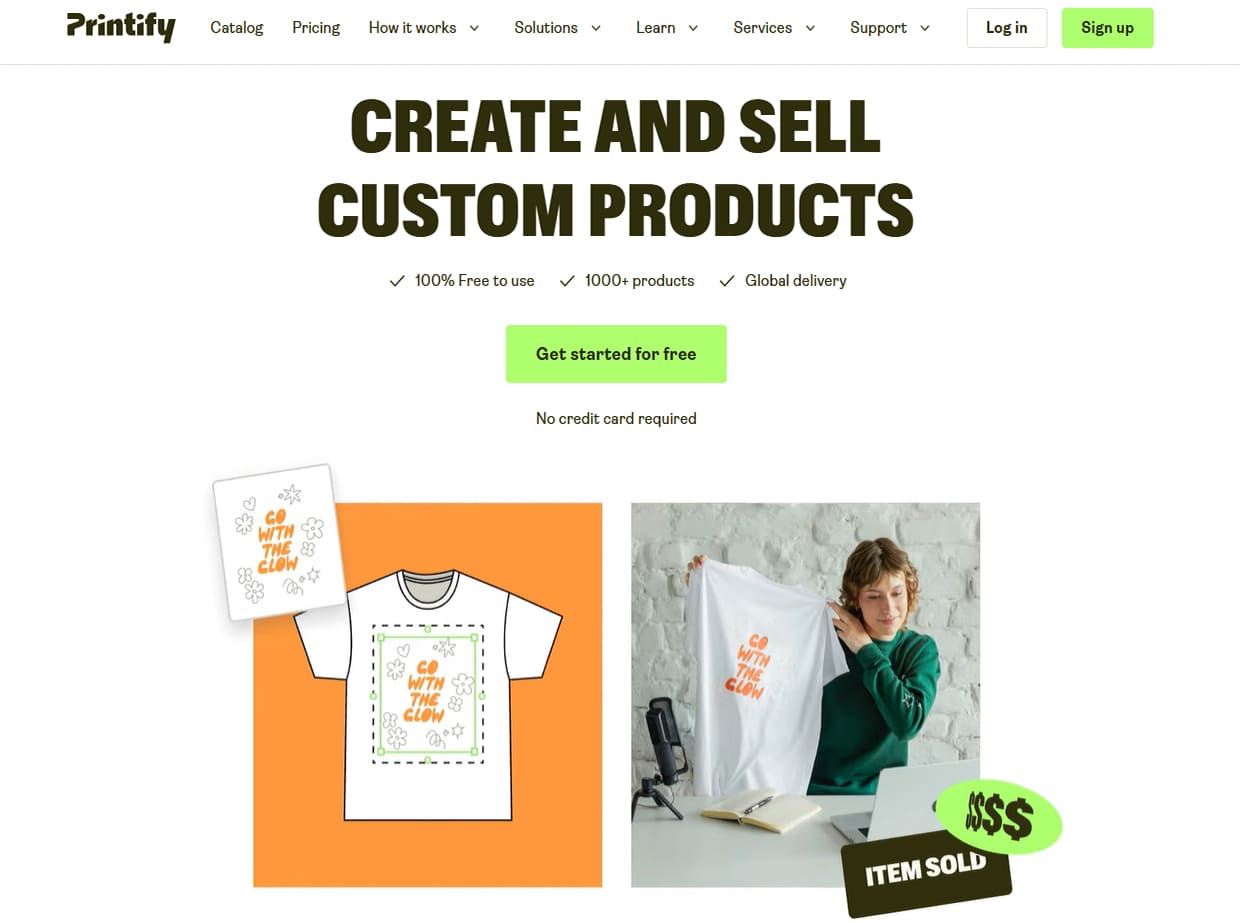
Printify stands out in the POD space due to its supplier-marketplace model, which is fundamentally different from Printful’s vertically integrated system. Instead of owning production facilities, Printify connects merchants to a global network of independent print providers. This structure gives sellers significantly more flexibility in pricing and regional fulfillment, but also introduces variability in product quality and logistics.
What makes Printify a strong Printful alternative is its emphasis on cost efficiency and scalability. With over 1,300 SKUs across apparel, home goods, and lifestyle items, it’s one of the most product-diverse POD platforms. For brands that prioritize higher margins or wide product experimentation, Printify’s supplier competition typically results in lower base prices than Printful.
However, the decentralized fulfillment system means quality control depends heavily on the provider selected—an operational trade-off merchants need to actively manage.
Features
- Decentralized Production Network: Sellers can choose from multiple suppliers for the same item.
- Competitive Pricing Dynamics: Supplier competition often pushes base prices lower than many traditional POD setups.
- Wide Product Selection: With more than 1,300 products, Printify offers one of the broadest catalogs in the sector.
Pros and Cons
Pros:
- Lower average base prices compared to Printful
- Choose suppliers freely
- Works well for international selling
Cons:
- Quality can vary between suppliers since production isn’t centralized.
- Shipping costs and delivery times differ by provider, making pricing less predictable.
- Multi-item orders may ship from separate locations, which adds logistical complexity.
- Branding options are more limited compared to platforms with in-house production, like Tapstitch.
Pricing
Printify’s pricing structure is tiered, and each level tends to suit different types of sellers:
- Free Plan ($0/month)
Gives access to the full platform, with support for up to five stores. This setup generally works fine for new sellers or anyone testing product ideas without long-term commitments. - Premium Plan ($29/month or ~$24.99/month annually)
Includes notable product-cost discounts—often up to around 20%. This plan is typically more practical for merchants who prioritize margin efficiency or expect consistent monthly order volume. - Enterprise (Custom Pricing)
Designed for high-volume brands that need dedicated support, API features, or deeper negotiated discounts.
Across all tiers, sellers still pay per product and fulfillment, which keeps the core costs tied directly to order activity rather than platform use.
5. Spring
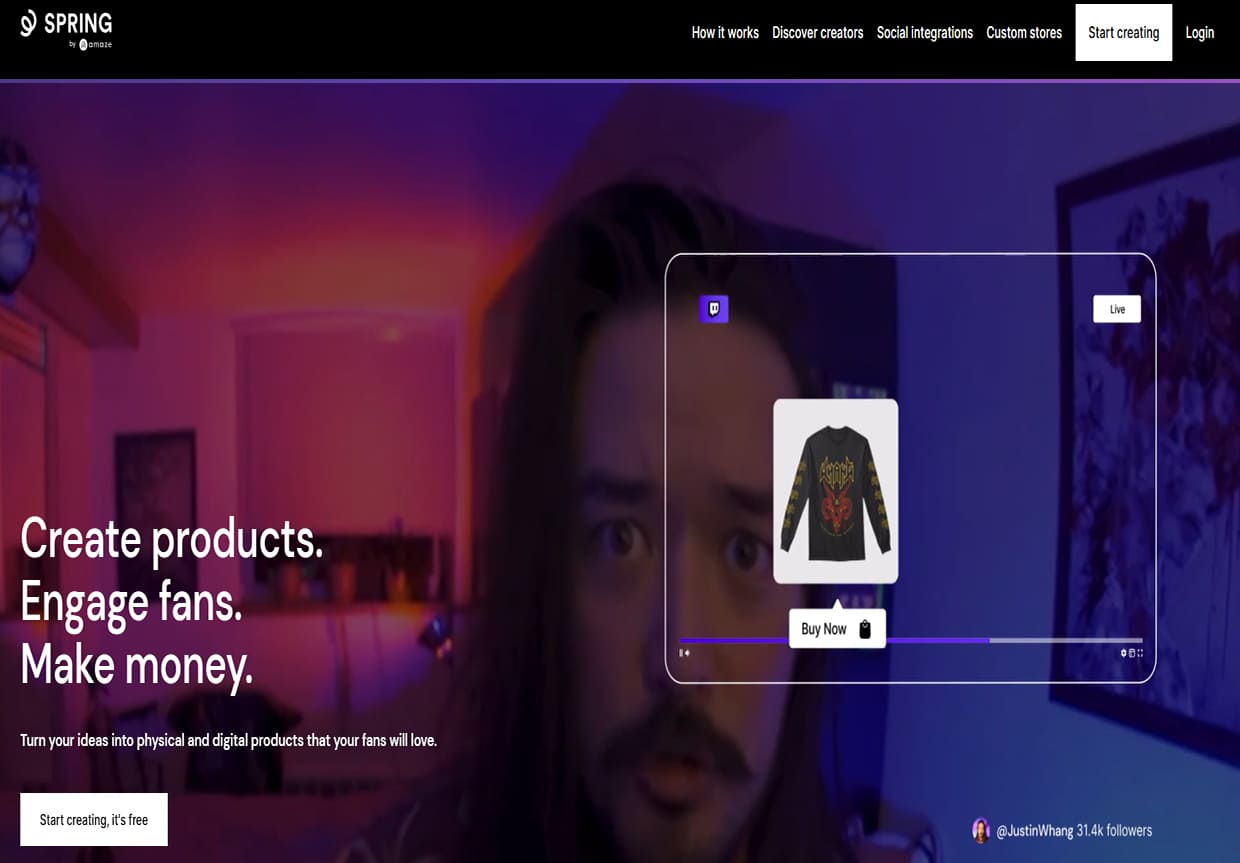
Spring (still known to many as Teespring) operates a bit differently from typical POD platforms. It’s built mainly for creators who already have an audience on social platforms, and its workflow is designed around that use case. Instead of managing suppliers or choosing from multiple printers, creators upload a design, publish it to their Spring storefront, and the platform handles production, shipping, and customer service in the background.
The product range isn’t as broad as what you’ll find on larger POD sites, but Spring’s strength lies in simplicity. It’s intentionally set up for quick merch drops and low-effort store management, which is why it’s often used by influencers, streamers, and anyone monetizing their social presence. Its direct integrations with YouTube, Instagram, and TikTok also make it easier for creators to connect their merch to their existing audience without needing technical setup or upfront costs.
Key Features of Spring
- Creator-first storefront tools: Let you set up a branded page and sell directly to your audience without running your own website
- A merch-oriented product lineup centered on apparel and accessories commonly used by creators
- No upfront or subscription fees: earnings come from the margin you add on top of Spring’s base pricing
- Integrations with major social platforms like YouTube, TikTok, Instagram, and Twitch
Pros and Cons
Pros:
- Simple setup process
- Strong social platform integrations
Cons:
- Lower profit margins. Spring’s base prices tend to run higher than those of other POD platforms.
- Payout times can be slow (reports mention 7–10 business days)
- Not the best fit for long-term ecommerce brands
Pricing
- No monthly costs or platform fees; Spring is free to get started with.
6. SPOD
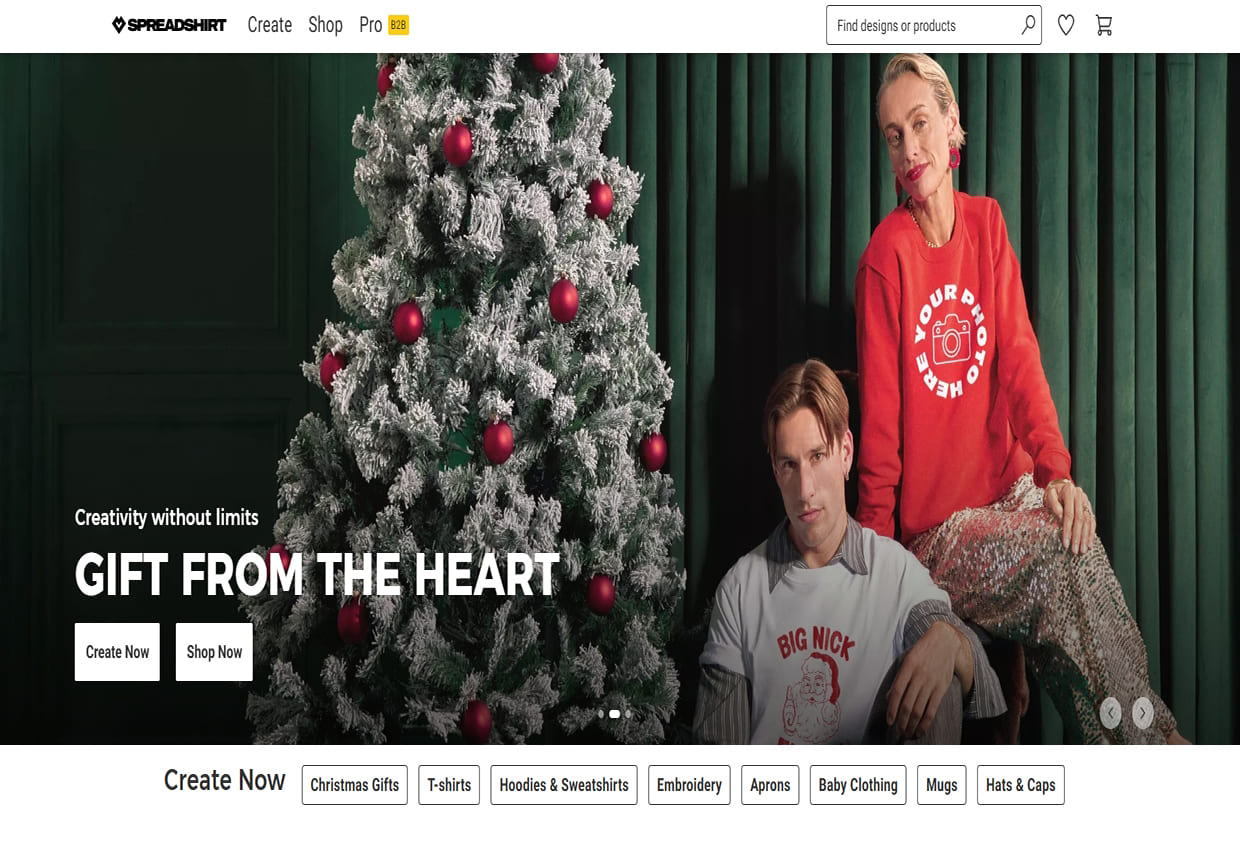
SPOD (Spreadshirt Print-On-Demand) operates as Spreadshirt’s in-house fulfillment arm, which gives it a different structure than many POD platforms. Because SPOD runs its own production facilities in the U.S. and Europe, it’s able to turn orders around quickly — most are packed and shipped within about 48 hours.
Its catalog is relatively narrow compared to larger POD marketplaces, covering a bit over 200 items across apparel, basic accessories, and select home goods. The limited range reflects its focus on standardized production rather than broad product experimentation. Since SPOD controls manufacturing internally, quality and pricing tend to be more consistent, though the trade-off is reduced product diversity.
Key Features of SPOD
- Fast turnaround times: Most orders are produced within about 48 hours
- In-house fulfillment in the U.S. and EU, allowing SPOD to manage production directly and keep regional shipping routes relatively efficient.
- Integrations with major e-commerce platforms, including WooCommerce and Squarespace.
Pros and Cons
Pros:
- Fast production.
- Base prices are generally competitive.
- Fulfillment tends to be consistent, with fewer reported issues.
Cons:
- Smaller product catalog compared to broader POD marketplaces like Tapstitch or Printful.
- Limited branding customization options.
- International shipping can be high, depending on the destination.
Pricing
- SPOD is free to use — there are no monthly or platform fees
- Payments are processed through batch authorization, meaning charges go through once you hit a set order or value threshold (e.g., 30 orders or around US$300), which can make cash-flow tracking a bit easier.
7. Prodigi
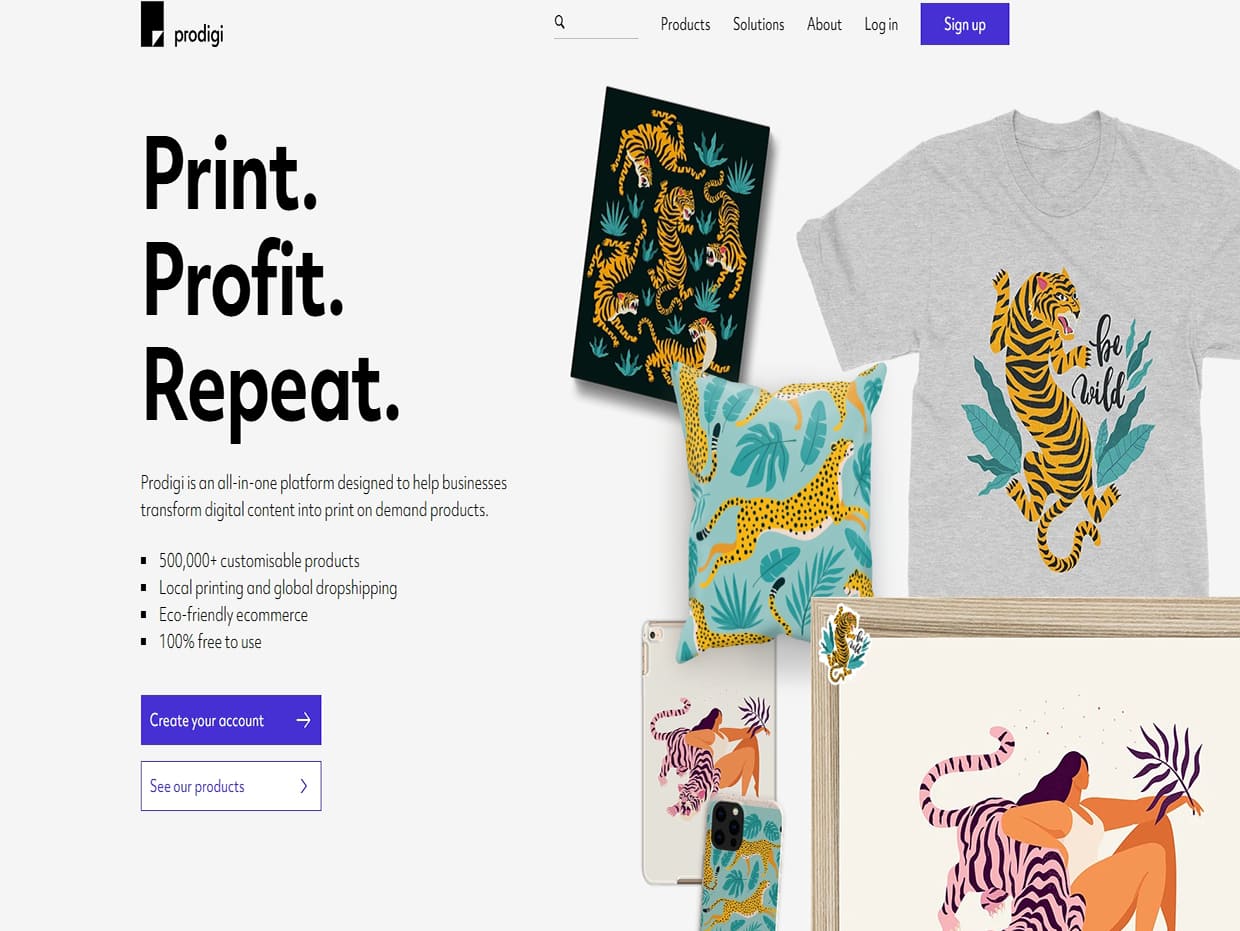
Prodigi operates as a hybrid print-on-demand provider, combining its own production facilities in the UK, Europe, and the U.S. with a wider network of more than 50 partner print suppliers across multiple countries. This structure allows many orders to be produced locally, which can shorten shipping times and reduce both delivery costs and overall environmental impact.
The platform is best known for its very large catalog — reportedly over 500,000 customizable products — ranging from fine art prints and framed wall art to apparel, home goods, tech accessories, and stationery. The emphasis across their model is consistency, localized fulfillment, and a stronger focus on print quality and sustainability compared to some other POD networks.
When discussing Printful competitors, Prodigi often comes up in conversations centered on large catalogs, global reach, and quality-focused production rather than fast-fashion or trend-driven merchandise.
Key Features of Prodigi
- Massive Product Range: Over 500,000 SKUs, from premium prints and wall art to apparel
- Hybrid & Global Fulfillment: Combines in-house printing with a large network of global partners
- Eco-Friendly Options: Uses sustainable materials (organic cotton, recycled substrates), local production to reduce carbon footprint
Pros and Cons
Pros:
- Ideal for fine art, framed prints, and canvas work
- Huge product variety
Cons:
- Subscription “Pro” required for the best discounts and branded packaging: £35–£40/month.
- For small sellers, the Pro plan cost might outweigh the benefit unless they’re ordering at scale.
Pricing
- Free Tier: A no-cost account with no setup fees or monthly charges. This works for sellers who want to test the platform or run low-volume operations without committing to a subscription.
- Prodigi Pro Plan: $47/month (annual) or $55/month (month-to-month)
- Includes product discounts in the ~10–25% range, which can matter more for higher-volume stores.
- Offers reduced rates on branded packaging inserts (such as stickers, thank-you notes, or flyers), with discounts of up to about 75%.
8. Redbubble
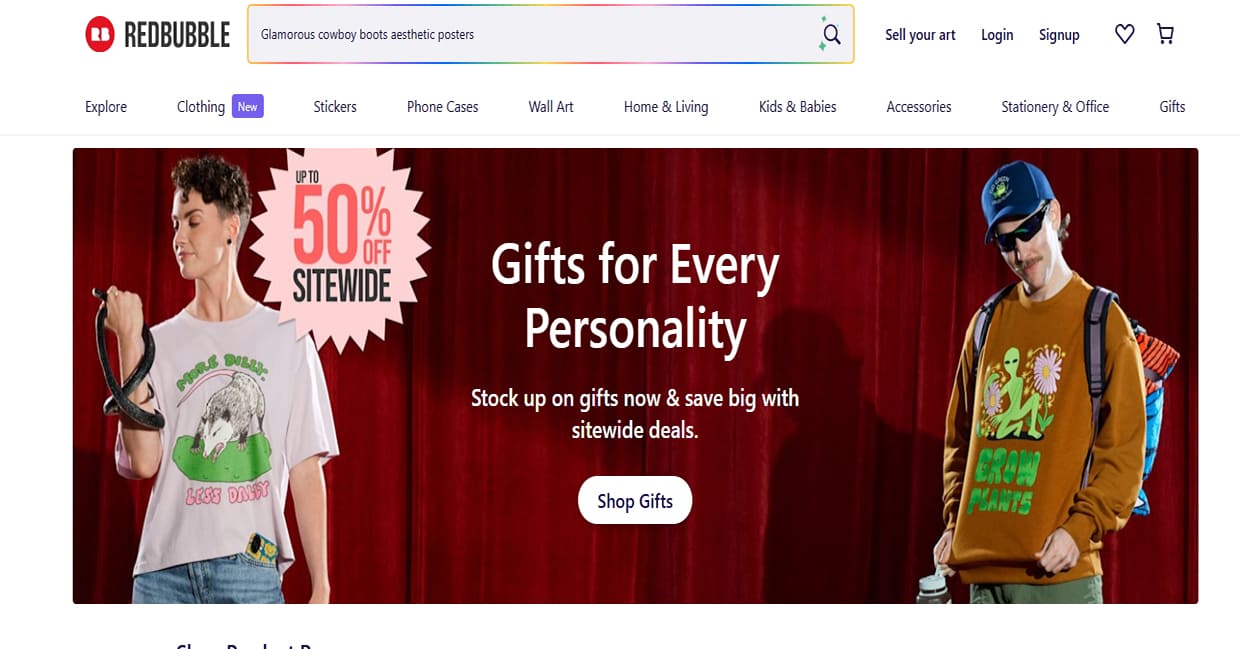
Redbubble operates as an online marketplace rather than a traditional print-on-demand supplier. Artists upload designs, choose which products to offer, and set their own markup (Redbubble refers to this as the “artist margin”). From there, the platform manages production, packaging, and shipping.
Because Redbubble attracts its own consumer traffic, creators don’t need to run an independent storefront or handle fulfillment logistics. This setup is useful for testing artwork, validating demand, or generating passive sales for items like apparel, phone cases, wall art, and other merchandise. The trade-off is that sellers operate within a marketplace ecosystem, which comes with its own rules, pricing structures, and competitive visibility challenges.
Key Features of Redbubble
- Artist Margin Control: You can set your own markup on every product, giving you full control over how much you earn per sale
- Extensive Product Catalog: Redbubble offers a wide variety of items, including apparel, stickers, mugs, wall art, home decor, and more
- Built-In Marketplace Exposure: Your designs become part of Redbubble’s global marketplace, giving you access to an existing customer base without needing to drive your own traffic
- No Upfront Costs: It’s free to join, upload designs, and list products
Pros and Cons
Pros:
- Low barrier to entry
- Built-in marketplace traffic
- Access to a global audience
Cons:
- Profit margins can be relatively low.
- High competition
Pricing
Free to Use
- Creating an account, uploading designs, and listing products on Redbubble are all free. Sellers only earn when a customer purchases one of their enabled products.
How Costs Are Calculated
- Each item has a predefined base price set by Redbubble, covering production and fulfillment.
- Sellers choose their own artist margin (e.g., 10%, 20%, 30%)
- Earnings = artist margin × base price
- Example: If a product’s base price is US$20 and the margin is 20%, the seller earns US$4
Platform Fees
- Redbubble charges a platform fee on every sale.
- This fee is taken out of the seller’s margin rather than added to the customer’s price.
- The fee percentage varies by product category and by seller tier.
9. CustomCat
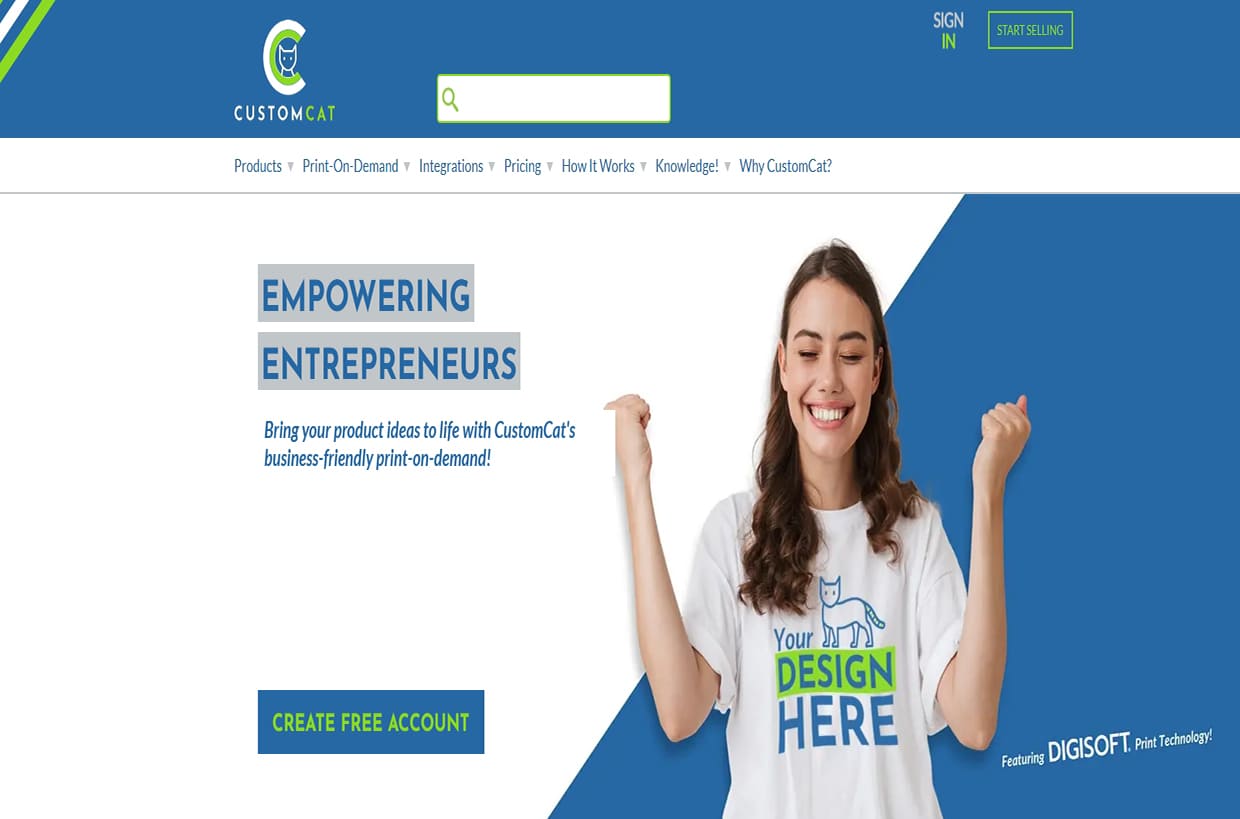
CustomCat is frequently referenced in discussions about printful alternatives, particularly among sellers who prioritize fast U.S.-based production and competitive fulfillment costs. As a U.S.-based print-on-demand provider, CustomCat operates its headquarters and primary production facility in Detroit, Michigan.
The company offers a broad catalog—including apparel, mugs, home goods, hats, and related categories. Its operational model emphasizes speed: most orders are produced and dispatched within 1–3 business days, which positions it well for merchants targeting the U.S. market or offering short delivery windows.
Key Features of CustomCat
- Fast U.S. Fulfillment: Most orders are processed and shipped from the Detroit facility within 1–3 business days, which contributes to relatively short delivery windows for U.S.-based customers.
- Wide Product Selection: The catalog spans thousands of SKUs across apparel, drinkware, home goods, and other common POD categories
- Integrations & API: CustomCat connects with platforms such as Shopify and Etsy, and also provides API access for merchants that require custom or high-volume workflows.
- Branded Packaging Options: While packaging customization is not as extensive as premium POD services, CustomCat supports neutral packaging and limited branded inserts depending on order volume and operational constraints.
Pros and Cons
Pros:
- Competitive base pricing, which can be cost-effective for sellers processing higher order volumes.
- Short production times, with most U.S. orders fulfilled within 1–3 business days.
- No inventory commitment, since orders are produced on demand and require no upfront stock.
Cons:
- U.S.-centric production can lead to higher costs and longer transit times for international buyers.
- Branding options are limited at smaller volumes, with more advanced customization typically tied to higher-order commitments.
- Support availability varies, since assistance is offered only during business hours rather than 24/7.
Pricing
- CustomCat Lite
A standard CustomCat account doesn’t require any subscription fees. You simply pay for production and fulfillment when orders come in. - CustomCat Pro — $30/month
This upgrade is open to all users. The plan primarily appeals to businesses that want access to lower base prices, which can improve margins at scale. It also includes priority support and workflow extras like bulk ordering and enhanced account tools.
10. Zazzle
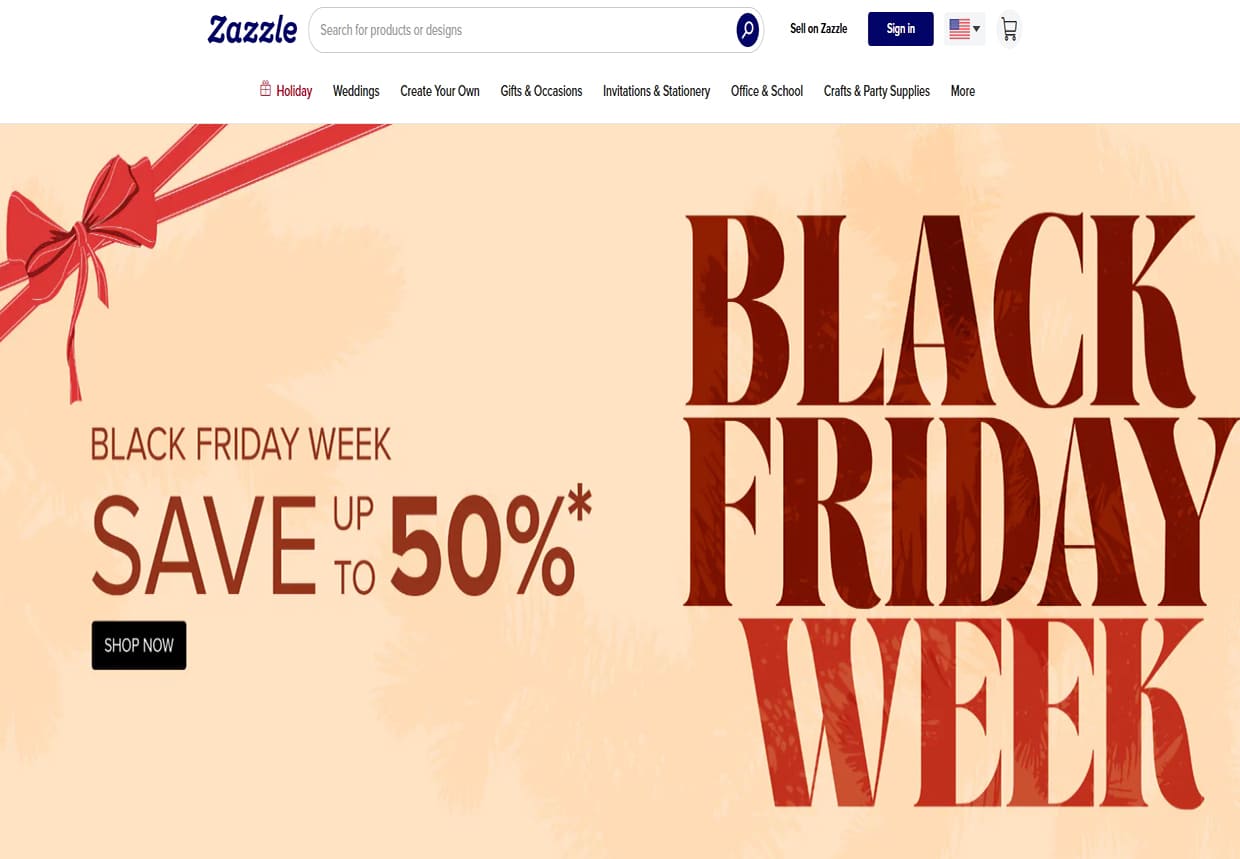
Zazzle operates as a hybrid marketplace where creators can upload designs onto a wide range of products — from apparel and phone cases to wedding invitations. Unlike sites like Printful, Zazzle isn’t centered around running your own storefront; instead, customers browse and purchase directly within Zazzle’s marketplace. The platform manages production, fulfillment, and customer service internally, which removes the need for creators to deal with inventory or shipping. This setup tends to appeal to artists and designers who prefer focusing on design work while the platform handles operational tasks.
Key Features of Zazzle
- Royalty-Based Earnings: Creators set their own royalty rates for each product, typically between 5% and 99%.
- Built-In Design Editor: An online editor allows both creators and customers to customize or modify products in real time.
- Marketplace Exposure: Designs are part of Zazzle’s global marketplace, providing visibility to an existing audience without requiring sellers to manage their own storefront.
Pros and Cons
Pros:
- Flexible earnings through self-set royalties on each product.
- Built-in marketplace exposure, which can drive sales without additional marketing effort.
- Operational tasks managed by Zazzle, including production, fulfillment, and customer service.
Cons:
- Profit margins are influenced by Zazzle’s base prices and platform fees.
- Limited control over overall pricing.
- Branding options are minimal, as products ship in Zazzle’s packaging.
- High competition within the marketplace means visibility often depends on design quality or additional marketing.
Pricing
- Free to Join
There are no subscription or listing fees; you only earn when a product sells. - Royalty System
Creators set a royalty rate per product, typically between 5% and 99%. Earnings are calculated as:(Customer Price – Base Price) × Royalty. - Platform Fees
Fees are deducted from your royalty. Standard accounts pay higher fees (around 50%), while premium accounts benefit from lower fees (around 20%). - Inactive Account Fee
Accounts without activity for 15 months may incur a $2/month fee until the balance reaches zero.
At a Glance: Comparing the Best Printful Alternatives
Here’s a quick comparison to help you see which platform best fits your business

How to Find a Reliable Printful Alternative?
Choosing the right Printful alternative depends on what your business actually needs, not just what platforms promise. With so many services highlighting fast shipping, low prices, or “premium quality,” the real challenge is understanding which ones can meet those expectations consistently and at scale. Here’s a simple point to help you identify truly reliable Printful alternatives.
Examine the Fulfillment Model
A platform’s production setup is one of the clearest indicators of how reliable it will be in day-to-day operations. In-house manufacturers — like Tapstitch, usually offer the most consistent quality because everything is handled under one roof. Hybrid models, such as Prodigi’s mix of internal facilities and external partners, strike a middle ground by balancing quality control with global reach. Marketplace-style networks like Printify or Gooten give you access to lower prices and more supplier options, but quality can vary depending on who fulfills each order.
Analyze Product Quality
Every POD platform insists its quality is “premium,” so the only reliable way to judge is to test it yourself. Start by ordering samples — ideally from several suppliers if you’re using a marketplace model like Printify or Gooten. Compare things like print vibrancy, fabric weight, stitching, and overall packaging. Color accuracy and wash durability are especially important, since they’re usually where quality issues show up first.
Start Your Successful Business with Tapstitch POD Company
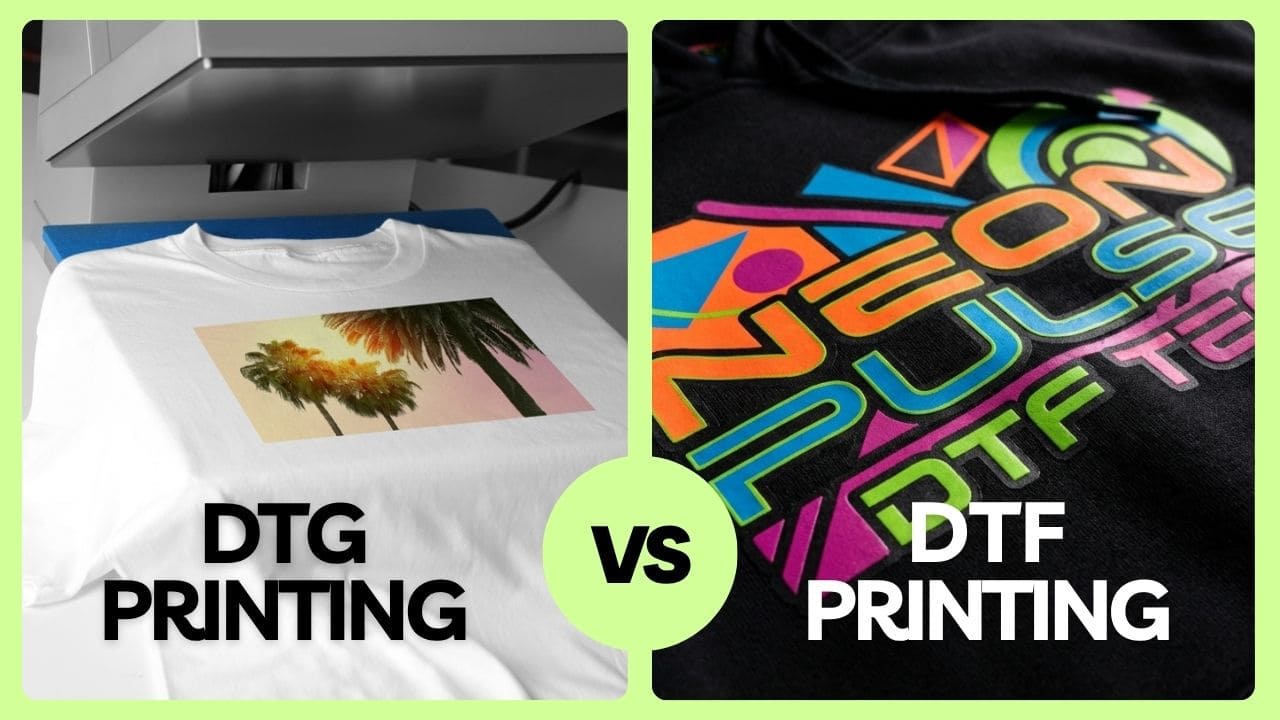
If you’re looking for one of the most reliable Printful alternatives to build a brand with real identity, Tapstitch is a strong partner to have on your side. Tapstitch focuses on stylish, high-quality custom apparel with clean, crisp prints, offering both DTF and DTG options depending on the look you want. You can also add branded touches like custom labels and hang tags, making your products feel truly your own from the inside out.
Tapstitch specializes in apparel — t-shirts, hoodies, sweatshirts, sweatpants, and sportswear — keeping the catalog focused so quality stays consistent. Once you connect to your store, everything else runs automatically: when you make a sale, Tapstitch handles production, packaging, and shipping. No inventory, no manual steps. You focus on growing your brand, and Tapstitch takes care of the rest.
Printful Alternatives: Conclusion
Choosing the right Printful alternative really comes down to what you want to build. Maybe you’re looking for better pricing, faster fulfillment, or products that feel more aligned with your brand. Whatever your priorities are, the goal is simple: find a partner that makes creating easier, not harder. As you explore your options, focus on the experience, quality, and support that will help you grow with confidence.
.jpg)
.jpg)
%20(3).jpg)

.png)


.jpg)
.jpg)
.jpg)
.jpg)
.jpg)
.jpg)






.png)




.png)

.webp)

.jpg)












.jpg)



.jpg)

.png)
.jpg)


.jpg)

.jpg)





.jpg)
.jpg)
.jpg)
.jpg)
.jpg)

%20(1).jpg)

.png)

.png)



%20(1)%20(1).jpg)





.png)
.png)



.jpg)