






8 Types of Shirt Printing: Choosing the Right One for Your Clothing Brand


Every clothing brand founder encounters this question: you’ve got your designs and a vision for your first collection, and eventually, you have to ask, 'How should I put my designs on the shirts?' It’s an important decision. The method you choose decides how your clothes feel, how they last, and how customers see your brand.
There are several types of shirt printing, and you'll find lists all over the internet of methods you can use, all without much context. However, only a handful of methods truly matter for modern fashion brands. The choice isn’t just about cost or color range; it’s about identity. Screen printing feels different than DTG. Sublimation lives in a different culture than water-based inks. If you’re serious about building a line, you need to know how each process works, when to apply it, and where not to.
This article will break down the different types of shirt printing that are most prominent in today’s fashion industry — the real options worth considering for brands that want to scale.
1. Direct-to-Garment (DTG) Printing
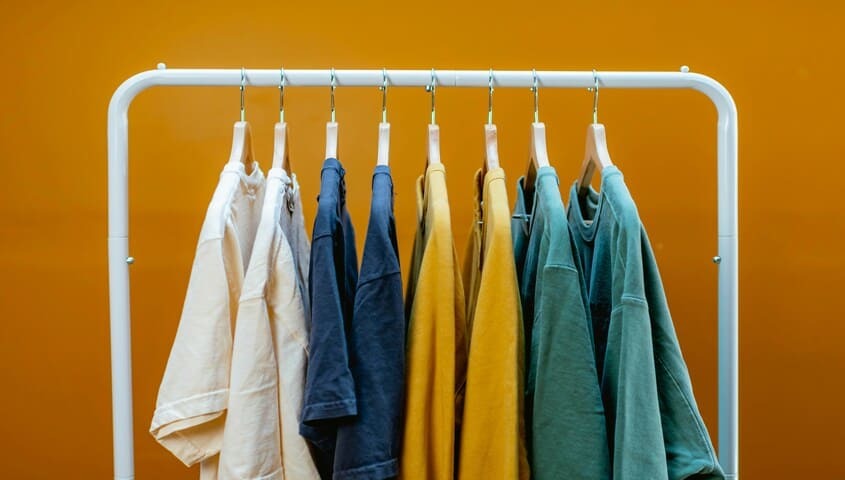
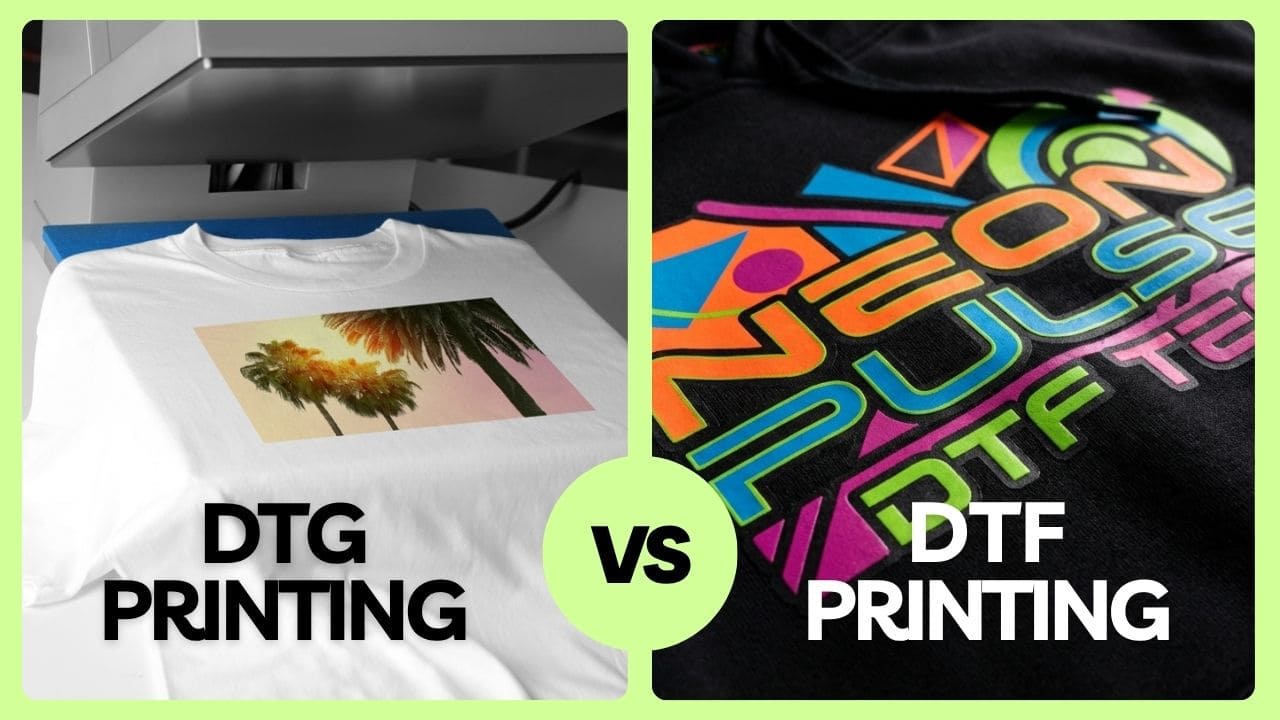
DTG is the digital native of shirt printing and one of the most common types of t-shirt printing. It works like an inkjet printer for fabric, spraying water-based inks directly onto the shirt. The inks soak into the fibers, producing high-resolution images with gradients, blends, and photo-level detail.
Startups love DTG because it requires minimal setup. You can print one shirt or one hundred without creating screens, films, or stencils. That makes it perfect for print-on-demand, dropshipping, or small test runs. If you’re building a brand where you want to try new designs constantly, DTG is a safe way to play around.
The look is also softer than you’d expect. Unlike heat transfers or vinyl, DTG doesn’t sit heavily on top of the fabric; it blends in. That matters if you want your pieces to feel good and not stiff.
DTG has its downsides, too. It struggles with 100% polyester or very dark fabrics, and the white ink underbase sometimes adds thickness. It’s also slower if you're trying to produce bulk (in the thousands).
For Tapstitch creators, DTG is the starter kit with professional results. It lets you test a design in real time, launch drops without inventory, and still deliver shirts that feel fashion-forward.
2. Direct-to-Film (DTF) Printing
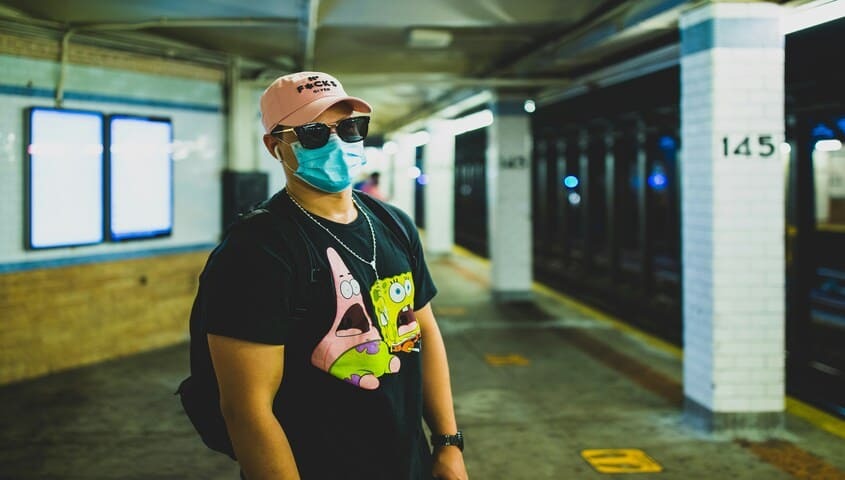
If DTG is the pioneer of types of printing, DTF is the disruptor. Instead of printing directly onto the shirt, designs are first printed onto a PET film using specialized inks. Adhesive powder is applied, the print is heat-cured, and then it’s pressed onto the fabric with heat.
The result is surprisingly versatile. DTF prints work on cotton, polyester, blends, and even performance fabrics that DTG can’t touch. They’re bold, stretch-resistant, and built to last. The process adds a slight texture to the shirt. It's not heavy, but still noticeable.
DTF is blowing up in POD because it scales. You can print transfers in batches, store them, and apply them on demand. That flexibility is game-changing for brands working with unpredictable demand or seasonal collections.
Compared to DTG, DTF can look punchier, especially for designs with heavy color fills. And unlike vinyl, it won’t peel after a few washes if applied correctly. For small brands seeking to strike a balance between creative freedom and practical durability, DTF is quickly becoming a preferred type of t-shirt printing.
3. Screen Printing
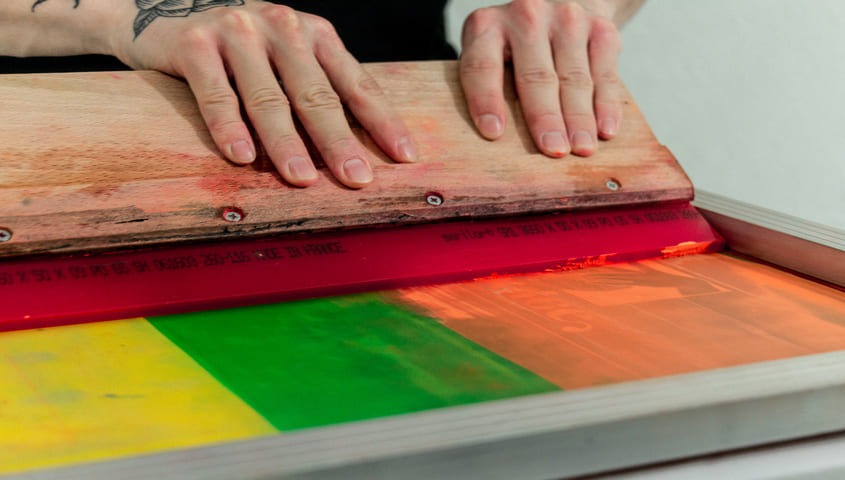
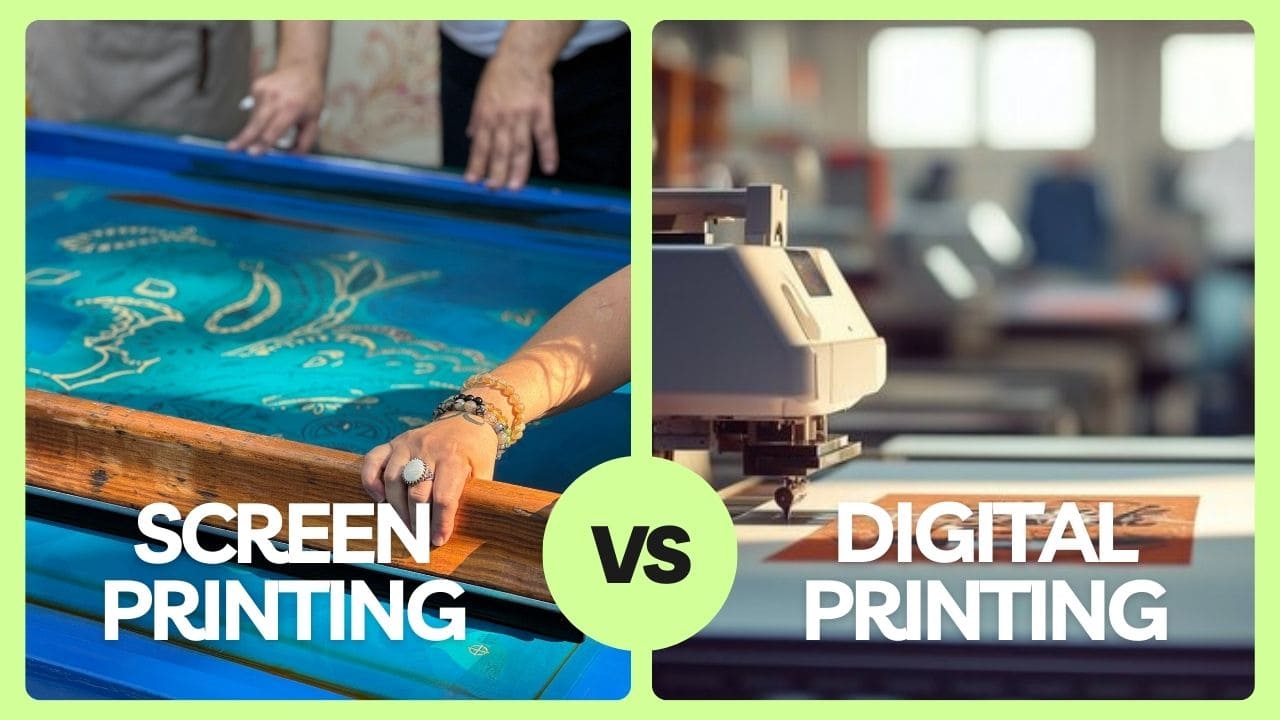
Screen printing is the heavyweight champion of shirt printing, and it’s not stepping out of the ring anytime soon. The process involves creating a stencil (the “screen”) and pushing ink through it onto the fabric. Each color needs its own screen, which makes setup time-consuming but also produces unmatched vibrancy.
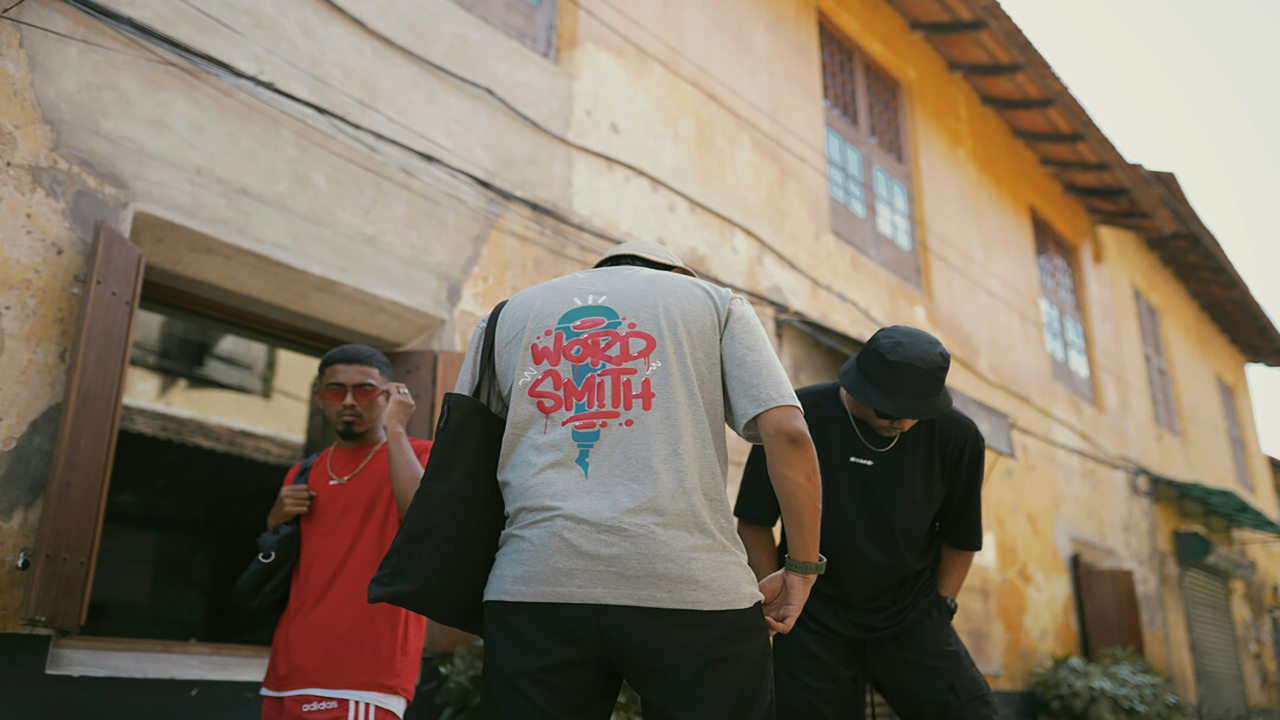
The results are iconic: bold, opaque prints that last years. Screen-printed designs don’t fade easily, they handle wear-and-tear better than most, and they’ve been the backbone of streetwear since the ’80s. From skate brands to band merch, screen printing carries cultural weight that no digital method can replicate.
The trade-off is efficiency. Screen printing isn’t made for one-offs or micro-batches. The setup makes sense when you’re printing at least 50–100 pieces. For bulk orders, it’s unbeatable in terms of cost per unit. For tiny orders, it’s a headache.
Startups can test with DTG or DTF, then shift to screen once demand proves out. It’s not just about saving costs, it’s about locking into the visual identity of bold, high-impact streetwear.
4. Sublimation Printing
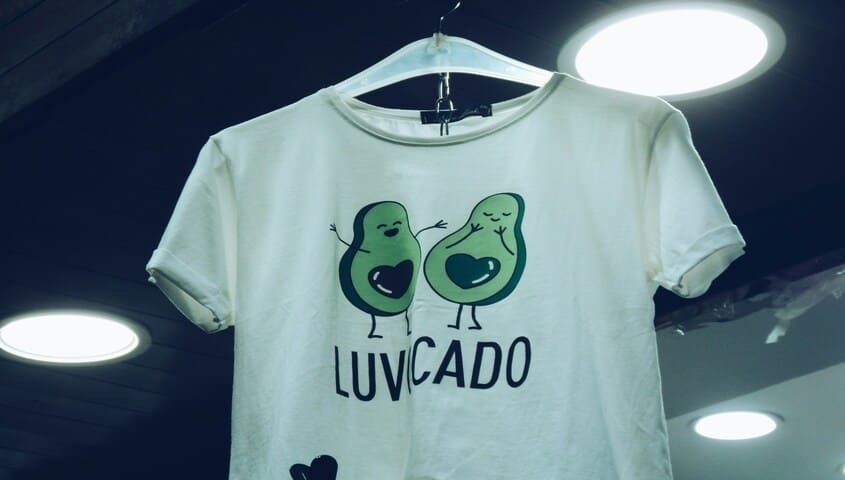
Sublimation is science in motion. Instead of layering ink on top of fabric, it bonds with the fibers themselves. Designs are printed with sublimation inks on transfer paper, then heat and pressure transform the ink into a gas, embedding it permanently into polyester.
The result? Prints that don’t crack, peel, or fade. They’re part of the fabric. That makes sublimation ideal for all-over prints, sportswear, and any item that requires a seamless, breathable feel.
There are limits. Sublimation only works on polyester or poly-blends, and the results on dark shirts are underwhelming. But if your brand leans into athleisure, festival fits, or bold all-over graphics, sublimation opens doors that other methods can’t.
It’s not just technical. Sublimation has a vibe: futuristic, graphic-heavy, almost digital-native. A sublimated shirt doesn’t look like a print “on” a shirt; it looks like the shirt itself was designed as art.
5. Heat Transfer Vinyl (HTV)
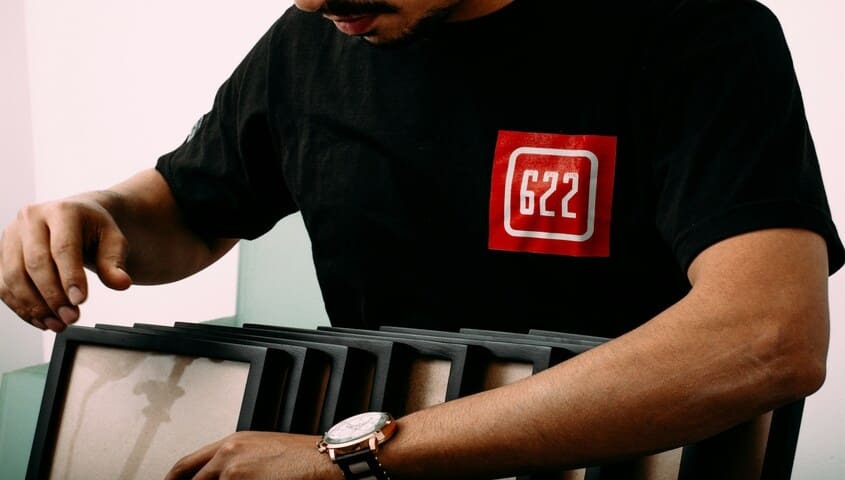
Heat Transfer Vinyl is straightforward: cut a design out of colored vinyl sheets, place it on the shirt, and apply heat to transfer the design. The vinyl melts into the fabric surface and holds its place.
This method shines for typography, slogans, and custom names or numbers. Sports teams still rely on HTV for jersey names because it’s fast, bold, and easy to apply one by one.
But HTV has a ceiling. The texture is plasticky, and multi-color designs require layering, which adds weight. Over time, poorly applied HTV can peel at the edges. It’s not what you want for premium fashion drops, but for functional uses or bold text, it holds its lane.
In the fashion space, HTV is best used as an accent, not the centerpiece. Think experimental lettering, retro block fonts, or graphic slogans where the texture itself adds to the design.
6. Plastisol Transfers
Plastisol transfers are like screen printing in two stages. Instead of pushing ink directly onto the shirt, the design is screen printed onto a special release paper with plastisol inks. Later, the transfer is heat-pressed onto the fabric.
The result is almost identical to screen printing in quality and durability, but it comes with flexibility. You can print a batch of transfers, store them, and only press them onto shirts as needed. That’s powerful for brands managing inventory risk.
For dropshipping and POD, plastisol transfers can be a middle ground. They deliver the punch of screen printing without requiring you to run bulk jobs upfront. For streetwear brands that want screen’s boldness without its rigid logistics, this is the sleeper method.
7. Discharge Printing
Discharge printing isn’t about adding ink; it’s about removing it. The process uses a water-based discharge ink that strips the shirt’s original dye and replaces it with pigment. The end result is a design that feels like it’s part of the fabric, soft and vintage in appearance.
The appeal is in the aesthetic. Discharge prints give off a worn-in vibe, perfect for vintage streetwear drops. They’re soft to the touch and never feel like a layer on top.
But discharge is unpredictable. Different fabric dyes react differently, and results can vary batch to batch. It is also less eco-friendly, since it uses chemical agents to remove color.
That said, if your brand trades in retro, distressed, or washed looks, discharge printing nails the aesthetic that customers pay extra for.
8. Water-Based Inks (Eco Printing)
The last method on the list isn’t a new gimmick; it’s a shift in priorities. Water-based inks are an alternative to plastisol inks, designed to soak into the fabric instead of sitting on top. They create prints that are soft, breathable, and eco-friendlier than traditional methods.
For fashion-forward brands, water-based inks are a statement. They feel better, wear better, and align with a more sustainable story. The colors aren’t as opaque as plastisol, but the trade-off is a hand-feel that customers instantly recognize as premium.
This method has been gaining ground in streetwear, where the lived-in, vintage softness is part of the appeal. It’s not just a print method, it’s a branding choice that signals consciousness.
How to Decide Which T-shirt Printing Method Should You Use?
Now that you’ve seen the lineup, the question becomes: which method fits your brand? The truth is, the “best” method doesn’t exist in a vacuum. It depends on your identity, the fabrics you use, your order sizes, and your long-term strategy.
If you’re running a startup with a limited budget and want maximum flexibility, DTG and DTF are your best allies. They let you print one-offs, fulfill on demand, and pivot designs as your audience evolves. If you’re scaling into bulk, screen printing offers unbeatable economics and that iconic, bold finish.
For brands leaning into polyester-based collections or sportswear, sublimation is non-negotiable. If vintage is your lane, discharge and water-based inks align perfectly. And if you need practical customization, HTV and plastisol transfers give you low-risk ways to get there.
What matters most is alignment. The types of printing on shirts you choose are inseparable from the kind of brand you’re building. Printing isn’t just production, it’s positioning.
Comparison Table: Types of Shirt Printing
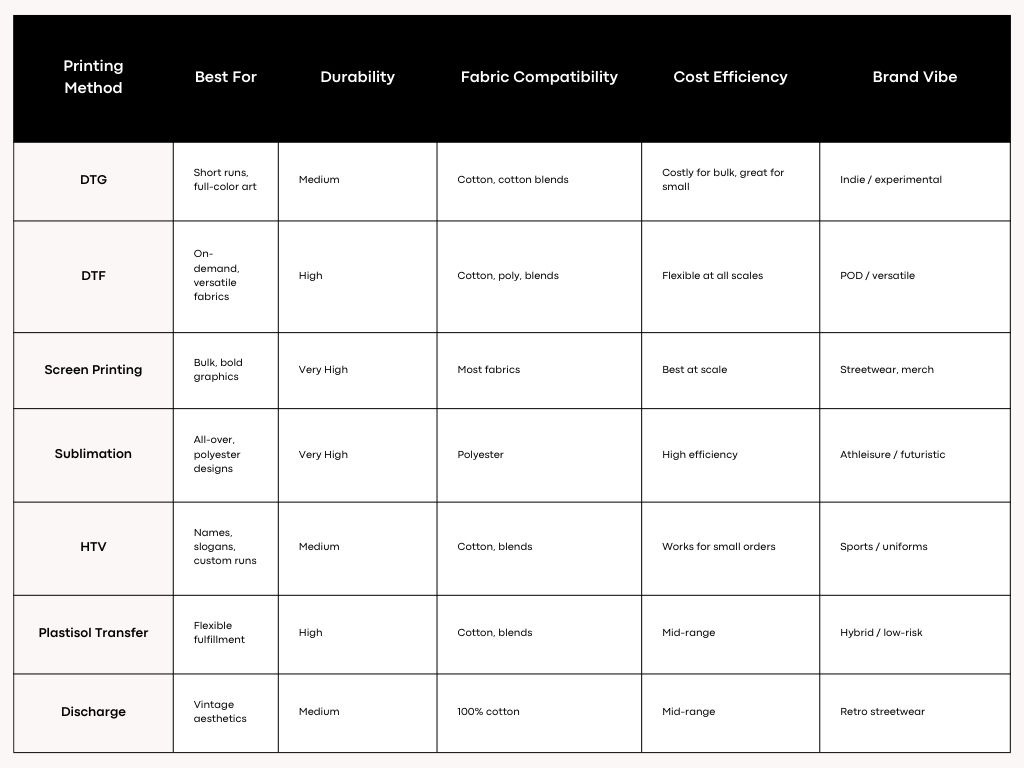
How to Create Your Own Shirts with Tapstitch?
At Tapstitch, we’ve seen enough catalogs of generic blanks and tired printing setups. That’s why our platform flips the script.
We work with the printing methods that matter most today — from DTG and DTF for flexible, small-batch drops to traditional screen printing for larger runs or specialized fabrics. The proper process depends on your design, your fabric, and how you want your brand to feel in hand.
But the process doesn’t stop at the print. On Tapstitch, you get:
- No MOQ — launch with one shirt, scale when ready.
- Fashion-first catalog — from boxy vintage fits to premium blends, our blanks don’t feel generic.
- Full packaging — custom labels, tags, packaging, so your brand arrives as itself, not ours.
- Fast global shipping — reliable fulfillment that doesn’t slow momentum.
We’re powering clothing lines that look like brands, not side hustles.
Different Types of Shirt Printing FAQ
Which one is the best type of t-shirt printing?
It depends on your goals. DTG and DTF win for startups that need low risk and high flexibility. Screen printing dominates for bulk and culture-driven streetwear. Sublimation is unmatched for all-over polyester.
Which shirt printing method lasts the longest?
Screen printing and sublimation hold up the best. Water-based inks and discharge create softer finishes, but durability depends on fabric and wash care.
Which one is the cheapest method of shirt printing?
For very small runs, HTV or DTF can be cost-effective. For bulk orders, screen printing’s per-unit price is unbeatable.
What printing method is most effective for small businesses?
DTG and DTF. They let you test designs, fulfill on demand, and scale into bigger methods like screen printing later.
Bottom Line
Choosing between different types of shirt printing is not just a production choice. It’s a creative decision that shapes your brand identity. Screen printing connects you to streetwear’s heritage. DTG and DTF give you startup-level agility. Sublimation builds futuristic polyester collections. Water-based inks align you with sustainability.
At Tapstitch, we don’t believe in compromise. We give you the methods that matter, the styles that stand out, and the tools to scale your brand as it deserves. Because printing isn’t the end of the process, it’s the beginning of how your designs become culture.

%20(1).jpg)
.jpg)
.jpg)
.webp)

.jpg)
.jpg)
.jpg)
.png)
.jpg)
.jpg)
%20(3).jpg)

.png)
.jpg)
.jpg)
.jpg)
.jpg)
.jpg)
.jpg)






.png)




.png)
.jpg)








.jpg)


.jpg)

.png)
.jpg)


.jpg)
.jpg)




.jpg)
.jpg)
.jpg)
.jpg)
.jpg)

%20(1).jpg)

.png)

.png)


%20(1)%20(1).jpg)