




Recent Searches
Popular Searches

20 Most Popular Custom Hoodie Design Ideas in 2026
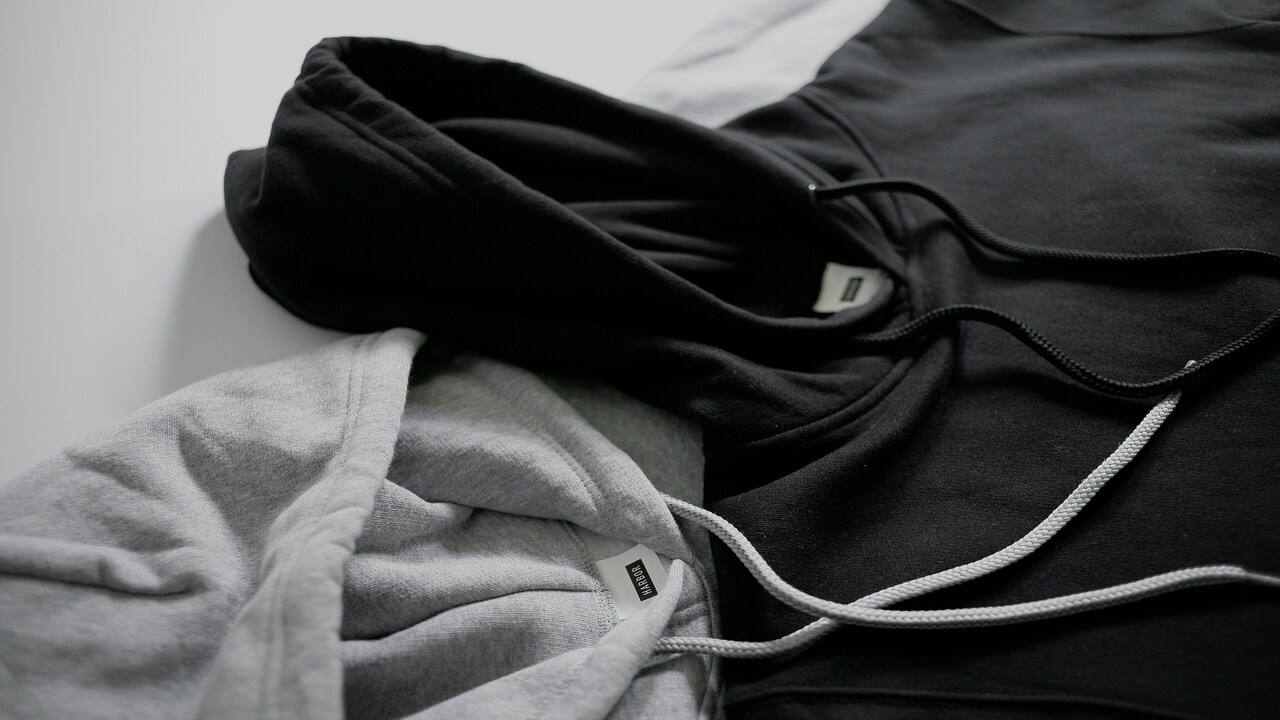
The hoodie ceased to be "just loungewear" not long after its first appearance. By the year 2026, it has become the most flexible platform for streetwear, merchandise, and indie fashion alike, and only by having the correct hoodie design can a brand make theirs something memorable instead of just another piece to scroll past. The question isn't whether you should design a hoodie—it's what yours should look like if you want it to sell.
Here is our list of 20 trends that are currently making their move. Not just rehashed ideas from Pinterest boards created back in 2019. Not abstract "think outside the box" suggestions. Concrete directions with solid momentum to help create wearable garments worth marketing.
Top 20 Hoodie Designs Worth Building in 2026
These concepts have all made the cut based on their appearances on the sales charts, streets, and within collections of those in the know. Here's what we see performing well at Tapstitch:
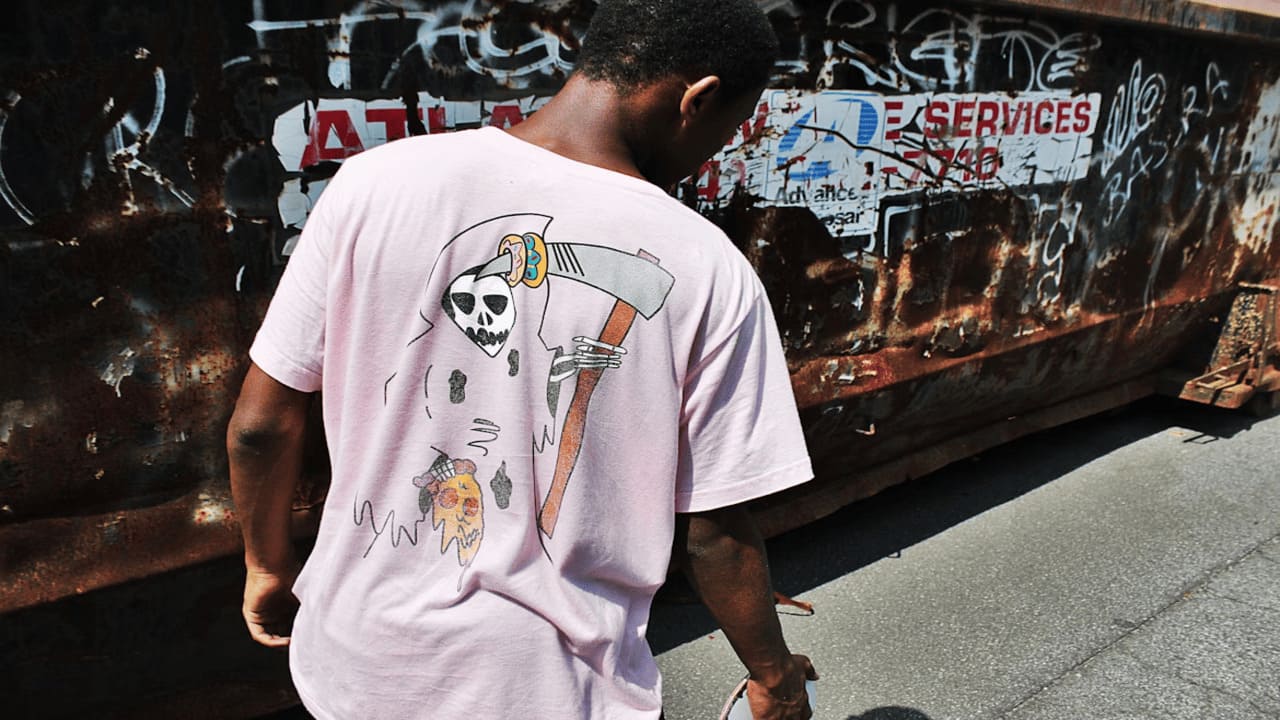
1. Oversized Back Print
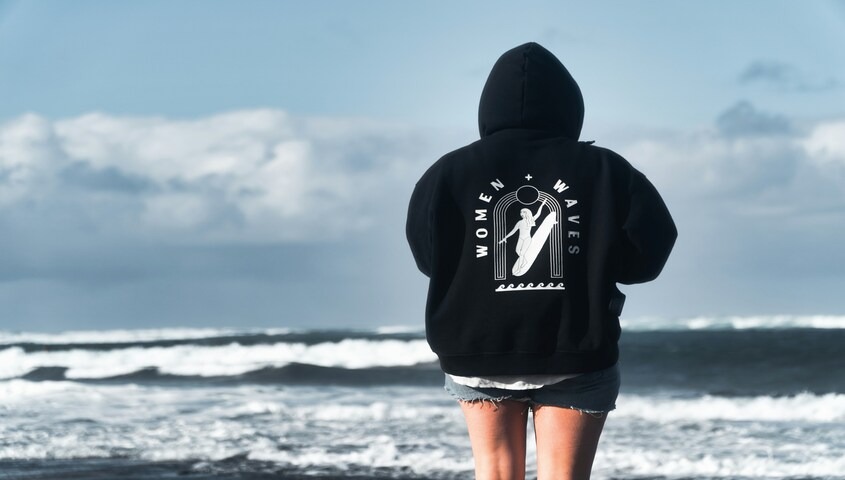
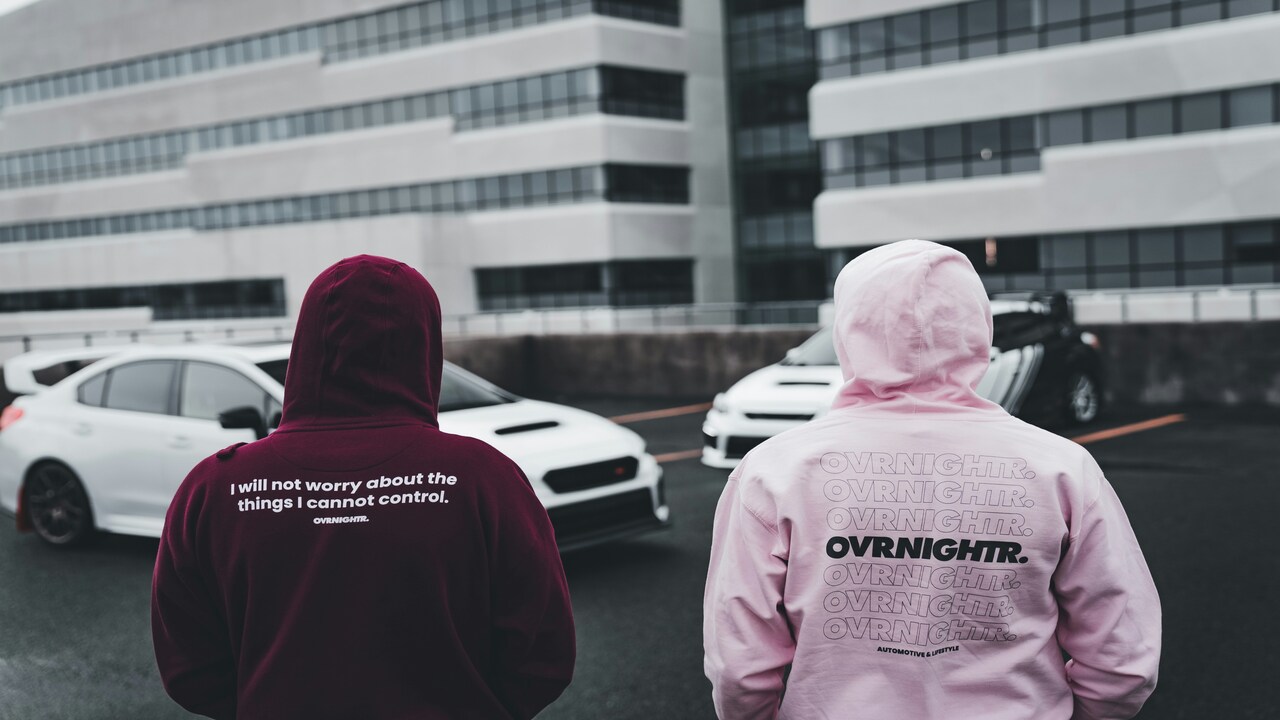
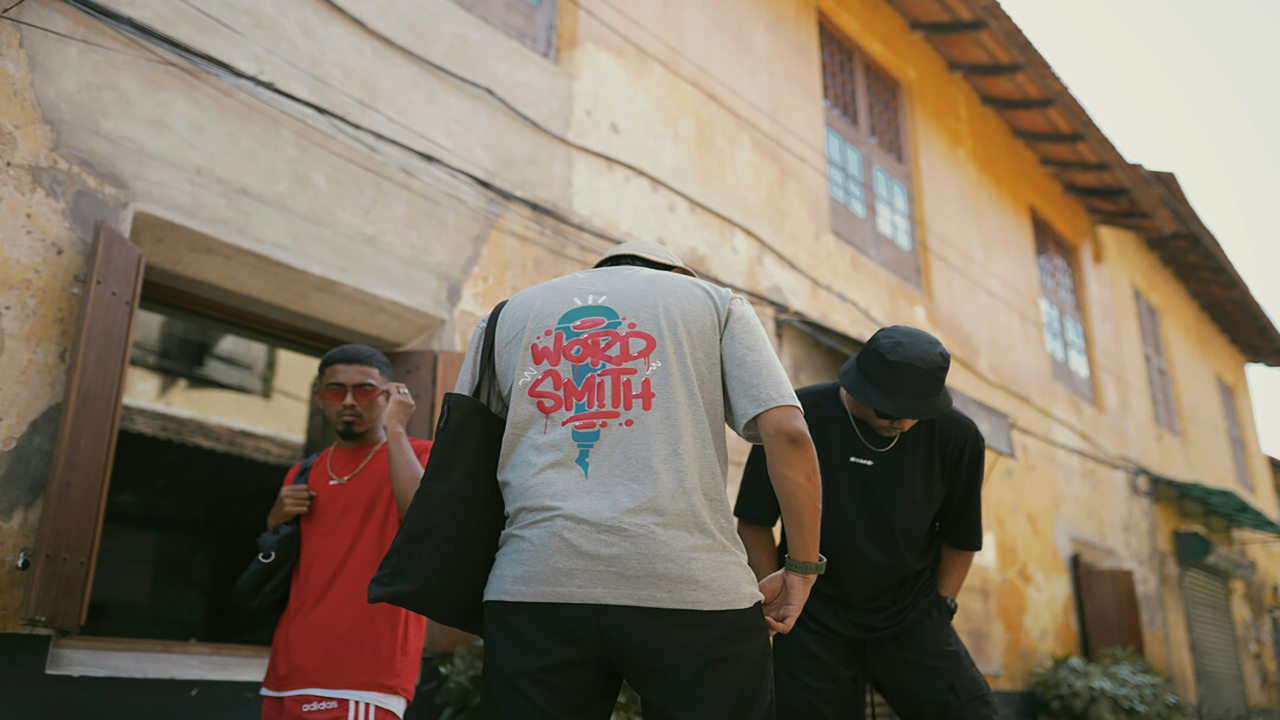
The back panel is the area least utilized for custom hoodies. Placing a large-scale print design on the back while using a pocket wordmark or logo design on the front of the hoodie creates a layered effect that gives street fashion its unique editorial flair. It’s like merchandise from a concert, just your own branded design.
The trick to this style is to create an oversized graphic or illustration that can be seen from across the room. You can do this by creating a large-scale illustration, type, or symbol.
2. Embroidered Logos
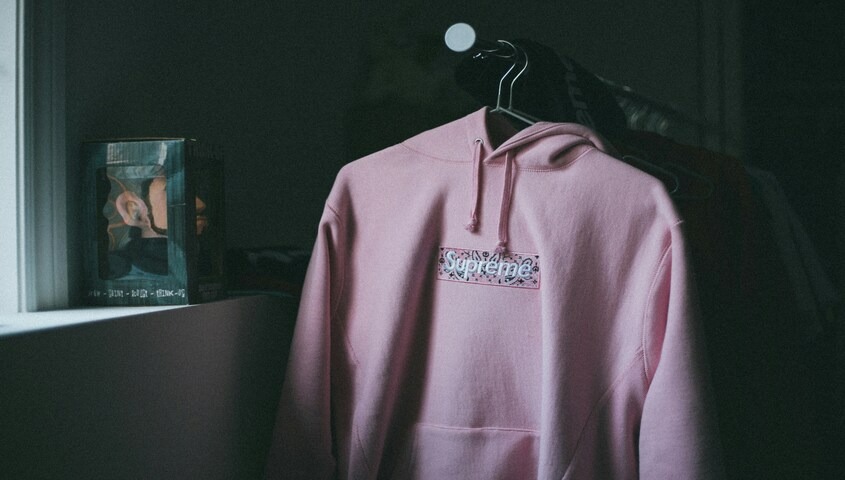
Embroidered logos make a hoodie from something merely printed to something that is premium. There is a physical quality to embroidery that screen-printing lacks; people feel it, see it, and recognize it as more upscale than a screen print. If you're trying to establish a brand name, an embroidered hoodie sends the right message.
The trend for today is 3D puff embroidery. Your logo gets a raised and textural look that just pops. Make sure your design is not too detailed; embroidery works well with clear lines and large fonts. An embroidered word or a little logo goes a long way on a hoodie.
3. Vintage Wash / Distressed
The vintage appearance persists in fashion. Vintage wash hoodies give off an air of having been loved before, something that young people are looking for. Combine a vintage wash with vintage typography or imagery, and the result will be the impression of a product plucked from a carefully curated secondhand store shelf.
This aesthetic is particularly suited for companies that have a retro or musical theme. The wash effect is responsible for doing most of the work for your branding—simply placing your logo in one spot can make it look deliberate.
4. Minimalist Wordmark
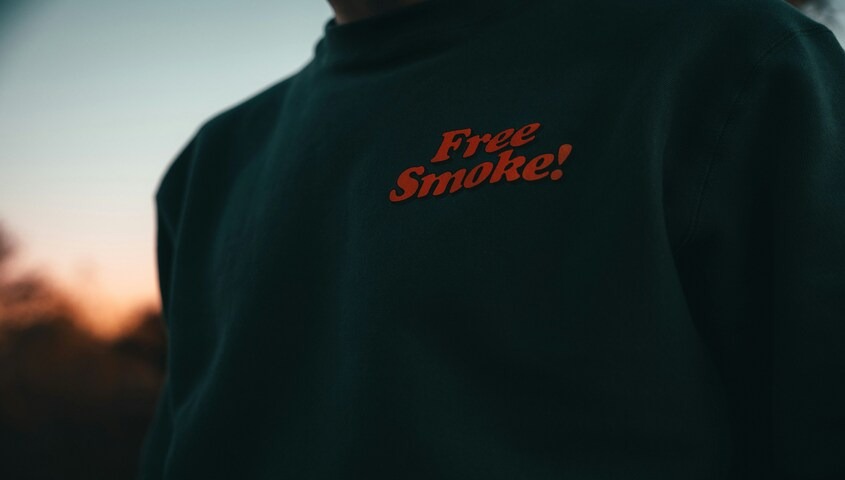
Sometimes, one can do nothing more than put their company's name into a typeface that works. No images, no pictures—all that's needed is a good wordmark printed on a t-shirt's front or back. Brands that make it work have embraced typography as the only design language.
Select a font for your logo that says something about your brand even before people read anything. If you use an old-style serif, it comes off as traditional; if you use an athletic sans-serif, it comes off as contemporary. Typefaces are the logos.
5. Patchwork
Patchwork hoodies have a handmade, unique flair to them that mass-produced pieces cannot replicate. Mixed material patches, applique pieces, and blocks of colors come together in such a way that the result is much more artistic than functional.
When viewed from a branding perspective, patchwork provides its own form of rarity, where each piece becomes somewhat unique in and of itself. This leads to increased desirability on the part of the collector crowd.
6. Nature and Botanical Prints
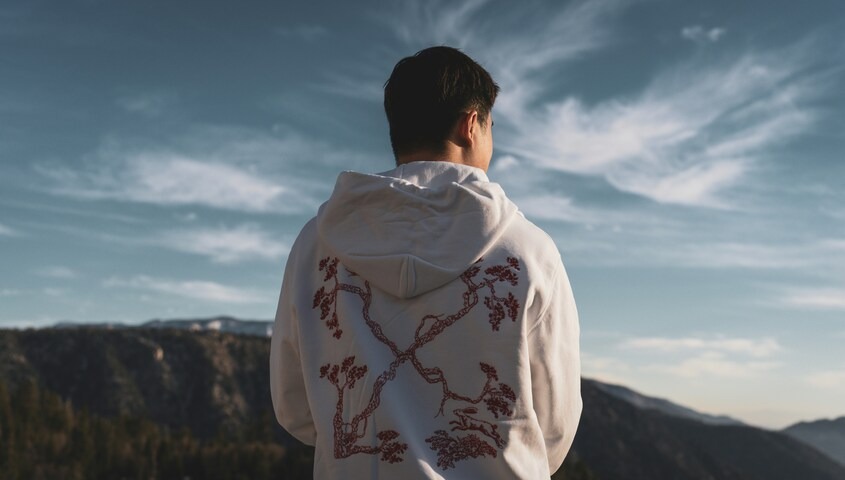
Illustrations of plants, images of mountain profiles, pictures of forests, as well as water-themed graphics have found themselves printed on hoodies on a massive scale lately. The present-day trend leans toward the artistic interpretation of prints; think dark line illustrations of landscapes or botanically themed prints in dull, earthy tones.
The trend will appeal to any brand focusing on wellness or those that have a link with outdoor activity. An effective nature illustration printed on a heavy hoodie is a winning choice.
7. Gothic / Dark Typography
Gothic fonts such as Blackletter and Old English have seen a resurgence that just won’t stop. On a hoodie, particularly a black or dark-colored one, gothic typography has a lot of power and edge without any additional imagery.
The key lies in finding the right balance between the typography and the negative space around it. Just one word in a strong blackletter font can be more impactful than an entire image. It fits easily into dark academia, streetwear, and even music-inspired brands. Combined with a heavy-duty blank in black or charcoal tones, it creates an expensive look at an affordable price point.
8. Anime and Manga-Inspired
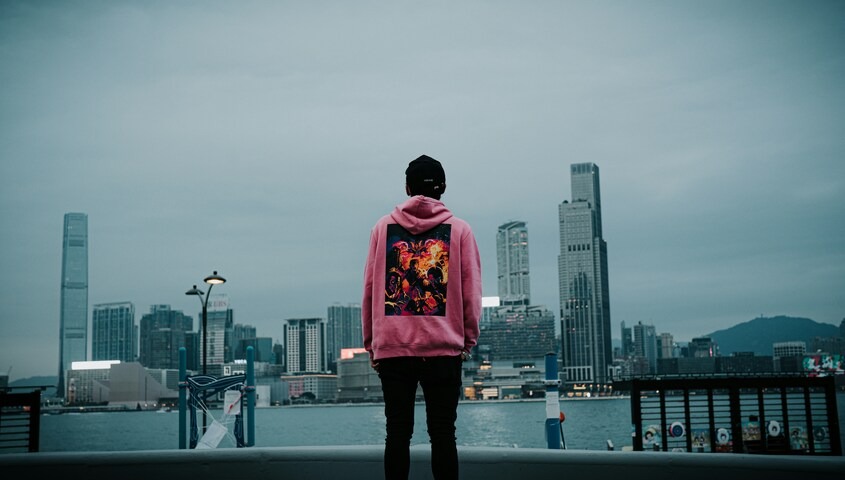
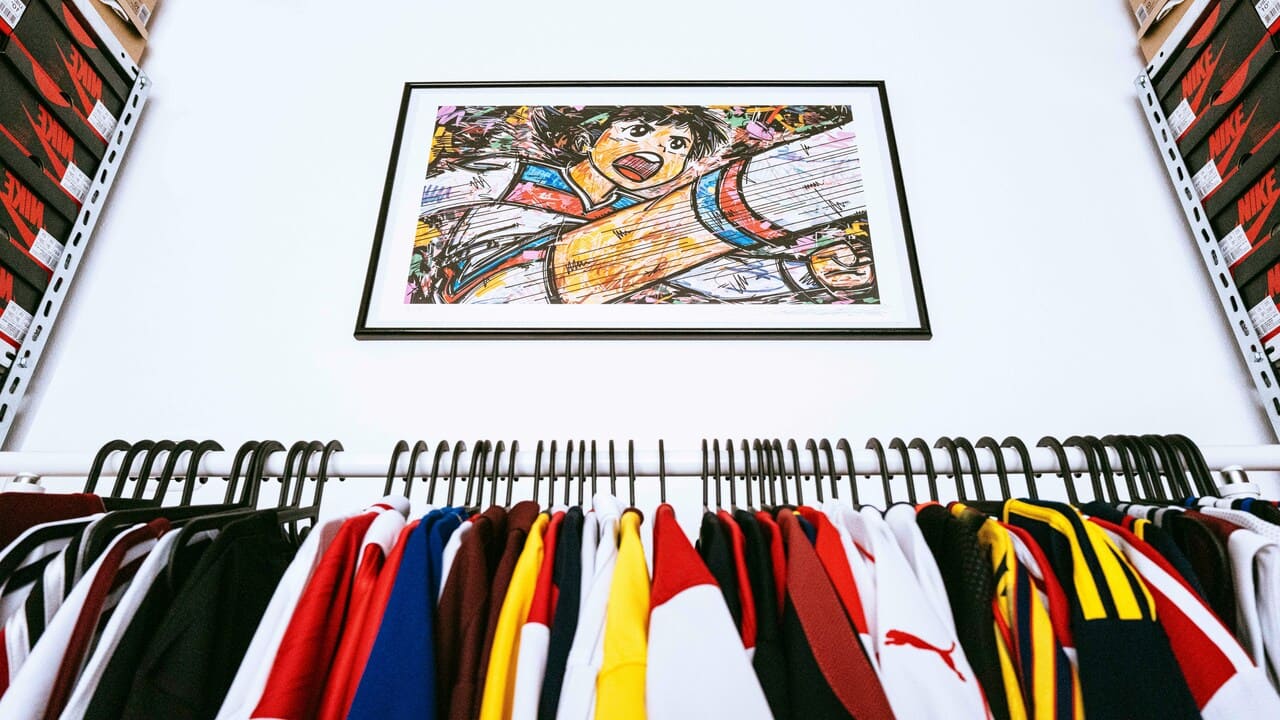
This is no longer considered a subculture, but something that has been normalized within popular culture. However, designs that will work in 2026 will not be mere rip-offs of popular characters from different shows. They will take the artistic conventions associated with anime—such as dramatic lines and composition, expressive eyes, and speed lines—and apply them to new artwork.
If you decide to use this approach, focus on creating new illustrations. Licensed anime art carries legal risks, and bootleggers are everywhere nowadays. Creating original artwork using an anime style will make or break your brand.
9. Tie-Dye and Color Wash
There have been advancements within the practice of tie-dye. The tie-dye of 2026 is no longer the spiral designs created during summer camps but something more sophisticated, such as the creation of gradient colors, ice-dyeing techniques that produce a marbled effect, and two-tone washes that resemble painting more than anything else.
Color-washed hoodies are both wearable garments on their own and canvases upon which to apply graphic images, either as part of an outfit or simply as the fabric’s dye pattern. The uniqueness of each garment makes it perfect for a brand that values individual expression, especially when the collection size is small and the goal is experimentation.
10. Coordinate and Location-Based
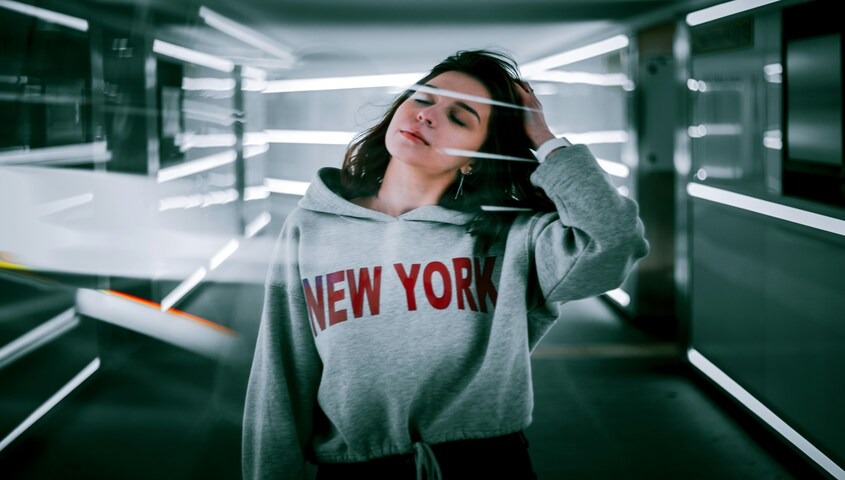
GPS coordinates, skylines, area codes, neighborhood maps—geographic identity keeps selling itself because there's something personal involved. People identify with their geographic origins or even their aspirations through their fashion choices.
It comes down to how the piece looks. GPS coordinates in an unadorned, sans-serif typeface look contemporary and sleek. A rendered city skyline gives it a graphic element and a sense of collectibility. No matter which one you choose, you've created something that has its own following—a community tied to that location.
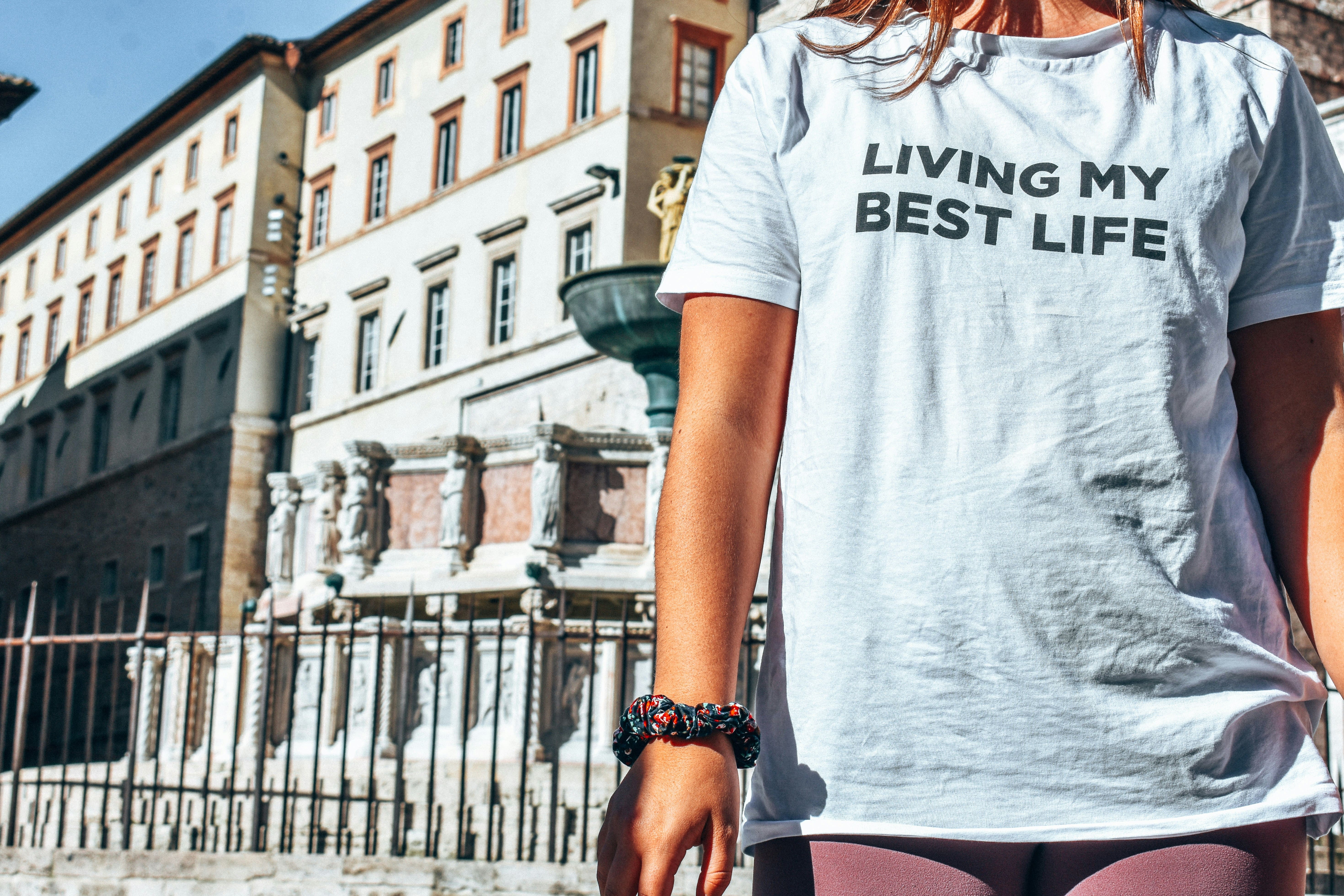
11. Motivational and Slogan-Based
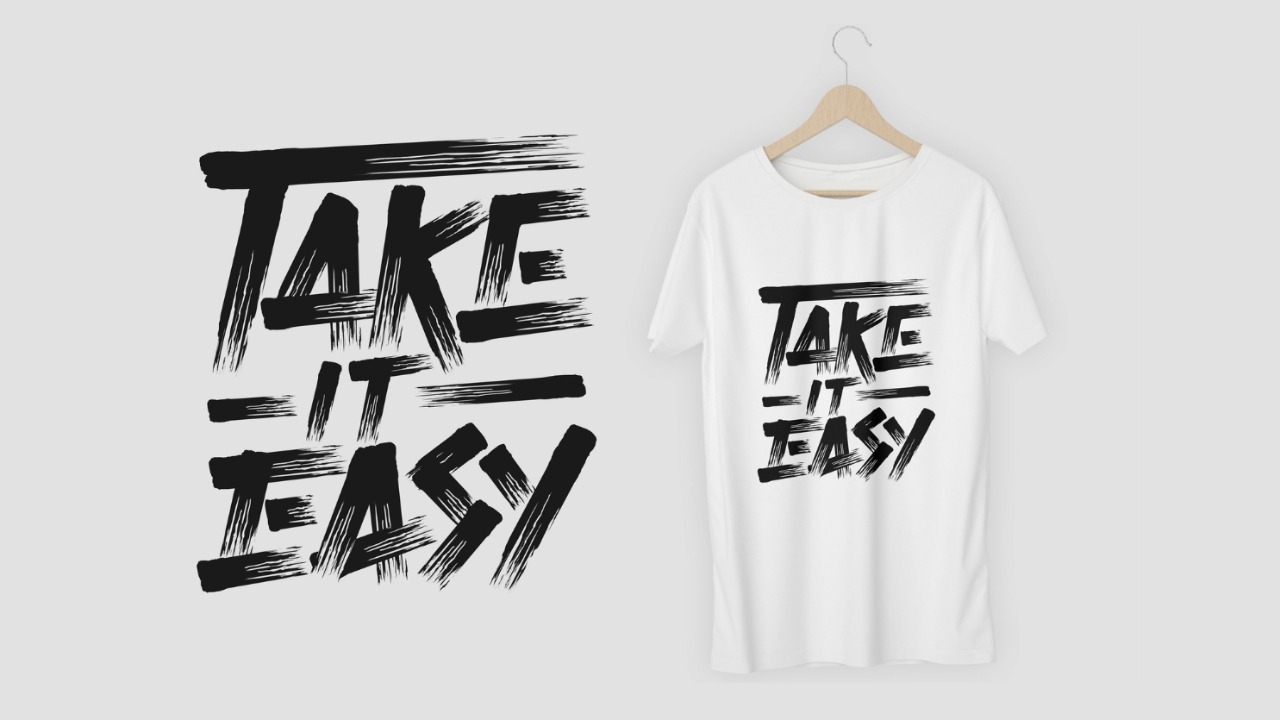
The "hoodie" slogan is still kicking around, but it’s all grown up. The quotes that have staying power are targeted, a little edgy, and printed in typefaces that are thoughtful and not default. A strong quote printed in a brutalist font on a super-sized hoodie is an obvious statement of fashion, not a gag gift.
Be authentic. “Built Different” has become stale. But a quote that truly reflects your brand’s unique voice—one that your target market might actually say to one another—is a surefire way to go.
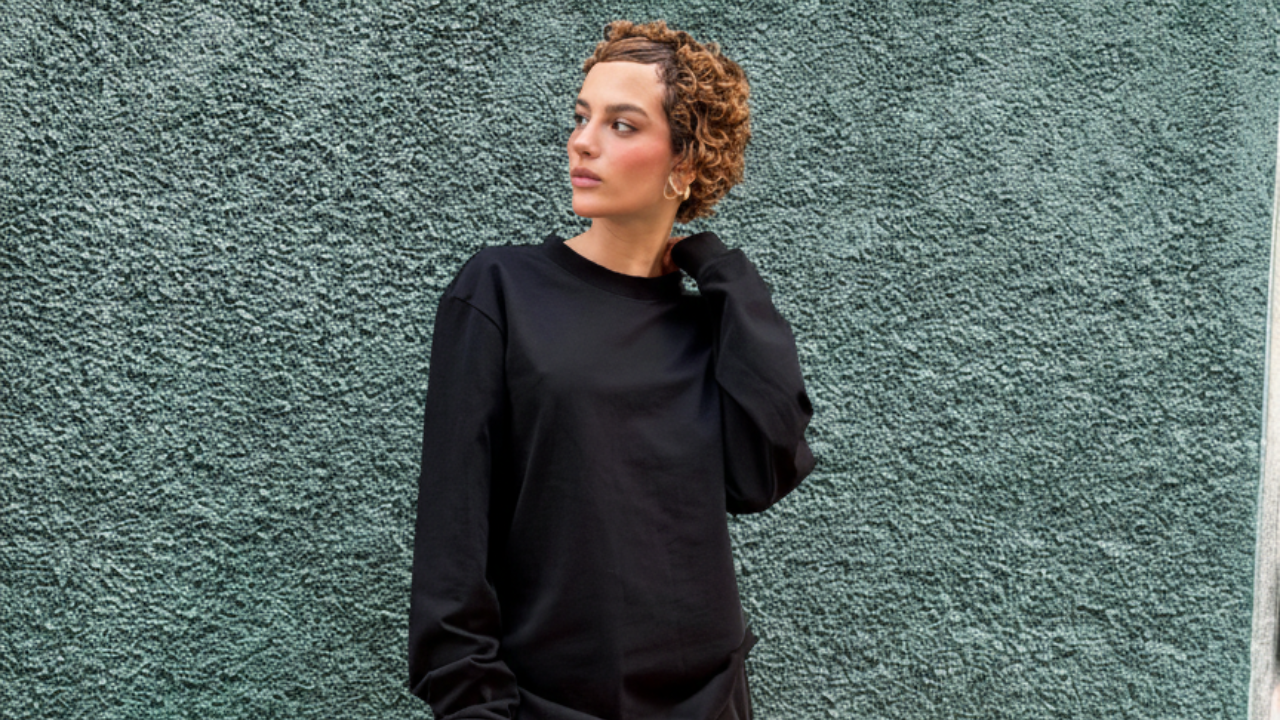
12. Monochrome / Tone-on-Tone
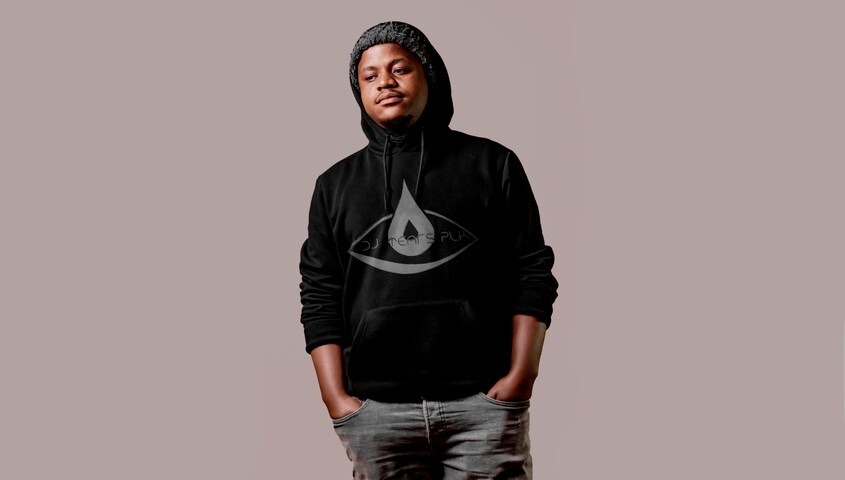
Black graphics on black backgrounds, cream on creams, greys on greys, tone-on-tone is elegant in its subtle elegance. Its presence is felt through varying light and angles, giving the wearer a unique sense of exclusivity. This design strategy is ideal for luxury-oriented fashion houses and high streetwear fashion designers. What it communicates is that sometimes, one does not have to shout to be heard.
13. Retro Sports and Varsity
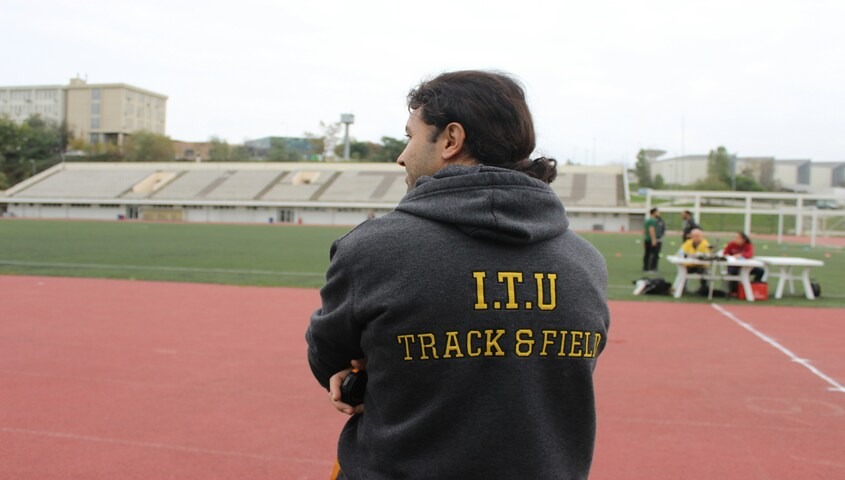
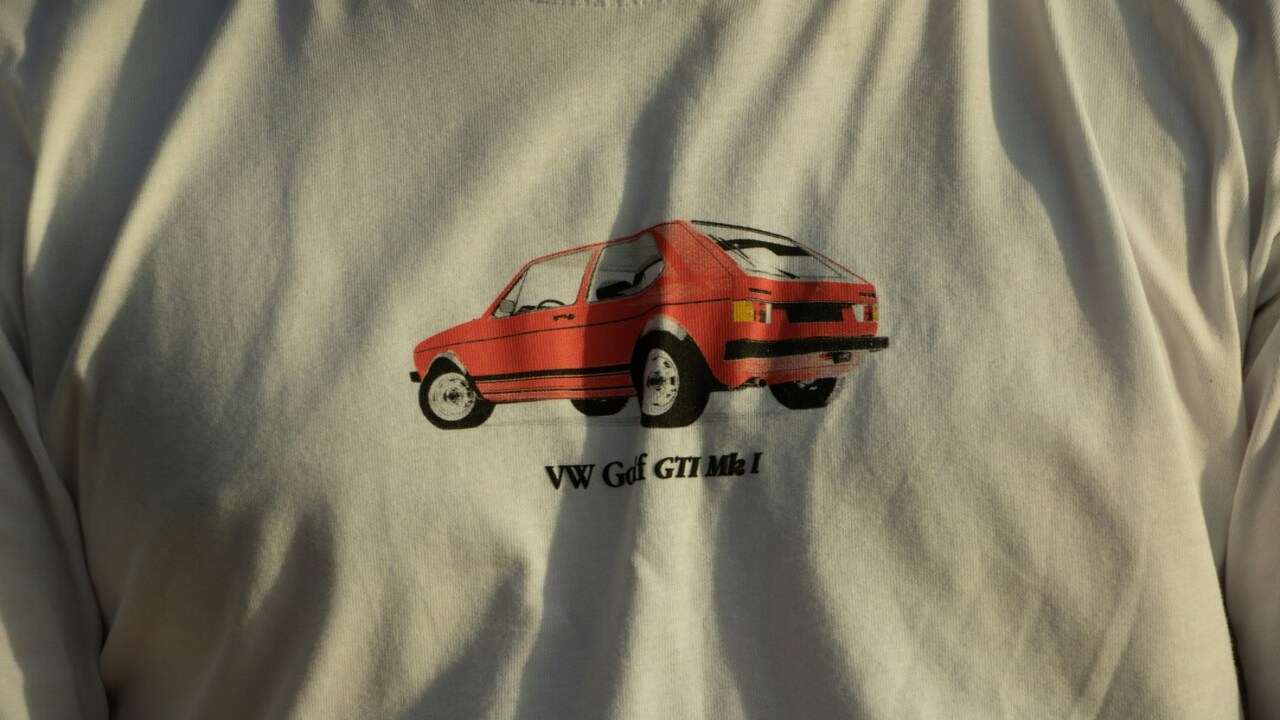
Letterman’s jackets, team crests, championship year logos, and vintage jersey number designs—all printed on hoodies. This design takes the template from sports and applies it to brand identity, which explains its universal appeal.
The trick is personalizing it. Your company’s name goes where the school name should be. Your product or service takes the place of the sport. The template is recognizable, the content is unique; that’s why it sells.
14. Abstract and Geometric
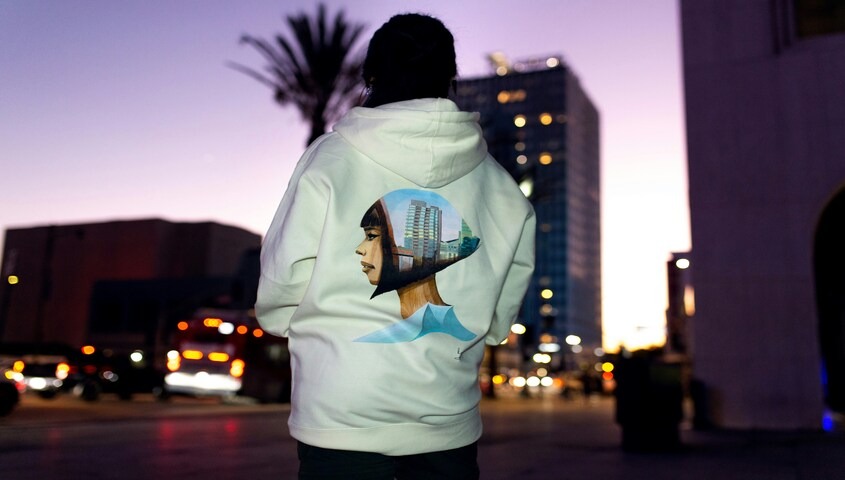
Non-representational shapes and compositions, which have no meaning beyond their aesthetic quality. Consumers who are interested in art as a way to express themselves rather than to advertise wear clothing.
Designs based on geometric patterns, organic forms, asymmetry, and color fields will all work well. They tend to take well to photography, making them excellent for online marketing purposes.
15. Photo Collage and Polaroid Style
Photography-based graphics are taking off in this section, particularly in the Polaroid-inspired graphic style. This is done by placing four to six photographs into an organized grid pattern, with captions in handwriting-style font or date marks to give a personalized feel.
It's great for merchandise related to special events, vacations, or experiences within the community. It can also be used to personalize products for clients, where they can provide their own photographs to create a unique design.
16. Y2K and Early Internet
Text from Chrome, pixelated imagery, loading bar designs, browser window design elements—all find their place as easily on a hoodie as they do on a custom T-shirt. Y2K aesthetics have fully transitioned from being T-shirt prints to becoming heavy garments, and the hoodie is their ideal canvas.
A hoodie's thicker material and wider expanse provide more room for the designs to flourish than a T-shirt could ever allow. The designs themselves can be scaled up and made into an all-encompassing experience.
17. Cut-and-Sew / Color Blocking
With two-tone panels, contrasting sleeves, and split-color hoods, the cut-and-sew process transforms the hoodie from an art project to a fashion statement. It’s the color blocking that becomes the design, which means you can create something stunning without a single graphic element.
It’s a more complex manufacturing process, for sure, but the results speak volumes. You get a product that appears high-end and draws attention immediately. And if you’re trying to elevate your brand beyond the level of ordinary print-on-demand products, cut-and-sew hoodies are what you need.
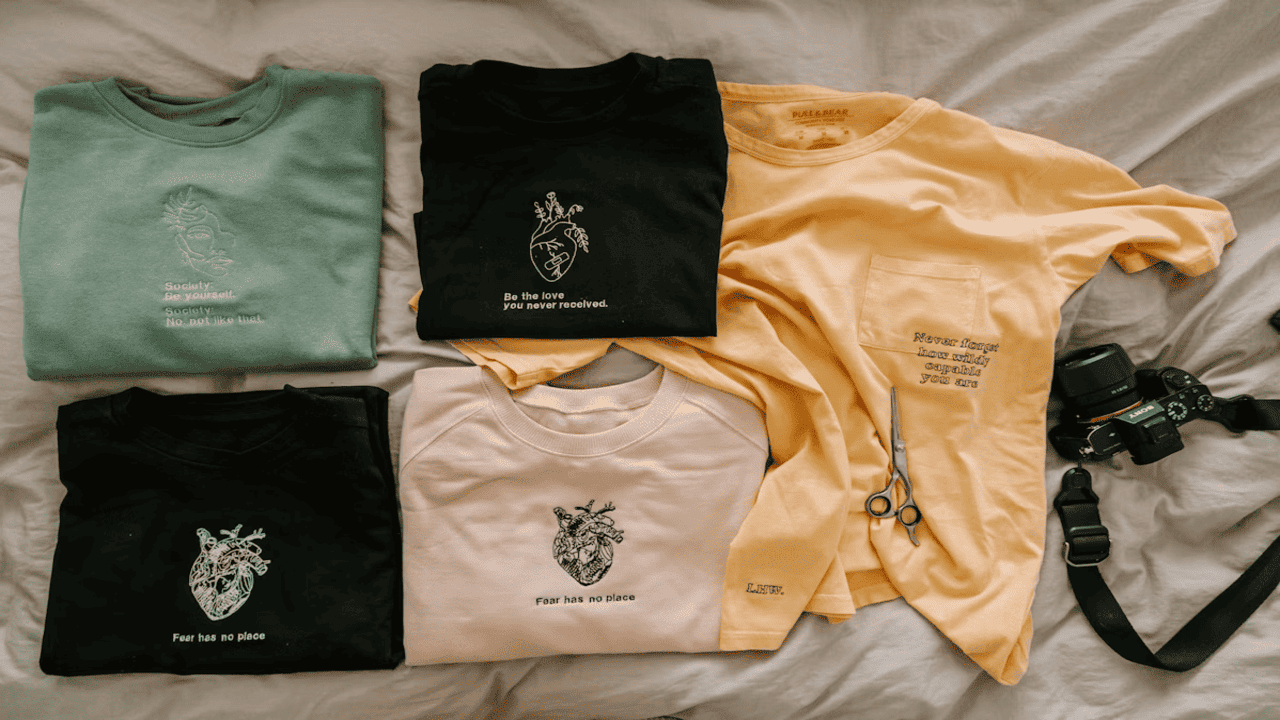
18. Hand-Drawn and Illustrated
Raw, imperfect, human. Hand-drawn artwork carries an authenticity that AI-generated or overly polished digital artwork simply can't match. Sketch-style portraits, loose ink illustrations, and doodle-inspired compositions all perform well because they feel personal.
For independent brands, this is a differentiator. A hand-illustrated hoodie tells a story about the person behind the brand. It's nearly impossible to knock off convincingly, which protects your designs in a market full of copycats. Commission an artist, develop your own drawing style, or collaborate with illustrators who align with your brand's identity—the investment pays for itself in originality.
19. Coquette and Soft Aesthetic
The delicate bows, soft colors, ribbons, and fancy fonts of the coquette aesthetic are now not only confined to TikTok inspiration reels but are also present on actual clothing. In hoodies, there's an intriguing clash between the relaxed, loose design and the elegant details.
While this aesthetic might not be mainstream, its popularity is rapidly rising. The combination of blush pink, lavender, and powder blue on thick cotton gives the product an air of luxury. If your consumer base leans towards this aesthetic, then nothing can beat a coquette hoodie.
20. Glow-in-the-Dark and Reflective
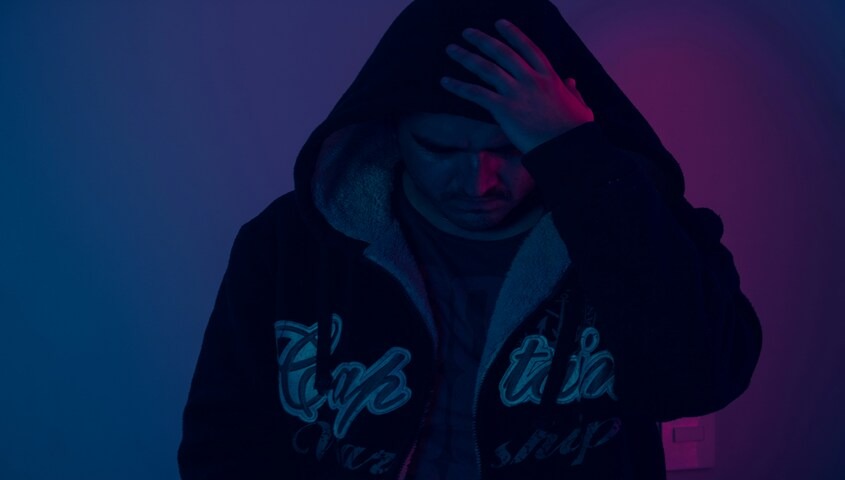
Prints that respond to light or dark bring a tactile quality that cannot be provided by standard printing. Reflective ink reflects the beams from headlights and flash photography. Glow-in-the-dark prints uncover unseen details when the sun sets. Both techniques result in content that you can encourage your audience to share.
This is a powerful way to create a limited edition collection and time-bound launches. The element of surprise creates a sense of urgency and excitement, while the print results make all your photographs and videos appear as an unpaid advertisement for your brand.
How to Design a Hoodie with Tapstitch
The concepts come easily enough. It’s the execution of them which trips up most entrepreneurs—deciding on the blanks, getting the printing done, managing your stock, sorting out the fulfillment. Tapstitch takes all of that away into a single streamlined process for you.
Here's the workflow from idea to live product:
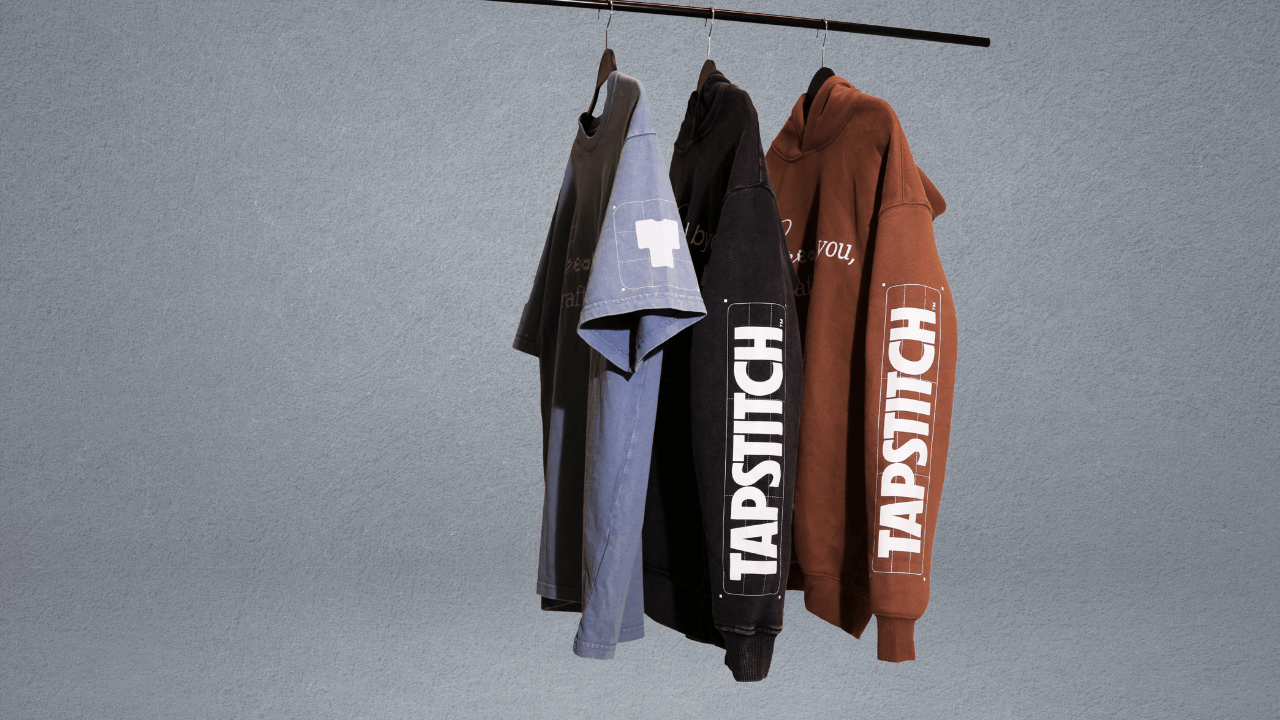
Pick your blank. Tapstitch uses high-quality hoodie blanks, which come in a variety of weights and styles, including heavyweight, mid-weight, oversized, and cropped. Quality in the hoodie blank itself should be the first priority since your artwork needs to sit on something wearable.
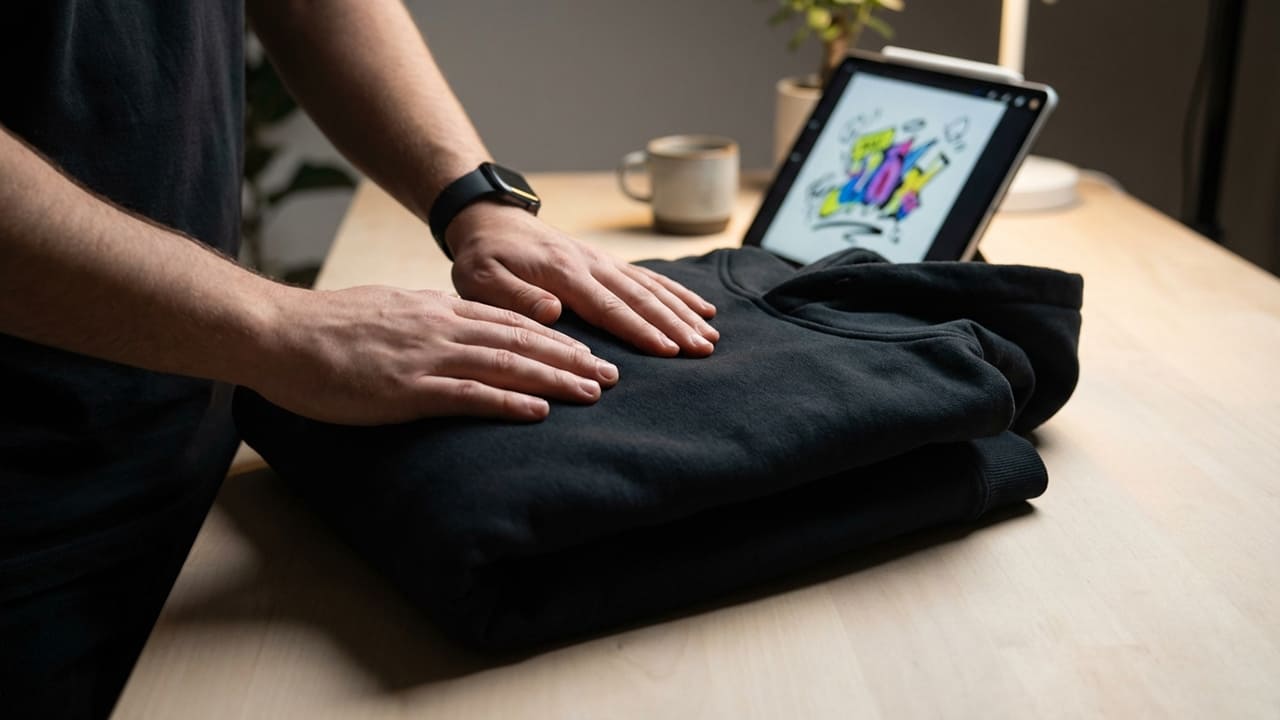
Design your product. Build your artwork using Tapstitch’s Design Studio; there’s no need to download expensive software or hire professionals for that purpose.
Determine your markup. Choose whatever margin you want; Tapstitch will show you the price of printing, and you decide on how much money you can make.
Publish and sell. There’s no minimum purchase quantity, no need to keep an inventory, or even be present when the order arrives, because we do all the printing and shipping for you.
Speed is the advantage. You spot a trend on this list, design your own hoodie around it, and have a product live before most brands finish their mood board.
Hoodie Design FAQs
Answers to the questions that come up most when founders start building their hoodie line.
What makes a custom hoodie sell?
Three things: the blank quality, the design originality, and the brand story behind it. A premium heavyweight blank with an original graphic and a brand that people connect with will outsell a cheap hoodie with a trending design every time. The product has to feel worth owning, not just worth clicking on.
Can I design my own hoodie with no experience?
Absolutely. Tapstitch's design tool is built for founders, not graphic designers. You can upload artwork, use text tools, work from templates, or combine elements to create something original. If you can drag and drop, you can design a hoodie.
How much does it cost to start selling hoodies?
With Tapstitch, the upfront cost is zero. No inventory purchases, no bulk orders, no production fees until someone buys. You pay the base cost per hoodie when an order comes in, and the difference between that and your retail price is your profit. That's it.
Final Thoughts
Twenty hoodie design ideas. One canvas. The hoodie is the most forgiving, most versatile piece in any apparel collection—heavyweight enough to hold bold graphics, premium enough to justify real margins, and universal enough that everyone already wants one in their rotation.
The brands winning right now aren't waiting for permission or perfect conditions. They're picking a direction, designing something with intention, and getting it in front of people fast. Every design idea on this list is a starting point. What you build from it is what separates your brand from the noise.




.jpg)
.jpg)
.jpg)
.jpg)
.jpg)

%20(1).jpg)
.png)

.png)


%20(1)%20(1).jpg)




.png)
.png)


.jpg)

.jpg)
.jpg)

.png)



.png)


.jpg)
.png)
.png)





.png)








.png)
.png)
.png)
.png)

.png)


Inspiration Starts Here. Let's Make Something Beautiful.
Make high quality clothes easily with Tapstitch.


